


Some dogs slow down with age, but a Beagle often keeps its playful spark long after the puppy years.
Beagles are cheerful, curious dogs, and their age can depend on food, weight, exercise, family care, and regular vet visits.
As a vet, I have seen many Beagles stay active, bright, and happy when their daily care stays simple and steady.
I will be telling you about beagle lifespan, beagle age, life expectancy, health risks, and ways to support a longer life.
You will also learn what affects their age, which health problems to watch for, and which signs require faster vet care.
Before we look at the average age, let us first understand what a healthy Beagle life can really look like.
What is the Average Lifespan of a Beagle?
Beagles are known for having a longer lifespan than many other dog breeds.
Most healthy Beagles live between 12 and 15 years, with a median of around 13.5 years, according to a 20-year University of Georgia study that tracked over 75,000 dogs across 82 breeds.
In my clinical experience, Beagles with regular vet visits, healthy diets, and proper exercise often live up to 14 to 16 years.
Their small-to-medium size gives them an advantage over larger breeds, which usually live only 7 to 10 years. Beagles also compare well with other breeds when it comes to longevity.
Smaller dogs generally age more slowly, and Beagles benefit from that naturally. Some Beagles have lived far beyond the average lifespan.
One famous example is Butch from Virginia, who reportedly lived to 27 or 28 years. While rare, many Beagles still stay active and healthy well into their mid-to-late teens.
Key Factors That Influence Beagle Lifespan

Beagle lifespan depends on daily care, genetics, diet, exercise, vet support, and the home environment. Each factor plays a role in how long your Beagle lives and how healthy those years feel.
1. Genetics and Breeding Practices
Genetics set the foundation for the Beagle’s lifespan. A puppy from healthy parent dogs has a better chance of living longer and avoiding inherited health problems.
Reputable breeders screen their dogs before breeding. This helps lower the risk of genetic issues.
Some Beagles are also born with Musladin-Lueke Syndrome (MLS), a connective tissue condition that affects movement and gait.
Always ask for health clearances for both parents. Good breeding does not promise perfect health, but it gives your Beagle a stronger and safer start in life.
2. Diet and Nutrition
Diet has a direct effect on the lifespan of Beagles. Beagles need balanced food that suits their age, size, weight, and activity level.
Poor food choices can lead to weight gain, weakened immunity, and long-term health problems. Free-feeding is also risky because Beagles love to eat.
Measured meals work better. A steady feeding routine supports digestion, energy, weight control, and long-term health.
3. Exercise and Weight Management
Exercise is one of the most important parts of a Beagle’s lifespan. Beagles are active dogs, but they can gain weight quickly.
Extra weight puts stress on their joints, heart, and organs. It can also increase the risk of diabetes and other diseases.
Daily walks, playtime, scent games, and portion control help keep your Beagle fit. A lean Beagle often lives a healthier life.
Using the right walking gear from early on reduces neck strain and keeps your Beagle more comfortable on longer outings, which matters more as they move into their senior years.
4. Veterinary Care and Preventive Health
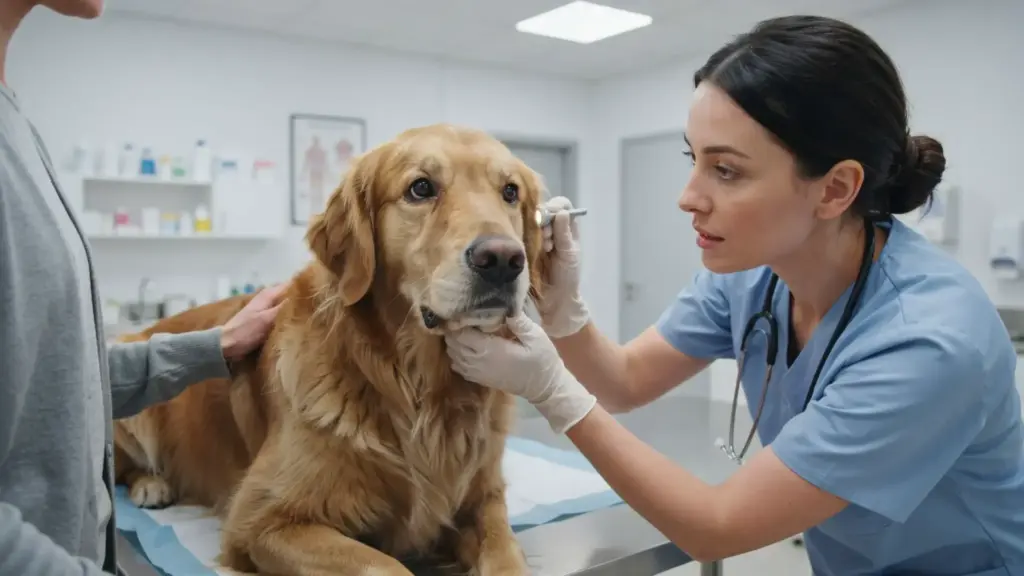
Regular vet care can help protect a Beagle’s lifespan. Wellness exams, vaccines, parasite prevention, and dental checks help catch problems early.
Many health issues are easier to manage when found in the beginning. Preventive care also protects your Beagle from avoidable diseases.
Routine checkups may seem basic, but they often make a big difference. Early treatment can add healthier years to your Beagle’s life.
5. Environment, Stress, and Lifestyle
A stable home can support a Beagle’s lifespan in a quiet but powerful way. Beagles are social dogs. They need attention, routine, and mental stimulation.
Stress, boredom, and loneliness can affect their behavior and health. Puzzle toys, walks, training games, and family time help keep them happy.
A calm lifestyle supports better sleep, stronger immunity, and a smoother senior stage.
6. Spaying, Neutering, and Other Care Choices
Spaying or neutering can also influence a Beagle’s lifespan. It may lower the risk of certain cancers, infections, roaming injuries, and unwanted litters.
Still, the right timing is different for every dog. Age, health, size, and lifestyle all matter. This choice should be made with your vet.
A personal plan helps protect your Beagle without rushing an important health decision.
Common Health Issues That Affect Beagle Longevity

Beagles can live long lives, but some health issues need early care to protect their comfort, movement, and overall lifespan.
- Cancer and trauma: Cancer accounts for 23.1% of Beagle deaths and is the leading cause across nearly all dog breeds, according to the University of Georgia study. Trauma follows at 16%, mostly from car accidents and preventable fall injuries.
- Obesity and related conditions: Obesity is one of the most preventable Beagle health problems. It can lead to diabetes, arthritis, heart strain, and reduced mobility.
- Ear infections, allergies, and eye problems: Beagles have floppy ears that trap moisture and debris after walks. Routine ear cleaning reduces infection risk considerably. They may also develop cherry eye, glaucoma, or retinal issues as they age.
- Epilepsy and neurological issues: Idiopathic epilepsy often appears between the ages of 2 and 5. Many Beagles can still live well when seizures are managed with proper medication.
- Joint and endocrine problems: Hip dysplasia, patellar luxation, and hypothyroidism can affect comfort and movement. Weight control, joint support, and early treatment help a lot.
- Dental disease: Research shows that up to 80% of dogs develop signs of dental disease by age two. In Beagles, untreated periodontal disease can affect the kidneys, liver, and heart over time, not just the teeth. Regular professional cleanings and daily brushing at home both matter.
Some owners use homemade flea and tick spray between scheduled vet visits as a supplemental prevention measure, worth discussing with your vet to ensure it fits your Beagle’s health plan.
Real Beagle Owner Experiences and Stories

A Reddit user asked other Beagle owners how long their dogs lived, and the replies turned into a pretty honest mix of hope, loss, and practical advice.
One owner shared that their Beagle was 16 and a half, still chasing squirrels, eating well, drinking normally, but acting quieter than before.
People replied that older Beagles often slow down, lose hearing, and rest more, but eating and drinking well were still good signs.
Another owner said their Beagle lived almost 17 years and stayed mostly healthy until the end. Others shared shorter lifespans due to cancer, liver failure, heart issues, or intestinal problems, showing how much health history can change things.
A few replies also gave a very Beagle-specific clue: when a Beagle loses that usual hound energy, like chasing, barking, sniffing, or eating everything, it may be time to pay closer attention.
Beagle Care Plan by Life Stage
A Beagle’s needs change with age. This table gives you simple care priorities from puppyhood to the senior years.
| Life Stage | Age Range | Main Care Focus | What to Do |
|---|---|---|---|
| Puppy | 0 to 12 months | Growth and training | Feed puppy food, start basic training, follow vaccine schedules, and build good grooming habits early. |
| Adult | 1 to 7 years | Weight and activity | Keep meals measured, give daily walks, use scent games, and schedule yearly vet visits. |
| Mature Adult | 7 to 10 years | Early health checks | Add routine bloodwork, watch weight closely, check teeth, and notice changes in energy or movement. |
| Senior | 10+ years | Comfort and support | Use orthopedic bedding, offer gentle exercise, manage pain early, and schedule regular senior wellness exams. |
Conclusion
Beagles can live long, happy lives when they are cared for with love and consistency. Good breeding, healthy food, daily exercise, weight control, regular vet visits, grooming, and mental stimulation all play a role.
Common health issues like obesity, ear infections, aging, and more can benefit from early attention, but when addressed, they can last longer with you.
In the middle of all this, Beagle lifespan depends less on luck alone and more on steady daily choices.
Cherish the walks, the howls, the sniffing breaks, and every silly moment. With prevention, enrichment, and quick care when problems appear, your Beagle gets the best chance at a longer and healthier life.
What has helped your Beagle stay healthy and happy over the years? Share your experience in the comments.
Frequently Asked Questions
How Can I Tell if My Beagle is Overweight?
You should be able to feel your Beagle’s ribs without pressing too hard. A visible waistline also helps. If your Beagle gains weight easily, ask your vet for a Body Condition Score.
What Food is Best for Beagle Longevity?
A balanced, portion-controlled diet works best for Beagles. Choose high-quality food that matches your dog’s age and activity level. Avoid too many treats and table scraps whenever possible.
How Much Exercise Does a Senior Beagle Need?
Senior Beagles still need daily activity, but gentle routines work better. Short walks, light playtime, and scent games help maintain mobility, mental stimulation, and a healthy weight without overworking their joints.
What is the Biggest Threat to Beagle Lifespan?
Obesity is one of the biggest threats to a Beagle’s health. Extra weight increases the risk of diabetes, arthritis, heart problems, and poor mobility. Consistent weight management can greatly improve lifespan.