Picking a dog when you have kids at home is a big deal. You want a breed that is patient, friendly, and safe around children of all ages.
I put together this list of the best dogs for kids to help you find a breed that fits your family’s lifestyle.
With over a decade of volunteering at rescue shelters and interviewing breeders and veterinarians across the U.S., I have seen firsthand which breeds consistently do well in homes with children.
In this blog, I’m sharing some of the dog breeds that do well in homes with children. Each breed is known for being gentle, playful, and easy to bond with.
You will also find tips on what to look for in a family dog and how to bring a new pup home the right way.
I kept everything simple and direct so you can compare breeds quickly and make a confident choice.
By the end of this post, you should have a clear idea of which breed works for your home and your kids.
What Makes a Dog Good for Kids?
Not every dog is a natural fit for a busy household with children.
The best dogs for kids share a few important traits that help them handle the noise, energy, and surprise hugs that come with family life.
- A calm and steady temperament matters most. Dogs that stay relaxed around loud sounds and fast movements are less likely to snap or get stressed.
- Size also plays a role. Medium- to large-breed dogs can handle rough play without getting hurt, while smaller breeds work best with older, gentler kids.
- Age matching is just as important. Families with toddlers need breeds that tolerate rough handling and sudden movements, such as Golden Retrievers or Newfoundlands.
- Families with school-age or older kids. Consider more energetic breeds, such as Boxers or Australian Shepherds, that enjoy active play.
- Trainability is another key factor. A dog that picks up commands quickly makes the adjustment period smoother for everyone.
Early socialization helps, too, since dogs exposed to different people and settings from a young age tend to be more confident and easygoing at home.
Best Dogs for Kids that Love Being Around Children
This list covers the best dog breeds for kids, ranging in size, energy level, and grooming needs. Each one has a track record of doing well in family homes.
1. Golden Retriever
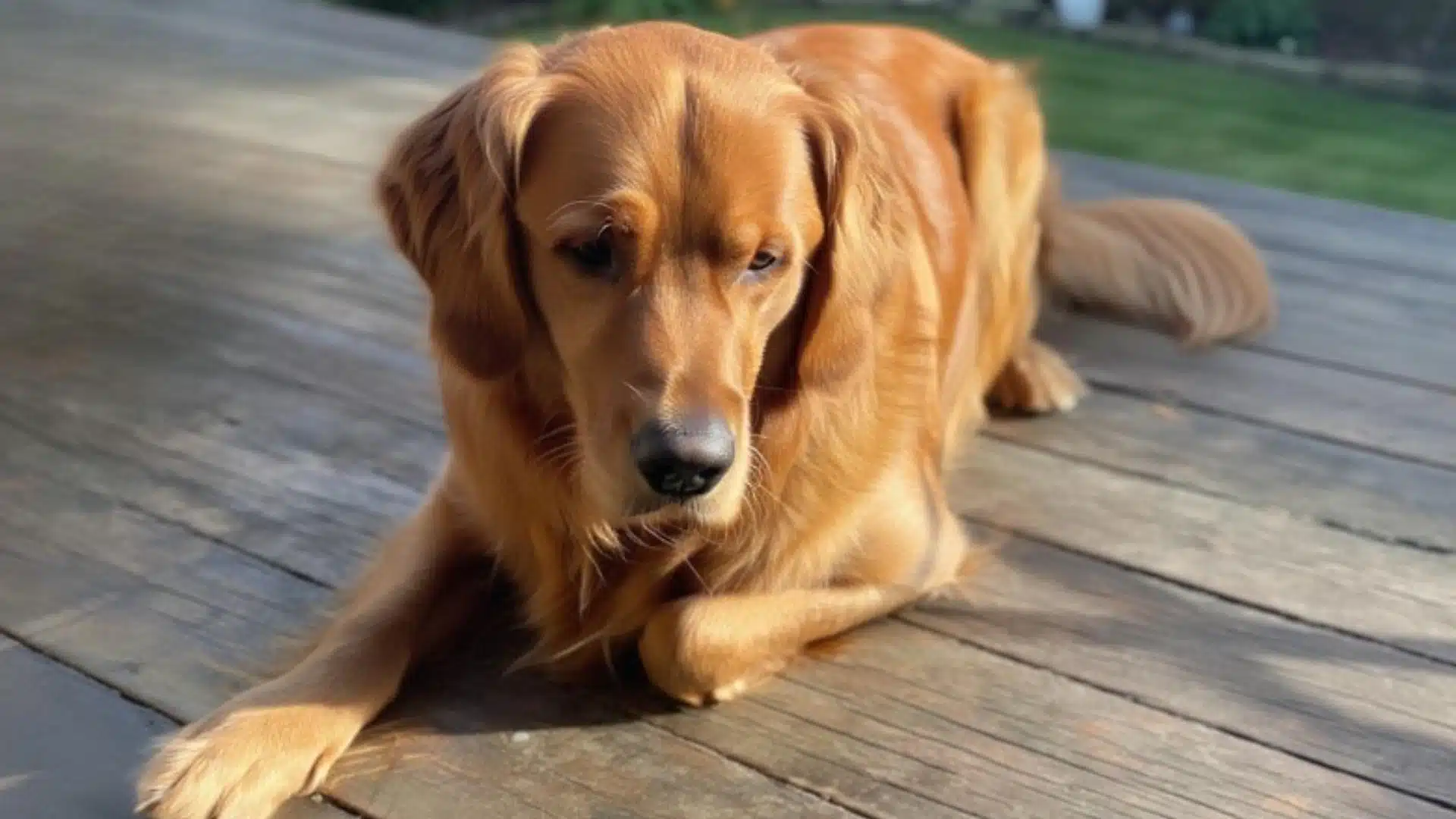
Height: 21.5 to 24 inches | Weight: 55 to 75 pounds | Lifespan: 10 to 12 years
Golden Retrievers are often the first breed families think of, and for good reason.
They are patient, affectionate, and always ready for a game of fetch in the yard. Their gentle mouths and calm nature make them among the best dogs for kids of all ages, including toddlers.
From my years at shelters, I have noticed that Goldens are also among the most commonly surrendered breeds, often because families underestimate how much daily exercise they need.
If your household can commit to at least an hour of activity a day, a Golden will thrive.
- Temperament: Patient, affectionate, and eager to please. Stays calm around loud sounds and fast movements, making them reliable around children of all ages.
- Daily needs: At least 1 hour of active exercise, regular brushing to manage the thick double coat, and consistent training sessions.
- Health risks:Hip dysplasia, elbow dysplasia, and certain cancers (including hemangiosarcoma and lymphoma). Routine vet checkups and maintaining a healthy weight help reduce risks.
- Best for: Active families with kids of any age, including toddlers. Homes with a yard get the most out of this breed.
2. Labrador Retriever
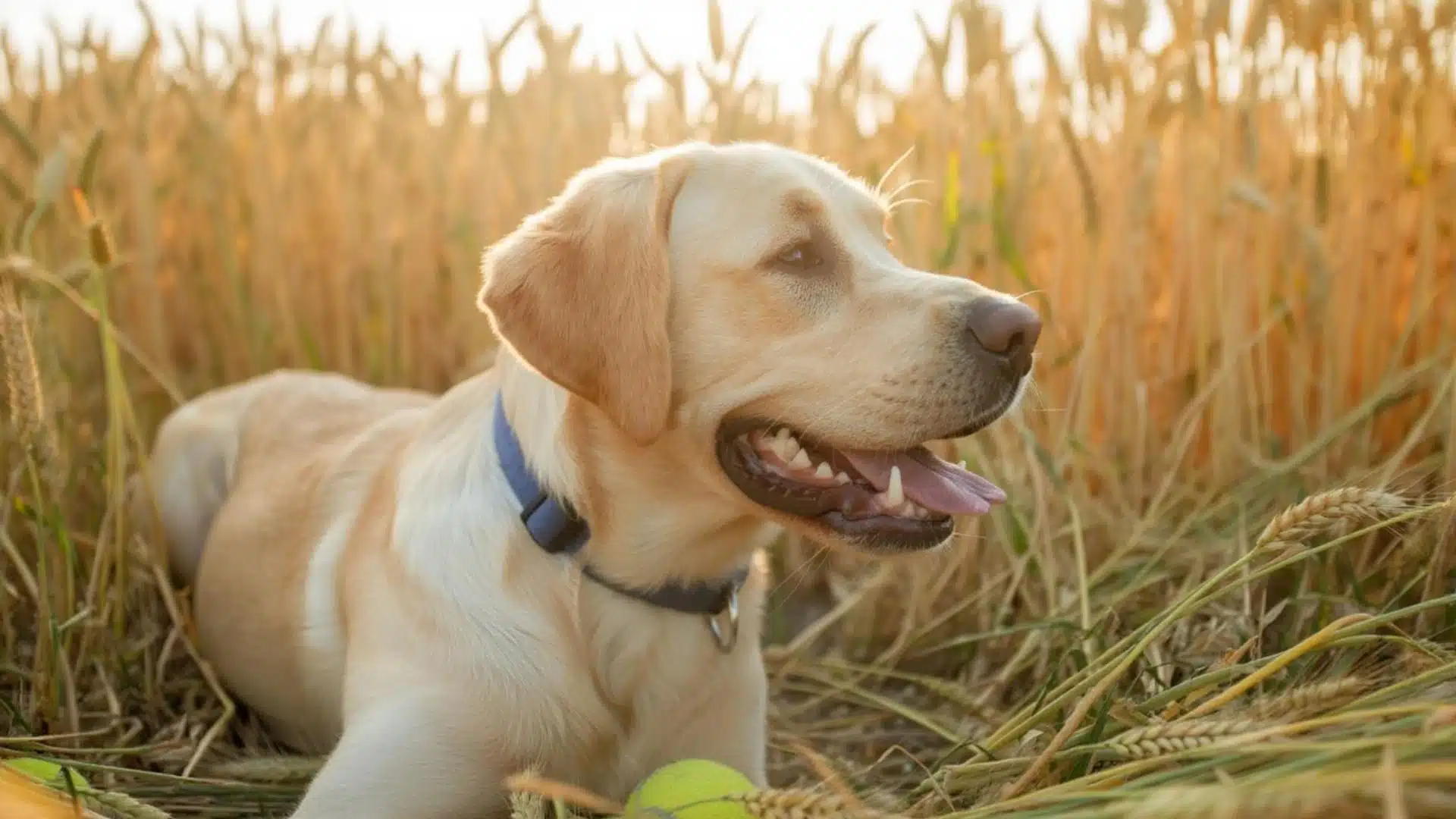
Height: 21.5 to 24.5 inches | Weight: 55 to 80 pounds | Lifespan: 11 to 13 years
Labrador Retrievers are among the most popular family dogs. They are social and outgoing, and they love spending time with people, especially children.
Labrador Retrievers come in 3 colors and 2 body types. English Labs tend to be calmer, while American Labs tend to have more energy.
Both types are loyal and playful. They do well with swimming, hiking, and long play sessions in the backyard.
- Temperament: Social, outgoing, loyal, and playful. Gentle enough for toddlers and energetic enough for older kids.
- Daily needs: At least 1 hour of daily exercise, including walks, swimming, or fetch. A short coat needs only occasional brushing.
- Health risks:Hip and elbow dysplasia, obesity, and exercise-induced collapse. Labs gain weight easily, so portion control and regular activity are important.
- Best for: Families of all sizes who enjoy outdoor activities. English Labs suit calmer households, while American Labs fit high-energy families.
3. Beagle

Height: Under 13 inches or 13 to 15 inches | Weight: Under 20 pounds or 20 to 30 pounds | Lifespan: 10 to 15 years
Beagles are small, sturdy, and full of personality.
Their compact size makes them a great fit for families living in apartments or smaller homes. Beagles are curious and love to sniff out new things, which keeps kids entertained during walks.
They are also pack-oriented dogs that bond quickly with every family member.
One thing to note is that Beagles can be vocal. Training from an early age helps manage their howling habit.
- Temperament: Curious, friendly, and pack-oriented. Bonds quickly with every family member and does well in multi-pet households.
- Daily needs: A solid daily walk, scent-based games for mental stimulation, and consistent training to manage barking. A short coat requires minimal grooming.
- Health risks:Epilepsy, hip dysplasia, and cherry eye (a swollen tear gland). Beagles gain weight fast, so portion control matters.
- Best for: Families in apartments or smaller homes with kids who enjoy outdoor walks and want a sturdy, sociable small dog.
4. Bulldog
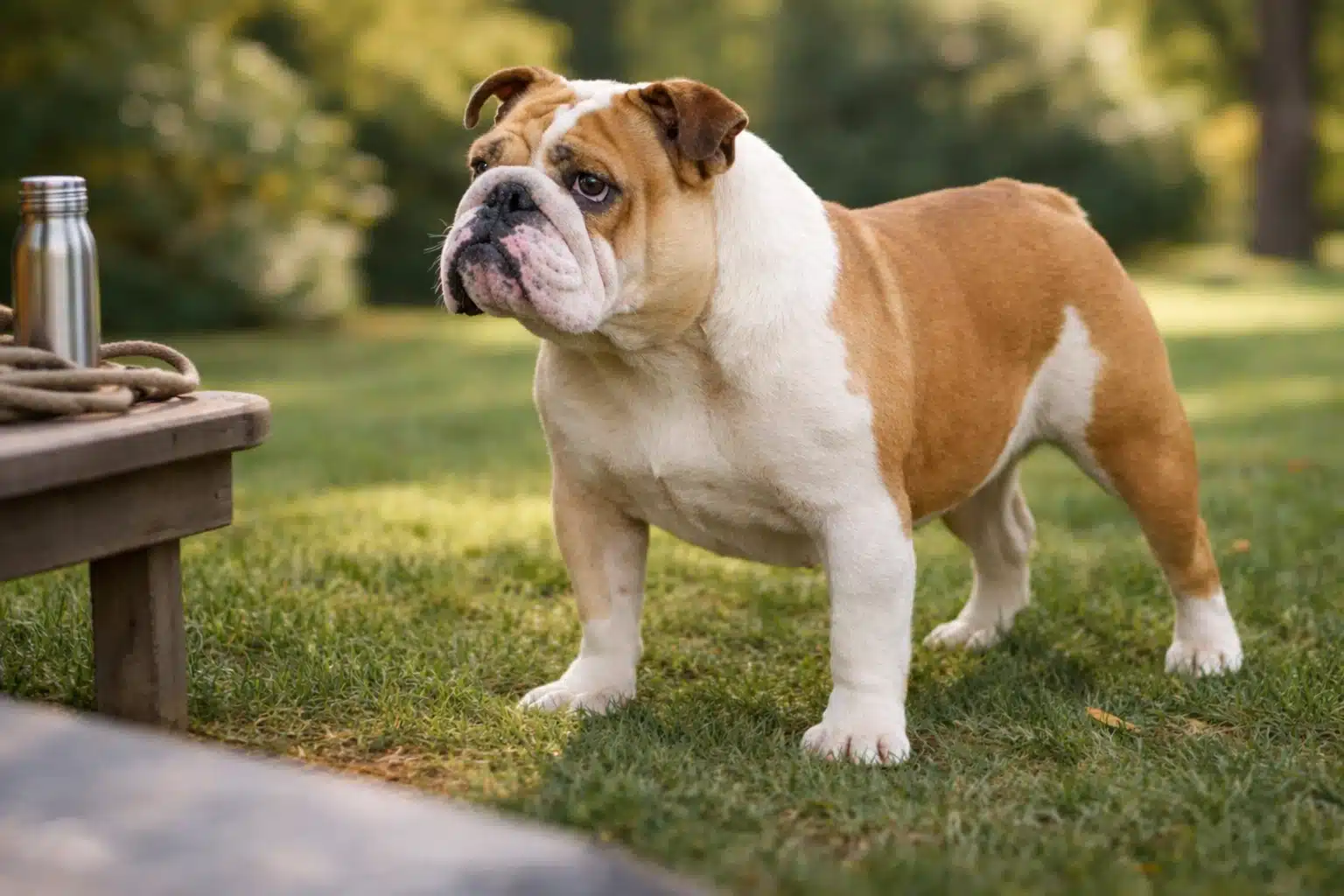
Height: 14 to 15 inches | Weight: 40 to 50 pounds | Lifespan: 8 to 10 years
Bulldogs have a tough look but a soft heart. They are calm, patient, and happy to lounge on the couch with your kids after a short walk.
This breed does not need much exercise, making them a solid choice for families with a more relaxed lifestyle. Bulldogs are also loyal and protective without being aggressive.
- Temperament: Calm, patient, loyal, and protective. Handles noise and rough play from children without getting stressed.
- Daily needs: A short daily walk, indoor play, regular cleaning of facial wrinkles, and air conditioning in warm weather.
- Health risks:Brachycephalic syndrome (breathing difficulties in hot weather), hip dysplasia, and skinfold infections. Keep them cool during hot months and clean facial folds regularly.
- Best for: Less-active families with kids of all ages who want a calm, low-exercise indoor companion.
5. Cavalier King Charles Spaniel

Height: 12 to 13 inches | Weight: 13 to 18 pounds | Lifespan: 9 to 14 years
Cavalier King Charles Spaniels are gentle, affectionate, and great with young children.
Their small size and soft temperament make them one of the best dogs for kids in quieter households. They love cuddling and are happy to sit on a lap for hours.
At the same time, they have enough energy for short play sessions and daily walks. Their silky coat needs regular brushing to prevent tangles and matting.
- Temperament: Gentle, affectionate, and eager to please. Stays calm in quiet home settings and bonds closely with every family member.
- Daily needs: 1 to 2 short walks, regular coat brushing, and plenty of lap time and cuddles.
- Health risks:Mitral valve disease (a progressive heart condition), syringomyelia, and patellar luxation. Ask breeders for cardiac health clearances.
- Best for: Quieter families with gentle younger children or older kids who want a small, affectionate lap dog.
6. Poodle (Standard)
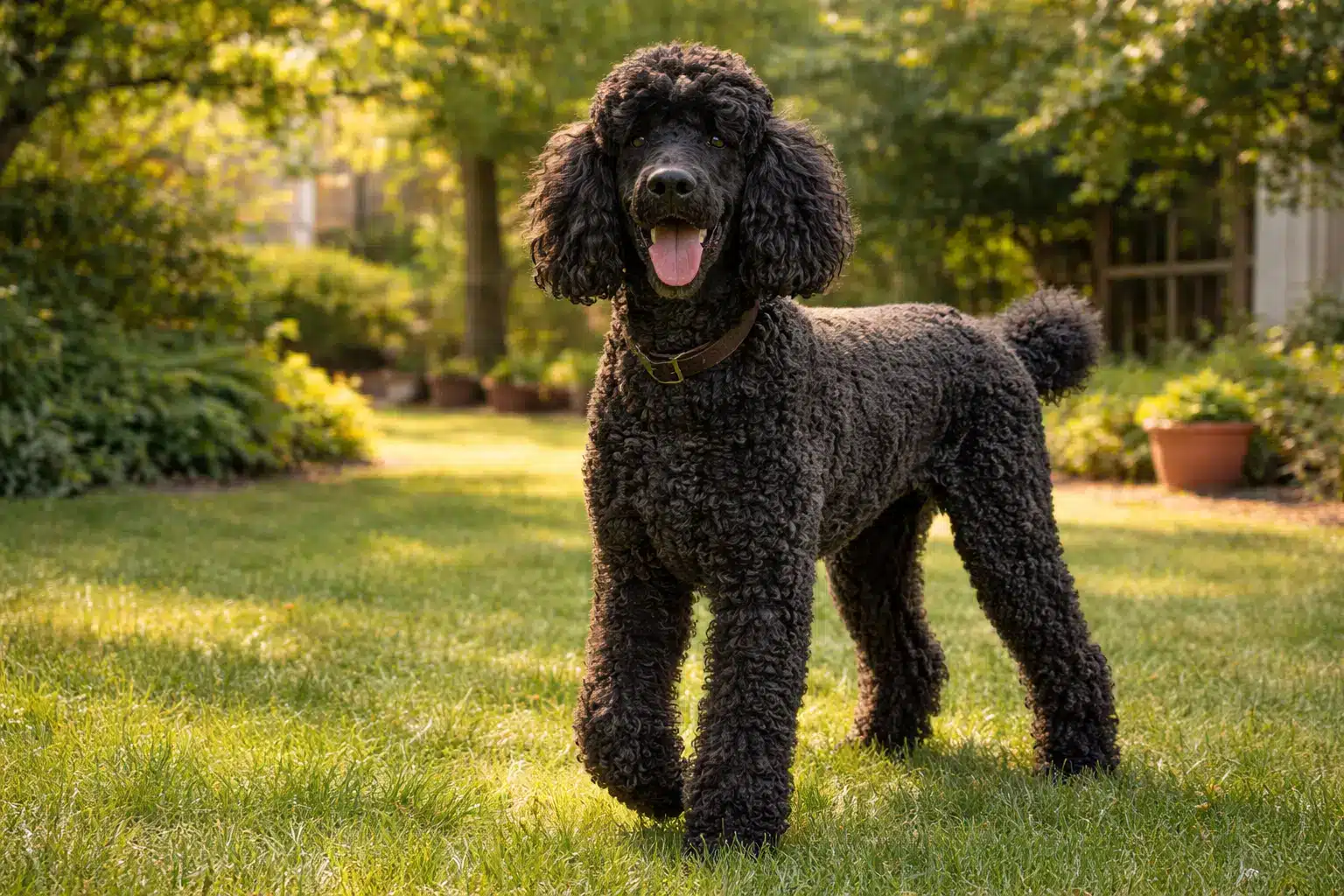
Height: Over 15 inches | Weight: 40 to 70 pounds | Lifespan: 10 to 18 years
Standard Poodles are highly intelligent and among the best dog breeds for kids with allergies.
Their curly coat sheds very little, which can reduce allergic reactions at home. They consistently rank among the smartest dog breeds, which makes training a smooth experience for families.
Regular grooming every 4 to 6 weeks keeps their coat clean and manageable.
- Temperament: Intelligent, active, and obedient. Loves learning new tricks and participating in family activities. Responds well to positive reinforcement.
- Daily needs: Daily exercise, mental stimulation through games and training, regular brushing, and professional grooming every 4 to 6 weeks.
- Health risks:Hip dysplasia, progressive retinal atrophy (gradual vision loss), and bloat (gastric dilatation-volvulus). Feeding smaller, more frequent meals helps reduce the risk of bloat.
- Best for: Families with allergy concerns who want a smart, trainable, low-shedding dog that keeps up with active kids.
7. Irish Setter
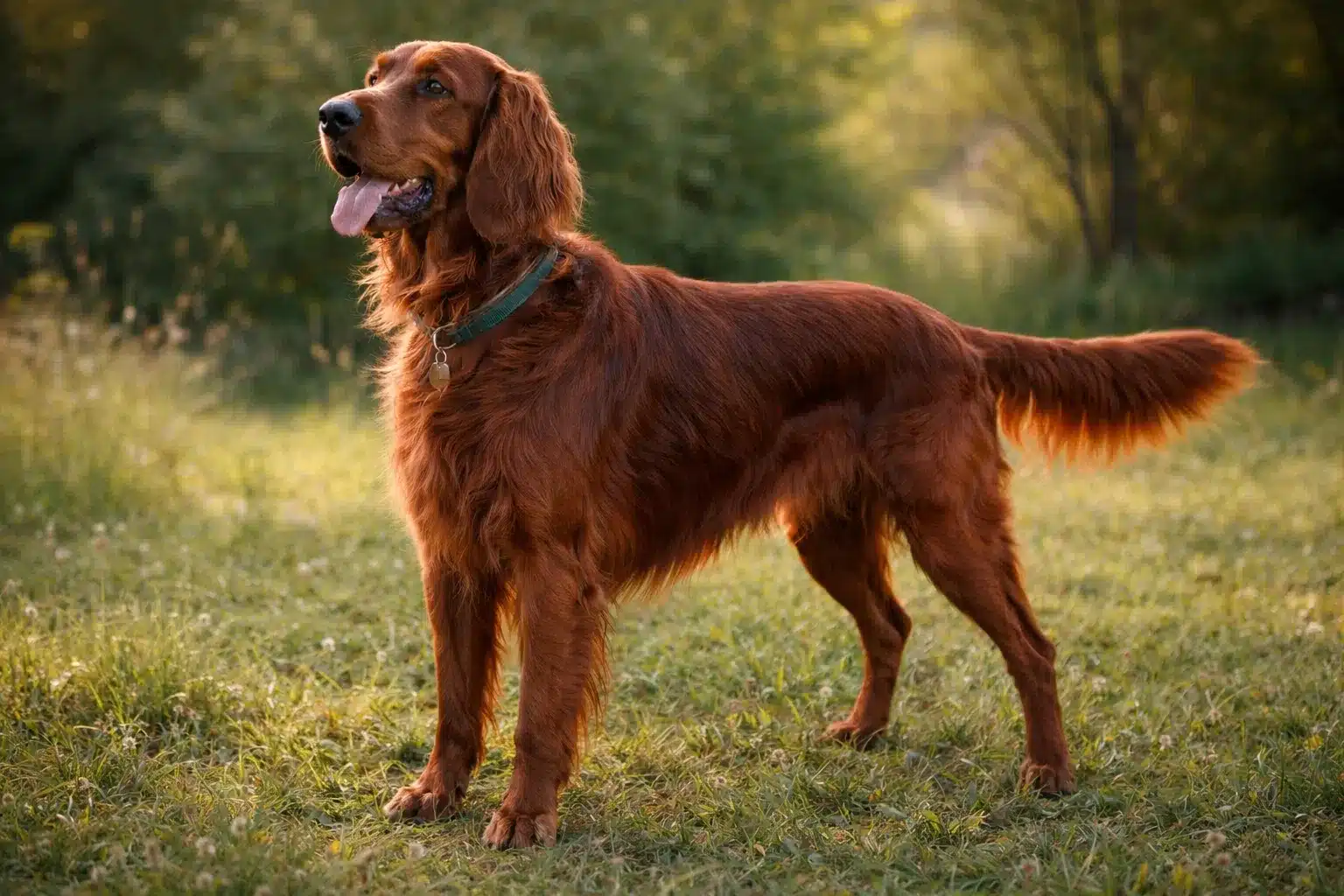
Height: 25 to 27 inches | Weight: 60 to 70 pounds | Lifespan: 12 to 15 years
Irish Setters bring high energy and a loving personality to any family.
Their striking red coat and playful nature make them a hit with active children. This breed does best in homes with large yards and plenty of room to run.
They are affectionate, get along well with other pets, and thrive on daily exercise. Short, frequent training sessions work best, as Irish Setters can get easily distracted.
- Temperament: Energetic, affectionate, and playful. Gets along well with other pets and loves being around people.
- Daily needs: Plenty of daily exercise and room to run, short and frequent training sessions, and regular brushing of the long red coat.
- Health risks:Hip dysplasia, progressive retinal atrophy, and bloat. A slow-feeder bowl and avoiding exercise right after meals help reduce the risk of bloat.
- Best for: Active families with large yards and older kids who can keep up with this breed’s high energy and love of outdoor play.
8. Boxer
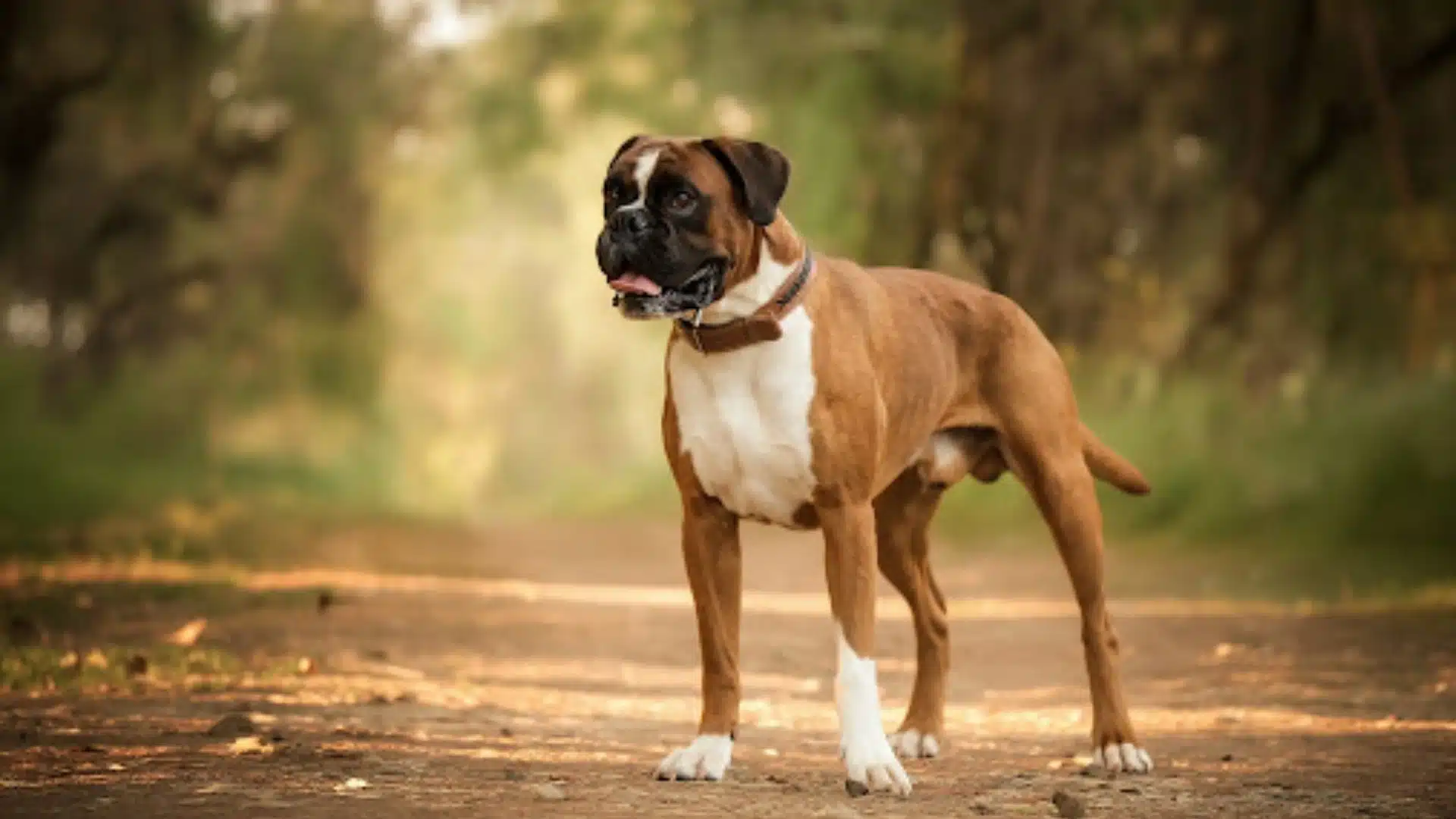
Height: 21.5 to 25 inches | Weight: 50 to 80 pounds | Lifespan: 10 to 12 years
Boxers are strong, playful, and protective in the best way.
They love roughhousing and can keep up with energetic older kids for hours. This breed is naturally alert, making it a good watchdog for family homes.
They build trust with children gradually, and once that bond forms, it tends to last for life. Boxers may be too powerful for very young children, so supervision during playtime is important.
- Temperament: Playful, strong, alert, and protective. Bonds deeply with children over time and stays loyal for life.
- Daily needs: At least 1 hour of vigorous daily exercise, consistent training, and supervised playtime with younger children. A short coat needs minimal grooming.
- Health risks:Heart conditions (aortic stenosis and cardiomyopathy), hip dysplasia, and certain cancers. Regular cardiac screenings are recommended.
- Best for: Families with older, energetic kids who want a strong, protective playmate and natural watchdog.
9. Collie
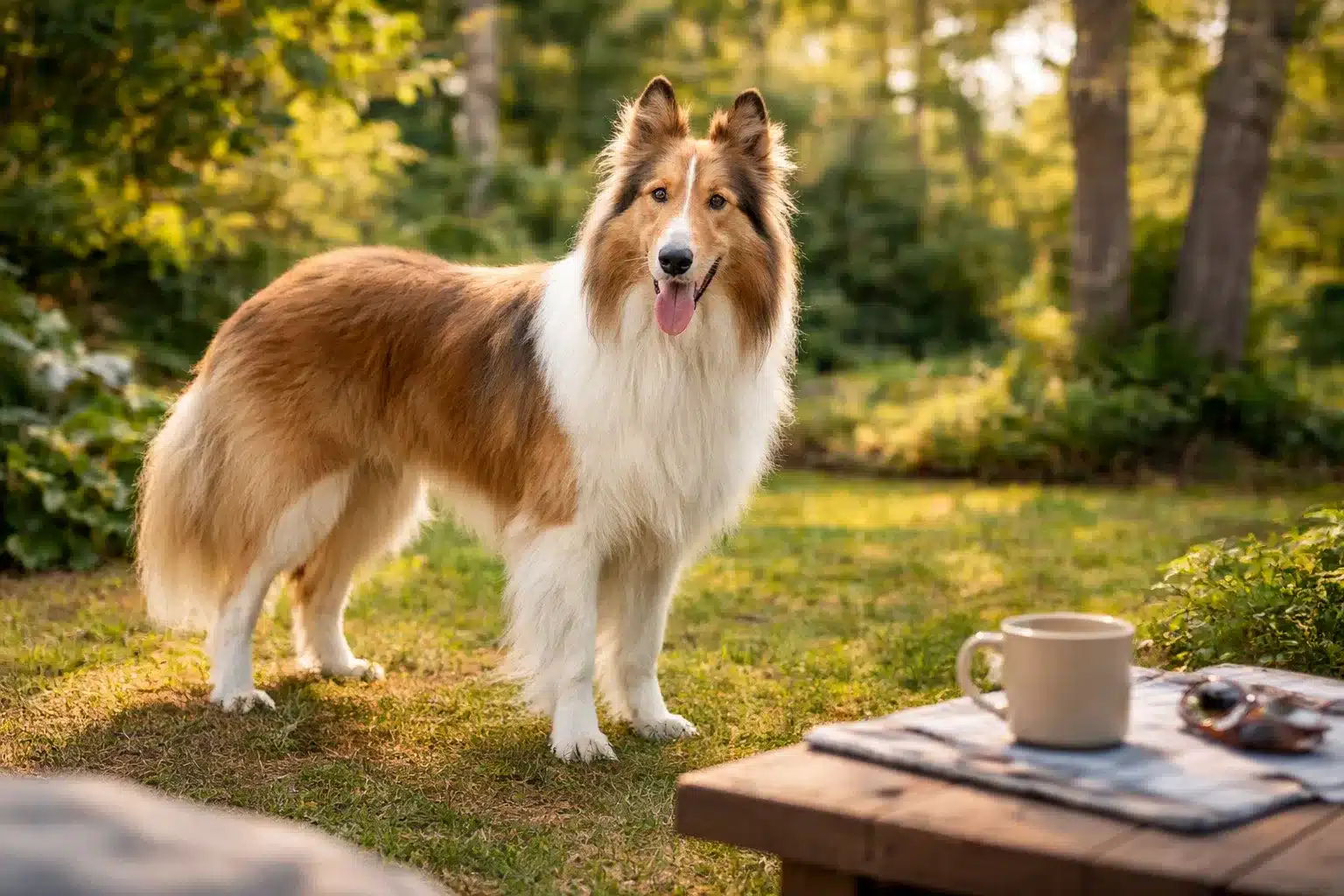
Height: 22 to 26 inches | Weight: 50 to 75 pounds | Lifespan: 12 to 14 years
Collies are known for being smart, loyal, and gentle with kids.
They have an instinct to watch over family members, which makes them reliable companions for children. This breed is easy to train and responds well to consistent commands.
Collies do well in both suburban and rural settings. Their long coat requires regular brushing, but their calm, loving nature more than makes up for the extra grooming.
- Temperament: Smart, loyal, gentle, and protective. Has a natural herding instinct to watch over and guard family members, especially children.
- Daily needs: Daily walks and playtime, consistent training, and regular brushing of the long double coat to prevent matting.
- Health risks:Collie eye anomaly (a genetic eye condition), hip dysplasia, and dermatomyositis (a skin and muscle disease). Ask breeders for eye health clearances.
- Best for: Families in suburban or rural settings with kids of all ages who want a loyal, watchful, and gentle companion.
10. Newfoundland
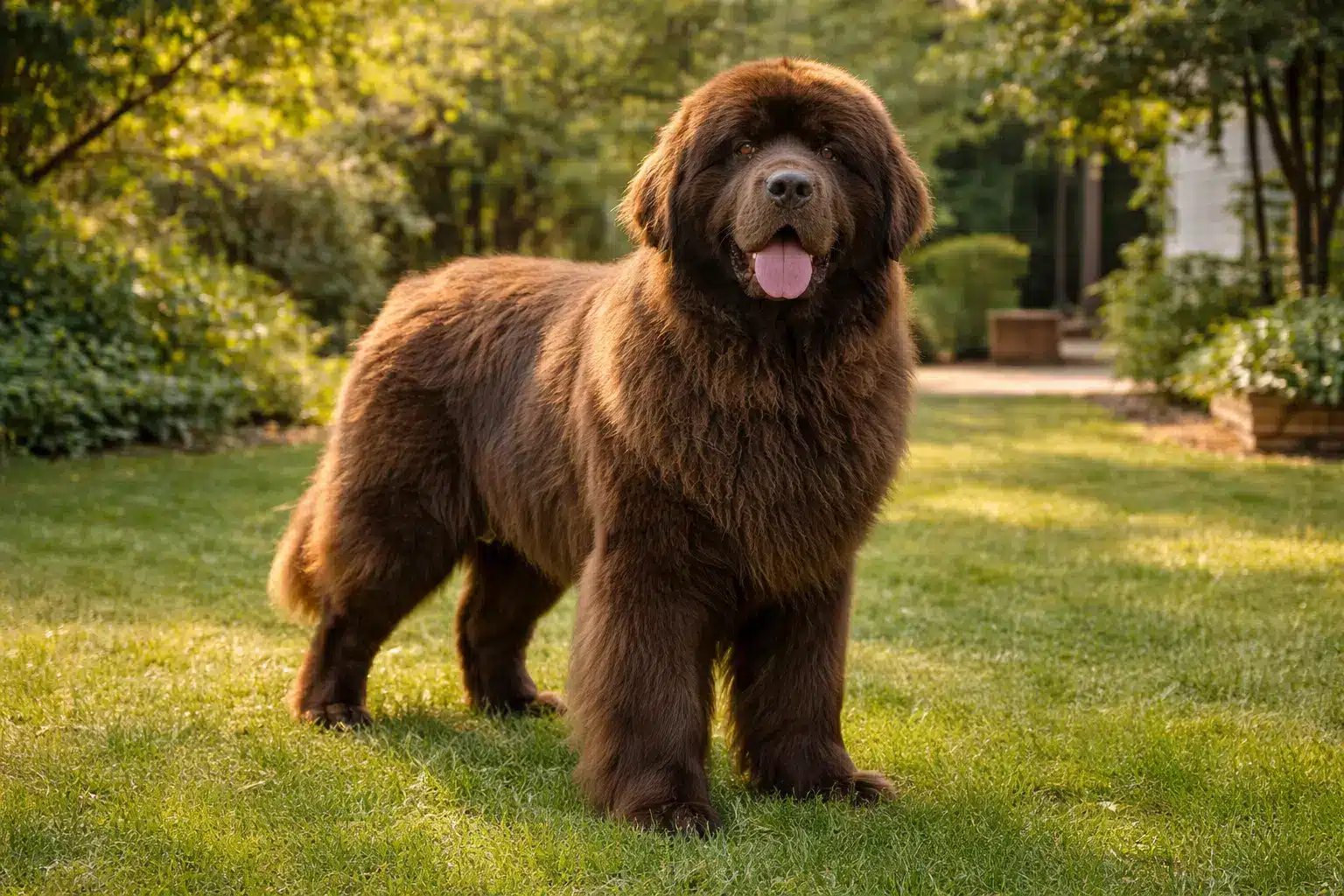
Height: 26 to 28 inches | Weight: 100 to 150 pounds | Lifespan: 9 to 10 years
Newfoundlands are gentle giants, famously patient with children.
Despite their large size, often over 100 pounds, they move carefully around small kids. Many families call them “nanny dogs” because of their protective and watchful nature.
In the families she placed them with, they consistently adjusted their energy around toddlers without any formal training.
- Temperament: Patient, protective, calm, and watchful. Naturally adjusts energy around small children and earns the “nanny dog” reputation.
- Daily needs: Moderate exercise such as swimming and walking, regular brushing of the heavy double coat, and frequent cleanup of drool and shed fur.
- Health risks:Hip and elbow dysplasia, heart conditions (subaortic stenosis), and bloat. Their shorter lifespan compared to smaller breeds is something families should plan for.
- Best for: Families with toddlers and young children who want a large, patient, protective dog and are willing to handle heavy grooming and drool.
11. Bernese Mountain Dog
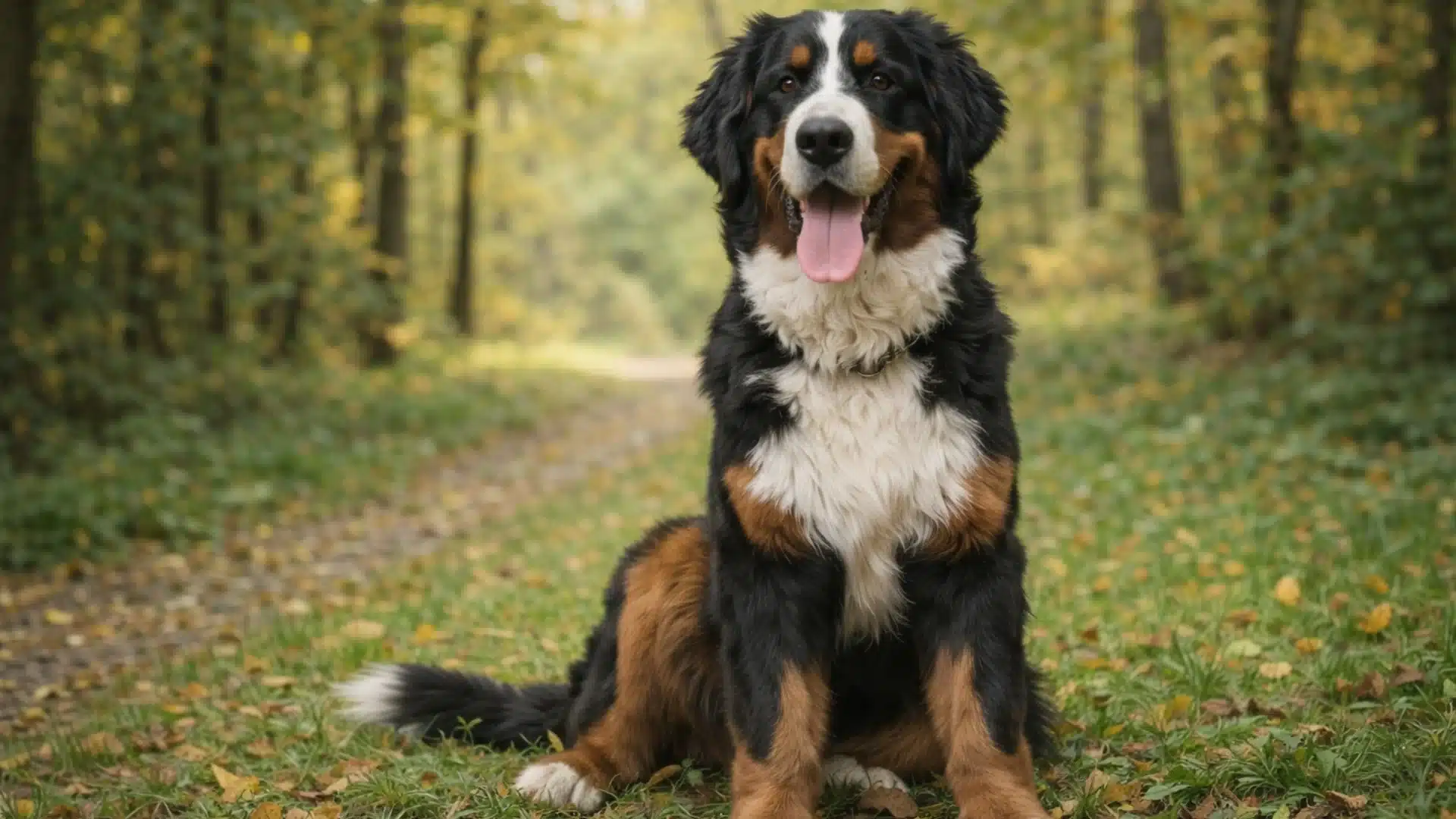
Height: 23 to 27.5 inches | Weight: 70 to 115 pounds | Lifespan: 7 to 10 years
Bernese Mountain Dogs are big, fluffy, and incredibly sweet around children.
The American Kennel Club rates them 5 out of 5 for being good with young kids. They are calm at home but enjoy outdoor activities like hiking and playing fetch.
Their friendly nature helps them get along well with strangers and other pets, too. Berners do best in cooler climates and need daily exercise to stay healthy and happy.
- Temperament: Sweet, calm, friendly, and affectionate. Gets along well with strangers, other pets, and children of all ages.
- Daily needs: Daily exercise, including walks and outdoor play; regular brushing of the thick, double coat; and a cool living environment. Does not tolerate heat well.
- Health risks:Hip and elbow dysplasia, histiocytic sarcoma (an aggressive cancer), and bloat. Their shorter lifespan is a serious consideration for families.
- Best for: Families in cooler climates with kids of all ages who want a large, affectionate, outdoor-loving companion.
12. Bichon Frise
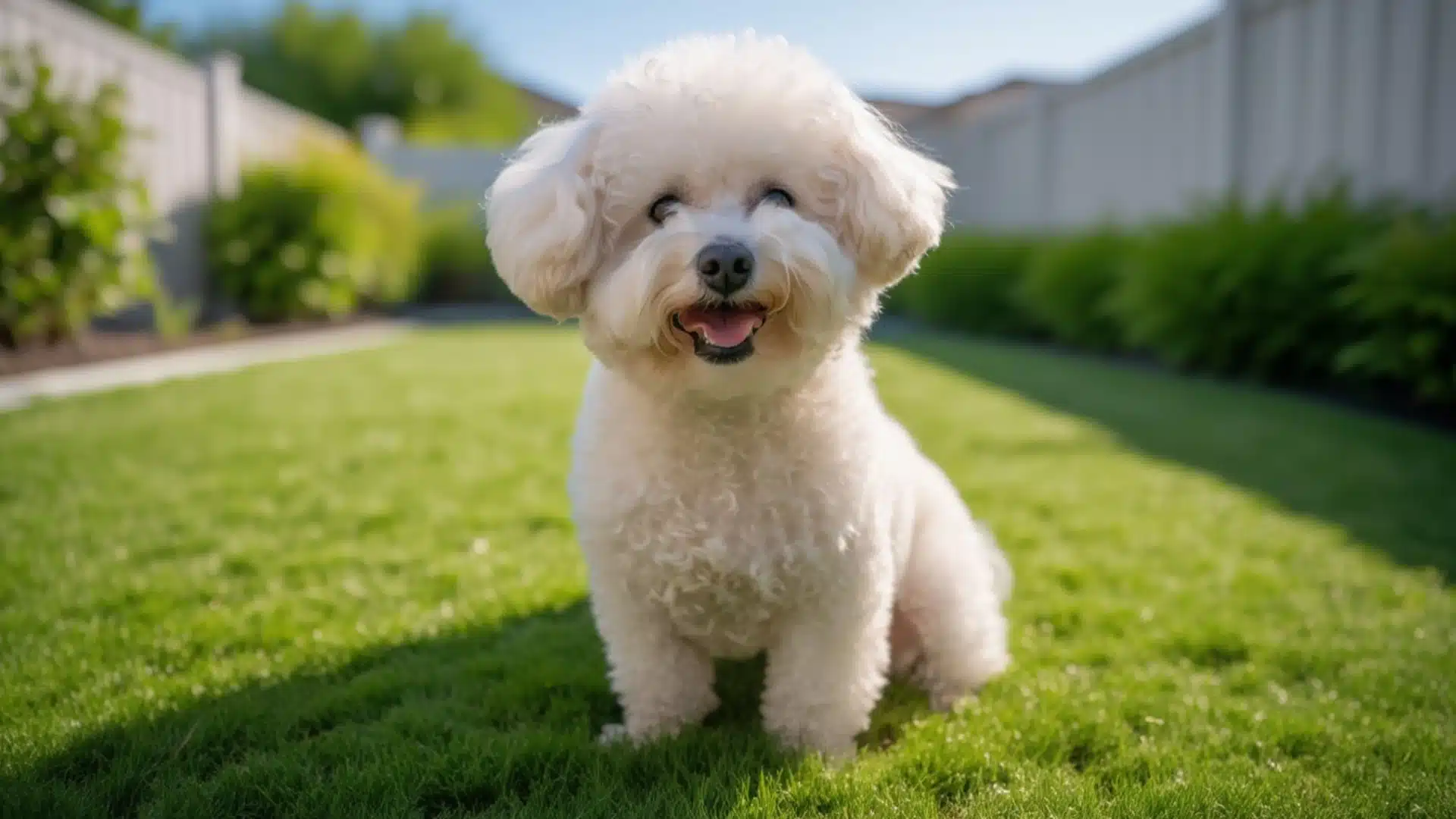
Height: 9.5 to 11.5 inches | Weight: 7 to 12 pounds | Lifespan: 14 to 15 years
The Bichon Frise is a small, cheerful breed that gets along well with older kids.
Their low-shedding coat is a bonus for homes that want to keep allergens down. Bichons are playful, love attention, and bond quickly with family members.
They do not like being left alone for long, so they are better suited to families who spend a lot of time at home. Regular grooming keeps their white, fluffy coat looking its best.
- Temperament: Cheerful, playful, and social. Bonds quickly with family members and craves constant companionship.
- Daily needs: A short daily walk, indoor playtime, regular brushing, and professional grooming every 5 to 6 weeks.
- Health risks:Bladder stones, patellar luxation, and allergies. Routine vet visits help catch bladder issues early.
- Best for: Families with older kids who spend a lot of time at home and want a small, hypoallergenic, affectionate dog.
13. Cocker Spaniel
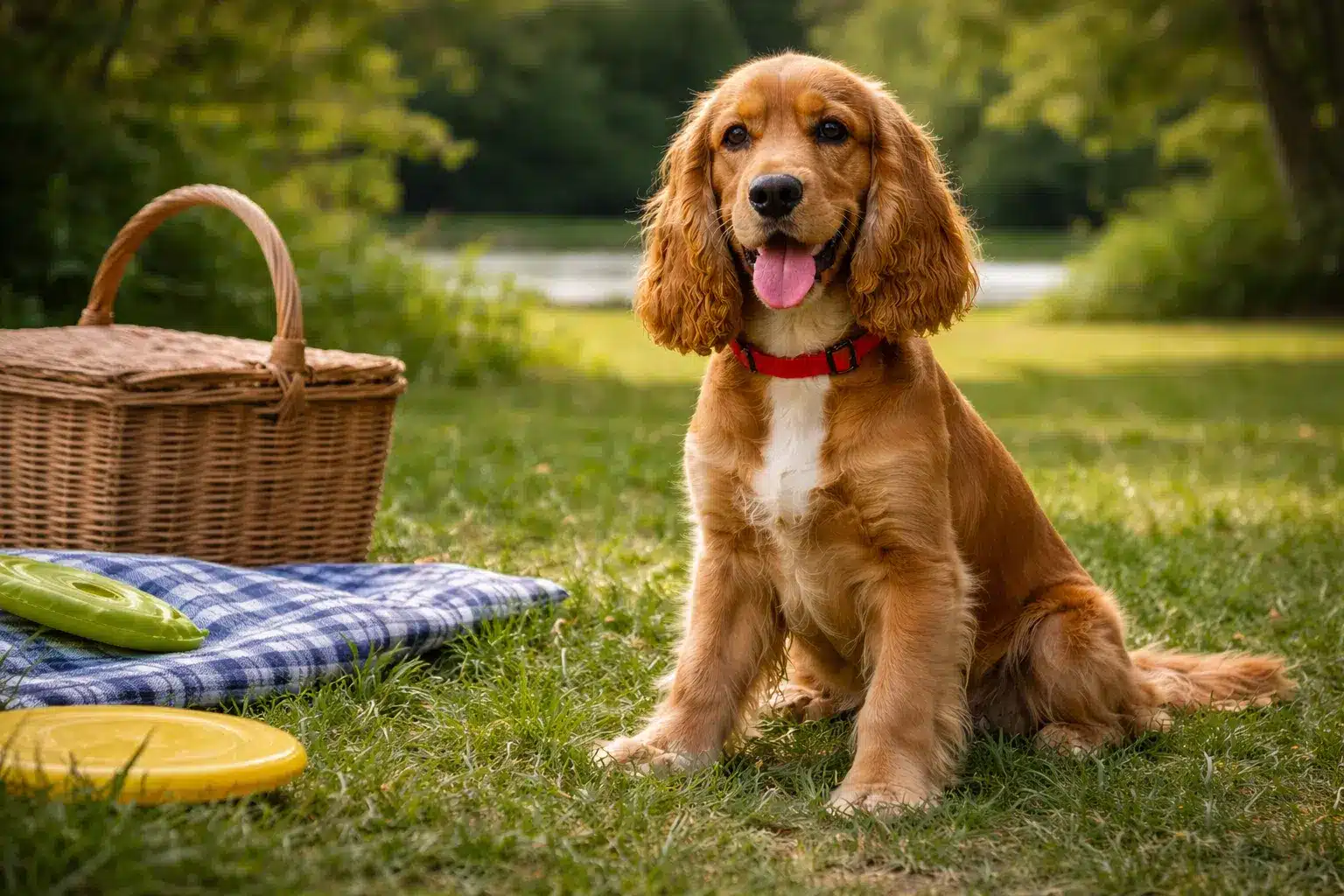
Height: 14 to 15 inches | Weight: 20 to 30 pounds | Lifespan: 10 to 14 years
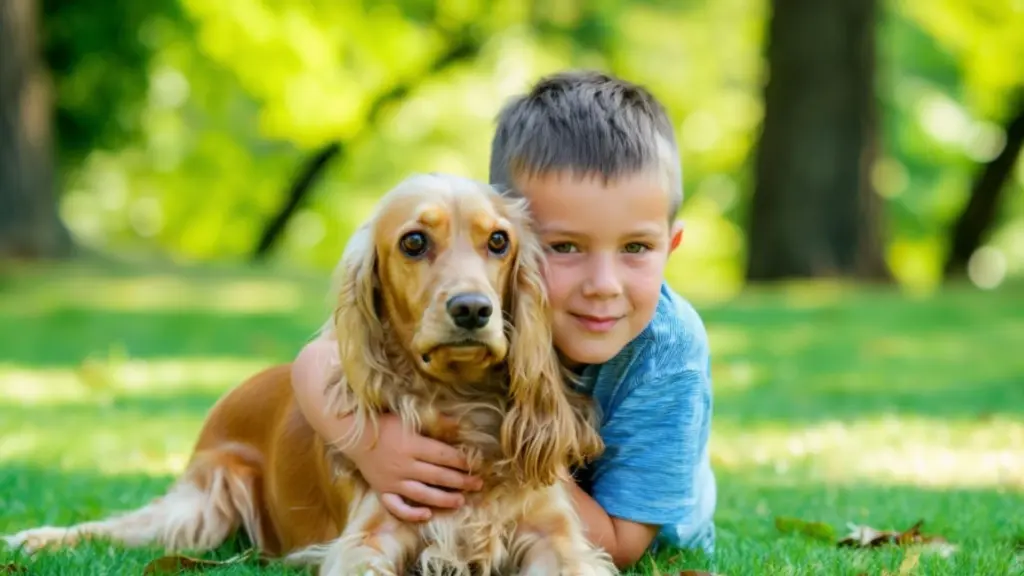
Cocker Spaniels are happy, affectionate, and one of the best family dogs for households with children.
Their medium size and gentle personality make them easy to manage. They enjoy playing outdoors and are always up for a walk or a game of fetch.
Cockers are also eager to please, which makes training a smooth process. Their long, silky ears need regular cleaning to prevent infections.
- Temperament: Happy, affectionate, and eager to please. Easy to train and gentle enough for kids of all ages.
- Daily needs: Daily walks, outdoor play sessions, consistent training, and regular ear cleaning to prevent infections.
- Health risks:Chronic ear infections, progressive retinal atrophy, and hip dysplasia. The long, floppy ears need weekly attention.
- Best for: Families with children of all ages who want a medium-sized, trainable, affectionate dog that enjoys outdoor play.
14. Vizsla
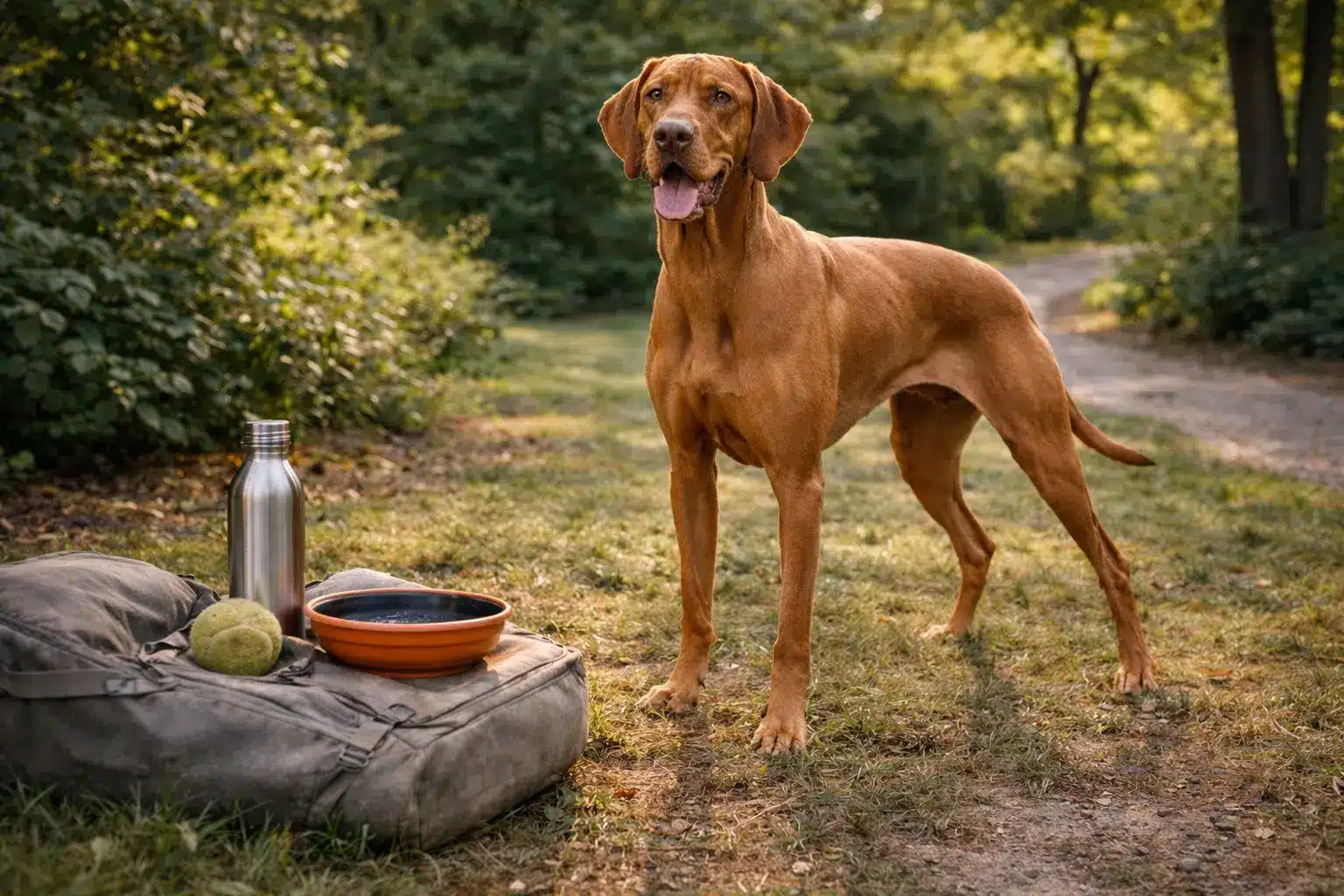
Height: 21 to 24 inches | Weight: 44 to 60 pounds | Lifespan: 12 to 14 years
Vizslas are athletic, loyal, and love being close to their family.
They are sometimes called “Velcro dogs” because they stick by your side throughout the day. This breed is a strong match for active families who enjoy running, hiking, and outdoor sports.
Vizslas are gentle with kids and form deep bonds with each family member. They need plenty of daily exercise to stay content and well-behaved indoors.
- Temperament: Athletic, loyal, affectionate, and attached. Sticks closely to family members and forms deep emotional bonds with children.
- Daily needs: At least 1 to 2 hours of vigorous daily exercise, interactive play, and mental stimulation. A short coat requires minimal grooming.
- Health risks:Hip dysplasia, epilepsy, and lymphosarcoma (a type of cancer). Regular vet checkups and an active lifestyle help maintain overall health.
- Best for: Highly active families who enjoy running, hiking, and outdoor sports, and want a loyal dog that stays close to the kids.
15. Soft Coated Wheaten Terrier
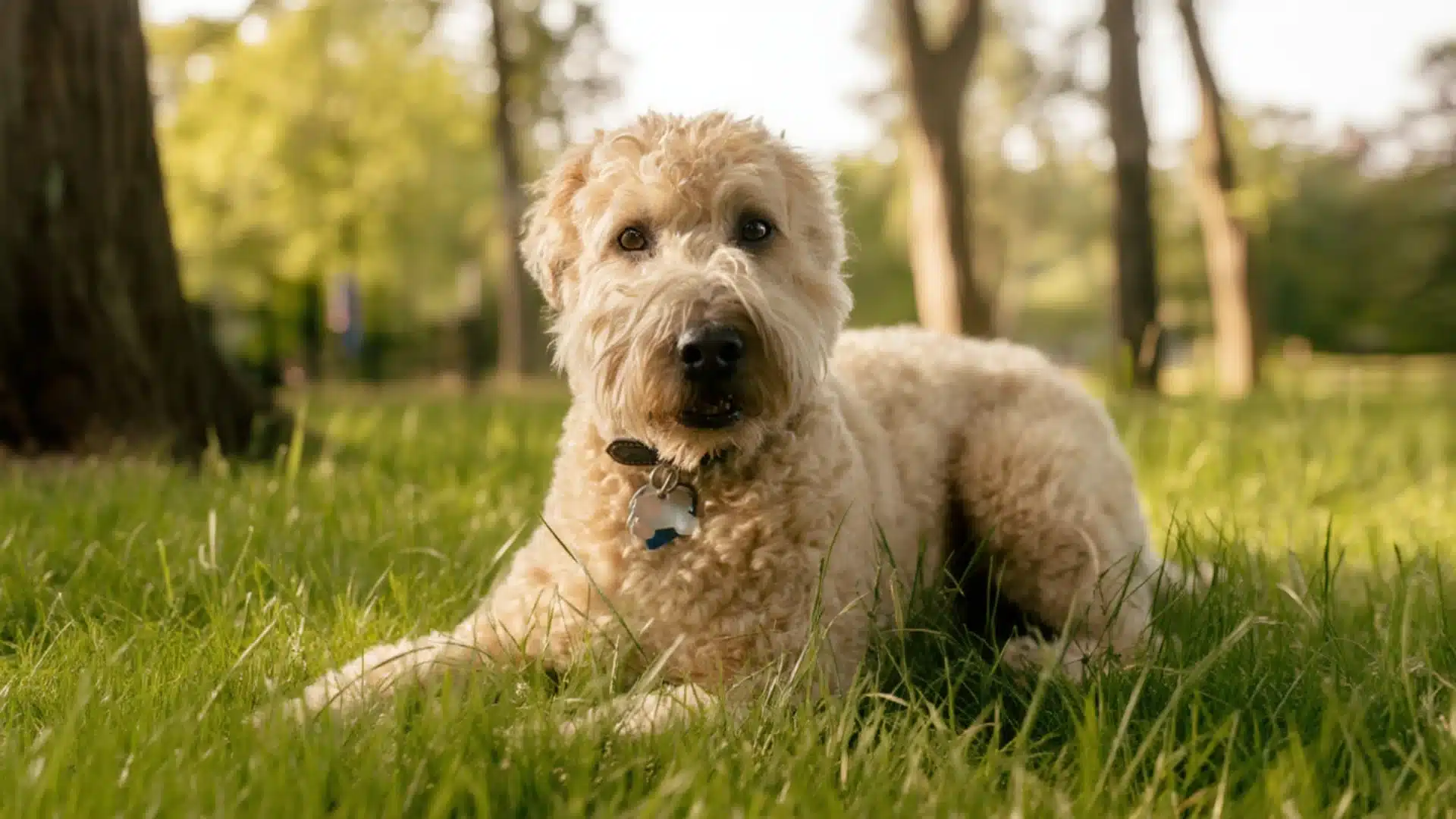
Height: 17 to 19 inches | Weight: 30 to 40 pounds | Lifespan: 12 to 14 years
The Soft Coated Wheaten Terrier is a medium-sized breed with a friendly, bouncy personality.
They greet everyone with a signature “Wheaten welcome” that kids absolutely love. Wheatens are good with children and other pets when socialized early.
Their soft, wavy coat sheds little, which is a plus for tidy homes. They need regular grooming and moderate daily exercise to stay in good shape.
- Temperament: Friendly, bouncy, affectionate, and social. Greets everyone with enthusiasm and bonds quickly with children.
- Daily needs: Moderate daily exercise, regular grooming to maintain the soft, wavy coat, and early socialization with other pets and people.
- Health risks:Protein-losing nephropathy (a kidney condition), protein-losing enteropathy (a digestive condition), and Addison’s disease. Regular blood and urine tests help detect early.
- Best for: Families with kids who want a medium-sized, low-shedding, playful dog with a welcoming personality.
16. Havanese
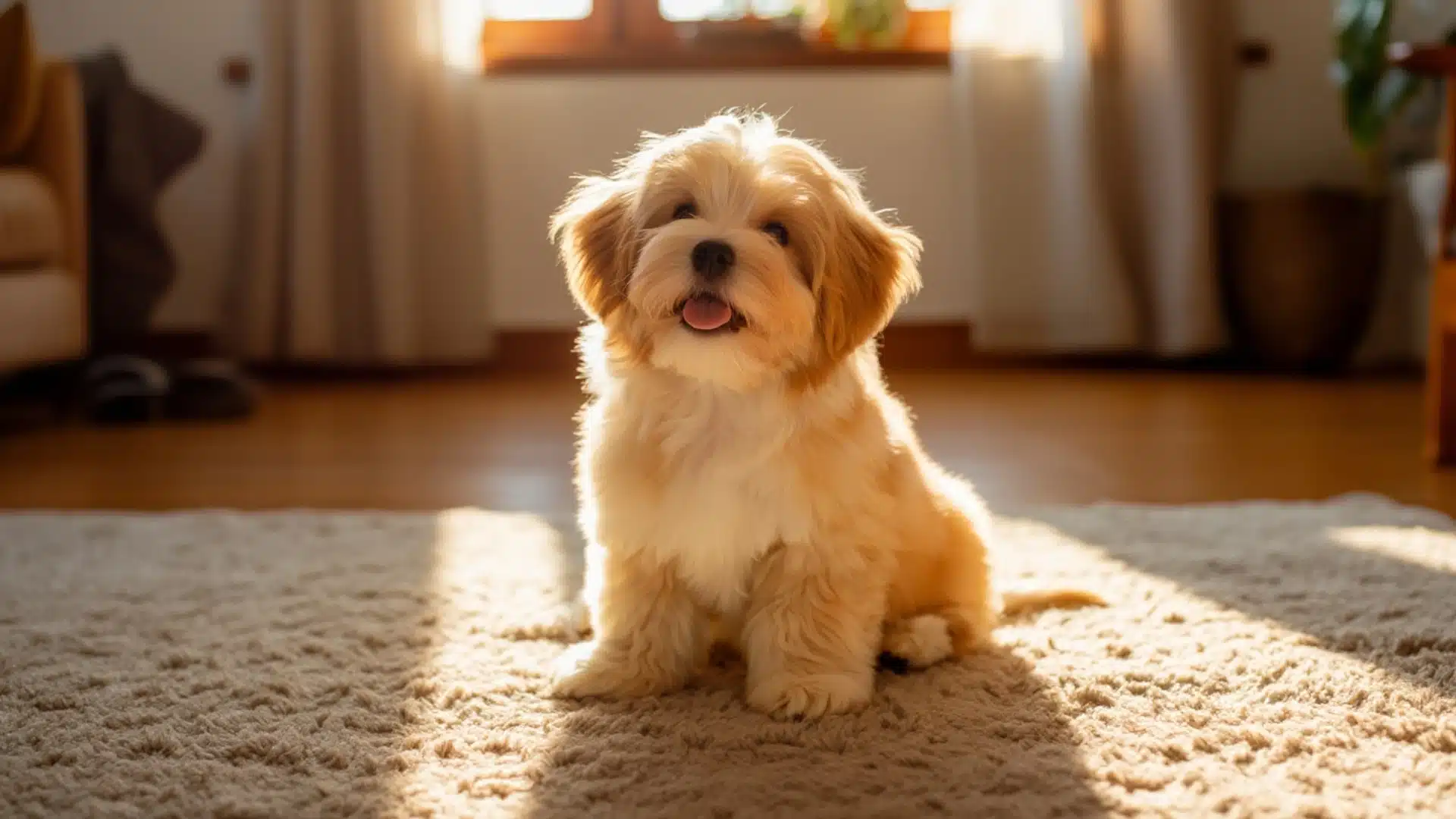
Height: 8.5 to 11.5 inches | Weight: 7 to 13 pounds | Lifespan: 14 to 16 years
Havanese dogs are small, sturdy, and full of charm.
They are one of the best dogs for kids in homes that prefer a smaller breed with a big personality. This breed is social and trainable, and it loves performing tricks for attention.
Havanese do well in apartments and houses alike because of their moderate energy level. Their long coat needs regular brushing, but many owners keep it trimmed short for easier care.
- Temperament: Social, charming, trainable, and playful. Loves performing tricks and thrives on family attention.
- Daily needs: A short walk, indoor play, regular brushing or a shorter trim for easier maintenance, and daily social interaction.
- Health risks:Patellar luxation, heart murmurs, and cataracts. Routine vet visits help catch eye and joint issues early.
- Best for: Families in apartments or smaller homes with kids who want a small, entertaining, trainable companion.
17. Border Terrier
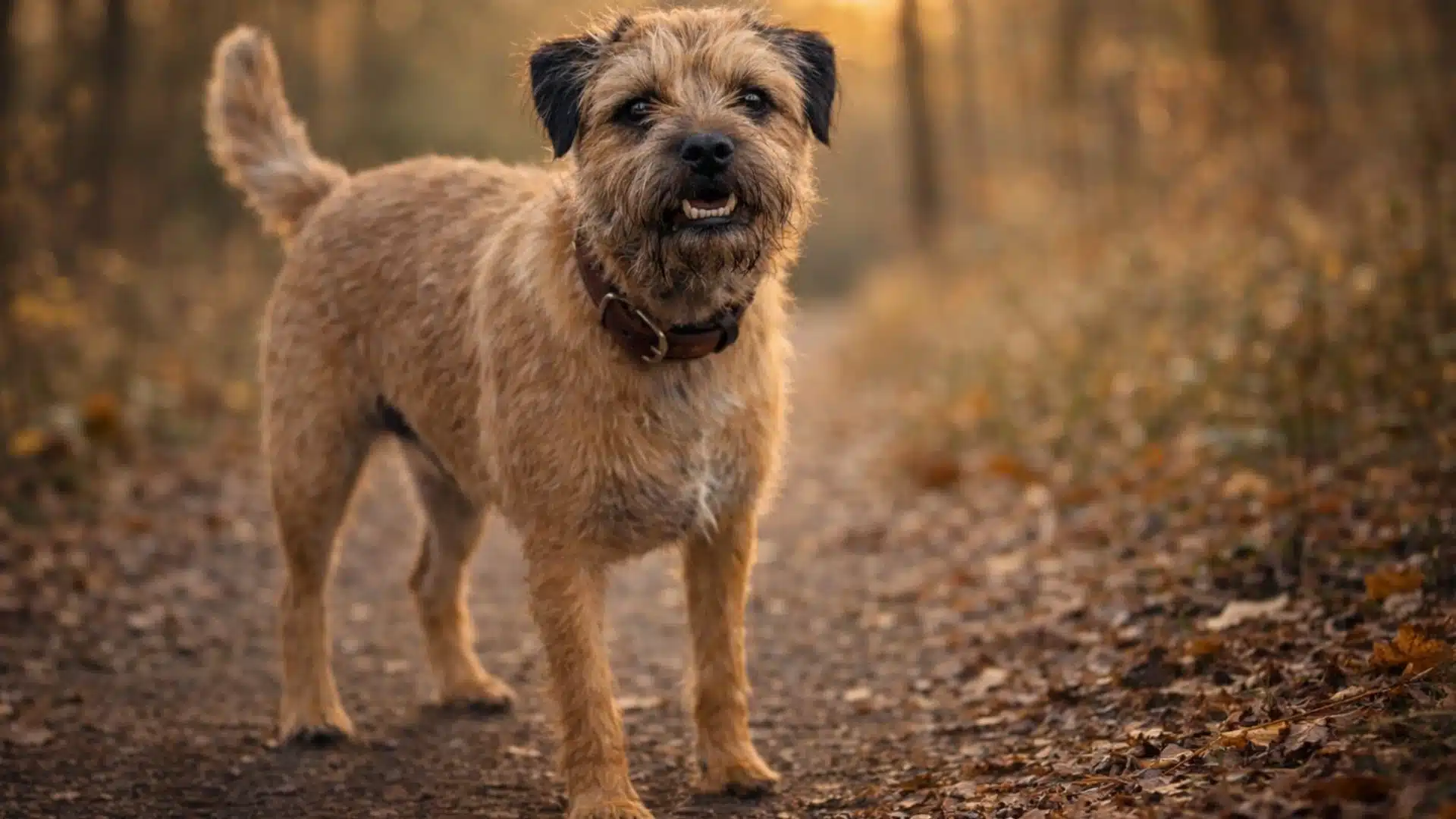
Height: 12 to 15 inches | Weight: 11.5 to 15.5 pounds | Lifespan: 12 to 15 years
Border Terriers are tough, happy, and great with kids who love outdoor play.
Their wiry coat is low-maintenance and does not shed heavily. This breed needs plenty of exercise and does not enjoy being left alone for long periods.
Border Terriers bond strongly with their families and are affectionate without being clingy. They are a solid pick for active families looking for a small but tough companion.
- Temperament: Tough, happy, affectionate, and independent. Bonds strongly with family without being overly clingy.
- Daily needs: Plenty of daily exercise and outdoor play, mental stimulation, and occasional hand-stripping of the wiry coat.
- Health risks:Hip dysplasia, heart defects, and seizures. Regular vet checkups and keeping an active routine help maintain good health.
- Best for: Active families with kids who enjoy outdoor play and want a small, tough, low-shedding dog that keeps up with the action.
18. Pug

Height: 10 to 13 inches | Weight: 14 to 18 pounds | Lifespan: 13 to 15 years
Pugs are small, funny, and love being the center of attention.
Their goofy expressions and playful nature make them natural entertainers for children. Pugs do not need much exercise, making them a good fit for less active families.
They are also adaptable to apartment living and smaller spaces. Like Bulldogs, Pugs are a flat-faced breed that can overheat easily, so keep them cool during warm months.
- Temperament: Funny, playful, charming, and attention-loving. A natural entertainer who bonds well with children.
- Daily needs: Brief daily walks, indoor play, regular facial fold cleaning, and portion-controlled meals to prevent obesity.
- Health risks:Brachycephalic syndrome (breathing difficulty in heat), eye proptosis, and obesity. Keep them cool in summer and monitor food intake closely.
- Best for: Less-active families in apartments or smaller homes with kids who want a funny, low-energy indoor companion.
19. French Bulldog
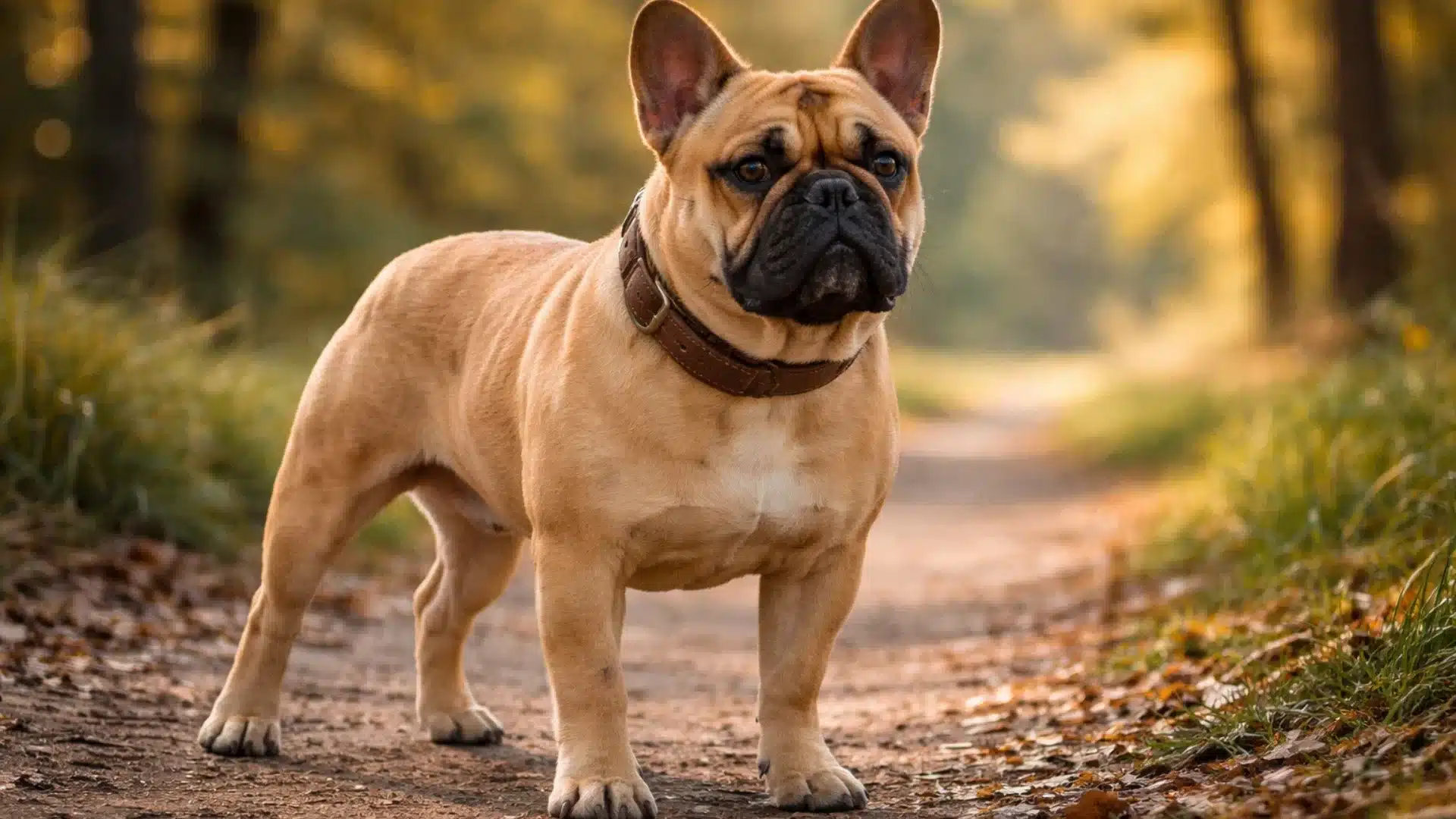
Height: 11 to 13 inches | Weight: 16 to 28 pounds | Lifespan: 10 to 12 years
French Bulldogs are compact, easygoing, and full of character.
They are patient with kids and enjoy short bursts of play followed by plenty of rest. Frenchies are one of the best dog breeds for kids in urban homes and apartments.
Their small size and low exercise needs make them easy to manage in tight spaces. They are social dogs that love being around people and do not do well when left alone for long.
- Temperament: Easygoing, patient, social, and adaptable. Enjoys short play sessions and settles down quickly afterward.
- Daily needs: 1 to 2 short walks, indoor play, facial wrinkle cleaning, and constant access to air conditioning in warm weather.
- Health risks:Brachycephalic obstructive airway syndrome (can cause fatal heatstroke), spinal disorders, and skin fold infections. Air conditioning during summer is not optional.
- Best for: Families in urban apartments with kids who want a calm, patient, low-exercise indoor dog. Avoid in very hot climates.
20. Australian Shepherd
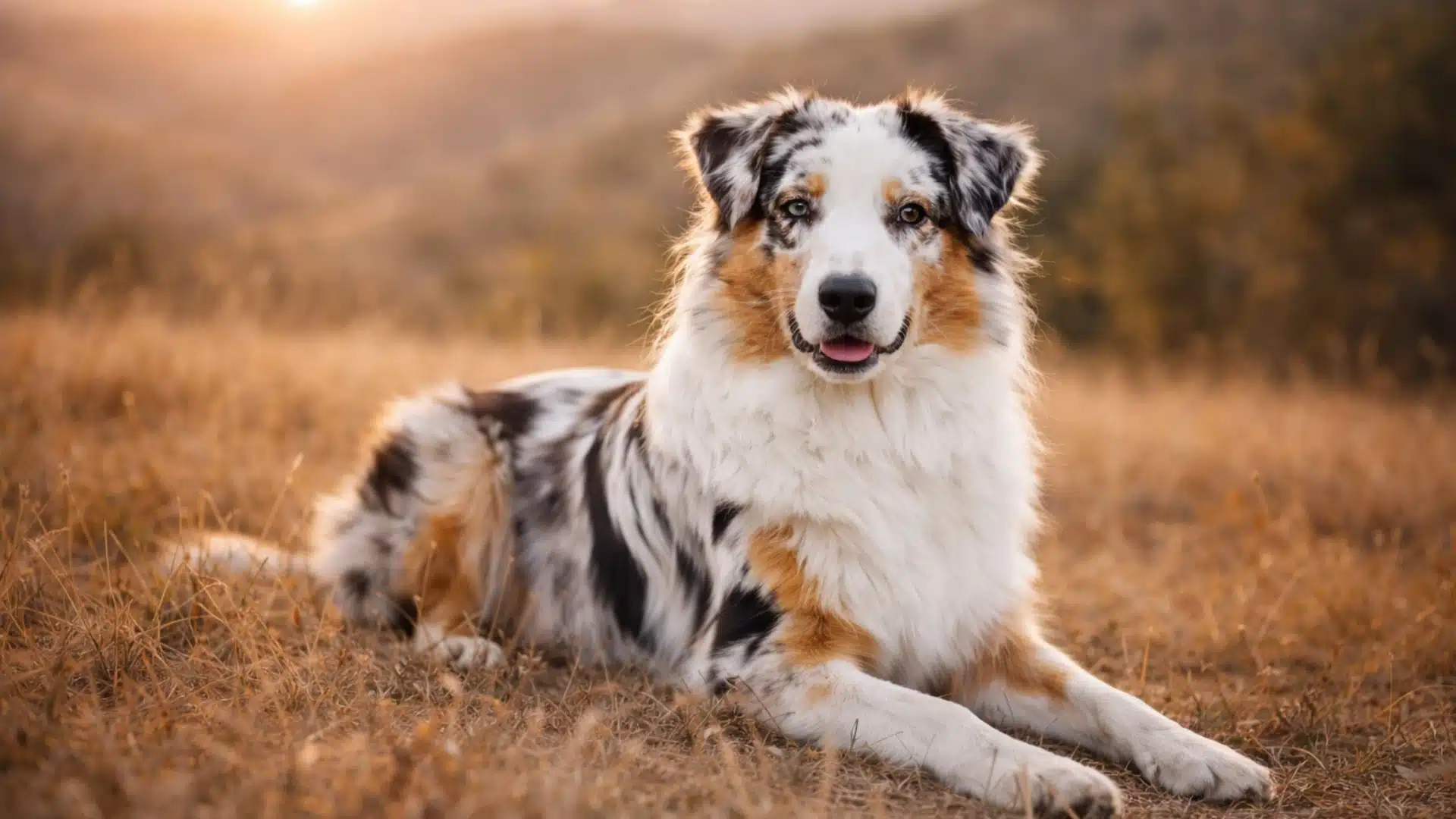
Height: 18 to 23 inches | Weight: 40 to 65 pounds | Lifespan: 12 to 15 years
Australian Shepherds are smart and energetic, and they thrive in active family settings.
They love having a job to do and enjoy playing games that challenge their minds. This breed is loyal and protective, making them great companions for older kids who can match their energy.
Aussies need plenty of daily physical and mental activity to avoid boredom. Early training and socialization are important to keep their herding instincts in check around small children.
- Temperament: Smart, energetic, loyal, and protective. Loves having a job to do and thrives on mental challenges.
- Daily needs: At least 1 to 2 hours of vigorous exercise, mental stimulation through puzzles and training, and regular brushing of the double coat.
- Health risks:Hip dysplasia, epilepsy, and MDR1 gene mutation (which causes sensitivity to certain medications). Ask breeders for genetic testing results.
- Best for: Highly active families with older kids who enjoy outdoor sports and want a smart, trainable dog that needs a purpose.
21. Basset Hound
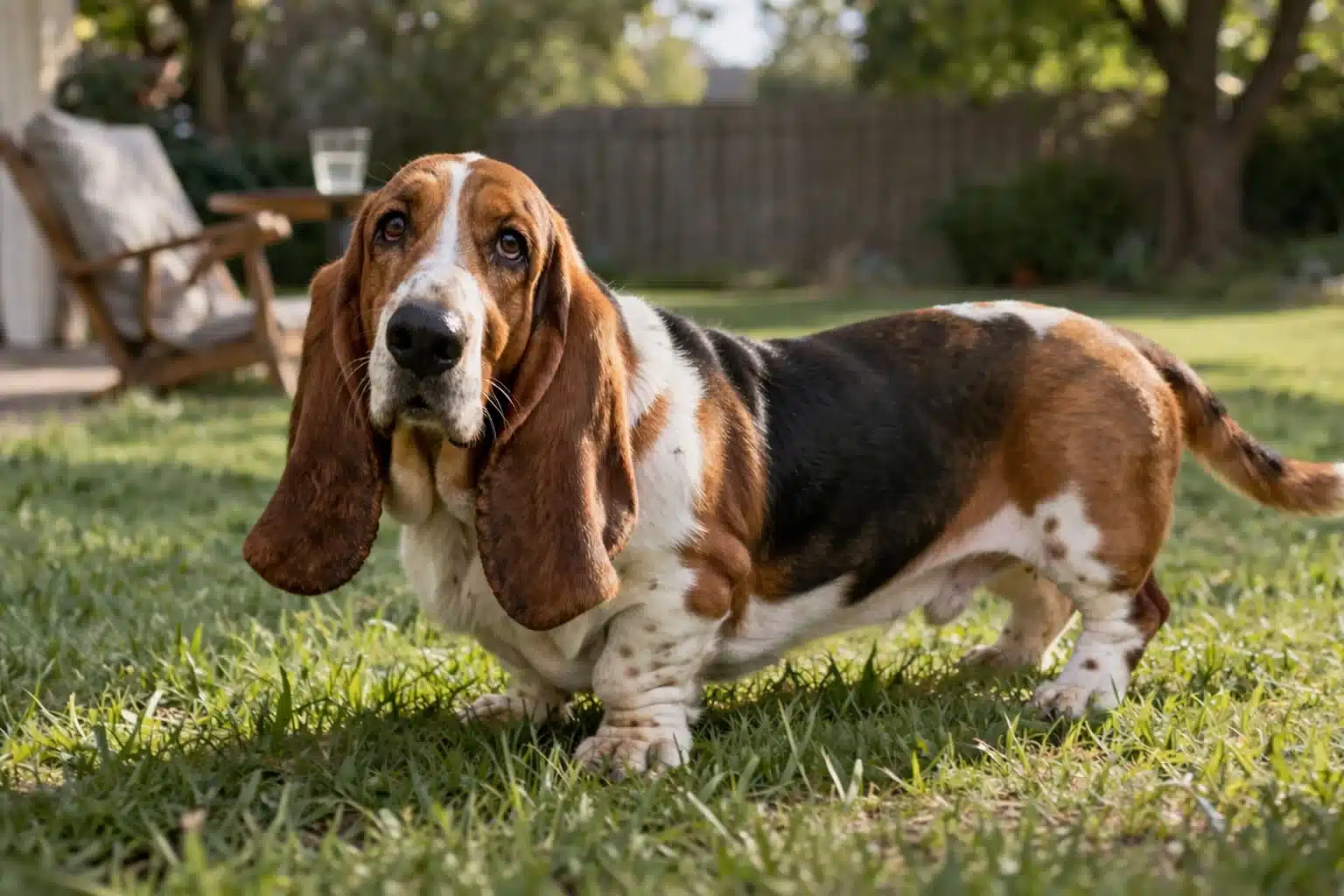
Height: Up to 15 inches | Weight: 40 to 65 pounds | Lifespan: 12 to 13 years
Basset Hounds are laid-back, loyal, and wonderful with kids.
Their low energy and patient nature make them one of the best family dogs for relaxed households. Bassets are friendly with strangers and other pets, which makes them easy to have in social settings.
They love a good sniff walk and enjoy spending quiet time with family. Their long ears and skin folds need regular cleaning to prevent irritation and infection.
- Temperament: Laid-back, loyal, patient, and friendly. Gets along with strangers, other pets, and children of all ages.
- Daily needs: A daily sniff walk at a relaxed pace, indoor companionship, and regular cleaning of long ears and skin folds.
- Health risks:Ear infections, obesity, and intervertebral disc disease (IVDD) due to their long spine. Weight management and ear cleaning are essential.
- Best for: Relaxed families with kids of all ages who want a calm, patient, low-energy companion that thrives on quiet time together.
How to Choose the Right Dog for Your Family?
Finding the right dog starts with an honest look at your family’s daily routine.
Energy level, living space, and the age of your children all play a part in making a good match. Active families with a big yard may do well with a Labrador or Australian Shepherd.
Families in smaller homes might prefer a Cavalier King Charles Spaniel or a French Bulldog.
Think about grooming needs, too. Some of the best dogs for kids, like Poodles and Bichons, need regular trips to the groomer.
Others, like Beagles and Boxers, have short coats that require very little upkeep.
It also helps to meet the dog before committing. Many shelters and breeders allow family visits so kids and dogs can interact first.
From years of working with rescue groups, I have seen families walk in set on one breed and leave with a completely different dog after spending 10 minutes in the meet-and-greet room.
Trust the interaction over the breed name.
Tips for Bringing a New Dog Home to Your Kids
Welcoming a new dog into your home can be a rewarding experience. To ensure a smooth transition for both your pet and family, consider these essential tips for a harmonious introduction.
- Smooth Transition: A calm, well-prepared environment helps a dog adjust more quickly to family life, reducing stress for everyone.
- Quiet Resting Area: Designate a serene space with a bed and water bowl, away from busy areas, as a safe retreat for the dog.
- Supplies Preparation: Gather essential items such as food, a leash, and safe toys ahead of time to minimize last-minute stress. If you are not sure which options work best, a list of toys that keep dogs busy can help you pick the right ones for your new pup.
- Supervised Interactions: Keep initial encounters brief and closely monitored, allowing the dog to approach the children at its own pace.
- Building Trust: Practice patience and consistency during the early days, as most dogs will acclimate and feel at home within a few weeks.
Conclusion
Choosing the best dog for your family is one of the most rewarding decisions you can make.
I hope this list gave you a clearer idea of which breeds match your home, your lifestyle, and your children’s age.
Every breed on this list has a strong reputation for being gentle, loyal, and great around kids.
The right dog can teach your children responsibility, kindness, and what it means to care for another living being.
Take your time meeting different breeds and trust what feels right for your household. A good match leads to years of happy memories and a bond that grows stronger every day.
If you found this list helpful, share your favorite breed or ask any questions in the comments below.