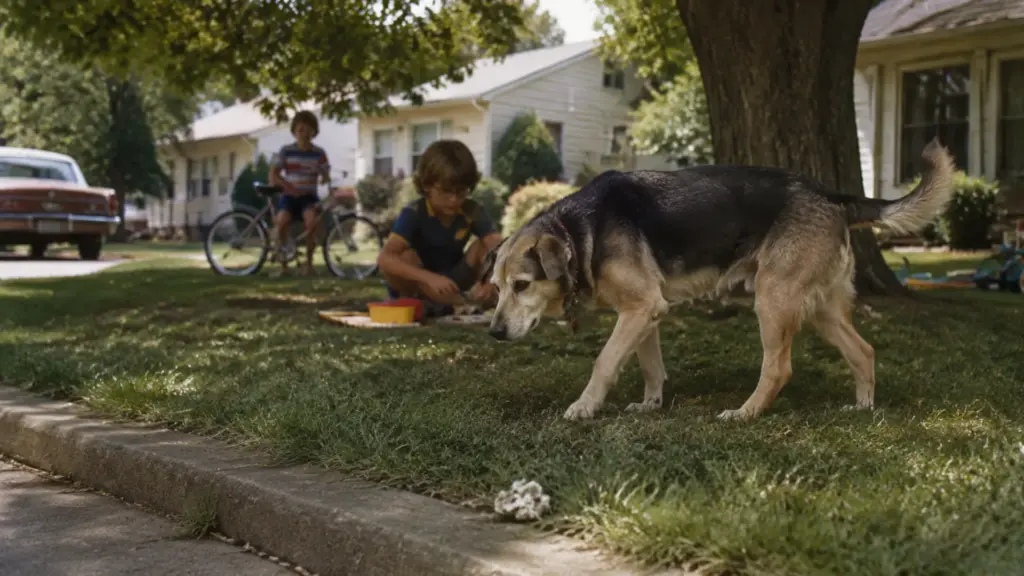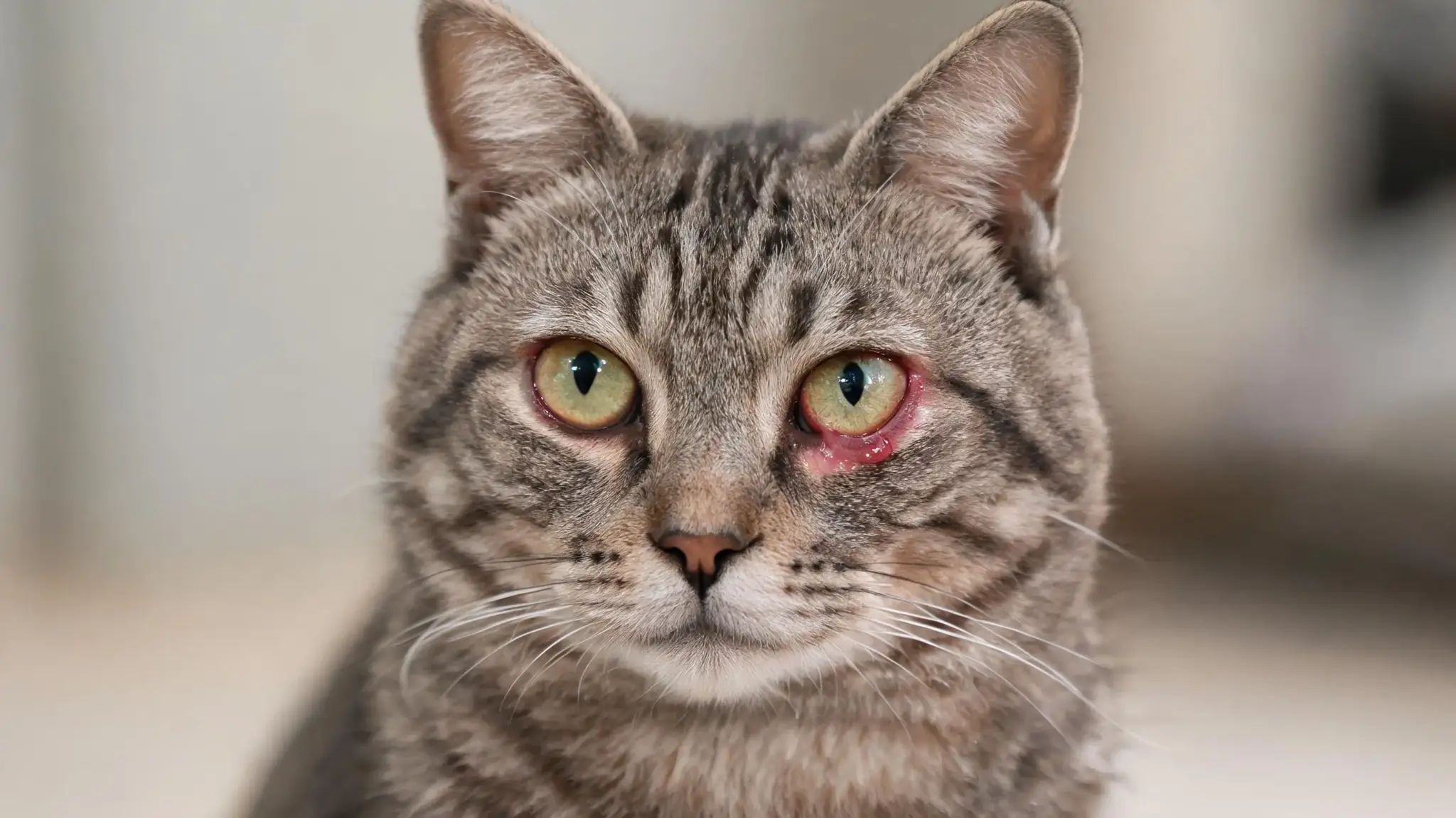
Dogs can show behavior that looks very similar to ADHD in humans, but the topic is more complex than many people think.
Some dogs struggle to stay calm, lose focus quickly, or act without thinking, which often makes owners wonder if something deeper is going on.
Questions around whether dogs can have adhd have also grown because researchers have started studying hyperactivity and impulsive behavior in dogs more closely over the last few years.
This article looks at what science currently says about ADHD-like behavior in dogs, the signs researchers pay attention to, and whether vets can officially diagnose it.
It also covers the studies linked to the topic, possible causes behind these behaviors, and when unusual energy levels may point to something that should not be ignored.
Can Dogs Have ADHD, or is it ADHD-Like Behavior?
Most vets and researchers do not say that dogs officially have ADHD in the same way humans do. Instead, they use the term “ADHD-like behavior” because dogs cannot describe their thoughts or attention problems directly.
Researchers mainly look at behavior patterns such as impulsiveness, restlessness, and poor focus.
A naturally energetic dog is also very different from a dog with a possible behavior issue. Some breeds are active by nature and need more exercise and mental activity every day.
That alone does not point to a disorder. Problems usually become noticeable when a dog cannot settle down, struggles to follow training, or reacts too quickly in normal situations.
Scientists also study dogs because some of their behavior patterns are surprisingly close to human ADHD traits.
Dogs share living spaces, routines, and social interaction with humans, which makes them useful for behavioral research.
What Studies Say About ADHD-Like Behavior in Dogs

Several studies have found that some dogs show behavior patterns close to human ADHD traits. Researchers usually focus on three main signs: hyperactivity, impulsivity, and inattention.
Hyperactive dogs may struggle to stay calm even after exercise. Impulsive dogs often react too fast without thinking. Inattention can appear when a dog cannot focus during training or gets distracted easily.
One of the biggest studies on this topic came from Finland and included data from more than 11,000 dogs. Researchers found links between ADHD-like behavior and factors such as age, breed, sex, and lack of activity. The study also connected these traits with anxiety and compulsive behavior.
The American Kennel Club also discussed research suggesting that dogs may exhibit ADHD-like behavior similar to that seen in humans.
A 2023 research noted that ADHD-like behavior in dogs appears to involve dysregulation of neurotransmitters, including serotonin and dopamine, the same systems implicated in human ADHD.
The authors described it as a gene-environment interaction in which a genetic predisposition is triggered or shaped by a dog’s environment.
CHADD, one of the leading ADHD research organizations in the US, has also reported on how researchers compare impulsive and hyperactive dogs with human ADHD symptoms, and noted that studying dogs may help scientists understand why some people with a genetic ADHD risk develop the disorder while others don’t.
Risk Factors Linked to ADHD-Like Traits
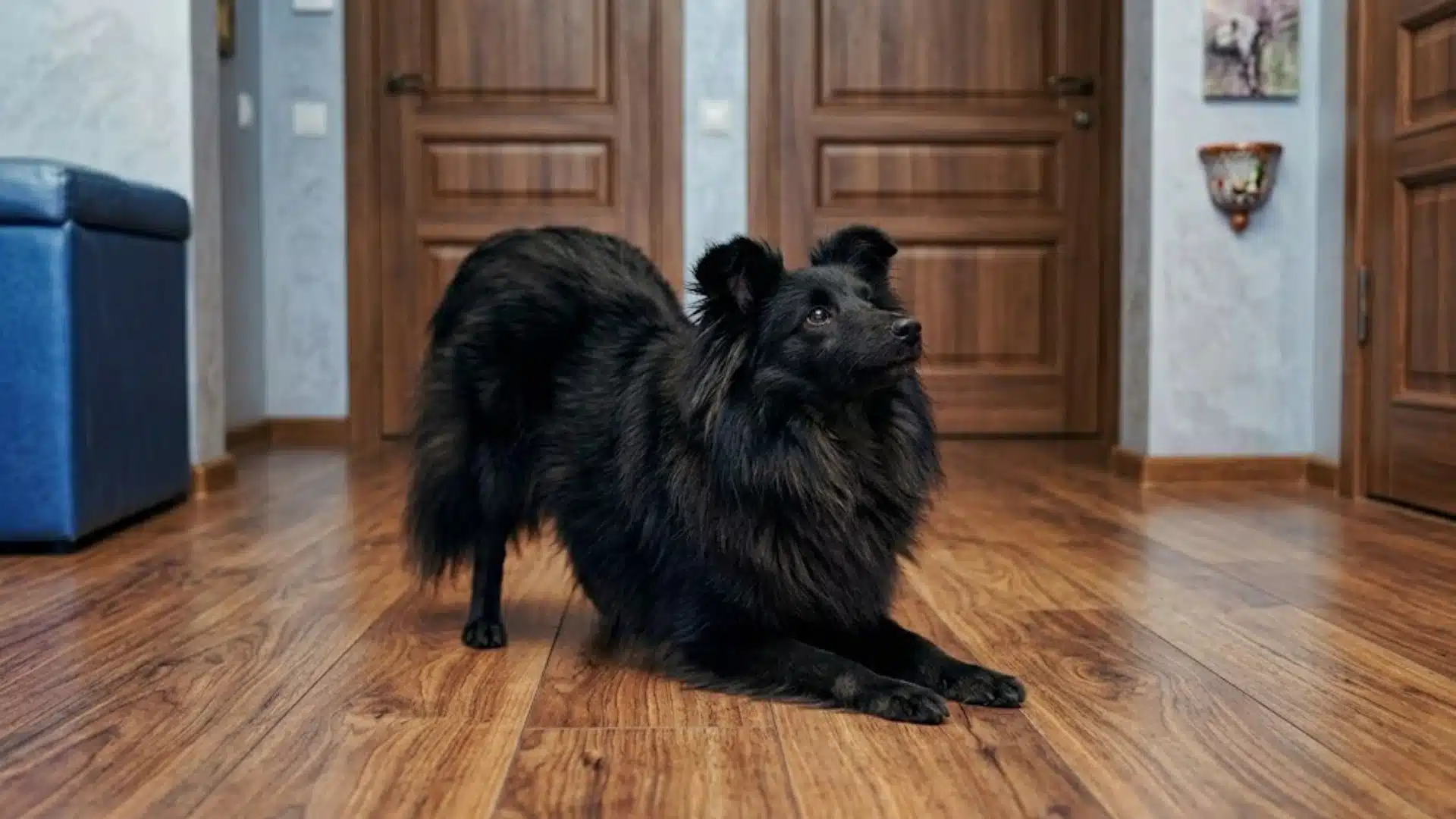
Research suggests that ADHD-like traits in dogs may be shaped by biology, daily routine, breed behavior, and other emotional or behavioral problems.
1. Age
Age can affect how often ADHD-like traits show up in dogs. Younger dogs are usually more active, curious, and harder to control than older dogs.
This is normal in many cases because puppies and young dogs are still learning how to manage their energy. Their brains and behavior patterns are still developing, too.
However, if a dog becomes increasingly restless, impulsive, or unfocused as it ages, that may point to something beyond normal puppy behavior.
Age matters because it helps separate growth stages from deeper behavior problems.
2. Sex
Sex may also play a role in ADHD-like behavior. Some studies have found that male dogs are more likely to show hyperactivity and impulsive behavior than female dogs.
This mirrors the demographic breakdown seen in human ADHD research, where young males are also the most commonly affected group.
Hormones, temperament, and social behavior may all be part of it. Owners may notice that some male dogs react faster, get distracted more easily, or struggle more with self-control.
Still, sex is only one factor and should not be used alone to judge a dog’s behavior.
3. Breed
Breed can strongly shape a dog’s energy level, focus, and behavior. Some breeds were developed for work, hunting, herding, or guarding, so they often need more activity and mental tasks.
A Border Collie, Jack Russell Terrier, or German Shepherd may seem restless if their daily needs are not met. That does not always mean a behavior issue is present.
It may simply mean the dog needs more structure. Breed matters because what looks extreme in one breed may be normal in another with higher drive.
4. Exercise
Exercise is closely linked to hyperactivity and poor focus in dogs. A dog that does not get enough movement may become restless, loud, destructive, or hard to train.
Physical activity helps release energy, but it also supports better sleep and calmer behavior. Still, exercise alone is not always the full answer.
Some dogs also need brain work, such as puzzle toys, scent games, and training sessions. When a dog gets the right mix of movement and mental activity, ADHD-like behavior may become easier to manage.
Some dogs also need brain work, such as puzzle toys, scent games, training sessions, and simple dog enrichment activities that give their mind something useful to do.
5. Time Spent Alone
Time spent alone can affect a dog’s behavior more than many owners realize. Dogs are social animals, and long periods without people, play, or activity can lead to stress and boredom.
A dog left alone too often may become hyper when the owner returns or may struggle to settle later. Some dogs may bark, chew, pace, or act out because they have had too little stimulation during the day.
This does not always mean ADHD-like behavior, but it can make the same signs appear stronger.
6. Fear, Aggression, And Compulsive Behavior Link
Studies have also linked ADHD-like traits in dogs with fear, aggression, and compulsive behavior. A dog that feels anxious may react quickly, lose focus, or struggle to calm down.
Aggression can also appear when a dog has poor impulse control or feels unsafe.
Compulsive behaviors, such as tail chasing, repeated licking, or pacing, may show that the dog is under stress or has trouble regulating itself.
These links matter because hyperactivity may not be the only issue. Emotional health can play a big role, too.
Signs Of ADHD-Like Behavior in Dogs that Researchers Study
Researchers usually look for repeated behavior patterns, not one random bad day or normal excitement after play, food, or meeting new people.
- Trouble settling: The dog may struggle to relax even after exercise, play, or training. It may keep pacing, moving around, barking, or looking for something to do.
- Poor focus: The dog may lose attention quickly during training or daily commands. It may start listening, then suddenly get distracted by sounds, smells, people, or other animals.
- Fast reactions: The dog may react before thinking. This can include jumping, chasing, barking, grabbing things, or rushing toward something without waiting for direction.
- Low self-control: The dog may struggle to wait, stay calm, or follow simple rules. It may push ahead, interrupt, or ignore boundaries even with repeated training. If those reactions occur around people, dogs, or other daily triggers, reactive dog training may help owners understand what is happening before the behavior worsens.
- Restlessness: The dog may seem constantly on edge or unable to stay still for long. This can manifest as pacing, whining, shifting positions, or a constant need for attention.
Can Dogs Be Diagnosed with ADHD?
Right now, there is no simple universal test that can officially diagnose ADHD in dogs. Unlike humans, dogs cannot explain what they feel or struggle with, so vets mainly study behavior patterns over time.
Researchers usually look at signs such as impulsiveness, hyperactivity, poor focus, and trouble calming down in normal situations.
One tool developed for this purpose is the Dog Attention Rating Scale (Dog ARS), a 13-item questionnaire that measures inattention and hyperactivity in dogs.
A 2022 replication study confirmed it is a reliable assessment tool, though researchers noted that expert input and data on daily-life impairment are needed before labeling any individual dog as diagnosable.
Some researchers use owner questionnaires, behavior scoring systems, and activity tracking to compare dogs with known behavior patterns.
These tools are still developing, so results are not treated as a final medical diagnosis yet. This is why vet behaviorists matter so much.
They can rule out health problems, anxiety, pain, poor training, or breed-related behavior before linking symptoms to ADHD-like traits.
A professional evaluation gives a clearer picture of what may actually be causing the behavior.
When Should You Talk to a Vet?
Some dogs are naturally energetic, but certain behavior patterns should not be ignored when they start affecting daily life.
If a dog constantly struggles to focus, follow commands, or stay calm around people and other animals, a vet visit may be a good idea.
One major sign is when the dog cannot settle down even after walks, playtime, or mental activities. Constant pacing, whining, jumping, or restless behavior throughout the day may point to a deeper issue.
Risky or unsafe actions also matter. This can include running into traffic, reacting aggressively without warning, chewing dangerous objects, or acting without control in stressful situations.
A sudden behavior change is another warning sign. A vet can help identify the real cause behind the behavior.
Conclusion
Dogs can sometimes show behavior patterns that look very similar to ADHD in humans.
Researchers have linked traits such as hyperactivity, impulsiveness, poor focus, and restlessness to what many experts call ADHD-like behavior in dogs.
Studies have also shown that factors like breed, age, exercise, and emotional health may influence these behaviors.
While questions around whether dogs can have adhd continue to grow, there is still no single medical test that gives a clear diagnosis.
Research in this area is expanding, and scientists are learning more about how dogs behave and respond to their environment.
At the same time, experts stress that unusual behavior should always be checked properly because anxiety, pain, stress, or poor stimulation can cause similar signs.
Have you ever noticed ADHD-like behavior in your dog? Share your experience or thoughts in the comments below.
Frequently Asked Questions
Do Certain Dog Foods Make Hyperactive Behavior Worse?
Some dogs may become more energetic or restless after eating foods with high sugar, artificial colors, or too many calories. Food does not directly cause ADHD-like behavior, but diet can affect mood, energy, and focus in some dogs. A balanced diet with proper nutrients may help support calmer behavior.
Can Training Classes Help Dogs with Attention Problems?
Yes, structured training classes can help many dogs improve focus and self-control. Short, repeated training sessions often work better for dogs that get easily distracted. Activities that challenge the brain, such as scent work or puzzle games, may also help improve attention over time.
Are ADHD-like Traits More Common in Indoor Dogs?
Some researchers believe that dogs with very little outdoor activity or stimulation may exhibit more hyperactive behavior. Dogs that spend most of their time indoors without exercise, play, or social interaction can become bored and restless more easily.
Is ADHD-Like Behavior in Dogs Genetic or Environmental?
Both. Research describes ADHD-like behavior in dogs as a gene-environment interaction, meaning a genetic predisposition may only show up depending on how a dog is raised and what their daily life looks like. Factors such as lack of exercise, time spent alone, and early socialization can all influence whether those traits emerge.