


Loving a big dog often comes with one quiet heartbreak: the fear that their time with you is already running short the day you bring them home.
But here’s what many people searching for large dog lifespan information don’t realize: a handful of large breeds routinely live 12, 13, even 15 years when given the right genetics and care.
The longest living large dog breeds, most people know the Alaskan Malamute, Standard Poodle, and Belgian Malinois, are well-documented.
But beyond those household names, there’s a whole tier of impressive, lesser-known breeds that quietly outlive far bigger dogs. That’s exactly what this blog is about.
Size alone does not decide how long a dog lives. Genetics, growth rate, activity level, and the quality of care all play a measurable role.
A 2019 study published in the Journal of the American Animal Hospital Association confirmed that mixed-breed dogs tend to live longer than purebreds, and the gap widens with body size.
For purebred large dogs, responsible breeding becomes even more critical.
In this blog, you’ll find large dog breeds known for impressive longevity, the science behind why they outlast their peers, and what you can do to protect them every year you spend with them.
What Makes Some Large Dogs Live Longer?
Before getting to the breeds, it’s worth understanding the biology, because it changes how you care for a large dog from day one.
Large breeds grow at an accelerated rate during their first year of life. According to research published in American Naturalist, large dogs age faster, even after they’re fully grown; their bodies accumulate more cellular wear in less time.
This rapid early growth is also linked to a higher incidence of cancer in large breeds, as abnormal cell division becomes more likely during fast growth spurts.
The AKC notes that the average lifespan for large dog breeds ranges from 8 to 12 years, with giant breeds often falling toward the lower end.
Some large dogs live longer because of a combination of genetics, growth patterns, and proper care.
Breeds that grow at a steady pace often place less stress on their bones and organs, which can support better long-term health. Strong genetic health lines also play a major role.
When breeders focus on reducing inherited diseases, the chances of a longer lifespan improve. Daily care matters just as much as genetics.
Responsible breeding also means health testing parent dogs before they’re ever bred.
When I’ve spoken with long-time breeders across the U.S. while researching for my work with canine publications, the ones producing the healthiest, longest-lived dogs share one trait: they screen ruthlessly and hold back dogs that shouldn’t pass on their genetics.
That discipline upstream is what shows up as a longer, healthier life downstream.
Large Dog Breeds That Live the Longest
Some big dogs defy the common belief that larger breeds live shorter lives. These large dog breeds are known for impressive longevity and strong overall health.
At a Glance: Lifespan Comparison Table
This table compares dog breeds by average lifespan and weight range, helping identify long-living breeds and understand how size may relate to overall longevity and health expectations.
| Breed | Avg. Lifespan | Weight Range |
|---|---|---|
| Czechoslovakian Vlcak | 12–16 years | 44–57 lbs |
| Bergamasco Shepherd | 13–15 years | 57–84 lbs |
| Icelandic Sheepdog | 12–15 years | 25–30 lbs |
| Azawakh | 12–15 years | 33–55 lbs |
| Finnish Lapphund | 12–15 years | 33–53 lbs |
| Canaan Dog | 12–15 years | 35–55 lbs |
| Sloughi | 12–15 years | 40–65 lbs |
| Lagotto Romagnolo | 12–15 years | 24–35 lbs |
| Plott Hound | 12–14 years | 40–60 lbs |
| Pharaoh Hound | 12–14 years | 45–55 lbs |
| Ibizan Hound | 12–14 years | 45–65 lbs |
| Appenzeller Sennenhund | 12–14 years | 48–70 lbs |
| Polish Lowland Sheepdog | 12–14 years | 35–60 lbs |
| Treeing Walker Coonhound | 12–13 years | 50–70 lbs |
| American Foxhound | 11–13 years | 60–70 lbs |
| Portuguese Water Dog | 11–13 years | 35–60 lbs |
| Berger Picard | 12–13 years | 50–70 lbs |
| Entlebucher Mountain Dog | 11–13 years | 45–65 lbs |
| Catahoula Leopard Dog | 10–14 years | 50–95 lbs |
1. Icelandic Sheepdog
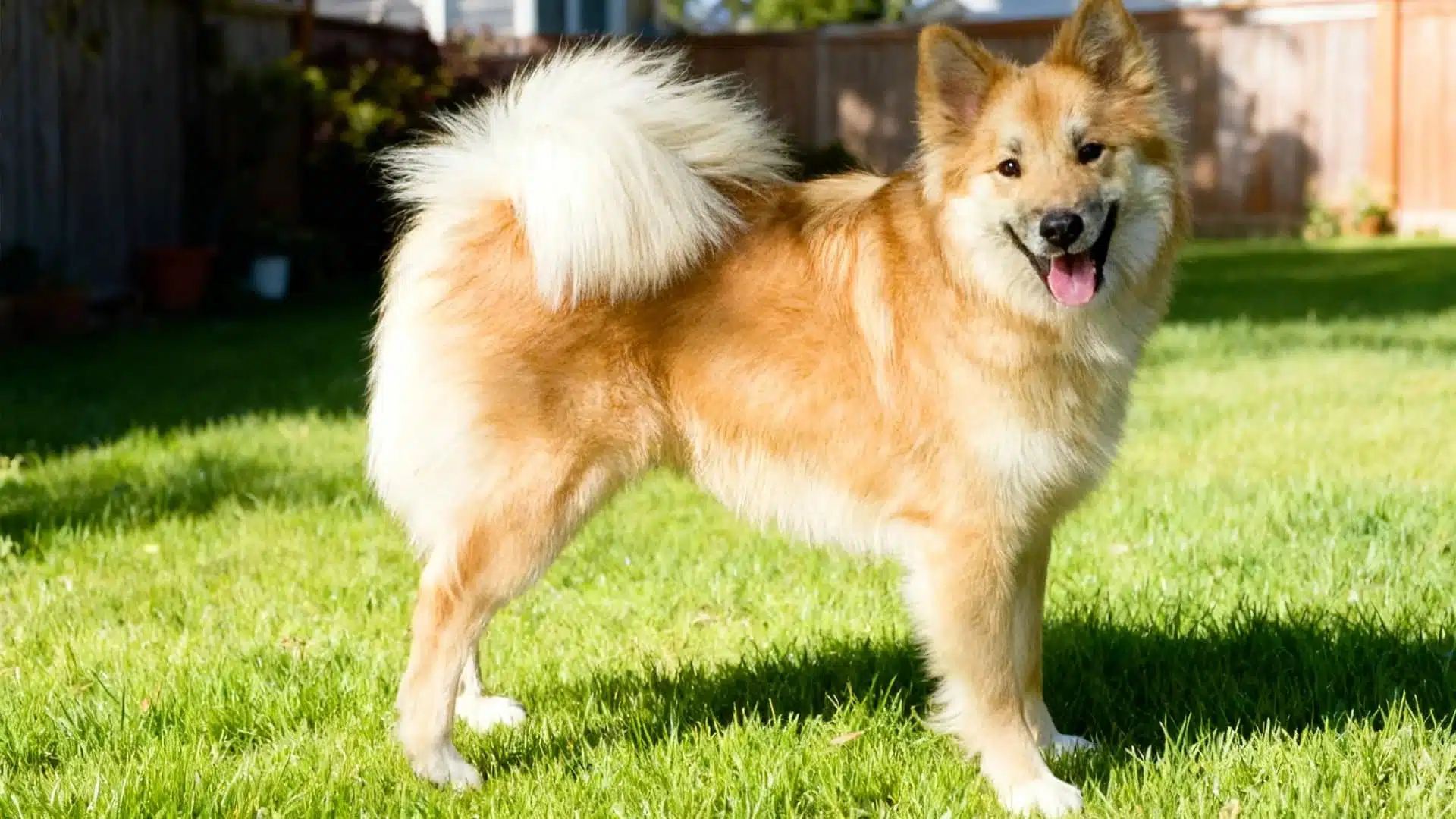
- Average lifespan: 12 to 15 years
- Weight and size: 25 to 30 pounds, a small to medium-sized herding dog
- Personality traits: Friendly, energetic, alert, and very social
The Icelandic Sheepdog is known for its cheerful personality and strong bond with families.
Although not extremely large, it is often included among sturdy working dogs with impressive longevity.
This breed thrives on activity and companionship, which contributes to its long and healthy life. Its strong genetics and active lifestyle often place it among the longest-lived breeds.
One Vermont breeder I spoke with described the Icelandic Sheepdog as “almost maintenance-free in terms of serious health scares”, a reflection of the breed’s relatively shallow pool of hereditary conditions compared with more popular working breeds.
2. Canaan Dog
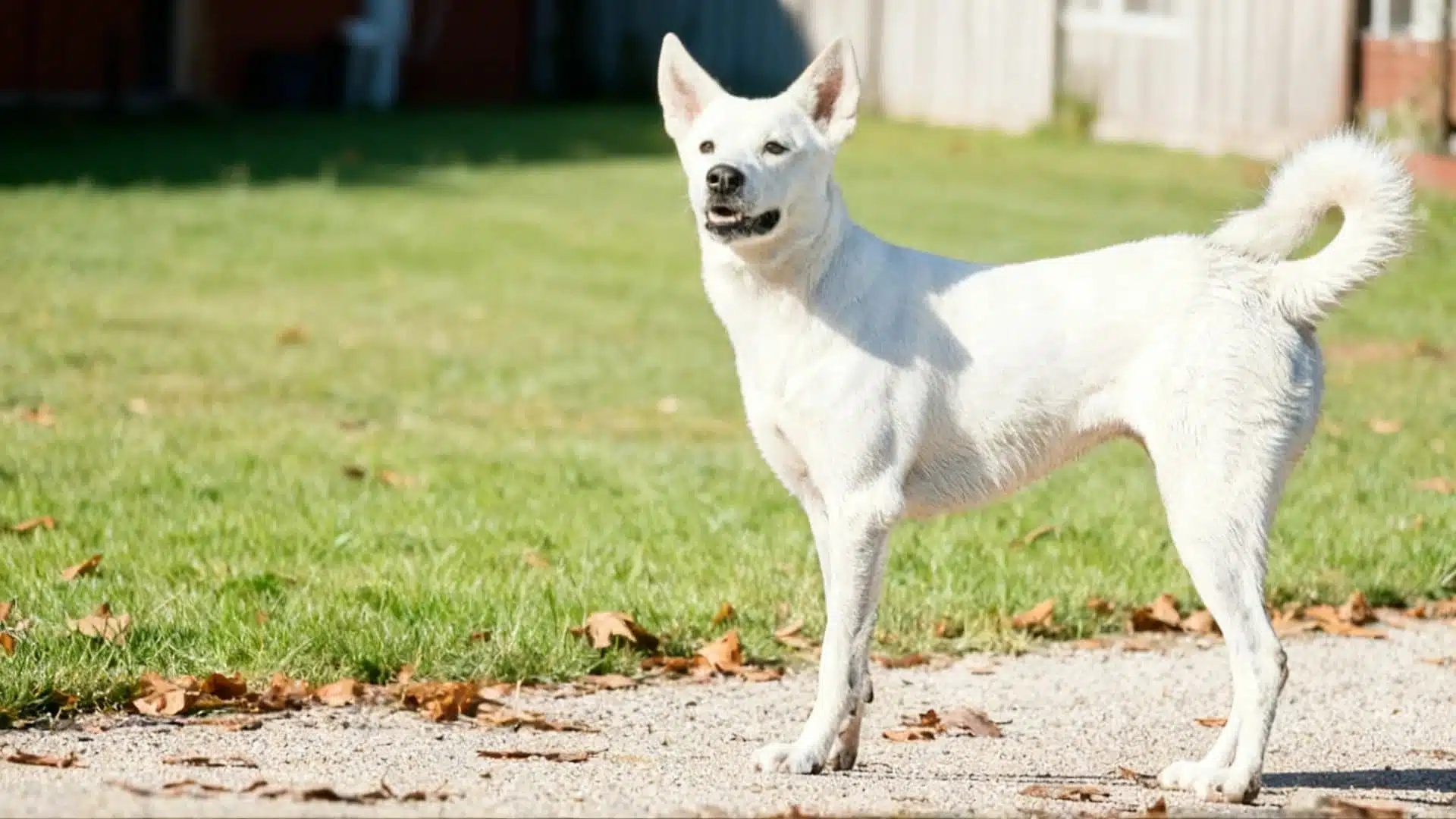
- Average lifespan: 12 to 15 years
- Weight and size: 35 to 55 pounds, medium to large working breed
- Personality traits: Alert, intelligent, loyal, independent
The Canaan Dog is an ancient desert breed known for its resilience and adaptability. Originally used as a guard and herding dog in the Middle East, it developed strong survival instincts. This breed is highly intelligent and forms deep bonds with its family.
Ancient landrace breeds like the Canaan Dog tend to carry broader genetic diversity than modern purpose-bred dogs, and that diversity often translates into fewer hereditary disease bottlenecks and longer average lifespans.
It is among the most genetically hardy breeds recognized by the AKC, and breeders working with this breed typically have far shorter lists of required health screenings than those working with more popular working breeds.
3. American Foxhound
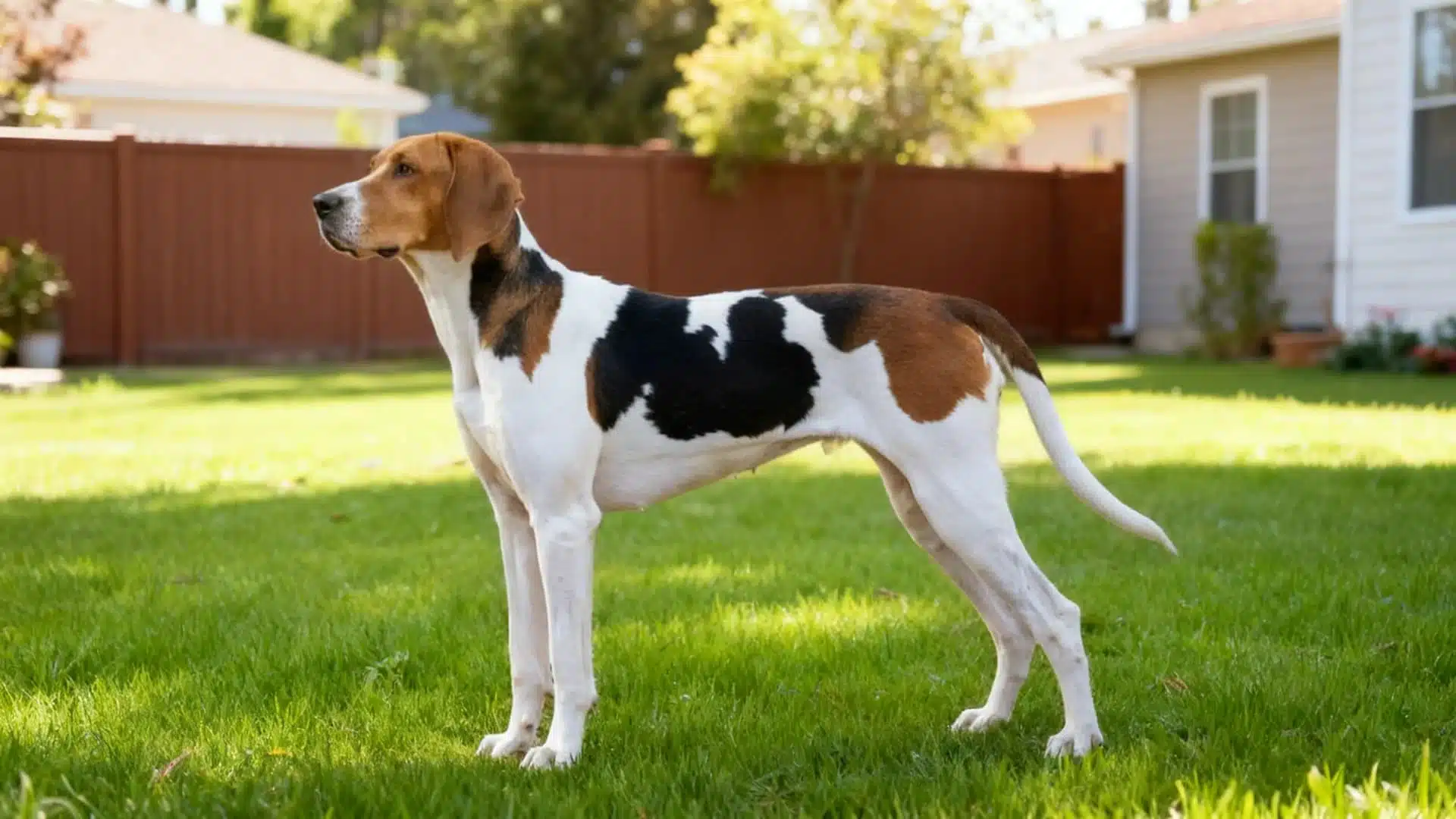
- Average lifespan: 11 to 13 years
- Weight and size: 60 to 70 pounds, tall and athletic scent hound
- Personality traits: Gentle, friendly, independent, energetic
The American Foxhound is a classic hunting breed known for endurance and stamina.
Bred to track scents over long distances, it stays naturally active and physically fit. Despite its size, the breed is generally healthy and resilient.
This breed’s naturally lean body condition, a product of its hunting heritage, keeps weight-related joint stress low throughout its life.
Maintaining a lean build is one of the most consistently supported factors in large-breed longevity across veterinary research, and the American Foxhound manages it by design.
4. Treeing Walker Coonhound
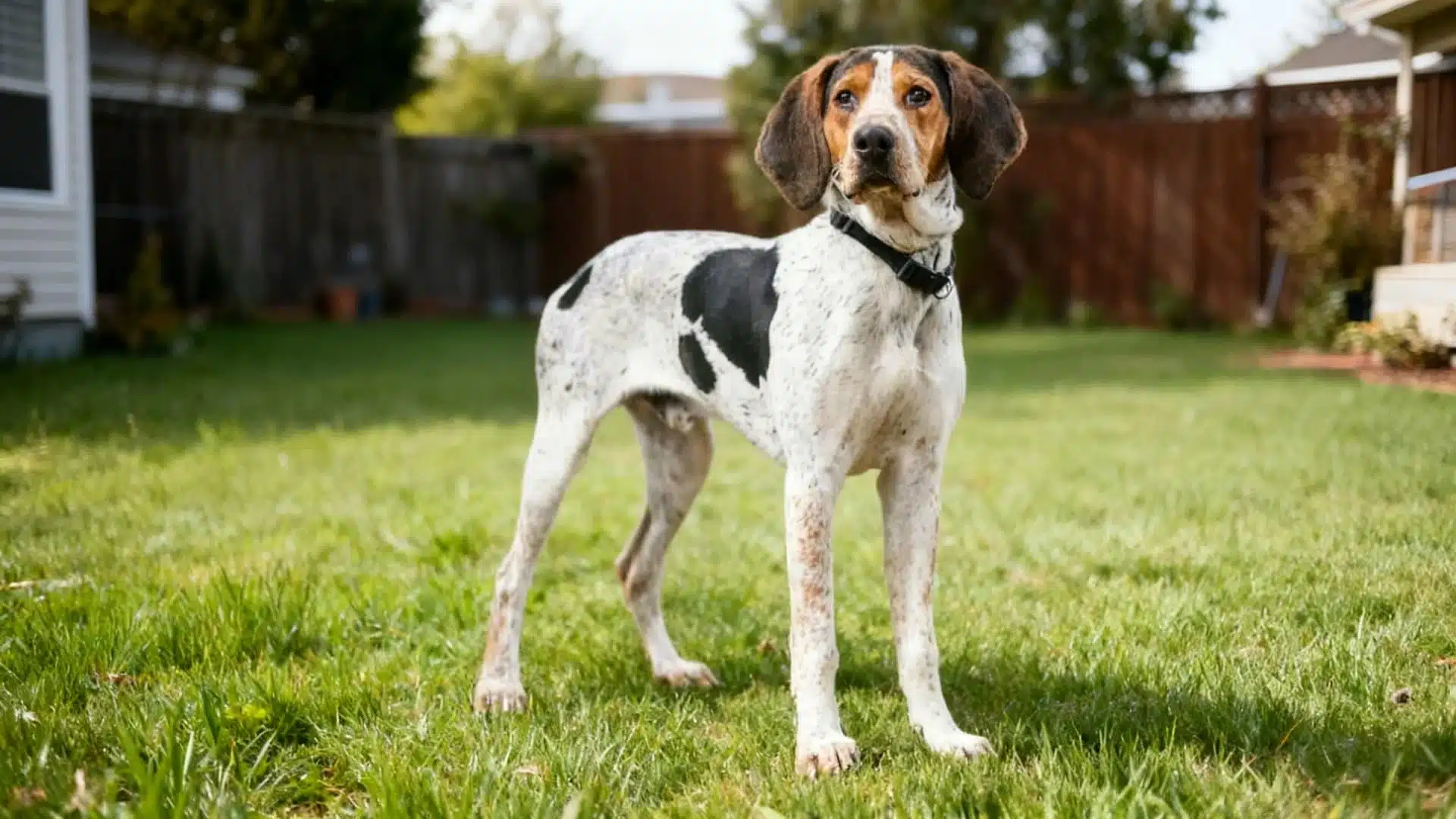
- Average lifespan: 12 to 13 years
- Weight and size: 50 to 70 pounds, lean and muscular hunting dog
- Personality traits: Energetic, determined, loyal, intelligent
The Treeing Walker Coonhound is prized for its speed, endurance, and strong scent tracking abilities.
This breed was developed for long hours of hunting, which contributes to its athletic build and stamina. It is highly energetic and thrives with active owners.
Its strong genetics and active lifestyle often support a longer lifespan among larger hound breeds.
Unlike some working breeds, the Treeing Walker has not been heavily modified for show standards, which has helped preserve its functional, health-forward structure.
5. Plott Hound
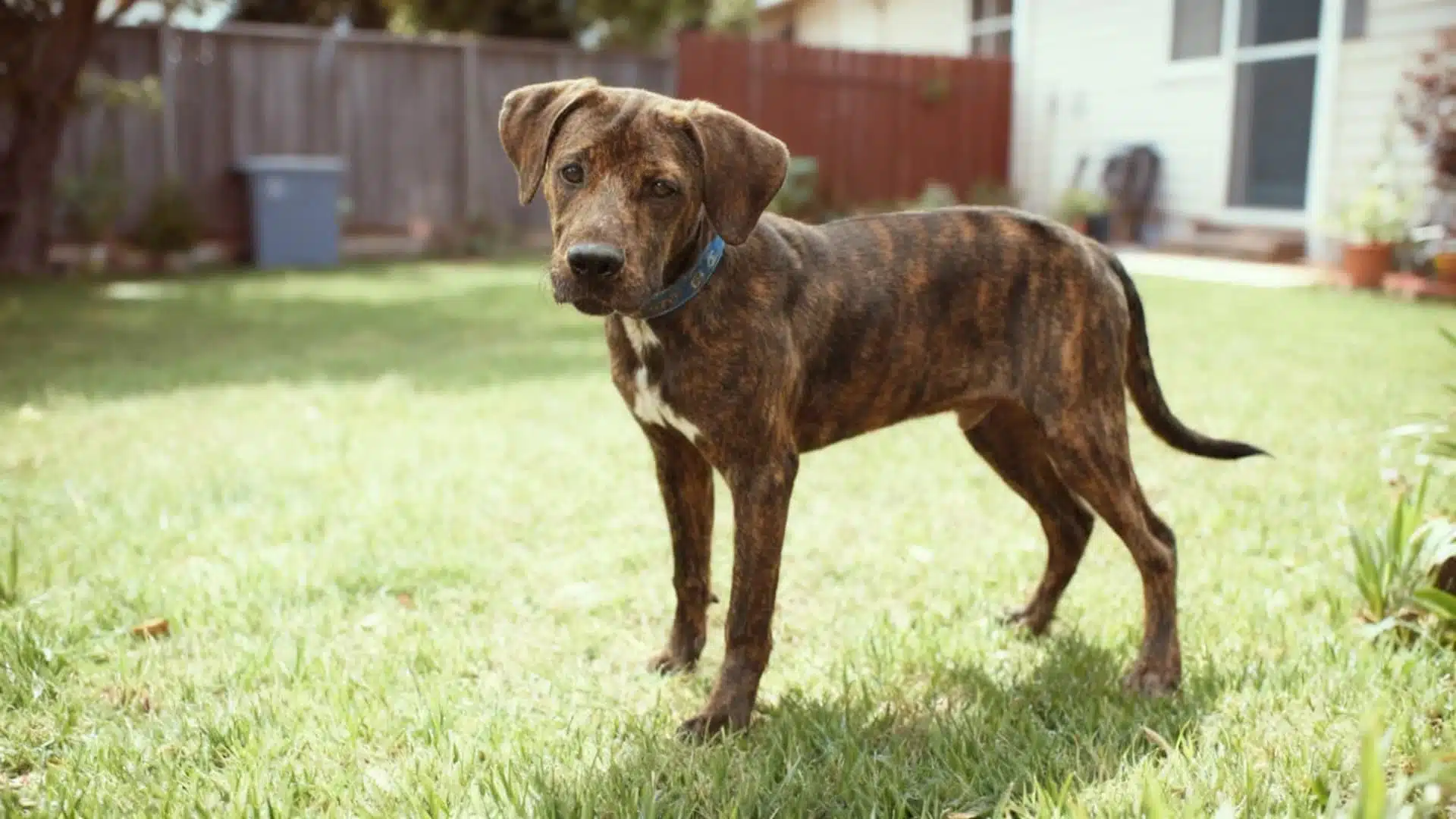
- Average lifespan: 12 to 14 years
- Weight and size: 40 to 60 pounds, powerful and athletic scent hound
- Personality traits: Brave, loyal, determined, intelligent
The Plott Hound is a powerful hunting breed developed in the Appalachian Mountains, originally bred by the Plott family for tracking big game, including bears.
Despite its strength and intensity in the field, it is a devoted and affectionate companion at home.
This breed enjoys vigorous daily activity and thrives when it has a consistent outlet for its energy.
Its ancient lineage, relatively untouched by aggressive modern breeding programs, is widely credited for its low rate of inherited disease and solid lifespan among large hound breeds.
6. Pharaoh Hound
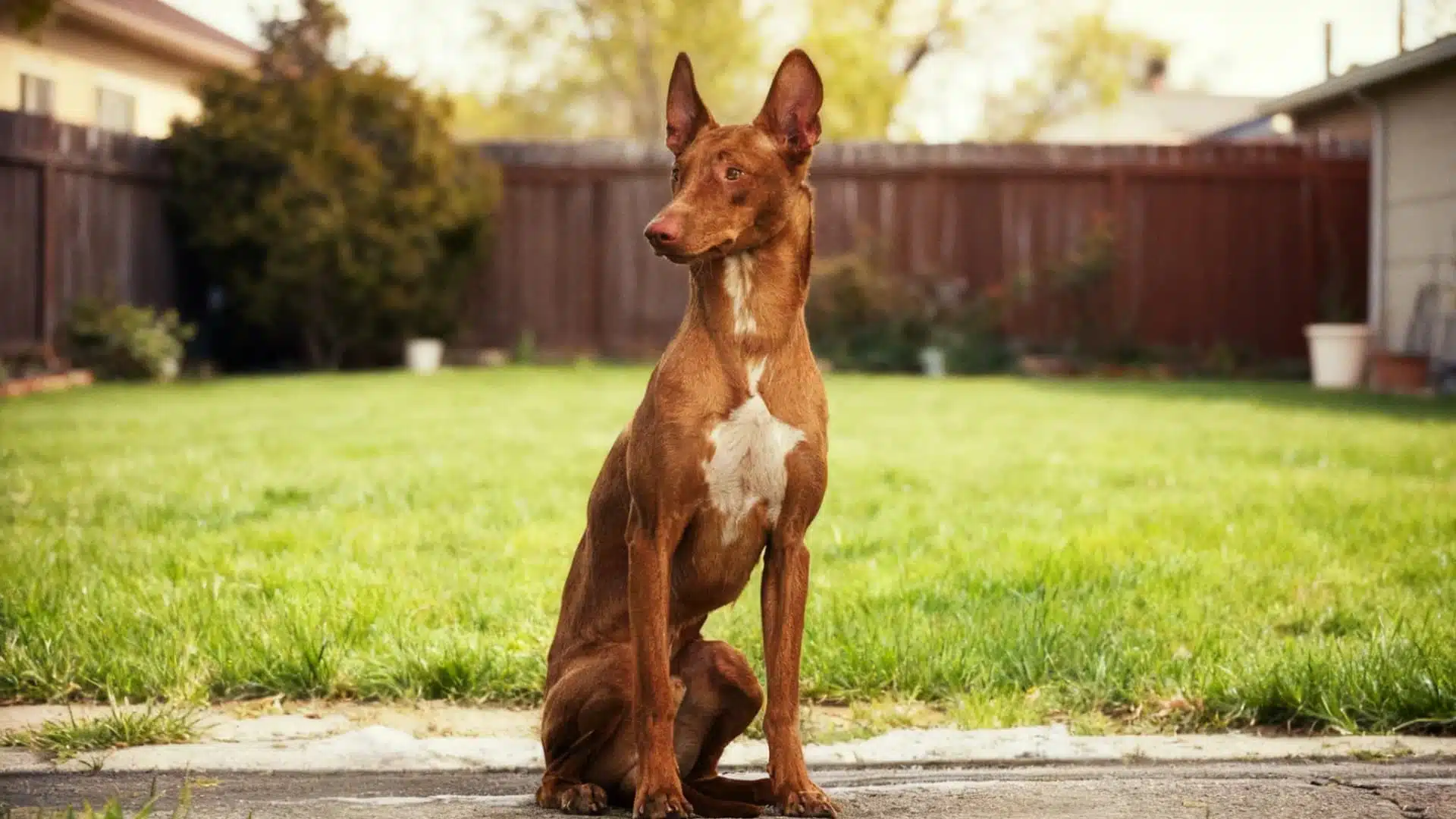
- Average lifespan: 12 to 14 years
- Weight and size: 45 to 55 pounds, sleek and athletic sighthound
- Personality traits: Intelligent, playful, affectionate, alert
The Pharaoh Hound is an elegant hunting breed known for speed, agility, and strong family bonds. Despite its refined appearance, it is a durable and active dog.
This breed enjoys running and staying mentally engaged.
Its generally strong genetic health and active lifestyle contribute to a longer lifespan compared with many similar-sized breeds.
The Pharaoh Hound is one of the oldest recognized breeds in the world, and its ancient lineage is widely credited with a low rate of inherited disease.
7. Ibizan Hound
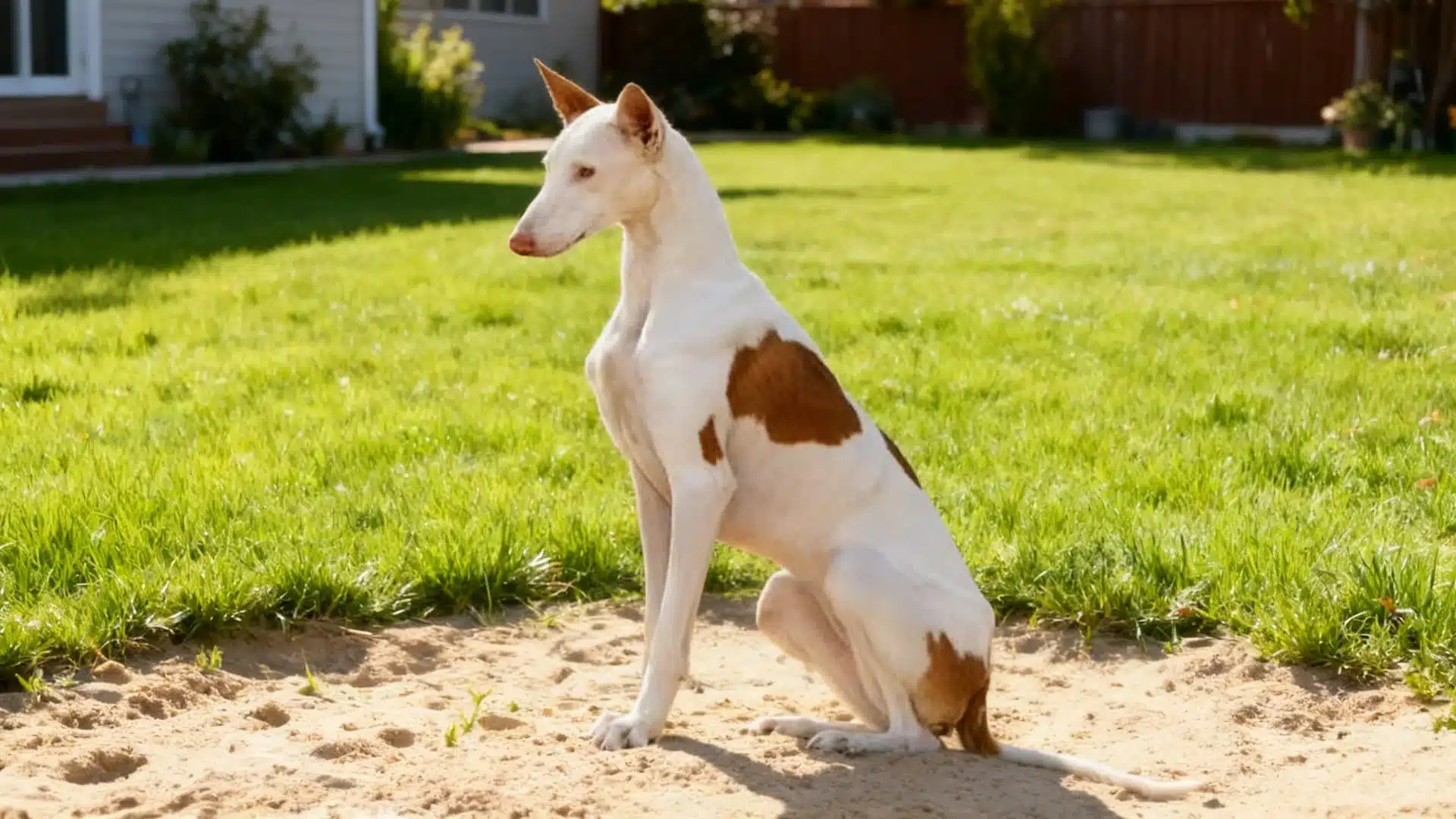
- Average lifespan: 12 to 14 years
- Weight and size: 45 to 65 pounds, tall and lean sighthound
- Personality traits: Agile, alert, affectionate, playful
The Ibizan Hound is a graceful hunting breed known for speed, agility, and sharp instincts.
Originally used for rabbit hunting in the Mediterranean, it developed excellent stamina and athletic ability.
This breed enjoys regular activity and mental stimulation. Its naturally strong genetics and active lifestyle often help support a longer and healthier lifespan than many large dogs.
8. Portuguese Water Dog
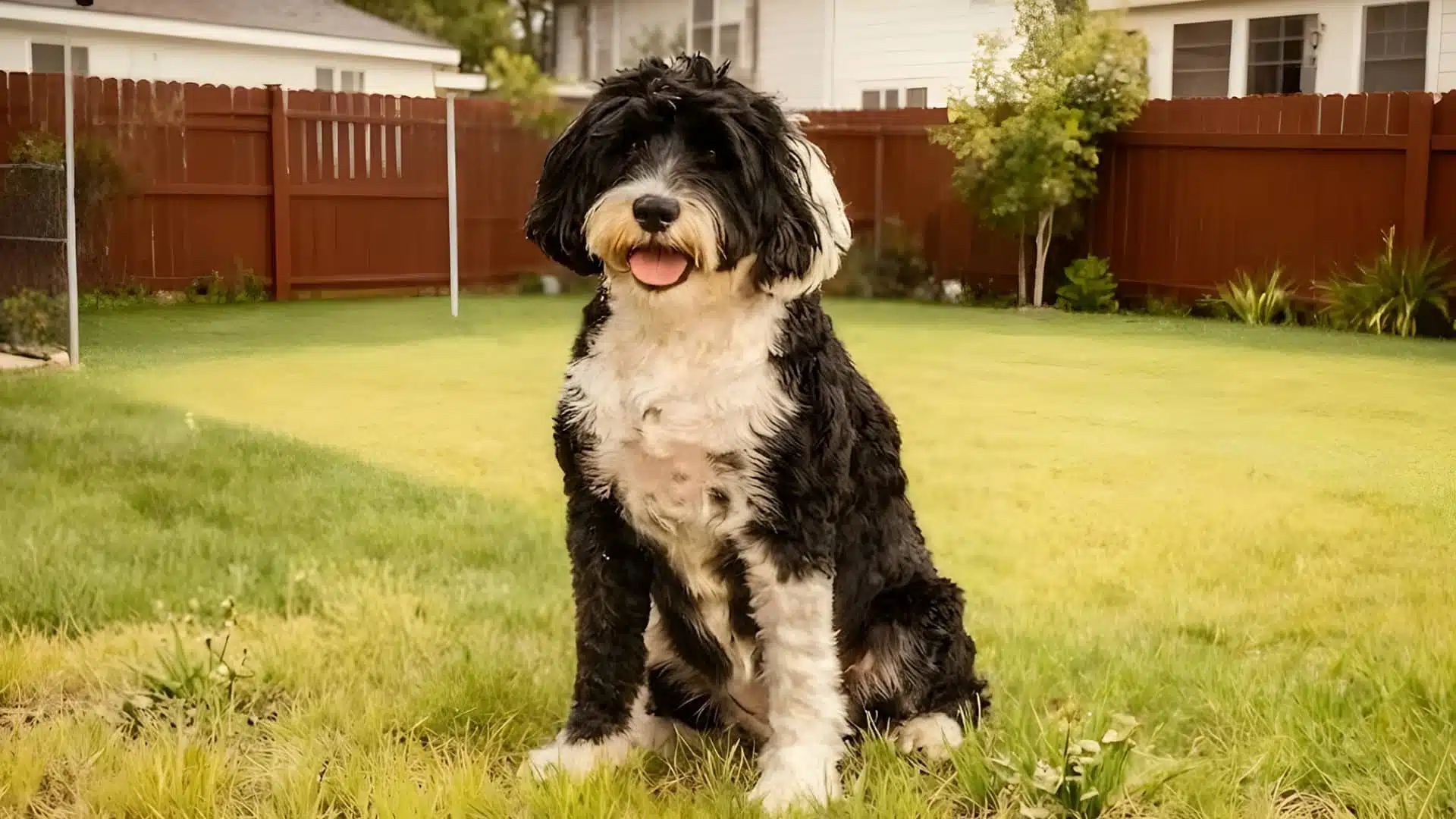
- Average lifespan: 11 to 13 years
- Weight and size: 35 to 60 pounds, sturdy and athletic working dog
- Personality traits: Intelligent, loyal, energetic, affectionate
The Portuguese Water Dog was bred to assist fishermen, retrieving nets and carrying messages between boats.
This background gave the breed strength, endurance, and a love for physical activity. Highly intelligent and eager to work, it thrives with engaged owners.
Good genetics and an active lifestyle contribute to its reputation as one of the longer-lived medium- to large-sized breeds. It’s also one of the few larger breeds with a notably low cancer incidence, a factor worth asking breeders about when reviewing health testing records
9. Lagotto Romagnolo
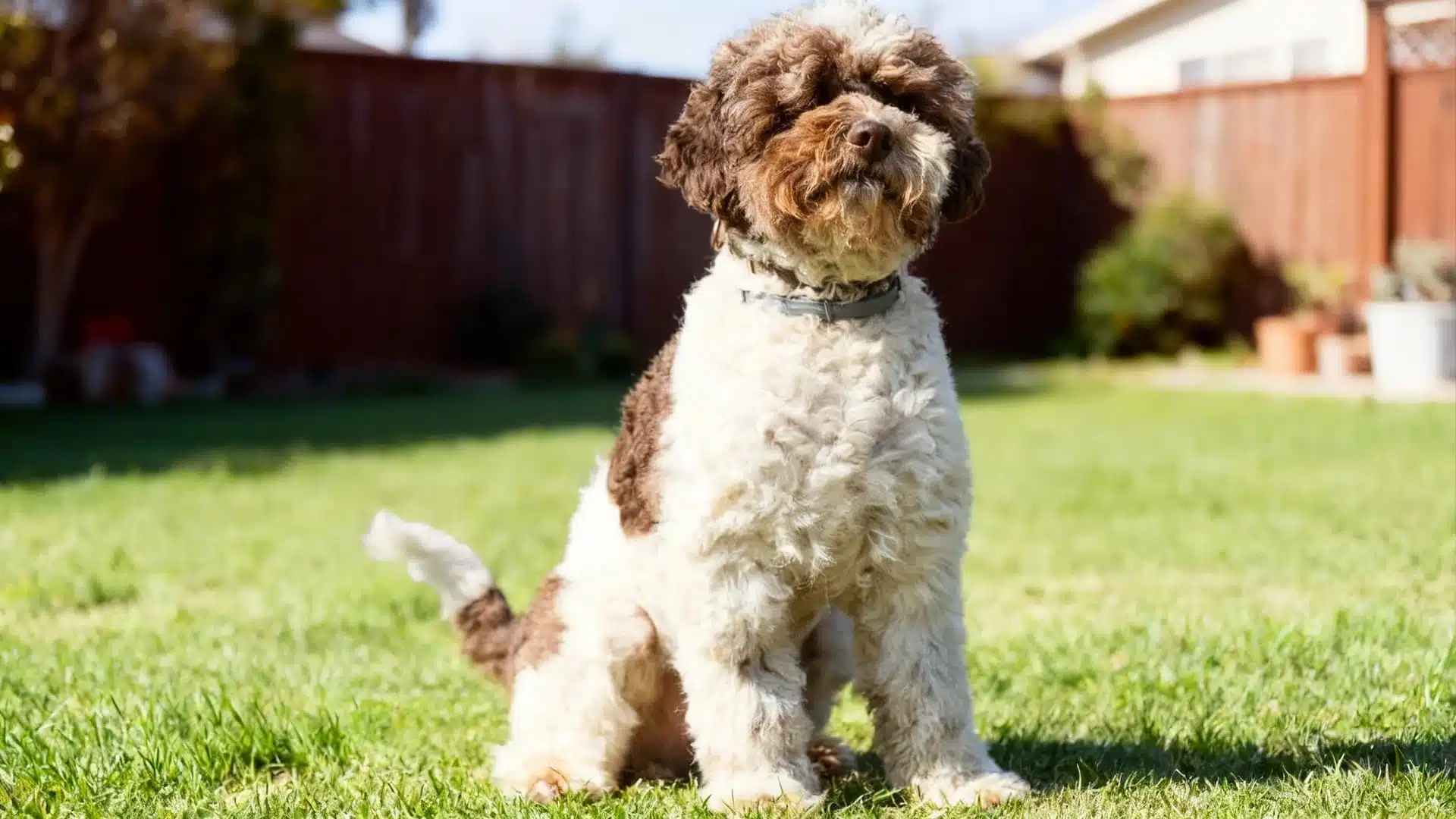
- Average lifespan: 12 to 15 years
- Weight and size: 24 to 35 pounds, compact working dog
- Personality traits: Intelligent, affectionate, alert, energetic
The Lagotto Romagnolo is best known as a skilled truffle-hunting dog from Italy. This breed enjoys staying active and mentally stimulated.
It has a strong nose, high intelligence, and a loyal personality that bonds closely with families.
Thanks to careful breeding and relatively strong genetics, many Lagottos live long and healthy lives compared with similar working breeds.
10. Bergamasco Shepherd
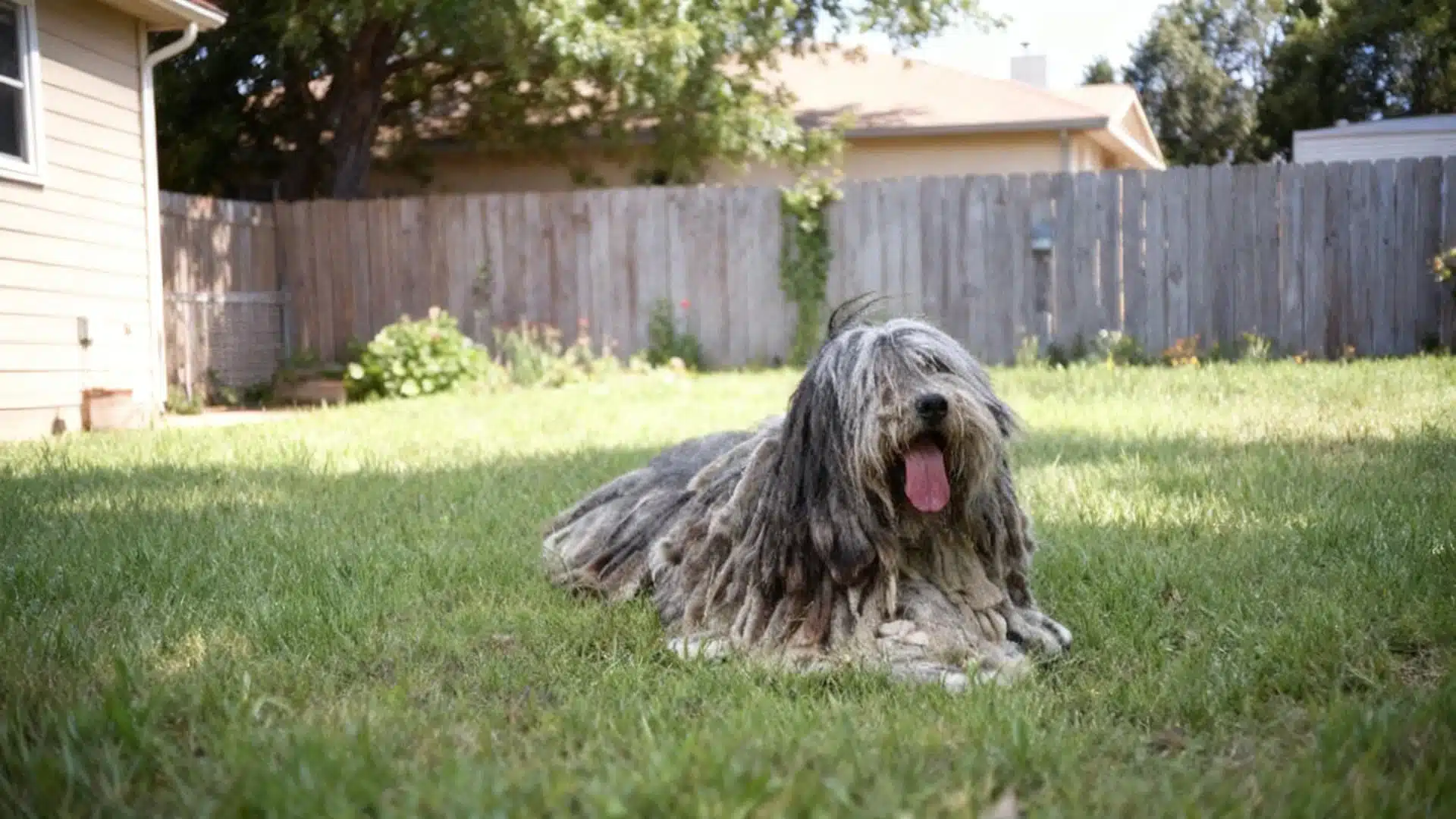
- Average lifespan: 13 to 15 years
- Weight and size: 57 to 84 pounds, a large and powerful herding dog
- Personality traits: Intelligent, patient, loyal, protective
The Bergamasco Shepherd is famous for its unique matted coat and calm temperament.
Developed in the Italian Alps for herding livestock, it is known for independence and strong problem-solving ability.
Despite its large size, the breed often enjoys a relatively long lifespan. Its hardy mountain heritage and balanced temperament help support overall health and longevity.
11. Czechoslovakian Vlcak (Wolfdog)
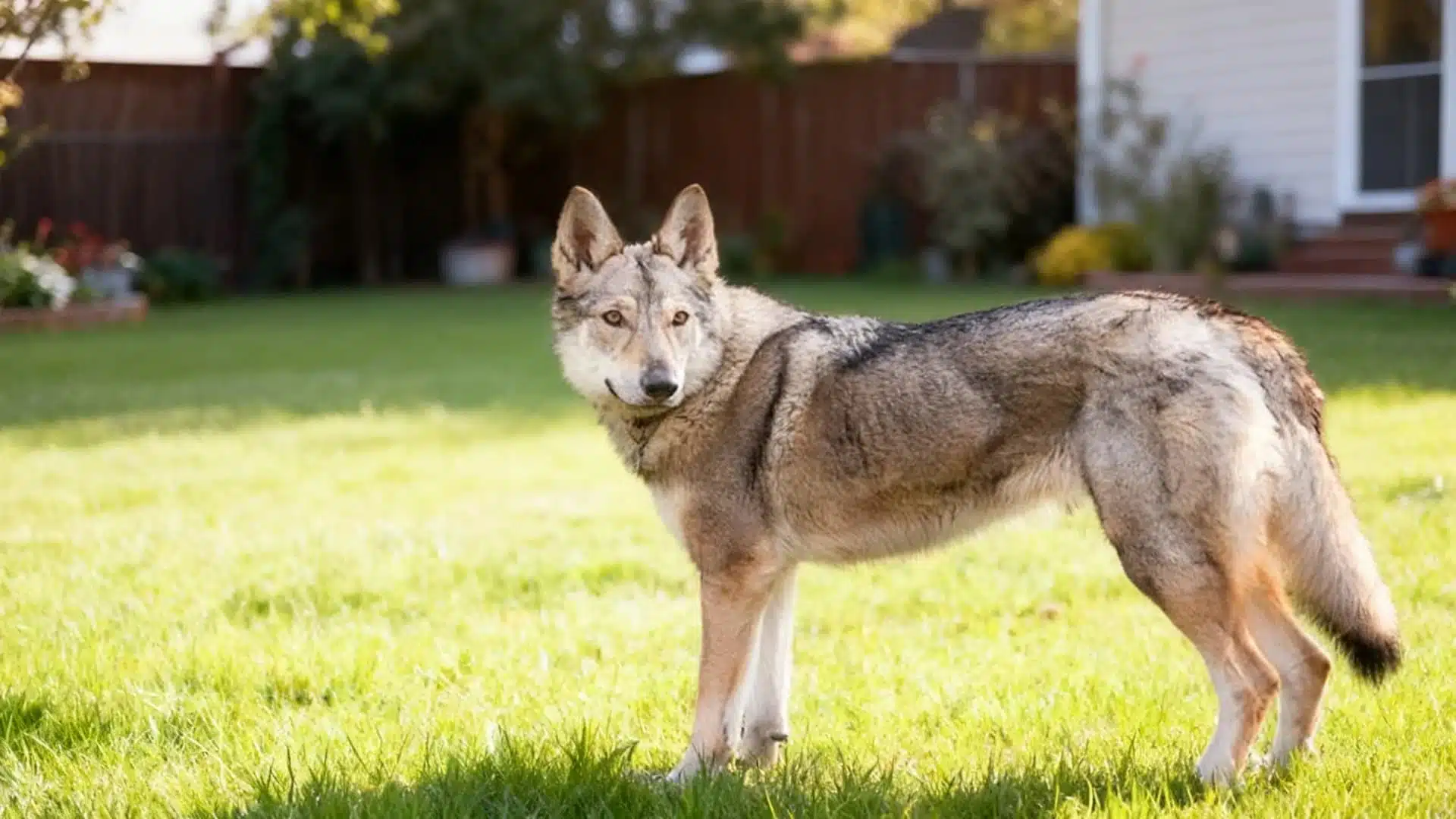
- Average lifespan: 12 to 16 years
- Weight and size: 44 to 57 pounds, a large wolf-like working breed
- Personality traits: Intelligent, loyal, energetic, highly alert
The Czechoslovakian Vlcak was developed by crossing German Shepherds with Carpathian wolves to create a resilient working dog.
This breed is known for endurance, strength, and strong pack instincts. It requires experienced handling and plenty of activity.
Its robust genetics and athletic nature often contribute to a longer lifespan than many large working breeds.
Notable: A potential lifespan of up to 16 years places the Czechoslovakian Vlcak among the most exceptional large-breed longevity figures documented. This is not a dog for first-time owners, but for experienced handlers, it may be the longest-lived large working breed available.
12. Appenzeller Sennenhund
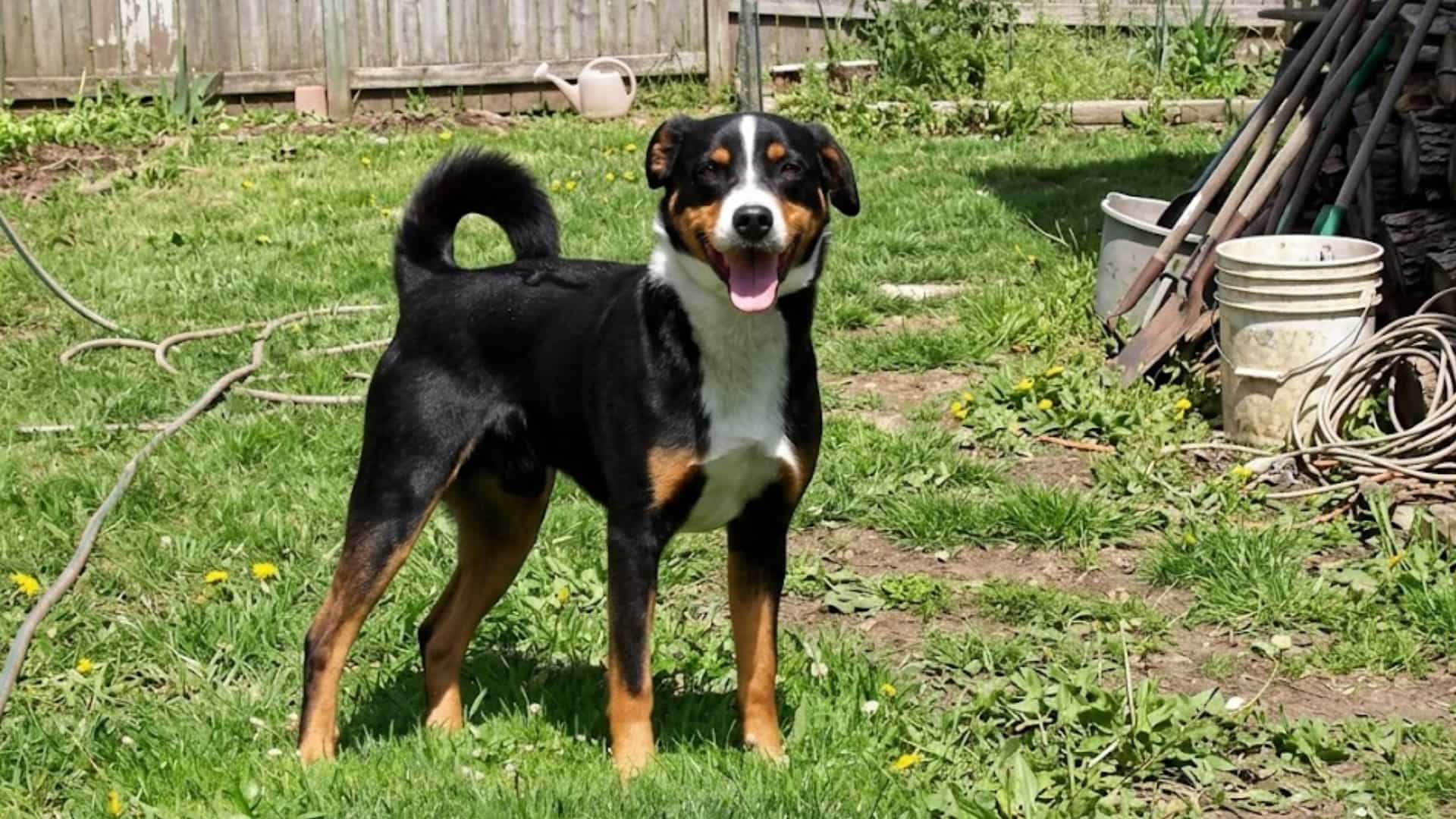
- Average lifespan: 12 to 14 years
- Weight and size: 48 to 70 pounds, muscular Swiss mountain dog
- Personality traits: Energetic, loyal, confident, intelligent
The Appenzeller Sennenhund is a hardworking Swiss farm dog originally used for herding cattle and guarding property.
It has a strong work drive and thrives in active households. Known for its agility and stamina, this breed benefits from regular exercise and mental stimulation.
Its sturdy build and working heritage help support good health and a relatively long life for a large dog.
13. Entlebucher Mountain Dog
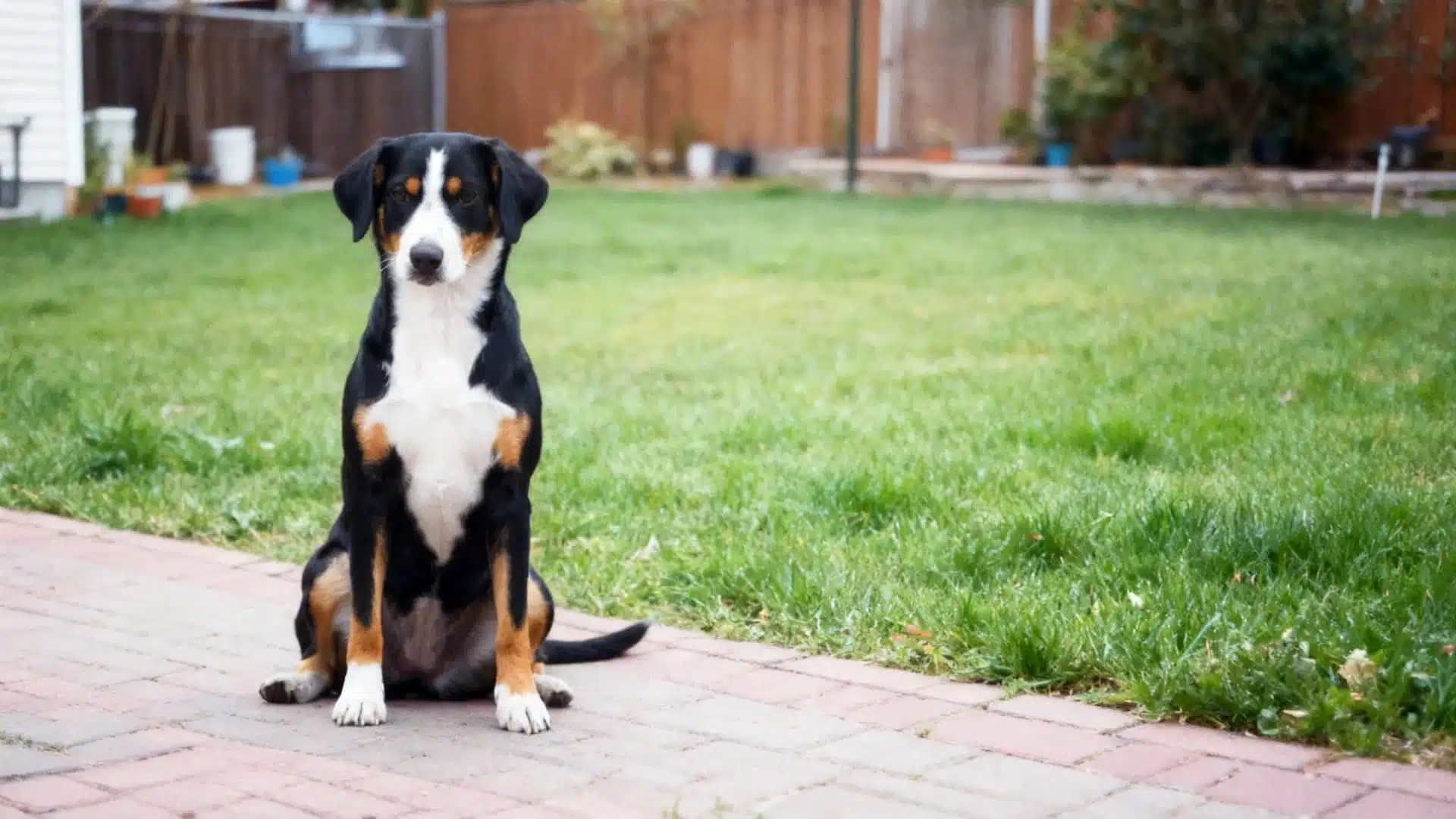
- Average lifespan: 11 to 13 years
- Weight and size: 45 to 65 pounds, compact and muscular herding breed
- Personality traits: Loyal, energetic, intelligent, protective
The Entlebucher Mountain Dog is the smallest of the Swiss mountain dog breeds, but still strong and hardworking.
Originally used for herding cattle, it is known for its agility and stamina. This breed forms strong bonds with its family and thrives in active homes.
Its sturdy genetics and high activity levels help support a relatively long lifespan for a working dog.
14. Azawakh
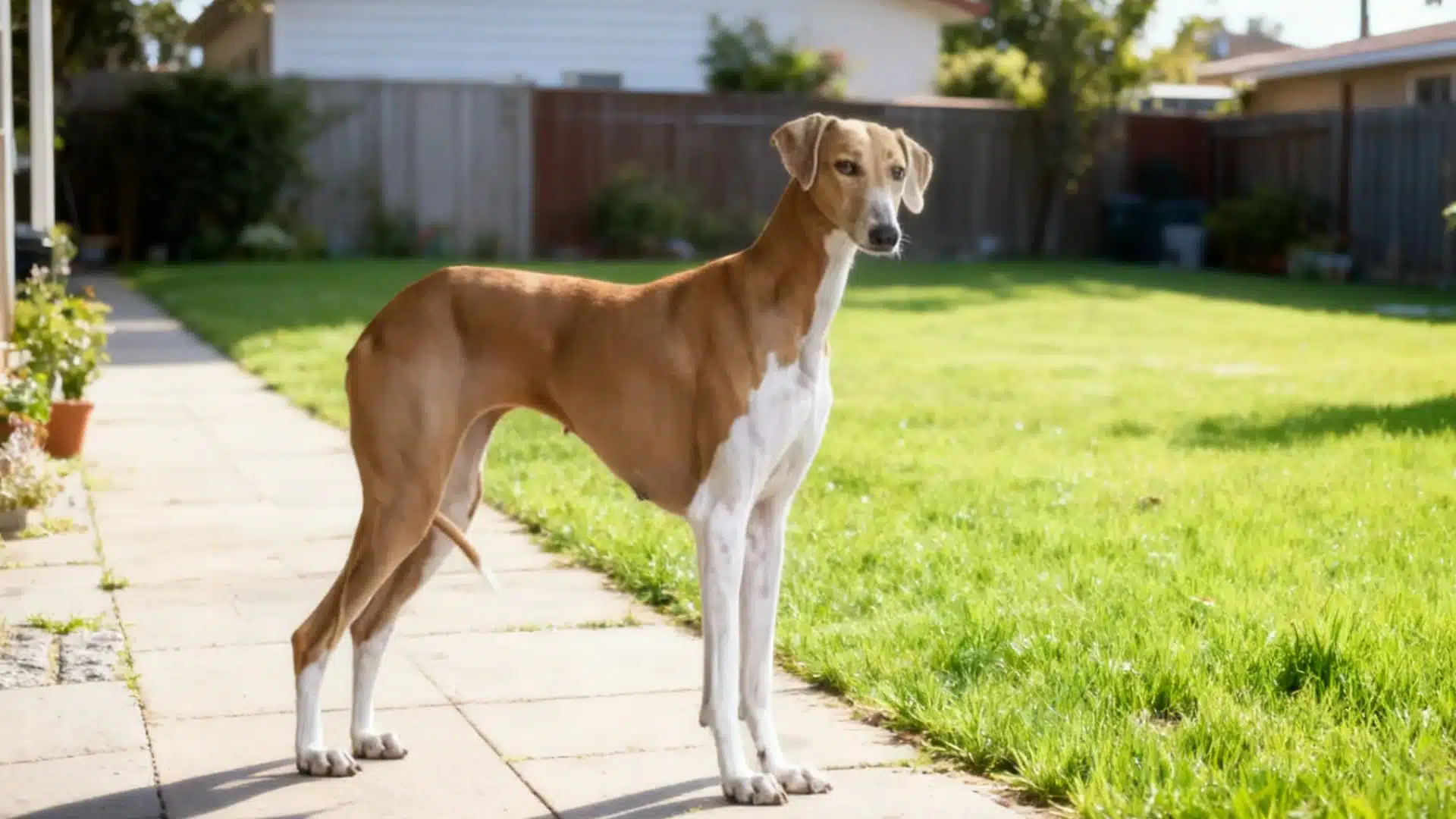
- Average lifespan: 12 to 15 years
- Weight and size: 33 to 55 pounds, tall and extremely lean sighthound
- Personality traits: Loyal, reserved, alert, independent
The Azawakh is a rare African sighthound breed developed by nomadic tribes in the Sahara. Built for speed and endurance, it has a naturally athletic and resilient body.
The breed is deeply loyal to its family but tends to be reserved with strangers. Its hardy desert heritage and strong genetics often contribute to a long and healthy life.
15. Sloughi
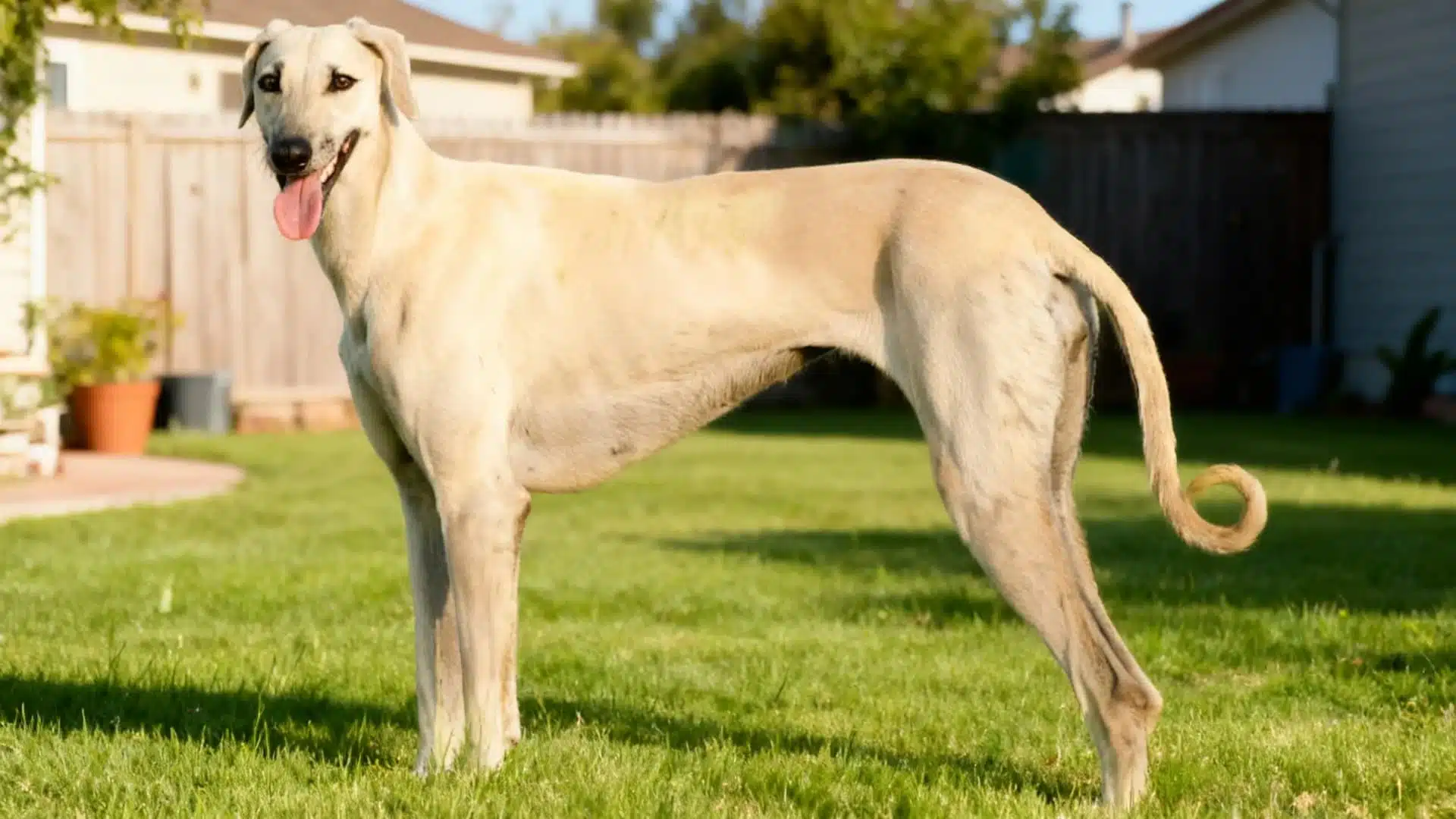
- Average lifespan: 12 to 15 years
- Weight and size: 40 to 65 pounds, elegant and athletic sighthound
- Personality traits: Gentle, loyal, calm, sensitive
The Sloughi is a North African hunting dog valued for speed, endurance, and strong instincts. It forms deep attachments to its owners and is known for its calm, dignified personality.
This breed prefers active environments where it can run and stay mentally engaged.
Its naturally lean build and durable genetics support a longer lifespan compared with many similar-sized breeds.
16. Polish Lowland Sheepdog
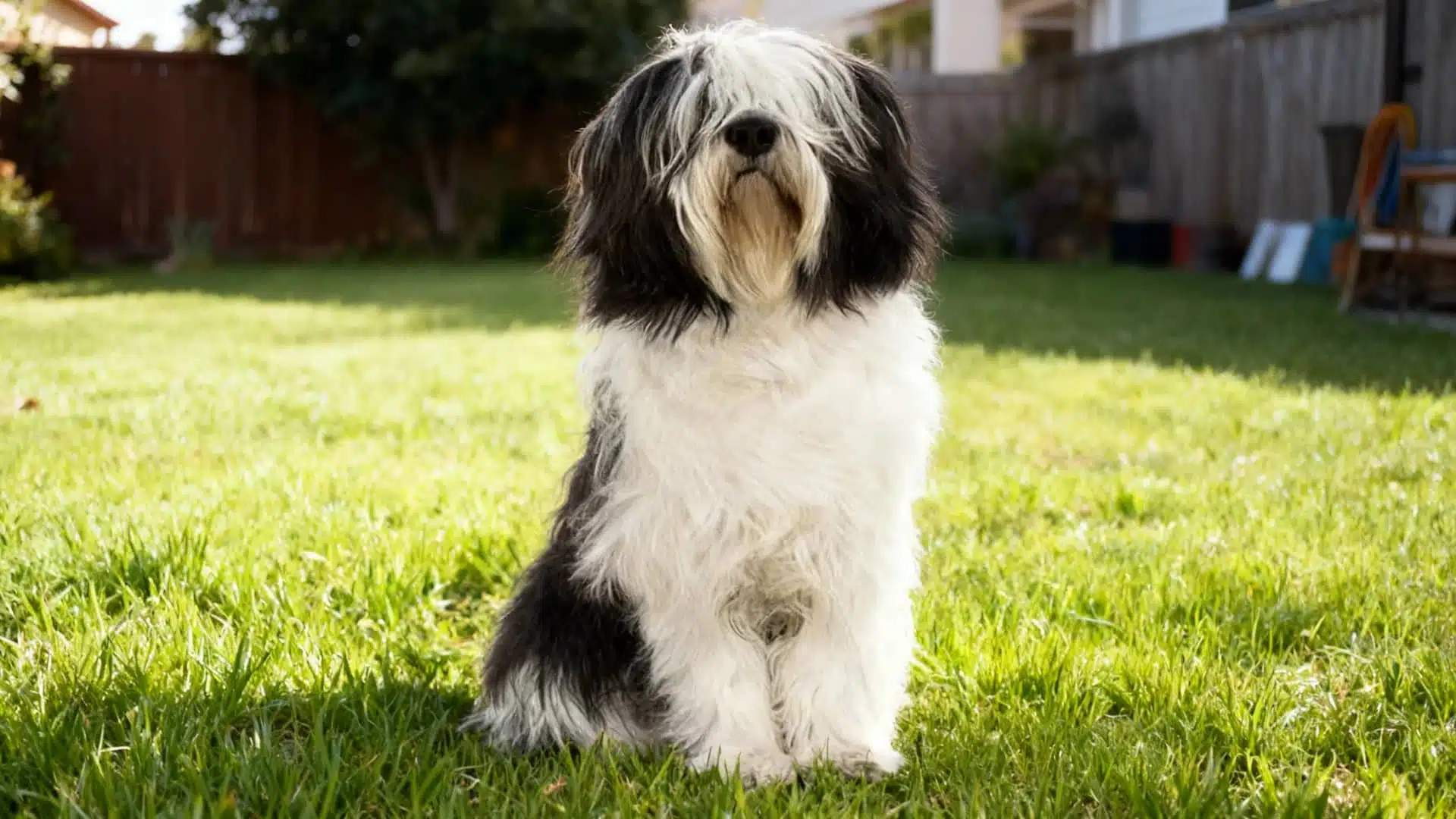
- Average lifespan: 12 to 14 years
- Weight and size: 35 to 60 pounds, sturdy and medium-large herding dog
- Personality traits: Intelligent, confident, loyal, alert
The Polish Lowland Sheepdog is a hardworking herding breed known for its intelligence and problem-solving ability.
Historically used for managing livestock, it developed endurance and strong work instincts.
This breed thrives when given regular activity and training. With proper care and responsible breeding, many Polish Lowland Sheepdogs enjoy long and healthy lives.
17. Berger Picard
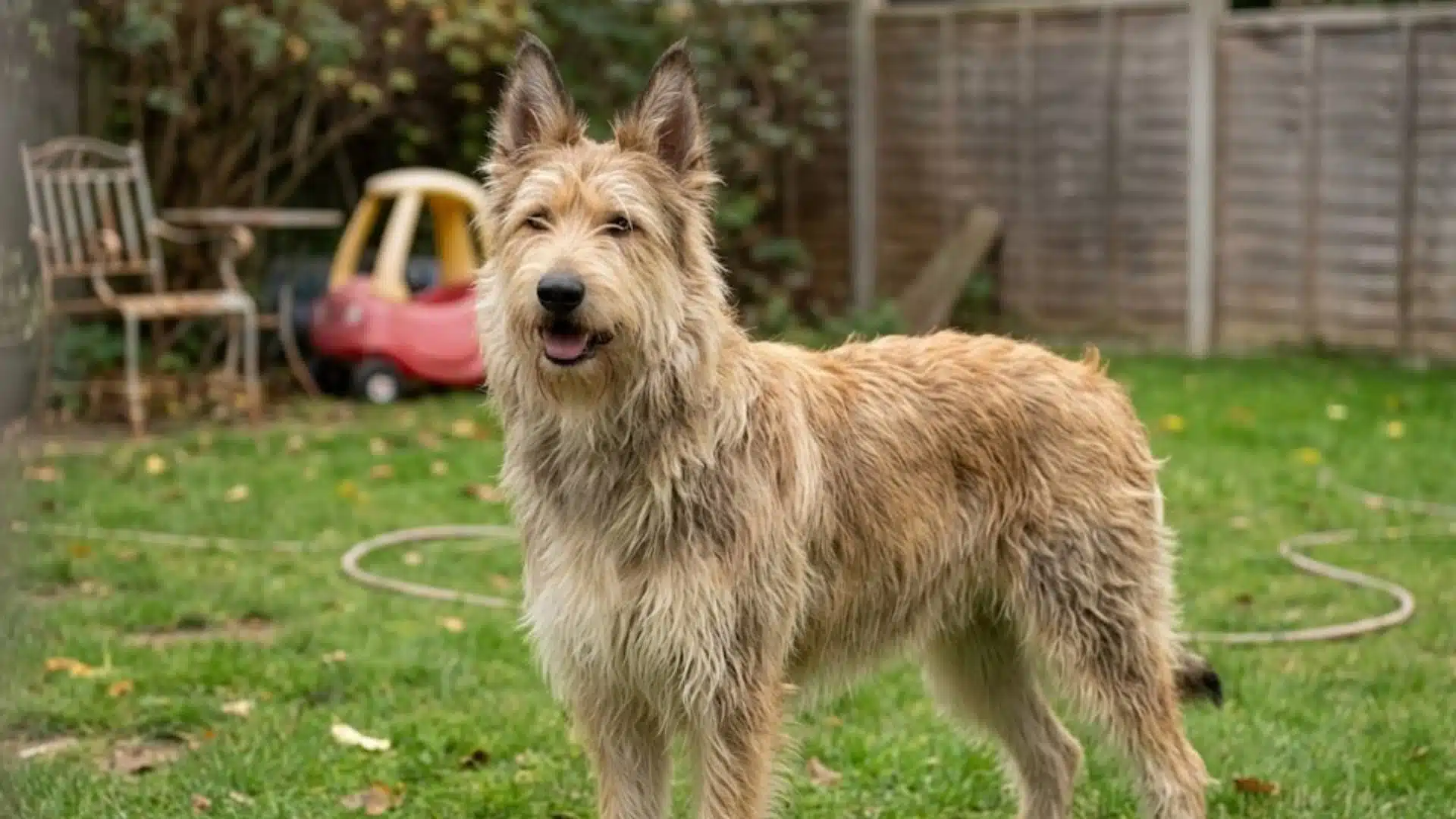
- Average lifespan: 12 to 13 years
- Weight and size: 50 to 70 pounds, tall and rustic French herding dog
- Personality traits: Intelligent, loyal, energetic, independent
The Berger Picard is one of the oldest French herding breeds and is known for its rugged appearance and lively personality.
It was originally bred to work long days herding livestock, which gave it stamina and resilience.
This breed bonds closely with its family and enjoys active routines. Its balanced build and hardy genetics contribute to a solid lifespan among large dogs.
18. Catahoula Leopard Dog
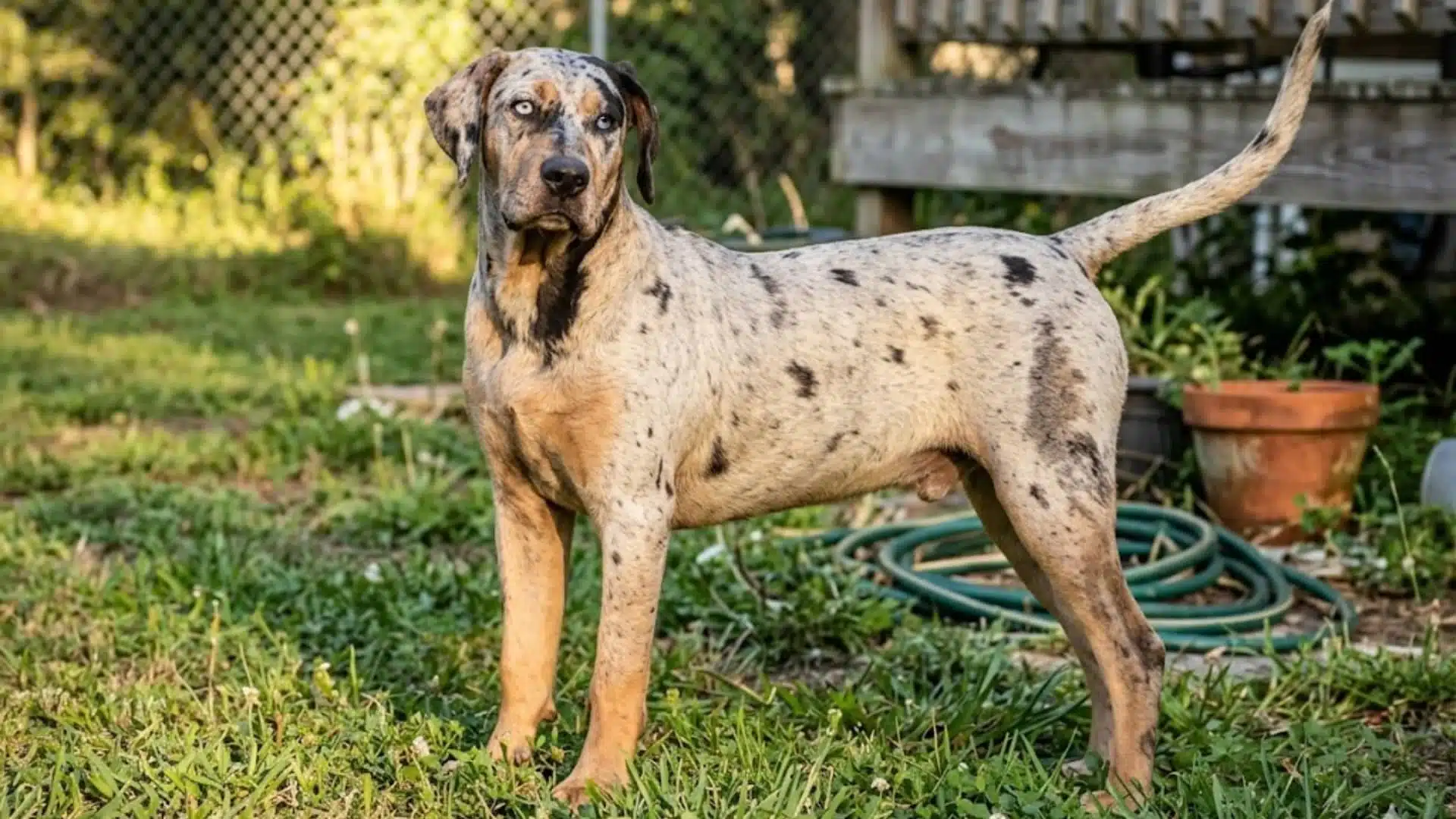
- Average lifespan: 10 to 14 years
- Weight and size: 50 to 95 pounds, strong and muscular working dog
- Personality traits: Intelligent, protective, energetic, independent
The Catahoula Leopard Dog is a powerful working breed originally developed in Louisiana for herding livestock and hunting.
It is known for its striking coat patterns and high intelligence. This breed thrives in active environments where it has a job to do.
Its strong genetics and working heritage often support good endurance and a relatively long lifespan.
19. Finnish Lapphund
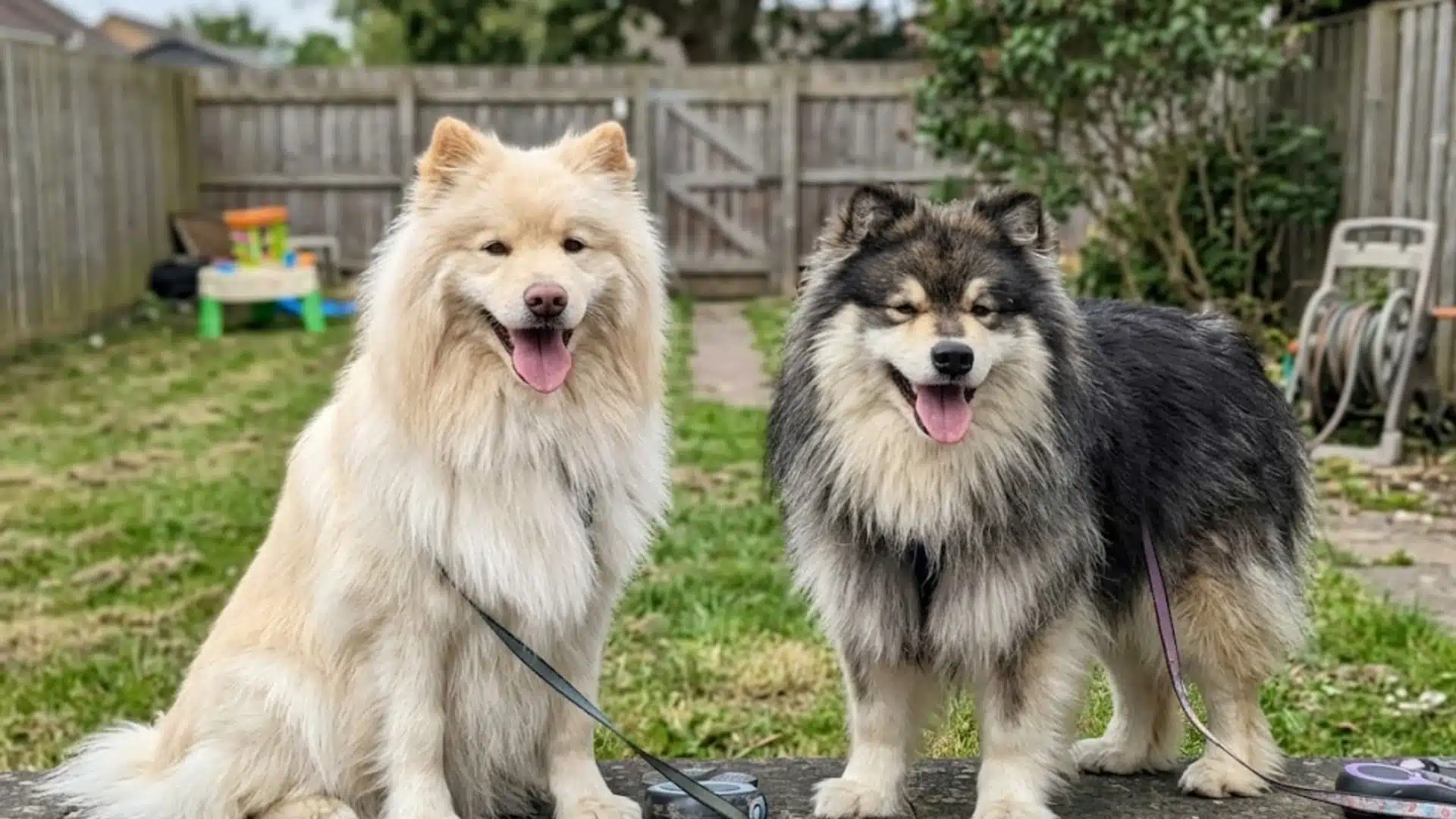
- Average lifespan: 12 to 15 years
- Weight and size: 33 to 53 pounds, sturdy and fluffy herding dog
- Personality traits: Friendly, intelligent, gentle, alert
The Finnish Lapphund was traditionally used by the Sami people to herd reindeer in harsh Arctic climates.
Its thick coat and resilient nature helped it adapt to extreme conditions. This breed is known for being calm, affectionate, and highly trainable.
Strong genetic health and an active lifestyle contribute to its reputation as having the longest lifespan among larger breeds.
Tips to Help Large Dogs Live Longer
Properly caring for large dogs can significantly improve their lifespan. Simple habits help maintain long-term health and vitality.
- Proper nutrition: Feed high-quality dog food with a balanced nutrient profile. Large breeds need controlled calories and protein to support muscles, bones, and overall health. Part of keeping your dog healthy year-round also means protecting your dog from fleas and ticks naturally, since parasite burden adds chronic stress to an otherwise healthy immune system.
- Regular exercise: Daily walks, play, and mental stimulation keep large dogs physically fit and prevent obesity, which can shorten their lifespan.
- Joint care: Large breeds are often prone to joint stress. Supplements, proper weight control, and low-impact exercise help maintain joint health as people age.
- Vet checkups: Regular veterinary visits detect health issues early. Preventive care, vaccinations, and breed-specific screenings are the single most reliable way to catch problems before they become irreversible. Ask your vet about cancer screening protocols specific to your breed.
- Healthy weight management: Keeping your dog at a healthy weight reduces pressure on joints, heart, and organs, improving both quality of life and longevity.
- Spay or neuter at the right time: Discuss timing with your veterinarian, as the optimal age varies by breed and size. For many large breeds, spaying or neutering at the right developmental stage is associated with reduced cancer risk and longer average lifespan.
Conclusion
Choosing a large dog is one of the longest relationships you’ll form, and how long that relationship lasts comes down to far more than luck.
While it is true that many large dogs have shorter lifespans, the longest living large dog breeds on this list prove that size does not always determine longevity.
Even if you go with a well-known breed like the Alaskan Malamute or Standard Poodle, or one of the more surprising entries on this list like the Bergamasco Shepherd or Czechoslovakian Vlcak, the principles are the same.
Start with strong genetics, work with responsible breeders, keep your dog lean and active, and stay ahead of breed-specific health risks.
I’ve spoken with enough breeders and veterinarians over the years to know that the dogs who reach 13, 14, or 15 years rarely do so by accident. They do so because someone made the right choices early.
Have you owned any of these breeds, or do you have a favorite? Drop your experience in the comments, especially if your dog has beaten the average.
Those stories are genuinely useful for other owners trying to understand what good longevity actually looks like day to day.