Dogs cannot tell you when something hurts, which is why the first signs of hip dysplasia in dogs are often missed in the beginning.
Maybe your dog suddenly hesitates before climbing stairs, struggles to stand after a nap, or starts running with a strange bunny hopping motion.
At first, these changes may seem small or harmless. Over time, though, they can point to a painful joint condition that affects movement and quality of life.
The good news is that spotting the early signs of hip dysplasia in dogs can help you get treatment before the condition becomes more serious.
From stiffness and limping to reduced energy during walks, these symptoms are easier to notice once you know what to look for.
Understanding hip dysplasia symptoms in dogs early can help your furry companion stay active, comfortable, and happy for years to come.
What is Hip Dysplasia in Dogs?
Hip dysplasia in dogs is a joint condition where the hip socket and the ball part of the joint do not fit together properly.
In a healthy dog, the hip moves smoothly during walking, running, and jumping.
With hip dysplasia, the loose joint creates friction and instability, which slowly damages the cartilage and surrounding bone.
Over time, this can lead to pain, stiffness, inflammation, and arthritis.
Genetics plays a major role, but rapid growth, excess weight, poor nutrition, and intense exercise during puppyhood can increase the risk.
Some dogs show symptoms early in life, while others may not show noticeable signs until they become older and joint damage becomes more severe.
What are the First Signs of Hip Dysplasia in Dogs?
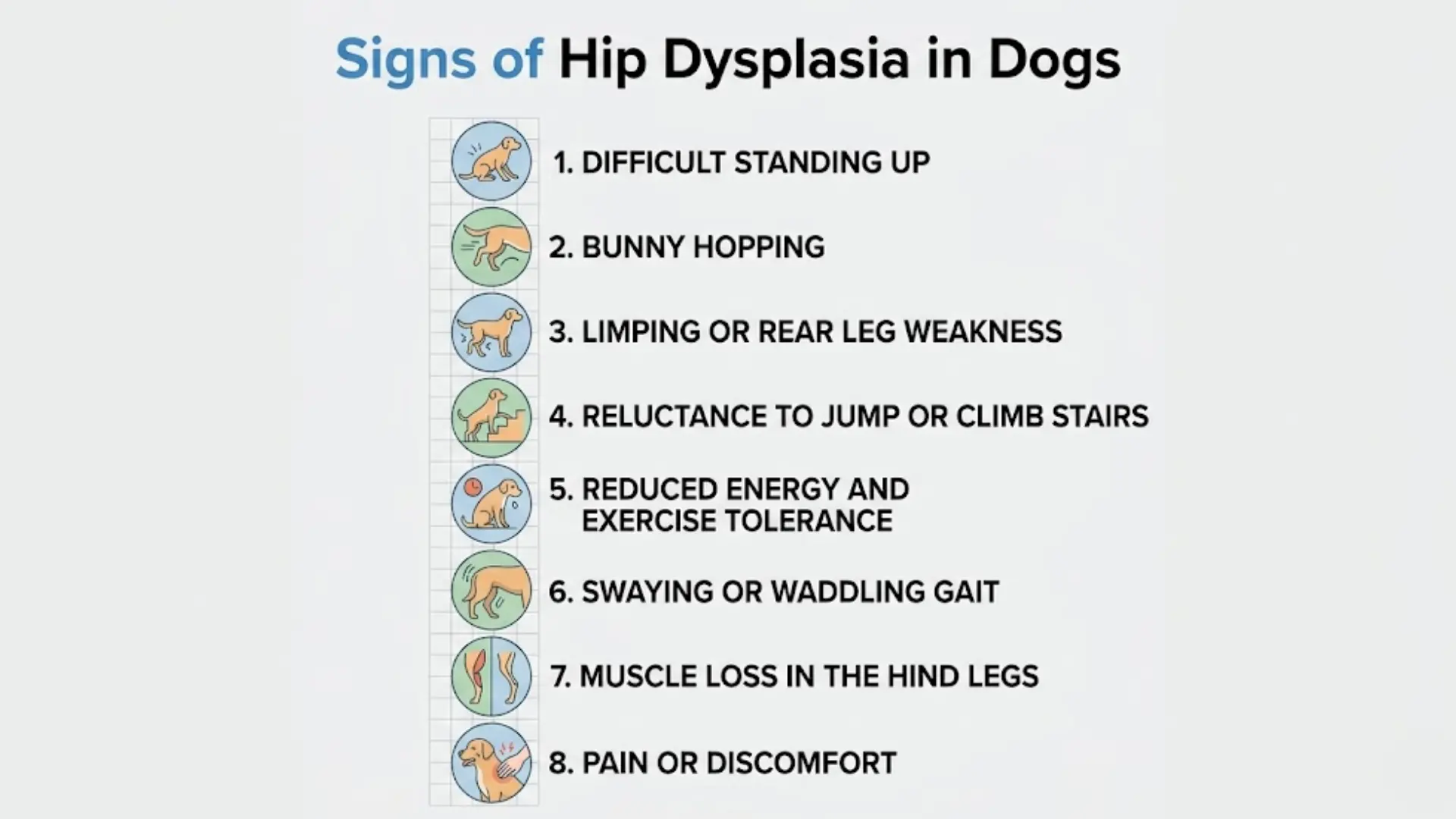
The first signs of hip dysplasia in dogs are often mild and easy to overlook at first. Many dogs continue eating, playing, and acting normal while the hip joint slowly becomes unstable and uncomfortable.
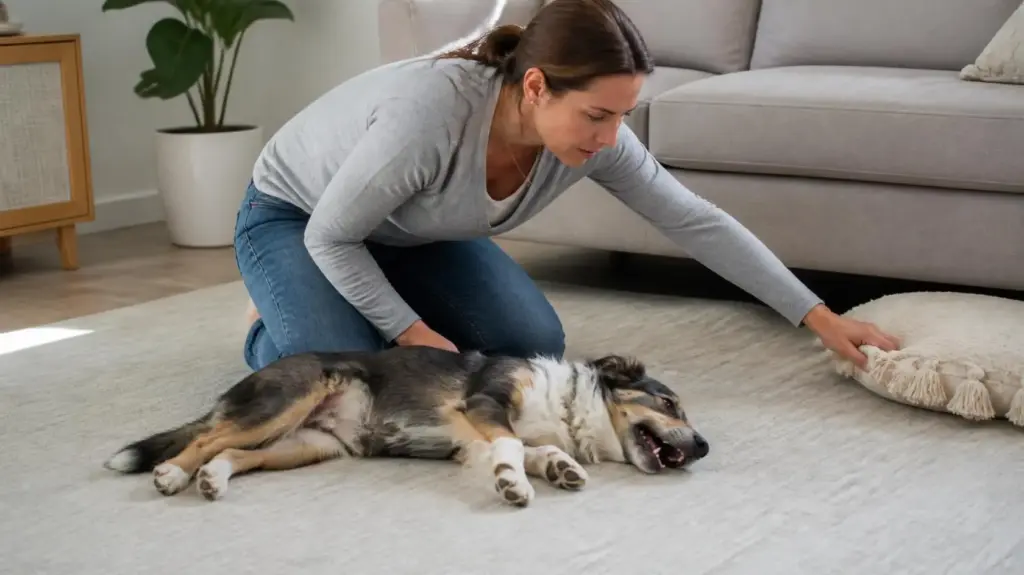
1. Difficulty Standing Up
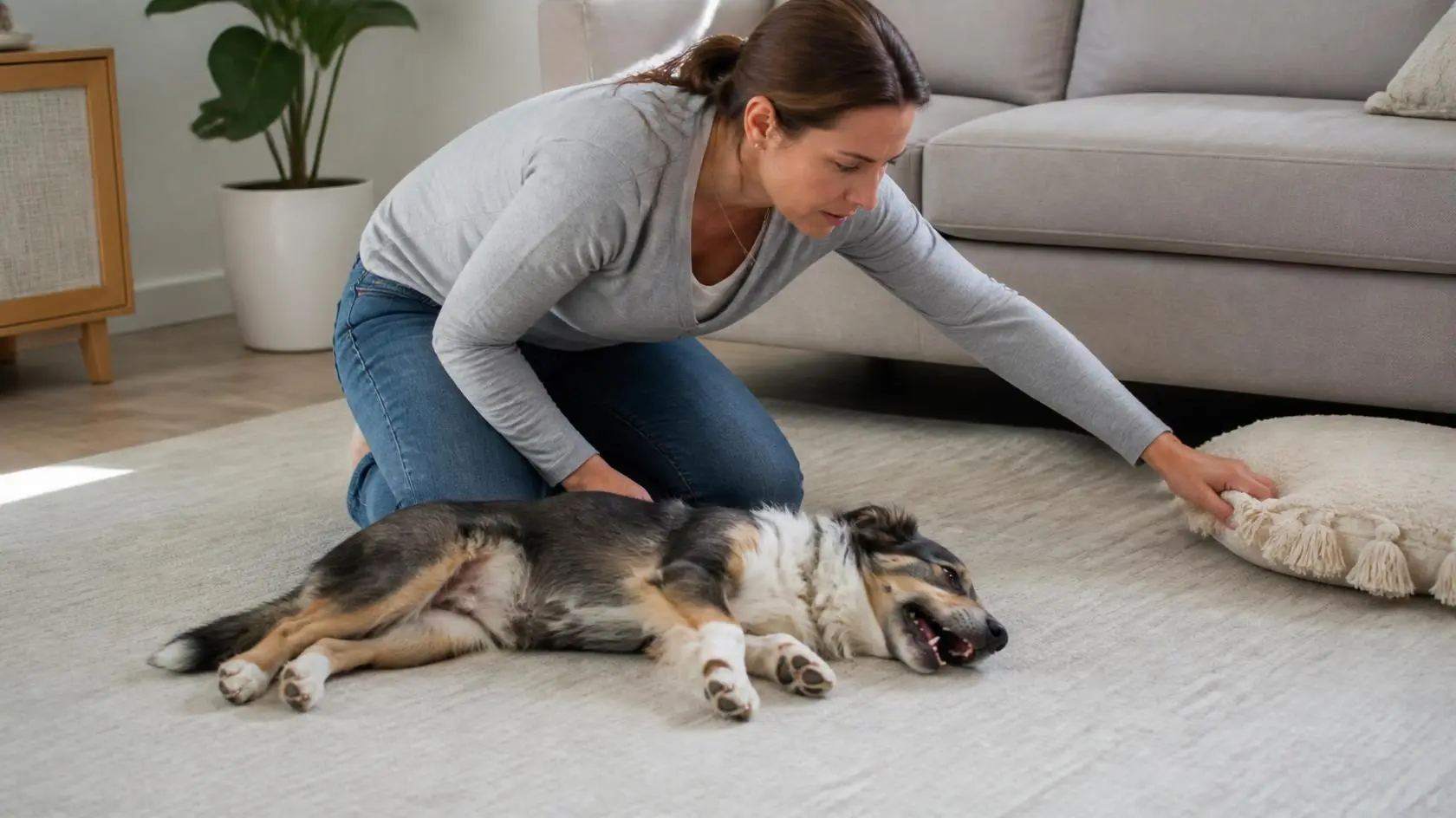
One of the earliest signs of hip dysplasia in dogs is difficulty standing up after resting. A dog may rise slowly from the floor, especially after sleeping or lying down for a long time.
Some dogs appear stiff in the back legs and need a few seconds before they can walk normally again. Others may hesitate before standing because movement feels uncomfortable.
Owners often notice this more in the morning or after exercise.
While occasional stiffness can happen for many reasons, repeated trouble standing should not be ignored because it may point to early joint problems.
In my clinical experience, this is often the first change pet owners describe when they bring their dog in, they thought it was just aging.
2. Bunny Hopping While Running
Bunny hopping is a common movement change seen in dogs with hip dysplasia.
Instead of moving each back leg separately while running, the dog pushes both back legs forward together in a hopping motion.
This movement helps reduce pressure and pain in the hips during activity. Many owners first notice it when their dog runs quickly, climbs stairs, or plays outside.
Puppies and young dogs may also show this sign during energetic play. While bunny hopping can sometimes look playful or harmless, repeated hopping may be an early sign of discomfort in the hip joints.
3. Limping or Rear Leg Weakness
Dogs with early hip dysplasia may begin limping after exercise or long walks. The limp can come and go, which makes it easy for owners to miss at first.
Some dogs favor one back leg more than the other to avoid discomfort. Others may seem weak in the hind end or lose balance slightly while walking.
A mild wobble in the rear legs can also develop as the hip joint becomes less stable.
If limping becomes frequent, lameness in dogs can help you understand related movement problems.
4. Reluctance to Jump or Climb Stairs
Dogs with hip discomfort often become hesitant to do activities they once enjoyed. Jumping into the car, climbing stairs, or getting onto furniture may suddenly seem difficult or uncomfortable.
Some dogs stop midway, pause before jumping, or look unsure before climbing steps. Others may completely avoid these activities over time.
This behavior change usually happens because hip movement creates pain or stiffness in the joint. I have seen many owners mistake it for laziness or aging, especially in older dogs.
However, repeated hesitation during normal movement can be one of the first warning signs of hip dysplasia.
5. Reduced Energy and Exercise Tolerance
A dog with hip dysplasia may begin losing interest in long walks, active games, or outdoor play. Some dogs tire faster than usual and sit down often during exercise.
Others may walk behind their owner instead of staying active and energetic. Puppies may avoid running for long periods even though they normally have high energy levels.
This reduced stamina often happens because movement becomes uncomfortable for the hips.
Over time, dogs may become less playful and spend more time resting.
6. Swaying or Waddling Gait
Hip dysplasia can change the way a dog walks. Some dogs develop a loose rear-end movement that looks like swaying or waddling from side to side.
This unusual walking pattern happens because the hip joints are unstable and cannot support smooth movement properly. Owners sometimes describe it as a “sashaying” walk.
The movement may become more noticeable after exercise or during longer walks. In mild cases, the gait change can appear only once in a while.
As the condition progresses, the unusual walking style often becomes easier to recognize during everyday movement around the house.
7. Muscle Loss in the Hind Legs
Dogs with hip dysplasia may slowly lose muscle in their back legs because they avoid putting full weight on the painful joints.
The thighs can begin looking thinner or weaker over time. Since the dog relies more on the front legs for support, the shoulder muscles may appear larger and more developed.
This body change usually happens gradually, so many owners do not notice it immediately.
Muscle loss is often a sign that the dog has been dealing with hip discomfort for a while. Regular movement problems combined with thinning hind legs should be evaluated by a veterinarian.
8. Signs of Pain or Discomfort
Pain from hip dysplasia can appear in several different ways. Some dogs whine, flinch, or pull away when touched near the hips or lower back area.
Others become irritable or less patient during normal handling. Stiffness after exercise is also common, especially after running, jumping, or rough play.
A dog may change sleeping positions often to stay comfortable or avoid certain movements completely. In some cases, pain signs remain mild in the early stages and slowly become worse over time.
Any repeated signs of discomfort should be taken seriously because untreated hip problems can continue damaging the joint.
Dog Breeds Most Prone to Hip Dysplasia
Hip dysplasia is more common in large and giant dog breeds because their hips carry more body weight and pressure during growth.
Breeds such as German Shepherds, Labrador Retrievers, Golden Retrievers, Rottweilers, Great Danes, and Saint Bernards are among the most affected.
Fast growth during puppyhood can increase stress on developing joints, especially when combined with genetics and excess weight.
Working and highly active breeds may also show symptoms earlier because of repeated strain on the hips.
Although large dogs face the highest risk, smaller breeds and mixed-breed dogs can still develop hip dysplasia.
A dog’s family history plays a major role in the condition.
Responsible breeding, healthy weight management, and proper nutrition during growth can help lower the chances of severe joint problems later in life.
Simple Home Adjustments for Dogs with Hip Dysplasia
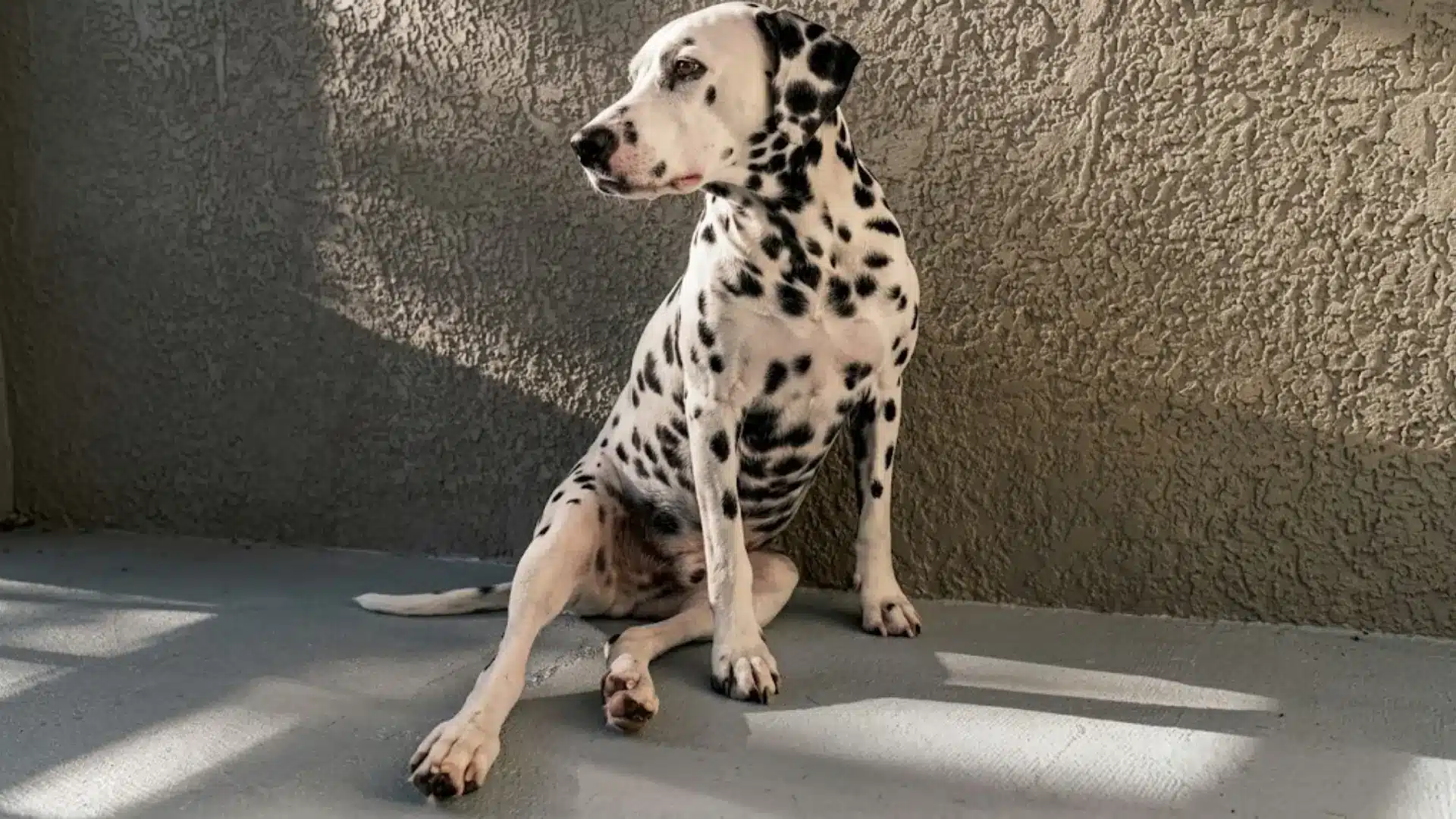
Dogs with hip dysplasia often feel more comfortable when their home environment supports easier movement and reduces stress on the joints. Simple adjustments around the house that I have seen can help lower pain, improve mobility, and prevent slipping or unnecessary strain.
- Orthopedic Dog Beds: Soft orthopedic beds provide better joint support and reduce pressure on painful hips while resting or sleeping.
- Non-Slip Flooring: Rugs, carpets, or traction mats help prevent slipping on hardwood or tile floors, which can worsen hip pain.
- Ramps Instead of Stairs: Pet ramps make it easier for dogs to get into cars, onto couches, or over steps without jumping.
- Raised Food and Water Bowls: Elevated bowls reduce strain on the hips and lower back during meals.
- Easy Access Living Space: Keeping the dog’s bed, food, and water on one floor helps avoid repeated stair climbing.
- Warm and Comfortable Sleeping Area: Warm spaces can help reduce stiffness and keep joints more relaxed during colder weather.
- Controlled Exercise Areas: Open, safe spaces with soft ground help dogs move comfortably without high impact on the hips.
- Support Harnesses: Hip support harnesses can help dogs walk, stand up, or climb small steps more comfortably.
When Should You Take Your Dog to the Vet?
A dog should be taken to the vet as soon as signs of hip discomfort become frequent or start affecting daily movement.
Limping, stiffness after rest, trouble standing up, bunny hopping, or avoiding stairs are all warning signs that should not be ignored.
Even mild symptoms can point to early hip dysplasia or other joint problems that may become worse over time.
Puppies showing unusual movement patterns should also be checked early because fast diagnosis can help manage the condition before severe joint damage develops.
A veterinarian can examine the hips, observe the dog’s gait, and use X-rays to confirm the problem.
Early treatment often helps reduce pain, improve mobility, and slow down arthritis progression.
Waiting too long may lead to chronic discomfort, muscle loss, and more difficult treatment options later in the dog’s life.
Treatment Options for Hip Dysplasia in Dogs
Hip dysplasia treatment in dogs focuses on reducing pain, improving movement, and slowing joint damage. The right treatment depends on the dog’s age, weight, activity level, and how severe the condition has become.
- Weight Management: Maintaining a healthy weight reduces pressure on the hip joints and helps improve mobility.
- Low Impact Exercise: Controlled activities like short walks and swimming help strengthen muscles without putting too much stress on the hips.
- Physical Therapy: Stretching exercises, hydrotherapy, and guided movement therapy can improve flexibility and reduce stiffness.
- Pain Relief Medications: Veterinarians may prescribe anti-inflammatory medicines to help control pain and swelling in the joints.
- Joint Supplements: Supplements containing glucosamine, chondroitin, and omega-3 fatty acids may support joint health and comfort.
- Supportive Home Care: Orthopedic beds, non-slip flooring, and ramps can help dogs move more comfortably at home.
- Cold and Heat Therapy: Warm compresses may reduce stiffness, while cold therapy can help decrease inflammation after activity.
- Surgical Treatment: Severe cases may require procedures like total hip replacement or femoral head surgery to improve long-term mobility.
Conclusion
Recognizing the first signs of hip dysplasia in dogs can make a big difference in your dog’s comfort, mobility, and long-term health.
Small changes like stiffness after resting, bunny hopping, limping, or avoiding stairs are often early warning signs that should not be ignored.
Early detection gives pet owners more treatment options and can help slow down joint damage before the condition becomes severe.
With proper care, healthy weight management, supportive home adjustments, and regular veterinary guidance, many dogs with hip dysplasia continue to live happy and active lives.
Paying close attention to your dog’s movement and behavior is one of the best ways to protect their joint health.
Have you noticed any early signs of hip dysplasia in dogs before? Share your experience, tips, or concerns in the comments below to help other dog owners, too.
Frequently Asked Questions
What is the Cost of Surgery for Dogs With Hip Dysplasia?
The cost of hip dysplasia surgery in dogs usually ranges from $1,500 to over $7,000, depending on the procedure, veterinarian, location, and the severity of the condition.
How Long Can a Dog Live With Hip Dysplasia?
Many dogs with hip dysplasia can live normal lifespans with proper treatment, weight management, pain control, exercise support, and regular veterinary care to maintain mobility and comfort.
At What Age is Hip Dysplasia Most Commonly Found in Dogs?
Hip dysplasia is commonly found in dogs between 4 months and 2 years old, although some dogs may not show noticeable symptoms until they become older adults.