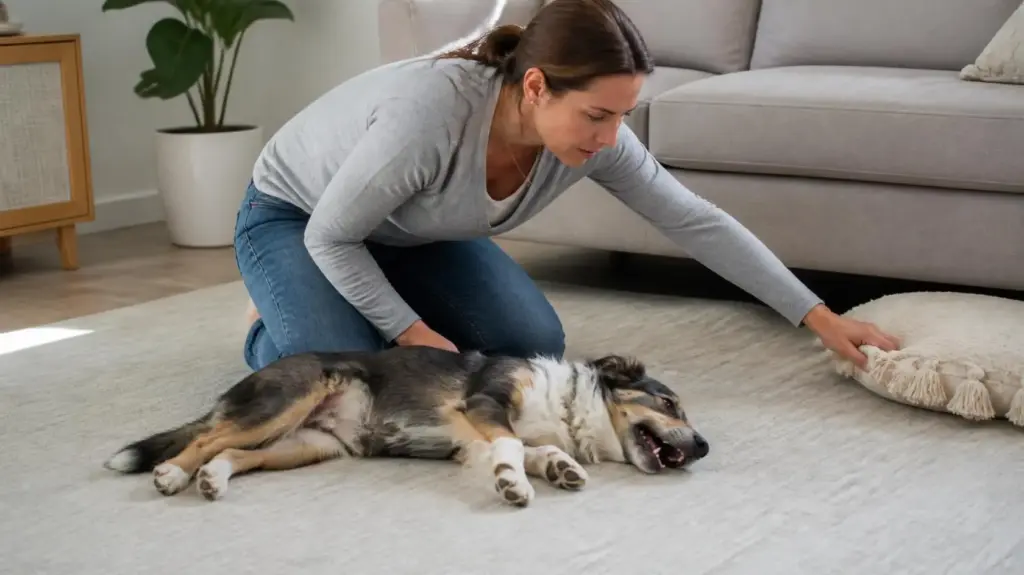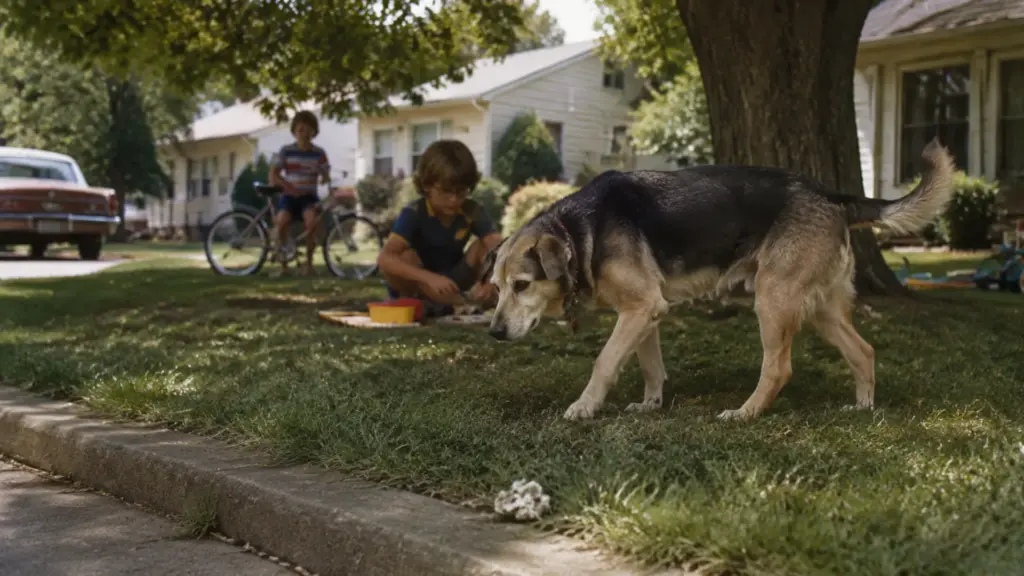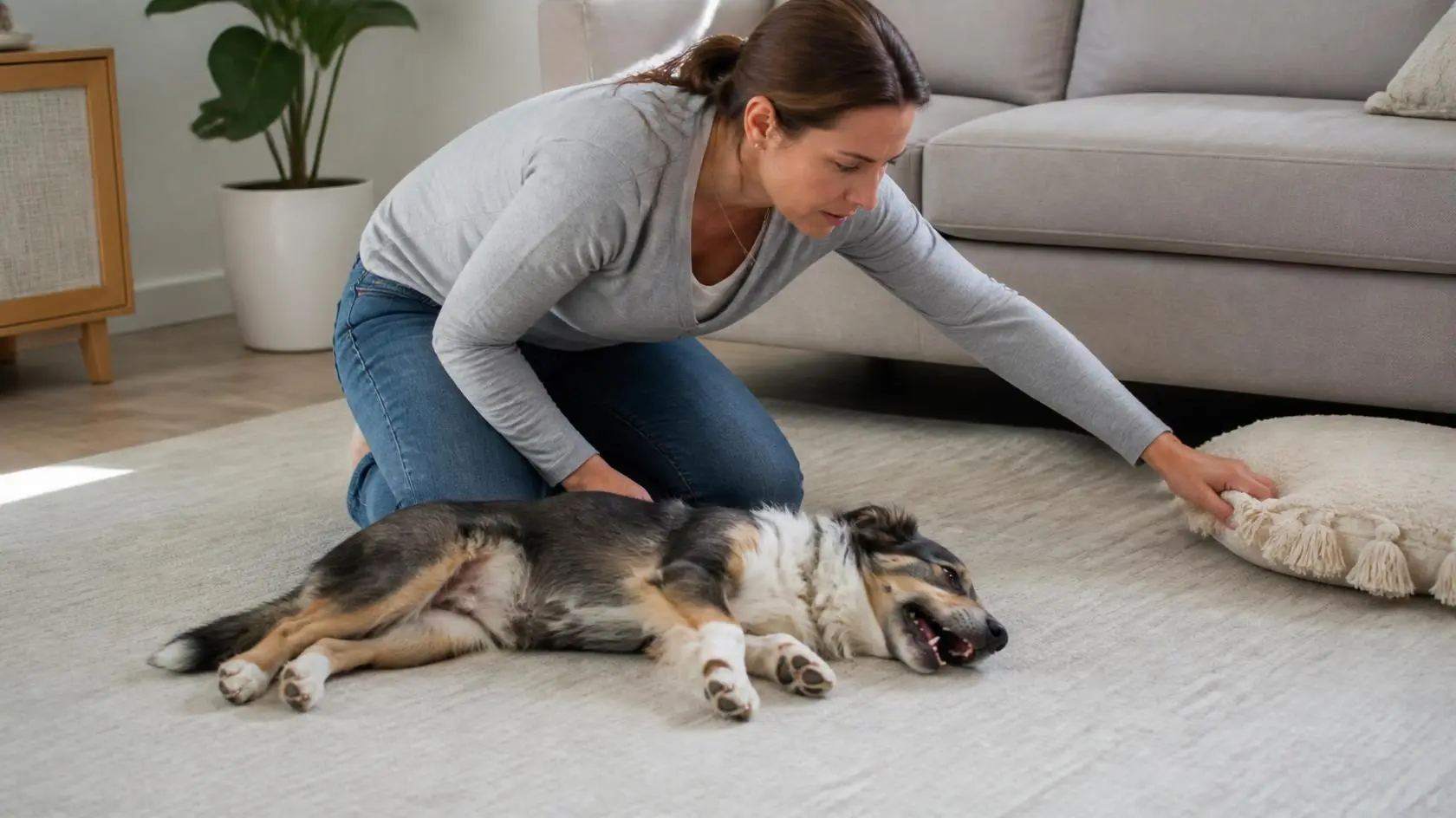


One day, everything feels normal, and the next, a dog starts walking differently, almost as if something is not quite right.
There may be no clear injury, no loud yelp, just a subtle limp or hesitation that slowly catches attention.
Moments like these can be unsettling, and in my experience, they often are the first sign owners notice before something more serious develops.
What is lameness in dogs? Understanding it early on can mean the difference between a quick recovery and a prolonged problem.
Lameness in dogs can show up in ways that are easy to miss at first but hard to ignore once noticed. It can affect daily activities, from simple walks to playful runs in the yard.
A closer look at these changes helps make sense of what a dog may be trying to communicate through its movement.
What is Lameness in Dogs & How Does It Affect Movement?
Lameness in dogs refers to any change in normal movement or gait caused by pain, injury, or a problem in the muscles, joints, bones, or nerves.
It can affect one leg or multiple limbs, and the severity can vary from a slight limp to a complete inability to walk.
A healthy dog moves smoothly with balanced weight on all legs, but lameness disrupts this natural motion.
One may notice uneven steps, stiffness, or hesitation while walking, running, or even standing.
In some cases, dogs can still put weight on the affected limb, known as weight-bearing lameness, while in others they avoid using the leg entirely.
Dogs often try to compensate by shifting weight to other limbs, which can lead to further strain. This compensation pattern is something closely watched for in practice.
When a dog has been limping on one front leg for weeks, the opposite shoulder frequently develops secondary soreness, a detail that owners rarely expect and that changes the treatment approach entirely.
A 1997 veterinary review explains that gait analysis became an important method for objectively describing movement and studying conditions such as hip dysplasia and ligament injuries in dogs.
Anatomical vs Pathological Lameness
- Anatomical lameness: It relates to structural problems in a dog’s limbs, either present from birth (genetic deformities) or acquired (such as a fracture that healed incorrectly). The limping itself may not always be caused by pain in these cases.
- Pathological lameness: It is driven by pain. This includes conditions like paw injuries, sprains, osteoarthritis, and nerve disorders. Most lameness seen in clinical settings falls into this category.
Common Symptoms of Lameness in Dogs
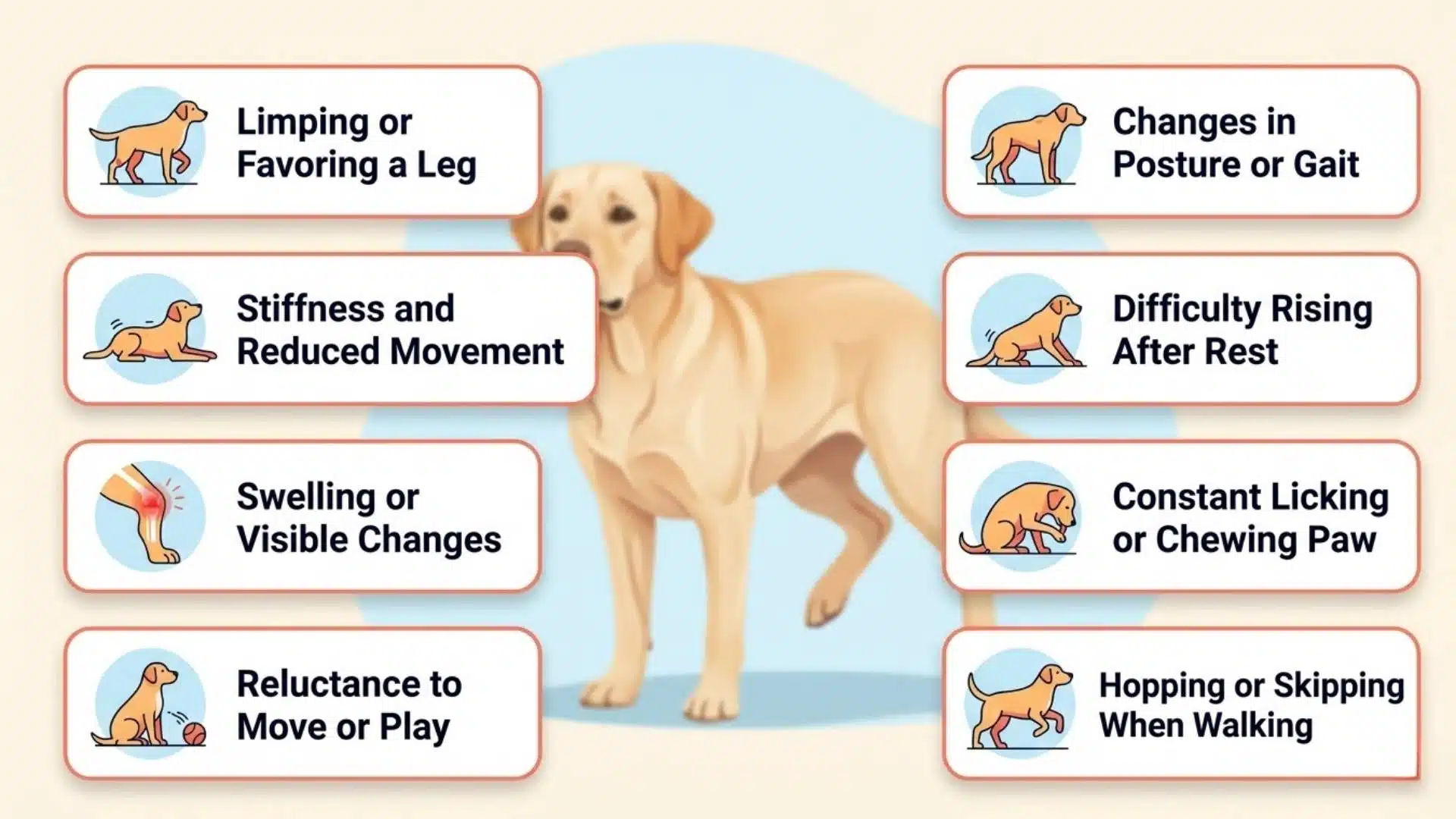
Lameness in dogs often shows through clear physical and behavioral signs that are easy to notice with close observation. These symptoms can appear suddenly or develop over time.
- Limping or favoring a leg: Dogs may walk unevenly, avoiding pressure on the affected limb due to pain.
- Stiffness and reduced movement: Difficulty in moving, especially after rest, can indicate joint or muscle discomfort.
- Swelling or visible changes: Inflamed joints, enlarged areas, or heat around limbs may signal injury or internal issues.
- Reluctance to move or play: Dogs may avoid running, jumping, or climbing due to discomfort or reduced mobility.
- Changes in posture or gait: Uneven weight distribution, shortened steps, or unusual stance often point to movement problems.
- Difficulty rising after rest: A dog that struggles to stand initially is a classic early signal of joint disease and one of the most consistent patterns observed during wellness exams.
- Constant licking or chewing at a paw or leg: This is often overlooked but can indicate a foreign object, cut, or localized pain that is triggering lameness.
- Hopping or skipping when walking or running: This is particularly noticeable in hind limb lameness, where a dog avoids bearing weight on the painful leg during push-off.
Main Causes Behind Lameness in Dogs
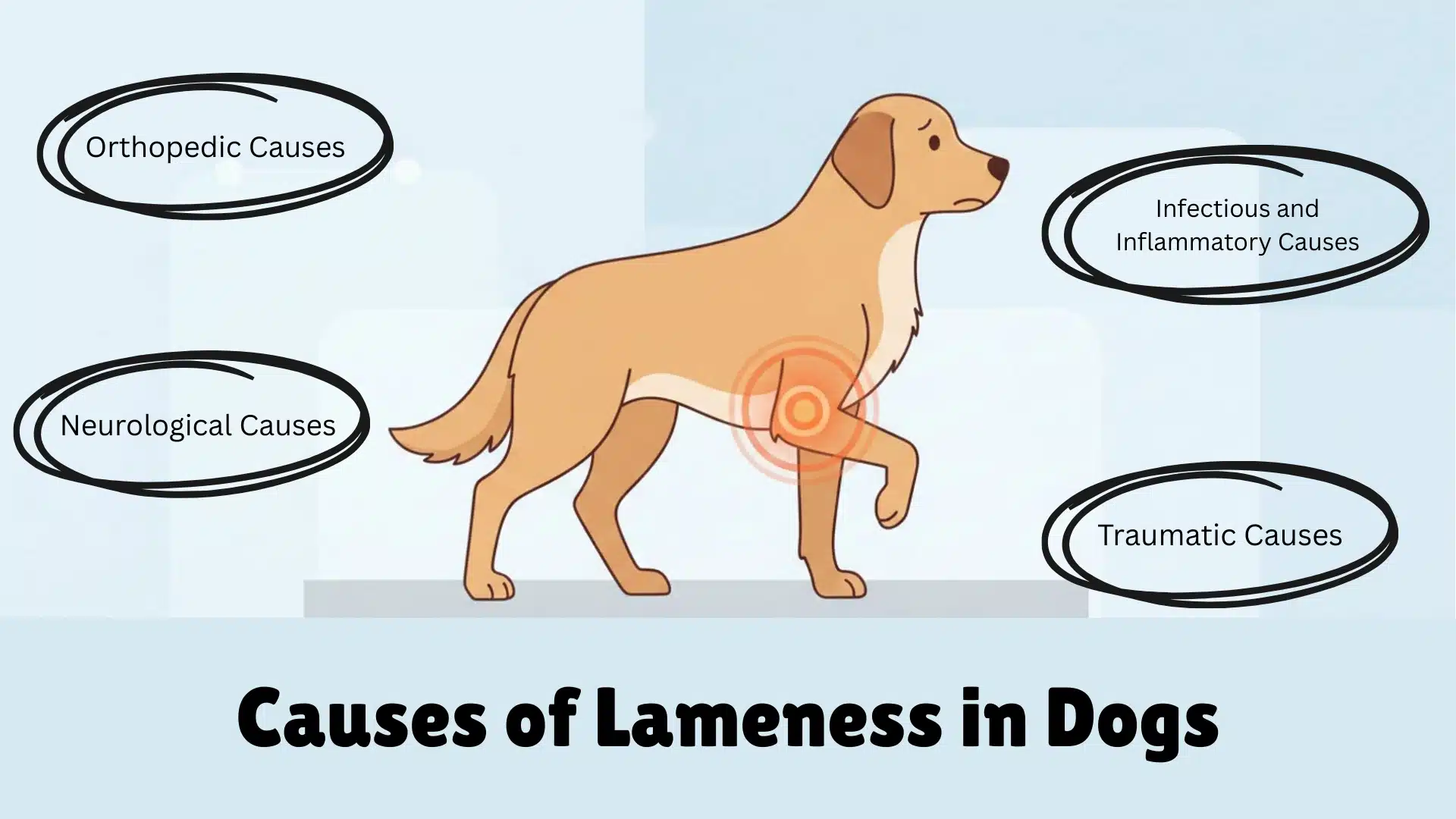
Lameness in dogs can occur for many reasons, and understanding the cause is key to assessing how serious the issue might be. Each type affects movement differently.
The Orthopedic Foundation for Animals (OFA), established in 1966, focuses on studying hereditary bone and joint diseases in dogs, including conditions that commonly lead to lameness.
1. Orthopedic Causes
Orthopedic causes are the most common reason behind lameness in dogs. These involve problems with bones, joints, ligaments, or muscles.
Conditions like arthritis, hip dysplasia, or ligament tears can make movement painful and stiff.
Dogs may limp, avoid putting weight on a leg, or struggle to stand up, and these issues can develop over time or appear suddenly after strain.
Other specific orthopedic conditions include elbow dysplasia, in which the elbow joint develops abnormally, causing front-leg stiffness and an uneven gait, and luxating patella, in which the kneecap slips out of position, leading to intermittent skipping or locking of the hind leg.
Cranial cruciate ligament (CCL) rupture is one of the most common causes of hind limb lameness and is seen most often in Rottweilers, Golden Retrievers, Labrador Retrievers, Boxers, and Newfoundlands.
Larger breeds are especially prone to orthopedic problems, though dogs of any age or size can be affected.
Panosteitis, a painful bone condition often called “growing pains,” is another orthopedic condition frequently diagnosed in young large-breed dogs between 5 and 18 months old.
It tends to shift from one leg to another, which can confuse owners who expect a consistent limp.
2. Neurological Causes
Neurological causes relate to problems in the brain, spine, or nerves that control movement.
When these signals are disrupted, a dog may show weakness, unsteady walking, or even partial paralysis.
Instead of typical limping, movement may look awkward or uncoordinated. Conditions like spinal injuries or nerve damage can lead to these symptoms.
Intervertebral disc disease (IVDD) is a particularly important neurological cause to recognize. It is especially common in long-bodied breeds such as Dachshunds, Corgis, and Basset Hounds.
Degenerative myelopathy is another progressive spinal cord disease seen in larger, older dogs that gradually leads to hind limb weakness and eventual paralysis.
Wobbler syndrome, a compression of the spinal cord in the neck, causes a characteristic wobbly gait and is most common in Great Danes and Dobermans.
Dogs may drag their paws or have trouble balancing. These issues often require careful evaluation, as they can affect both mobility and overall body control.
3. Infectious and Inflammatory Causes
Bacterial, viral, or tick-borne infections can cause joint pain, swelling, and discomfort.
Lyme disease is one of the most common tick-borne causes of lameness I encounter in Minnesota, particularly during spring and fall.
Inflammatory conditions may affect the joints or surrounding tissues, making movement difficult. Dogs may show signs such as fever, tiredness, or reduced appetite, along with limping.
These causes can develop quickly and may affect more than one limb.
It often presents as shifting-leg lameness, one leg is affected one week, a different one the next, which is a helpful diagnostic clue.
Other tick-borne conditions, such as Ehrlichiosis and Anaplasmosis, can also inflame joints and cause acute lameness.
Immune-mediated polyarthritis , in which the dog’s immune system attacks its own joints, is another inflammatory cause frequently mistaken for a simple sprain.
Since tick-borne infections are a leading preventable cause of lameness, protecting your dog from ticks at home is one of the most effective steps an owner can take year-round
4. Traumatic Causes
Traumatic causes happen due to sudden injuries such as falls, accidents, or rough play.
These injuries can include fractures, sprains, cuts, or bruises. Dogs with traumatic lameness may suddenly stop using a leg or show signs of pain when moving.
Swelling, bleeding, or visible wounds may also be present. Understanding wound care for dogs is important here, as an untreated cut or abrasion can worsen into a serious infection that deepens the lameness.
One often-overlooked traumatic cause is paw-level injury, a broken nail, a foreign object embedded in a pad, or a cut between the toes.
The advice given to every owner examining a limping dog: start from the ground up.
How Severe is the Lameness? Understanding the Grading Scale
In my clinic, Grade 3 and above always prompts same-day imaging. Grade 1 and 2 cases undergo a thorough exam but may be managed initially with rest and monitoring, depending on the history.
| Grade | Severity Description | Weight-Bearing Status |
|---|---|---|
| Grade 1 | Barely noticeable lameness | The dog still bears weight normally most of the time |
| Grade 2 | Mild but consistent limp | Weight is still placed on the limb |
| Grade 3 | Moderate lameness with an obvious gait change | Reduced weight-bearing |
| Grade 4 | Severe lameness | The dog barely touches the limb to the ground |
| Grade 5 | Non-weight-bearing lameness | Leg is completely held up; requires urgent veterinary attention |
Types of Lameness in Dogs
Some may suddenly start limping, while others show slow and gradual changes in movement over time. In certain cases, the issue may appear briefly and then disappear, only to return later.
1. Acute Lameness
Acute lameness appears suddenly and is often easy to notice as the change happens quickly.
It is commonly linked to injuries such as sprains, cuts, or minor fractures that occur during play or accidents.
Dogs may suddenly refuse to put weight on a leg or show clear signs of pain when moving. Swelling or sensitivity may also be present around the affected area.
2. Chronic Lameness
Chronic lameness develops slowly over time and may not be obvious in the early stages. It is often associated with long-term conditions such as arthritis or joint disorders that gradually impair mobility.
Dogs may show stiffness, especially after resting, and movement may worsen with activity or age.
Unlike sudden injuries, this type of lameness tends to persist and may become more noticeable over weeks or months.
3. Intermittent Lameness
Intermittent lameness comes and goes, making it harder to track compared to other types.
This pattern often points to underlying joint or ligament issues that flare up during certain activities or movements.
Symptoms may appear after exercise or strain and then fade with rest. Even though it seems temporary, this type of lameness should not be ignored, as it may indicate a deeper problem.
When Should You Take a Limping Dog to the Vet?
Monitor at home for 24-48 hours if your dog has a mild, intermittent limp with no swelling, is still eating, drinking, and bearing some weight, or if the limp appeared after vigorous play and the dog otherwise seems normal.
If a mild limp does not improve within 48 hours of rest, book a vet appointment regardless.
Go to the vet immediately if your dog:
- Cannot bear any weight on a limb (Grade 5)
- Is vocalizing, trembling, or showing signs of extreme pain
- Has visible swelling, an open wound, or a limb at an abnormal angle
- Is dragging a limb rather than lifting it
- Shows sudden lameness along with lethargy, fever, or loss of appetite
How Lameness in Dogs is Treated and Controlled?
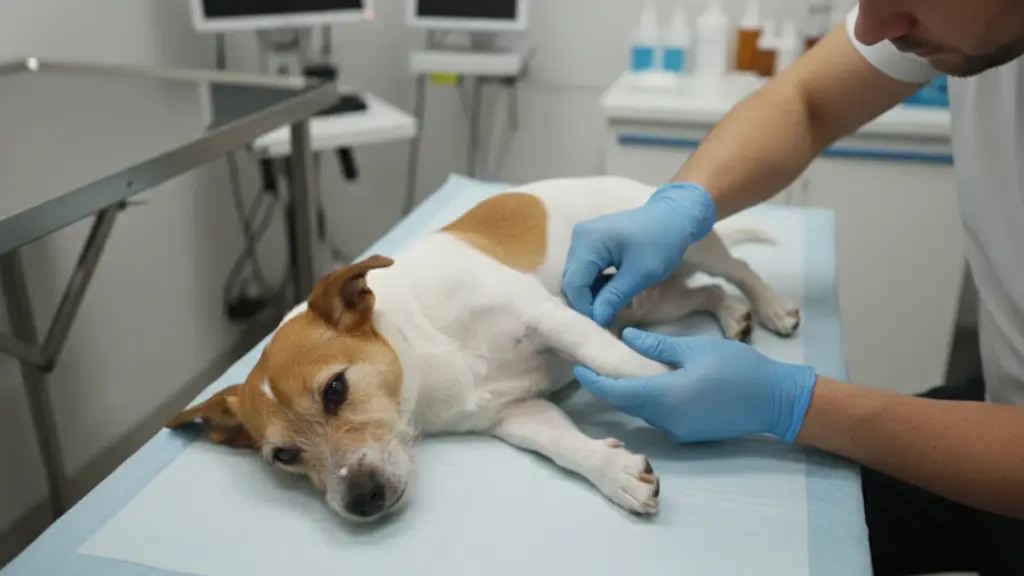
A veterinarian usually starts with a physical exam, gait assessment, and pain check, then adds tests such as X-rays, bloodwork, or joint fluid testing.
According to the MSD Veterinary Manual, pain control often includes veterinary NSAIDs such as carprofen, meloxicam, deracoxib, firocoxib, grapiprant, etodolac, or robenacoxib, as appropriate.
Stronger drugs like morphine, hydromorphone, butorphanol, oxymorphone, or buprenorphine may be used in hospital settings, especially after surgery or with severe pain.
These drugs are not suitable for every dog, and MSD notes they may be inappropriate in certain cases.
AAHA also recommends a proactive, multimodal approach, which means treatment often combines medication with rest, controlled activity, weight control, physical rehabilitation, and regular reassessment rather than relying on one drug alone.
When the cause is structural, such as a fracture, cranial cruciate ligament rupture, severe hip disease, or advanced osteoarthritis, surgical care may be needed.
ACVS explains that procedures ranging from joint stabilization to joint replacement can restore comfort and function in selected dogs.
Long-term management for chronic lameness often involves lifestyle adjustments that owners can maintain at home: providing orthopedic bedding, incorporating low-impact exercises like swimming or short leash walks, using ramps or pet stairs to reduce strain when climbing into cars or onto furniture, and managing weight carefully, since excess body mass significantly accelerates joint deterioration.
Staying current on vaccinations is also part of long-term prevention, particularly for infectious causes of lameness in puppies.
A solid foundation starts with understanding the right puppy vaccine schedule to protect against diseases that can cause joint inflammation early in life.
In practical terms, treatment may begin with strict rest and leash walks for a mild sprain, but long-term cases often need ongoing monitoring and medication adjustments.
Conclusion
Lameness in dogs should never be ignored, as it is a clear warning sign that something is affecting normal movement and comfort.
It is not a condition its itself but a signal pointing to an underlying issue that needs attention.
Early awareness of symptoms such as limping, stiffness, or reduced activity can make a big difference in preventing the problem from worsening.
Careful observation, timely veterinary care, and proper management help maintain a dog’s mobility and overall quality of life.
Paying attention to small changes today can protect long-term health and comfort.
The cases that tend to resolve fastest are almost always the ones where the owner noticed early, reported accurately, and did not wait weeks to seek help.
Have you ever noticed signs of what is lameness in dogs and wondered what caused it? Share your experience in the comments below.
Frequently Asked Questions
What is the Difference Between Limping And Lameness?
Limping is a visible sign where a dog favors one leg, while lameness is a broader term describing any abnormal movement caused by pain, injury, or underlying health issues.
Is Lameness in Dogs More Common in Certain Weather or Seasons?
Cold and damp weather can aggravate existing joint conditions, such as arthritis, making symptoms more noticeable in the winter months. Dogs with chronic lameness may show increased stiffness.
What is the Silent Killer In Dogs?
The term “silent killer” often refers to conditions like heart disease, cancer, or internal organ failure, which may show minimal early symptoms but can become severe without timely diagnosis and care.
What Three Meats Should Dogs Avoid?
Dogs should avoid processed meats, fatty cuts like bacon, and seasoned or cooked bones, as these can cause digestive issues, pancreatitis, or choking hazards, leading to serious health risks.
Can Lameness in Dogs Resolve on Its Own?
Mild, acute lameness caused by minor strain or a small paw irritation may improve within 24 to 48 hours of rest and basic home care.
However, any lameness that persists beyond two days, worsens, or is accompanied by other symptoms should be evaluated by a veterinarian.
Waiting too long to seek care is the most common reason straightforward cases become complicated ones.
How is Lameness in Dogs Diagnosed?
Diagnosis begins with a physical and orthopedic exam, gait observation, and pain assessment.
Depending on the suspected cause, additional tests may include X-rays, bloodwork, joint fluid analysis, or advanced imaging such as CT or MRI.
Giving the vet an accurate history, which leg is affected, when it started, and what makes it better or worse, significantly speeds up the diagnostic process.