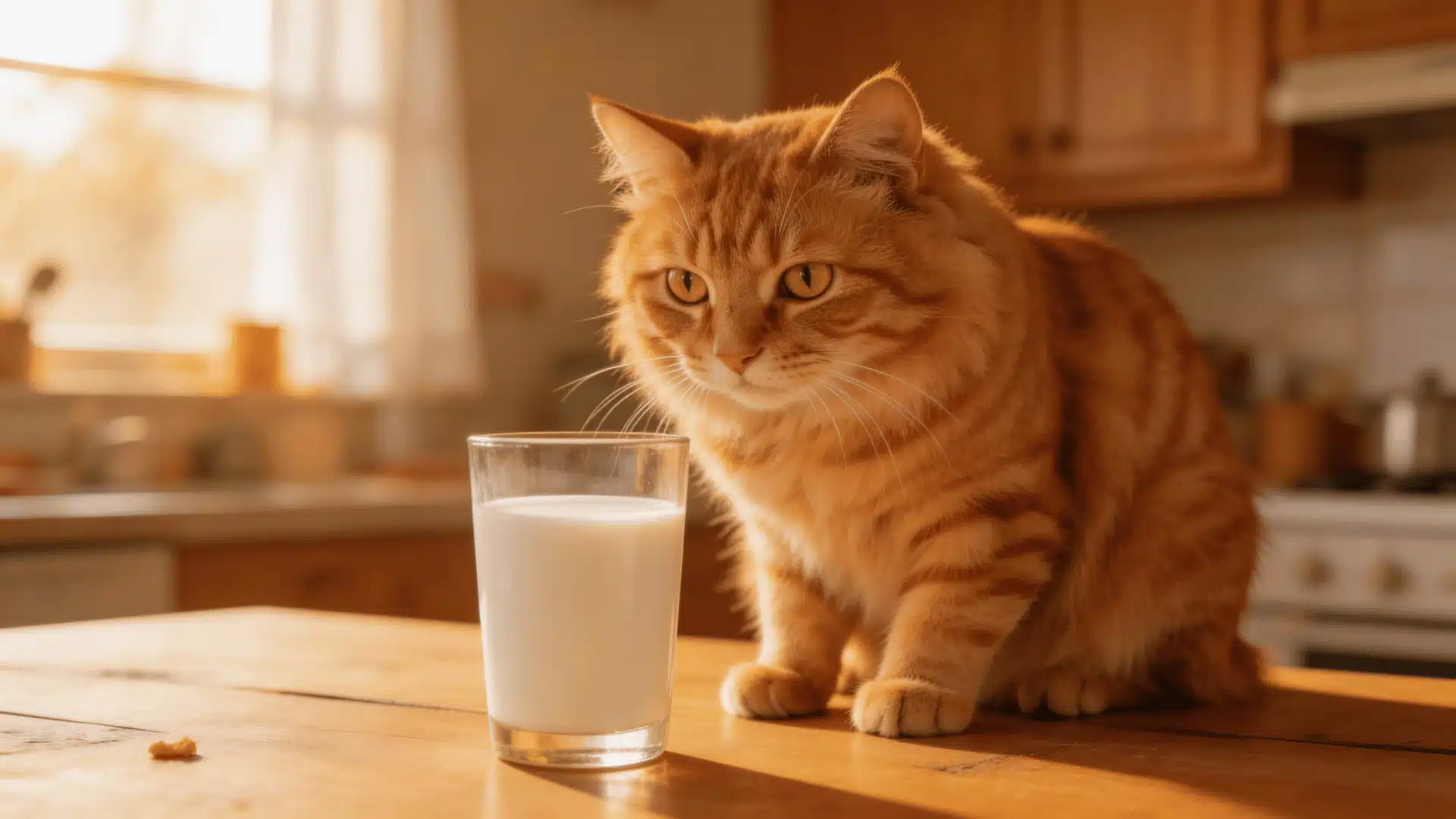
Picture this: you open the fridge, and your cat starts weaving between your legs with big, pleading eyes.
You pour a little milk into a bowl. They lap it up enthusiastically. It seems completely harmless and, frankly, kind of sweet.
But here is what’s happening inside your cat’s gut two hours later: undigested lactose fermenting in the large intestine, bacteria colonizing it, and gas, cramps, and diarrhea on the way.
The image of cats and milk is one of the most persistent and harmful myths in pet care.
This blog breaks down the actual science, covers what other articles consistently miss, and gives you practical, vet-approved guidance you can apply today.
Why Are Cats Drawn to Milk Despite Being Intolerant?
Most adult cats are lactose intolerant, yet many will eagerly approach a bowl of milk.
The reason is sensory response, not nutritional need.
Dairy products contain fat and protein that produce a strong aroma, and cats have a far more acute sense of smell than humans, compensating for their limited taste receptors.
Veterinary research suggests cats are drawn to high-fat, high-protein food sources through scent, and dairy registers strongly on that scale.
Some researchers also propose that early exposure to the mother’s milk during nursing creates a scent association that carries into adulthood.
The attraction is instinctual and does not reflect the body’s ability to safely process dairy.
Not All Dairy Carries the Same Risk: Lactose Content Compared
Different dairy products contain very different amounts of lactose. Fermentation and aging both reduce lactose levels, which is why hard cheese sits differently in a cat’s gut than a glass of whole milk.
| Dairy Product | Lactose per 100g/100ml | Risk for Cats | Notes |
|---|---|---|---|
| Whole Cow’s Milk | 4.5 to 5g | High | Most common cause of dairy-related GI upset; avoid entirely |
| Skimmed / Low-fat Milk | 4.5 to 5g | High | No safer than full-fat milk |
| Evaporated / Condensed Milk | 10 to 13g | Very High | Concentrated lactose; also very high in sugar |
| Ice Cream | 3.5 to 6g | High | Some flavors contain sweeteners that are toxic to cats |
| Cream | 2.5 to 3.5g | Moderate | Lower lactose but very high fat; raises pancreatitis risk |
| Yogurt | 3 to 4g | Moderate | Fermentation reduces lactose slightly; still risky for most cats |
| Paneer | 1.5 to 2.5g | Low-Moderate | Lower lactose; tiny amounts unlikely to cause obvious harm |
| Hard Cheese | 0.5 to 1g | Low | Aging removes most lactose; a small nibble is tolerated by most cats |
| Clarified Butter (Ghee) | 0.1g or less | Very Low (lactose) | Almost no lactose, but extremely high in saturated fat |
| Butter | 0.1 to 0.5g | Low (lactose) | Negligible lactose; fat content is the concern |
Does Breed Affect Lactose Tolerance?
The evidence is not definitive, but veterinary anecdote and limited research suggest that individual variation matters more than breed. However, a few patterns are worth noting:
- Some Cats Tolerate Small Amounts: A minority of adult cats retain moderate lactase activity. These cats may consume small amounts of dairy without obvious symptoms, but silent gut irritation can still occur.
- Older Cats Are More Vulnerable: Senior cats (7+ years) often have reduced digestive capacity overall, making dairy-related GI upset more likely and more severe.
- Cats with IBD or GI Conditions: Cats with existing inflammatory bowel disease or GI sensitivities will react more intensely to any lactose exposure.
- Kittens Separated Early: Kittens weaned before 4 weeks may retain lactase longer, but this does not make cow’s milk safe (it has a different protein profile from mother’s milk).
Is Milk Harmful to Cats? Signs & What No One Tells You
Yes, and there are a few things most articles don’t explain clearly.
The problems with milk and cats fall into several categories: the immediate digestive symptoms everyone mentions, the longer-term nutritional harms that are rarely discussed, and a critical distinction that almost no mainstream cat blog makes.
Symptom Onset Timeline
One of the most practical things to understand is when symptoms appear, because many owners see their cat drink milk without immediate reaction and assume it was fine. That assumption is incorrect.
- 0 – 2 Hours: Milk enters the small intestine. Lactase is insufficient. Undigested lactose passes into the large intestine. Cat appears completely normal.
- 2 – 5 Hours: Bacterial fermentation begins. Gas production increases. Abdominal bloating and mild discomfort may be present. You may notice your cat is less active or restless.
- 5 – 8 Hours: Osmotic diarrhea develops. Water is drawn into the colon. Increased urgency to defecate. Vomiting may begin. Understanding why cats throw up food can help you distinguish a dairy-triggered reaction from other causes.
- 8 – 12 Hours: Peak symptoms. Loose or watery stools, gas, cramping, and possible vomiting. If exposure was significant, lethargy and dehydration may set in.
- 12 – 24 Hours: Recovery begins if no further dairy intake. Symptoms typically resolve within 24 hours. Persistent symptoms beyond this require veterinary evaluation.
Lactose Intolerance vs Milk Allergy: Key Comparison
This is something almost no cat blog addresses, and it matters enormously for how you manage your cat’s reaction.
Lactose Intolerance
A digestive enzyme deficiency in cats is commonly caused by insufficient lactase production, the enzyme responsible for breaking down lactose.
This condition primarily affects the gastrointestinal (GI) tract and leads to symptoms such as diarrhea, gas, vomiting, and bloating.
It is dose-dependent, meaning that small amounts of lactose may sometimes be tolerated without severe reactions. This deficiency is very common, affecting approximately 85% of adult cats.
Milk/Dairy Allergy
A milk protein allergy in cats is an immune response to proteins such as casein and whey, and it can occur even in cats without lactose intolerance.
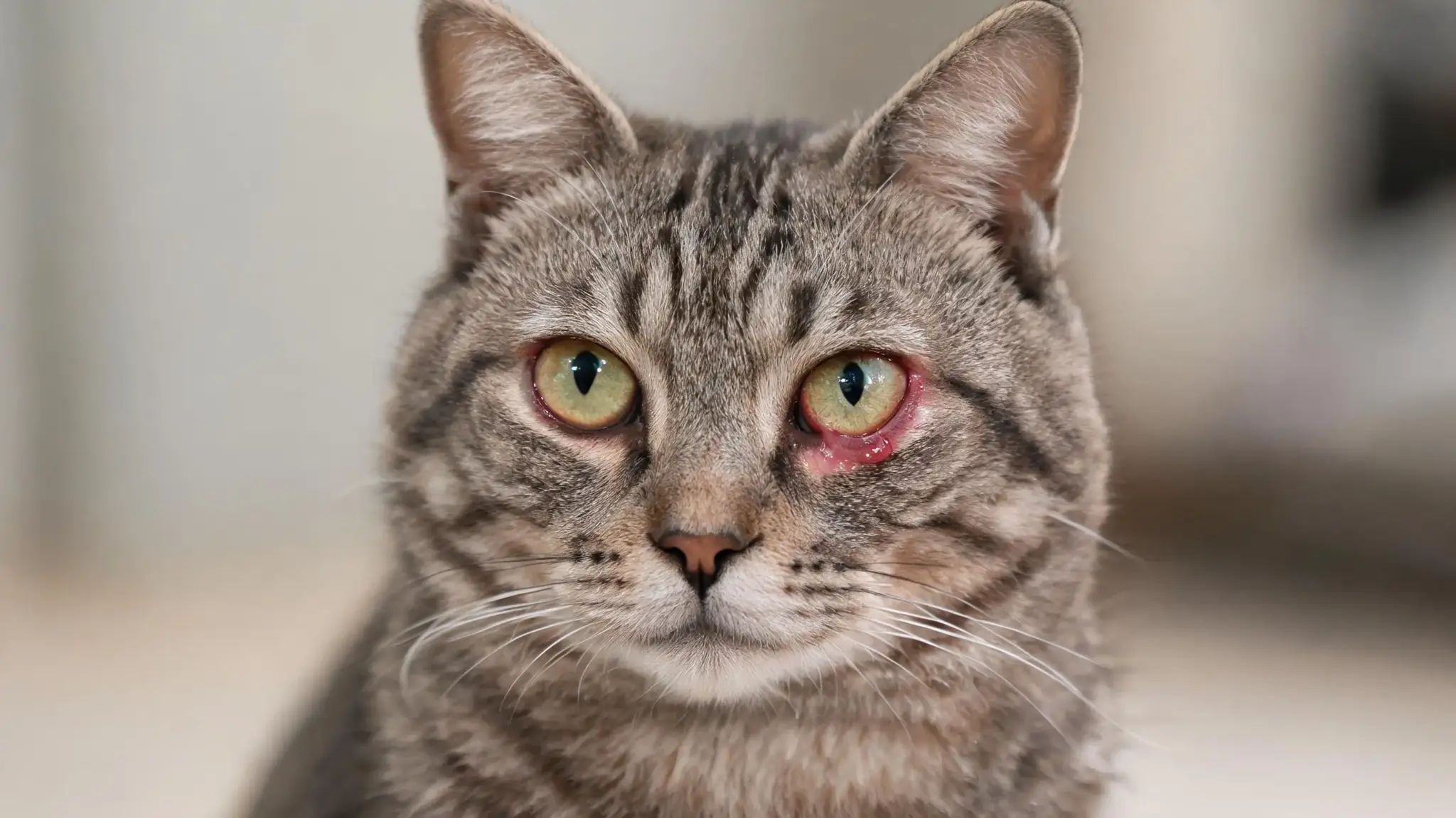
This condition affects multiple body systems and may cause symptoms like skin itching, hair loss, facial swelling, ear infections, and gastrointestinal issues.
Unlike enzyme deficiencies, even tiny amounts of milk protein can trigger a reaction. Although less common, it is more serious and requires proper veterinary diagnosis.
In my clinical practice, distinguishing between lactose intolerance and a true dairy protein allergy usually requires a structured elimination trial lasting 8 to 12 weeks.
When I see skin symptoms appearing alongside GI issues, that combination is a strong indicator that the immune system is involved, not just the digestive tract, and that warrants a formal diagnostic workup rather than a simple diet change.
Cats that develop recurring skin irritation or ear infections alongside GI symptoms after dairy exposure may be dealing with a broader food sensitivity; our guide on dairy-related skin and GI reactions in cats covers the full range of triggers, clinical signs, and management steps in detail.
The Hidden Lactose Problem: Dairy in Commercial Cat Foods
Here is a risk factor that virtually no mainstream article discusses: dairy derivatives appear in some commercial cat foods and treats. Many cat owners who carefully avoid giving their cat milk don’t think to check ingredient labels on food and treats.
| Ingredient Name on Label | Contains Lactose? | What to Do |
|---|---|---|
| Whey / Whey Protein | Yes (varies) | Check if the cat shows GI sensitivity; often low enough to be tolerated |
| Casein / Sodium Caseinate | Negligible | Protein only; lactose removed during processing |
| Milk Solids / Dried Milk | Yes (significant) | Avoid products containing this if your cat has known sensitivity |
| Cheese (as flavoring) | Very Low | Aged cheese derivatives have minimal lactose; usually safe |
| Butter / Cream (flavoring) | Trace amounts | Unlikely to cause issues; monitor sensitive cats |
| Lactose (listed directly) | Yes (avoid) | Used as a binding agent in some treats; avoid for intolerant cats |
What to Do If Your Cat Has Already Had Milk
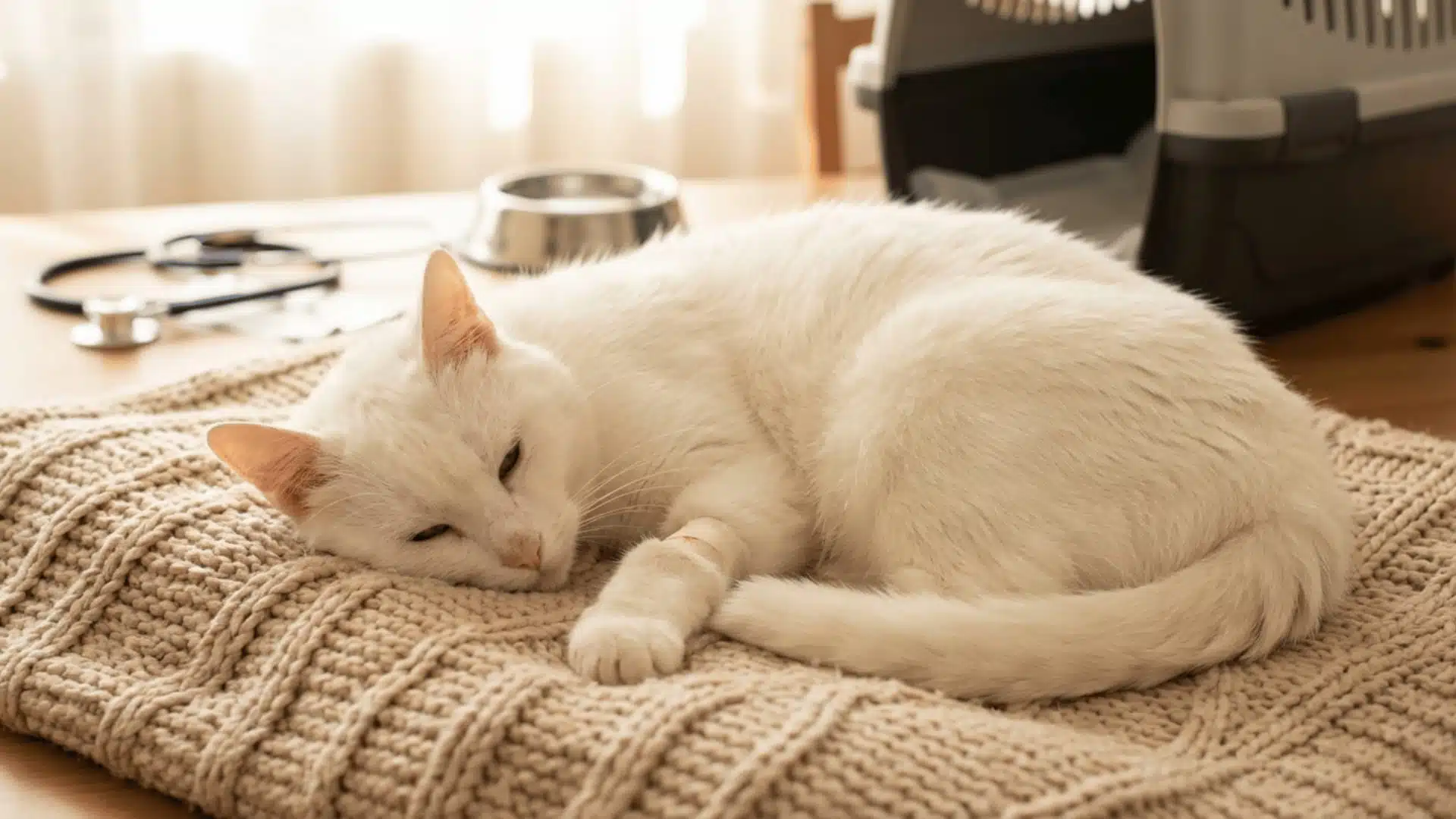
Acting quickly and calmly can help reduce discomfort and prevent further issues. These steps focus on keeping your cat stable while you watch for any changes.
- Don’t Panic: A small, accidental amount of milk is unlikely to cause severe harm in an otherwise healthy cat.
- Ensure Fresh Water is Available: Hydration helps offset the effects of osmotic diarrhea.
- Withhold Additional Dairy for at least 48 hours.
- Monitor for Symptoms: over the next 8–12 hours: loose stools, vomiting, lethargy, bloating.
- Feed bland food: if GI symptoms develop, plain, boiled chicken (no bones, no seasoning) in small, frequent amounts.
- See a Vet Immediately if: symptoms persist beyond 24 hours, there is blood in stool, your cat shows extreme lethargy, or they refuse water entirely.
Once your cat has recovered, reviewing their overall diet and weight is a sensible next step, since high-fat dairy incidents can compound ongoing nutritional imbalances.
Conclusion
The image of a cat and a saucer of milk is a cultural story, not a nutritional recommendation.
The science is clear and consistent: most adult cats are lactose intolerant because their intestines no longer produce sufficient lactase after weaning, and this is completely normal mammalian biology, not a disease.
Avoid cow’s milk, buffalo milk, and condensed milk entirely for adult cats. If you want to give a special liquid treat, opt for cat-specific lactose-free milk or unsalted bone broth.
If your cat shows skin symptoms alongside GI issues after dairy, this may be a dairy allergy, not simple intolerance, and warrants a vet visit.
Always check ingredient labels on commercial cat treats for hidden dairy derivatives. Fresh water remains the only liquid your adult cat genuinely needs.
For more cat care insights and safe feeding tips, keep reading and make smarter choices for your cat every day.
Frequently Asked Questions
Are All Adult Cats Lactose Intolerant, or Only Some?
Approximately 85% of adult cats are lactose intolerant. A small minority retain some residual lactase activity and may tolerate very small amounts of dairy without obvious symptoms. However, even cats without visible symptoms may experience mild intestinal irritation.
Can Kittens Drink Cow’s Milk if Their Mother Isn’t Around?
No. This is a dangerous misconception. Cow’s milk is not a safe substitute for queen’s (mother cat’s) milk or kitten milk replacer (KMR). It has a different protein profile, different lactose concentration, and completely lacks the maternal antibodies that protect newborn kittens.
Is Curd (yogurt) Safer than Milk for Cats?
Yogurt has somewhat lower lactose than plain milk because the bacterial cultures partially ferment the lactose during production. However, it still contains 3–4g of lactose per 100g, enough to cause symptoms in most cats.