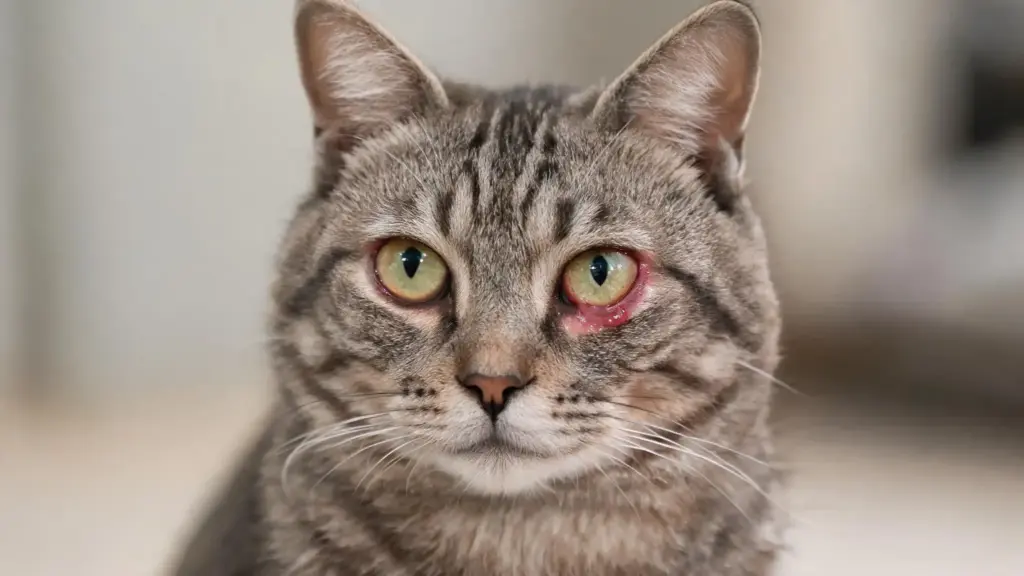
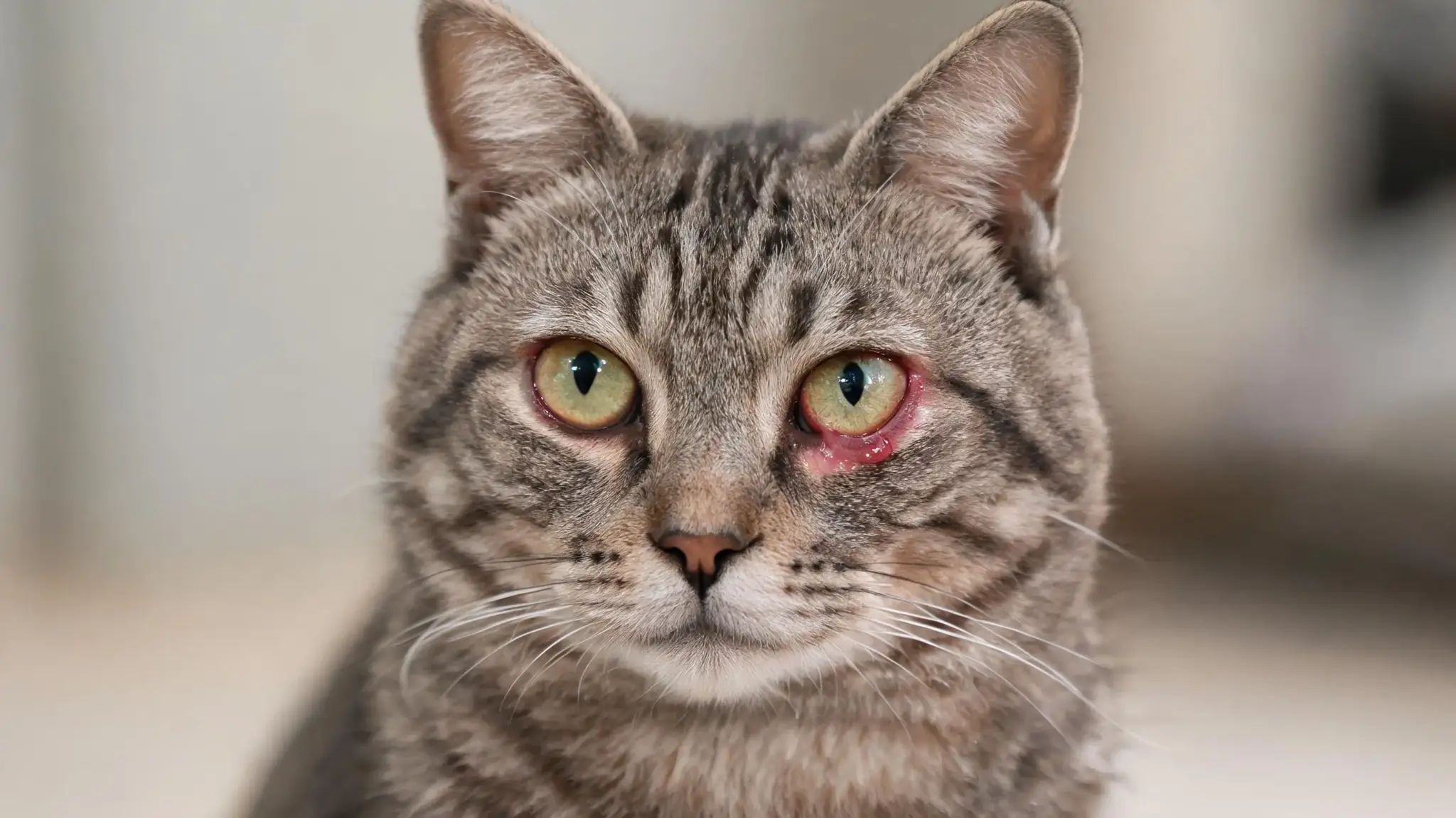
You notice your dog scratching the same spot all evening, near the ear, or somewhere along the belly. You check for fleas, find nothing, and move on.
But the next morning, the spot is puffier, and your dog is still at it. Sound familiar? Many pet parents don’t immediately think of mosquitoes, but they should.
While your dog’s fur provides some protection, plenty of exposed skin remains vulnerable: the nose, ear flaps, inner thighs, and belly are frequent targets.
I’ve had this exact moment with patients in my clinic.
In my years of veterinary practice, I’d say mosquitoes are one of the most underestimated culprits in dog skin complaints, especially during warmer months.
In this blog, I will walk through whether mosquitoes bite dogs, what signs to watch for, and how to protect your dog.
Do Mosquitoes Bite Dogs?
Yes, mosquitoes bite dogs, and they do it for the same reasons they bite humans.
Female mosquitoes seek out warm-blooded hosts to obtain the protein in blood, which they need to develop their eggs.
Dogs are excellent candidates. They produce carbon dioxide, body heat, and lactic acid, all of the chemical signals that attract mosquitoes.
While a dog’s coat creates a natural physical barrier, it doesn’t protect every surface.
The most exposed areas, the nose, ear flaps, groin, belly, and the skin around the eyes, are easy targets.
Short-haired breeds and dogs with thin coats are particularly susceptible across a wider surface area.
Mosquitoes are most active at dawn and dusk, which coincides with when many dogs are outside for their morning and evening walks.
What Mosquito Bite Look Like on Dogs?
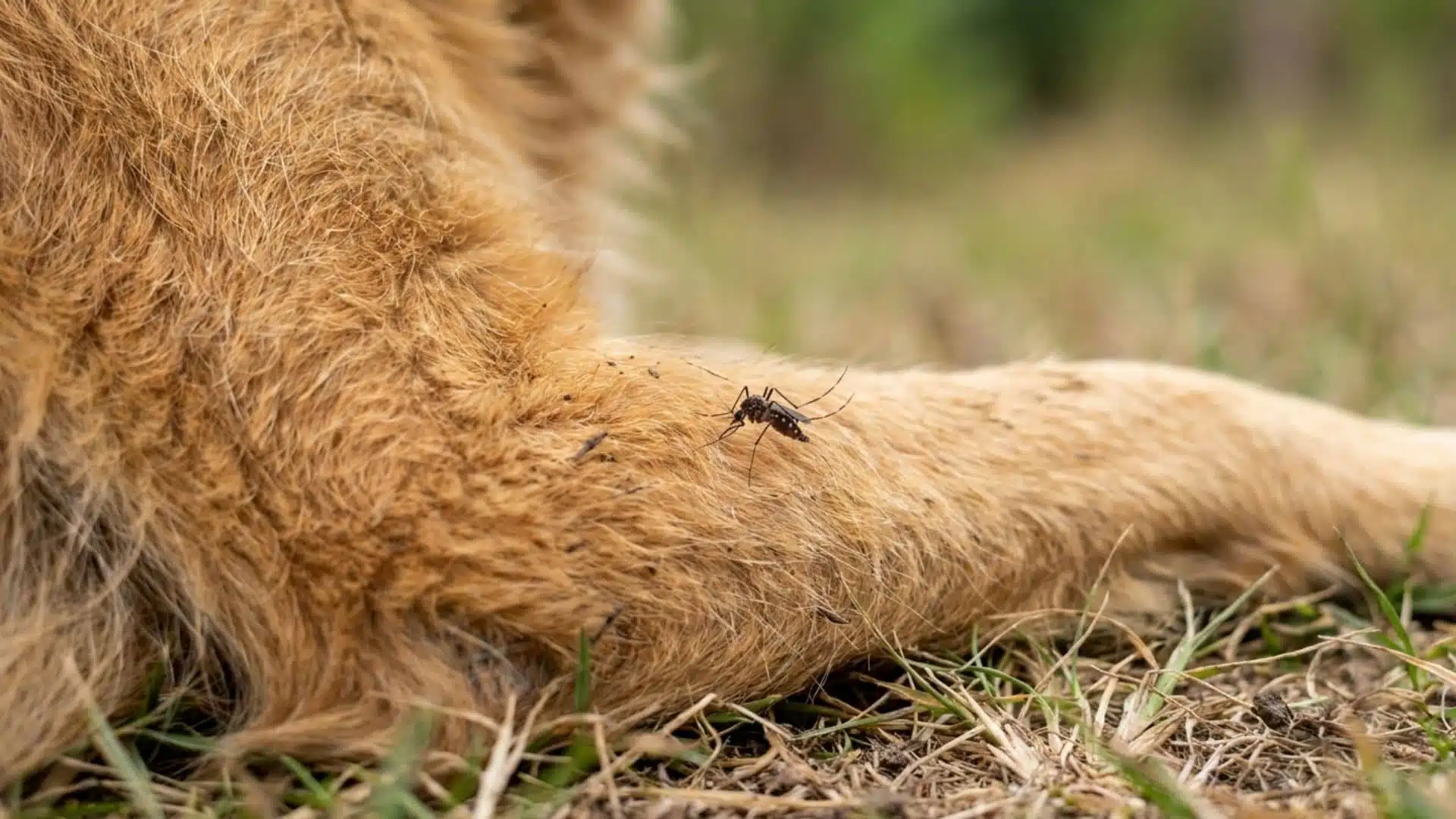
Mosquito bites on dogs are often small and easy to miss at first.
They typically appear as tiny red bumps or slightly raised welts on the skin, usually less than 1 centimeter across.
In some cases, there’s mild swelling around the bite. Since most dogs have fur, these bites aren’t always visible unless you part the coat and look closely.
One thing I always tell owners: if you see a single raised welt rather than a cluster of bites, and it’s on an exposed area of the body, mosquitoes are a much more likely explanation than fleas.
The location and pattern usually tell the story pretty quickly.
Compared to human bites, they look quite similar but are harder to detect. If irritation increases, the area may become redder or slightly inflamed.
Are Mosquito Bites Dangerous for Dogs?
Mosquito bites on dogs are usually mild and cause small bumps or itching that goes away quickly. The main concern is not the bite itself, but the diseases mosquitoes can carry, such as heartworm.
1. Heartworm Disease
Heartworm disease is the most serious risk linked to mosquito bites in dogs. It occurs when a mosquito carrying heartworm larvae bites a dog and transfers the parasites into the bloodstream.
Once inside the body, these larvae grow and develop into adult worms over time. They travel through the bloodstream and settle in the heart, lungs, and nearby blood vessels.
As the worms grow, they begin to interfere with normal blood flow. This puts pressure on the heart and lungs, making it harder for the dog to function properly.
Early stages often show no clear symptoms, which makes the condition difficult to detect at first.
As the disease progresses, signs may begin to appear, such as:
- Reduced energy levels
- Difficulty in breathing
- Persistent coughing
- Weight loss
If left untreated, heartworm disease can lead to serious complications, including heart failure. In severe cases, it can become life-threatening.
2. Other Mosquito-Borne Diseases
Beyond heartworm, mosquitoes can also transmit West Nile virus and Eastern Equine Encephalitis (EEE) to dogs, though both are rare.
Common signs may include:
- Lack of coordination
- Weakness or difficulty standing
- Unusual behavior or confusion
- Seizures in severe cases
- Loss of appetite
These infections affect the nervous system and can cause neurological symptoms in severe cases.
Dogs in high-exposure areas or near bodies of stagnant water carry the most risk.
While the likelihood of a dog contracting either condition is low, it’s worth being aware of, especially if you live near wetlands or wooded areas where mosquito populations run high.
3. Allergic Reactions and Skin Issues
Some dogs are more prone to allergic reactions in dogs triggered by insect bites, and mosquitoes are no exception.
Common signs of a stronger reaction include:
- Swelling around the bite area
- Redness or inflamed skin
- Raised bumps or hives
- Intense itching
When a dog scratches or bites the irritated area repeatedly, the skin can break. This opens the door to bacterial infections, which can make the condition worse.
Infected areas may become warm, painful, or start to show discharge. This requires attention to prevent further complications.
In rare cases, dogs may develop a severe allergic reaction known as anaphylaxis, which can cause rapid swelling, breathing difficulty, and requires immediate veterinary care.
Why Do Some Dogs Get Bitten More?
Some dogs tend to get bitten more often due to a mix of physical traits and environmental factors.
Dogs with thin fur or exposed skin, such as on the ears, belly, and nose, are easier targets because mosquitoes can reach the skin without much effort.
Dogs that spend more time outdoors, especially during early morning or evening hours, are also more likely to be bitten since this is when mosquitoes are most active.
Living near water sources, damp areas, or dense vegetation can increase exposure, as these are common breeding spots for mosquitoes.
In addition, active dogs that move around a lot outdoors may attract more attention.
Overall, it is a combination of exposure, environment, and body characteristics that affects how often a dog gets bitter.
Signs a Mosquito Bite is Becoming a Problem
Most mosquito bites stay mild and go away on their own. But some can turn into bigger issues if ignored or if the dog reacts strongly.
- Continuous scratching: The dog keeps scratching the same spot again and again, showing ongoing irritation
- Increasing swelling: The bite area gets larger instead of settling down within a day or two
- Red or damaged skin: The skin looks raw, inflamed, or starts to break due to constant scratching
- Signs of infection: Presence of pus, bad smell, or warmth around the bite area
- Low energy levels: The dog appears tired, less active, or not interested in usual activities
- Coughing or breathing changes: Unusual coughing or breathing difficulty, which may point to deeper health concerns like heartworm
Real User Experiences on Mosquito Protection for Dogs
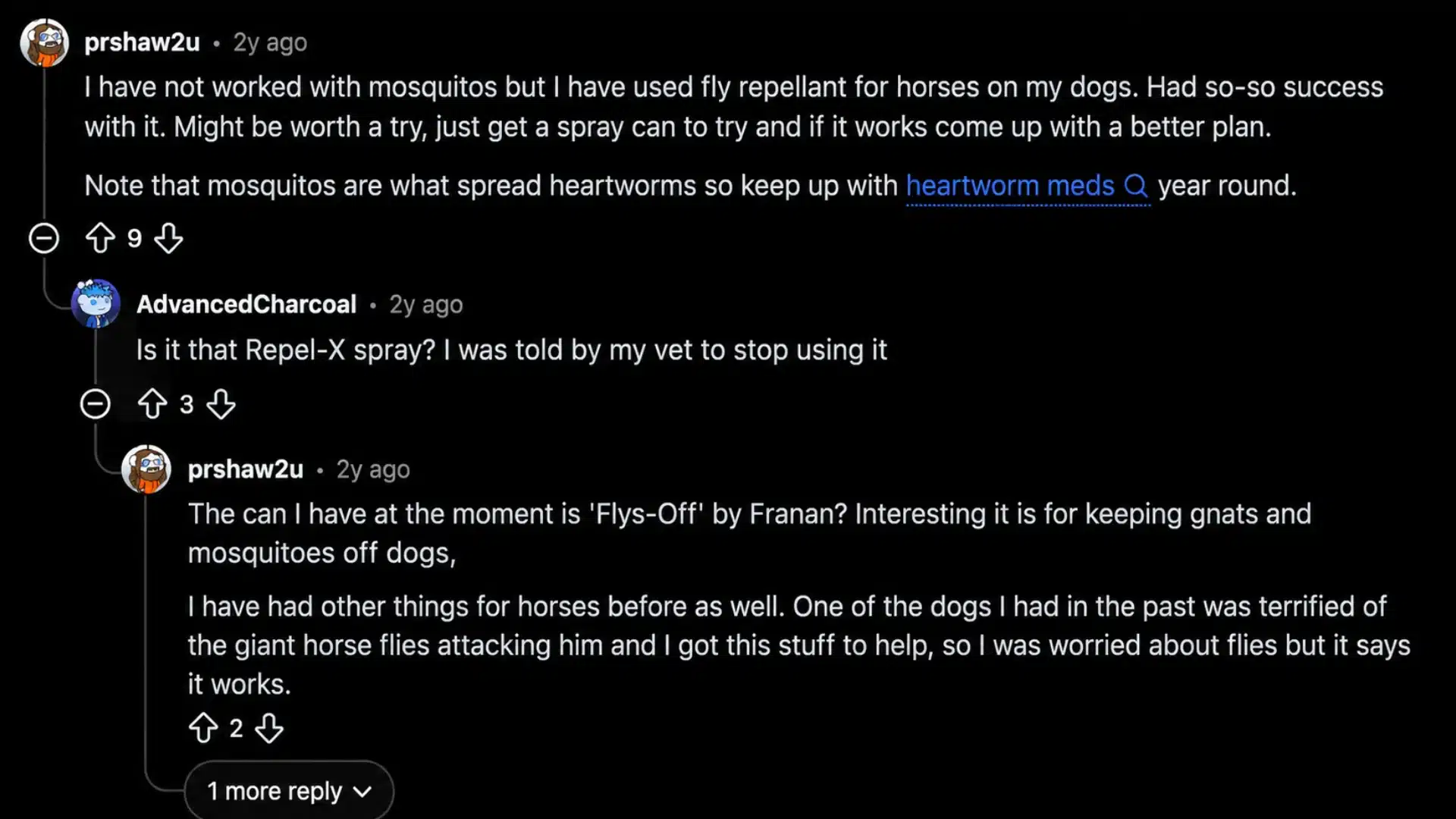
Reddit discussions show that many dog owners struggle to manage mosquito exposure, especially during warmer months.
One user shared that their dog was constantly targeted, even during short outdoor breaks, showing how persistent the issue can be.
When it comes to solutions, feedback appears mixed. Some people tried fly repellents designed for horses, reporting only average results and suggesting it may work differently for each dog.
Others mentioned that certain sprays were not recommended by vets, raising concerns about safety and proper use.
A few users found better results with topical treatments that target fleas, ticks, and mosquitoes together, noting a visible drop in insect activity.
Overall, the general takeaway from these experiences is clear: effectiveness varies, and safety should always come first when trying any product.
Mosquito Bites vs Flea Bites on Dogs
It’s easy to confuse the two, but there are some practical differences worth knowing.
Mosquito bites tend to appear as single, isolated welts on larger, exposed areas of the body like the back, flanks, ears, and nose. Your dog may not react much to them at all.
Flea bites, on the other hand, usually cluster around the head, neck, tail base, and groin. They tend to cause significantly more irritation because flea saliva is highly allergenic for many dogs.
If your dog is scratching frantically and you’re seeing multiple bite sites concentrated in those areas, fleas are a more likely culprit.
A natural flea and tick spray can be a good first line of defense when fleas are suspected.
If the bites are isolated, on exposed skin, and your dog seems mildly bothered rather than frantic, mosquitoes are worth suspecting.
Tips on Treating Mosquito Bites on Dogs
Most mosquito bites can be managed at home with simple care. The goal is to reduce itching, prevent scratching, and avoid infection.
- Clean the area: Gently wash the bite with mild soap and water to remove dirt and reduce irritation
- Apply cold compress: Use a clean, cool cloth on the bite to help reduce swelling and soothe the skin
- Stop excessive scratching: Keep your dog from licking or scratching to prevent skin damage
- Use vet-approved products: Only apply creams or sprays that are safe for dogs and recommended by a vet
- Check for changes: Monitor the bite for increased redness, swelling, or signs of infection
- Visit a vet if needed: Seek professional help if the bite worsens or your dog shows discomfort beyond normal itching
Conclusion
Mosquito bites on dogs may seem minor at first, but they can lead to more than just small bumps.
Understanding whether mosquitoes bite dogs helps bring clarity to the real risks, from simple skin irritation to concerns like heartworm and rare infections.
The three most important steps you can take: keep your dog on year-round heartworm prevention, limit outdoor exposure during peak mosquito hours, and never use human repellents on your dog.
Small, consistent habits make a significant difference in your dog’s long-term health.
Paying attention to changes and knowing what to expect can make a big difference in how quickly and calmly a situation is handled.
Have you spotted mosquito bites on your dog, or have questions about protecting them this season? Share your experience in the comments.
Frequently Asked Questions
Can Mosquito Bites Make Dogs Sick Immediately?
No, most mosquito bites do not cause immediate illness, but diseases like heartworm develop slowly over time after infection.
Do Mosquito Bites Itch Dogs as Much as Humans?
Yes, mosquito bites can itch dogs, but reactions vary. Some dogs feel mild irritation, while others scratch more due to sensitivity.
Can I Use Natural Remedies to Protect My Dog from Mosquitoes?
Some natural options like neem oil or certain herbal sprays may help, but always check with a vet before using them on your dog.
How Quickly Can Heartworm Develop After a Mosquito Bite?
After an infected mosquito bites a dog, it takes approximately 6–7 months for the larvae to mature into adult heartworms. This is why early-stage heartworm infection rarely shows symptoms and why annual testing alongside year-round prevention is so important.