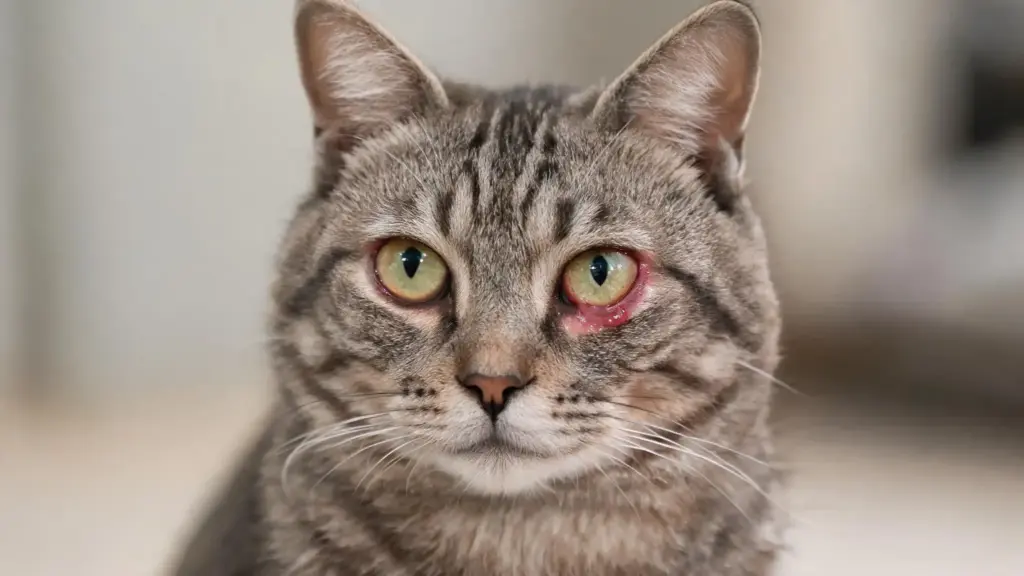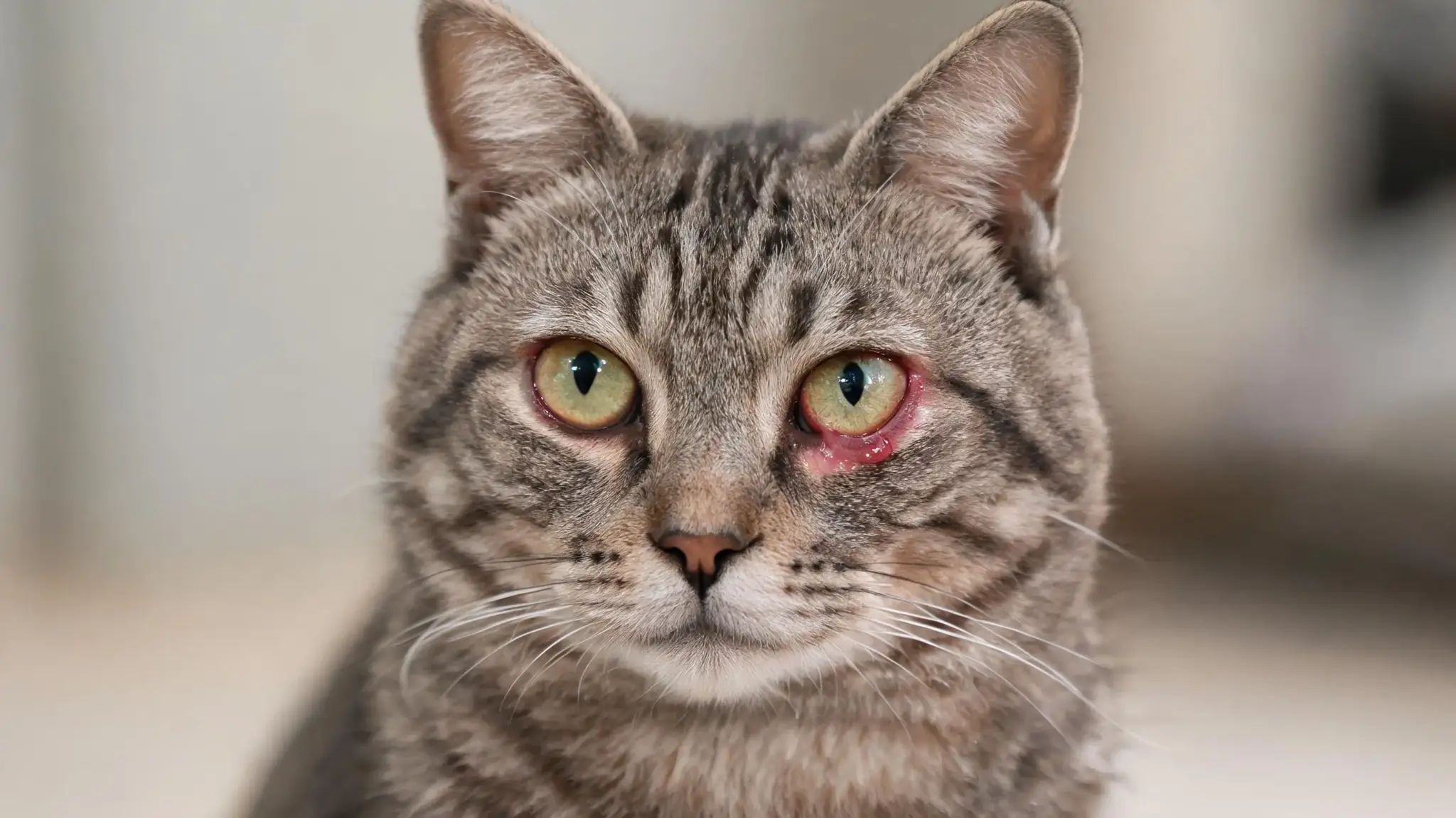
A dog in pain can leave any owner feeling helpless. The moment a pet looks uncomfortable or unwell, the first instinct is to find quick relief using something already at home.
That is where the question often comes up: can dogs have acetaminophen? Since this medicine is trusted for human pain and fever, it feels like an easy option.
In my work as a veterinary health advisor, the calls I find hardest are the ones where a well-meaning owner gave their dog something from the bathroom cabinet, thinking they were helping.
Acetaminophen is one of the most common culprits.
Understanding exactly why it is dangerous and what to use instead is one of the most important things a dog owner can know.
What is Acetaminophen and Why Do Owners Consider It?
Acetaminophen is a common over-the-counter medication used by people to reduce pain and lower fever.
It is widely known under brand names like Tylenol and is often taken for headaches, body aches, or minor illnesses.
Acetaminophen can be toxic to dogs at doses above 100 mg per kilogram of body weight, increasing the risk of liver damage and other serious health complications.
Because it is so easy to find and commonly used in households, many dog owners think it might help their pets in similar situations.
When a dog shows signs of pain, discomfort, or fever, the first instinct is often to reach for something familiar.
I understand the impulse completely. Watching a dog in obvious discomfort is hard, and the instinct to help immediately is natural.
However, this assumption can lead to serious risks. Dogs process medications differently, and what works for humans does not always work safely for them, making this choice unsafe without proper guidance.
Can Dogs Have Acetaminophen?
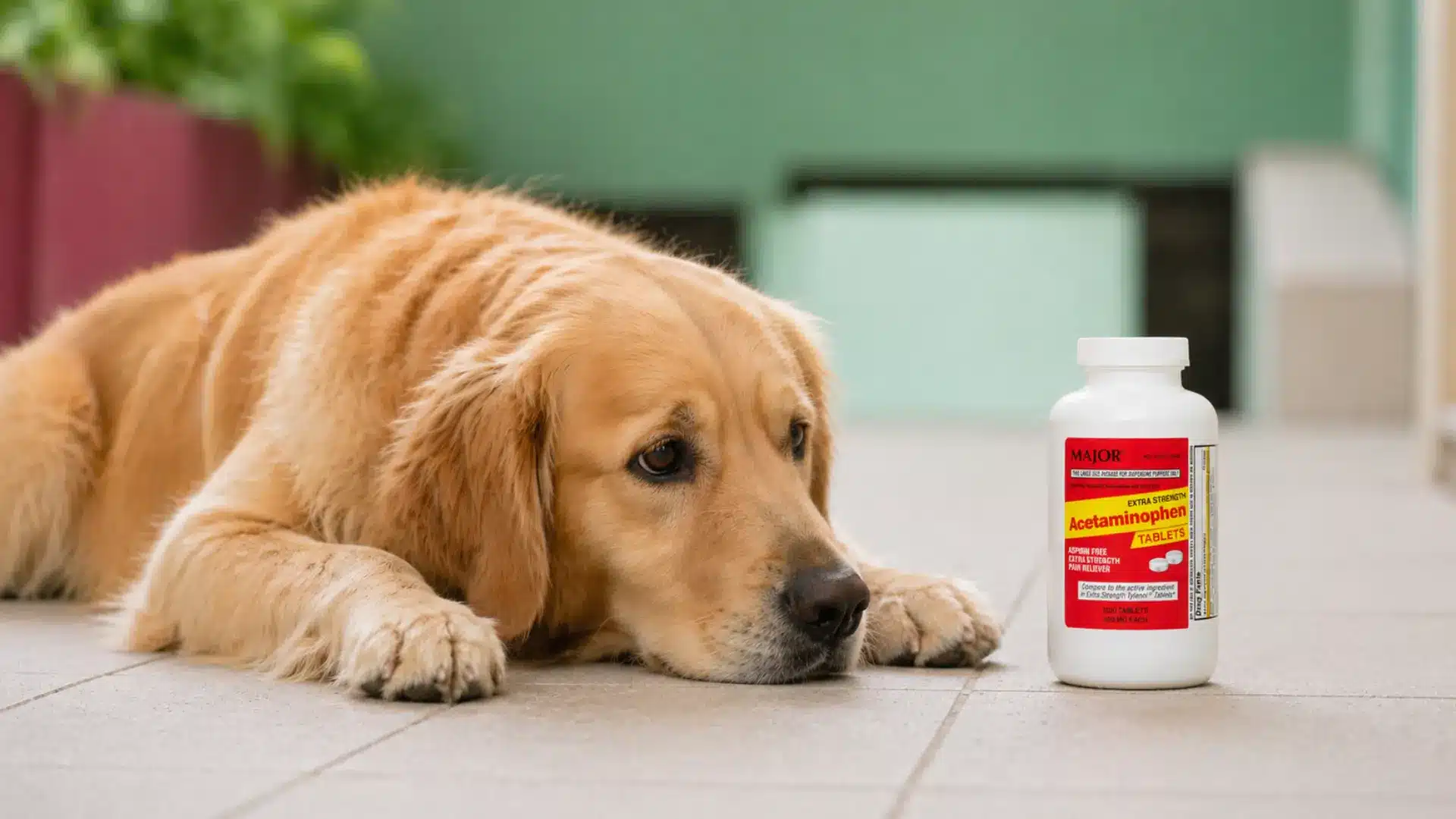
No. Dogs should not have acetaminophen unless a veterinarian has specifically prescribed it for that individual dog. The way a dog’s body processes this medication is very different, which makes it risky.
Even small amounts can cause serious health problems if given without proper guidance.
Some pet owners consider using acetaminophen to help with discomfort, especially when a dog seems to be in pain or has a fever, but this approach can be dangerous.
The safety margin in dogs is very narrow, meaning the difference between a helpful dose and a harmful one is small.
Without a vet’s direction, giving Tylenol can lead to severe complications. Always check with a veterinarian before giving any medication meant for humans to a dog.
Potential Side Effects & Risks from Acetaminophen

Even small amounts can affect vital organs and cause lasting damage. The risks depend on the dose, the dog’s size, and how quickly treatment begins.
1. Liver Damage
One of the most serious risks of acetaminophen in dogs is liver damage. A dog’s liver cannot process the drug properly, which leads to toxic buildup.
This can damage liver cells and affect how the body removes toxins. Early signs may include vomiting, tiredness, and loss of appetite.
As the damage worsens, symptoms like yellowing of the eyes or gums may appear. Without quick treatment, liver failure can develop.
2. Red Blood Cell Damage
Acetaminophen can harm a dog’s red blood cells, which are responsible for carrying oxygen throughout the body.
When these cells are damaged, the body cannot deliver enough oxygen to vital organs. This condition can cause weakness, rapid breathing, and unusual tiredness.
Dogs may also develop pale or bluish gums, which is a sign of low oxygen levels.
This drop in oxygen-carrying capacity shares some features with signs of anemia in dogs, though the mechanism and urgency differ.
3. Swelling and Facial Edema
Another common side effect is swelling, especially around the face, muzzle, and paws. This swelling happens because of fluid buildup and the body’s reaction to toxins.
It can appear suddenly and may look alarming to pet owners. In some cases, the swelling can make it harder for a dog to eat or breathe comfortably.
Dogs may also show signs of discomfort or irritation. While it may seem like a mild reaction at first, it can quickly worsen without treatment.
4. Gastrointestinal Issues
Acetaminophen can also upset a dog’s digestive system. This often leads to symptoms like vomiting, drooling, and stomach discomfort.
Dogs may refuse food or show signs of nausea. These symptoms can appear within a few hours after ingestion.
While they may seem mild compared to other effects, they are often early warning signs of toxicity. Ignoring them can allow more serious problems to develop.
5. Long-Term Organ Damage
If not treated quickly, acetaminophen poisoning can lead to long-term damage in multiple organs.
The liver is usually the most affected, but other systems can also suffer over time. Dogs that survive severe exposure may still face ongoing health issues.
These can include reduced liver function, weakness, or sensitivity to future medications. Recovery may take time and require regular monitoring.
6. Dry Eye (Keratoconjunctivitis Sicca)
Acetaminophen poisoning can also cause dry eye, or keratoconjunctivitis sicca, particularly in small-breed dogs.
Signs include squinting, eye discharge, pawing at the face, and visible eye discomfort.
This symptom is often overlooked but warrants veterinary attention, especially in dogs with known exposure to the drug.
How Is Acetaminophen Toxicity Treated in Dogs?
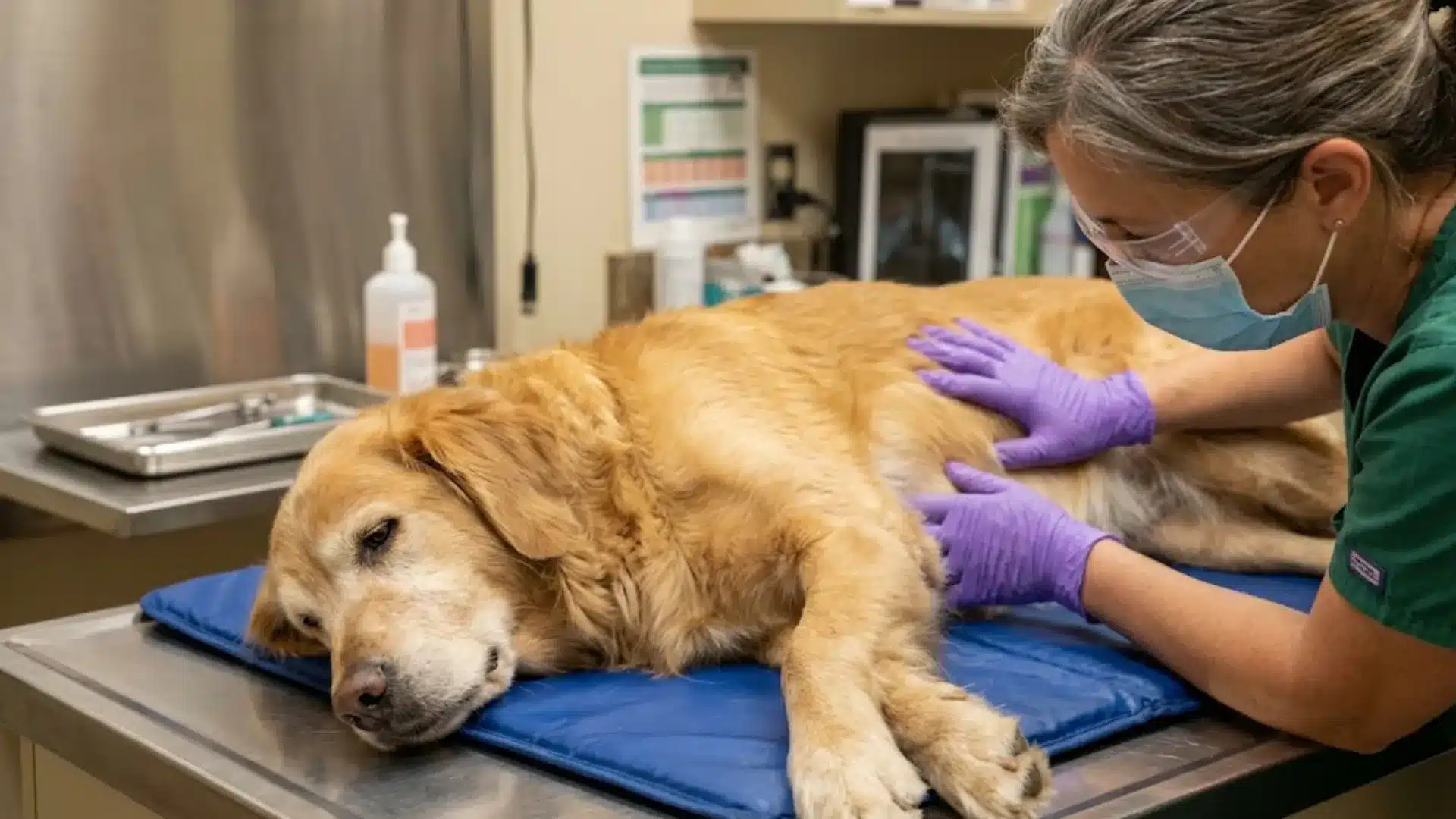
Acetaminophen toxicity in dogs is treated as an emergency. The sooner your dog gets to a veterinarian, the more options the vet has to reduce the damage.
If ingestion happened recently, the vet may induce vomiting and give activated charcoal to limit how much acetaminophen enters the bloodstream.
From there, treatment usually includes IV fluids, liver support, and N-acetylcysteine, or NAC, the antidote used to help restore the liver’s glutathione supply.
Some dogs also develop red blood cell damage, which can affect oxygen delivery. In those cases, the vet may use additional medications, oxygen support, or hospitalization for close monitoring.
Do not wait for symptoms to appear. Acetaminophen poisoning can worsen quickly, and early treatment can make a major difference.
Signs of Acetaminophen Poisoning in Dogs
Acetaminophen poisoning in dogs can develop quickly and become life-threatening if not treated early. In practice, veterinarians often stress one key point: do not wait to see whether symptoms develop.
If there is any known or suspected ingestion, that moment is already the time to call for professional help.
- Vomiting and nausea: Dogs may throw up repeatedly and show clear signs of stomach discomfort or uneasiness shortly after ingestion.
- Lethargy and weakness: Unusual tiredness, low energy, and lack of interest in normal activities are common early warning signs.
- Loss of appetite: Dogs may refuse food completely, even treats, indicating internal distress or developing toxicity in the body.
- Swelling of face or paws: Noticeable puffiness around the face, muzzle, or limbs caused by fluid buildup and reaction to toxins.
- Difficulty breathing: Rapid or labored breathing can occur due to reduced oxygen levels in the bloodstream from red blood cell damage.
- Yellowing of the gums or eyes: Jaundice appears as a yellow discoloration, signaling liver damage and impaired toxin processing.
- Dark urine or pale gums: Changes in urine color or gum appearance may indicate oxygen transport issues and internal organ stress.
What to Do If Your Dog Eats Acetaminophen?
If a dog eats acetaminophen, act quickly and do not wait for symptoms to appear.
Call a veterinarian or the Pet Poison Helpline (855-764-7661) immediately and explain what happened, including the amount and time of ingestion if known.
Quick action can make a big difference in preventing serious damage.
Do not try home remedies or induce vomiting unless a vet clearly instructs it, as this can sometimes make things worse.
Keep the medication packaging with you so the vet can check the exact ingredients and strength. If possible, take the dog to the clinic right away for proper treatment.
Vets may use methods like activated charcoal, fluids, or specific antidotes to reduce harm. Even if the dog seems fine at first, internal damage can still be developing.
Fast professional care is the safest way to protect the dog’s health and improve recovery chances.
Safe Alternatives to Acetaminophen for Dogs
When a dog is in pain or discomfort, safer treatment options are available that are specifically designed for canine use. These alternatives reduce risk and provide effective relief when used under proper veterinary guidance.
- Veterinary NSAIDs: Specially formulated anti-inflammatory drugs for dogs that safely reduce pain, swelling, and inflammation when prescribed by a veterinarian.
- Prescription pain medications: Vets may recommend controlled medications tailored to a dog’s size, condition, and overall health for safer relief.
- Joint supplements: Products containing glucosamine and chondroitin can support joint health and reduce discomfort in aging or active dogs.
- Cold and heat therapy: Applying cold packs for swelling or heat for stiffness can provide simple, non-drug pain relief at home.
- Physical therapy: Guided exercises and movement therapy can help improve mobility, reduce pain, and support recovery from injuries.
- Weight management: Maintaining a healthy weight reduces pressure on joints and can significantly lower pain, especially in overweight dogs.
Conclusion
Acetaminophen might be common in most homes, but when it comes to dogs, the risks are too serious to ignore.
As covered throughout this guide on can dogs have acetaminophen, the answer is clear: it should only be used under strict veterinary guidance.
From liver damage to breathing issues, even a small mistake can lead to dangerous outcomes.
The safest approach is always to choose vet-approved treatments and act quickly in case of accidental exposure.
Knowing the signs and responding early can make a real difference in protecting a dog’s health.
Have you ever dealt with a situation where your dog got into human medication or showed unusual symptoms? Share your experience or questions in the comments below.
Frequently Asked Questions
Can a Dog Recover Fully From Acetaminophen Poisoning?
Yes, a dog can recover fully if treatment begins early. Quick veterinary care improves outcomes, but severe cases may still lead to lasting liver damage or long-term health issues.
Can Dogs Have Ibuprofen?
No, dogs should never have ibuprofen. It is highly toxic and can cause stomach ulcers, kidney failure, and serious internal damage even in small doses. Always consult a veterinarian for safe alternatives.
What If My Dog Seems Fine After Ingestion?
Even if a dog appears normal after ingestion, internal damage may already be happening. Symptoms can take hours to appear, so immediate veterinary attention is critical to prevent serious complications.