

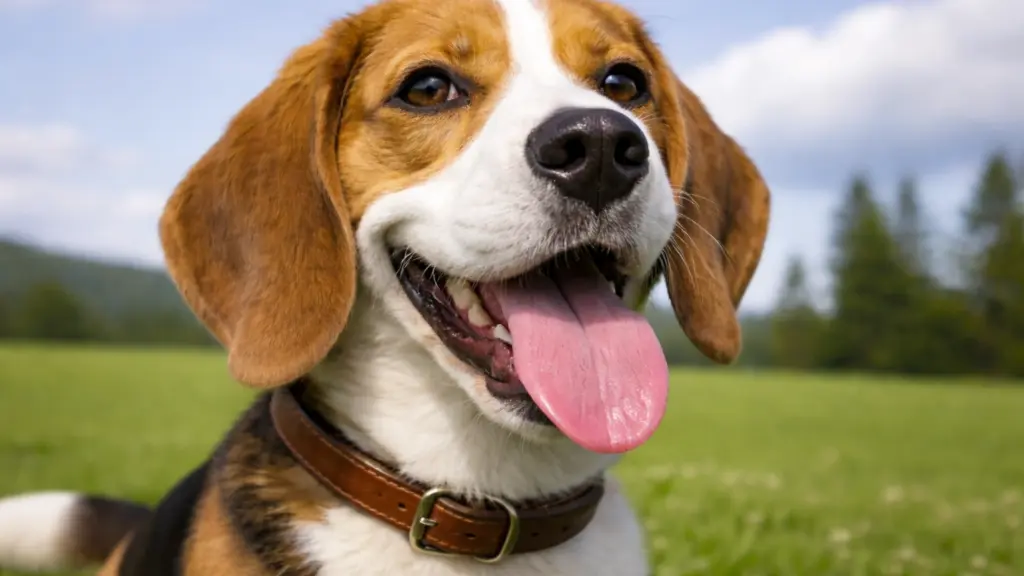
You see your dog breathing fast, tongue out, and something about it just does not sit right. It can feel confusing, especially when there is no clear reason behind it.
Some days, it happens after a walk or a play session, which feels normal. But other times, it starts when your dog is resting, and that is when it begins to worry you.
Telling the difference between normal and not normal is not always easy. If you have been thinking about dog panting, this guide will help you understand it clearly and simply.
It covers what is normal behavior, what feels unusual, and the small signs that are easy to miss. It also looks at everyday triggers at home and health issues that may be causing it.
By the end, you will have a better idea of what is going on and how to respond without second-guessing yourself.
What Does Panting Mean?
Panting is when a dog breathes fast with its mouth open, tongue out, and chest moving quickly. It may look like being out of breath, but most of the time, it is completely normal and intentional.
Dogs do not sweat like humans. They have very few sweat glands, mostly on their paw pads, and that is not enough to cool the body.
Panting works as their main cooling system. Air moves quickly over the tongue and through the airways, helping moisture evaporate and carry heat away.
A healthy dog at rest usually breathes around 15 to 30 times per minute. Panting is faster and shallower than normal breathing, and once the difference is clear, it becomes easier to spot. Knowing what is normal for your dog helps more than anything else.
A simple way to check is to see if your dog has always panted this way, or if this is new. A long-term pattern is very different from sudden changes, and that difference matters.
Reasons Your Dog Might Be Panting
Most panting happens for normal reasons, but there are times when it points to a health issue. The key is to notice patterns, timing, and anything unusual around it.
- Hot weather: When the temperature rises, dogs pant more to cool down. Warm surroundings can easily explain it. The AVMA warm-weather tips recommend walking dogs only during cooler hours and never leaving them in parked vehicles, where temperatures can spike rapidly. Overheating can build up quickly, especially in closed spaces.
- Excitement or anxiety: Strong emotions can trigger panting. Excitement, fear, and stress all affect the body in a similar way. Heart rate increases, and breathing speeds up. This can happen during travel, in new environments, or even when you come home.
- Temporary stress triggers: Fireworks, loud noises, strangers, or vet visits can cause short bursts of panting. These create a temporary spike in stress. If it fades once the trigger is gone, it is usually not a concern.
- Pain and hidden injuries: Dogs often hide pain, and panting can be one of the earliest signs. It may appear before limping or vocal sounds. This can come from injuries, joint issues, or internal discomfort. Look for stiffness, hesitation to move, or changes in posture.
- Heart problems: When the heart is not working properly, oxygen supply drops. The body tries to adjust by increasing breathing. Dogs may also show low energy, less interest in activity, or coughing. This usually develops over time.
- Cushing’s disease: This condition causes excess hormone production. Panting at rest or during the night is a common early sign. It may also be accompanied by increased thirst, weight gain around the belly, and thinning of the coat. It is more common in older dogs.
- Medication side effects: Certain medicines, especially steroids, can increase panting even when the dog is calm. This happens because they affect hormone levels. If it starts after a new medication, it should be checked.
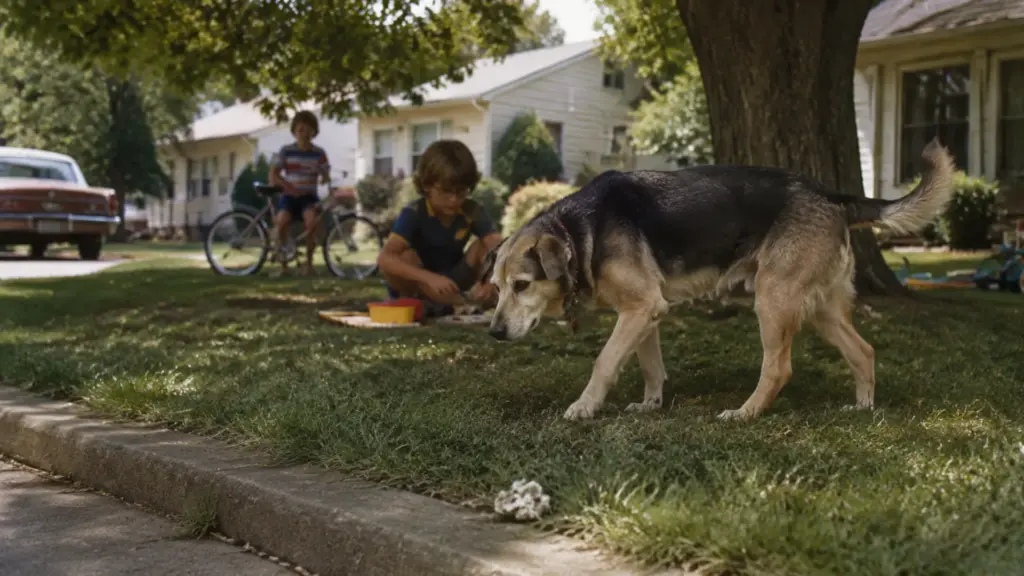
- Poisoning: Sometimes panting can occur after exposure to toxic foods, chemicals, or plants. Other signs can include vomiting or unusual behavior. This situation needs immediate action. If you rely on sprays or natural repellents at home, it helps to understand what a homemade flea and tick spray actually protects against and which ingredients are safe to use around dogs
Dog Panting at Night or While Resting
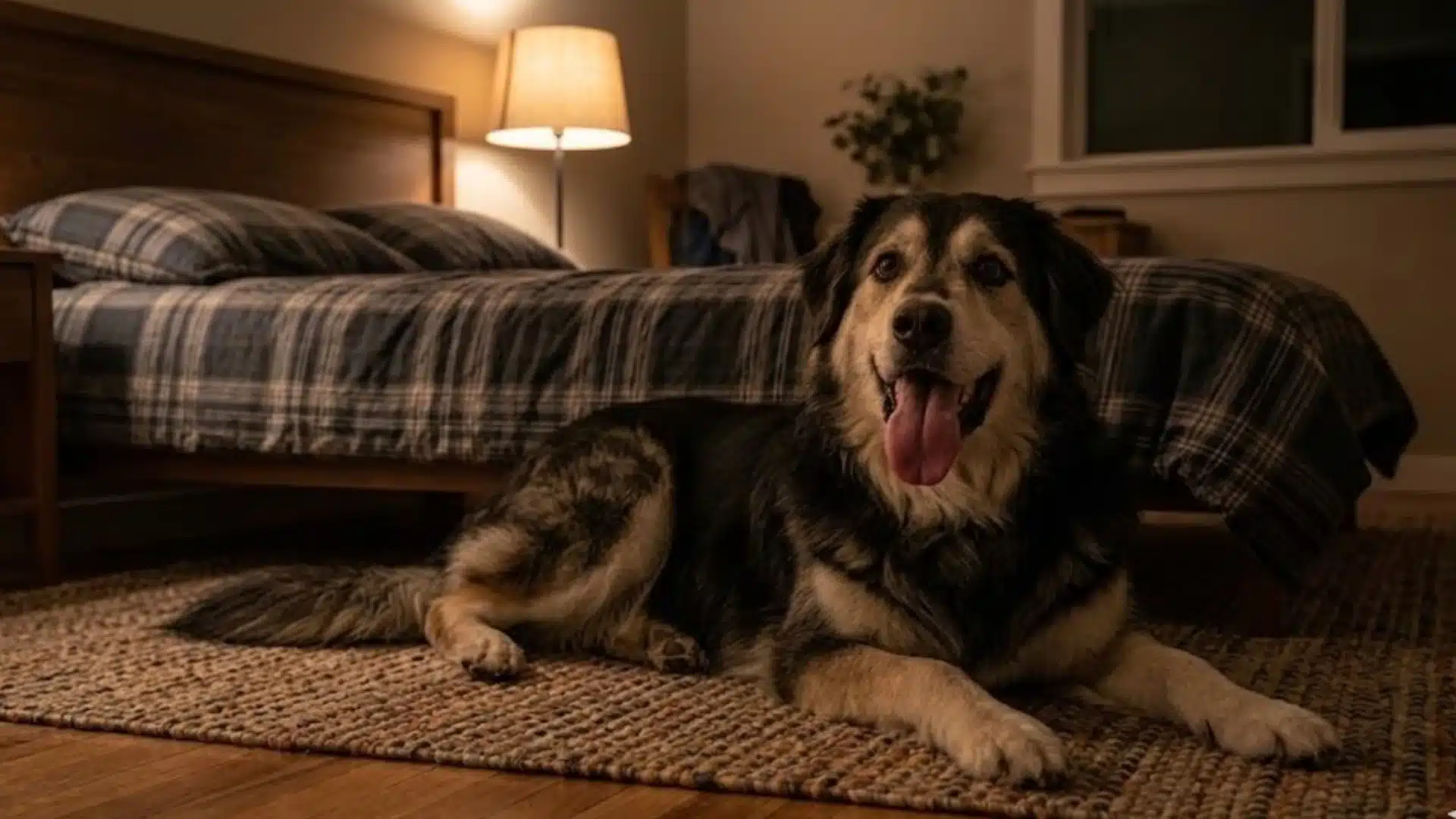
This is where things start to feel unusual. Panting during the day after activity makes sense, but when it happens at night or while resting, it stands out more.
The common triggers are not there. There is no heat, no movement, and no excitement, which is why it can feel concerning.
If you notice dog panting during these quiet moments, start by checking the environment.
The room might be warmer than it seems, especially if your dog sleeps near a heat source or under blankets. Poor airflow can also make a difference.
Small changes like this are often easy to miss. There are also emotional reasons to consider. Some dogs become more alert at night instead of calming down.
Silence can make anxious dogs more sensitive to sounds or movement. Stress from noise or solitude can manifest this way. But if it happens often, it can point to something else.
Pain, hormone issues, heart problems, or age-related changes can all cause this pattern. If there is no clear reason and it keeps repeating, it is worth paying attention to and getting it checked.
Signs That Dog Panting Is Not Normal
If your dog is panting in an unusual way, these warning signs can help you tell when it may be more than just normal behavior.
- Panting without any clear trigger: Panting is one of the biggest red flags when there is no obvious reason for it. If your dog is resting, the room feels cool, and there has been no recent activity, this should not be happening.
- Rapid, loud, or strained breathing: The sound and pattern of breathing matter. Heavy panting that seems loud, fast, or strained is not normal. If your dog is breathing unevenly, using its belly more, standing stiff, or stretching its neck forward, it may be struggling to get enough air.
- Panting that does not settle after rest: After about 10 to 15 minutes of rest, your dog’s breathing should start returning to normal. If the panting continues without easing, there may be an underlying cause.
- Changes in appetite, energy, or behavior: Panting, low appetite, unusual tiredness, or changed behavior often point to a deeper problem and should not be ignored.
Ways to Reduce Excessive Panting
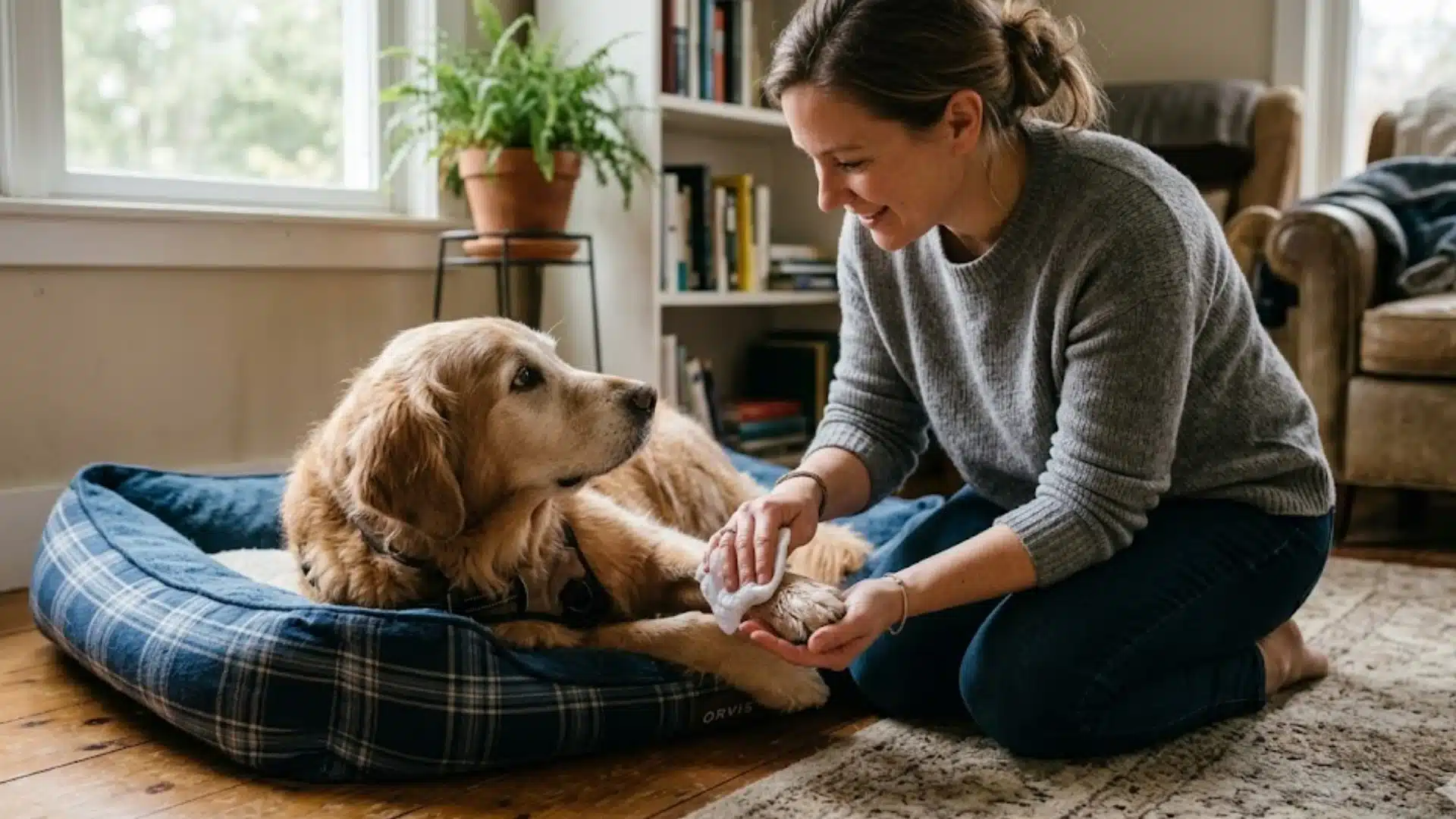
If your dog is panting heavily due to heat, stress, or excessive activity, these simple steps can help them cool down, stay calm, and feel more comfortable.
- Move your dog to a cooler, well-ventilated area and use a fan, avoiding direct cold air.
- Place a damp cloth gently on paws, belly, and neck to help lower body temperature slowly without causing sudden discomfort.
- Always ensure fresh, clean, cool water is available so your dog stays hydrated and can regulate body temperature more effectively.
- Reduce stress by limiting exposure to loud noises, unfamiliar environments, or sudden changes that trigger anxiety and increase panting levels.
- Create a quiet, safe space where your dog feels secure, helping them relax, recover faster, and reduce stress-related panting.
- Use calming aids like anxiety wraps, pheromone diffusers, or background sounds to help soothe your dog during stressful situations.
- Walk your dog during cooler mornings or evenings, when temperatures are lower, to help prevent overheating and reduce excessive panting.
- Adjust the exercise intensity based on your dog’s age, breed, and fitness level, as overexertion can lead to heavy panting and discomfort.
When Dog Panting Needs Medical Attention
Some situations cannot be handled at home and should not be ignored. If panting starts suddenly and feels intense without any clear reason, it is a warning sign.
A dog that goes from normal to heavy panting quickly can point to serious issues such as heat stress, poisoning, or heart-related problems. Waiting it out is not the right move here.
There are also certain signs that need immediate attention.
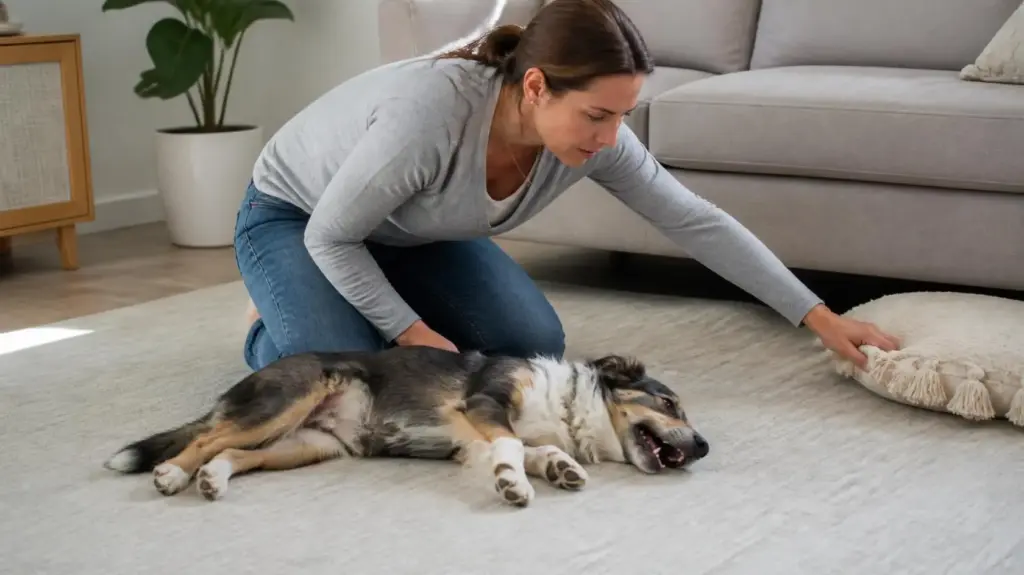
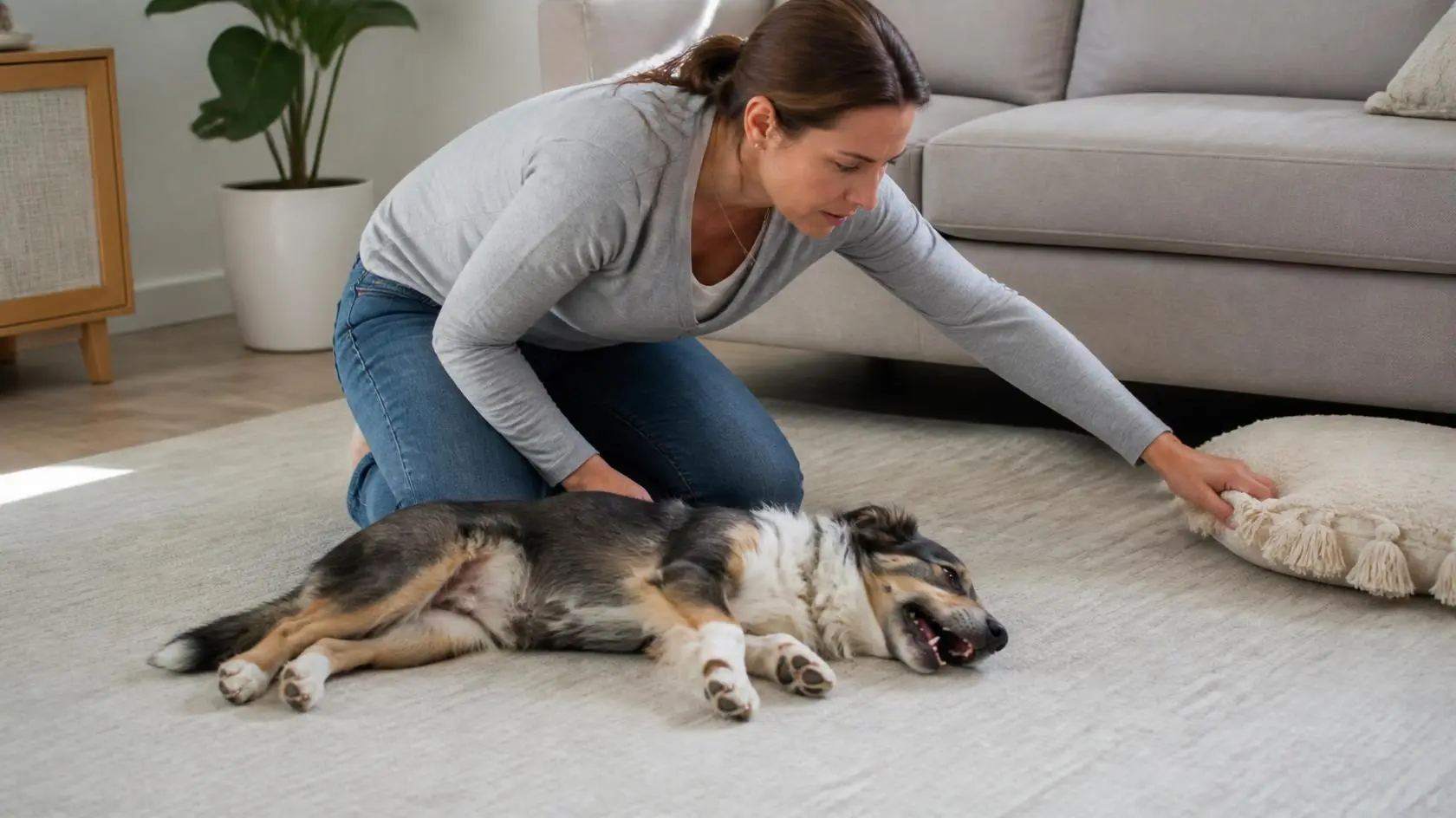
If panting is accompanied by pale or bluish gums, vomiting, drooling, collapse, or extreme weakness, it is urgent.
Restlessness that does not settle or a swollen belly is also not normal. Any chance of poisoning should be treated as an emergency.
At the vet, the first step is usually a physical check. You will be asked when it started, how often it happens, and if anything else has changed.
Tests like blood work or scans may be needed depending on the situation. Before going in, note when it began, when it occurs, any medications, behavior changes, and anything unusual your dog may have eaten. A short video can also help explain what is happening.
Conclusion
Panting can mean many different things, and the difference often comes down to timing, patterns, and small details.
Sometimes it is just your dog cooling down or reacting to excitement. Other times, it can point to discomfort or a deeper health issue that needs attention.
Understanding dog panting helps you stay one step ahead. When you know what is normal and what feels off, it becomes easier to respond the right way without panic.
Watching behavior, noticing changes, and acting early can make a real difference in your dog’s well-being.
The goal is not to overthink every situation, but to stay aware and trust what you see.
Have you noticed any unusual panting patterns in your dog lately? Share your experience in the comments, and let’s talk about it.
Frequently Asked Questions
Why is My Dog Panting Even When Resting?
If your dog is panting while lying down without any clear reason, it could be due to heat, stress, or an underlying health issue that needs attention.
Should I Worry About My Dog Panting At Night?
Occasional panting at night can happen, but if it becomes regular or feels unusual, it may be linked to discomfort, anxiety, or health problems.
Is It Normal for My Dog to Pant so Much After Play?
Yes, panting after activity is normal as dogs cool down. It should reduce within a few minutes once your dog rests and calms down.