Most new pitbull owners ask the same thing at some point: When do pitbulls stop growing?
One week, your pup looks like a tiny bundle of energy, and the next, they are suddenly taller, heavier, and somehow still growing.
The confusion makes sense; no two pitbulls grow identically, and most of the charts floating around online were not built with that variation in mind.
Having spent years researching breed development and interviewing pitbull owners, breeders, and veterinarians across the U.S.,
I can tell you this is one of the most consistently asked and consistently misunderstood topics in the pitbull owner community. The truth is simple: pitbull growth is not one-size-fits-all.
In this blog, you will get a clear breakdown of what to expect, complete with real weight ranges at each stage, key factors that vets and breeders actually consider, and real owner experiences that show how growth happens in everyday life.
When Do Pitbulls Actually Stop Growing?
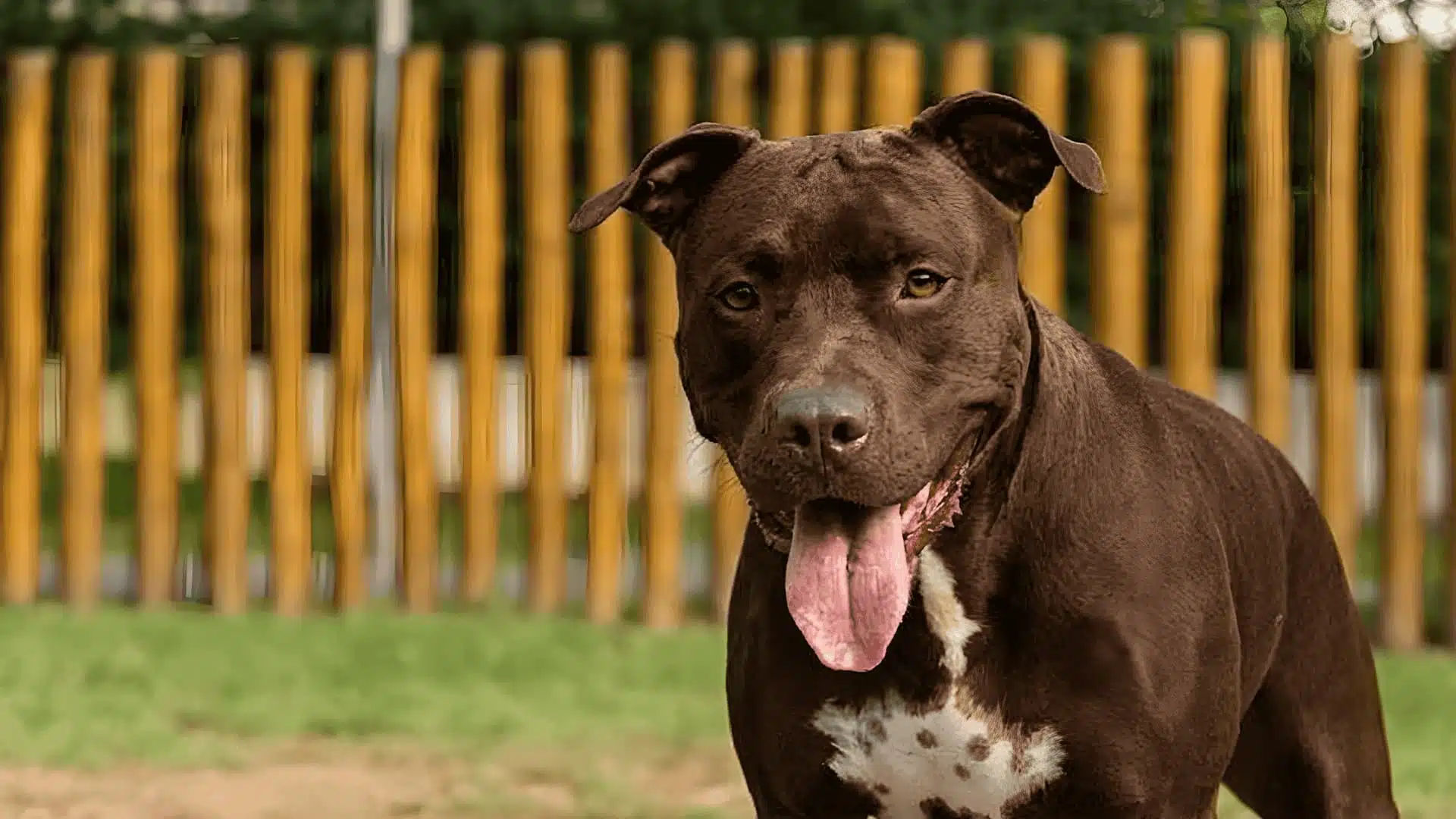
The short answer: Most pitbulls stop growing in height between 12 and 18 months. But that does not mean they are fully developed.
Their weight and muscle mass can continue to change until they are around 2 to 3 years old.
Here is the simple breakdown:
- Height: usually settles first, often before 18 months
- Weight: keeps increasing gradually after height slows
- Muscle maturity: develops last, giving that solid, bulky look over time
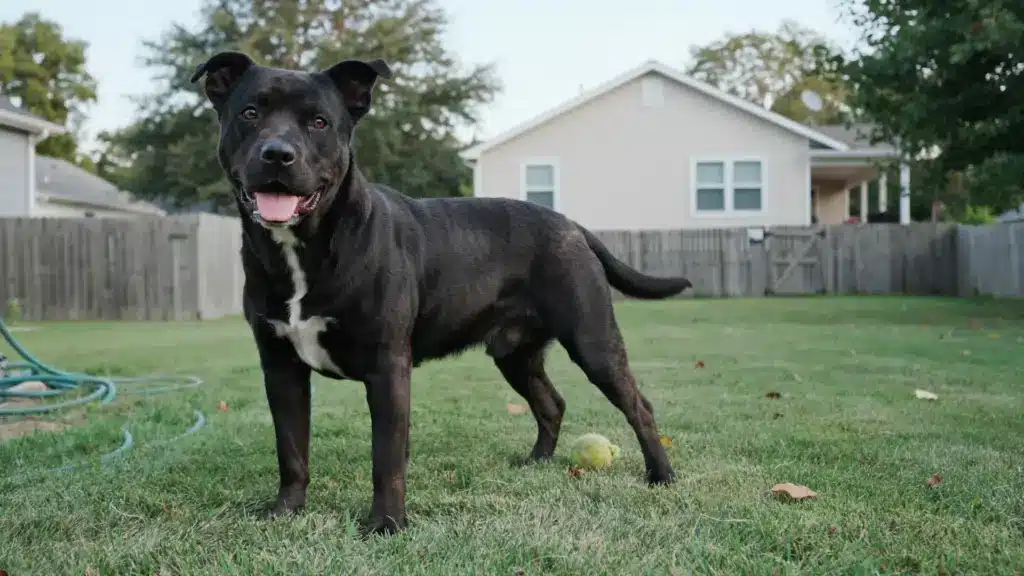
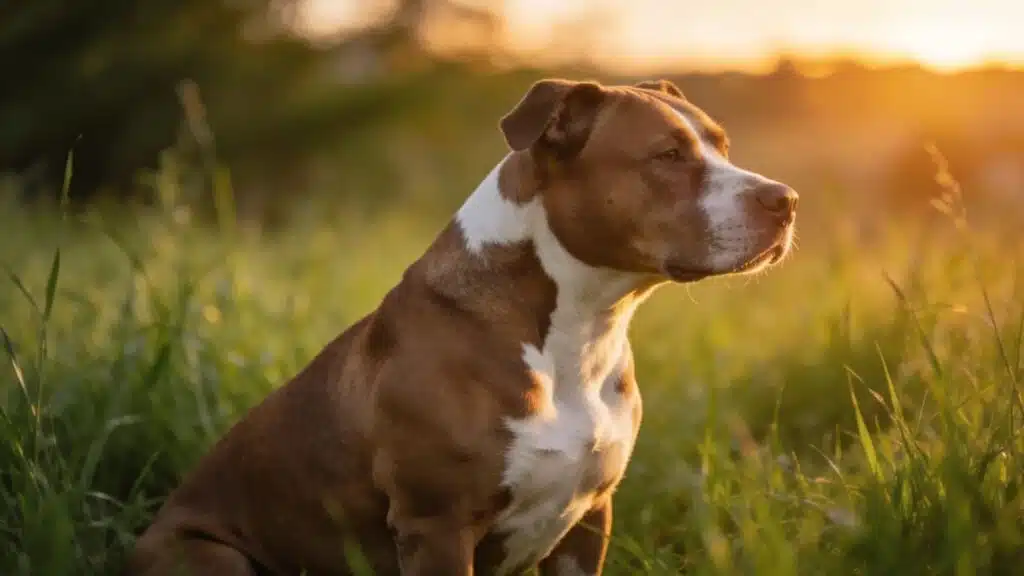
In real numbers: a fully grown American Pit Bull Terrier typically weighs between 30 and 65 pounds, with males usually on the higher end (35–65 lbs) and females generally settling between 30 and 50 pounds.
Height at the shoulder ranges from 17 to 21 inches, depending on sex. These are APBT-specific figures; if your dog leans toward American Bully genetics, those numbers look quite different (more on that below).
This is why a pitbull may look “done” early on but still fill out later. And this is also where real-life experiences start to differ, since not every dog follows the same pattern.
Does Your Pitbull Type Affect Growth?
This is one of the most overlooked reasons owners get confused by pitbull growth charts — they are not all looking at the same dog.
The term “pitbull” is commonly used to describe several distinct breeds, and each has its own growth ceiling:
- American Pit Bull Terrier (APBT): The most referenced breed in growth guides. Medium-sized, athletic build. Full-grown weight: 30–65 lbs. This is what most pitbull growth charts are built around.
- American Staffordshire Terrier (AmStaff): Slightly stockier than the APBT but falls in a similar weight range. Often confused with the APBT, but tends to have a broader chest at an earlier age.
- American Bully: A distinctly different breed despite the shared “pitbull” label. Males can weigh 65 to 120 pounds, depending on class (Standard, Classic, XL).
The practical takeaway: before you benchmark your dog against any chart, confirm which breed that chart was designed for.
This single step eliminates much of the unnecessary concern I see among new owners.
Why Some Pitbulls Grow Faster Than Others?
Not all pitbulls grow at the same pace, and genetics play the biggest role in that. Some dogs are naturally built to be lean and quick growers, while others take their time and fill out later.
Diet and nutrition also matter a lot. A well-balanced diet supports steady growth, while poor feeding can slow things down.
A breeder I interviewed while researching breed development for a canine health series put it plainly: “The single best predictor of how big your pitbull gets is looking at the dam and sire.
Activity levels add another layer. More active dogs may stay lean longer, while less active ones bulk up faster.
Breeding type also makes a difference, especially when comparing pure APBTs to mixed pitbulls.
This is why growth can look completely different from one dog to another, which becomes clear when you hear real owner stories.
Pitbull Growth Chart Explained
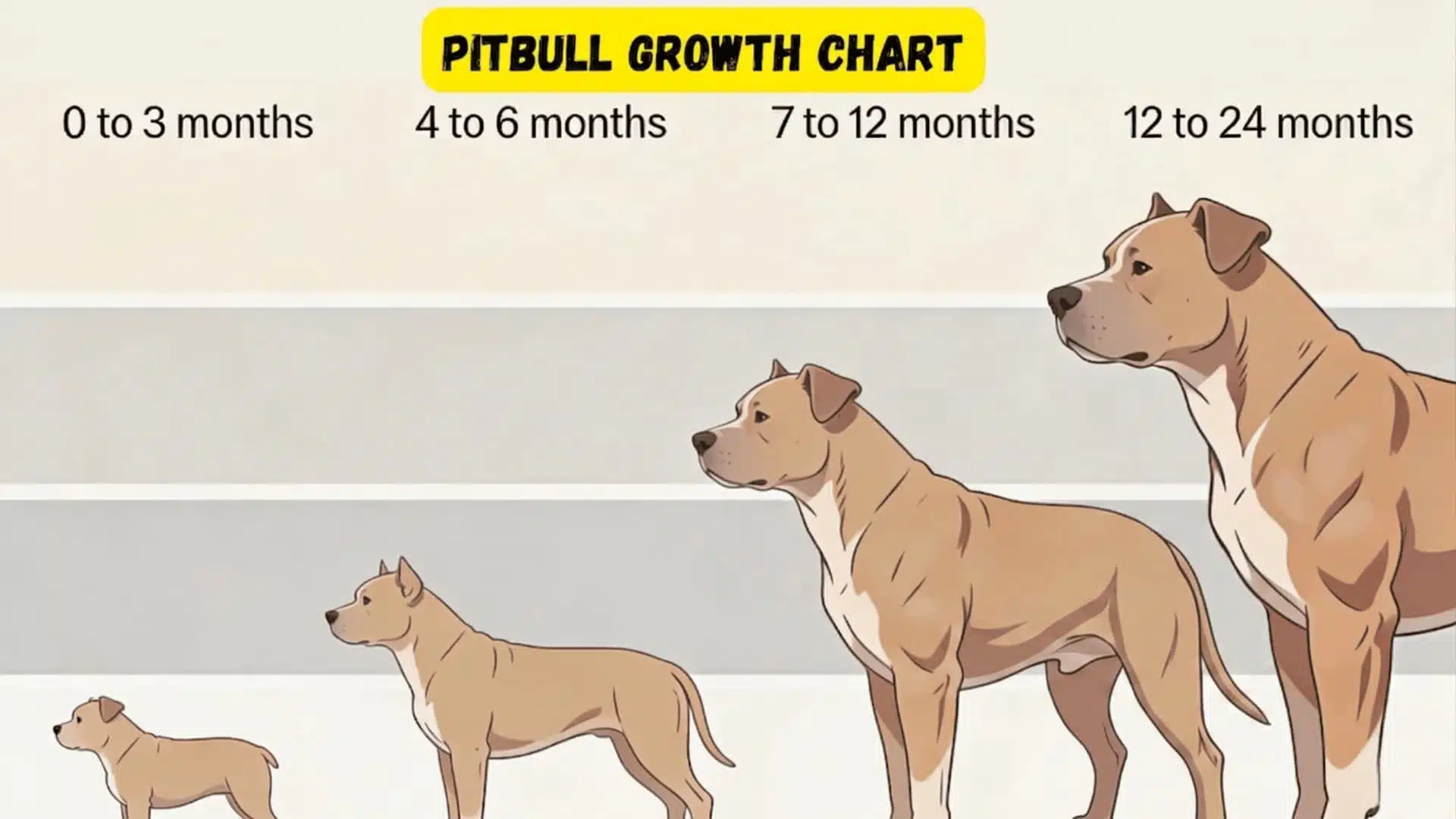
A pitbull growth chart helps track your dog’s development, but real growth rarely follows exact numbers, so understanding stages matters more than strict charts.
1. 0 to 3 Months
This is the fastest growth phase your pitbull will go through. Puppies gain weight quickly and start building their basic body structure.
You will notice changes almost every week, from size to energy levels. Bones are developing, and nutrition plays a key role in this process.
At this stage, most puppies still have that soft, round look before their body starts stretching out. By 8 weeks of age, most APBT puppies weigh somewhere between 5 and 10 pounds, though litter size, sex, and bloodline can shift that range.
Larger litters tend to produce smaller individual pups simply due to nutrient competition in the womb.
2. 4 to 6 Months
This is often called the awkward phase, and it shows. Your pitbull may look a bit out of proportion, with long legs and a lean body.
Height increases quickly during this period, sometimes faster than weight. Owners often feel their dog looks skinny, but this is normal.
The body is prioritizing vertical growth before filling out, which comes later. Most pitbulls fall in the 15 to 35-pound range during this window.
If your pup is gnawing everything in sight alongside the rapid growth, the two are happening simultaneously, helping a teething puppy cover what actually works during this stage.
3. 7 to 12 Months
Growth in height starts slowing down, and your pitbull begins to look more balanced overall. Weight gain becomes steadier, and the frame starts to make more sense.
While they may look close to adult size, they are not fully developed yet. This stage is where many owners think growth has stopped, but internal development and muscle building continue.
Weight typically lands between 25 and 50 pounds during this phase, depending on sex and bloodline. It is also worth knowing that growth spurts are most intense between 4 and 9 months.
If your dog seems suddenly ravenous, clumsier than usual, or more tired than normal during this window, that is likely the explanation, not a health problem.
4. 12 to 24 Months
This is where your pitbull truly matures in appearance. Muscle development becomes more noticeable, especially around the chest, shoulders, and neck.
The body fills out, giving that strong, solid look many people associate with adult pitbulls.
Even if your dog’s height hasn’t changed, they can still gain weight and definition during this period, making them look bigger overall. Head shape is also still actively changing during this stage.
The broad, flat skull and defined “stop” that pitbulls are known for continues to widen through roughly 18 months, so if your dog still looks puppy-faced well into their first year, that is completely normal and will settle with time.
Male vs. Female Pitbull Growth: Key Differences
Male and female pitbulls follow similar growth timelines but land in noticeably different size ranges at maturity, and understanding this gap:
- Male pitbulls: typically reach 18 to 21 inches at the shoulder and weigh between 35 and 65 pounds when fully grown.
- Female pitbulls are generally smaller, reaching 17 to 20 inches and weighing between 30 and 50 pounds at full maturity. They also tend to mature slightly earlier, both physically and behaviorally, than their male counterparts.
If you have a male pitbull and he appears behind a female of the same age and similar background, that is often entirely normal. Males simply have a longer physical runway.
This is a distinction that vets I have spoken with consistently emphasize when new owners bring in comparisons between their dog and a friend’s or neighbor’s.
One thing that changes alongside your pitbull’s size is their gear. Both males and females shift harness sizes multiple times before reaching full growth, so checking a dog harness size chart as your dog progresses through each stage saves a lot of guesswork.
Signs Your Pitbull Is Done Growing
Growth slows subtly, so these signs help you tell when your pitbull has likely reached full physical maturity.
- Height has plateaued: No noticeable increase in height for several months, even during active growth periods.
- Appetite stabilizes: Eating habits become predictable, without sudden spikes linked to growth spurts.
- Energy levels even out: Less erratic bursts, more consistent daily activity patterns.
- Muscle replaces size gains: the body looks more defined rather than getting bigger overall.
- Paw-to-body ratio normalizes: If those oversized puppy paws no longer look disproportionate to the rest of the frame, it is often a quiet visual cue that skeletal height growth has wrapped up.
Pitbull Growth Chart Pictures: What to Look For
Numbers can only tell you so much, but pitbull growth chart pictures make things clearer by showing real visual changes over time.
Instead of focusing on exact weight or height, it helps to notice how your dog’s body shape evolves. In the early stages, pitbulls have a soft, narrow puppy frame.
As they grow, the chest widens, and the body appears more solid. Another clear sign is the head shape, which becomes broader and more defined with age.
By around 18 months, most pitbulls should look noticeably more proportional and “set” compared to the loose, leggy frame of their first year.
The best approach is to compare your dog with growth chart pictures at different stages. It gives a more realistic idea of progress than relying on numbers alone.
Common Mistakes Owners Make About Pitbull Growth
Many growth concerns come from wrong expectations, not actual problems. Here are common mistakes owners often make.
- Relying too much on charts: Expecting every pitbull to match a standard growth chart leads to unnecessary worry.
- Overfeeding for faster growth: Extra food does not speed up healthy growth; it often leads to excess fat gain.
- Comparing with other breeds: Pitbulls grow differently from other dogs, so comparisons usually mislead more than help.
- Ignoring muscle vs fat: A heavier dog is not always healthier; muscle and fat are often confused.
- Panicking over small differences: Slight variations in size or timing are normal and rarely a cause for concern.
What If Your Pitbull Seems Too Small or Too Big?
It is common to feel concerned when your pitbull looks smaller or bigger than others, but in many cases, this is just normal variation. Genetics, diet, and activity levels all influence size, so not every dog will fit neatly into a chart.
If your pitbull is active, eating well, and maintaining steady growth, there is usually nothing to worry about.
However, if you notice sudden weight loss, lack of appetite, or unusual lethargy, it is worth checking with a vet.
It is also worth monitoring for joint stiffness or an unusual gait in growing pitbulls.
Conditions like hip dysplasia and patellar luxation, both of which occur in the breed, are significantly easier to manage when caught early during routine vet visits rather than after symptoms become chronic.
Overall, pitbulls have a wide and flexible growth range, and small differences are completely normal.
Tips to Support Healthy Growth
Healthy growth comes down to simple habits done consistently, not quick fixes or shortcuts.
- Feed a balanced diet: High-quality food with the right nutrients supports steady growth and proper development. During active growth phases (roughly 2 to 12 months), look for puppy formulas with at least 22–28% protein.
- Keep exercise consistent: Regular activity helps build muscle, but avoid overexertion during early growth stages.
- Schedule vet checkups: Routine visits help track growth and catch any issues early. Staying current on your puppy’s vaccination schedule is part of that same first-year health routine and equally worth planning ahead.
- Avoid unnecessary supplements: Only give supplements if a vet specifically recommends them.
- Maintain a steady routine: Consistent feeding, exercise, and rest patterns support overall development.
Conclusion
So, when do pitbulls stop growing? Most reach their full height by 12 to 18 months, but their bodies keep developing, in weight, muscle, and overall proportion, well into their second and sometimes third year.
As this blog has covered, getting that picture right means knowing your pitbull’s specific type, understanding the male-female size gap, tracking actual weight ranges by stage, and not mistaking a late bloomer for a health problem.
A pitbull growth chart is a useful reference, but it is only as useful as the context you bring to it.
If your pitbull is active, eating well, and gradually filling out, you are likely on the right track. Growth is a journey, not a fixed timeline.
Got your own experience? Drop your comments and share how your pitbull grew.
Frequently Asked Questions
How Can I Tell if My Pitbull is Going Through a Growth Spurt?
You may notice sudden increases in appetite, slight clumsiness, or your dog seeming hungrier and sleepier than usual. Growth spurts often come in short bursts rather than steady changes.
Do Male and Female Pitbulls Grow at Different Rates?
Yes, Males Often Grow Slightly Larger and May Take Longer to Fully Mature, Especially in Terms of Muscle Development. Females Usually Finish a Bit Earlier.
Does Neutering or Spaying Affect Pitbull Growth?
It Can Have a Minor Impact. Dogs Altered Early May Grow Slightly Taller Due to Delayed Bone Plate Closure, but The Difference is Usually Not Drastic.