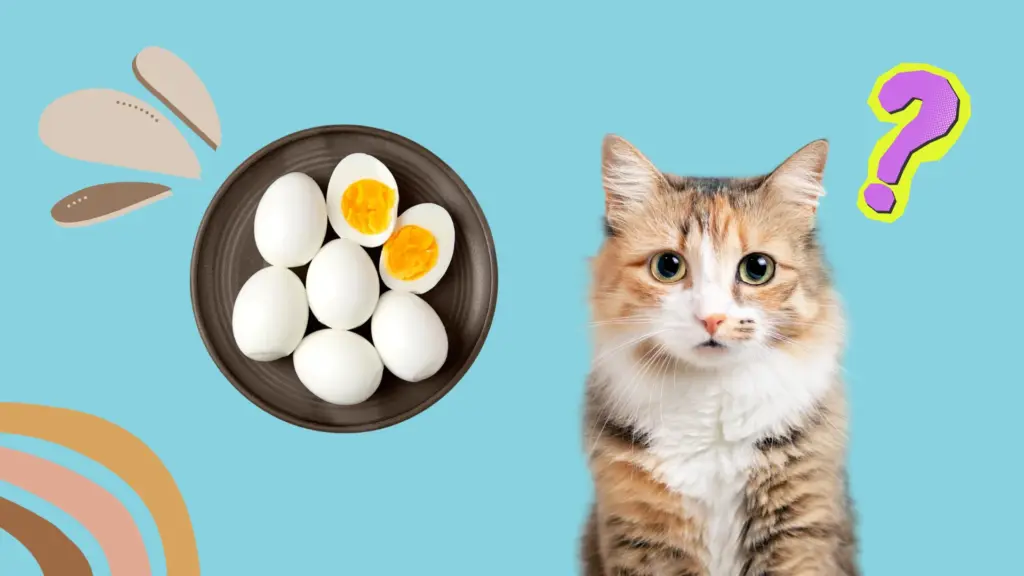
A curious stare at the breakfast plate, a soft meow, and suddenly a question pops up that many cat owners face: can cats eat eggs without any harm?
It feels natural to want to share a bite, especially when a pet looks so interested and trusting.
Still, there is always that small hesitation about what if it causes an upset stomach, or worse, leads to a hidden health issue?
As a licensed veterinarian, I get this question from clients more often than you might expect, usually right after someone mentions that their cat stole a piece of scrambled egg off the counter.
Many pet owners have been in this exact moment, unsure whether eggs are a healthy treat or something to avoid completely.
Some have tried it and seen great results, while others have faced unexpected reactions. That mix of curiosity and concern is what makes this topic worth understanding.
Let me walk you through exactly what’s safe, what’s not, and what’s appropriate.
Nutritional Benefits of Eggs for Cats
Eggs can be a healthy treat for cats when served properly because they offer strong nutritional value.
Cats are obligate carnivores, which means their bodies rely on animal-based protein. Eggs provide high-quality protein that supports muscle growth, repair, and daily energy needs.
Along with protein, eggs contain important nutrients such as vitamin B12, riboflavin, and selenium, which help maintain overall health.
- Protein & amino acids: A single medium egg contains about 6 grams of protein and a full profile of amino acids, including taurine.
- Vitamins A, B6, B12, D, and E: These support your cat’s immune system, nervous system, bone density, and vision.
- Riboflavin (B2) and thiamine (B1): Help drive healthy metabolism and red blood cell production.
- Zinc and iron: Support skin, coat quality, and healthy red blood cells.
- Omega-3 fatty acids: Contribute to a softer, shinier coat and reduced skin inflammation.
The natural fats in eggs also play a role in keeping energy levels steady.
In my clinic, I have seen cats recovering from illness or managing low body weight respond particularly well to small additions of cooked egg, as it is highly digestible and nutrient-dense, requiring only small volumes of food.
Cat’s daily feeding routine matters just as much as what they contain, so pairing occasional egg treats with consistent meal timing helps keep things balanced.
Instead, they work best as an occasional supplement that adds variety and extra nutrients to a balanced diet while supporting strength, energy, and coat condition.
Can Cats Eat Eggs Safely?
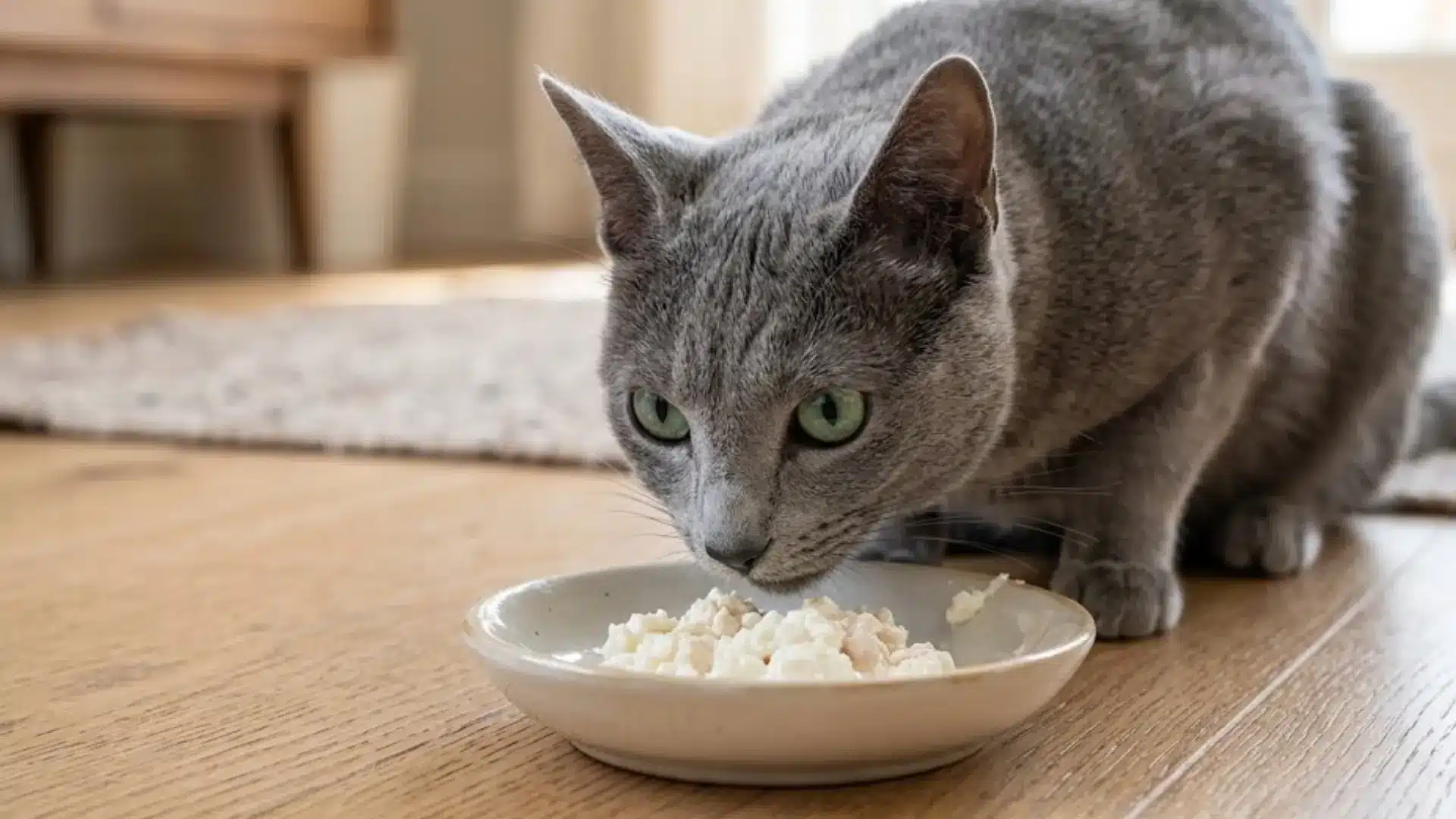
Yes, cats can eat eggs safely, but only when they are fully cooked and served in small amounts.
Cooked eggs can be a healthy treat because they are rich in protein and contain useful nutrients that support a cat’s body. However, raw eggs are not safe for cats.
According to the ASPCA’s Animal Poison Control guidelines, raw meat and raw eggs can contain bacteria such as Salmonella and E. coli that can be harmful to pets and humans alike
This makes cooking the egg an important step before offering it. When prepared plain, without salt, oil, or seasoning, eggs can provide extra nutrition and variety in a cat’s diet.
They can help support muscle strength and overall energy when given occasionally.
Still, eggs should never replace regular cat food, as cats need a complete and balanced diet designed for their needs.
Think of eggs as an occasional addition rather than a daily meal, keeping portions small and simple.
Risks of Feeding Eggs to Cats
Not every cat reacts the same way to new foods, and even something simple like eggs can cause problems if given incorrectly. The biggest concerns come from feeding raw eggs, giving too much at once, or not paying attention to how your cat responds.
1. Bacterial Infection
Raw eggs can carry harmful bacteria like Salmonella, which can make cats sick. Even if a cat seems strong, its digestive system can still react badly to these bacteria.
Symptoms may include vomiting, diarrhea, or low energy. There is also a protein in raw egg whites that can block biotin absorption, which is important for skin and coat health.
Cooking the egg fully removes these risks and makes it much safer for your cat to eat.
2. Digestive Upset
Some cats have sensitive stomachs and may not handle eggs well, especially when trying them for the first time.
Eating eggs can lead to mild issues like gas, loose stools, or vomiting. This often happens when the portion is too large or introduced too quickly.
Starting with a very small amount and watching your cat’s reaction can help avoid this problem. If symptoms continue, it is best to stop feeding eggs.
3. Allergic Reactions
Although rare, some cats can be allergic to eggs. Signs of an allergic reaction may include itching, skin irritation, swelling, or digestive issues.
These symptoms can appear shortly after eating eggs or build up over time with repeated feeding. If you notice any unusual behavior or physical changes, stop giving eggs immediately.
A vet can help confirm if eggs are causing the issue and guide you on safe food choices.
4. Weight Gain from Overfeeding
Eggs are nutritious but also contain calories and fats, which can add up quickly. Feeding eggs too often or in large portions can lead to weight gain, especially in less active cats.
Over time, this may increase the risk of obesity and related health problems.
As noted by VCA Animal Hospitals, obesity is the most common preventable disease in cats in North America, with over 61% of cats currently considered overweight, making any untracked calorie source, including treats like eggs, worth monitoring carefully
Eggs should be given only as an occasional treat, not as a regular part of the diet. Keeping portions small helps maintain a healthy balance.
5. Biotin Deficiency from Raw Egg Whites
This risk deserves its own entry rather than being grouped under bacterial infection, because it operates through a completely different mechanism.
Avidin, a protein found in raw egg whites, binds to biotin and prevents your cat from absorbing it.
Signs include hair loss, scaly skin, lethargy, and, in severe cases, neurological symptoms.
I have seen one case in practice that was traced back to a well-meaning owner who had been mixing raw egg into food for months. Fully cooking the egg neutralizes avidin completely.
Real Cat Owners’ Experience with Feeding Eggs
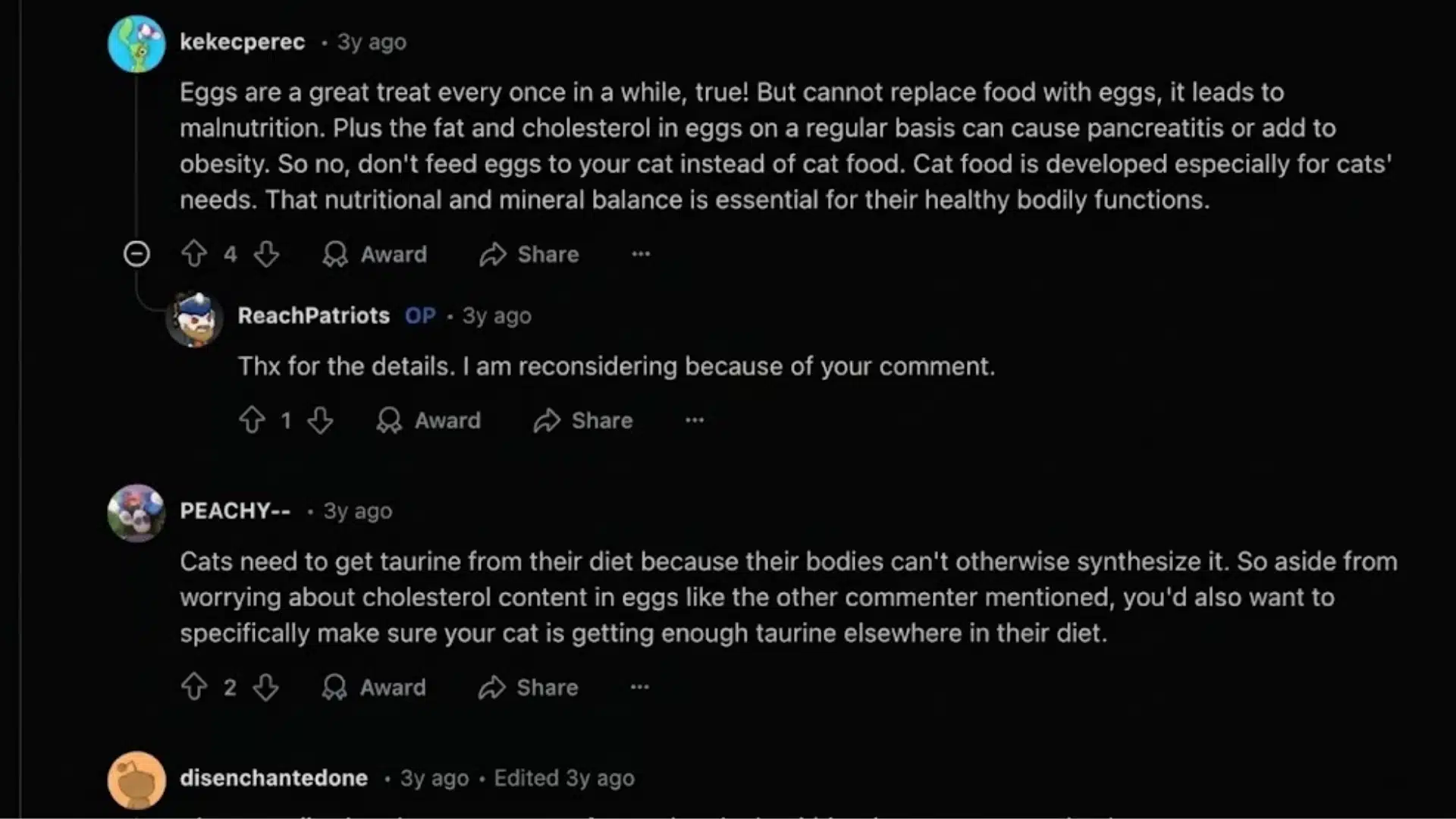
Reddit users strongly agree that while eggs can be healthy for cats, they should never replace proper cat food.
One commenter explained that eggs lack essential nutrients like taurine, which cats must get from their diet to survive.
Without it, serious health issues can develop over time. Others pointed out risks tied to feeding eggs regularly, including excess fat, cholesterol, and potential weight gain.
Experienced cat owners and rescuers emphasized that commercial wet food, even low-cost options, is specifically formulated to meet a cat’s nutritional needs.
Eggs, on the other hand, work best as an occasional supplement. Some suggested small portions, like a third of a boiled egg, once or twice a week.
The overall takeaway from Reddit discussions is clear: eggs can be a safe, protein-rich treat, but a balanced diet built around proper cat food is essential for long-term health.
How to Feed Eggs to Cats the Right Way?
Feeding eggs to cats the right way is simple when you follow a few basic rules.
Eggs should always be fully cooked, either boiled or scrambled, to remove any harmful bacteria.
Keep the preparation plain with no salt, butter, oil, or seasoning, as these can upset your cat’s stomach or harm its health.
The best options are plain boiled eggs or soft scrambled eggs with nothing added.
Start by offering a very small amount, such as a teaspoon or a bite-sized piece, to see how your cat reacts. Not all cats enjoy eggs, and some may need time to adjust.
Eggs should only be given as an occasional treat, not as a daily meal, since they do not provide complete nutrition on their own.
Keeping portions small and simple helps ensure your cat gets the benefits without any unnecessary risks.
If you are already focused on managing your cat’s weight, adding eggs without careful portion control can quietly undo that progress.
When Should You Avoid Feeding Eggs to Your Cat?
Eggs can be safe for many cats, but there are certain situations where it is better to avoid them completely. Every cat has different health needs, and some conditions can make eggs a poor choice. Knowing when to skip eggs helps prevent discomfort and keeps your cat healthy.
- Known Food Allergies: If a cat has shown signs of food allergies, eggs may trigger itching, vomiting, or skin irritation.
- Sensitive Stomach: The American Veterinary Medical Association (AVMA) formally discourages feeding any raw or undercooked animal-sourced protein, including eggs, to cats and dogs due to the risk of pathogenic contamination.
- Overweight Cats: Eggs contain fats and calories, which can contribute to weight gain if a cat is already overweight.
- Cats on Special Diets: Cats with medical conditions or prescription diets should avoid extra foods unless approved by a vet.
- After a Bad Reaction: If a cat has reacted poorly to eggs before, it is best to avoid feeding them again.
- Cats with Kidney Disease (CKD): The high protein content in eggs can stress already-compromised kidneys. Always consult your vet before introducing eggs to a cat with kidney issues.
- Cats with Pancreatitis or GI disorders: The fat content in egg yolks can trigger or worsen pancreatitis. Fatty meals are a known GI irritant in cats prone to these conditions.
Conclusion
Eggs can be a simple and nutritious treat when used the right way, but the key is balance and safety.
As covered above, the answer to can cats eat eggs, but only when they are fully cooked, plain, and served in small portions.
Eggs can support energy, muscle health, and even coat condition, but they should never replace a complete cat diet.
At the same time, risks like allergies, digestive issues, or overfeeding should not be ignored. Every cat is different, so paying attention to how your cat reacts matters most.
If done carefully, eggs can be a nice occasional addition. Now it is your turn to try it out.
Have you ever tried feeding eggs to your cat? Share your experience in the comments below and help other cat owners learn from it.
Frequently Asked Questions
What Are Things Cats Can’t Eat?
Cats should not eat chocolate, onions, garlic, grapes, raisins, alcohol, caffeine, or raw dough. These foods can cause serious health issues, including toxicity, digestive problems, and organ damage.
Can Cats Eat Eggs Fried?
No, fried eggs are not recommended for cats because they often contain oil, butter, or seasoning. Plain, cooked eggs without additives are a safer and healthier option for cats.
Can Cats Eat Egg Yolk?
Yes, cats can eat egg yolk when it is fully cooked and served in small amounts. Egg yolk contains healthy fats and nutrients, but too much can lead to weight gain.