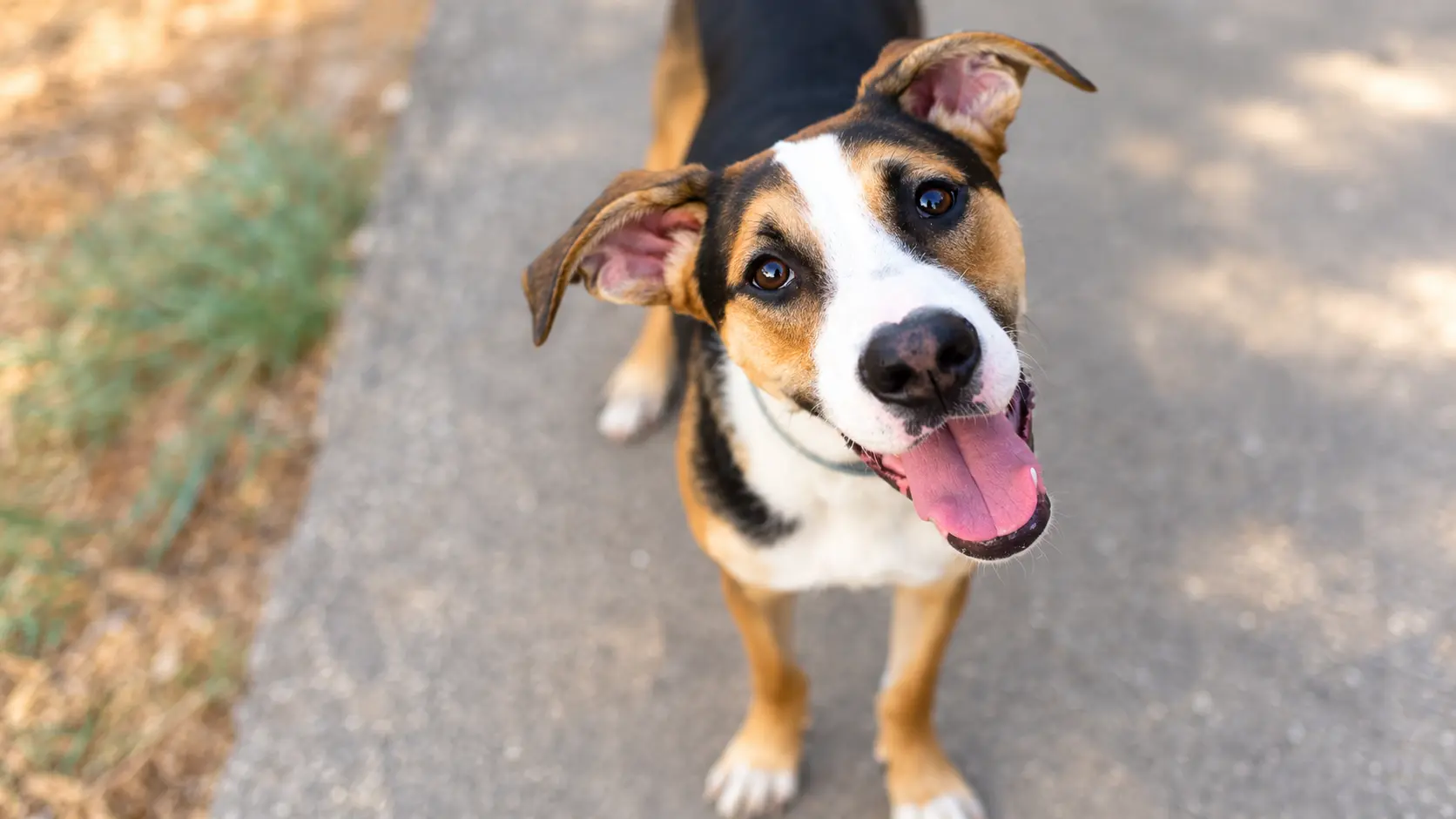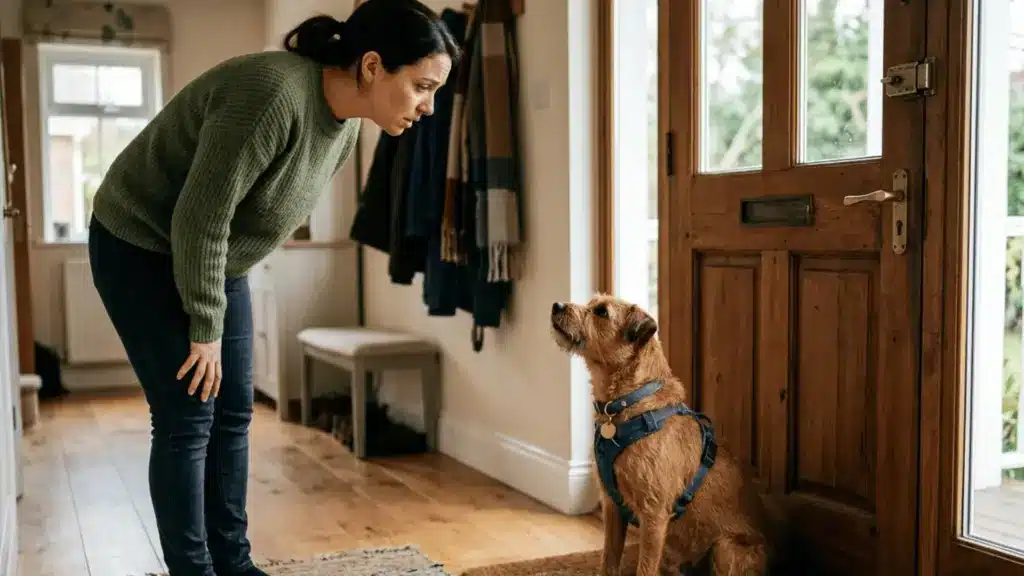
Noticing sudden changes in a dog’s bathroom habits can be worrying, especially when the signs seem unusual.
Frequent trips outside, small amounts of stool, or the presence of mucus often leave many dog owners unsure of what’s happening.
This is where many dog owners first encounter colitis, often without knowing what it really means or how serious it can be.
A condition characterized by inflammation of the large intestine. While it may look serious at first, not every case requires panic.
Some episodes are short-lived, while others may need closer attention. Understanding the difference is important for proper care.
This blog explains what colitis in dogs really means, the signs to watch for, the common triggers, and practical steps to help manage the condition effectively while keeping your dog comfortable and healthy.
What is Colitis in Dogs?
Colitis refers to inflammation of the colon, which is the final part of the digestive tract. This section of the intestine is responsible for absorbing water and storing waste before it leaves the body.
When inflammation occurs, the colon loses its ability to properly absorb water and regulate stool formation. This leads to a very specific type of digestive issue.
Unlike small intestinal problems, which often cause large volumes of diarrhea, colitis results in frequent, smaller stools. The stool may appear loose, watery, or mixed with mucus or blood.
For a thorough clinical overview of how this condition develops and what it means for your dog, AKC’s guide is a reliable place to start. It is important to understand that colitis is not always a disease on its own.
In many cases, it is a symptom of an underlying issue such as stress, diet imbalance, infection, or gut sensitivity. That is why identifying the root cause becomes essential for proper treatment.
Common Symptoms of Colitis in Dogs
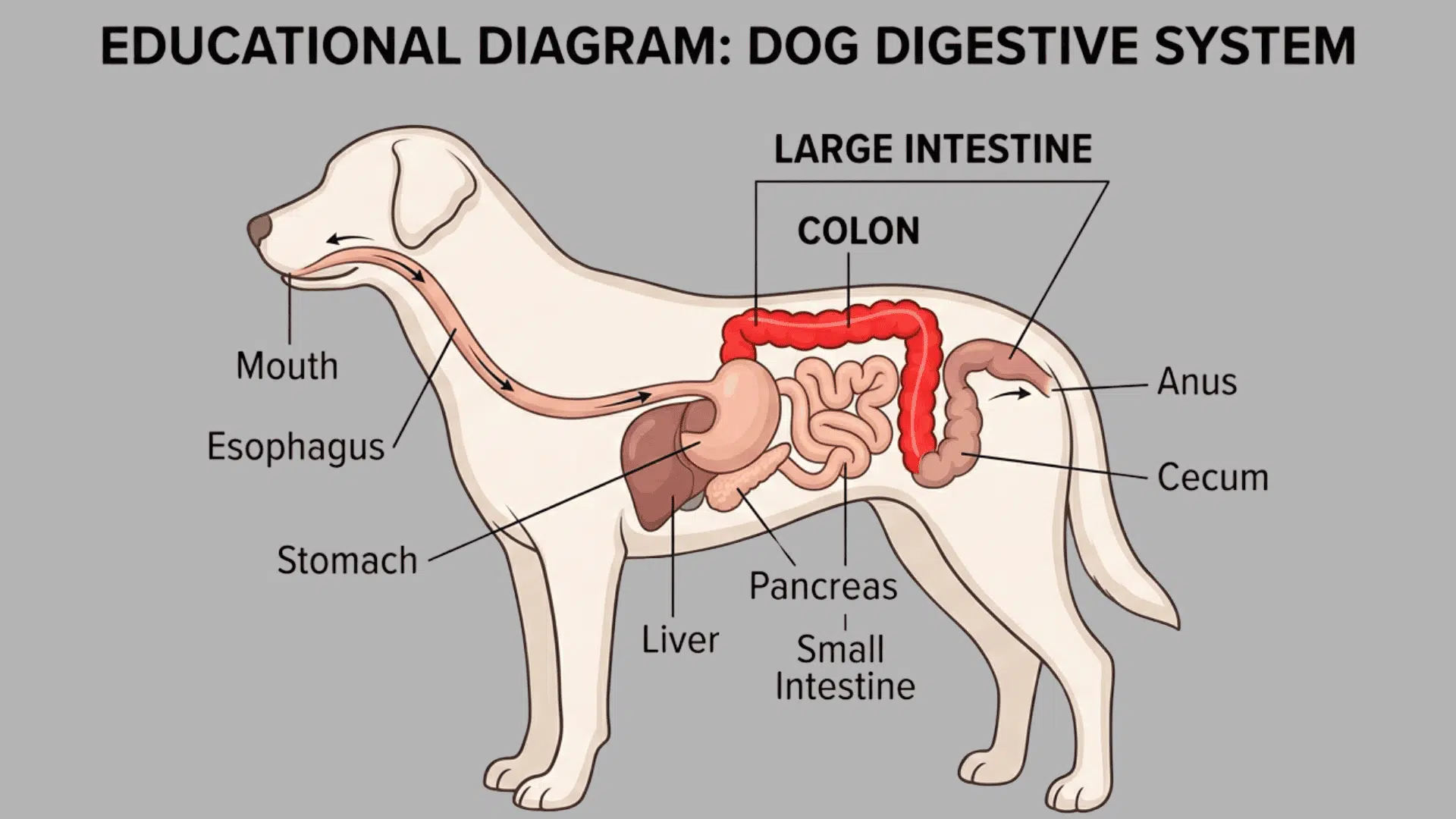
Recognizing the symptoms early can help prevent the condition from worsening. Many of the signs are noticeable in day-to-day behavior.
- Frequent attempts to pass stool, often with little output: Dogs may go outside repeatedly but pass small amounts, as colon inflammation creates a constant urge despite minimal waste.
- Loose, soft, or watery stool: Stool becomes soft, mushy, or watery because the inflamed colon cannot absorb water properly, leading to excess fluid in bowel movements.
- Presence of mucus, which gives the stool a slimy appearance: Mucus appears as a clear or whitish coating around stool, caused by the colon producing extra mucus in response to irritation.
- Bright red blood in stool, usually near the end: Small streaks of fresh red blood may appear toward the end of defecation due to irritation in the colon lining.
- Straining or discomfort during defecation: Dogs may strain, squat longer, or attempt repeatedly, as colon irritation makes passing stool uncomfortable and less effective.
- Sudden urgency leading to indoor accidents: Dogs may feel an immediate urge to relieve themselves and struggle to hold it, even if they are normally well-trained.
One of the most confusing aspects for dog owners is that many dogs still appear active and alert despite these symptoms. Appetite may remain normal, and energy levels might not drop immediately. This can make it difficult to judge how serious the situation is.
What Causes Colitis in Dogs?
Colitis can develop due to a variety of reasons. In most cases, it is caused by irritation or an imbalance in the digestive system. The colon is highly sensitive, and even minor disruptions can trigger inflammation.
Identifying the underlying cause is important because treatment often depends on what triggered the condition in the first place.
1. Stress
Changes in routine, new environments, or separation can affect digestion. Dogs are more sensitive to stress than many owners realize.
Events like traveling, boarding, moving to a new home, or even changes in daily routine can trigger digestive upset. This type of stress can directly impact the colon, leading to sudden inflammation and symptoms such as diarrhea and urgency.
Even positive changes, such as meeting new people or getting a pet, can sometimes trigger temporary colitis.
2. Diet Changes
Switching food too quickly can disrupt the gut. A dog’s digestive system needs time to adjust to new food.
Sudden changes can disturb the balance of gut bacteria, making digestion less efficient.
This often results in loose stools, gas, or irritation in the colon. Gradually transitioning to a new diet over several days helps reduce the risk of colitis.
3. Eating Inappropriate Items
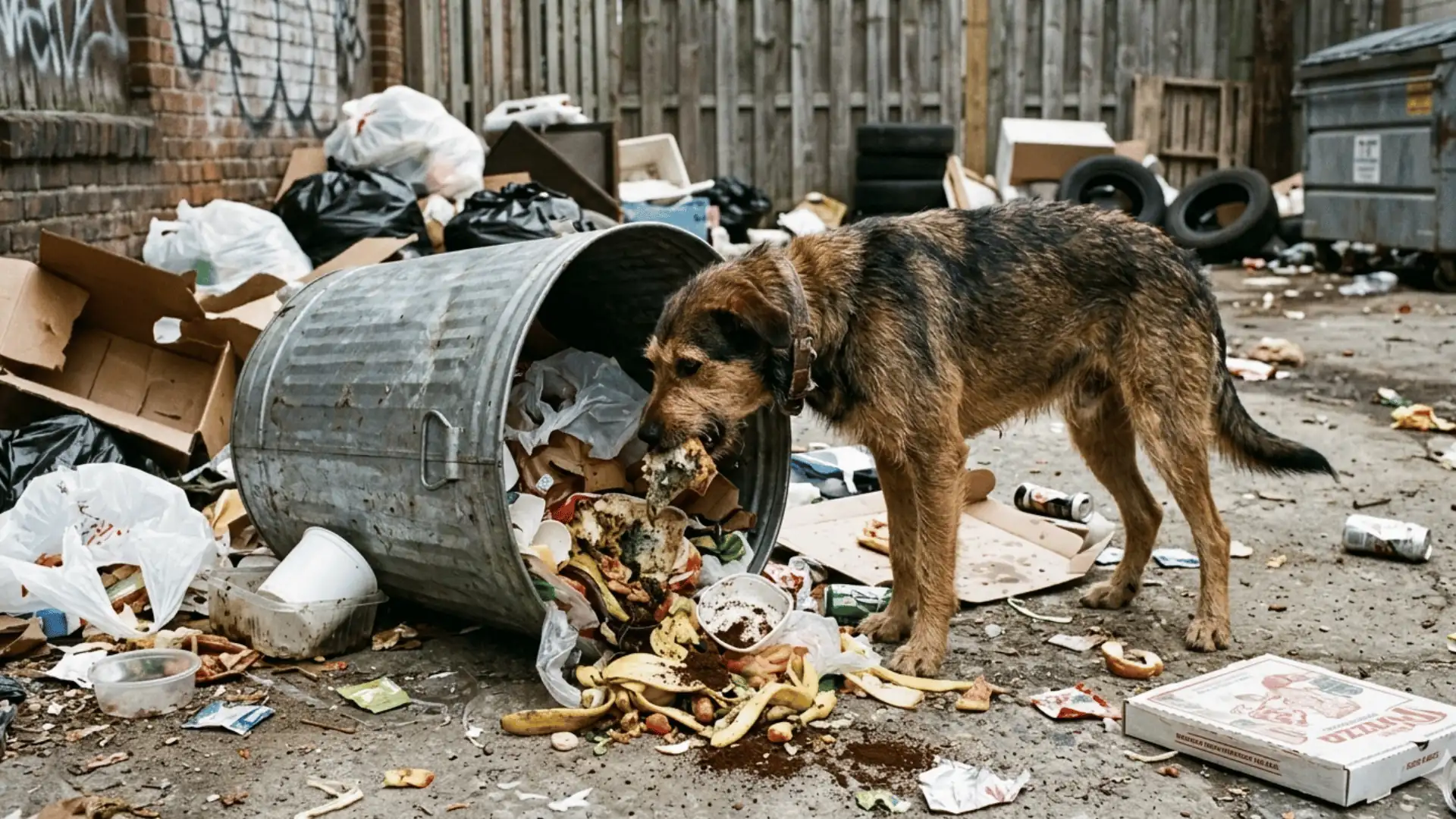
Garbage, spoiled food, or foreign objects.Dogs often explore the world through their mouths, which can lead them to eat things they shouldn’t.
Consuming garbage, spoiled food, table scraps, or even non-food items like plastic or grass can irritate the digestive tract. This irritation can quickly lead to inflammation in the colon and trigger acute colitis symptoms.
4. Parasites
Giardia, whipworms, and other intestinal parasitesare common causes of colitis, especially in younger dogs or those exposed to contaminated environments.
These organisms attach to the intestinal lining, causing irritation and inflammation.
Symptoms may include diarrhea, mucus in stool, and occasional weight loss if the infection persists.
5. Bacterial Infections
Harmful bacteria can irritate the colon. Certain bacteria, such as Salmonella or E. coli, can disrupt the normal balance in the gut.
When harmful bacteria multiply, they can inflame the colon, leading to symptoms such as watery stool and discomfort.
These infections are often linked to contaminated food or water, or to exposure to infected animals.
6. Food Allergies
Certain proteins or ingredients may trigger inflammation. Some dogs develop sensitivities to specific ingredients in their diet, such as chicken, beef, dairy, or grains.
These allergies can cause the immune system to react, leading to inflammation in the digestive tract.
Over time, repeated exposure to the triggering ingredient can result in chronic colitis symptoms that require dietary management.
Acute vs Chronic Colitis in Dogs: Key Differences
This table highlights the key differences between acute and chronic colitis in dogs, helping you quickly understand symptoms, causes, and the level of care required.
| Aspect | Acute Colitis | Chronic Colitis |
|---|---|---|
| Onset | Appears suddenly | Develops gradually |
| Duration | Short-term, usually a few days | Long-lasting, may continue for weeks or months |
| Symptom Pattern | Sudden diarrhea resolves quickly | Symptoms may come and go or persist |
| Dog’s Behavior | Dogs may still appear normal, but show sudden digestive issues | Dogs often seem normal between episodes, making it harder to detect |
| Main Triggers | Stress, travel, boarding, eating unusual items, sudden diet changes | Underlying issues like food sensitivities, gut imbalance, or inflammatory conditions |
| Digestive Impact | Temporary irritation in the colon | Ongoing inflammation affecting colon function |
| Gut Bacteria | Temporary disruption due to sudden changes | Long-term imbalance due to diet, infections, or medication use |
| Management | Simple care, stable routine, gradual diet transitions | Requires diagnosis, long-term diet control, and structured management |
Diet Tips for Managing Colitis in Dogs
Managing colitis often starts with simple adjustments at home. A simple and controlled diet plays a major role in helping dogs recover from colitis.
Easily digestible foods like boiled chicken and plain rice are often recommended because they are gentle on the stomach, allow the digestive system to rest, and still provide essential nutrients.
Adding pumpkin can further support recovery, as it is a natural source of fiber that helps regulate stool consistency by absorbing excess water in the intestines.
Feeding a simple, high-quality dog food with fewer additives and easily digestible ingredients can also reduce irritation in the colon and prevent further flare-ups.
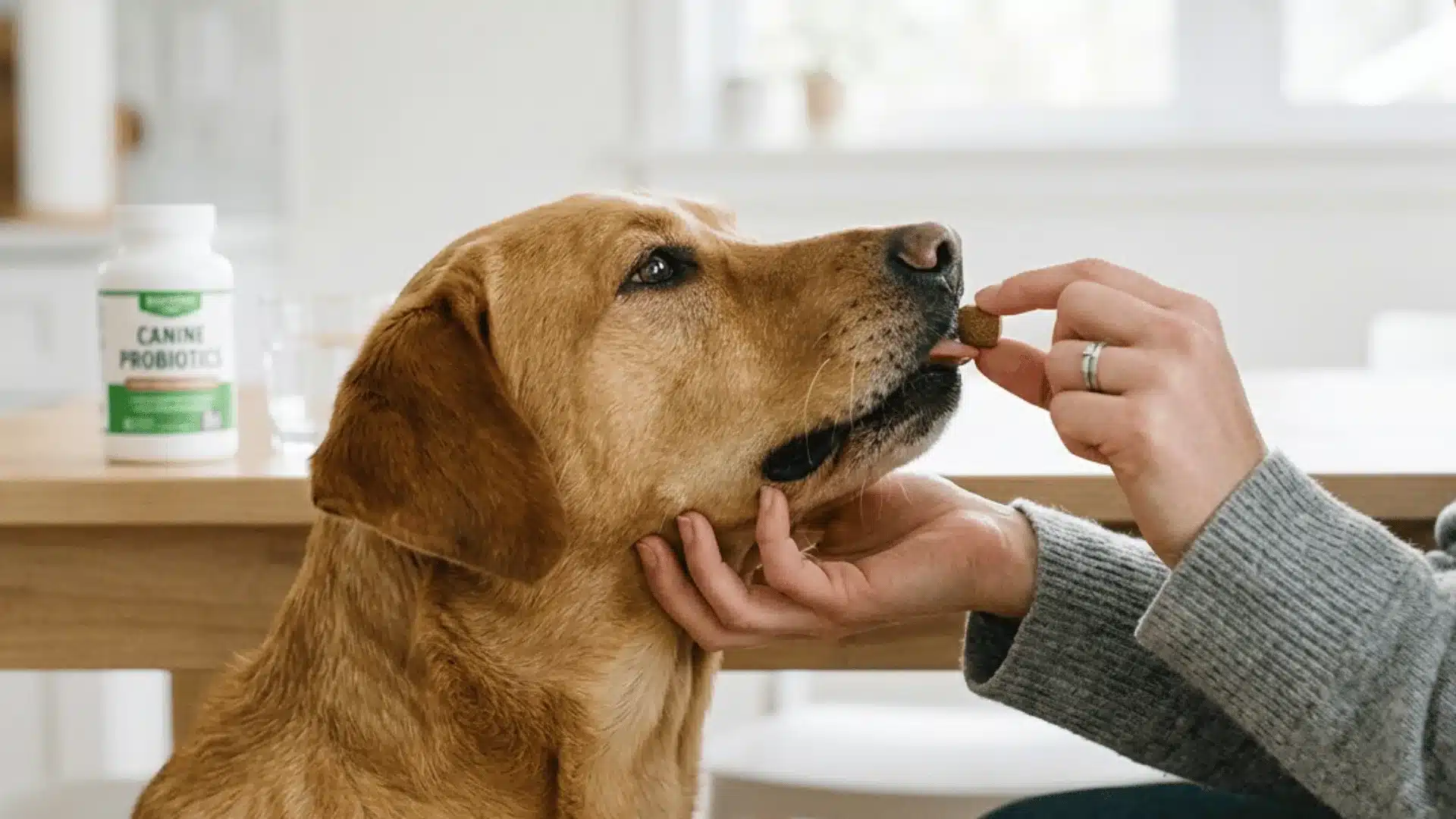
Along with dietary changes, probiotics are highly beneficial, helping restore the balance of healthy gut bacteria, improve digestion, and reduce inflammation over time.
When choosing between snack options, sticking to safe snack choices for dogs can make a real difference in keeping the digestive system calm during recovery.
Together, these steps create a supportive environment for the colon to heal and function more effectively.
When Colitis in Dogs Requires Veterinary Care
Knowing when to act is important, especially when dealing with digestive issues like colitis.
- Persistent symptoms: If diarrhea, mucus, or blood in stool continues for more than a few days without improvement, it may indicate a deeper underlying issue.
- Increased blood in stool: Small streaks can be common, but larger amounts or frequent bleeding require immediate veterinary attention.
- Signs of dehydration: Dry gums, low energy, or reduced appetite suggest fluid loss, which can quickly become serious if not treated.
- Vomiting or weakness: If colitis is accompanied by vomiting, lethargy, or unusual behavior, it may point to a more severe condition.
- No improvement with diet changes: If symptoms do not improve after switching to a bland diet, professional diagnosis and treatment become necessary.
Treatment Options for Colitis in Dogs
Treatment depends on the cause but generally focuses on reducing inflammation in the colon and restoring balance in the digestive system. Since colitis can be triggered by different factors, the approach may vary from simple home care to more structured medical treatment.
- Temporary fasting and bland diet: Short fasting can help reduce irritation, followed by easily digestible foods like boiled chicken and rice to support recovery and ease digestion.
- Fiber support for stool control: Adding fiber helps absorb excess water and improve stool consistency, with options like pumpkin or vet-recommended supplements supporting smoother bowel movements.
- Probiotics for gut balance: Probiotics restore healthy bacteria in the gut, improving digestion and reducing inflammation, which helps prevent recurring colitis episodes over time.
- Medications when required: In cases linked to infections or inflammation, vets may prescribe antibiotics or anti-inflammatory drugs to treat the root cause and relieve symptoms.
- Consistent feeding routine: Maintaining regular meal times and avoiding sudden diet changes helps stabilize digestion and reduces stress on the colon, lowering the risk of flare-ups.
Conclusion
Colitis in dogs can look concerning at first, but in many cases, it is manageable with the right approach and timely care.
Some episodes pass quickly, while others need closer attention, especially when symptoms repeat or worsen over time.
Understanding how your dog’s body reacts, along with making the right adjustments when needed, plays a key role in keeping their digestive health stable.
Consistency, observation, and early action often make a noticeable difference in recovery and comfort.
If symptoms continue or become more severe, getting veterinary advice ensures the root cause is properly addressed and prevents further complications.
Have you ever noticed sudden changes in your dog’s bathroom habits and wondered what caused them? Let me know your experience in the comments.
Frequently Asked Questions
Can Colitis in Dogs be Triggered by Weather Changes?
Yes, sudden weather changes can sometimes affect a dog’s routine and stress levels, which may indirectly trigger digestive upset, including colitis in sensitive dogs.
Is Colitis in Dogs Contagious to Other Pets?
Colitis itself is not contagious, but if it is caused by parasites or infections, those underlying causes can spread to other animals in close contact.
Can Exercise Affect Colitis in Dogs?
Yes, intense or irregular exercise can sometimes worsen symptoms, especially during flare-ups. Light, consistent activity is usually better while the dog is recovering.