Your dog has been lying on the couch for the past hour, and they are still breathing hard, no walk, no play, no heat. If you are asking yourself, “Why is my dog breathing heavy?” you are right to pay attention.
In my years of veterinary practice, I have seen heavy breathing dismissed as nothing and has turned out to be early heart failure.
I have seen panicked pet parents rush in after a dog simply ran around the yard in July.
A dog breathing heavily is not always an emergency, but it is always worth understanding.
This post will walk you through the most common causes, the warning signs that separate normal from serious, and a clear guide on when to pick up the phone and call your vet.
What is Considered Normal Breathing in Dogs?
Before you can spot your dog breathing heavy, you need a clear baseline.
As per the World Animal Foundation, a healthy dog at rest takes between 10 and 30 breaths per minute.
During exercise, that rate climbs dramatically. Dogs can breathe up to 10 times faster when physically active, which is completely expected.
The number to watch is what happens when your dog has been resting quietly for several minutes. It is also worth understanding why dogs pant in the first place.
Unlike humans, dogs do not sweat through their skin.
They regulate body temperature by breathing fast, allowing heat and moisture to evaporate from the tongue and upper airway.
So panting after a run or on a warm day is your dog’s built-in cooling system at work, not a cause for alarm.
Common Reasons Why Your Dog is Breathing Heavy
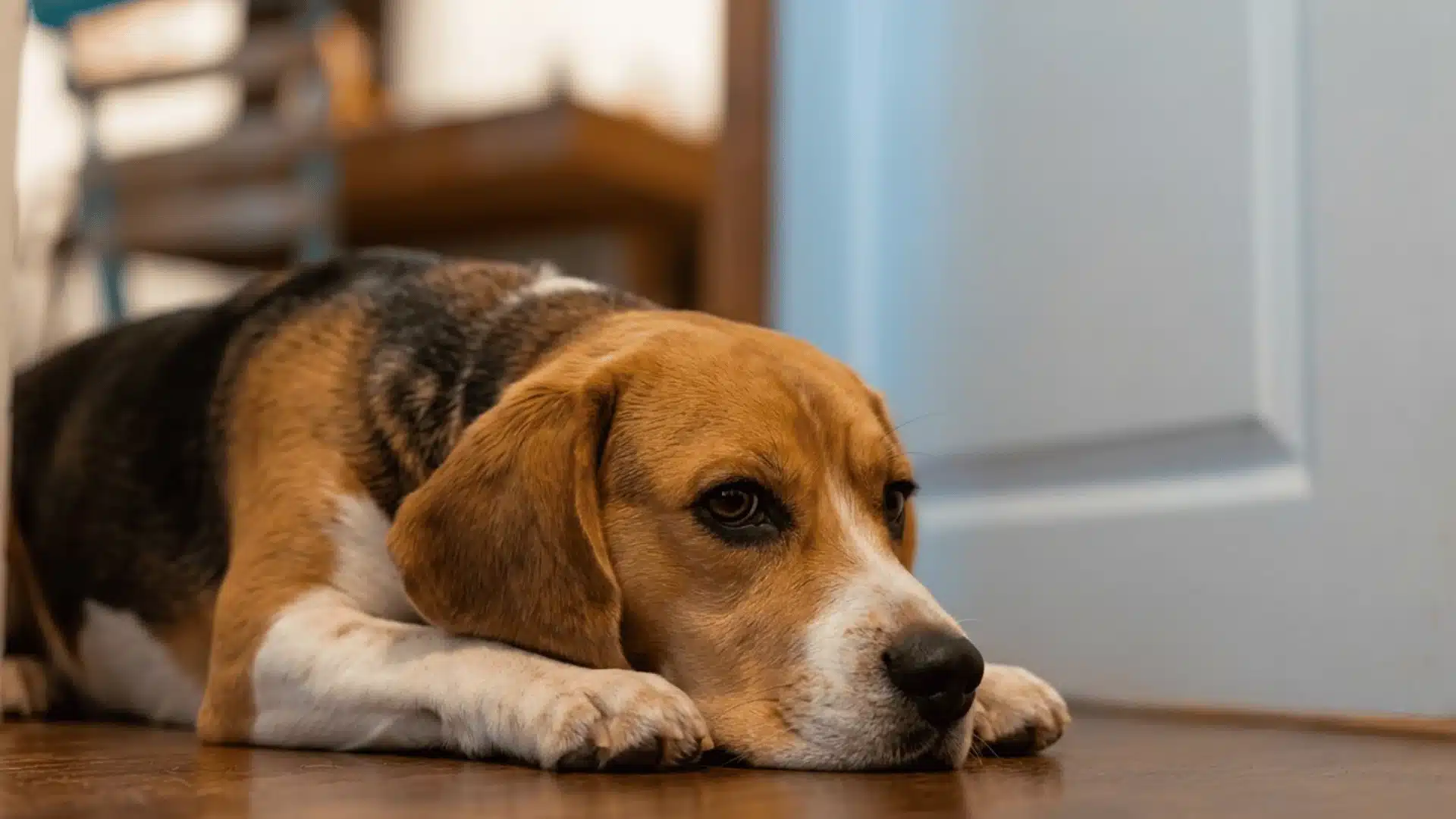
Not all heavy breathing comes from the same place. Understanding what is driving it is the first step toward knowing how seriously to take it.
1. Heat and Normal Physical Exertion
This is the most common and least alarming reason of dog breathing heavy.
After a run, a game of fetch, or time outside on a hot afternoon, dogs breathe heavily to bring their body temperature back down.
If your dog returns to a normal breathing rate within a few minutes of rest in a cool space, this is not a concern.
The problem arises when heavy breathing continues well past the point of exertion, or when it is accompanied by drooling, bright red gums, weakness, or disorientation.
2. Anxiety and Stress
Dogs breathe heavily when they are frightened or anxious. Thunderstorms, fireworks, car rides, veterinary visits, and new environments are all common triggers.
In these cases, the heavy breathing is a stress response rather than a sign of physical illness.
If your dog pants in specific situations and returns to normal once the stressor is removed, anxiety is likely the cause.
Identifying and gradually reducing these triggers, sometimes with the help of a certified trainer, is the most effective long-term approach.
3. Heart Disease
Heart conditions, including congestive heart failure, reduce the heart’s ability to circulate blood efficiently.
This can cause fluid to accumulate in or around the lungs, making every breath harder work than it should be.
Heart-related heavy breathing tends to worsen gradually over time and is more common in older dogs, though younger animals and certain breeds can be affected as well.
Watch for a combination of dog breathing heavily, persistent coughing, especially at night, reduced stamina during walks, and a swollen abdomen.
4. Respiratory Infections and Lung Disease
Infections involving the lungs or airways can cause labored breathing at any age.
Pneumonia, bronchitis, and fungal infections are among the conditions that may present with heavy or rapid breathing, sometimes alongside coughing, nasal discharge, and lethargy.
Collapsed trachea, a condition where the windpipe narrows and restricts airflow, is another respiratory cause, particularly in small breeds.
In my clinical experience, respiratory infections caught early respond far better to treatment than cases where owners waited several days hoping the symptoms would pass on their own.
5. Pain and Discomfort
Dogs often breathe faster when they are in pain, even when that pain has nothing to do with the respiratory system.
Orthopedic injuries, dental disease, abdominal discomfort, and urinary blockages can all trigger heavy breathing as the body responds to physical strain.
If your dog is breathing heavily and also seems reluctant to move, reacts when you touch a specific area, or is holding an unusual posture, pain is a strong possibility.
A thorough physical examination is the only reliable way to identify the source.
6. Brachycephalic Breeds and Airway Structure
Flat-faced breeds, including Bulldogs, French Bulldogs, Pugs, Boston Terriers, and Shih Tzus, are anatomically prone to breathing difficulty.
Their shortened airways create built-in airflow resistance, a condition called brachycephalic obstructive airway syndrome (BOAS).
These dogs breathe more heavily as a baseline, but that does not mean their symptoms should be ignored.
Any noticeable change in breathing pattern, increase in effort, or signs of distress in these breeds warrants veterinary attention sooner rather than later.
Warning Signs That Require Immediate Veterinary Care
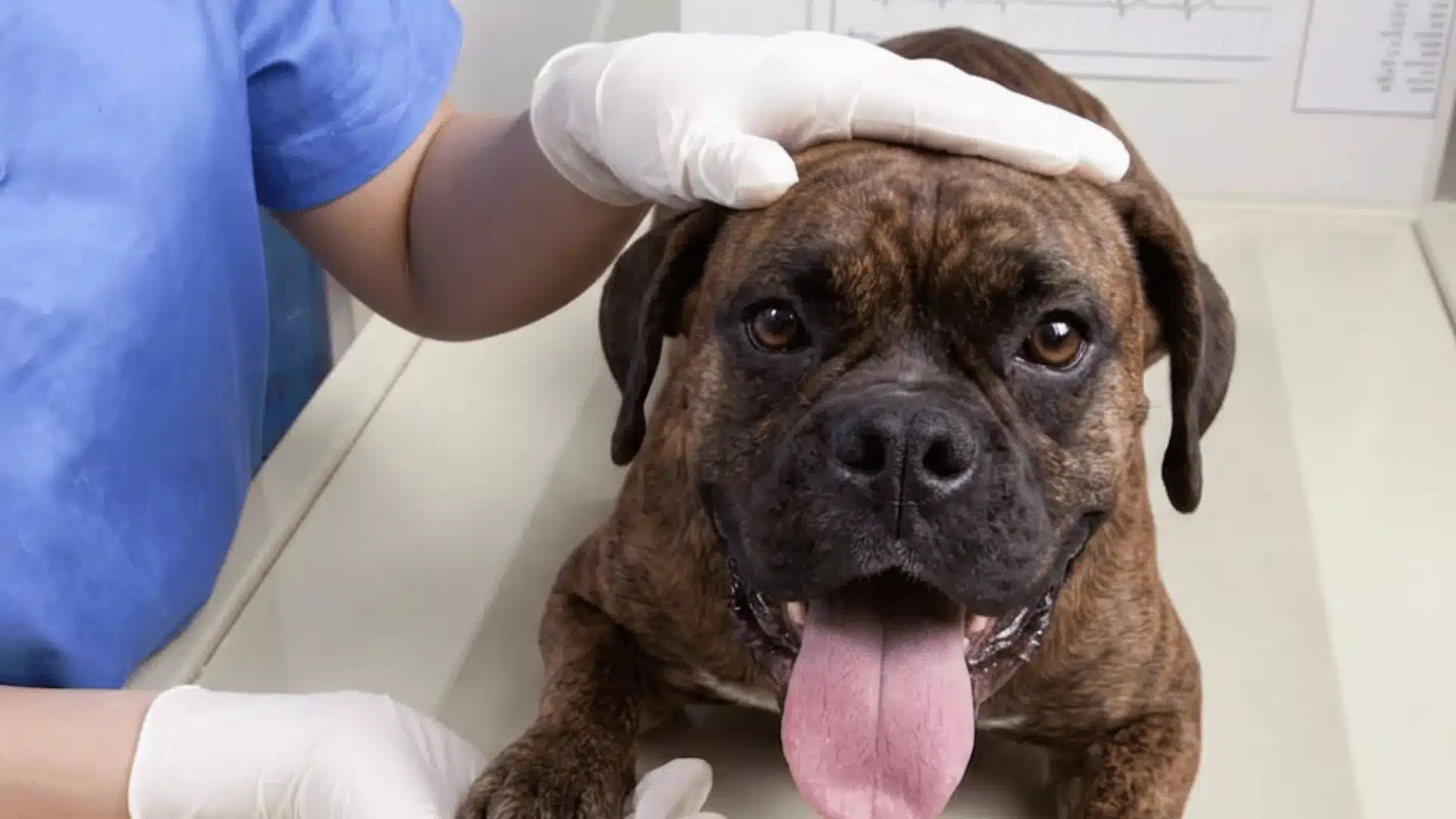
Most pet owners can tell when something feels off with their dog , and trust that instinct.
Beyond intuition, these are the specific signs that mean you should not wait until morning to call your vet. These situations call for emergency care right away.
- Blue, purple, or pale gums: This is a signal of a dog breathing heavily and not getting enough oxygen, and is a life-threatening emergency requiring immediate care.
- Breathing at rest with an open mouth when not hot: This pattern, especially if it is new, can indicate cardiac or pulmonary distress.
- Labored stomach breathing: If your dog’s abdomen is actively pushing outward with each exhaled breath, the lungs may be struggling to clear air normally.
- Collapse or sudden weakness: Any episode of collapse alongside breathing changes is an emergency without exception.
- Fluid from the mouth or nose: This can indicate fluid accumulation in the lungs and requires immediate attention.
- Breathing fast during sleep: A dog that consistently breathes more than 30 times per minute while sleeping should be evaluated promptly for underlying heart or lung disease.
What to Expect at the Vet for Heavy Breathing?
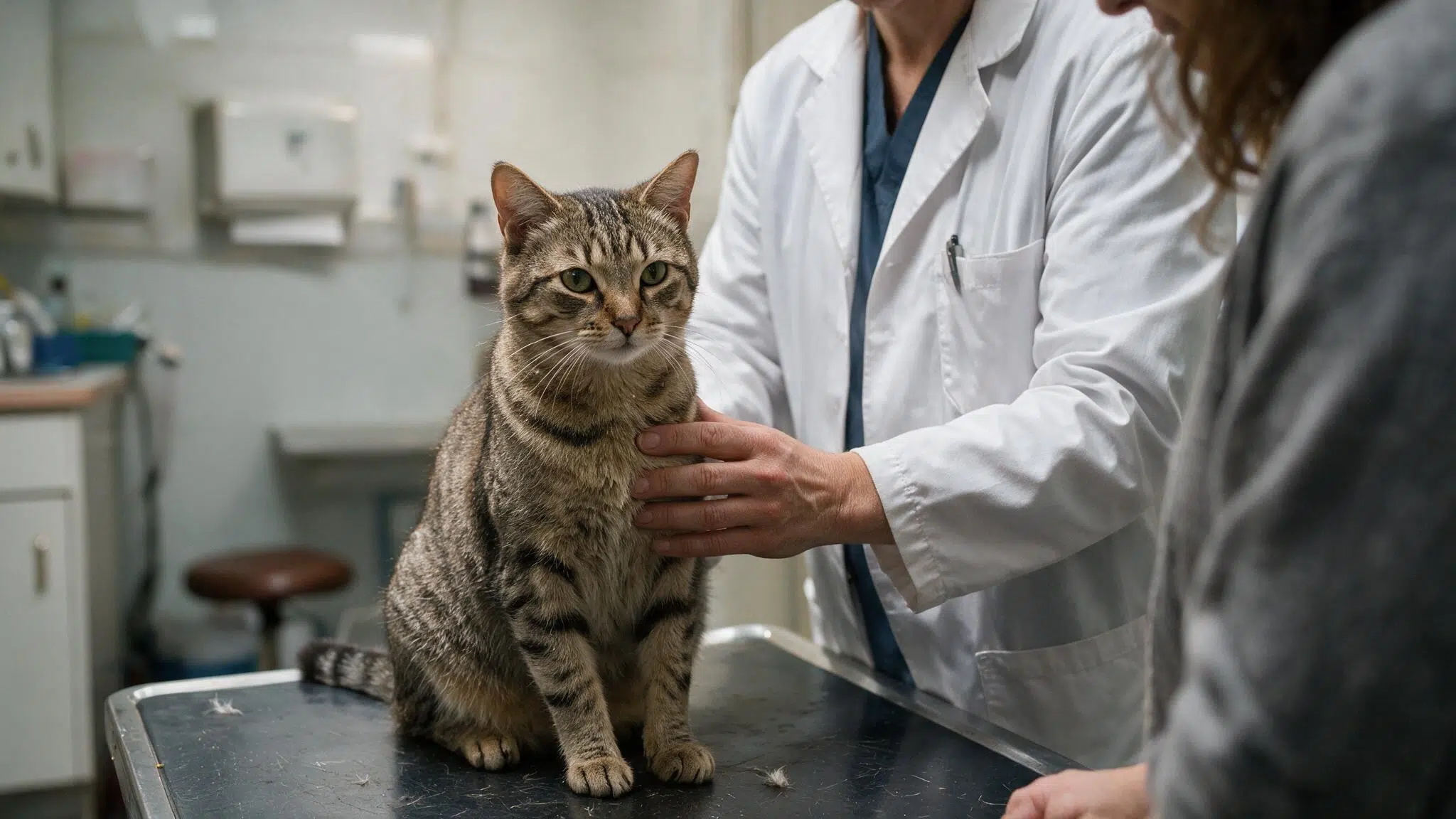
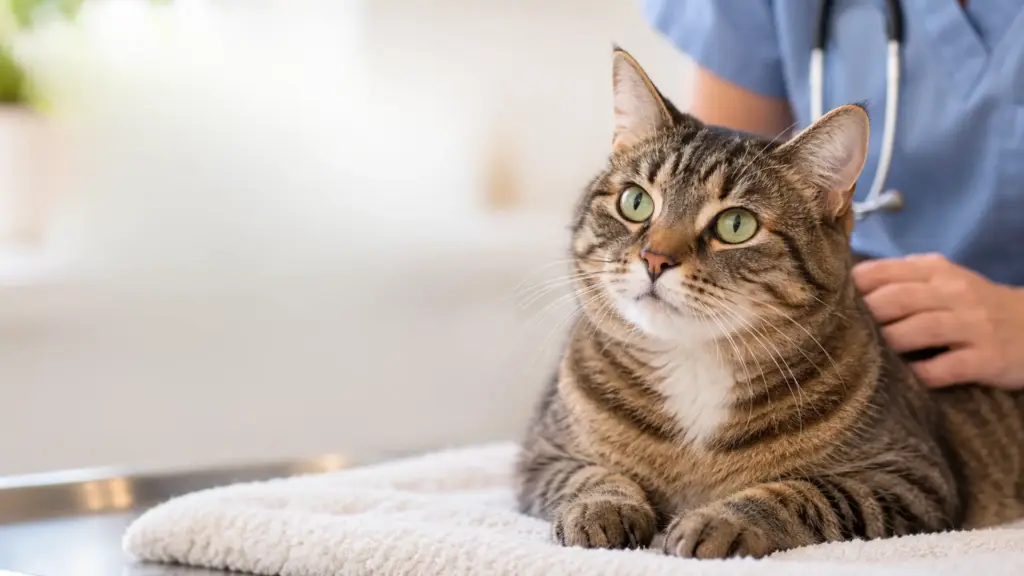
When you bring your dog in for heavy breathing, your veterinarian will begin with a thorough physical examination, listening to the heart and lungs, observing breathing effort and pattern, and checking gum color.
From there, the diagnostic path depends on what the initial exam reveals.
- Chest X-rays are one of the most common next steps. They can show fluid in the lungs, changes to the heart size, signs of infection, or masses in the chest cavity.
- Blood work helps evaluate organ function, check for anemia, and identify infection or inflammation. In some cases, an echocardiogram or ultrasound may be needed to assess heart function directly.
- An echocardiogram or ultrasound may be needed to assess heart function directly, particularly if cardiac disease is suspected.
It is worth knowing that if your dog is in respiratory distress when you arrive, your veterinarian may provide supplemental oxygen before running any diagnostics.
Stabilizing your dog’s breathing takes priority.
Treatment will be determined by whatever underlying condition is identified; this might range from antibiotics for an infection to medications for heart failure to behavior support for anxiety-driven breathing.
For dogs whose breathing difficulties relate to their physical structure, particularly small dog breeds with brachycephalic traits, your vet may discuss surgical options or long-term management strategies to improve airway function and quality of life.
Tips to Monitor Your Dog’s Breathing at Home
Keeping track of your dog’s baseline breathing gives you a reliable reference point when something seems off. These habits are simple to build and genuinely useful.
- Count breaths at rest: Watch your dog’s chest rise and fall for 60 seconds while they are lying down and calm. Do this on a regular day so you know their normal rate before any concern arises.
- Note the time of day: Heavy breathing at night or during sleep is more likely to signal a medical issue than heavy breathing after play.
- Watch for patterns: Is the breathing always happening after a specific trigger, like a storm or being alone? Or is it random and unpredictable? This distinction helps your vet narrow down the cause.
- Check gum color: Gently lift your dog’s lip and look at the gums. Healthy gums are pink and moist. Pale, white, gray, or blue gums are abnormal and need immediate evaluation.
- Film an episode: If your dog breathes heavily in a way that resolves before your appointment, a short video on your phone gives your veterinarian something concrete to work with.
- Track other changes: Reduced appetite, decreased energy, reluctance to exercise, or a new cough paired with heavy breathing are all details your vet will want to know.
Conclusion
Dog breathing heavy is one of those symptoms that deserves your full attention, not panic, but not dismissal either.
Most of the time, there is a clear and manageable explanation.
But because some causes are genuinely urgent, knowing the difference between normal panting and a warning sign is one of the most practical things you can do as a pet owner.
Watch your dog’s breathing rate at rest, know what their healthy baseline looks like, and pay attention to changes.
If your dog is breathing heavily without an obvious reason, especially at rest or during sleep, a call to your veterinarian is always the right move.
Have you ever noticed your dog breathing heavily and weren’t sure if it was normal or something serious? Share your experience or concerns in the comments below.
Frequently Asked Questions
Can Medications Cause Heavy Breathing in Dogs?
Yes, certain medications like steroids or pain relievers can increase breathing rate as a side effect. If heavy breathing starts after a new medication, consult your veterinarian for guidance.
Why is My Dog Breathing Heavily After Eating?
Heavy breathing after eating may occur due to a full stomach putting pressure on the diaphragm. In some cases, it could signal bloating or digestive discomfort that needs attention.
Can Allergies Cause Heavy Breathing in Dogs?
Allergies can trigger inflammation in the airways, leading to heavier or faster breathing. Environmental allergens like pollen or dust may also cause sneezing, itching, or watery eyes alongside breathing changes.