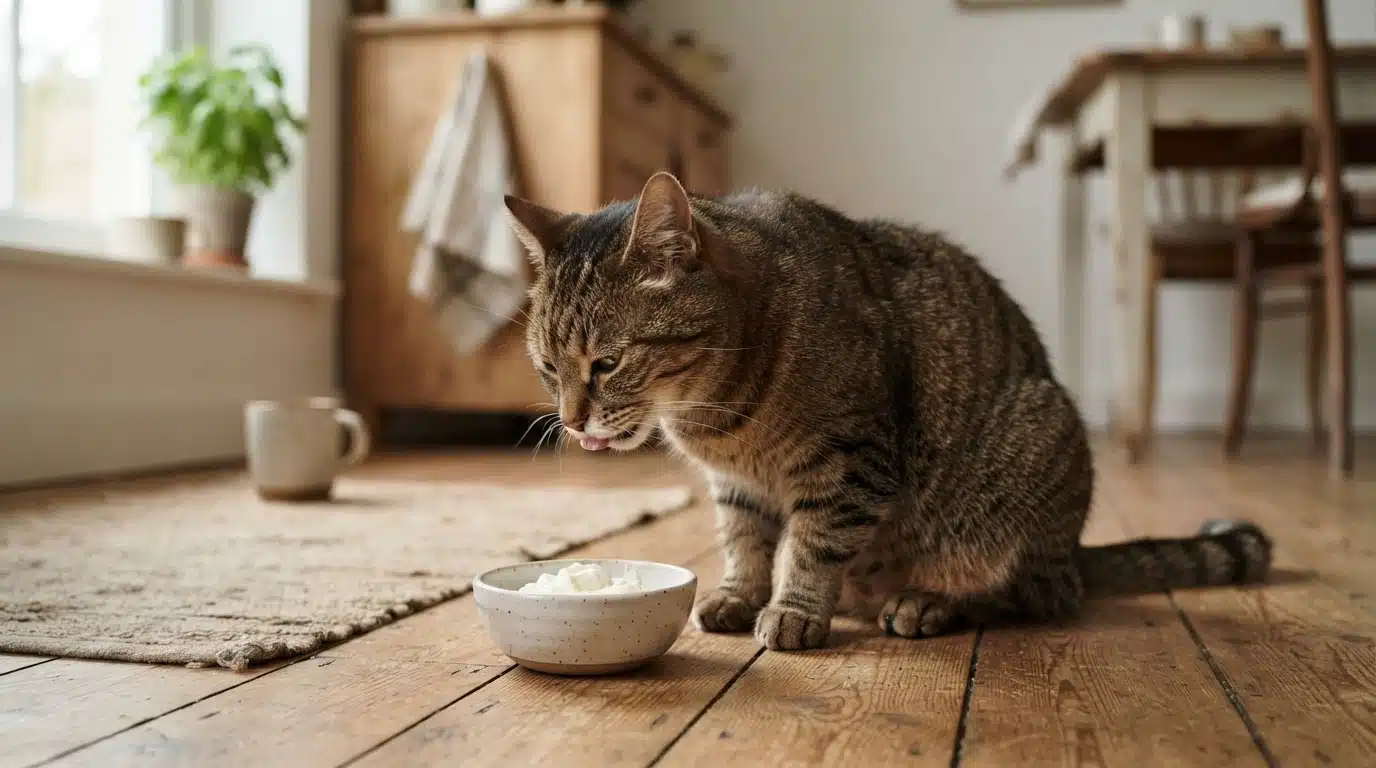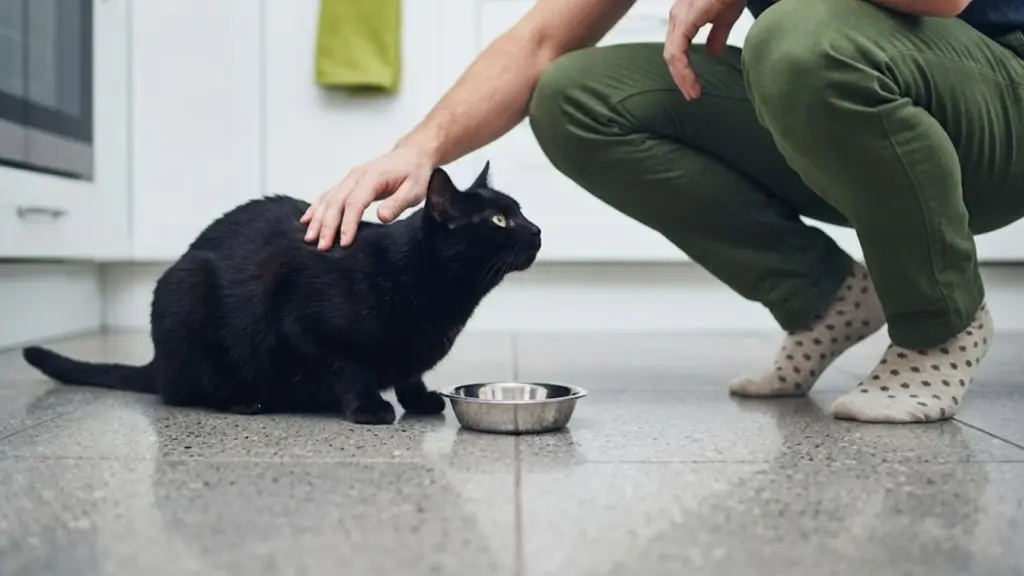
You might have paused in the kitchen and wondered if adding a little olive oil to your cat’s food could actually help.
It seems harmless, especially since olive oil already has a strong reputation as a healthy fat for humans. Somewhere in that thought comes the question: can cats have olive oil?
Many pet owners think about adding a small drizzle to deal with hairballs, dry skin, or slow digestion. Olive oil is not toxic to cats, and in very small amounts, it is generally safe.
Still, safe does not always mean useful, because most cats already get the nutrients they need from a balanced diet, so adding extra fat is not always necessary.
This topic goes beyond just safety, as it also looks at whether olive oil truly helps, what risks might come with it, and how to use it properly if you decide to include it in your cat’s routine.
Is Olive Oil Safe for Cats?
Yes, olive oil is safe for cats in very small amounts, but that does not mean it is something they actually need. A tiny lick or a small serving is unlikely to cause harm, since olive oil is not toxic.
That said, cats handle fats differently than humans do.
Cats are obligate carnivores whose bodies are designed to run on animal-based proteins and fats, not plant oils. Their metabolism is built around amino acid oxidation for energy rather than the glucose pathway that humans and dogs rely on.
Their liver also lacks sufficient quantities of the enzymes needed to properly detoxify terpenic acids and phenolic compounds found in olive oil, which means it is not processed efficiently and can accumulate with repeated use.
Even though olive oil contains healthy fats for humans, that benefit does not fully carry over to cats. This is where the difference matters: something can be safe without being useful.
If olive oil is offered, extra virgin olive oil is the better choice since it is less processed and retains more natural antioxidants.
Still, most cats on a balanced diet already get enough fat, so this should only be an occasional addition, not a routine.
Potential Benefits of Olive Oil for Cats
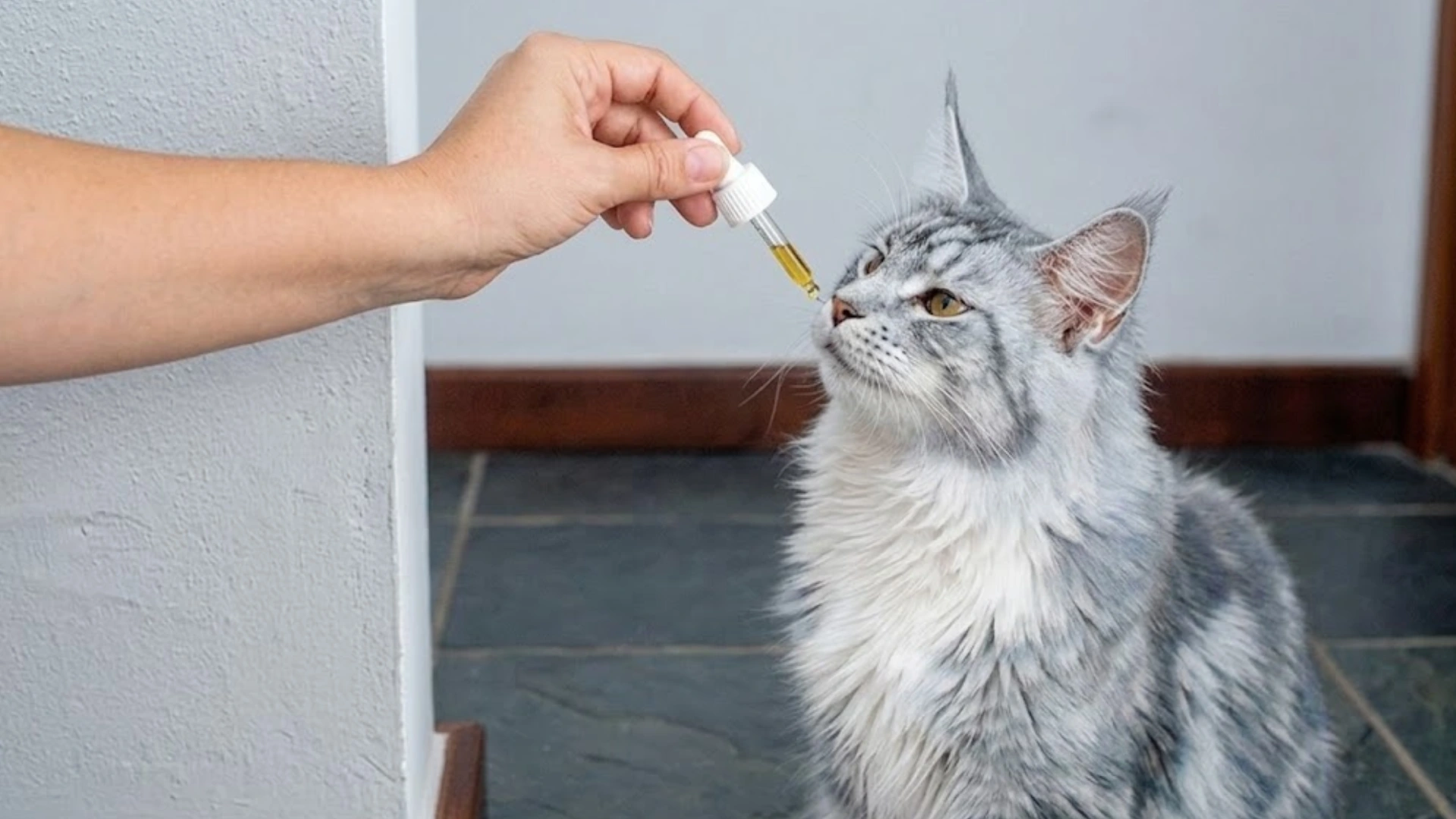
It can act as a light lubricant in the digestive system, helping food move more smoothly and sometimes easing mild constipation or occasional digestive discomfort.
For cats that deal with hairballs, a small amount mixed into food may help swallowed fur pass through the gut more easily.
However, clinical evidence for this use is limited, and dedicated hairball-control products tend to work more reliably. Olive oil should not be the first option for recurring hairball problems.
Still, hairball-control products tend to work better and are more reliable, so olive oil should not be the first option.
Some owners notice a slight improvement in coat texture, as the fatty acids can support a softer and shinier look. Olive oil also contains vitamin E and polyphenols, which have gentle anti-inflammatory effects.
These benefits are not strong and should not be treated as a solution. In many cases, improving the cat’s regular diet has a much bigger impact than adding any oil.
Risks of Giving Olive Oil to Cats
Olive oil may seem harmless, but careless use can lead to real health issues over time.
- High fat content and weight gain: One teaspoon of olive oil contains approximately 40 calories, and a 10-pound cat needs only around 200 calories per day. That single teaspoon accounts for roughly 20 percent of their daily intake while providing no protein or essential nutrients. Regular use can quickly lead to unhealthy weight gain.
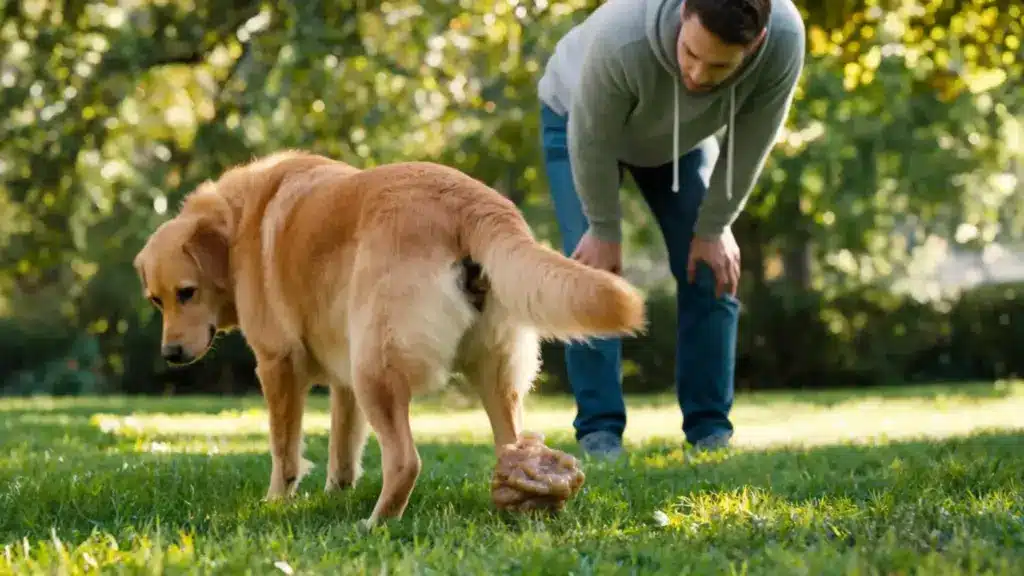
- Diarrhea or upset stomach: Too much olive oil can disturb digestion and cause loose stools, vomiting, or stomach discomfort in sensitive cats.
- Risk for cats with pancreatitis: Cats with pancreatitis should avoid olive oil, as high-fat intake can worsen inflammation and trigger serious complications.
- Overuse problems: Frequent use can disrupt nutritional balance and reduce appetite for regular food, leading to long-term dietary issues.
- Masking underlying issues: Using olive oil for recurring problems may hide deeper health or diet issues that need proper veterinary attention.
- Aspiration pneumonia risk: Giving oil directly by mouth can cause inhalation, leading to dangerous lung complications, so always mix it into food.
- Higher risk in kittens and seniors: Young and older cats process fats poorly, making olive oil riskier without proper guidance from a veterinarian.
- Topical use risk: Do not apply olive oil directly to your cat’s skin or coat. Cats groom themselves constantly by licking, so any topical application will be ingested, leading to the same digestive and caloric risks as oral use.
Alternatives to Olive Oil for Cats
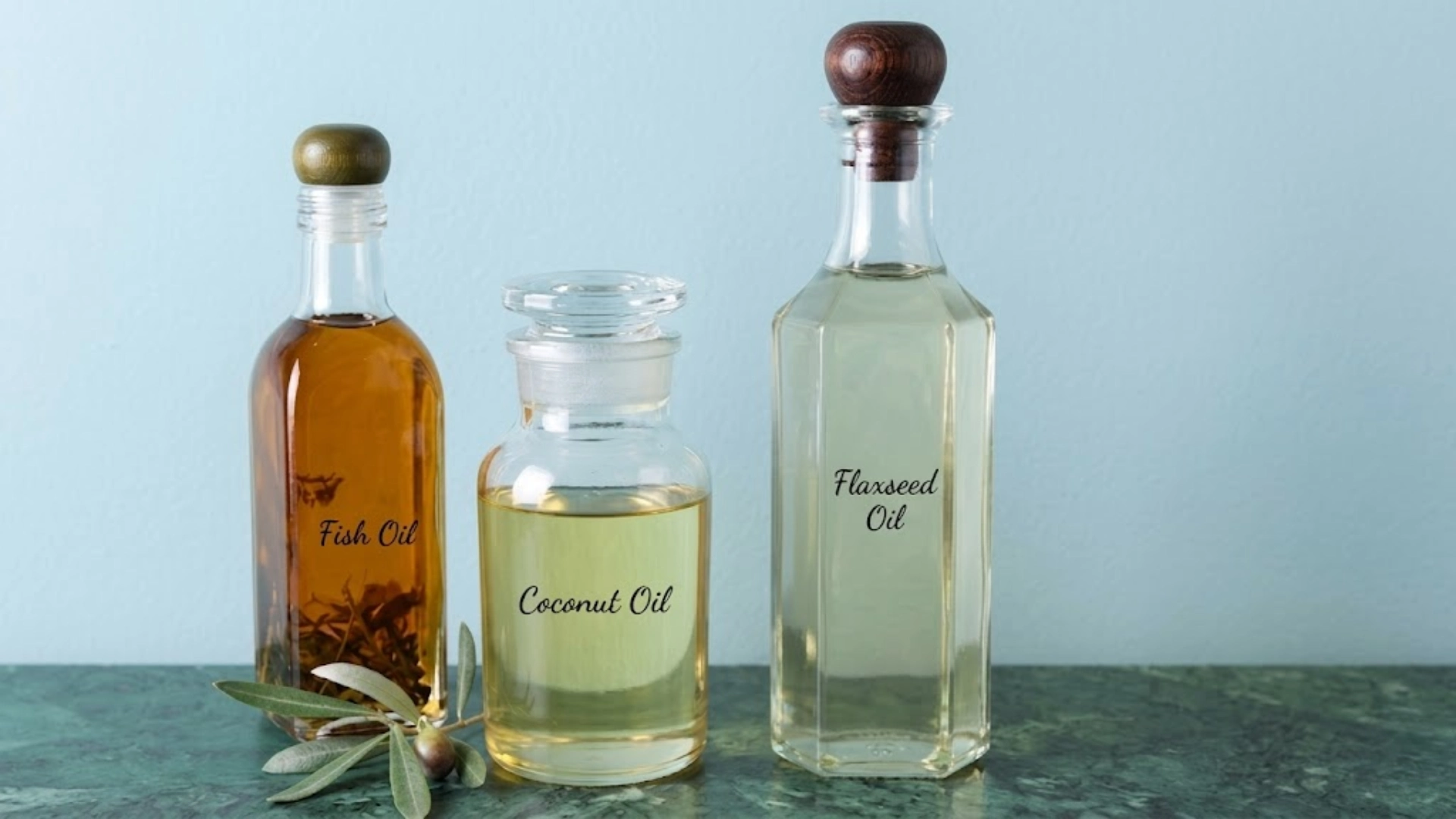
When olive oil doesn’t feel like the right choice, there are better, more suitable options that support a cat’s health more effectively.
1. Fish Oil
Fish oil is one of the most suitable supplements for cats because it provides omega-3 fatty acids, such as EPA and DHA, which directly support skin health, coat quality, joint function, and even heart health over time.
These fats come from animal sources, so they align closely with a cat’s natural diet and are easier for their body to use.
I have seen salmon oil improve coat shine and reduce dryness within a few weeks when used correctly. Pairing any supplement with a consistent feeding schedule also helps your cat absorb nutrients more effectively.
2. Coconut Oil
Coconut oil is safe for cats when given in very small amounts and contains medium-chain fatty acids that are easier to digest compared to many other fats.
It may help with dry skin, mild digestive issues, or slight coat dullness when used occasionally. I recommend starting with a very small amount since some cats may not tolerate it well.
It is still calorie-dense, so portion control is important to avoid weight gain or digestive discomfort over time.
3. Flaxseed Oil
Flaxseed oil is a plant-based source of omega-3 fatty acids and can offer some mild support for skin and coat health in cats.
However, cats are not efficient at converting plant-based omega-3s into the forms their bodies actually use, which makes it less effective than fish oil.
I treat it as a secondary option rather than a main supplement. It should be given occasionally and in small amounts to avoid upsetting the nutritional balance or adding unnecessary fat.
How Much Olive Oil Can Cats Have
If you decide to offer olive oil to your cat, keeping the quantity very small is important.
Most general guidance suggests no more than half a teaspoon for an average adult cat, and even that should be treated as a maximum limit, not a daily goal.
It is better to start with just a few drops mixed into food, especially if your cat has never had it before. This helps you see how their digestion responds before increasing the amount.
Frequency matters just as much as quantity. Giving olive oil once or twice a week is far safer than adding it every day. Even small amounts of extra fat can build up over time and affect weight and digestion.
To put it in perspective, half a teaspoon daily can add around 600 extra calories in a month, which is significant for an indoor cat.
I always suggest checking with a vet before adding anything new, since every cat reacts differently.
Should You Add Olive Oil to Cat Food
Adding olive oil to your cat’s food is not a simple yes or no decision.
In some cases, a very small and occasional amount may offer mild support, such as during temporary constipation, a dull coat, or frequent hairballs when no underlying health issue is present.
In these situations, a drop or two mixed into food once or twice a week can be a low-risk way to see if it helps. That said, olive oil is not suitable for every cat.
Cats that are overweight, have sensitive digestion, liver issues, or pancreatitis should avoid it completely, as extra fat can make these conditions worse.
I see olive oil more as a quick kitchen fix rather than a real solution. Better options like fish oil, improved diet quality, and added fiber tend to work more effectively and with fewer risks.
Checking with a vet before making changes is always the safer approach.
Signs Your Cat Is Not Tolerating Olive Oil
Not every cat reacts the same way, so spotting early signs can help prevent small issues from turning into bigger problems.
- Loose stools or diarrhea: Softer, more frequent, or watery stools after adding olive oil usually mean your cat’s digestive system is struggling to process the extra fat properly.
- Vomiting: If your cat vomits soon after consuming olive oil, even in small amounts, it clearly shows their stomach is not tolerating it well.
- Reduced appetite: A noticeable drop in appetite after introducing olive oil may signal nausea or digestive discomfort, causing your cat to avoid their regular meals.
- Lethargy or behavioral changes: If your cat becomes less active, withdrawn, or unusually tired after consuming olive oil, it may indicate internal discomfort or mild digestive distress.
- Greasy coat or skin irritation: Too much olive oil can lead to an oily coat or skin issues, showing a dietary imbalance rather than improving overall coat condition.
If any of these signs appear, stop giving olive oil immediately and do not reintroduce it without speaking to your vet first. Persistent vomiting, diarrhea lasting more than 24 hours, or lethargy in combination with any other symptom warrants a same-day call to your veterinarian.
Conclusion
Taking care of a cat often comes down to small daily choices, including what gets added to their food. Olive oil is not harmful in tiny amounts, but it is not something most cats actually need.
It falls into a middle ground where it is tolerated by many healthy cats in moderation, yet still unnecessary for those already eating a balanced diet.
The benefits are mild and can usually be achieved more effectively with better options, such as fish oil or improved food quality.
Cats with pancreatitis, weight concerns, kidney issues, or sensitive digestion should avoid it completely, while kittens and older cats need extra caution.
I would always look at the main diet first before adding anything extra, since that is often where the real issue lies.
If you have tried olive oil for your cat, share what happened in the comments and help others make a smarter choice.
Frequently Asked Questions
Can Kittens Have Olive Oil?
Kittens should not have olive oil without veterinary guidance. Their digestive systems are still developing, and extra dietary fat can cause diarrhea, disrupt nutritional balance, or interfere with normal growth during a critical phase.
What Happens if My Cat Licks Olive Oil Off the Floor?
A small accidental lick is unlikely to cause harm. Watch for loose stools or vomiting over the next few hours. If your cat consumed a larger amount, contact your vet for guidance rather than waiting to see what happens.
Can I Apply Olive Oil to My Cat’s Fur or Skin?
No. Cats groom constantly, so any topical application will be ingested. This creates the same digestive and caloric risks as oral use, with added potential for skin irritation. Use cat-specific coat products instead.