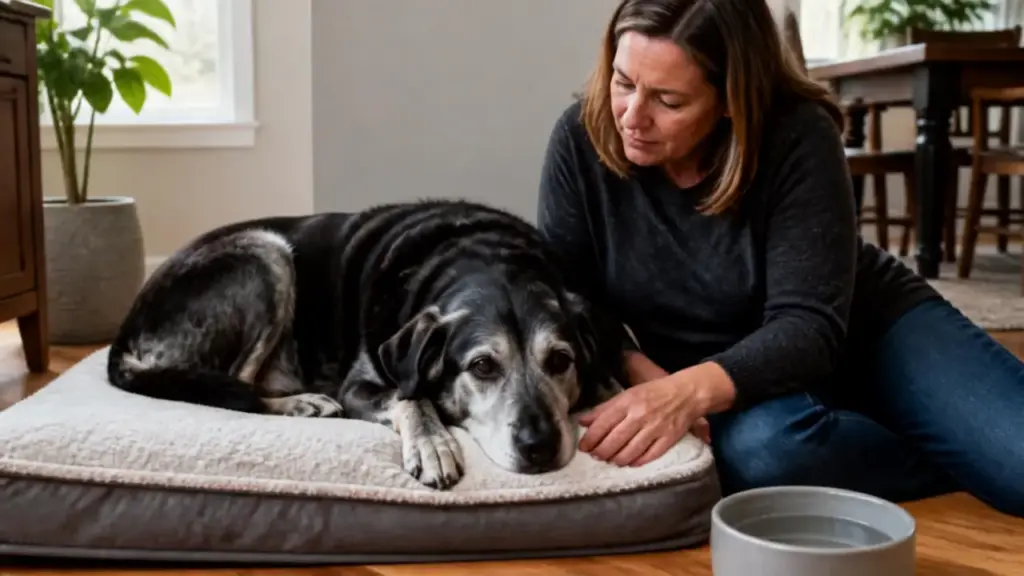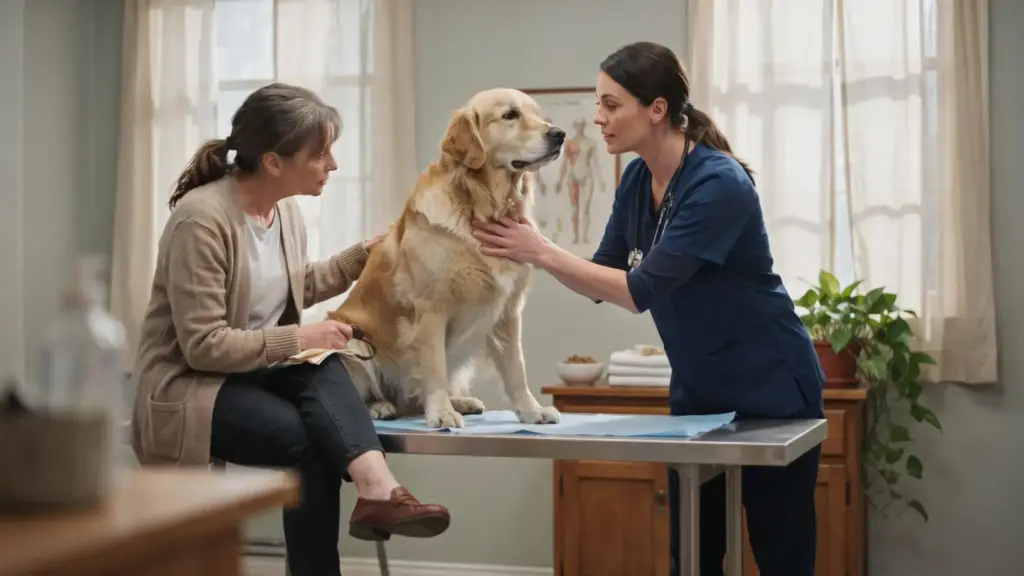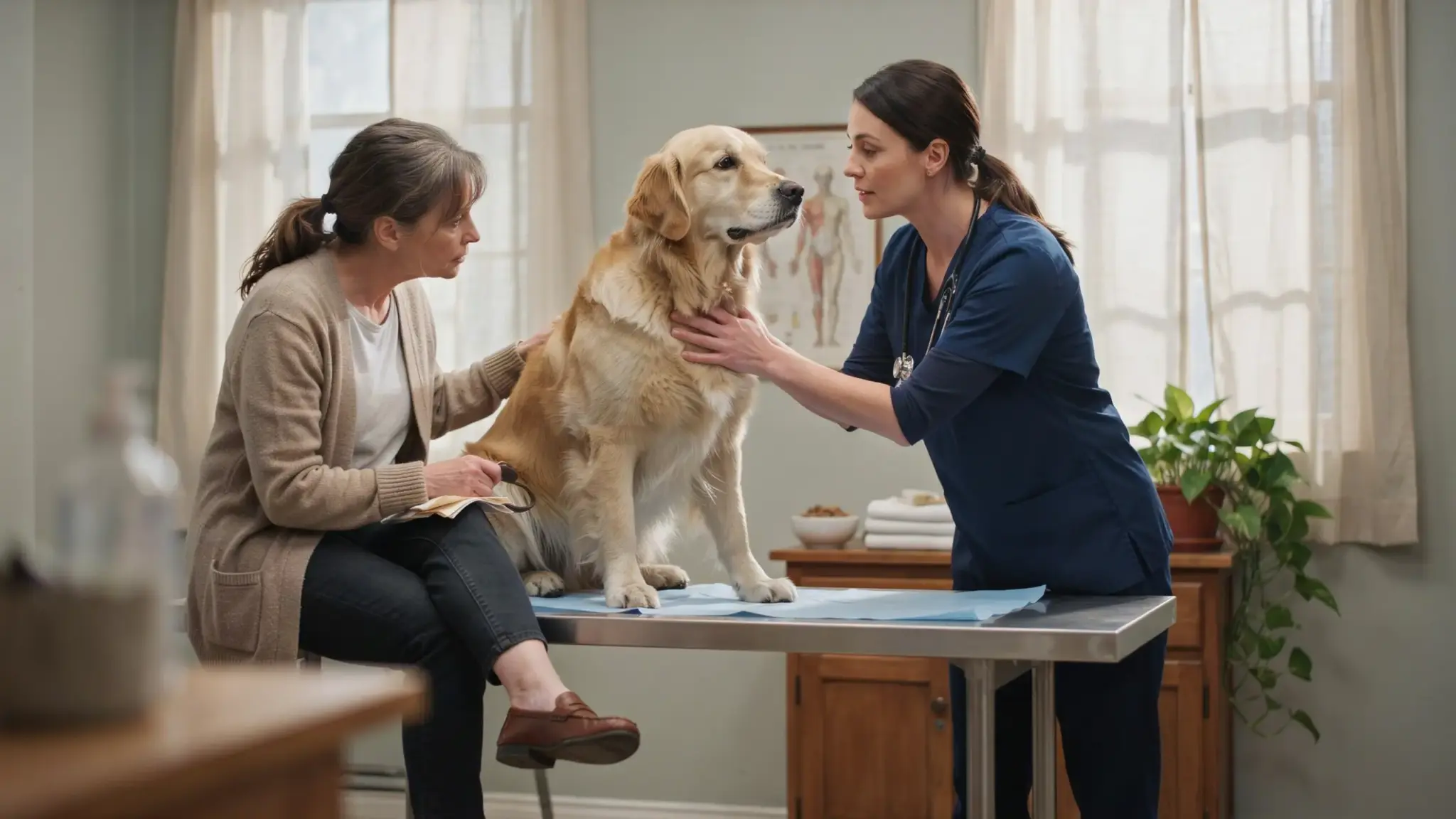



If your unspayed female dog has been acting even slightly off after her heat cycle, slower movement, increased thirst, or unusual discharge, do not brush it off.
What looks like a minor change can turn into a life-threatening emergency in just a few days, often before most owners realize something serious is happening.
What you may be dealing with is pyometra, a dangerous uterine infection in dogs that progresses rapidly and leaves very little room for delay once it takes hold.
I have seen this condition more times than I would like. It rarely starts with obvious signs. Most dogs come in when something feels “a little wrong.”
The ones that make it are the ones brought in early. The ones we lose are almost always the ones who waited, hoping it would pass on its own.
What is Pyometra in Dogs and Why is it So Dangerous?
Pyometra is not just a uterine infection; it is a rapidly escalating medical emergency that can turn critical in a matter of days.
After a heat cycle, bacteria, most often E. coli, can enter the uterus and multiply in a progesterone-driven environment that weakens its natural defenses.
As the infection progresses, the uterus begins to fill with pus, and if the cervix is closed, there is no way for that buildup to drain. What many owners do not realize is that pyometra develops over time, not overnight.
Repeated heat cycles gradually thicken the uterine lining through a condition called cystic endometrial hyperplasia, or CEH, creating the ideal setting for infection.
The danger becomes systemic when bacterial toxins enter the bloodstream, affecting vital organs like the kidneys and liver. About 1 in 4 older, unspayed female dogs develops pyometra.
Some breeds are simply more vulnerable. Golden Retrievers, Chow Chows, Rottweilers, and Bernese Mountain Dogs are more likely to present with this condition in clinical settings than other breeds.
Open vs. Closed Pyometra: What is the Difference?
This distinction matters clinically, and it should matter to you as an owner. Knowing which type your dog has affects how fast the situation escalates and how much time you have to act.
| Types | Open Pyometra | Closed Pyometra |
|---|---|---|
| Cervix | Open | Sealed shut |
| Discharge | Yes, foul-smelling, yellow, green, or reddish-brown | None |
| Danger level | Serious | More dangerous |
| Visible warning sign | Yes | No |
| Abdominal distension | Uncommon | Common |
| Risk of uterine rupture | Lower | Higher |
| How fast does it worsen | Slower due to drainage | Rapidly, toxins build in the bloodstream |
| Typical presentation | The dog feels sick, but has an outlet for infection | The dog crashes with little early warning |
In my clinical experience, closed pyometra cases tend to come in later and in worse condition, simply because there was nothing obvious to notice until the dog was already crashing.
What are the Symptoms of Pyometra in Dogs?
Symptoms typically appear two to eight weeks after the last heat cycle. Watch for:
- Increased thirst and urination, as bacterial toxins interfere with the kidneys’ ability to concentrate urine
- Lethargy and reluctance to move
- Loss of appetite or complete refusal to eat
- Vomiting or diarrhea
- A distended, tender abdomen
- Vaginal discharge in open pyometra only, which is foul-smelling, cloudy, or bloody
- Fever, though not always present in early stages
- Excessive self-grooming around the vulva, which owners sometimes overlook as normal behavior
One thing I always tell owners: do not anchor your concern to the discharge. I have seen dogs come in with closed pyometra who had none of it, just quiet lethargy and a bloated belly, their owners assumed was a digestive issue.
By the time they arrived, the infection was severe. If your dog finished a heat cycle in the last two months and is not quite right, that is reason enough to call your vet.
What Real Dog Owners Wish They Had Known Sooner

Many dog owners only learn about pyometra in dogs when it is already a serious problem.
One owner shared that they had always planned to spay their dog eventually, but never realized a condition like this could develop so suddenly.
Another rescued a small breed dog and assumed avoiding male dogs was enough to prevent complications, delaying surgery due to existing health issues.
Despite regular vet visits, pyometra in dogs was only caught by chance, highlighting how easy it is to miss. Others stress that pyometra in dogs is a strong reason to follow timely spaying recommendations.
If breeding is not planned, delaying the procedure can increase risk over time. These experiences all point to one thing: awareness matters, and early action can make the difference between a routine surgery and a life-threatening emergency.
How Do Vets Diagnose Pyometra in Dogs?
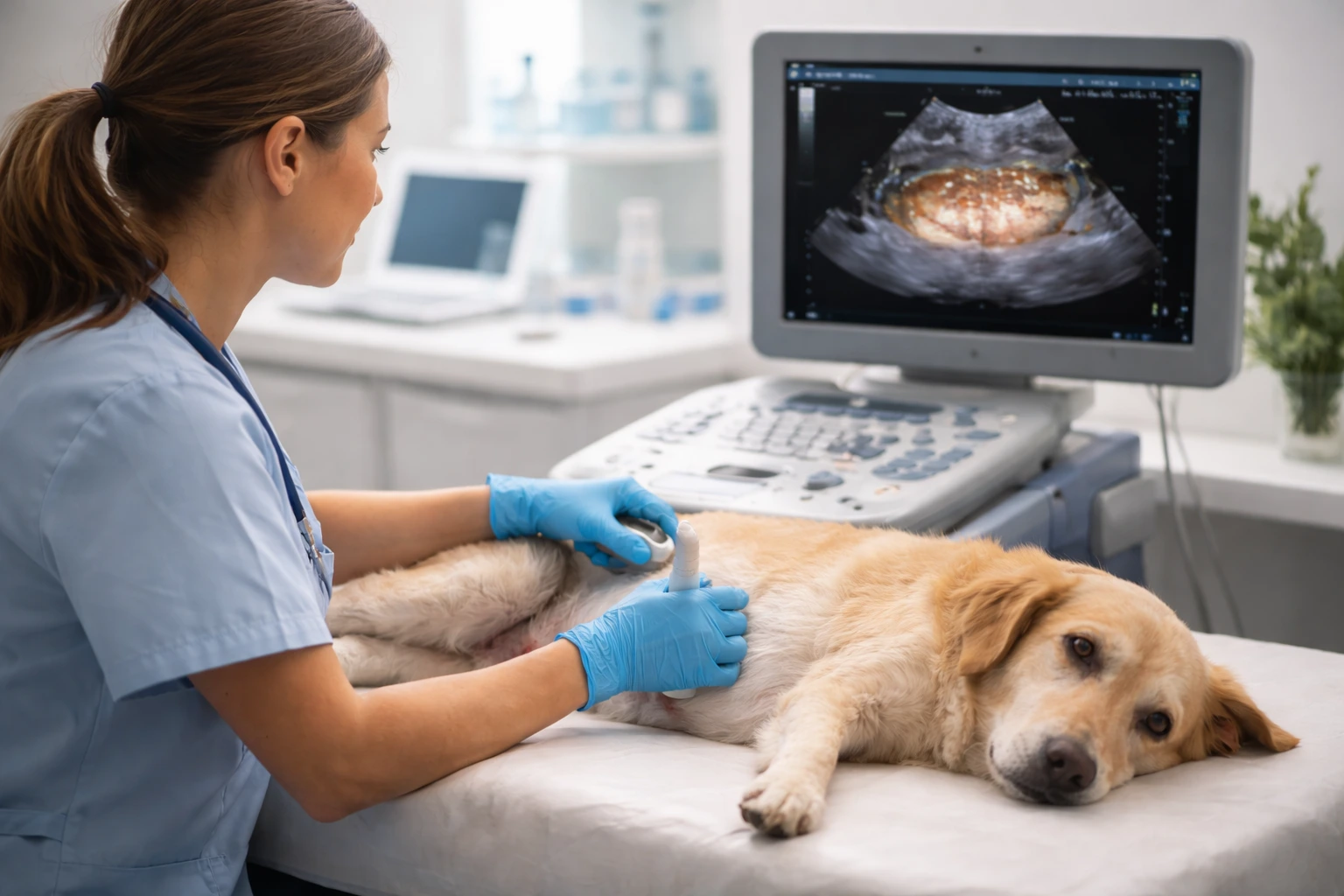
Your vet will combine a physical exam with diagnostics to confirm pyometra and rule out other conditions that cause similar symptoms, such as a urinary tract infection or diabetes.
Standard diagnostic steps include an ultrasound to identify a fluid-filled, enlarged uterus, blood work to check white cell counts and evaluate kidney and liver function, urinalysis to rule out a UTI, and sometimes X-rays when an ultrasound is unavailable or inconclusive.
Blood work in pyometra cases often shows a dramatically elevated white blood cell count, elevated globulins, and, in more advanced cases, compromised kidney values.
In my practice, these numbers do more than confirm the diagnosis. They tell us how much time we have and how aggressive we need to be going into surgery.
A dog with early-stage numbers is a very different surgical candidate than one who has been symptomatic for five days.
What is the Treatment for Pyometra in Dogs?
Pyometra treatment in dogs requires immediate action; surgery is the most reliable option, supported by proper medical care before and after the procedure.
- Emergency surgery: The most effective treatment for pyometra in dogs is an ovariohysterectomy, where the uterus and ovaries are removed to eliminate the infection completely.
- Pre-surgical stabilization: Dogs are often given IV fluids, antibiotics, and supportive care before surgery to stabilize vital functions and improve survival chances.
- Post-operative care: After surgery, most dogs require antibiotics for one to two weeks, along with rest, limited activity, and follow-up vet checks to ensure proper recovery.
- Medical management (limited cases): In rare situations, usually for breeding dogs with open pyometra, hormonal therapy may be used, but it carries higher risks and a strong chance of recurrence.
- Urgency of treatment: Delaying treatment can lead to sepsis, organ failure, or uterine rupture, making early intervention critical for survival.
What Happens if a Pyometra in Dogs Goes Untreated?
This is the question most people are searching for an honest answer to. Here it is: without treatment, pyometra is fatal.
The timeline varies, but bacterial toxins continue to damage organs, the uterus may rupture, and sepsis sets in. Most untreated dogs will not survive beyond a few days to a week once symptoms become visible.
The infection does not stay contained. It moves through the bloodstream the same way it does in any
infected dog wound left untreated, except here the source is internal and there is no visible sign to catch it early.
The cost of surgery is often what causes owners to hesitate. Emergency pyometra treatment can range from around $1,500 to over $5,000, depending on how advanced the condition is, the dog’s size, and your geographic location.
It is a significant expense. But waiting makes the surgery more complex, the hospitalization longer, and the outcome less certain. Acting on day one is almost always cheaper and safer than acting on day five.
Conclusion
Pyometra in dogs is one of those conditions that is almost always preventable but turns dangerous faster than most owners expect.
The signs are easy to miss, the window to act is short, and the cost of waiting is almost always higher than the cost of acting early.
If your unspayed female dog has finished a heat cycle in the last two months and something feels off, call your vet that day. Do not hold out for obvious symptoms.
By the time a dog with closed pyometra looks critically ill, she may already be in serious trouble.
I hope this gave you a clearer picture of what to watch for and why timing matters so much. If you found this useful, take a look at my other blogs on dog health and feel free to share your thoughts in the comments.
Frequently Asked Questions
What Causes Pyometra in Dogs?
Pyometra is caused by hormonal changes after a heat cycle. Rising progesterone thickens the uterine lining, creating an environment where bacteria, usually E. coli, can multiply unchecked, leading to a dangerous pus-filled infection in the uterus.
How to Avoid Pyometra in Dogs?
Spaying your dog is the most effective way to prevent pyometra entirely. Dogs spayed before their first few heat cycles carry no risk. If your dog is a breeder, monitor her closely after every heat cycle.
What Breeds are Most Susceptible to Pyometra in Dogs?
Any unspayed female dog can develop pyometra, but Golden Retrievers, Bernese Mountain Dogs, Chow Chows, and Rottweilers appear more predisposed. Age and repeated heat cycles without pregnancy also raise the risk.