

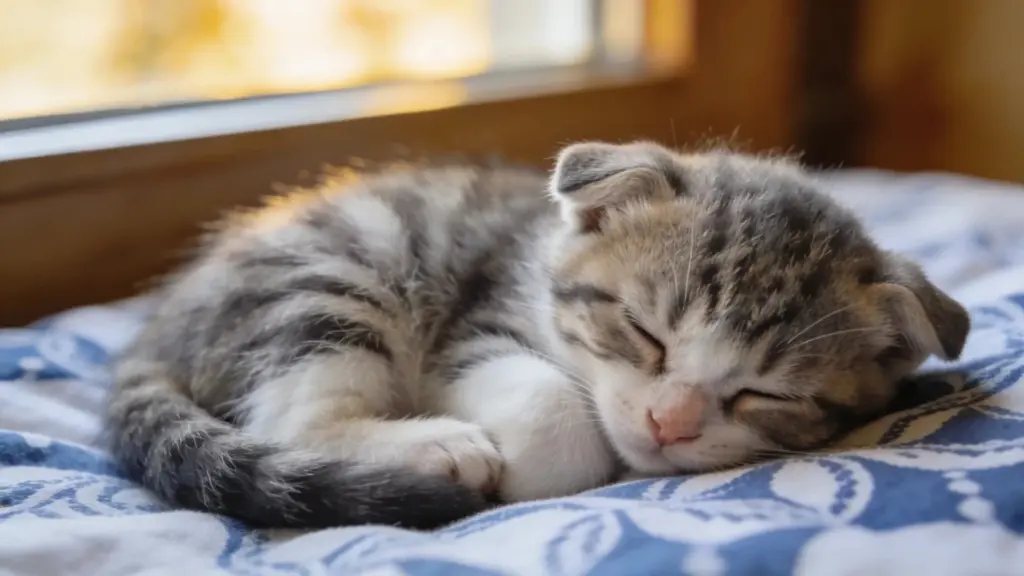
That first tiny eye slit can make you excited, worried, and weirdly proud, especially when the kitten still looks so fragile.
Tiny movements, soft sounds, and slow changes during those early days often make every moment feel important for new kitten owners.
You may see one eye open first, a thin slit appear, or both eyes stay sealed a little longer than expected.
I will explain when kittens open their eyes, what normal kitten eye development looks like, and when something needs a vet.
You will also learn about eye color changes, newborn kitten eye problems, safe care steps, and the next milestones after vision begins.
Before stressing over every tiny squint, let us first understand why kittens are born with their eyes shut.
Why are Kittens Born with Their Eyes Shut?
Kittens are born after a gestation period of about 63 to 65 days, but they are what biologists call altricial animals, which means they arrive in an early developmental stage and depend fully on their mother to survive.
According to FOUR PAWS, neonatal kittens are also born blind and deaf, and their sensory systems develop quickly during the first two to three weeks after birth.
- Protection: Their eyes stay sealed to block dust, germs, and harsh light that could damage sensitive tissues still forming under the lids.
- Development: The retina and optic nerve are not ready at birth, so the closed lids give them time to grow safely.
- Survival design: Cats have shorter pregnancies, so kittens arrive sooner and depend fully on their mother for warmth, food, and protection.
- Natural timing: The body opens the eyes only when the structures inside can handle light and basic visual signals safely.
- Low stimulation: Early darkness helps the brain build proper eye connections without overload, which supports healthier vision later on.
When Do Kittens Open Their Eyes?
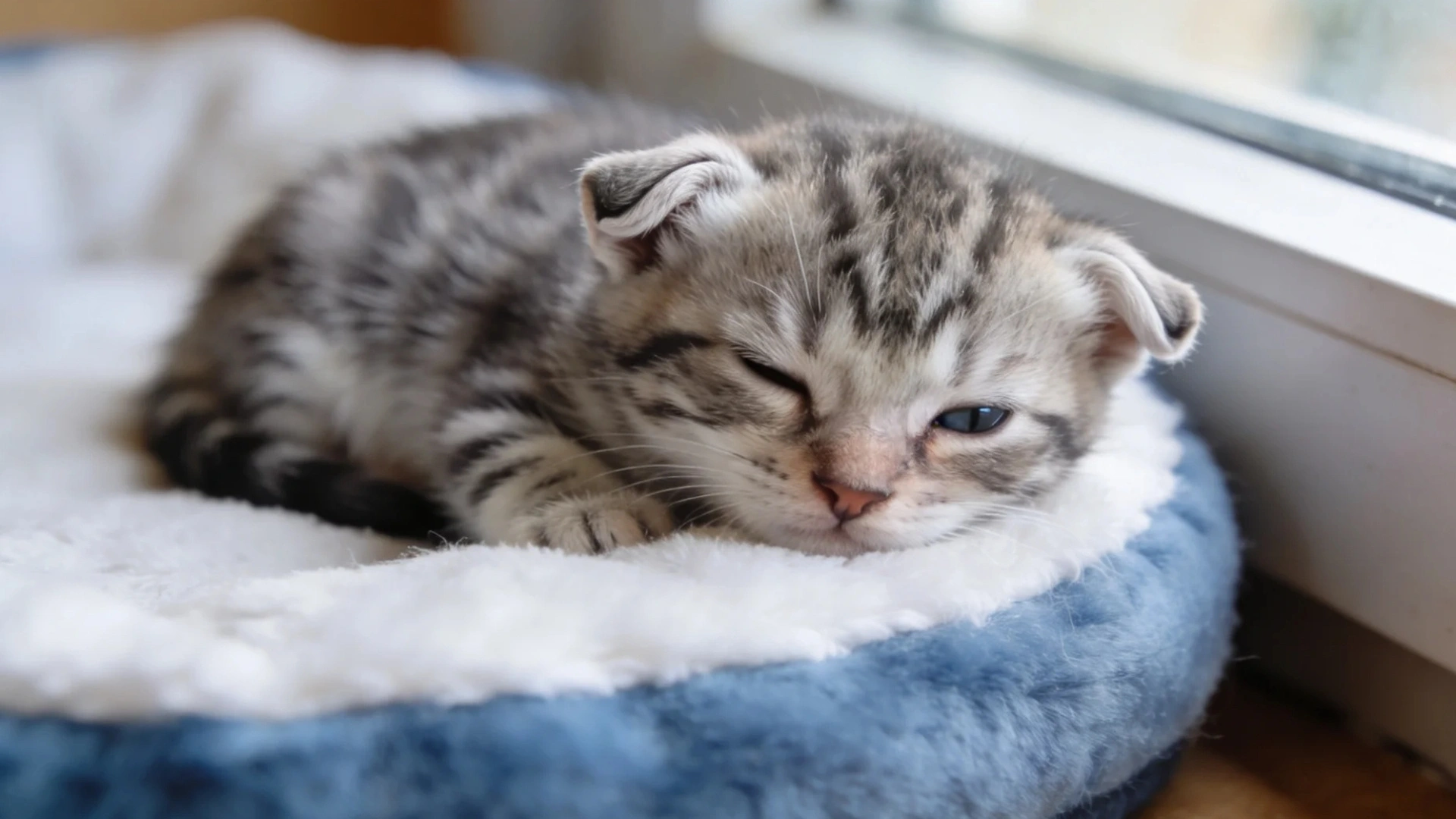
Most kittens open their eyes between 2 and 16 days after birth, and this range is considered completely normal for healthy development.
The process does not happen suddenly, so you will usually notice a thin slit forming first instead of fully open eyes right away.
Over the next 2 to 3 days, that small opening slowly widens as the eyelids separate naturally without any help.
One eye may open earlier than the other, and that uneven look often worries people, but it is very common.
Some kittens may also keep their eyes partly closed for a short period while adjusting to light and movement around them.
From a clinical point of view, slight delays are not a concern unless there is no change at all after the second week.
Focus on gradual progress rather than exact timing, because kittens follow a range rather than a fixed schedule. Their environment, overall health, and genetics can all slightly influence the timing of development.
Kitten Eye Opening Timeline: Week by Week
Understanding the timeline helps you stay calm, because kitten eye development follows a pattern, but small differences between kittens are completely normal.
| Age | Eye Status | Vision Level | What Else is Happening |
|---|---|---|---|
| Day 0 | Fully closed | No vision | Kittens depend fully on their mother for warmth and feeding |
| Days 3 to 5 | Still closed | No vision | Stronger nursing and slight body growth begin |
| Days 7 to 10 | Small slits appear | Light and shadow only | Ears begin opening, and movement increases slightly |
| Days 10 to 14 | Eyes slowly opening | Blurry vision | Body temperature control starts improving |
| Days 14 to 16 | Mostly open | Limited clarity | Hearing improves, and reactions increase |
| Weeks 3 to 4 | Fully open | Shapes and motion visible | First wobbly steps and playful behavior start |
| Weeks 6 to 8 | Fully open | Better focus | Eye color begins changing, and weaning starts |
What Color Will My Kitten’s Eyes Be?
Most kittens are born with blue eyes, and yeah, it throws off even experienced pet owners who expect early color differences.
At birth, the iris has almost no melanin, which is the pigment responsible for eye color, so all kittens start with that cloudy blue look.
This blue is not an actual pigment; it is caused by light scattering through the still-developing eye structure.
- Birth stage: Eyes appear blue due to a lack of melanin and an immature iris structure.
- Around 6 to 8 weeks: Melanocytes begin producing pigment, and color changes slowly start.
- By 3 to 4 months: The final eye color becomes more stable in most kittens.
- Possible colors: Green, amber, gold, copper, and hazel, depending on melanin levels.
- Special cases: Some breeds, like Siamese, keep blue eyes due to naturally low melanin.
Breeds like the Siamese and Ragdoll retain blue eyes into adulthood, as do many white cats, because of how their genetics regulate melanin in the iris.
If you are raising a breed like the Sphynx, understanding their eye and coat development can provide clearer insight into what changes to expect over time.
A kitten born with one blue eye and one of another color has heterochromia, a normal genetic variation, not a health concern.
Why You Should Never Force a Kitten’s Eyes Open?
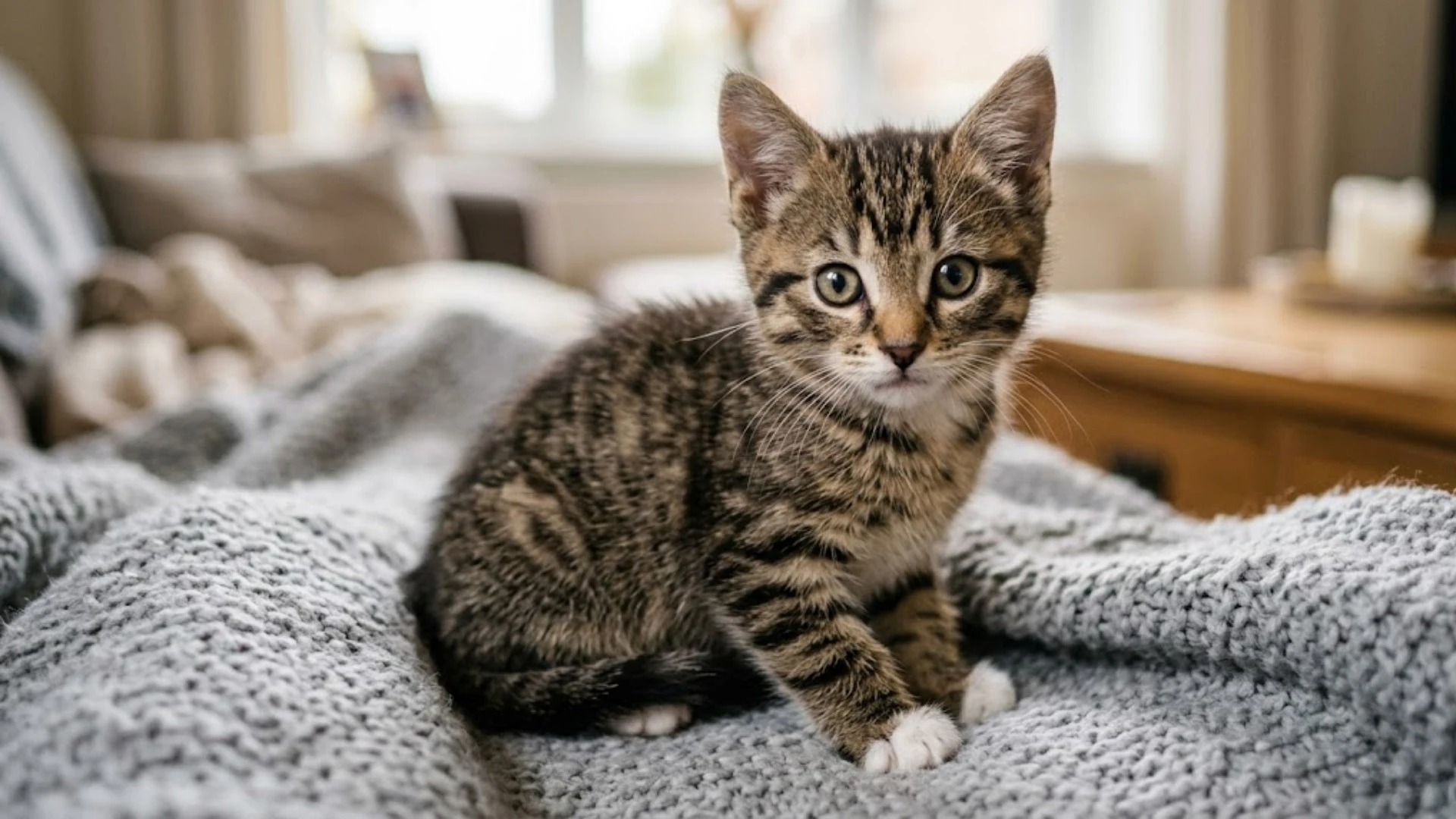
It is normal to feel tempted when one kitten lags behind others, especially around day 10 to 12, when some eyes start opening.
However, interfering too early can cause more harm than most people realize because newborn kitten eyes are still extremely delicate and sensitive during this stage of development.
- Tissue damage risk: The area under the eyelids is still developing, so forcing them open can tear the conjunctiva and harm delicate structures.
- Corneal injury: The cornea can be easily scratched, which may lead to long-term vision problems or permanent scarring.
- Infection exposure: Opening the lids early removes the natural barrier, allowing bacteria to enter a still unprotected eye.
- False concern: Eyes that look stuck are usually just part of normal development, not a problem that needs intervention. Some kittens naturally take longer than others without having any underlying health issue.
- Safe care step: If you see crust or swelling, use a warm, damp cloth on the outside only, without applying pressure or forcing anything open. Gentle cleaning around the eye area is usually enough while monitoring for changes.
In practice, doing nothing is often the safest move, and if something feels off, a quick vet check is always the better call. Patience is usually far safer than trying to speed up the process at home.
Common Eye Issues in Newborn Kittens
Newborn kittens can have eye problems even before their eyes fully open, so small changes around the eyelids deserve attention.
One common issue is neonatal conjunctivitis, which is an eye infection that can happen under sealed lids. It may cause swelling, crusting, or trapped discharge near the eyelid edge.
Yellow, green, or sticky discharge is not normal and can indicate a bacterial or viral infection that needs vet care.
If you see crusting, hold a warm, damp cloth gently over the closed eye for 20 to 30 seconds. This can soften the crust, but never pull the lids apart.
Mild squinting after the eyes open is normal, especially in bright rooms during the first few days.
Orphaned kittens need extra gentle cleaning because they miss their mother’s grooming. Never use medicated drops unless a vet gives them.
If you’re hand-raising a litter, gentle cleaning of the eye area should be part of your daily routine. As kittens grow, staying ahead of their health care matters.
Booking their kitten vaccine schedule early is one of the best things you can do for their long-term wellbeing.
When to Contact a Veterinarian?
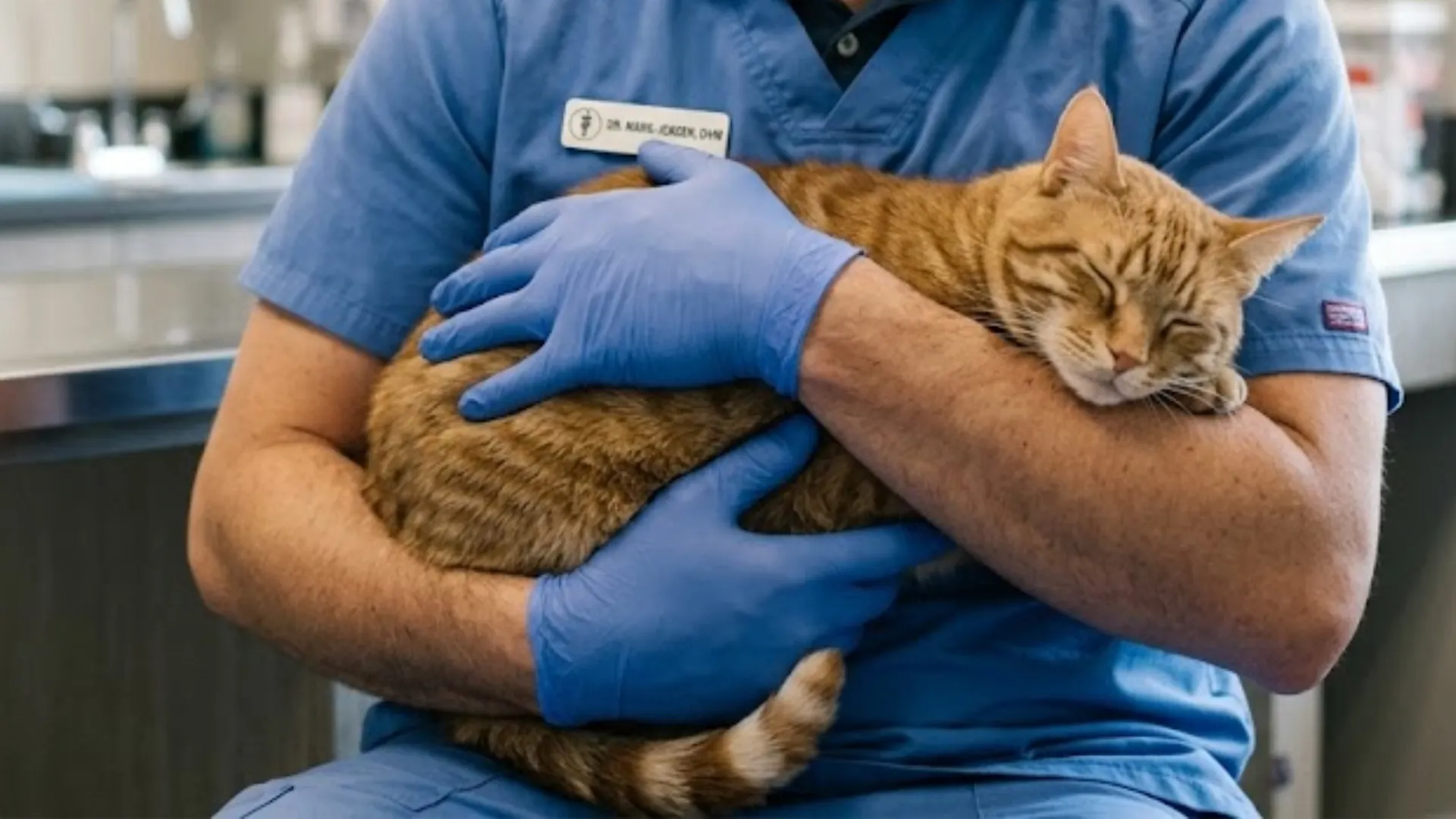
Some signs clearly mean waiting is not the right move, because kitten eye problems can get worse fast in the first few weeks.
- Eyes still closed after day 16 to 17: This may point to delayed development, stuck eyelids, or an issue under the sealed lids that needs checking.
- Swelling under eyelids: Bulging or puffiness can mean discharge or infection is building beneath the closed lids.
- Colored discharge: Yellow, green, or thick discharge is not normal and usually points to infection.
- Cloudy eyes after opening: A foggy, white, or dull look can mean cornea damage, infection, or inflammation.
- Uneven eye opening: One eye staying more closed for more than a day or two may need a vet exam.
- Rubbing or pawing: This can mean irritation, pain, or something stuck around the eye area.
- Bad smell near the eye: Any foul smell can point to infection and should be checked quickly.
What a Vet Will Do?
A vet will check the eyelids, discharge, cornea, and how the kitten responds to light. They may use a fluorescein stain to look for scratches or ulcers on the cornea.
If discharge is present, they may take a sample to check for bacteria. Treatment may include safe eye cleaning, antibiotic drops, or other kitten-safe medicine.
Pet Insurance for Newborn Kittens
The North American Pet Health Insurance Association (NAPHIA) recommends enrolling before the first vet visit when possible.
Once enrolled, many policies typically cover diagnostic exams, corneal treatment, and prescription medication for eye infections.
Coverage for congenital conditions varies by provider, so reviewing policy terms before choosing is worthwhile.
A good time to think about insurance is when you are mapping out the rest of their care plan, including kitten spay recovery.
What Happens After Kittens’ Eyes Open?
Once a kitten’s eyes open, the real growth phase starts, and things begin changing pretty fast. In the first few days, their vision is still blurry and limited.
They can sense light and movement, but they cannot yet clearly understand shapes.
You may see them moving their head side to side while watching something, which is their way of figuring out depth and distance.
By weeks 3 and 4, kittens start tracking movement more effectively and responding more to people, toys, and sounds around them.
This is also when early socialization matters, because gentle handling helps them feel safer around humans later.
Around week four, walking, play, curiosity, and weaning usually start picking up.
Tracking these milestones helps you spot delays early, while later care steps like cleaning your cat’s teeth become part of their long-term routine.
Conclusion
Watching kittens open their eyes is special, but it also comes with real questions about when do kittens open their eyes, care, and warning signs.
Most kittens open their eyes between 7 and 14 days, and a slow, uneven start is usually normal.
I want you to remember that sealed eyes protect the retina, optic nerve, and other delicate parts still growing.
If you see swelling, thick discharge, cloudiness, or no opening after day 16, it is better to call your vet. Gentle care matters here because forcing the eyelids open can hurt the cornea and cause lasting damage.
Once the eyes open, keep watching their movement, behavior, feeding, and growth, because those signs tell you a lot.
Have a kitten in this stage right now? Tell us what day they are on in the comments below.
Frequently Asked Questions
Can Kittens Get Eye Infections Before Their Eyes Open?
Yes. Bacteria can enter through the sealed lids and cause infection in the space beneath before the eyes open. This is why keeping the eyelid area clean matters, especially in orphaned kittens or those born in unsanitary conditions.
Signs include visible swelling or hardened discharge along the lid margin before the normal eye-opening window.
Do Male and Female Kittens Open Their Eyes at Different Times?
There is no consistent evidence that sex affects when kittens open their eyes. The primary factors are breed, individual development rate, and overall health.
Within a litter, size differences between kittens tend to be a more reliable predictor of developmental pace than sex.
Can I Use Saline Solution to Clean a Newborn Kitten’s Eyes?
Plain sterile saline can be used to gently soften crust along the eyelid margin, but only after consulting your vet. It should never be used to flush inside the eye of a newborn or to force lids open.
When in doubt, call your vet before applying anything to a neonatal kitten’s eye area.
At What Age Can Kittens Be Safely Separated from Their Mother?
Most veterinary guidelines recommend keeping kittens with their mother until at least eight weeks of age, with 12 weeks preferred for behavioral development.
Separating kittens too early can affect socialization, immune health, and stress tolerance. This timeline is separate from when the eyes open.