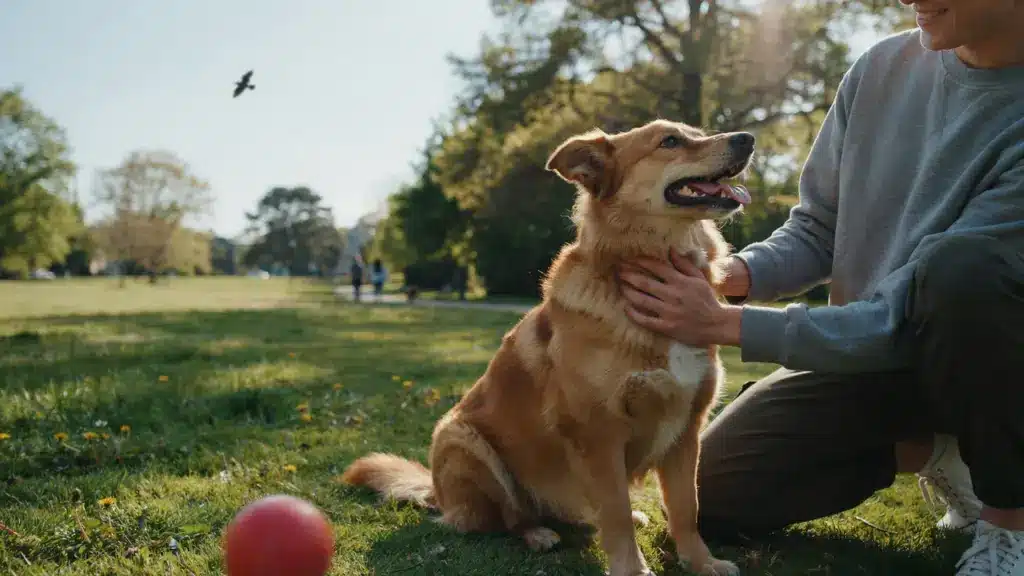
Have you ever caught your dog just staring at you, following you from room to room, or leaning their full weight against your leg, and wondered what it actually meant?
Those small, everyday moments are often exactly how your dog says, “I trust you, I’m comfortable with you, I want to be near you.”
We know it’s tempting to look for the big, obvious signs, the excited greetings, the wagging tail, the joyful zoomies. But dogs don’t always express affection that loudly. Some show it through quiet choices, soft body language, and simply wanting to be close to the people they trust.
From soft eye contact to the small habits many owners never think twice about, understanding these behaviors can help you see how your dog shows love, even on the days it doesn’t look like much.
How Do Dogs Show Affection?
Dogs show affection through a mix of body language, physical contact, social behavior, and everyday routines. You might notice your dog seeking you out for attention, relaxing beside you, bringing you a favorite toy, or regularly checking where you are.
However, no single behavior proves that a dog is showing love. The best clues come from looking at several signals together. A loose body, relaxed facial expression, comfortable eye contact, and a willingness to approach or stay near you can all help show that your dog feels safe and connected.
Every dog also has its own way of expressing attachment. Learning your dog’s normal behavior makes it easier to recognize the small signs that your bond is growing.
Common Ways Dogs Show Affection
These behaviors rarely show up alone; most dogs blend two or three into a single afternoon. The ten patterns below cover what owners notice most often, day to day.
1. Leaning Against You
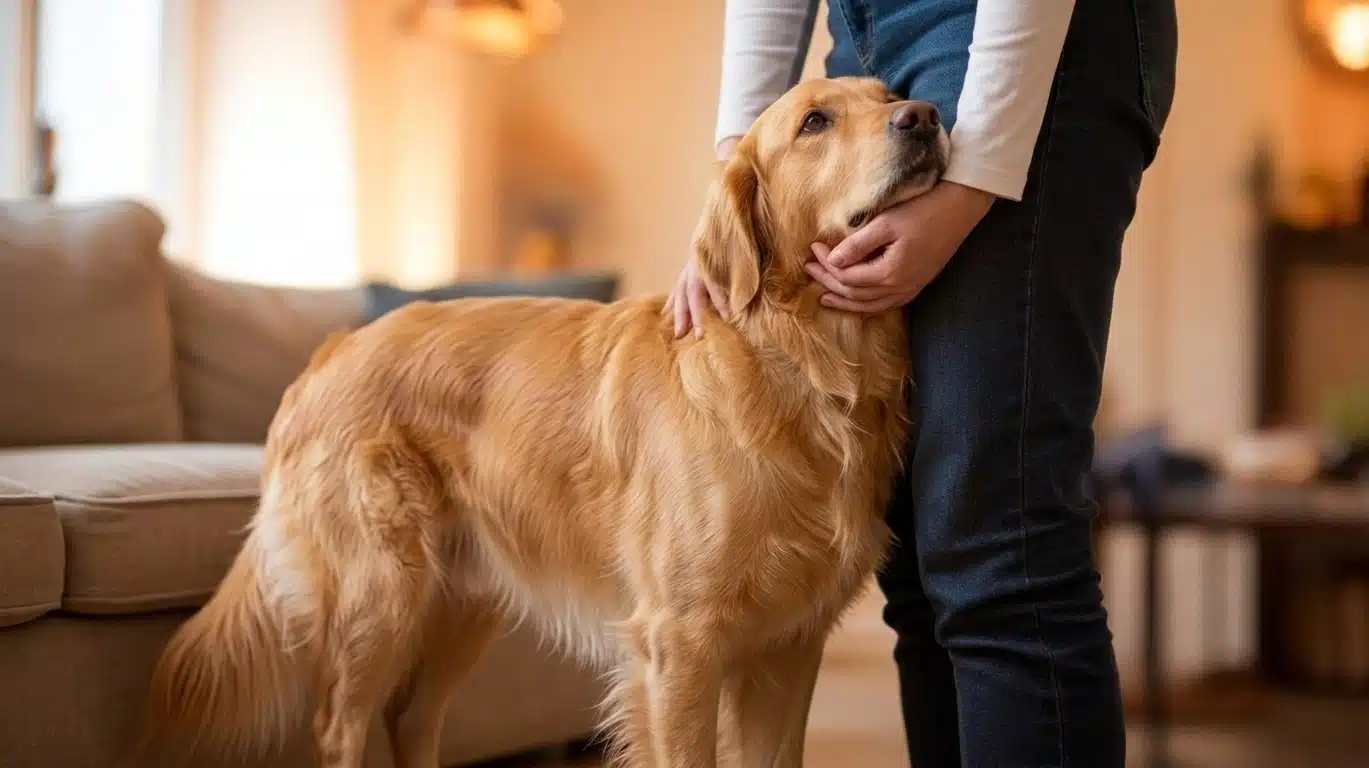
A dog that leans its full weight against your leg or side is asking for contact and comfort without demanding anything more. This differs from being pushed off balance or bumped by accident; the pressure is steady and calm rather than sudden.
Dogs that do this are often looking for reassurance or a quiet moment of connection during the day. It’s especially common in dogs raised around gentle, consistent handling.
Notice whether the body stays soft during a lean, not stiff or braced, since that detail separates genuine comfort-seeking from a dog that’s simply unsteady on its feet.
2. Giving Brief Licks
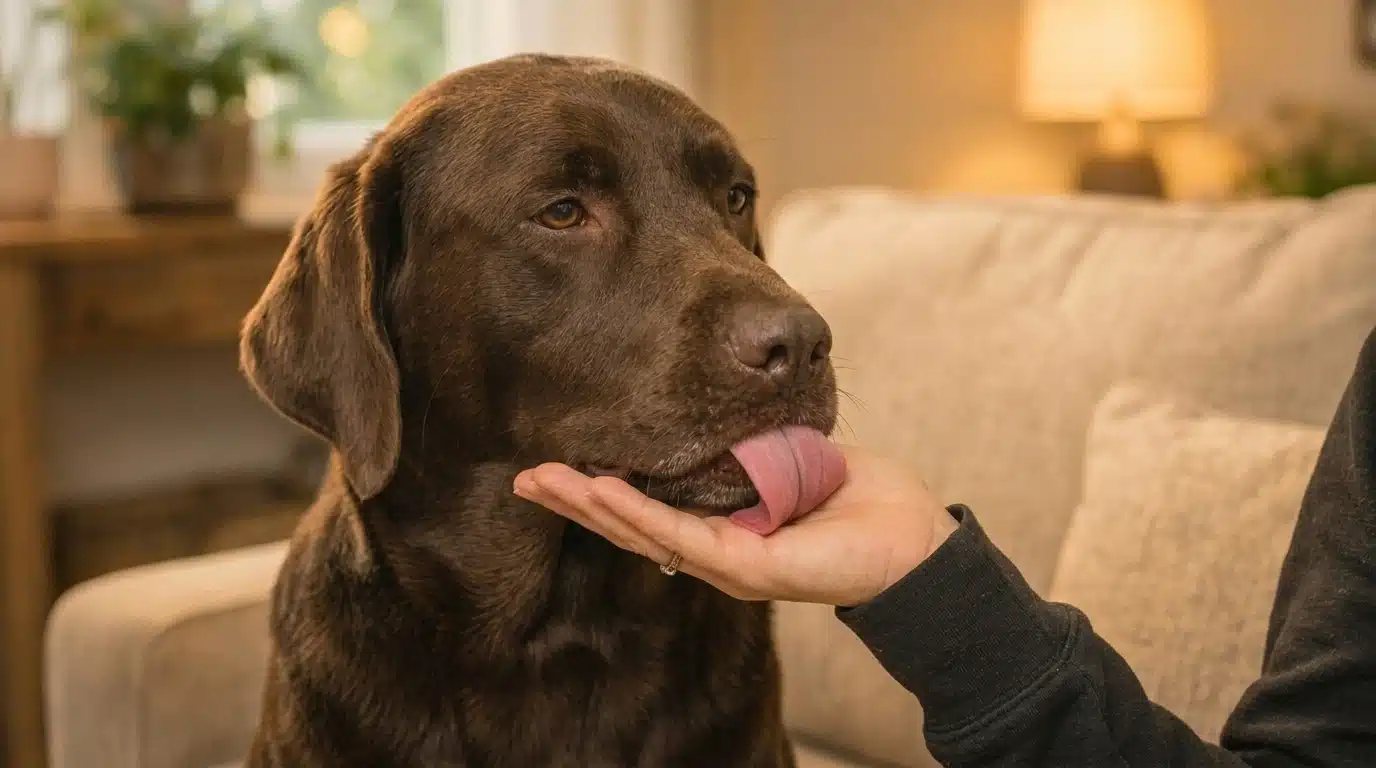
A short, gentle lick on the hand or face is often a social greeting rather than a grooming behavior. Licking can be a social behavior dogs learn early in life and may continue as a greeting or attention-seeking gesture.
A quick lick during a greeting or a calm moment usually signals warmth rather than anything concerning.
This is separate from repetitive or obsessive licking, which falls into a different category entirely and deserves its own look later. The key marker here is brevity: one or two licks, then the dog settles.
3. Resting Their Head or Paw on You
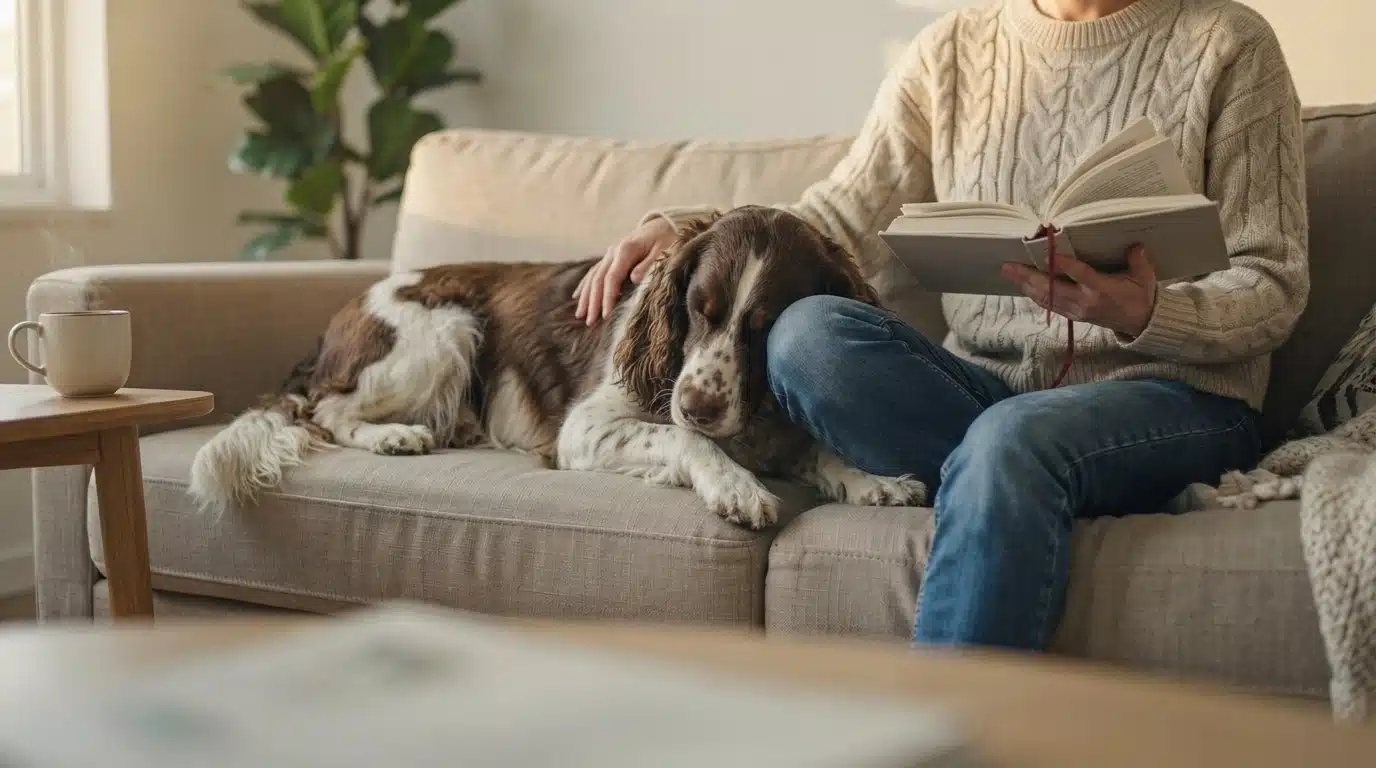
Placing a head or paw gently on your knee, arm, or hand is a small, deliberate request for attention or reassurance. It’s a low-effort gesture that doesn’t ask you to do much, just to notice.
Dogs often do this during downtime while you’re reading, working, or watching television rather than during high-energy play.
The gesture tends to repeat itself in the same context, suggesting it’s a learned way of communicating rather than a random accident. If your dog does this after a stressful event, it may be a quiet way of reading your mood.
4. Following You Calmly
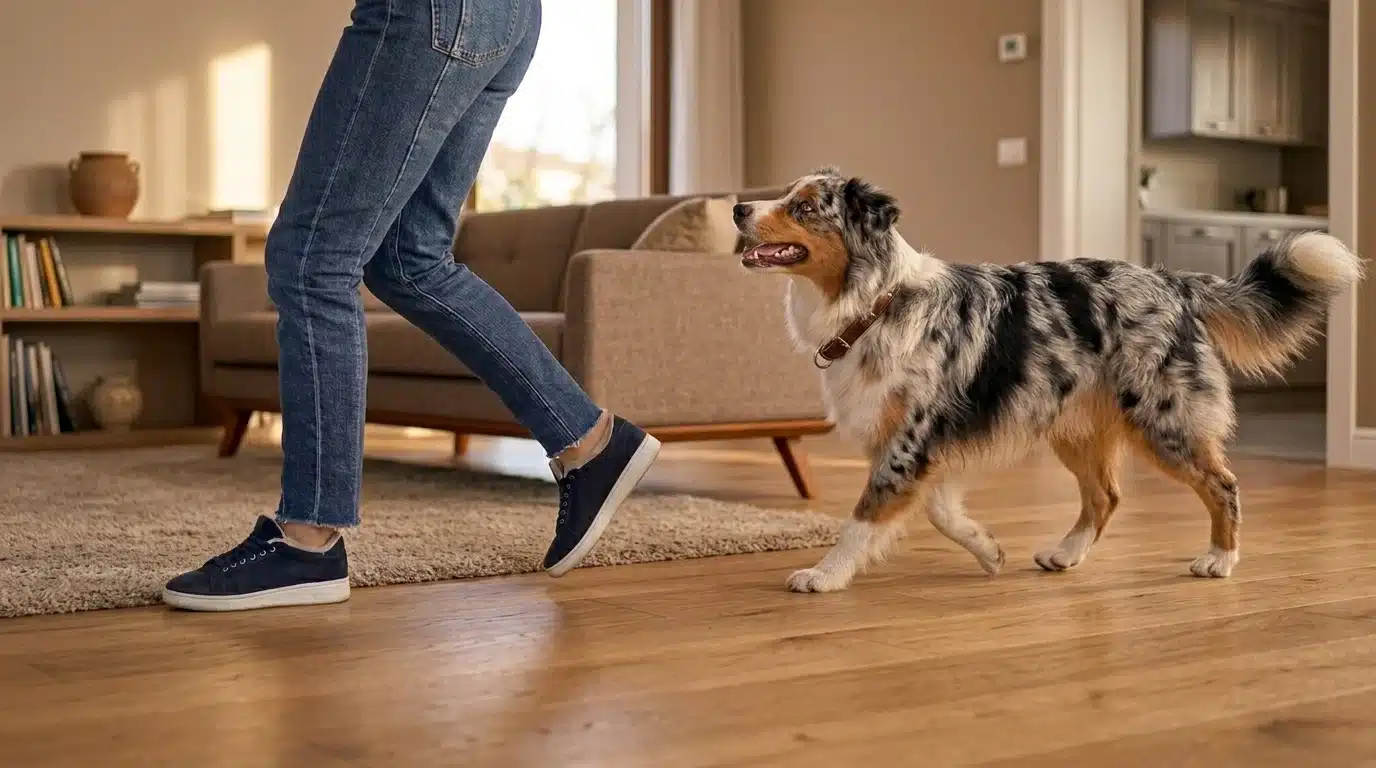
Some dogs enjoy staying involved in your day-to-day routine, moving from room to room simply to keep you in sight. This isn’t about needing constant supervision; it’s closer to wanting to remain part of whatever is happening.
A dog that trots along calmly, without whining or pacing, is usually comfortable rather than anxious. The pace matters here; an easy, loose walk reads very differently from frantic, repetitive shadowing.
Dogs that do this often settle quickly once they reach you, rather than continuing to hover, a good sign the behavior comes from comfort.
5. Choosing to Rest Near You
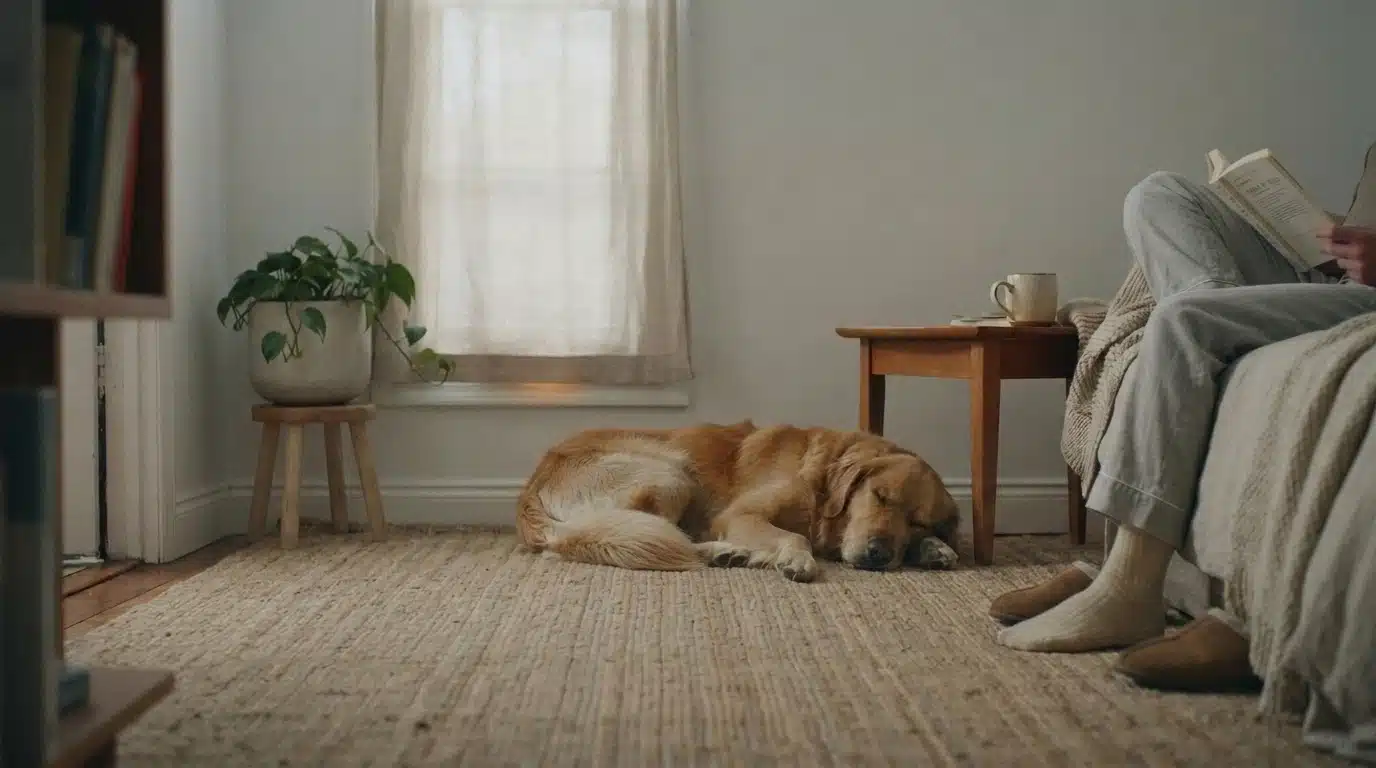
Choosing to sleep in the same room, or settling nearby without asking to be touched, is one of the quieter forms of attachment.
Some dogs also have small settling rituals before they lie down, such as circling, pawing, or digging in their bed, behaviors that can come from instinct rather than affection itself. Some dogs simply prefer having you nearby rather than sitting directly beside you.
A dog curled up across the room, facing your direction, is still choosing to be near you rather than elsewhere in the house.
This becomes more noticeable as a dog settles into a household and builds trust. Watch for consistency: a dog that regularly picks the same spot near you, night after night, is showing a real preference.
6. Making Soft Eye Contact
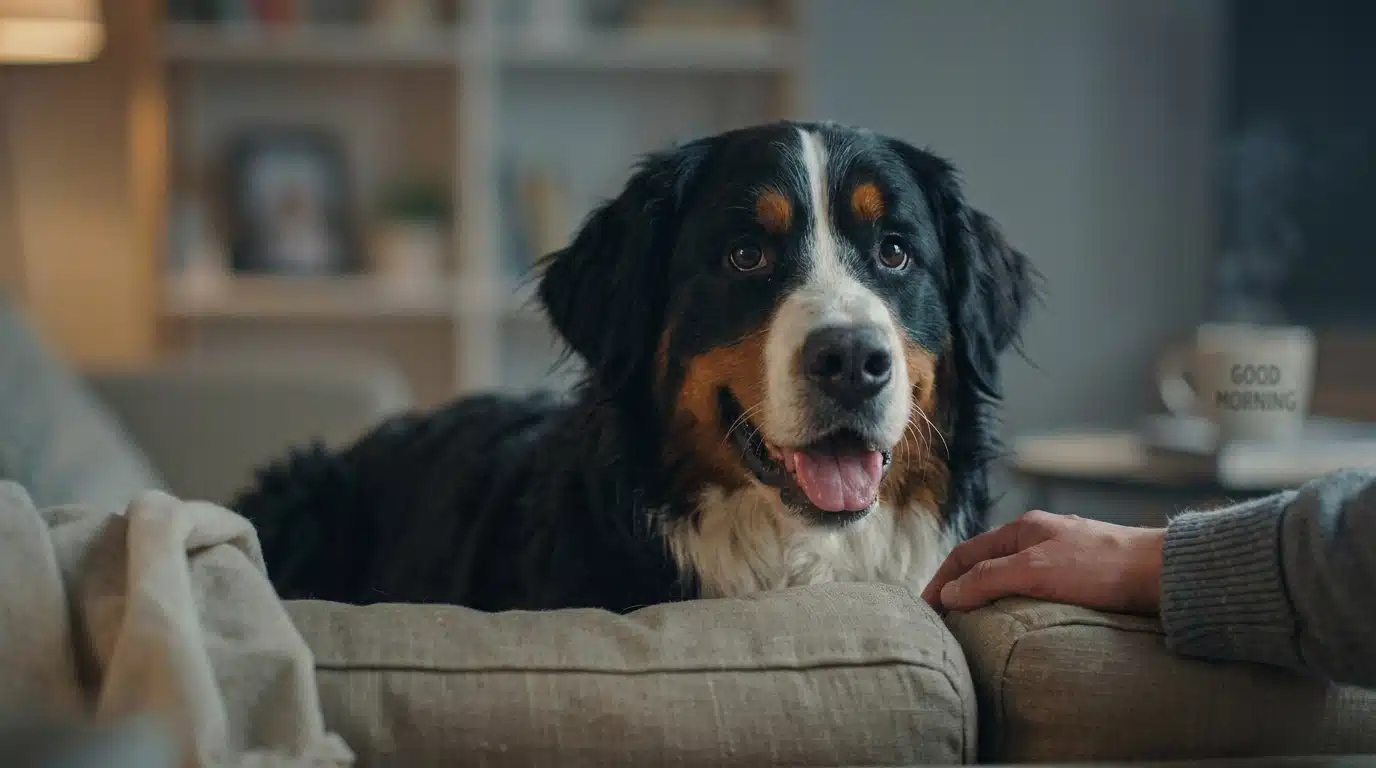
Relaxed eye contact, paired with a loose face and soft brow, is one of the clearest non-verbal signs of comfort a dog can offer. Unlike staring, which can signal tension, this gaze is brief and easy, often paired with blinking or looking away and back again.
Research suggests that calm eye contact between dogs and people can support bonding and may involve oxytocin responses.
This often shows up in unhurried, slow-paced settings, a scratch behind the ears, a shared couch evening, or right before a nap. The face stays soft throughout, without tightness around the mouth.
7. Greeting You with a Loose, Wiggly Body
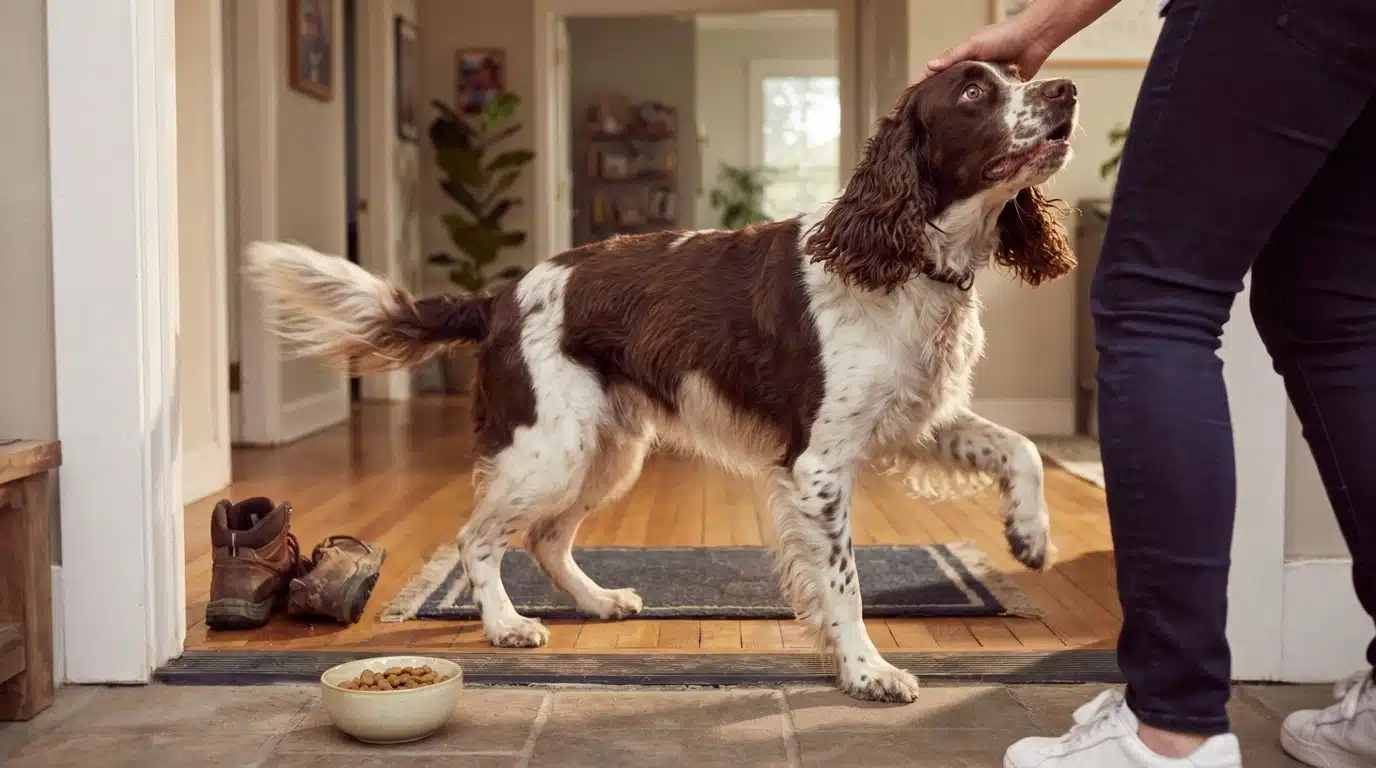
A full-body wiggle at greeting time says more than tail movement alone. Loose hips, a relaxed spine, and an easy, bouncy gait all point to genuine excitement rather than nervous energy.
This differs from stiff, high tail wagging paired with a tense body, which can signal arousal or uncertainty rather than warmth.
The wiggle greeting tends to fade within a minute or two as the dog settles back into normal behavior, rather than escalating into jumping. Dogs that greet this way after any absence are showing that your return genuinely matters to them.
8. Feeling Safe Enough to Relax
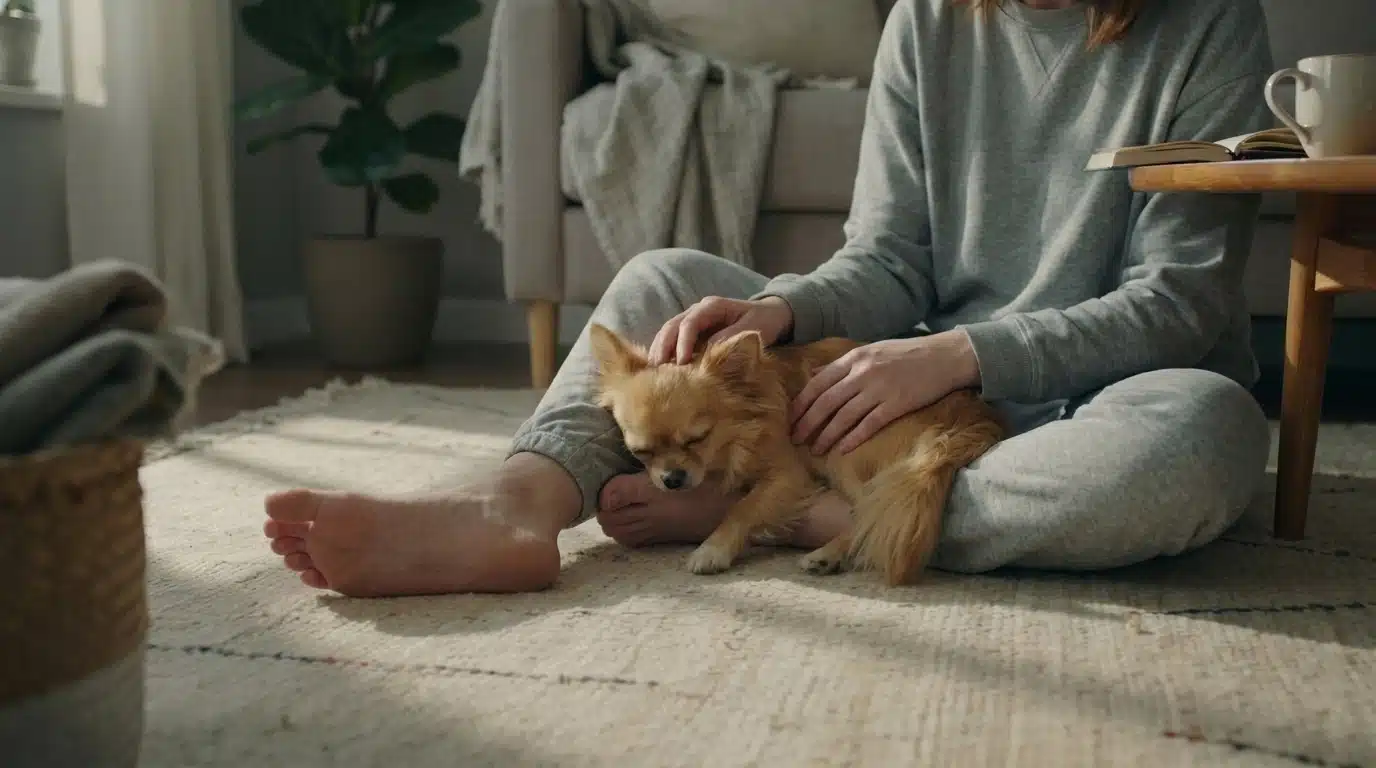
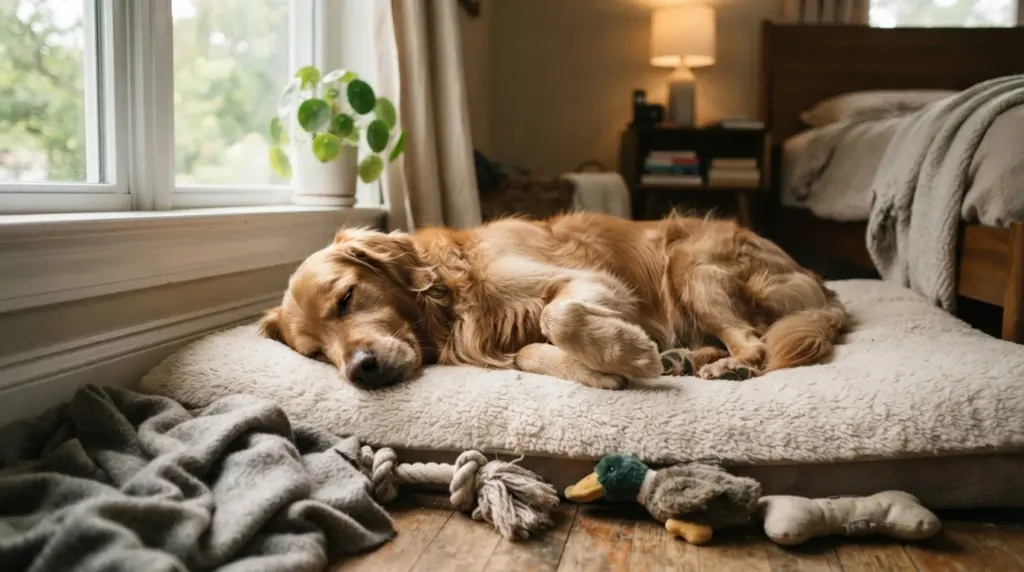
True relaxation shows up as stretching, sighing, a slack jaw, or turning the back toward you on the floor beside you.
Dogs also seek out comfortable places to unwind, and sunbathing is another common relaxation habit, with many dogs deliberately choosing warm, sunny spots for a rest.
These are exposed, unguarded postures, and a dog only offers them around people it considers safe. A dog that lets its guard down this way, rather than staying half-alert and watchful, is showing real trust rather than performance.
This full-body ease is usually one of the last signs to appear, showing up only once a dog has fully settled in. Watch for loose limbs and slow breathing, the opposite of a tense, coiled posture.
9. Bringing You a Toy
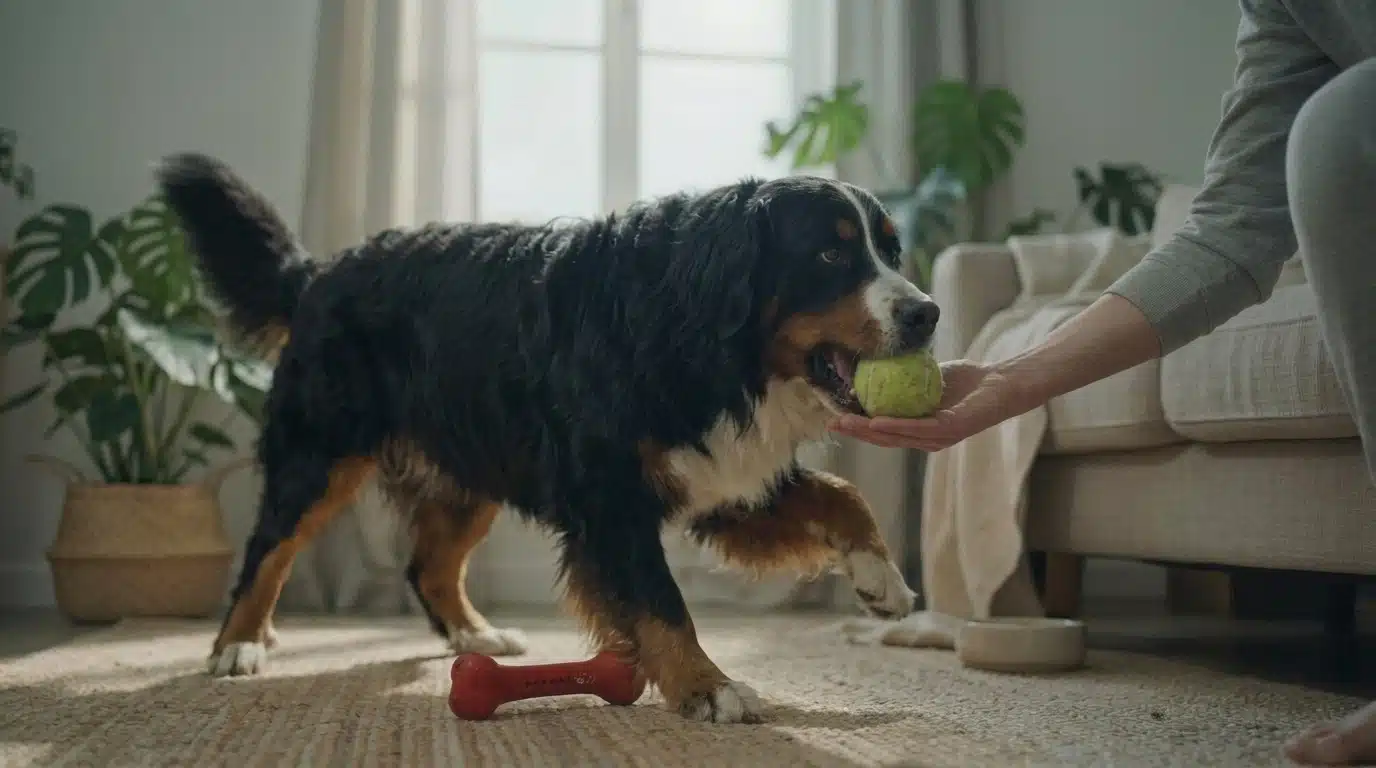
Dropping a toy at your feet is often an invitation rather than a simple request to fetch. It signals that the dog wants shared attention and sees play as something to do together rather than alone.
Some dogs may bring toys during quiet moments or when they notice changes in your behavior, such as being bored or sitting quietly, almost as a way of offering connection. This differs from possessive behavior around toys, which usually involves guarding rather than offering.
A dog that repeatedly brings items to specific people, rather than playing solo, is showing a clear social preference for that person’s company.
10. Checking In During Walks
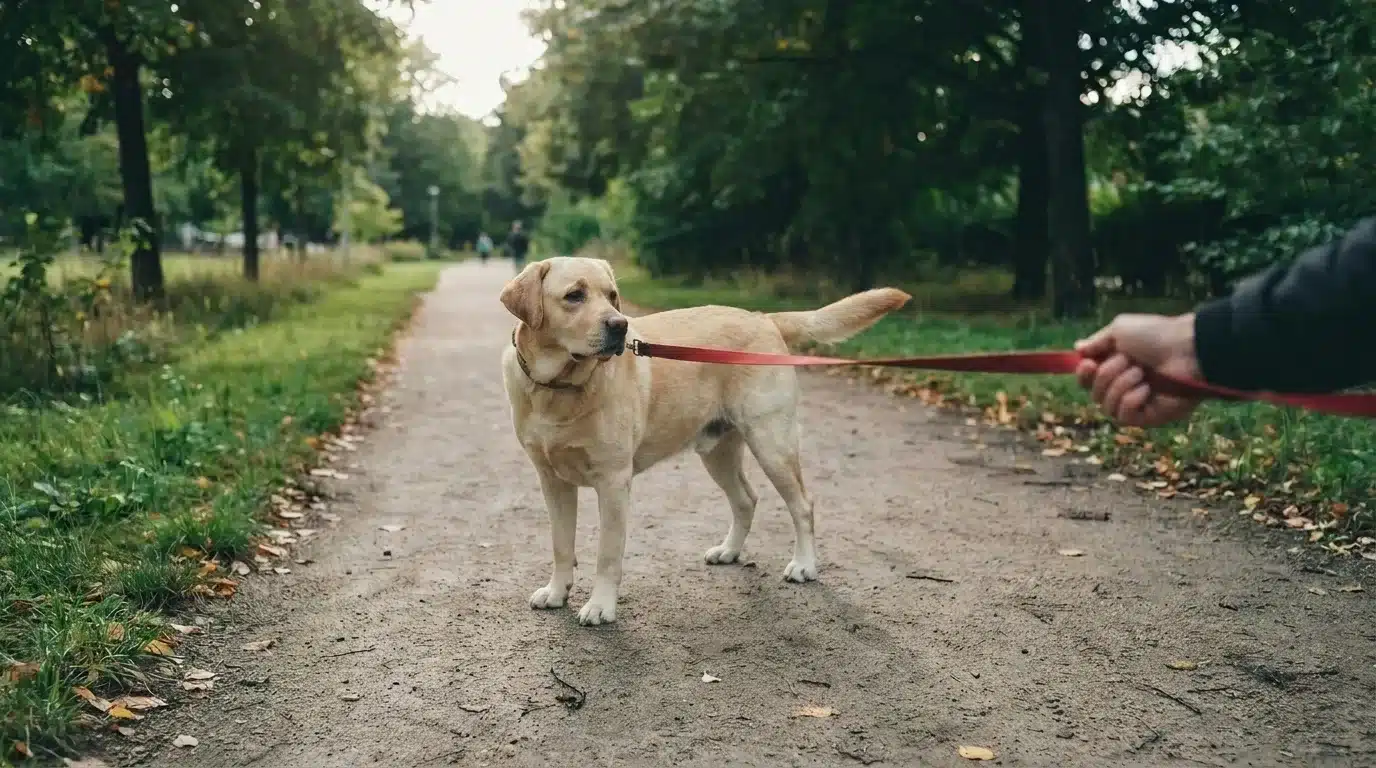
Looking back mid-walk, pausing to make eye contact, or returning briefly before continuing to sniff around are ways a dog stays connected outdoors.
This voluntary check-in shows the dog values keeping track of you even while distracted. It differs from a dog glued to your side out of anxiety, since checking in involves confidently moving away and coming back. This tends to strengthen as trust builds, becoming a quiet habit rather than a trained routine.
When Behavior Looks Like Affection
Some behaviors can look like affection but may have a different cause. Context and body language help reveal what your dog is actually communicating.
| Behavior | May Actually Mean | Signs To Watch For |
|---|---|---|
| Following constantly | Anxiety instead of attachment | Whining, pacing, unable to settle |
| Excessive licking | Stress, discomfort, or habit | Repeated licking, skin irritation, cannot stop |
| Overexcited greetings | Too much arousal, not just happiness | Jumping, mouthing, cannot calm down |
| Guarding closeness | Resource guarding | Growling, blocking others, tense posture |
| Hard eye contact | Tension or discomfort | Frozen body, stiff stare, closed mouth |
A single behavior does not tell the whole story. Look at your dog’s body language, comfort level, and the situation around the behavior before deciding what it means.
Note: A sudden change in your dog’s usual behavior can sometimes point to an underlying issue rather than a change in affection. Seek professional advice if you notice unusual clinginess, persistent licking, fear, guarding, pain, withdrawal, or any behavior that appears suddenly and does not improve.
How to Show Your Dog Affection They Understand
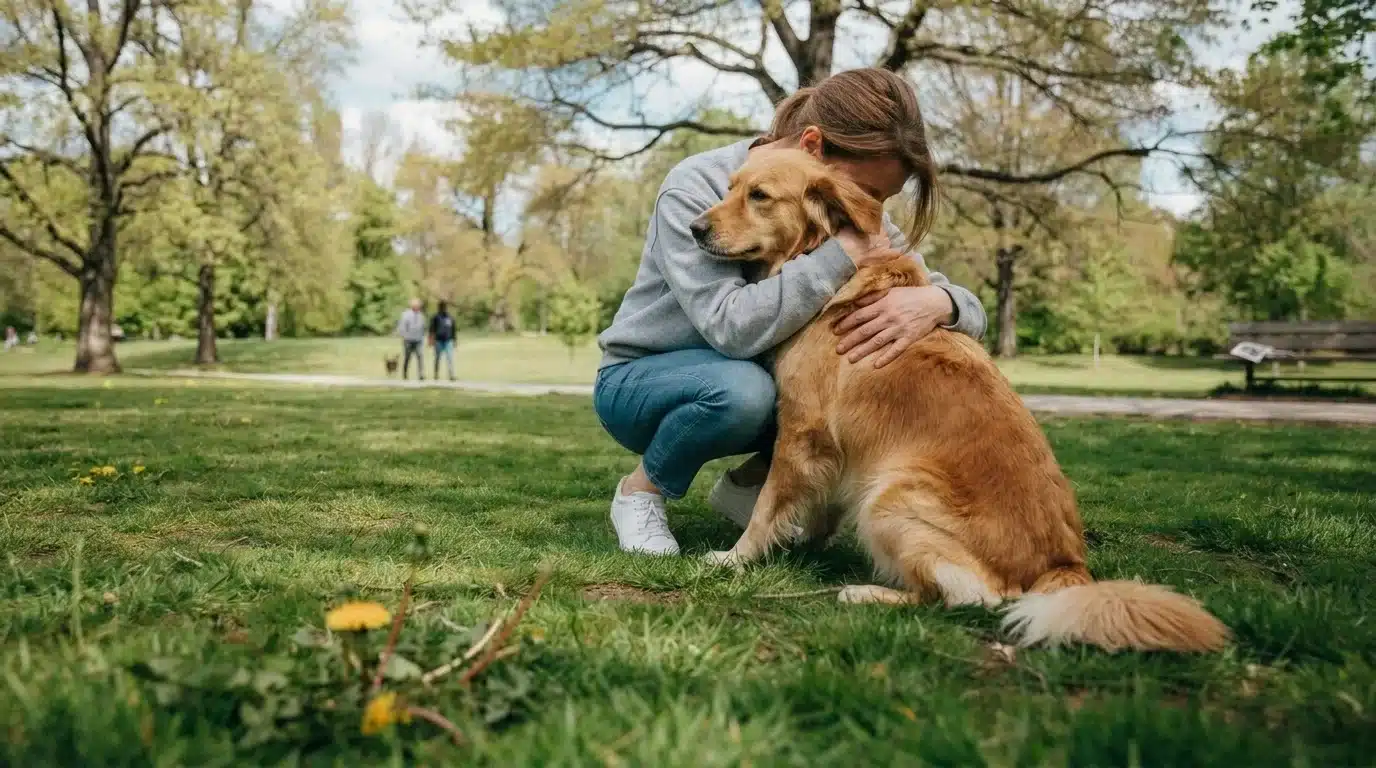
Dogs don’t always experience affection the same way we do, and that’s worth remembering. The best way to build trust is to notice what your dog is actually comfortable with, and respond to those signals rather than your own instinct for what affection “should” look like.
- Let Your Dog Ask for Contact: Allow your dog to approach for attention instead of always reaching for them first. A lean, nudge, or moving closer is often their way of asking for interaction.
- Pause During Petting: Stop for a moment while petting and see if your dog moves closer or asks for more. Walking away, turning the head, or stiffening can mean they need a break.
- Bond Through Play and Training: Games, short training sessions, and activities like fetch or tug create positive interactions without relying only on physical touch.
- Give Time to Sniff on Walks: Letting your dog investigate smells during walks supports natural behavior and makes the outing more enjoyable.
- Keep Daily Routines Consistent: Regular meal times, walks, and quiet moments help dogs feel secure and more comfortable around you.
- Respect Their Need for Space: If your dog moves away, turns their head, or disengages, give them room instead of pushing for more contact.
- Avoid Forced Hugs and Face Contact: Many dogs prefer side-by-side closeness or gentle scratches over hugs. Pay attention to their comfort level, especially around children.
Final Thoughts
Small changes in how you interact can help your dog feel more comfortable and understood. How dogs show affection is not always obvious, as dogs may express it through leaning against you, seeking closeness, bringing toys, checking in during walks, and relaxing in your presence.
Understanding these everyday behaviors helps you recognize genuine connection and separate it from signs that may mean something else. Your dog may not express love like another dog, but their small choices often reveal trust, comfort, and attachment.
Pay attention to your dog’s unique signals and notice the quiet moments when they choose to connect with you.
Frequently Asked Questions
Do Dogs Have a Favorite Person?
Yes, some dogs develop stronger preferences for certain people based on shared routines, trust, play, and the way that person interacts with them daily.
Can Dogs Feel Love as Humans Do?
Dogs form strong emotional bonds with people, but their experience of attachment is different from human love. Their connection is shown through behavior, trust, and social bonding.
Do Dogs Know When Their Owners are Sad?
Many dogs respond to changes in human mood through attention, closeness, or altered behavior. They may notice emotional cues, though their understanding differs from human empathy.
Why Does My Dog Act Different Around Different People?
Dogs may behave differently depending on their comfort level, past experiences, familiarity, and the type of interaction they have with each person.