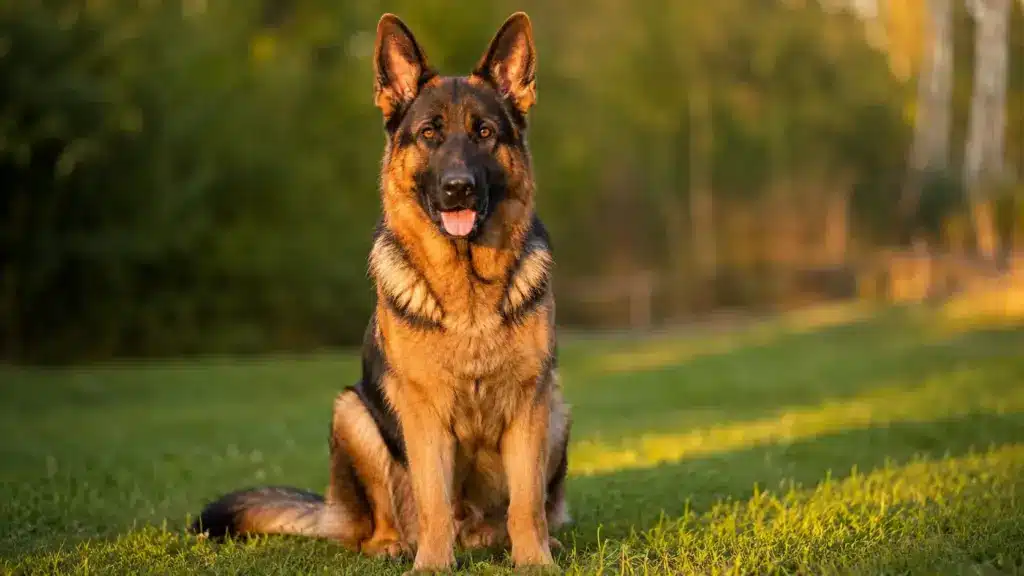
If you share your life with a German Shepherd, you already know this breed demands a lot: exercise, mental stimulation, training, and a whole lot of attention.
What most owners aren’t told upfront is that German Shepherds also demand more from their vet visits than most other breeds.
These dogs have a strong leaning to a long list of conditions. Some show up in puppyhood. Others creep in silently after age seven. And a few, if you don’t recognize the early signs, can become fatal before you have time to react.
After years of practice, I can say with confidence that German Shepherd owners who know what to watch for tend to catch problems earlier. And that timing makes a real difference in outcome.
The good news: most of these conditions are manageable, and some are preventable. Knowing the risks puts you ahead of them.
Why are German Shepherds Prone to Health Problems?
The German Shepherd was selectively bred for decades as a working dog, prized for intelligence, athleticism, and drive. That intense selective pressure created a gene pool with real vulnerabilities.
The breed’s sloped topline, which became standard in show lines, has drawn criticism from veterinarians and orthopedic specialists who argue it places excess stress on the hind end and spine.
Large breeds generally face higher rates of orthopedic and cardiac conditions than smaller dogs, and the large dog breed lifespan data makes that pattern clear. German Shepherds carry additional breed-specific risks on top of that baseline.
The Most Common German Shepherd Health Issues
Some of these conditions are genetic from day one. Others develop gradually through the dog’s lifespan.
A few can become emergencies overnight. What they all have in common is that earlier awareness leads to better outcomes; so here’s what you actually need to know about each one.
1. Hip and Elbow Dysplasia
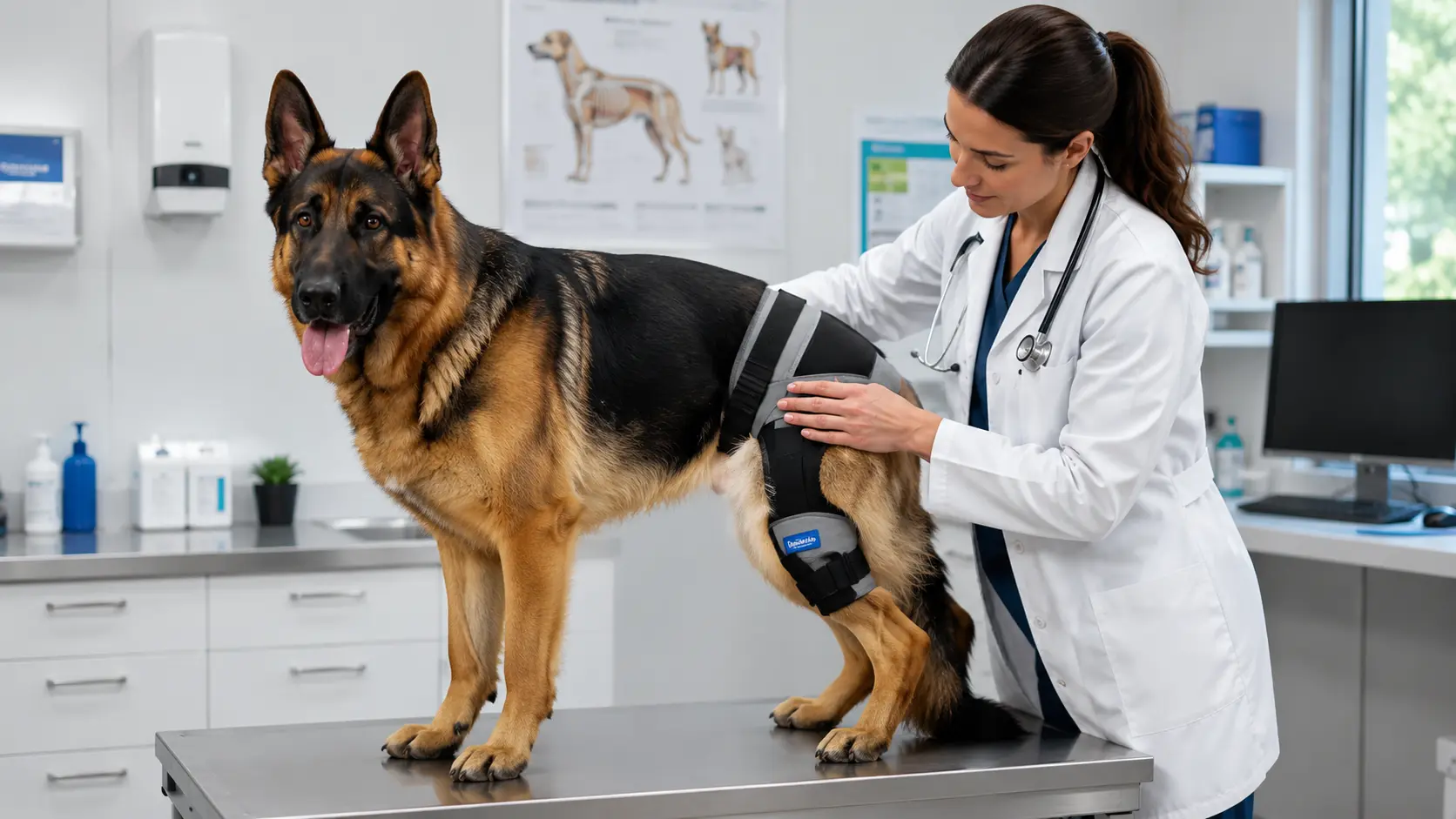
Hip dysplasia is the condition most people associate with German Shepherds, and for good reason.
Roughly 19% of German Shepherds test show some degree of hip dysplasia, making it one of the breed’s most documented problems.
The hip joint doesn’t form correctly, the ball and socket grind instead of gliding, and over time that friction leads to arthritis, pain, and reduced mobility.
Elbow dysplasia is less discussed but nearly as prevalent. Both conditions are genetic, though diet, growth rate, and exercise during puppyhood all influence how severely they develop.
Early signs include a puppy that bunny-hops when running, reluctance to get up after rest, and a subtle stiffness in the back legs that most owners chalk up to tiredness. Spotting lameness signs in dogs before they become obvious is exactly what changes the outcome.
Diagnosis involves X-rays, and management typically includes joint supplements, anti-inflammatory medications, and weight control. Surgery is sometimes the right call.
Dogs diagnosed early and managed well often live active, comfortable lives. The ones who suffer most are the ones whose owners waited until the limping was impossible to ignore.
2. Degenerative Myelopathy
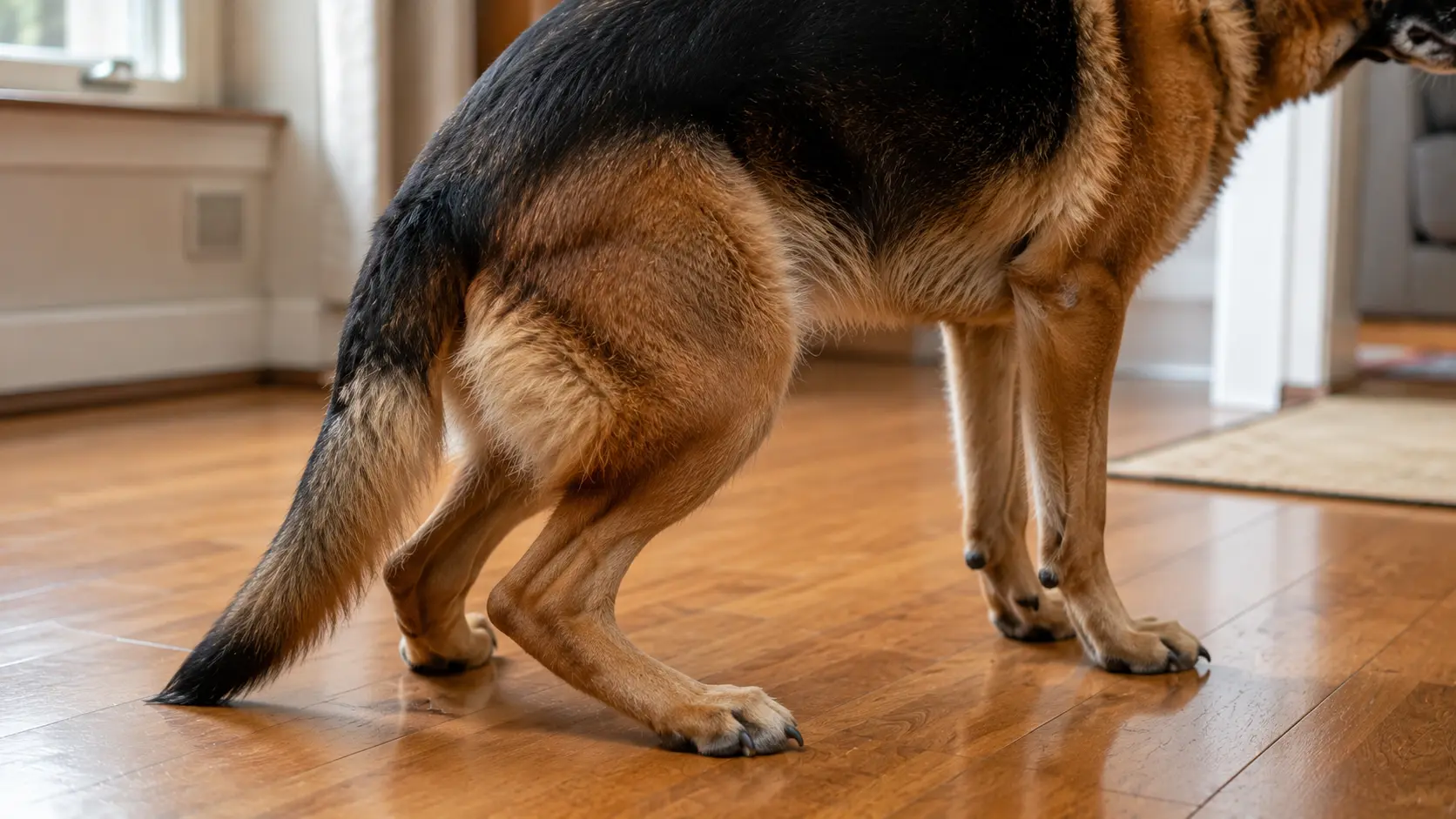
Degenerative myelopathy (DM) is a progressive neurological disease that attacks the spinal cord.
It starts quietly. Your dog might seem a little wobbly in the back end, trip occasionally, or drag a paw when walking. Most owners assume it’s arthritis. It usually isn’t.
Degenerative myelopathy in dogs is linked to a mutation in the SOD1 gene; German Shepherds are among the breeds commonly affected, and the disease usually begins with hind-limb weakness and progresses over months to years to paralysis
There is no cure. But there is a genetic test for the mutation, which means responsible breeders can screen their dogs before breeding, and responsible buyers can ask for those results.
The reason DM is so often missed is that early-stage DM looks almost identical to hip dysplasia or arthritis. A veterinary neurologist can differentiate between them, often using an MRI or spinal fluid analysis.
If your German Shepherd is showing hind limb weakness, don’t accept a generic arthritis diagnosis without ruling out DM. The distinction matters for how you manage the months and years ahead.
3. Bloat and GDV

Gastric dilatation-volvulus (GDV) is one of the most dangerous conditions that can happen to a large dog.
The stomach fills with gas, twists on itself, and cuts off blood supply to surrounding organs. Without immediate surgical intervention, it’s fatal. GDV kills within hours.
German Shepherds are predisposed to bloat because of their deep-chested conformation.
Watch for a visibly distended belly, unproductive retching where your dog tries to vomit, but nothing comes up, relentless pacing, heavy drooling, and obvious distress.
The full breakdown of signs of bloat in dogs goes deeper into what to watch for in real time. If you see these signs, do not wait to see if it resolves. This is a drive-to-the-emergency-vet-right-now situation.
Some owners of high-risk dogs discuss prophylactic gastropexy with their vet, a surgical stomach-tacking procedure that doesn’t prevent bloat but does prevent the fatal twist.
4. Exocrine Pancreatic Insufficiency and Digestive Health
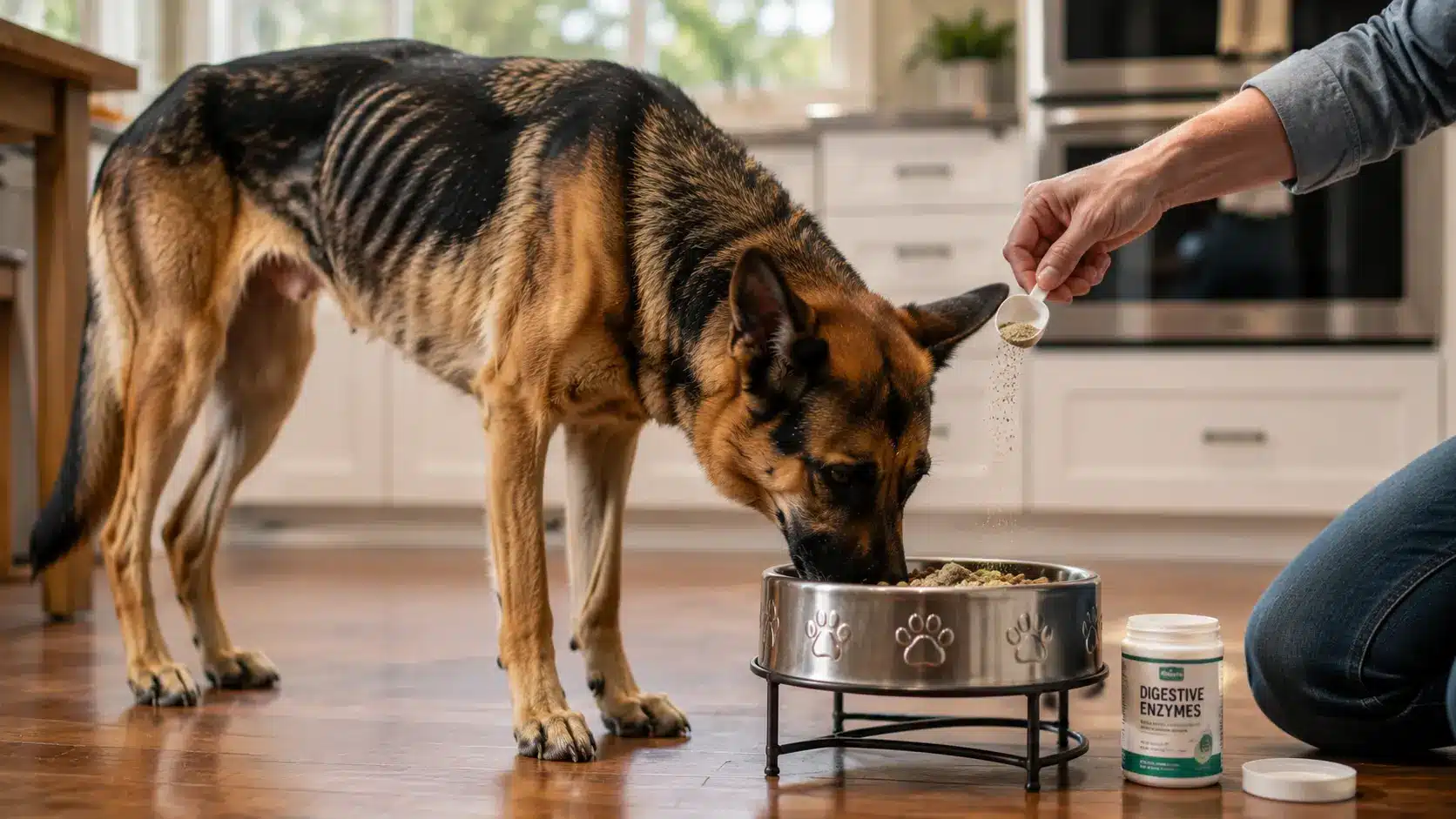
Exocrine pancreatic insufficiency (EPI) is a condition where the pancreas fails to produce enough digestive enzymes.
German Shepherds have the highest breed prevalence of EPI of any dog, according to data from the Texas A&M Gastrointestinal Laboratory, which maintains the largest EPI database in veterinary medicine.
A dog with EPI can’t properly digest food, regardless of how much they eat.
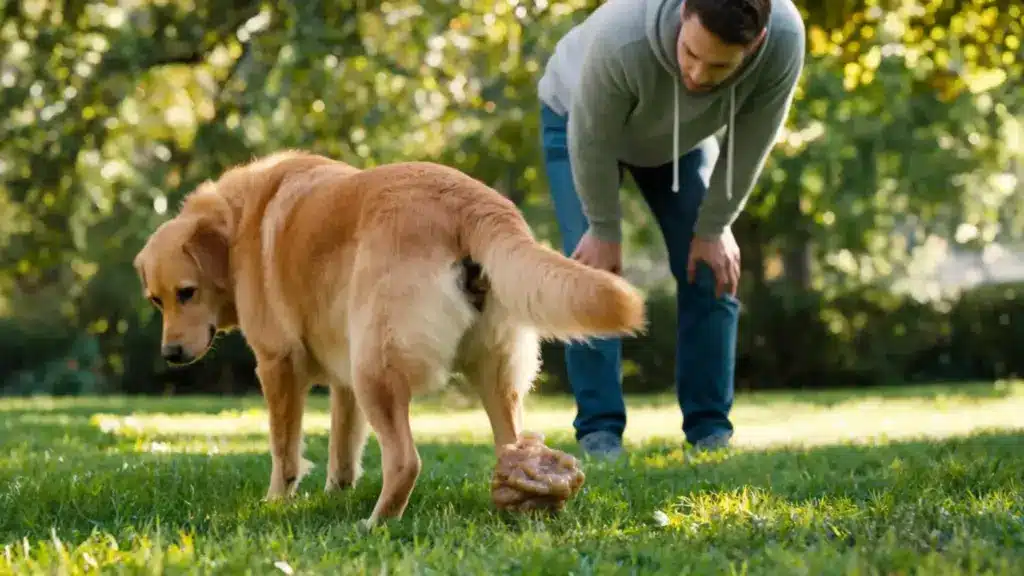
The signs are hard to miss once you know what you’re looking for: rapid weight loss despite a healthy appetite, large volumes of foul-smelling stool, a dull coat, and noticeable muscle wasting.
It gets misdiagnosed as a dietary sensitivity or general stomach trouble all the time, which delays treatment and causes real suffering.
The good news is that EPI responds well to treatment. Pancreatic enzyme supplements added to every meal restore normal digestion in most dogs, and many go on to live completely normal lives.
If your German Shepherd is losing weight while eating well, or producing abnormal amounts of stool, ask your vet specifically about a serum TLI test. It’s the definitive diagnostic tool for EPI, and it’s straightforward.
What Do German Shepherds Usually Die From?
German Shepherds are at increased risk for several serious health problems, including cancer.
Hemangiosarcoma is one of the breed’s important cancer risks; it often develops in the spleen or heart and may cause no signs until it ruptures and triggers sudden internal bleeding.
Osteosarcoma and lymphoma are also seen more often in large breeds, including German Shepherds.
However, it is not accurate to say they usually die from hemangiosarcoma, since breed-specific causes of death vary and many dogs die from other age-related or musculoskeletal conditions.
Regular veterinary checkups, bloodwork, and abdominal imaging may help detect some cancers earlier, but they cannot prevent them.
Other German Shepherd Health Issues to Keep on Your Radar
Not every German Shepherd health issue becomes life-threatening, but several chronic conditions can quietly worsen over time when symptoms are ignored or misdiagnosed.
- Skin Allergies: Common in German Shepherds and often linked to food sensitivities, fleas, or environmental allergens. Symptoms usually include ear infections, excessive paw licking, red skin, and chronic itching.
- Perianal Fistulas: Painful ulcer-like tunnels that form around the anus and may cause bleeding, swelling, foul odor, and difficulty passing stool. German Shepherds develop this condition more frequently than many other breeds.
- Megaesophagus: A disorder where the esophagus loses normal muscle movement and struggles to push food into the stomach. Dogs often regurgitate food and may require elevated feeding positions to lower aspiration pneumonia risk.
- Pannus: A progressive inflammatory eye disease that affects the cornea and worsens with UV exposure. Without treatment, pannus can gradually impair vision and eventually lead to blindness.
- Chronic Ear Infections: Recurring ear inflammation is common in German Shepherds with allergies or immune-related skin conditions. Persistent scratching, odor, redness, and head shaking are typical
What Actually Helps Extend a German Shepherd’s Life
Small preventive habits can make a major difference in a German Shepherd’s long-term health, mobility, and lifespan, especially when age-related conditions are caught early.
- Maintain a healthy weight: Excess weight increases stress on joints, organs, and overall mobility.
- Start routine bloodwork early: Annual testing after age five can help detect hidden health changes before symptoms appear.
- Schedule senior ultrasounds: Abdominal imaging after age seven may help identify internal tumors earlier.
- Use joint supplements consistently: Fish oil, glucosamine, and chondroitin may support joint comfort and reduce inflammation.
- Monitor body structure closely: Dogs with heavily sloped backs may need more frequent orthopedic monitoring as they age.
Conclusion
German Shepherds are not a fragile breed. They were built to work, to move, and to think, and most of them do all of that well for the majority of their lives.
But they carry a real health burden, and the owners who handle it best are the ones who stopped treating vet visits as reactive and started treating them as preventive. Hip dysplasia affects one in five.
DM is the most breed-prevalent neurological disease in dogs. Hemangiosarcoma can end a dog’s life in hours. A German Shepherd that lives to 12 or 13 years, mobile and engaged, didn’t get there by accident.
It got there because someone was paying attention to weight, gait, behavior changes, and bloodwork numbers that started drifting before there were any obvious symptoms. That’s the work. And it’s genuinely worth doing.
Have you ever caught a health issue in your German Shepherd earlier than expected, or noticed a small change that turned out to matter?
Share your experience in the comments below. It may help another Shepherd owner know what to look for before it becomes serious
Frequently asked questions
Is Pet Insurance Worth It for a German Shepherd?
Pet insurance can help cover costly treatments for conditions like bloat, cancer, and joint disorders. Buying coverage early usually provides better protection before pre-existing conditions develop.
Can a Mixed-Breed German Shepherd Be Healthier than a Purebred?
Mixed-breed German Shepherds may inherit fewer genetic problems due to a wider gene pool, but they can still develop breed-related conditions like dysplasia or degenerative myelopathy.
At What Age Do German Shepherd Health Problems Typically Start Showing?
Some German Shepherd health issues appear during puppyhood, while others develop later in life. Joint problems may start early, whereas degenerative myelopathy often appears in senior dogs.
Are Female German Shepherds Healthier than Males?
Male and female German Shepherds share similar genetic health risks overall. Factors like breeding history, weight management, lifestyle, and proper veterinary care usually affect long-term health more significantly.