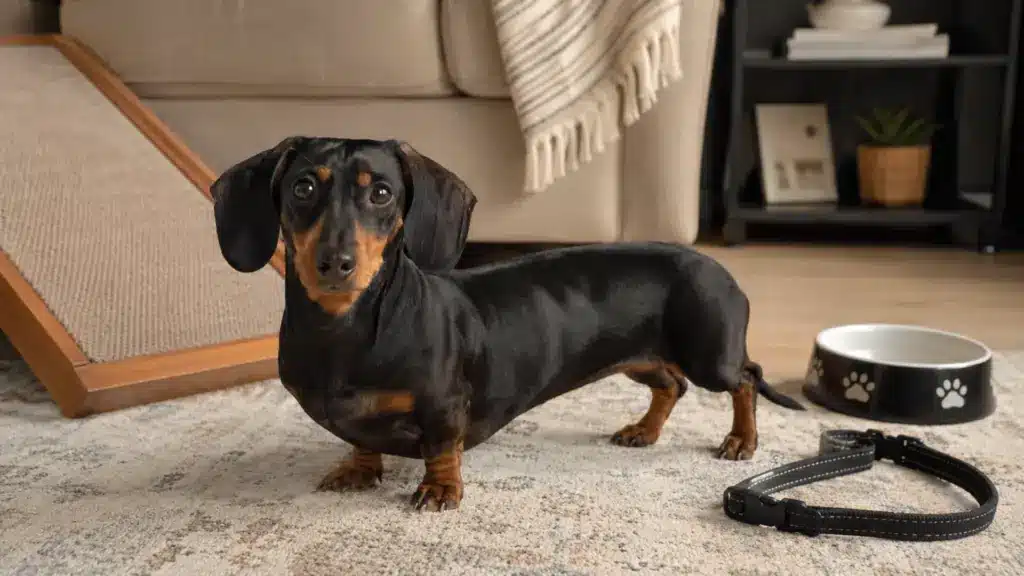
Dachshunds do not move through life like ordinary dogs.
They march in on tiny legs, claim the sofa, insult the vacuum, steal half your heart, and somehow make you believe they might live forever. That is the dangerous magic of a wiener dog.
You get used to the nose poking out from under blankets, the stubborn hallway standoffs, the dramatic sighs from a body shaped like a loaf of bread.
Then one day, you start wondering how many years you really have with them. Most dachshunds live longer than people expect, but the answer is not as simple as one neat number.
Their lifespan has a story behind it, and it is worth knowing before the years start flying.
Note: This guide is for informational purposes only and does not constitute medical advice. Always consult your veterinarian for guidance specific to your dog.
What Helps Dachshunds Live Longer?
A dachshund’s lifespan is shaped by daily habits, not one lucky decision.
The best care starts before weight gain, back pain, or dental trouble becomes obvious. These are the factors owners should watch closely.
- Body weight: Extra pounds do not just make a dachshund look heavier. They load pressure onto an already long, low spine, making pain, stiffness, joint strain, and IVDD flare-ups more likely.
- IVDD history: One back episode matters. Even after recovery, future risk can stay higher, so ramps, blocked stairs, careful lifting, and fast vet care are not optional details.
- Dental care: Untreated gum infection can spread bacteria through the bloodstream and affect major organs.
- Exercise level: Regular low-impact walks support muscle, mobility, digestion, and weight control.
- Genetics and breeding: Health-tested lines often give dachshunds better starting odds than careless breeding.
Good care cannot guarantee age, but it can protect their healthiest, most comfortable years for much longer overall, daily.
What is the Average Lifespan of a Dachshund?

Dachshunds often live around 12 to 16 years, but that range should be treated as a realistic planning number, not a promise.
Broader US veterinary research on companion dog lifespans supports the broader point that dog longevity is never determined by age charts alone.
For dachshunds, the real difference usually comes from how well their risks are managed over time. Their long backs, short legs, weight sensitivity, dental needs, and senior-care demands all affect how comfortable those later years feel.
A dachshund may reach the higher end of the range, or even pass it, but that depends on consistent care long before old age arrives.
The earlier owners protect the spine, control weight, and keep vet care regular, the better the odds of a longer, healthier life.
What Can Shorten a Dachshund’s Life?
No honest conversation about dachshund lifespan skips this part.
This breed carries specific vulnerabilities inherent in its body shape, and knowing them before they become emergencies is one of the most useful things a dachshund owner can do.
1. Intervertebral Disc Disease (IVDD)
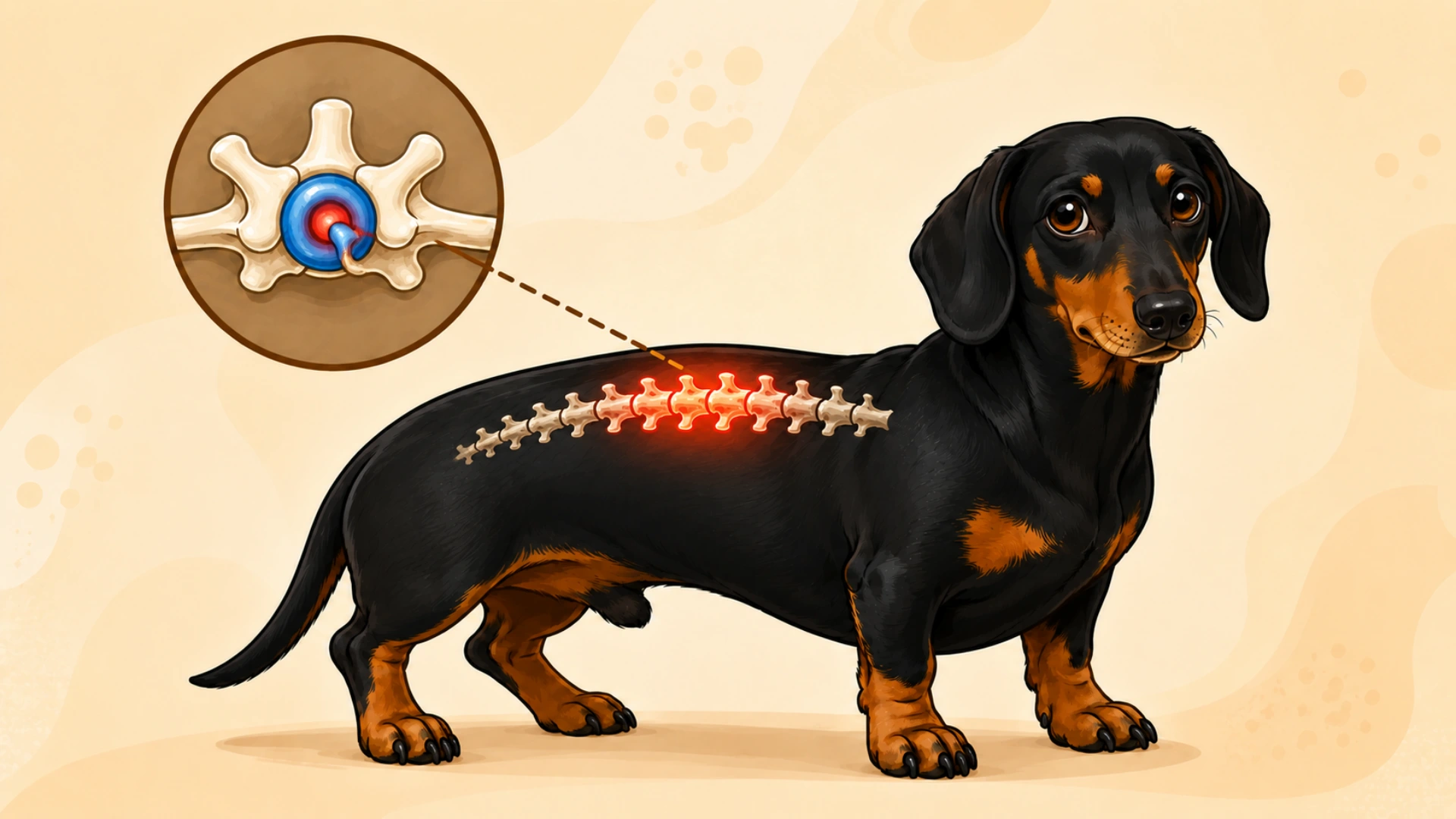
IVDD is the biggest back-related risk for dachshunds because their long spine and short legs put extra pressure on spinal discs.
It can cause pain, weakness, or sudden loss of movement, but fast treatment can change the outcome and protect the quality of life.
Watch for:
- Yelping when touched along the back
- Refusing stairs or jumping
- Hunched posture
- Wobbling or dragging back legs
- Loss of bladder or bowel control
Act quickly, because waiting can turn a manageable episode into an emergency.
2. Obesity
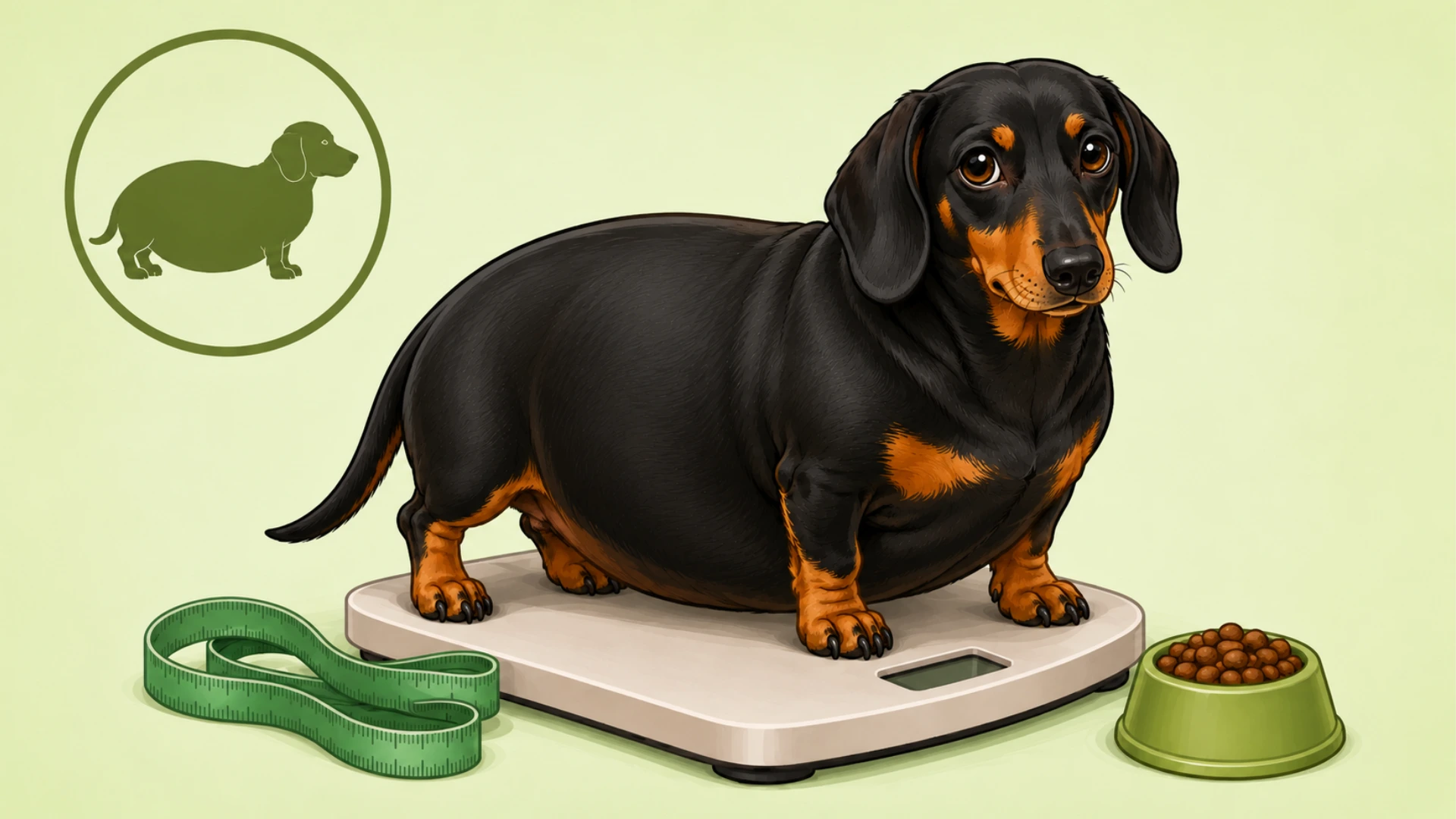
Obesity is dangerous for dachshunds because extra weight places direct pressure on a spine already under pressure.
It raises the risk of IVDD, joint pain, diabetes, and heart strain. The hard part is that dachshunds beg well, and owners often give in without noticing the slow gain.
Watch for:
- Ribs are becoming hard to feel
- Low stamina on walks
- A round belly
- Reluctance to move
- Faster breathing after activity
Measure meals, count treats, and keep exercise steady. This is one risk owners can control daily.
3. Dental Disease
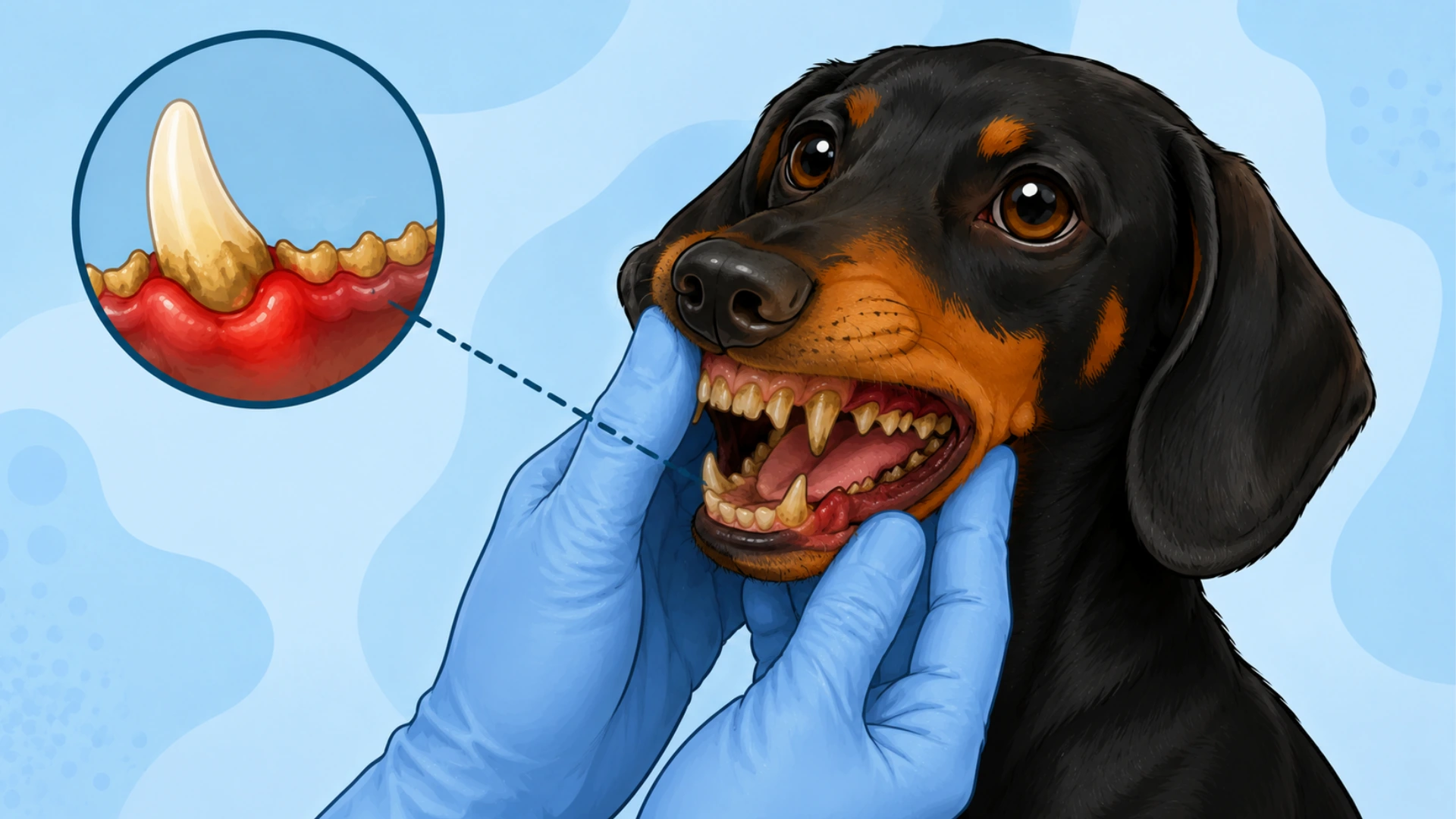
Dental disease is easy to ignore until bad breath becomes an infection.
Dachshunds, like many small dogs, build tartar quickly, and untreated gum disease can push bacteria into the bloodstream. Over time, that can quietly affect the heart, liver, and kidneys.
Watch for:
- Bad breath
- Red or bleeding gums
- Loose teeth
- Chewing on one side
- Dropping food
- Pawing at the mouth
Brush at home using vet-approved dog toothpaste , and schedule professional cleanings when your vet recommends them for lasting health and comfort.
4. Cardiac Conditions
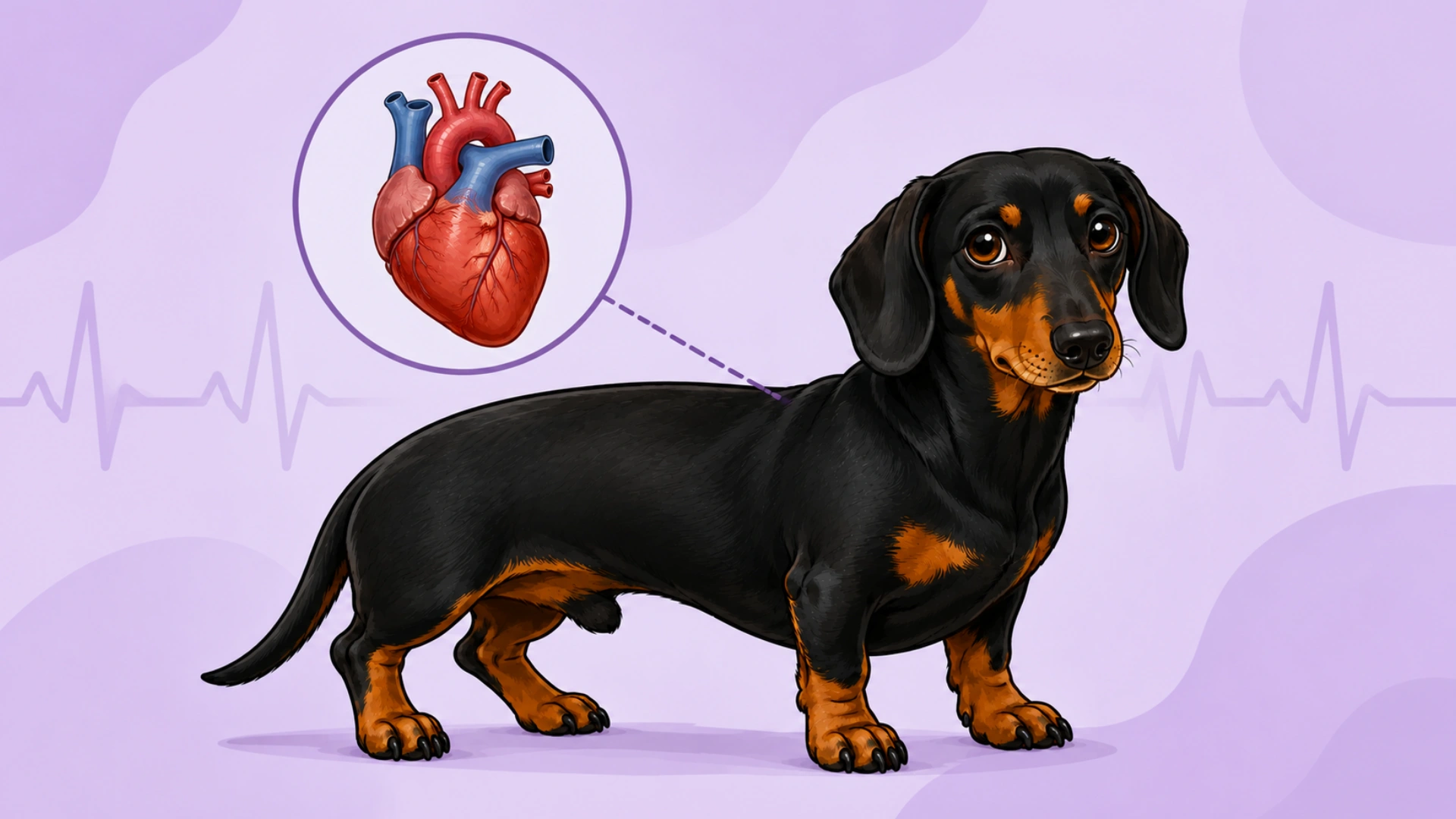
Cardiac problems become more common as dachshunds age, especially mitral valve disease.
This happens when the heart valve weakens, and blood flow becomes less efficient. Many dogs still live well with it, but only if it is found early and monitored properly.
Watch for:
- Coughing
- Tiring faster
- Heavy breathing
- Fainting
- Reduced interest in walks
- Restlessness at night
Middle-aged and senior dachshunds should have regular exams so your vet can catch heart changes before they become harder to manage well.
5. Cancer
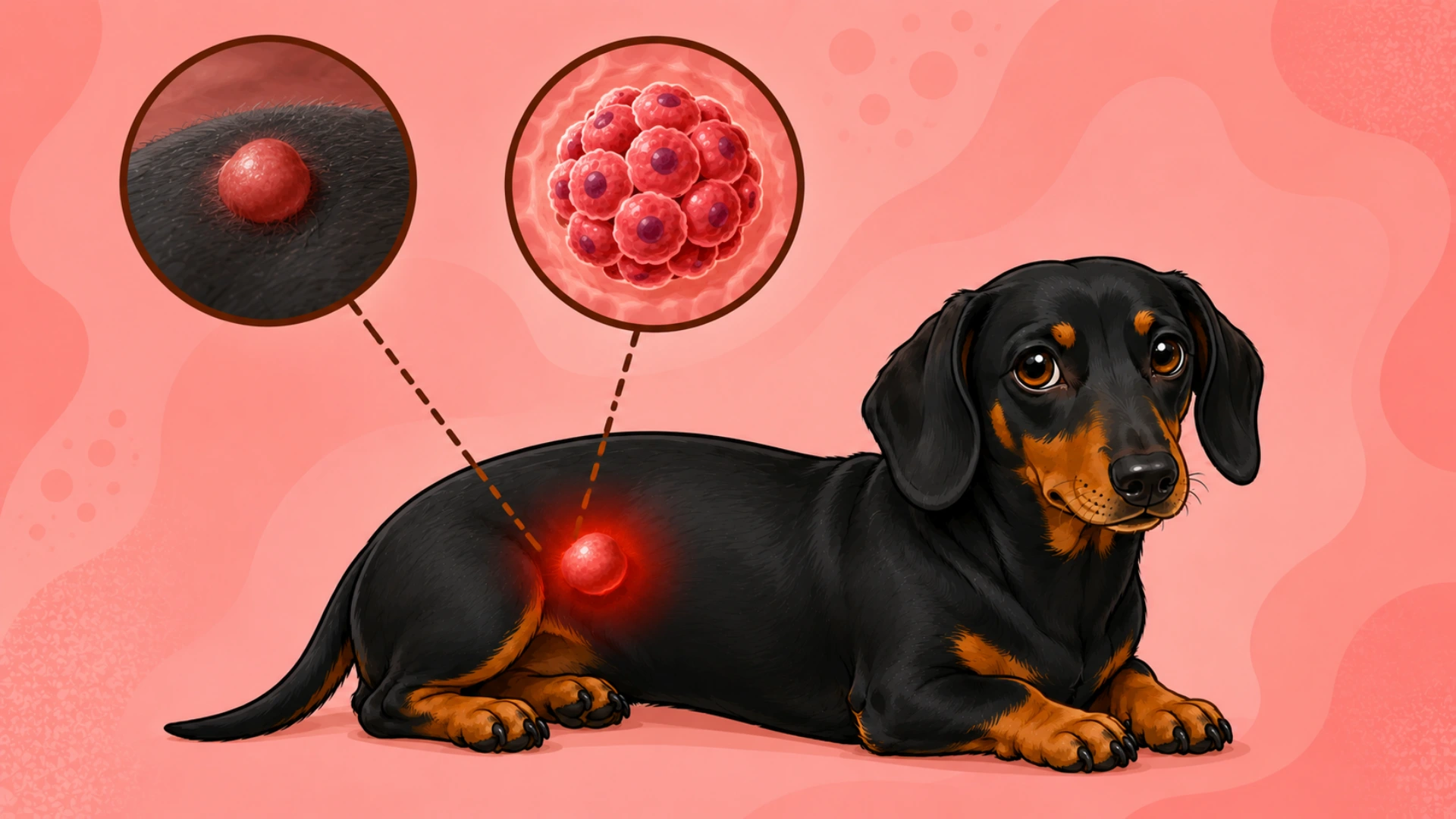
Cancer is one of the hardest risks to recognize because the signs can seem small at first.
A lump, appetite change, weight loss, or sudden tiredness may not seem urgent, but early testing gives a dachshund the best chance of treatment and comfort.
Watch for:
- New lumps or swelling
- Unexplained weight loss
- Appetite changes
- Low energy
- Bleeding or unusual discharge
- Sudden behavior changes
Annual exams and senior bloodwork help catch changes sooner, especially when owners report any new symptoms rather than waiting too long.
How Much Does a Dachshund Dog Cost?
A dachshund puppy typically costs between $800 and $3,500 when bought from a breeder. Pet-quality puppies usually cost between $1,200 and $2,000.
While rare colors, champion lines, or show-quality dogs can cost more. Adoption is cheaper, often ranging from $150 to $650.
Can compare costs with other affordable dog breeds for families before making a decision.
Factors Influencing the Cost
The final dachshund price depends on more than breeder preference. Coat, size, papers, health testing, and demand all quickly affect the number.
- Coat type: Smooth coats usually cost less, while long-haired and wire-haired dachshunds often cost more
- Size: Miniature dachshunds can be pricier because demand is higher
- Papers: AKC registration and champion bloodlines increase cost
- Color: Dapple, piebald, cream, or blue markings may raise the price
- Health testing: Ethical breeders charge more because they screen for inherited issues
Alternate Option: Adoption
Adoption is usually the most affordable way to bring home a dachshund. It also gives many adult and senior doxies a second chance.
- Cost: Shelter or rescue fees usually range from $150 to $650
- Included care: Fees often cover vaccines, microchipping, deworming, and spay or neuter surgery
- Age options: Rescues may have puppies, adults, and seniors
- Best fit: Older dachshunds can be calmer, trained, and easier for first-time owners
- Value: Lower upfront cost, but still plan for vet care and insurance
Post-Purchase Care and Maintenance
The puppy price is only the first bill. First-year costs often reach $1,000 to $2,000 for a crate, ramp, bowls, leash, food, vaccines, training, and starter vet care.
After that, annual costs usually run $1,800 to $3,600 for food, grooming, dental cleanings, routine checkups, and insurance.
Pet insurance often costs $20 to $50 per month, and it matters because IVDD treatment can reach $3,000 to $8,000 fast for dachshunds with sudden back issues later on.
Dachshund Traits and Care Needs at a Glance
Dachshunds, lovingly called wiener dogs, are bold, affectionate, and full of personality. Before bringing one home, it’s helpful to understand their key characteristics at a quick glance.
This overview covers the essentials from physical traits to daily care needs.
| Category | Details |
|---|---|
| Physical features | Long body, short legs, and floppy ears. Coat types include smooth, long-haired, and wire-haired. Males are often broader and more muscular, while females are usually smaller and lighter |
| Size and weight | Miniature: 8 to 11 lbs. Standard: 16 to 32 lbs. Males are usually slightly taller and heavier, while females tend to be more petite |
| Diet needs | Small-breed formula with strict portion control. Most need 1/4 to 1/2 cup daily, split into 2 to 3 meals. They gain weight easily |
| Temperament | Affectionate, stubborn, playful, curious, and vocal. Males may be more playful and independent, while females can be more attentive |
| Lifespan | 12 to 16 years, with some reaching 18+ |
| Exercise | Short low-impact walks, 15 to 25 minutes. Avoid jumping and stairs |
| Grooming | Smooth: low. Long-haired: moderate. Wire-haired: high |
| Vaccinations | DHPP, rabies, and annual boosters |
| Vet care | Regular checkups. Watch for IVDD, dental disease, and obesity |
What Dachshund Owners Say: Real Stories from the Community
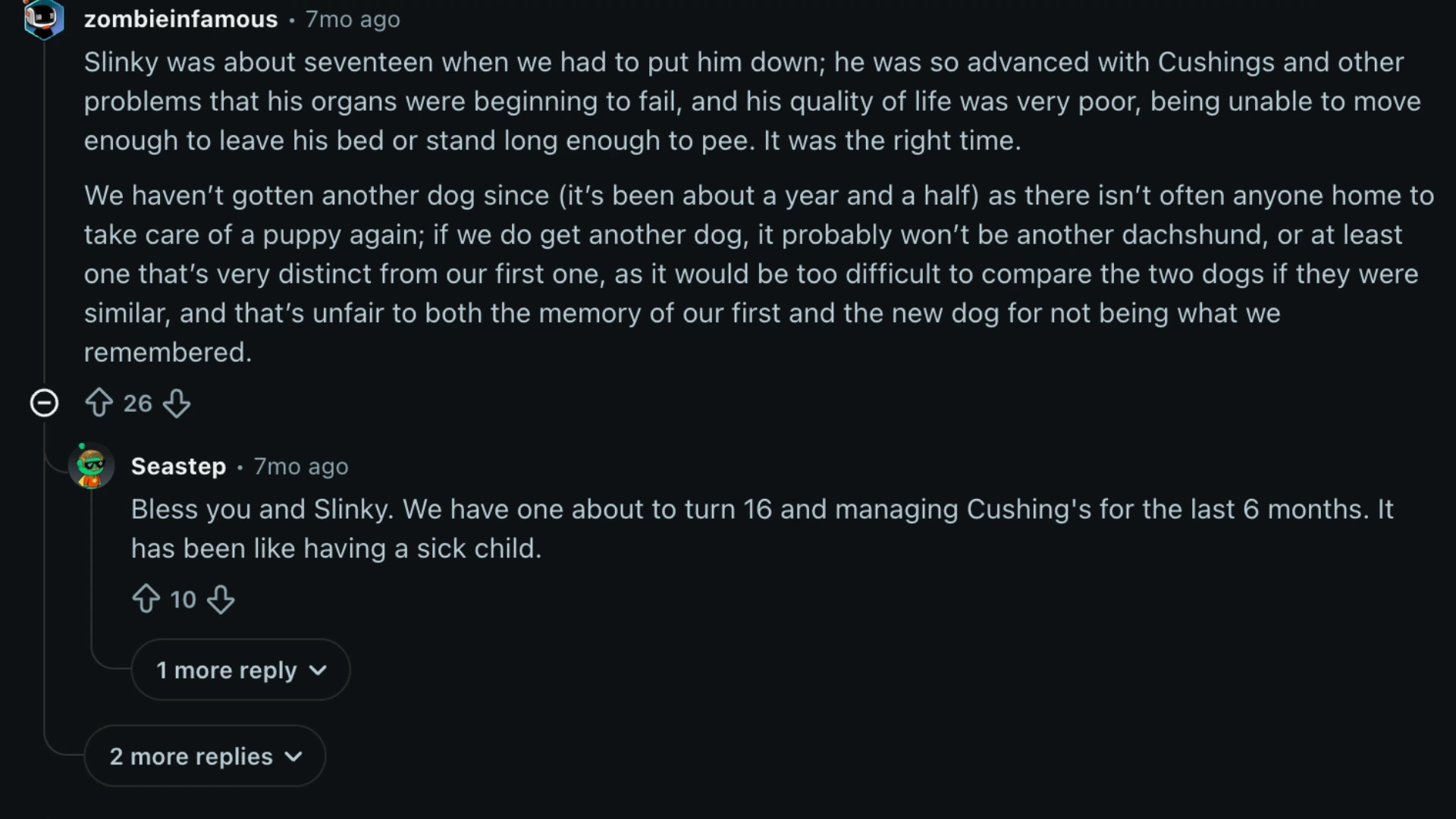
Reddit’s dachshund stories hit hardest because they sound like real homes, not breed charts. Owners mention doxies living to 15, 16, 17, 18, and almost 19.
the thread also shows the other side: IVDD, cancer, Cushing’s, seizures, dental decisions, and the quiet fear of knowing a dog is getting old.
The clear pattern is not “dachshunds always live long.” It is this: the good years depend on attention.
People talk about bloodwork, vet checks, better senior food, back care, and knowing when quality of life has changed. But the emotional message is even stronger.
Dachshunds become part of the house, the routine, and the family memory.
Reddit’s real advice is simple: protect their health early, enjoy the ordinary days, and do not take the extra years for granted
How to Help Your Dachshund Age Better?
A longer dachshund life depends on consistent, boring habits. You are not trying to over-manage the dog.
You are trying to protect the spine, control weight, and catch small problems before they turn expensive or painful.
- Weight: Keep meals measured, treats counted, and ribs easy to feel without pressing hard
- Exercise: Aim for daily movement, but split walks if your dachshund tires quickly
- Back protection: Put ramps near sofas, beds, and cars before jumping turns into a routine
- Walk setup: Choose a harness for walks, and save the collar for ID tags
- Dental care: Brush several times a week, then book cleanings when your vet recommends them
- Vet care: Do not wait for obvious symptoms, especially once your dachshund reaches senior age
- Mental health: Rotate scent games, puzzle feeders, and short training so boredom does not become stress
Conclusion
A dachshund that reaches 15 or 16 usually had consistency behind the scenes: measured meals, protected backs, clean teeth, regular vet care, and an owner who paid attention early.
They may be small, but their spine, weight, and senior years need planning before problems appear.
The reward is time. More slow walks, quiet mornings, blanket naps, and years with that stubborn little shadow following you around the house.
Are you getting a dachshund for the family? Tell me in the comments what made you choose this breed.
Frequently Asked Questions
Do Miniature Dachshunds Live Longer than Standard Dachshunds?
Generally, yes, but not by a huge gap. Standard dachshunds usually live around 12 to 14 years, while miniature dachshunds often reach 14 to 16 years.
Some miniatures live past 17 with strong daily care. Size helps, but it is not everything. Weight control, back protection, dental care, and regular vet visits matter for both types.
Is IVDD Preventable in Dachshunds?
Not completely. IVDD has a genetic side, so no routine can remove the risk fully.
Still, owners can reduce the risk by keeping their dachshunds lean, using ramps, avoiding repeated jumping, choosing low-impact exercise, and working with responsible breeders who screen their lines.
What are the Signs My Dachshund is Getting Old?
Common signs include slower walks, longer naps, stiffness, cloudy eyes, hearing changes, back sensitivity, appetite changes, weight shifts, and grey around the muzzle. Senior checkups from around age 8 help catch problems earlier.