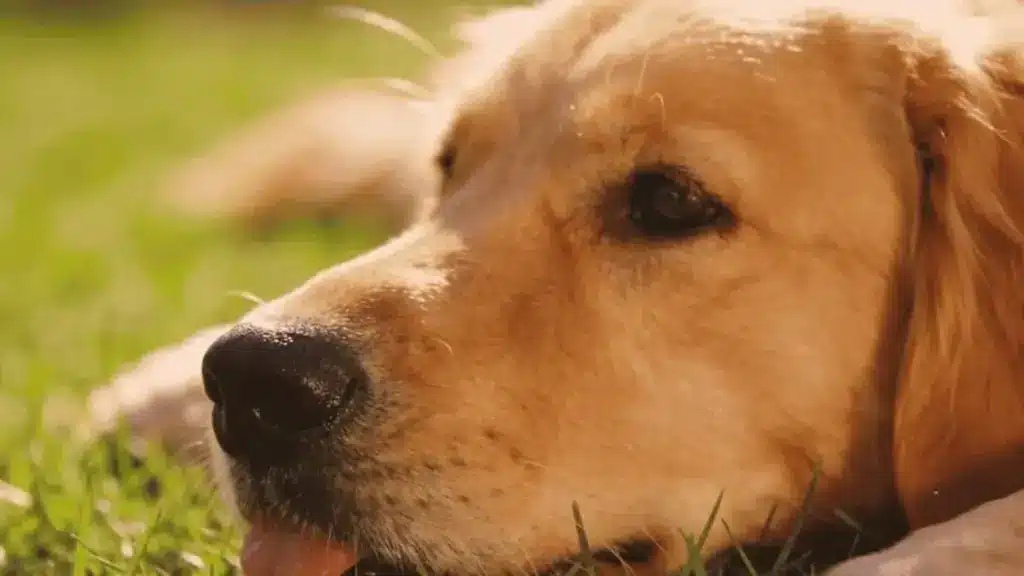
That cold, wet touch from your dog early in the morning can feel sweet and familiar.
Your dog may press their nose against your arm, hand, or face, and it can make you wonder why it feels that way. Is the wetness only from licking, or does it actually help your dog in some way?
A dog’s nose does more than look cute. It helps them smell, understand their surroundings, and even cool down a little.
But if your dog’s nose sometimes feels dry, that does not always mean something is wrong. There are normal reasons for both wet and dry noses.
In this blog, you will find what a wet dog nose really means, why it happens, and when a change may need attention.
Should a Dog’s Nose Be Wet or Dry?
A dog’s nose does not always stay in one condition, and both wet and dry states can be normal depending on the situation.
Most healthy dogs naturally have a slightly cool and moist nose because mucus production and licking keep it hydrated.
This moisture helps with scent detection and overall nose function.
However, a dry nose is also common, especially after sleeping, resting in warm weather, or spending time in heated indoor spaces. In these cases, dryness usually returns to normal within a short time.
The key point is not the wetness alone but the overall condition of the nose and the dog’s behavior. In general, slight variations in wetness are completely normal and not a cause for concern.
Why Do Dogs Have Wet Noses?
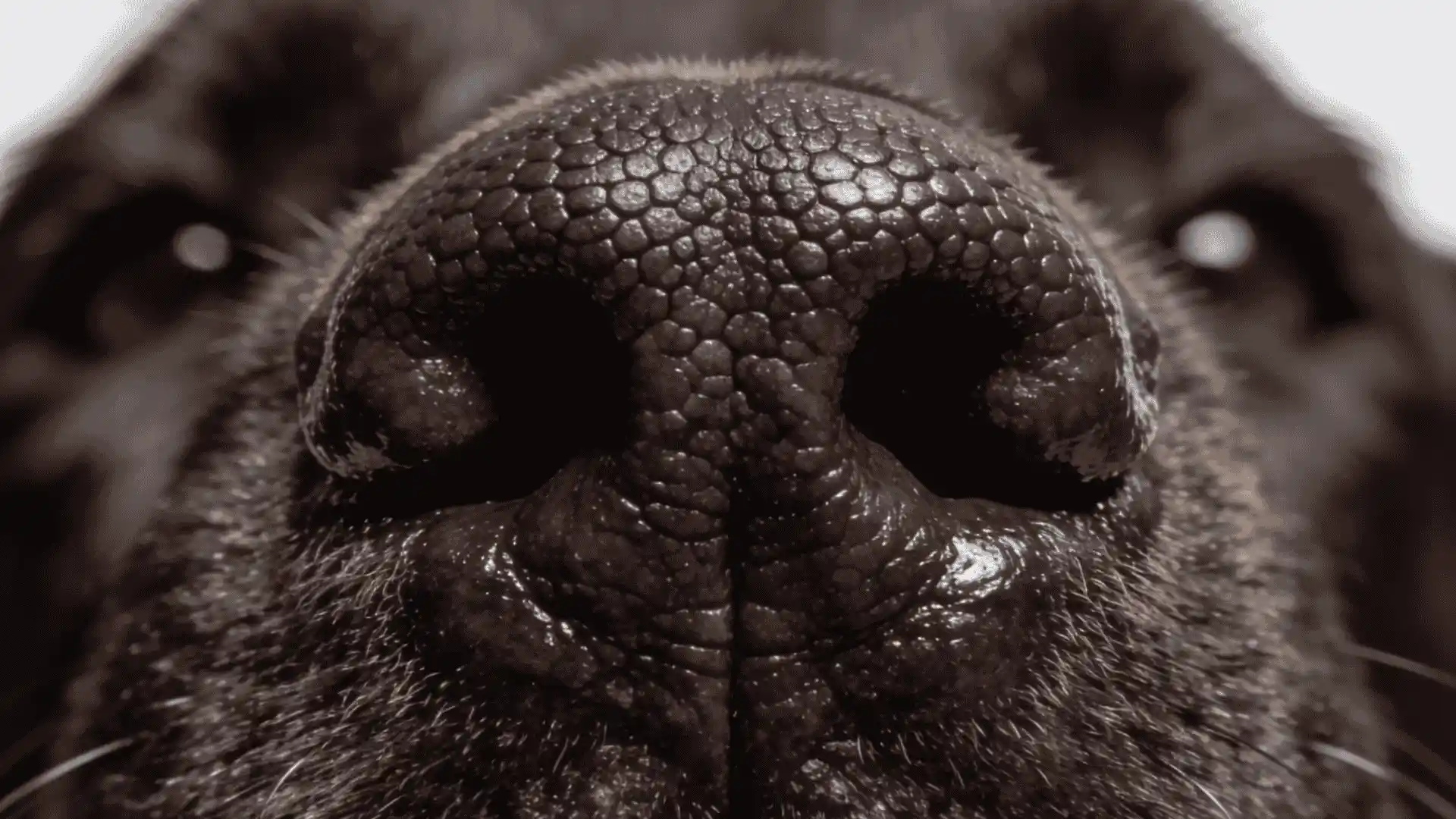
A wet nose is normal for most dogs, but it does not mean dogs sweat through their noses. A dog’s nose does not work like human skin. The moisture usually comes from mucus inside the nose and regular licking.
Mucus Helps Hold Scent
Dogs have glands inside the nose that make a thin layer of mucus. This keeps the nose damp and helps tiny scent particles stick to the surface.
When more scent sticks to the nose, dogs can pick up smells more clearly.
This is one reason dogs sniff the ground, people, other animals, and objects so carefully.
A moist nose helps them gather more scent details from their surroundings, almost like collecting clues before they react.
Licking Keeps the Nose Wet
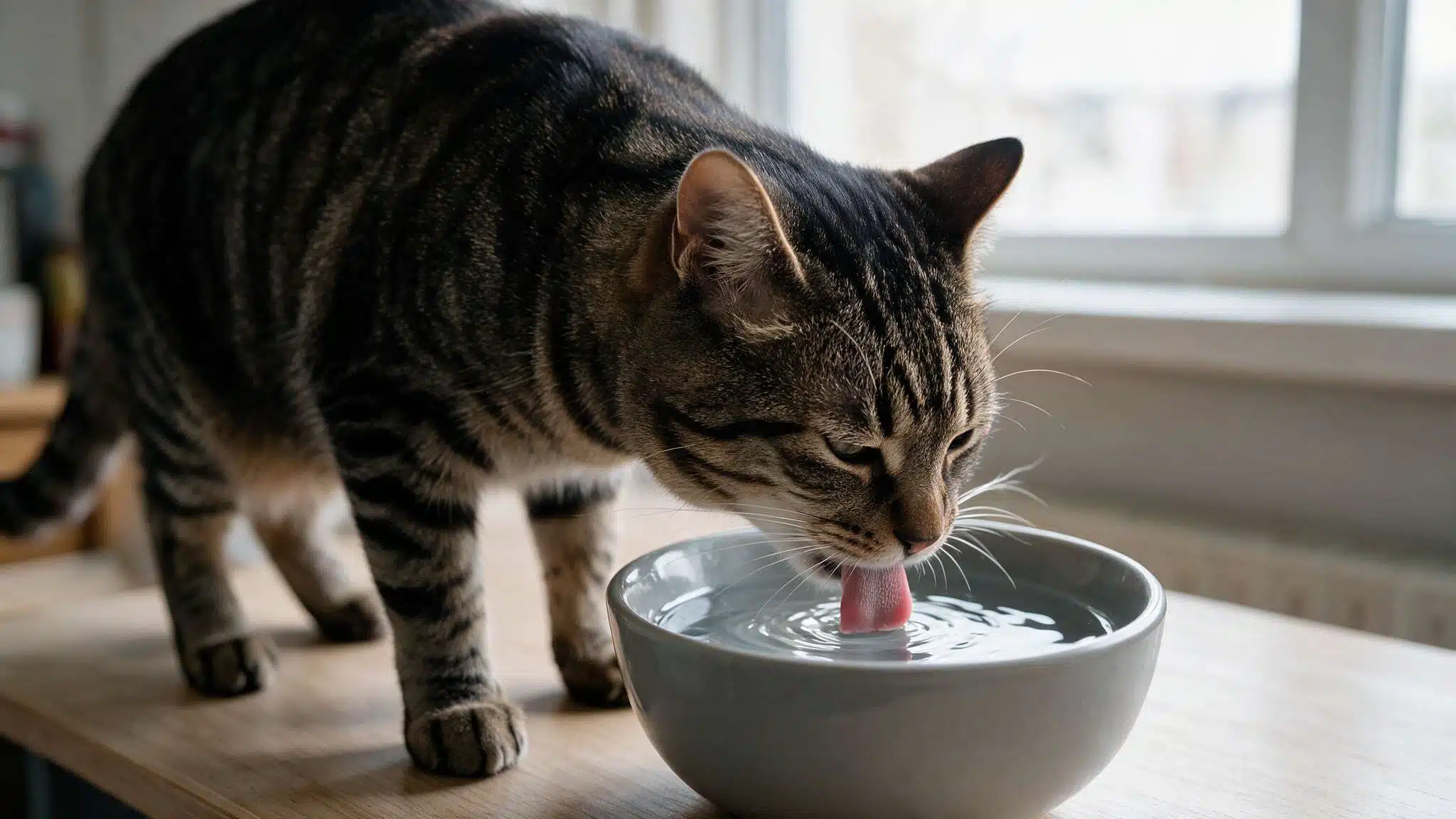
Dogs also lick their noses often. This adds saliva and helps keep the nose moist. Licking may also help remove dirt, dust, or lingering scent particles after a dog has been sniffing around.
When a dog licks the mucus and scent particles off its nose, some of that scent travels to the roof of the mouth, where a structure called the Jacobson’s organ.
This is part of why smell and taste work so closely together in dogs, and it’s a detail most nose-focused explanations skip.
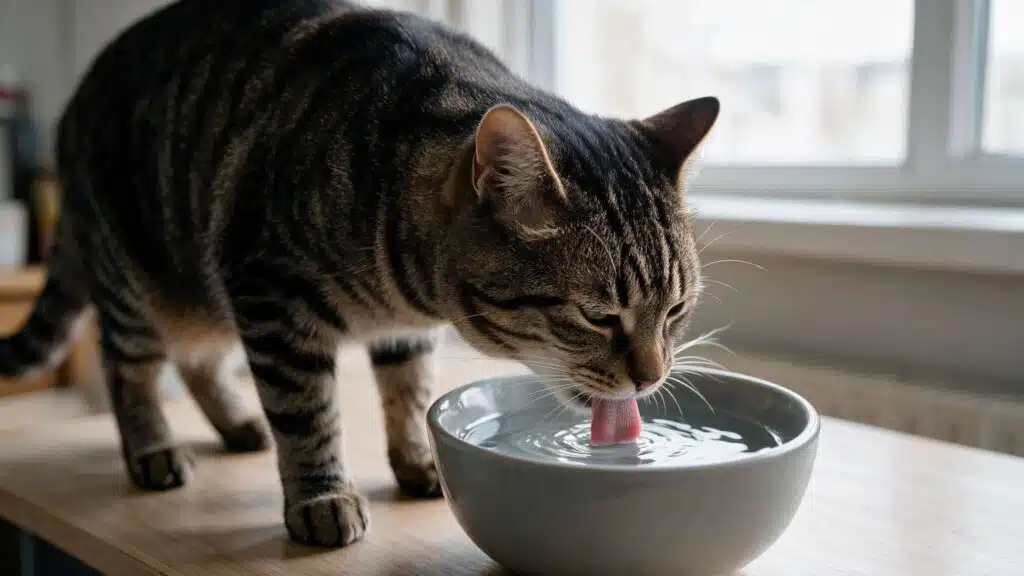
That’s also why a dog’s nose may feel dry after a nap. Dogs don’t lick their noses while they’re asleep, so the nose can dry out. It usually turns wet again within a few minutes of waking up.
How Does a Wet Nose Help Dogs Smell?
A dog’s sense of smell is far more advanced than humans’, and the moisture on its nose plays a key role in making it even more powerful.
- Moisture traps scent particles effectively: A wet surface captures tiny odor molecules from the air, helping dogs hold onto scents longer for better detection and analysis.
- Enhances scent transfer to olfactory receptors: The damp nose helps dissolve scent particles, allowing them to move more easily toward the olfactory system inside the nasal cavity.
- Supports stronger scent discrimination: With improved moisture, dogs can distinguish between multiple overlapping smells, such as identifying a specific person in a crowded area.
- Improves tracking ability in real time: A wet nose allows dogs to continuously collect fresh scent data, which is essential for tracking movement trails and detecting changes in direction.
- Works with licking behavior for scent updating: Dogs often lick their noses to keep them moist, refreshing the surface so new scent particles can be captured more efficiently.
Does a Wet Dog Nose Control Heat?
Dogs cannot sweat all over their bodies as people do. They only have sweat glands in their paw pads, so sweating does not cool them much.
Most of their cooling happens through panting, but the nose can help a little too. When moisture on a dog’s nose dries, it takes some heat away from the skin.
Since the nose has many tiny blood vessels and no fur covering it, this small cooling effect can be useful.
It is not as powerful as panting, but it can still help, especially in warm weather.
That coldness you feel is evaporative cooling from the nose doing its small part alongside panting.
Is a Wet Nose Actually a Sign of Good Health?
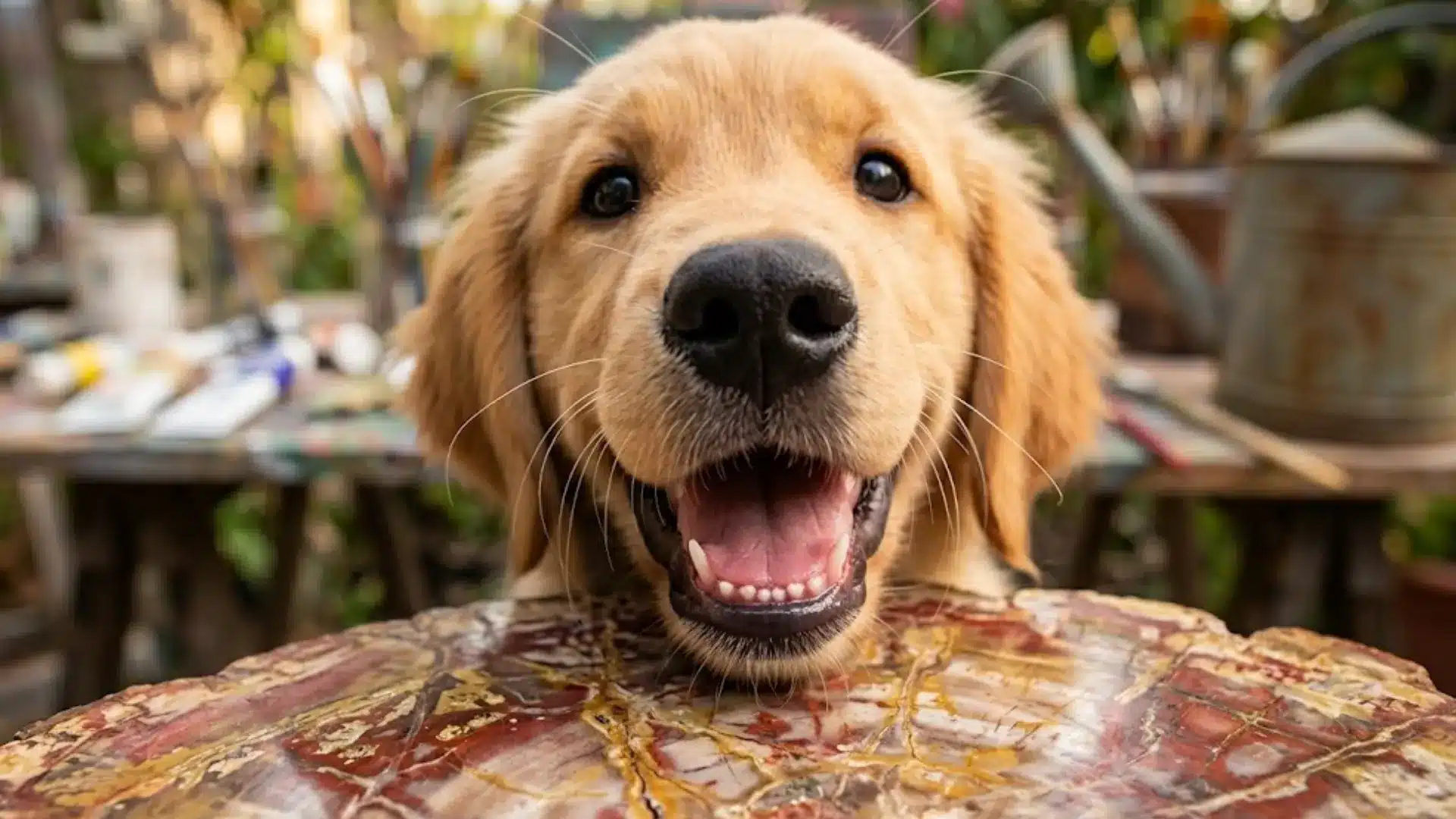
A wet nose does not always mean a dog is healthy, and a dry nose does not always mean something is wrong. This is an old dog care myth.
The idea may have originated from a serious illness in dogs called distemper. In bad cases, this sickness can make the nose and paw pads dry, thick, and rough.
Over time, people started thinking every dry nose meant sickness, but that is not true.
A healthy dog’s nose can feel wet or dry during the day. Sleep, licking, water intake, weather, and indoor air can all change how it feels.
A sick dog may still have a cool, wet nose. That is why nasal moisture alone is not a reliable indicator of health.
A wet nose can simply mean a dog is well-hydrated and licking often, not that anything is wrong.
Why is My Dog’s Nose Dry, Not Cold, or Changing Texture?
This section is for informational purposes only and does not constitute medical advice. Consult a qualified veterinarian before making any decisions about your dog’s health.
Most of the time, a dry or warm nose is not a sign of illness. Many normal things can change how your dog’s nose feels during the day.
- Just woke up: Dogs do not lick their noses while sleeping, so the nose may feel dry after a nap.
- Sitting near heat or sunlight: A heater, warm room, or sunny window can dry out the nose faster.
- Mild dehydration: If your dog has not had much water, the nose may feel drier. The gums may also feel a little dry.
- Breed and age: Some dogs naturally have drier noses. Flat-faced breeds like Pugs and Bulldogs may lick their noses less. Older dogs may also have drier noses.
- Weather exposure: Wind, cold air, and dry indoor air can pull moisture from the nose.
These reasons are usually harmless. If your dog is eating, drinking, playing, and acting normal, a dry nose is usually just a dry nose.
How to Keep a Dog’s Nose Healthy?
A dog’s nose does not need much special care, but it should be checked often.
Some dryness is normal, especially after sleep, warm weather, or lying near a heater. The main goal is to watch for changes that do not go away.
Keep your dog well hydrated, because dehydration can make the nose and mouth feel dry. Fresh water should always be available, especially after walks, playtime, or time in the sun.
Avoid using human lotions, oils, or balms on your dog’s nose unless your vet says it is safe.
Some products can irritate the skin or make your dog sick if they lick it off.
You can also protect the nose by keeping your dog out of extreme heat, strong sun, and freezing wind for too long.
If the nose becomes cracked, bleeding, swollen, crusty, or painful, it is time to call your vet.
When Does a Dry Nose Need a Vet Visit?
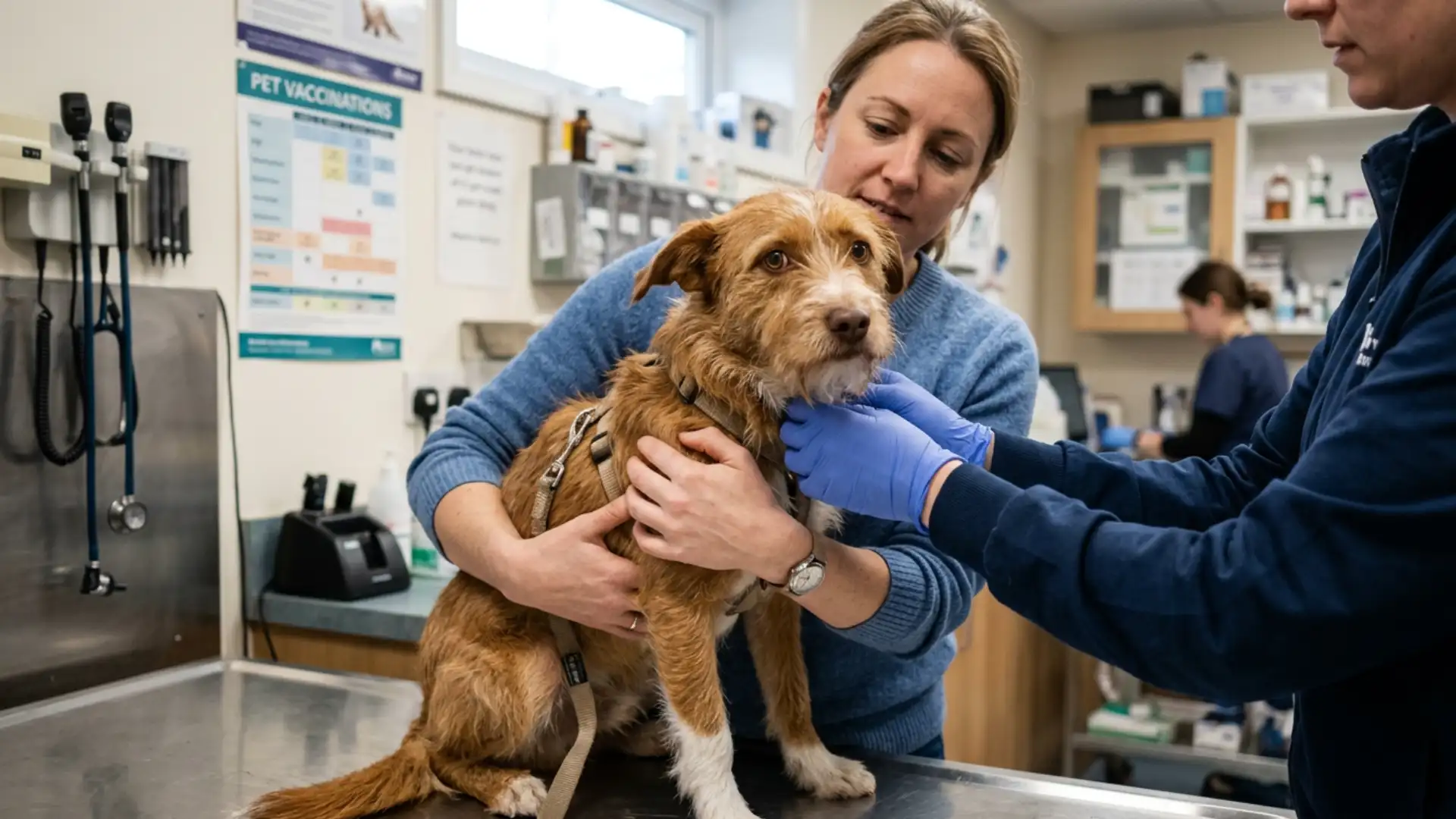
A dry nose is not always a problem, but a change in texture can matter more. A healthy dog’s nose usually has a slightly bumpy surface.
Watch for these signs:
- Crusting or cracking: If the nose keeps getting rough, dry, or split, it may need a vet check, especially if it does not heal.
- Bleeding or open sores: Small sores can still become painful or infected. If they come back or do not close, call your vet.
- Loss of color or smooth patches: Pale spots, fading color, or shiny, smooth areas may indicate a skin issue or an immune problem.
- Thick or foul-smelling discharge: Clear, watery fluid is often less concerning, but thick, yellow, green, or foul-smelling discharge should be evaluated.
- Other symptoms: Low energy, poor appetite, fever, coughing, or behavior changes can make nose changes more serious.
Some causes are mild and easy to manage, but others need proper treatment. A vet can check the nose and decide if tests are needed.
Conclusion
A wet dog’s nose is usually just normal biology. Mucus and saliva help your dog smell better and may also help with a little cooling.
But a wet nose does not always mean your dog is healthy, and a dry nose after sleep does not always mean something is wrong.
What matters more is how the nose looks and feels over time. Cracks, crusting, bleeding, color changes, thick discharge, or other symptoms are worth checking.
Try to learn what is normal for your own dog. That makes it easier to notice real changes.
Have you noticed anything unusual on your dog’s nose recently? Share it in the comments, or send this to another dog parent who worries about every dry nose.
Frequently Asked Questions
Does My Dog’s Nose Color Matter for Their Health?
Yes, but only if the color changes suddenly or is accompanied by other symptoms. Some dogs naturally have black, brown, pink, or spotted noses. That can be normal. But fading color, sores, crusting, bleeding, or swelling should be checked by a vet.
Can Allergies Make a Dog’s Nose Dry?
Yes. Allergens, certain foods, and cleaning products can irritate your dog’s skin and dry out the nose for a while. It usually gets better once the Irritant is removed.
Should I Put Anything on My Dog’s Dry Nose?
A small amount of dog-safe moisturizer may help if your dog’s nose stays dry but still looks normal. Avoid human lotions and products with zinc oxide, because dogs may lick and swallow them.