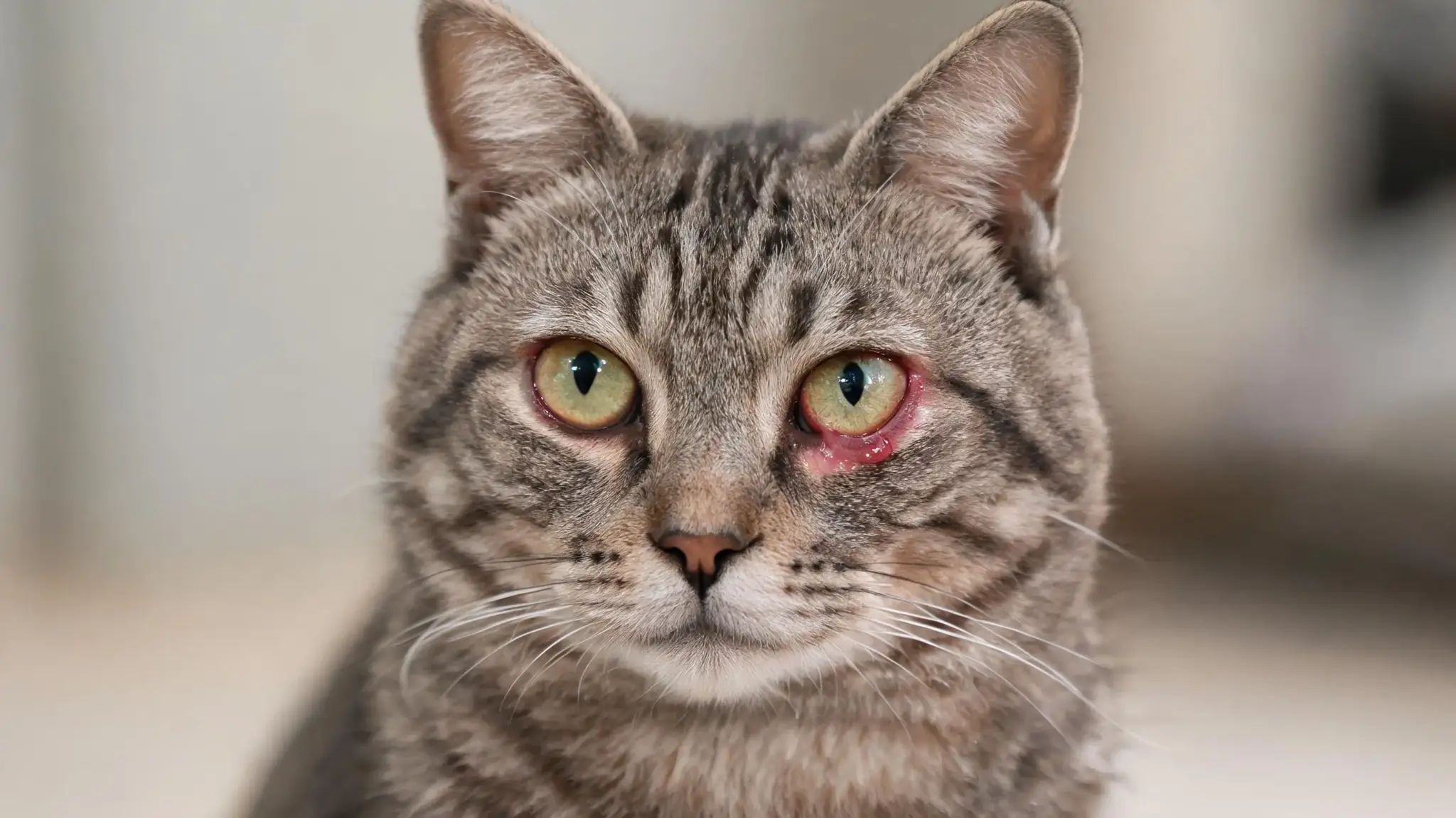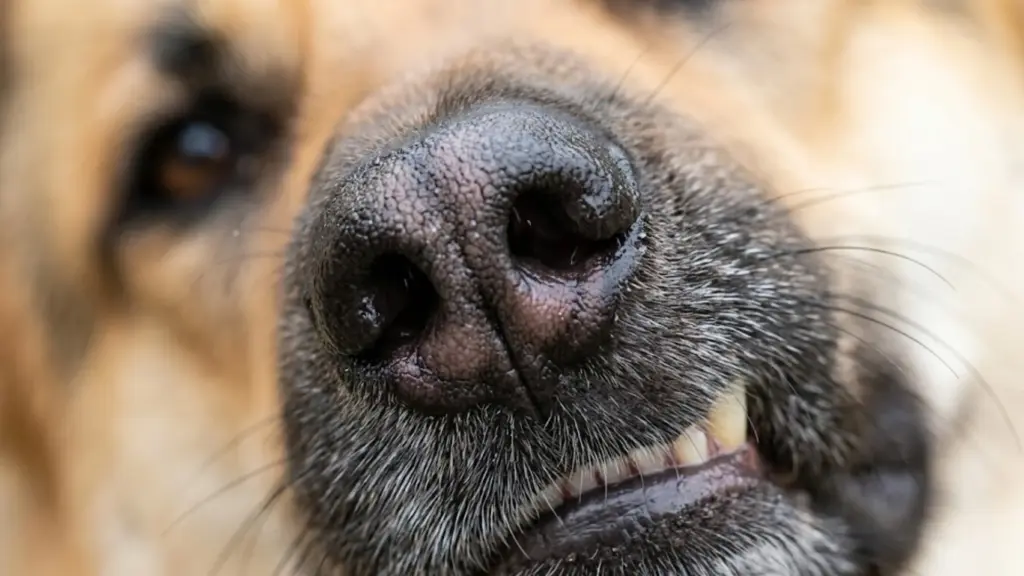
A runny nose in dogs can be worrying at first, especially when it shows up out of nowhere. But not every case points to something serious.
In many situations, it can be linked to simple things like weather changes, mild irritation, dust, or even excitement.
At the same time, a dog’s runny nose can also hint at underlying health issues that need attention if other signs appear along with it.
In my practice, I see runny-nose cases almost every week, and the ones that turn out to be nothing almost always involve clear, thin discharge that showed up after a walk or some excitement.
The ones that need attention look and smell different.
In this blog, you will learn about common causes, possible health concerns, warning signs to watch, home care tips, and when it might be time to visit a vet.
Is it Normal for Dogs to Have a Runny Nose?
A mild runny nose in dogs can be completely normal in many cases. Dogs naturally produce a small amount of clear nasal discharge to keep their nose moist and trap dust or tiny particles.
This kind of discharge is usually thin, watery, and not something to worry about.
The type of discharge matters a lot, as clear and light fluid is often harmless, but thick, sticky, or colored discharge can point to a problem.
Paying attention to the texture helps you understand what is going on. You may also notice a runny nose at certain times. It can happen after sleep, when a dog wakes up and clears its nose.
Weather changes, especially cold or dry air, can also trigger it. Even physical activity or excitement can cause temporary nasal discharge that settles quickly.
Brachycephalic breeds like Pugs, Bulldogs, French Bulldogs, and Shih Tzus may have nasal discharge more often.
Their short nasal passages can make drainage less smooth, so mild discharge can happen from time to time.
Health Issues Behind a Dog’s Runny Nose

Some cases are not harmless. A runny nose can sometimes point to deeper health problems that need attention, especially when other symptoms show up along with it.
1. Infections
Infections are one of the most common reasons behind a dog’s runny nose. These can be bacterial or viral, and both affect the respiratory system.
Bacterial infections often cause thick discharge that may look yellow or green.
Viral infections, such as kennel cough, can lead to sneezing, coughing, and watery discharge at first, which may worsen over time. Dogs with infections may also feel low on energy and lose their appetite.
If left untreated, these infections can spread and become more serious, so early attention helps prevent complications and supports faster recovery.
2. Dental Problems
Dental issues can sometimes be the hidden cause behind nasal discharge. The roots of a dog’s upper teeth sit close to the sinus area.
When a tooth becomes infected, especially due to decay or gum disease, the infection can spread into the sinuses.
Dog tooth decay can progress silently before nasal symptoms even appear, which is why routine dental checks matter.
This can lead to discharge from one side of the nose, often with a bad smell. Dogs may also show signs like difficulty eating or pawing at their mouth.
3. Foreign Objects
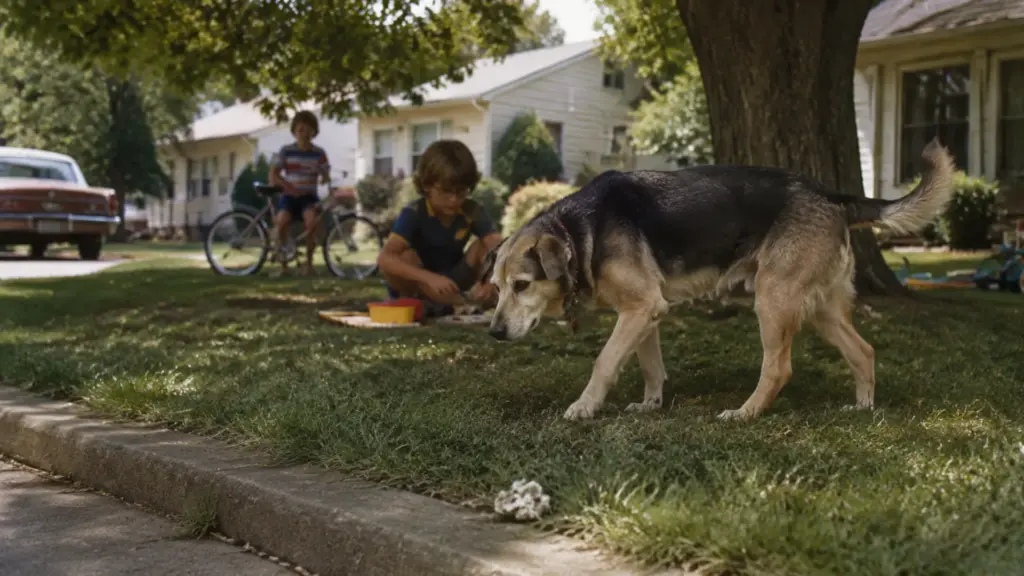
Dogs often sniff around, which makes it easy for small objects to enter their nose. Things like grass seeds, dirt, or tiny debris can get stuck inside the nasal passage.
This can irritate the lining and cause sudden discharge, often from one nostril. You may also notice frequent sneezing or your dog trying to rub its nose.
In some cases, the discharge may become bloody if the irritation continues. Removing the object is important, and a vet may be needed if it does not come out on its own.
4. Nasal Tumors
Nasal tumors are less common but more serious. These growths develop inside the nasal passages and can block airflow or cause irritation.
Signs often include persistent discharge, which may be bloody, along with swelling around the face or nose.
Dogs may also have trouble breathing through the nose. This condition is more often seen in older dogs.
Early diagnosis is important because it helps in managing the condition better. Treatment options depend on the severity and may include surgery or other medical support.
5. Fungal Infections
Fungal infections can affect the nasal area, especially in environments where certain fungi are present in soil or air.
Dogs that spend a lot of time outdoors are more likely to be exposed. These infections can cause thick discharge, sometimes mixed with blood, along with sneezing and discomfort.
In some cases, there may also be visible swelling or pain around the nose. Fungal infections can be harder to treat and often require specific medications.
Proper diagnosis is important to ensure the right treatment plan is followed.
Types of Nasal Discharge and What They Mean
Understanding the type of nasal discharge can help quickly identify whether the situation is normal or needs medical attention. The color, thickness, and pattern often give the clearest clues about what may be causing a dog’s runny nose.
| Type of Discharge | What it Means |
|---|---|
| Clear and watery | Usually normal. Often triggered by cold air, dust, mild irritation, or excitement |
| White and slightly cloudy | Can be normal, but if it thickens or persists, it may indicate early irritation |
| Yellow or green | Strong sign of bacterial or advanced viral infection. Vet visit recommended |
| Bloody or pink-tinged | It may result from trauma, a foreign object, or a possible growth. Needs attention |
| One nostril only (one-sided) | May indicate foreign body, tooth infection, or growth. |
Symptoms of a Runny Nose That Should Not Be Ignored
Some signs go beyond normal and may point to a deeper issue. These symptoms should not be overlooked, as they often signal that your dog needs medical attention.
- Thick yellow, green, or bloody discharge: This type of discharge often indicates infection or injury and is not considered normal in any situation.
- Bad smell: A foul odor from the nose can be a sign of infection, dental problems, or decaying tissue that needs quick attention.
- Sneezing a lot: Frequent or intense sneezing may suggest irritation, an infection, or something stuck in the nose.
- Swelling around the nose or eyes: Visible swelling can point to an infection, abscess, or growth affecting nearby areas.
- Loss of appetite or low energy: When a dog seems tired or avoids food, it may mean the issue is affecting overall health and comfort.
When to Visit a Vet for Your Dog’s Runny Nose?
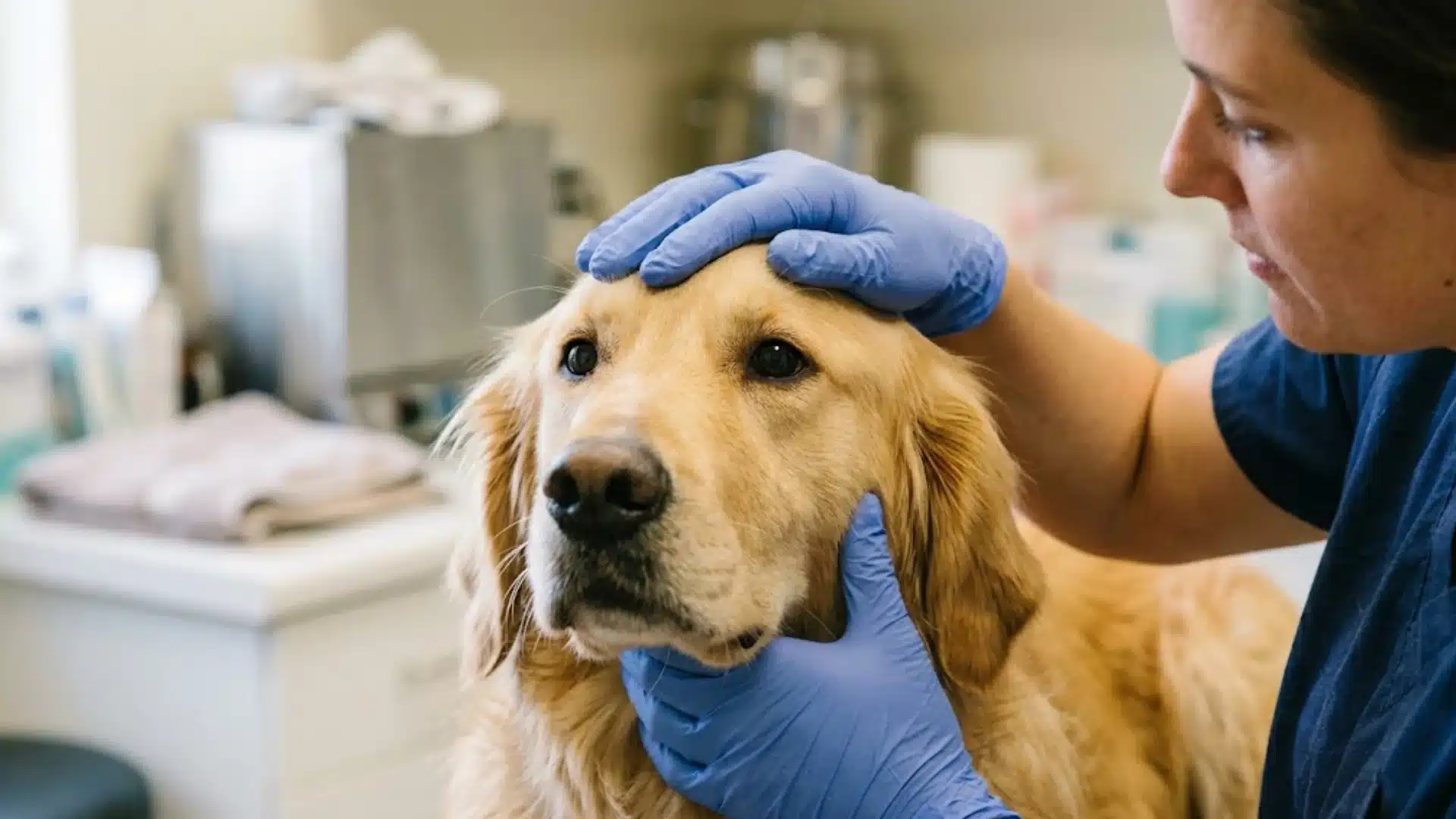
You should see a vet if nasal discharge lasts more than a few days and does not seem to improve.
A short, clear runny nose may pass on its own, but ongoing discharge can point to infection, allergy, dental trouble, or another health issue.
It is also time to get help if the discharge gets thicker, changes color, smells bad, or starts coming from only one nostril. These changes can mean the problem is getting worse instead of healing.
In my experience, one-sided discharge is one of the clearest clinical clues that something specific is going on: a foreign body, a tooth root infection, or, occasionally, a growth. It is worth a same-day call.
Watch your dog’s overall behavior too. If your dog seems weak, tired, or feverish, or if it stops eating, the runny nose may be part of a bigger problem.
Noisy or labored breathing with nasal discharge is a red flag. If your dog’s breathing sounds off, this guide on why dogs breathe weirdly can help you understand what different patterns may mean.
Any bleeding from the nose should always be checked by a vet, even if it happens once. Bleeding can come from injury, irritation, or something more serious.
How Vets Find the Cause of Nasal Discharge?
Vets usually start with a physical check to see how your dog is breathing and whether there are signs of pain, fever, or swelling.
They may also examine the nose and mouth, as dental problems can sometimes affect the sinuses and cause discharge.
A mouth exam helps spot infected teeth, gum issues, or bad breath that may be causing the problem.
If the cause is not clear, the vet may suggest X-rays or scans to check the nasal passages, tooth roots, and sinus area.
Lab tests may also be needed if infection, allergy, or fungal disease is suspected. These tests can help identify what is causing the discharge and guide the right treatment.
This makes diagnosis more accurate instead of guessing from symptoms alone.
Best Treatment Options for Nasal Discharge in Dogs
Treatment depends on the cause of the nasal discharge. A mild case linked to weather, dust, or short-term irritation may only need simple care and monitoring.
If allergies are the reason, the vet may suggest reducing triggers like pollen, smoke, strong smells, or cleaning sprays.
In some cases, allergy medicine may be recommended. If an infection is present, antibiotics may be used for bacterial causes.
Viral infections are usually managed with rest, fluids, and supportive care, depending on the dog’s condition.
When something is stuck in the nose, such as grass seeds or dirt, the vet may need to remove it safely.
Surgery is rare, but it may be needed for tumors, severe dental disease, or deeper nasal problems.
Conclusion
A runny nose in dogs can happen for many reasons. Sometimes it is linked to weather, dust, allergies, excitement, or mild irritation.
Other times, it may point to infections, dental trouble, something stuck in the nose, fungal issues, or rare nasal growths.
The main thing is to watch the type of discharge and your dog’s overall behavior. A dog’s runny nose with clear fluid may not be serious, but thick, colored, smelly, or bloody discharge should not be ignored.
Sneezing, swelling, low energy, and loss of appetite are also signs that need attention.
Staying aware helps you act early without panicking. When something feels off, it is always better to speak with a vet.
Have you ever noticed unusual nasal discharge in your dog? Share your experience in the comments below.
Frequently Asked Questions
Can a Dog’s Breed Affect How Often its Nose Runs?
Yes. Flat-faced breeds like Pugs, Bulldogs, and Shih Tzus may have more nasal issues because of their short-nosed structure. Their airways can make breathing and drainage less smooth.
Can Stress Cause Nasal Discharge in Dogs?
Stress itself may not directly cause nasal discharge, but it can affect a dog’s body and make minor issues seem worse. Panting, licking, or nervous behavior may appear along with it.
Can Puppies Have Runny Noses More Often than Adult Dogs?
Yes. Puppies can be more sensitive to new surroundings, smells, and germs. Their immune system is still developing, so any ongoing nasal discharge should be watched closely.