In my years advising pet parents, the most common assumption I correct is that rabbit diets are simple. Just give veggies, fruits, and maybe a few treats. But after learning more, I realized how easy it is to make mistakes that can harm a rabbit’s health.
Their digestive system is very sensitive, and even small amounts of the wrong food can cause serious problems.
Some foods that seem safe are actually dangerous. Others can slowly affect digestion over time without clear signs at first. That is what makes this topic so important for rabbit owners.
In this guide, I will walk through the foods you should never feed your rabbit, the warning signs to watch for, and how to keep their diet safe and balanced every day.
Why Knowing Toxic Foods for Rabbits Matters
A rabbit’s gut operates like a finely tuned machine; it needs to keep moving, constantly. Feeding the wrong foods can cause GI stasis, a dangerous shutdown of the digestive system that can turn fatal within 24–48 hours if untreated.
This is something I stress in every consultation: GI stasis is not a wait-and-see situation. Veterinarians I’ve worked with consistently cite delayed owner response as the most preventable factor in rabbit fatalities
Beyond stasis, toxic foods for rabbits can cause organ damage, red blood cell destruction, and poisoning. Rabbits also mask pain instinctively, so visible symptoms often appear late.
Knowing what not to feed is the most important thing you can do for your rabbit’s long-term health.
Common Signs of Food Toxicity in Rabbits
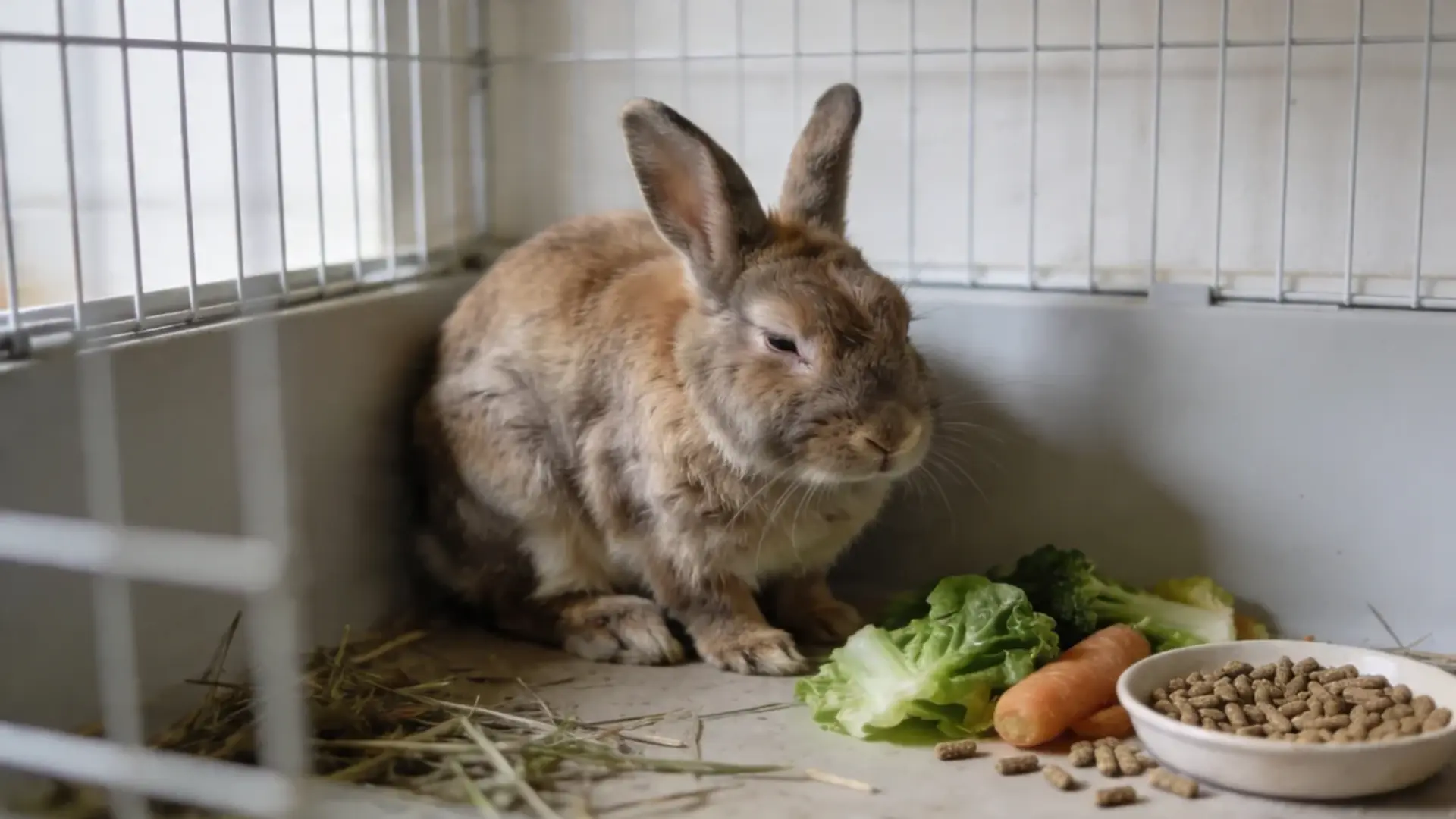
Rabbits often show subtle but important signs when something is wrong, especially after eating harmful food. Early detection is critical, as their condition can worsen quickly without treatment. If your rabbit has eaten something harmful, watch for these warning signs.
- Loss of appetite or refusing favorite foods
- Diarrhea or abnormally soft stools
- Lethargy or unusual stillness
- Visible bloating or a hunched posture indicates abdominal discomfort
- Sudden behavioral changes, hiding, aggression, or unresponsiveness
Full No-Feed List: Foods Toxic to Rabbits
Rabbits have a highly sensitive digestive system that reacts poorly to certain foods. Even small amounts of toxic items can lead to serious health issues or long-term damage. This quick-reference list highlights the most dangerous foods that should never be included in a diet.
| Food | Why It’s Toxic | Risk Level |
|---|---|---|
| Chocolate | Contains theobromine, which the rabbit’s body cannot metabolize | High |
| Avocado | Contains persin, a fungicidal toxin that causes respiratory and cardiac distress | High |
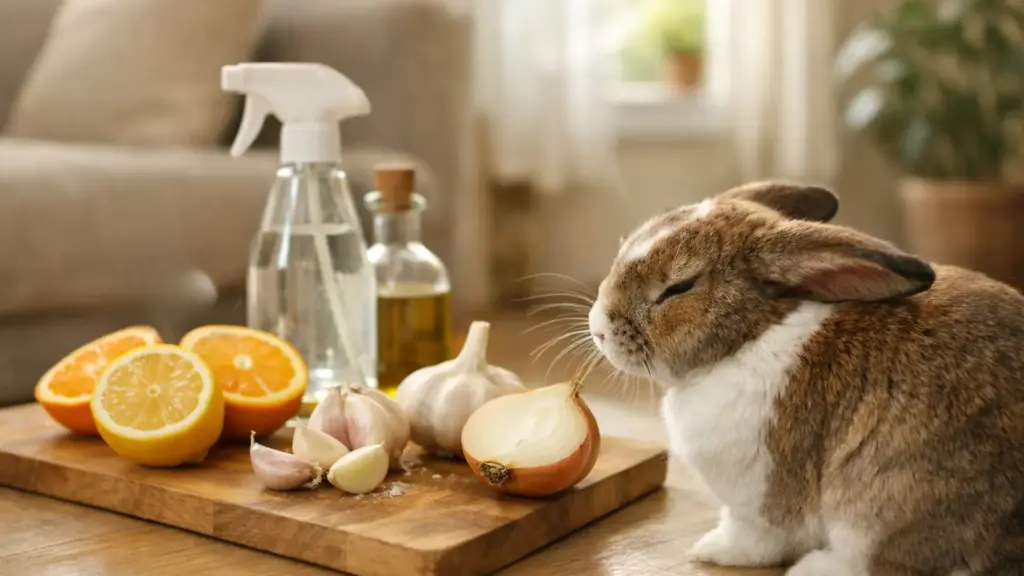
| Onions & Garlic | Damage red blood cells, leading to hemolytic anemia | High |
| Iceberg Lettuce | Contains lactucarium, which disrupts digestion in larger amounts | Medium |
| Potatoes | High starch disrupts gut flora; raw skins contain solanine, a toxic alkaloid | Medium |
| Rhubarb | Leaves and stalks contain oxalic acid, which causes kidney damage | High |
| Processed Sugary Foods | Disrupt the delicate microbial balance in the gut, leading to dysbiosis and stasis | High |
A rabbit owner I once advised described her rabbit hiding under furniture for hours after accidentally accessing onion scraps. By the time she noticed something was wrong, he was already in distress.
Fruits and Vegetables That Are Toxic for Rabbits
Rabbits are herbivores, but that does not mean every vegetable or fruit is safe for their diet.
Certain plant-based foods contain natural toxins, while others disrupt digestion due to excess sugar or acidity. Feeding these items, even in small amounts, can lead to gut imbalance, discomfort, or more serious health problems over time.
Even commonly assumed safe options need scrutiny; understanding radishes are safe for rabbits is a good example of the kind of research every owner should do before introducing something new.
Fruits That Are Harmful
Fruits also need careful attention. While small portions of safe fruit can be given occasionally, certain fruits and their parts are unsafe due to toxins or high sugar content. Overfeeding fruit can quickly upset the delicate balance of a rabbit’s digestive system.
- Avocado in any form
- Fruit seeds and pits, such as apple seeds and cherry pits
- Unripe fruits with higher acidity
- Sugary canned fruits with added syrup
Vegetables That Rabbits Should Not Eat
Some vegetables are especially dangerous, particularly those from the allium family. These foods interfere with red blood cell function and should never be offered.
- Onions, garlic, leeks, and chives
- Raw beans such as kidney, runner, and broad beans
Common Feeding Mistakes Rabbit Owners Make
Many rabbit health issues stem from simple feeding mistakes that seem harmless at first. A few small habits, repeated daily, can quietly affect digestion and overall well-being. The table below highlights some of the most common ones to watch for.
| Feeding Mistake | Why It’s a Problem |
|---|---|
| Treating carrots as a daily food | Carrots are high in sugar and should be given only occasionally, not as a regular part of the diet. Understanding how carrots affect digestion can help owners avoid this common mistake. |
| Assuming all vegetables are safe | Not every vegetable suits a rabbit’s digestive system, and some can cause serious issues |
| Sharing human snacks | Processed and cooked foods can upset digestion and are not suitable for rabbits |
| Overfeeding pellets instead of hay | Too many pellets reduce hay intake, which is essential for digestion and dental health |
| Ignoring fruit portion sizes | Even safe fruits can lead to stomach problems when given in large amounts |
After reviewing rabbit diet logs over the years, the same patterns keep appearing. These are not careless owners, they are well-meaning ones who were simply never told.”
Conclusion
Feeding a rabbit the right way is not about variety, but about safety and consistency. Many common foods, even healthy-looking ones, can harm a rabbit if given without proper knowledge.
Understanding which foods to avoid helps prevent serious health problems and keeps digestion running smoothly.
A simple diet based on hay, safe greens, and controlled treats is usually the best approach. Paying attention to portion sizes and avoiding risky foods makes a big difference over time.
Small choices in daily feeding can have a lasting impact on your rabbit’s well-being.
Staying informed and being careful with food selection are among the best ways to support a healthy and happy life.
Frequently Asked Questions
Are Carrots Safe for Rabbits Daily?
No, carrots are high in natural sugar. A small slice two to three times a week is fine as a treat, but daily feeding contributes to obesity and dental issues over time. Carrot tops (the leafy greens) are actually safer and can be offered more regularly.
What Happens if a Rabbit Eats Toxic Food?
It depends on the food and quantity. Mild cases may cause reduced appetite. Serious cases involving foods such as avocado, onion, or chocolate can cause organ failure, blood cell destruction, or GI stasis.
Can Rabbits Eat Grass from Outside Lawns?
Yes, but only if the grass is free from pesticides, chemicals, and pollutants. Always ensure it is clean and safe before offering it to rabbits.