After more than a decade volunteering with rescues in Vermont, I have heard one question repeatedly: what exactly counts as a mutt?
Some people assume the word describes a dog with no meaningful background or predictable traits. That misses the real point. A mutt is simply a dog whose ancestry includes multiple breeds or genetic lines.
My conversations with breeders, veterinarians, and trainers have shown me how genetics, environment, health, and daily experience work together to shape every mixed-breed dog. Although people often search for “mutt dog breed,” a mutt is not one standardized breed.
If you live with a mixed-breed companion or are considering adoption, understanding that background can help you make better choices about care, training, health, and everyday life.
What is a Mutt Dog?
A mutt is an informal term for a dog with mixed ancestry from multiple breeds, or an unknown genetic background. Mutts are not an official breed recognized by kennel organizations, since a breed requires documented ancestry and established standards.
- Mutt: the casual, most commonly heard term, used affectionately by shelters and owners.
- Mongrel: an older, more formal word for the same idea, still common in British usage.
- Mixed-breed dog: the neutral term often preferred because it sounds less informal.
Because mixed-breed dogs follow no fixed size, appearance, or temperament pattern, their traits come from inherited genes, training, socialization, and daily care. This is why two mutts can look and behave very differently while both making suitable companions.
Mixed-Breed Mutt Dogs vs. Purebred Dogs
A mutt and a purebred dog differ mainly in genetic background and trait predictability. Neither type is automatically healthier, smarter, or better, since the right choice depends on the individual dog and responsible care.
| Factor | Mixed-Breed Mutt Dog | Purebred Dog |
|---|---|---|
| Ancestry | Genes from two or more breeds, or an unknown genetic background | Comes from parents of the same breed with recorded lineage |
| Appearance and size | Coat type and adult size can vary widely, especially with unknown ancestry | More predictable due to established breed standards |
| Health considerations | Greater genetic diversity may reduce some inherited conditions, but issues can still occur. | Some breeds carry a higher risk of specific inherited conditions |
| Temperament | Depends on inherited traits, early experience, and training, so harder to predict | Breed traits offer general expectations, though individuals still differ |
| Breed identification | Appearance alone can’t confirm ancestry; DNA tests offer estimates only | Usually established through documented ancestry and records |
| Availability and cost | Commonly found through shelters, often with lower adoption fees | Usually obtained through breeders, often at higher cost |
The practical difference is predictability. Purebred dogs are bred toward established physical and behavioral traits, while mutts may inherit a wider combination of coat types, sizes, activity levels, and instincts from their ancestry. That same unpredictability extends to health outcomes: a large case-control study found no meaningful difference in 13 of 24 common genetic disorders between mixed-breed and purebred dogs, though purebreds showed higher rates for 10 others.
What Are Mutt Dogs Like as Pets?
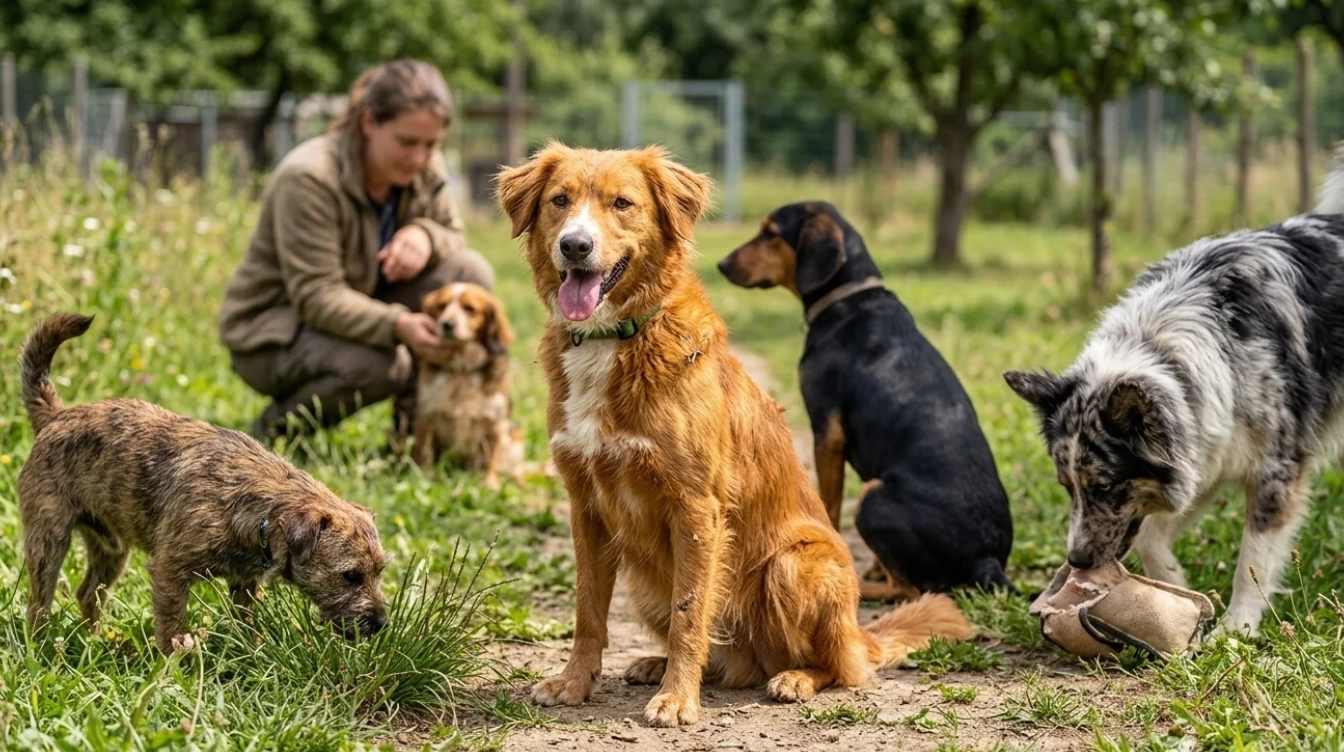
Mixed ancestry shapes a dog in ways that go beyond looks alone. Genetics, environment, and daily experience all play a part, and the three areas below cover what typically varies most among mutts.
1. Appearance and Size Differences
Mutts can have a wide range of physical features because they may inherit traits from several breeds.
Without a fixed breed standard, coat color, ear shape, body structure, and adult size can all vary significantly, even within the same litter.
Even puppies from the same litter can develop very different appearances, since each one receives a different combination of genes from its parents, which is part of why finding gear sized to your dog can take more guesswork with a mixed-breed puppy than a purebred one. Physical traits alone rarely predict temperament or health accurately.
2. Personality and Temperament
A mutt’s appearance does not always reveal its personality. While genetics may influence certain tendencies, behavior is shaped just as much by early interactions, training consistency, and the home environment a dog grows up in from puppyhood onward.
Many mutts become affectionate, adaptable companions, but their behavior should always be judged by the individual dog in front of you, rather than assumptions based on appearance, breed guesses, or ancestry alone, and regular mental and physical outlets tend to shape that temperament just as much as genetics do.
3. Genetic Diversity
Mixed ancestry creates greater genetic variation compared with dogs bred within limited gene pools, which may lower the chance of certain inherited conditions in some cases.
However, mutts can still inherit health problems from breeds in their background, and overall health still depends on nutrition, exercise, environment, and veterinary care as much as genetics, with choosing quality protein sources being one of the more controllable pieces of that equation.
| Health note: Greater genetic diversity does not make every mutt healthier than every purebred dog. Mixed-breed dogs can still inherit medical conditions from any part of their ancestry. |
Basics Every Mutt Needs
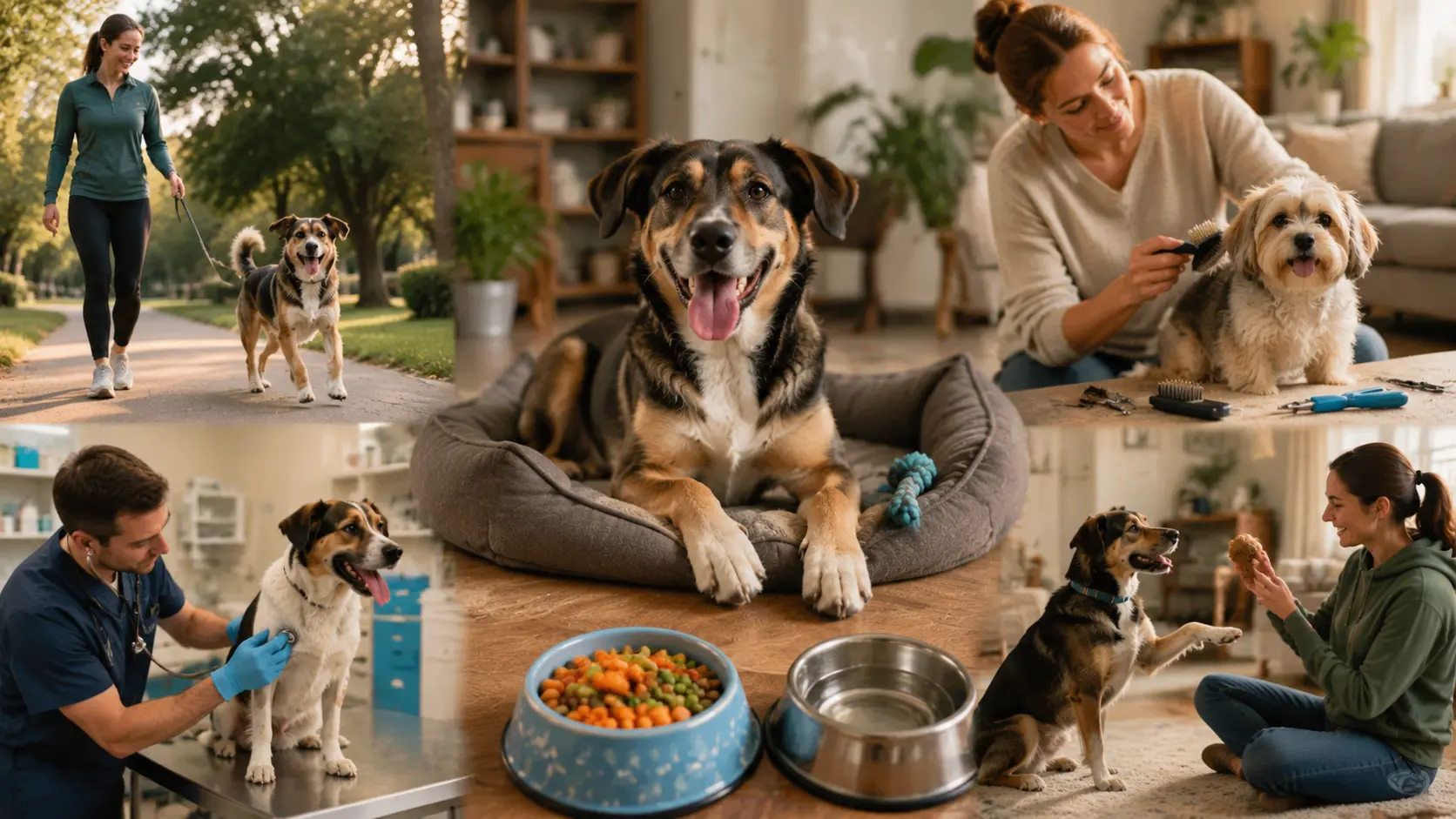
Caring for a mutt isn’t about following a fixed routine based on breed labels. Needs come down to age, size, coat type, activity level, and personality, so treat each area below as a starting point.
| Care Area | What to Base It On |
|---|---|
| Diet | Age, body size, activity level, and overall health, not assumed breed traits. |
| Exercise | Energy level and personality, since needs vary widely between dogs |
| Grooming | Coat type and length, regardless of mixed or purebred ancestry |
| Preventive health care | Regular checkups, vaccinations, parasite prevention, and dental care |
| Training and socialization | Positive methods and consistency, not assumptions from looks |
The best care routine is the one that fits your dog’s lifestyle, health, and personality. Pay close attention to behavior and daily needs, and adjust the routine as those needs change over time.
Is a Mutt the Right Dog for You?
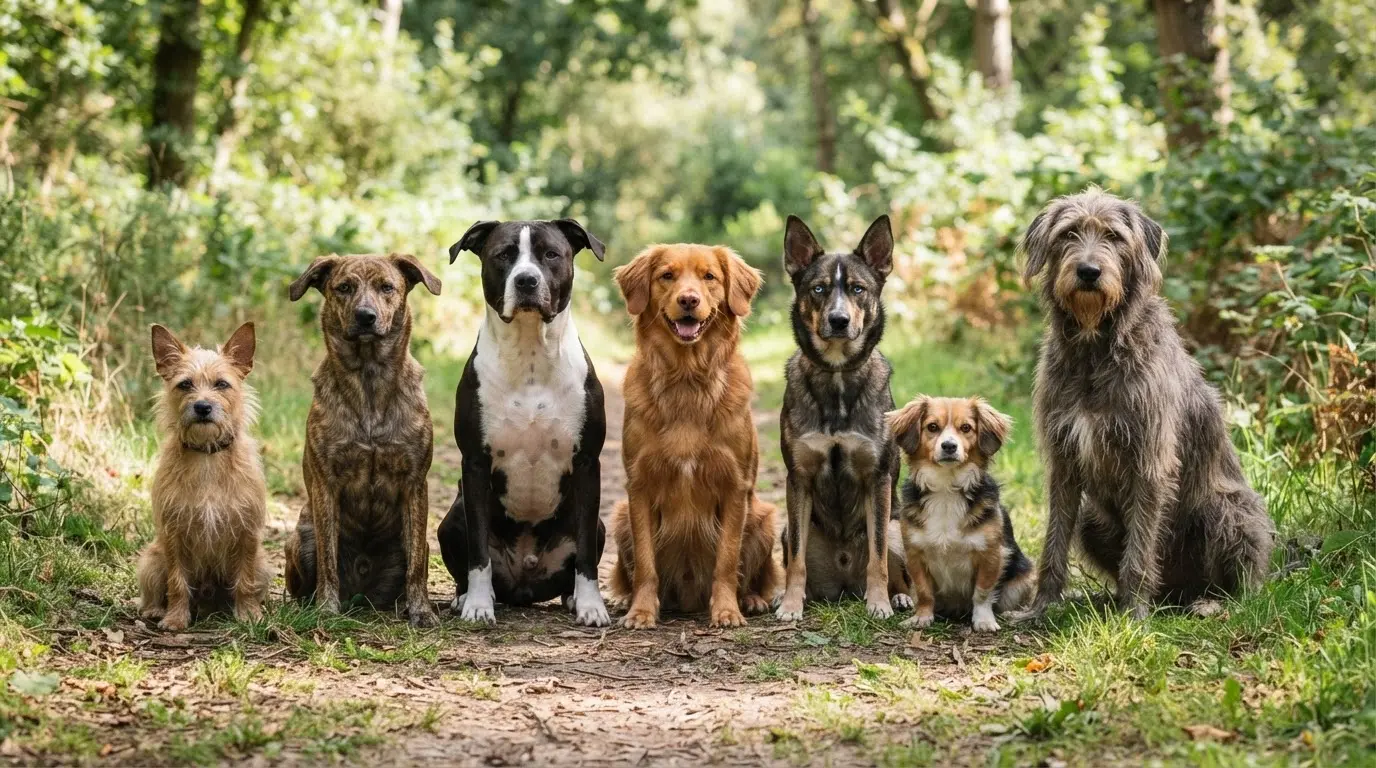
Choosing between a mutt and a purebred dog depends on your lifestyle, expectations, and the type of companion that fits your home. Weighing the following points can help before you commit to adopting.
- Adult dogs often have more visible personalities and established behavior patterns.
- Adoption costs are usually lower than buying directly from a breeder.
- Mixed dogs come in different sizes, coat types, and activity levels.
- Exercise, training, and grooming needs should match your daily schedule.
- Medical history and compatibility with children or other pets matter too.
The best match comes from understanding the dog’s individual needs rather than choosing based only on breed labels or appearance. Shelter staff can often provide helpful insight into a dog’s behavior.
| Adoption note: Shelter descriptions and breed guesses may be incomplete. Ask about the individual dog’s observed behavior, medical history, handling needs, and response to children or other pets. |
How Can You Identify What Breeds Are in a Mutt?
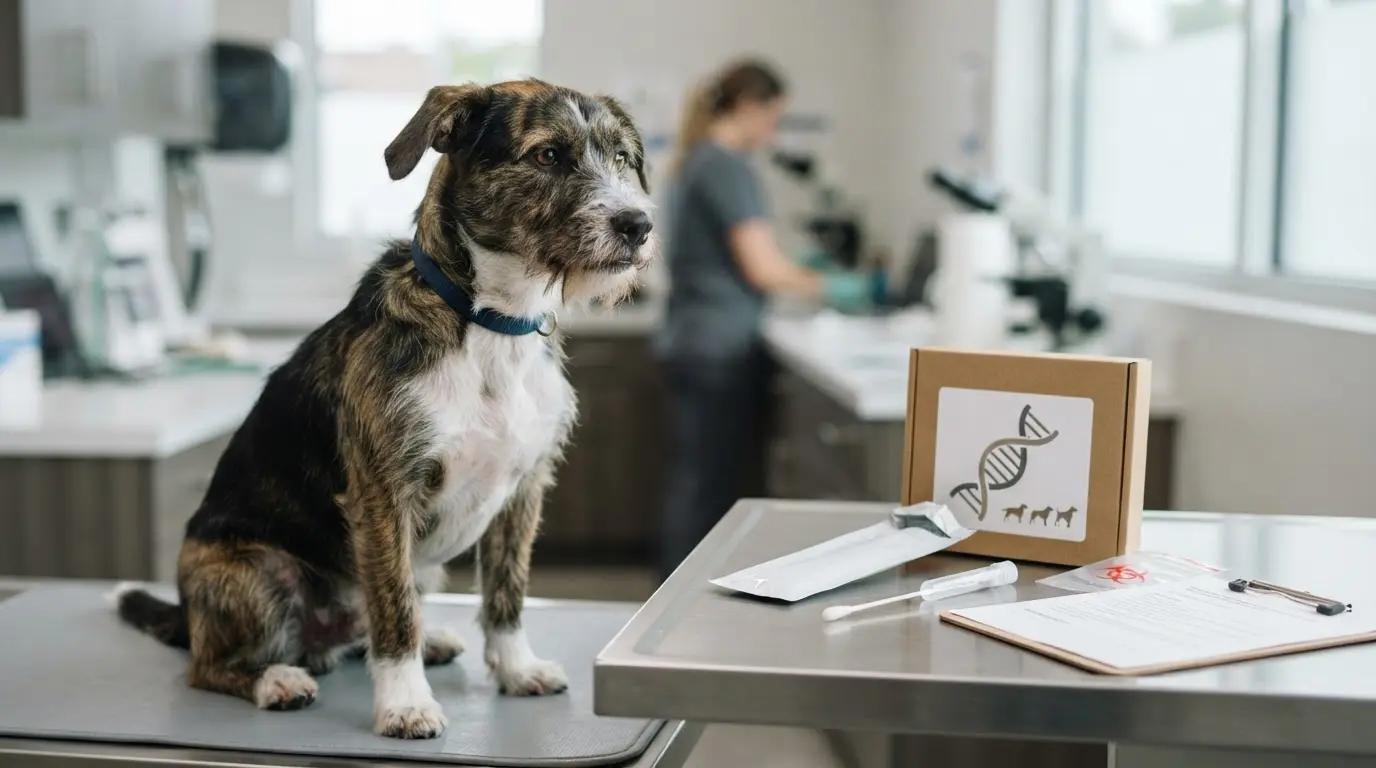
Many owners become curious about their mutt’s background, especially when a dog has physical features that seem linked to certain breeds. Here’s a practical order to work through instead of guessing from looks.
- Note any known history from the shelter, breeder, or previous owner about the dog’s parents.
- Treat appearance as a clue rather than proof, since it cannot reliably reveal complete ancestry.
- Use a dog DNA test to estimate breed combinations and percentages through genetic markers.
- Review the results with your veterinarian, since different providers use separate databases and methods.
DNA results do not define a dog’s entire identity, and breed percentages are not exact measurements. A mutt’s personality and training ability come from environment and experience just as much as ancestry.
Common Myths About Mutt Dogs
Mixed-breed dogs are often judged based on assumptions about their background, health, or trainability. Understanding the facts behind these common myths helps owners focus on important factors like temperament, care, and compatibility instead of pedigree alone.
| Myth | Fact |
|---|---|
| Mutts are less valuable than purebred dogs | Value comes from personality and compatibility, not pedigree |
| Mutts are always healthier than purebred dogs | Genetic diversity lowers some health risks but never guarantees good health. |
| You can’t train a mutt because its background is unknown | Trainability depends on temperament and consistency, not breed history |
| Mutts have unpredictable personalities | Personality is shaped by socialization and training, not by being mixed-breed |
| Mutts only work as rescues, not family pets. | Compatibility depends on energy level and lifestyle fit, the same as any dog. |
Mutt myths usually come from assumptions about appearance or background rather than the dog’s actual behavior.
A genetic screening study of more than 100,000 dogs found that mixed breeds and purebreds largely carry the same inherited disease variants, offering real evidence behind the “healthier mutt” idea without confirming it as an absolute rule. Judging a mixed-breed dog by its individual traits, rather than its ancestry, gives a far more accurate picture.
Final Verdict
After years of talking with breeders, vets, and trainers about what makes a dog a mutt, I keep coming back to the same idea: pedigree tells you far less than people think.
A mutt’s personality, health, and needs come down to the dog in front of you, not a label on a chart.
If you already share your life with a mixed-breed companion, or you’re thinking about bringing one home, focus on temperament, energy, and how well your lifestyles fit.
Take the time to learn your mutt’s individual traits, and start building a routine that fits both of you today. Browse our other breed guides for more practical, research-backed care advice.
Frequently Asked Questions
Can a Mutt Have a Known Breed Background?
Some mutts have a partially known background when their parents or previous owners provide information. However, many mixed-breed dogs have uncertain ancestry, and DNA testing can only provide estimated breed information.
Do Mutts Need Special Training?
Mutts do not require a different training method because they are mixed-breed dogs. Training success depends on factors such as temperament, age, past experiences, motivation, consistency, and the relationship built between the dog and owner.
How Long Do Mixed-Breed Dogs Usually Live?
A mixed-breed dog’s lifespan depends on size, genetics, nutrition, exercise, and overall care. Many dogs live around 10 to 15 years, while smaller dogs may often have longer lifespans than larger dogs.
Are Mutts Good Family Dogs?
Yes, Many mutts can become excellent family companions when their temperament and needs match the household. Their suitability depends on factors like socialization, training, activity level, and how well their personality fits the family’s routine.