

Maybe you were scratching behind your dog’s ears when your fingers found a lump that shouldn’t be there. Or maybe you’re holding test results with the word lymphoma still sinking in.
The first question is often the same: Why my dog? Many owners wonder if they missed something or caused it somehow.
The truth is that canine lymphoma is rarely linked to one cause. It likely develops through a mix of genetic, age-related, environmental, and immune system factors that researchers are still studying.
Diagnosis usually requires testing, and treatment often focuses on remission through chemotherapy. Any new lump deserves a veterinary examination.
What Canine Lymphoma Actually Is?
Lymphoma isn’t one single illness; it’s really a family of related cancers. Each type starts in lymphocytes, the white blood cells that normally help your dog fight off infection.
Because lymphocytes travel through the blood and lymphatic system, lymphoma can show up in lymph nodes, the digestive tract, chest, skin, spleen, liver, and more. Researchers have described over 30 forms.
The most common is multicentric lymphoma, affecting several lymph nodes at once. Other main types include alimentary lymphoma (digestive tract), mediastinal lymphoma (chest), cutaneous lymphoma (skin), and extranodal lymphoma (other tissues).
Some subtypes, like diffuse large B-cell lymphoma, have even been studied through NCI-supported clinical trials for dogs, since the disease shares a lot in common with the human version.
Where it starts, which cells are involved, and how quickly it grows all shape the symptoms, the testing path, the treatment options, and what to expect going forward.
What Causes Lymphoma in Dogs?
Researchers have not identified one confirmed cause that explains every case. Current evidence groups the possible influences into four main areas.
1. Cellular and Genetic Factors
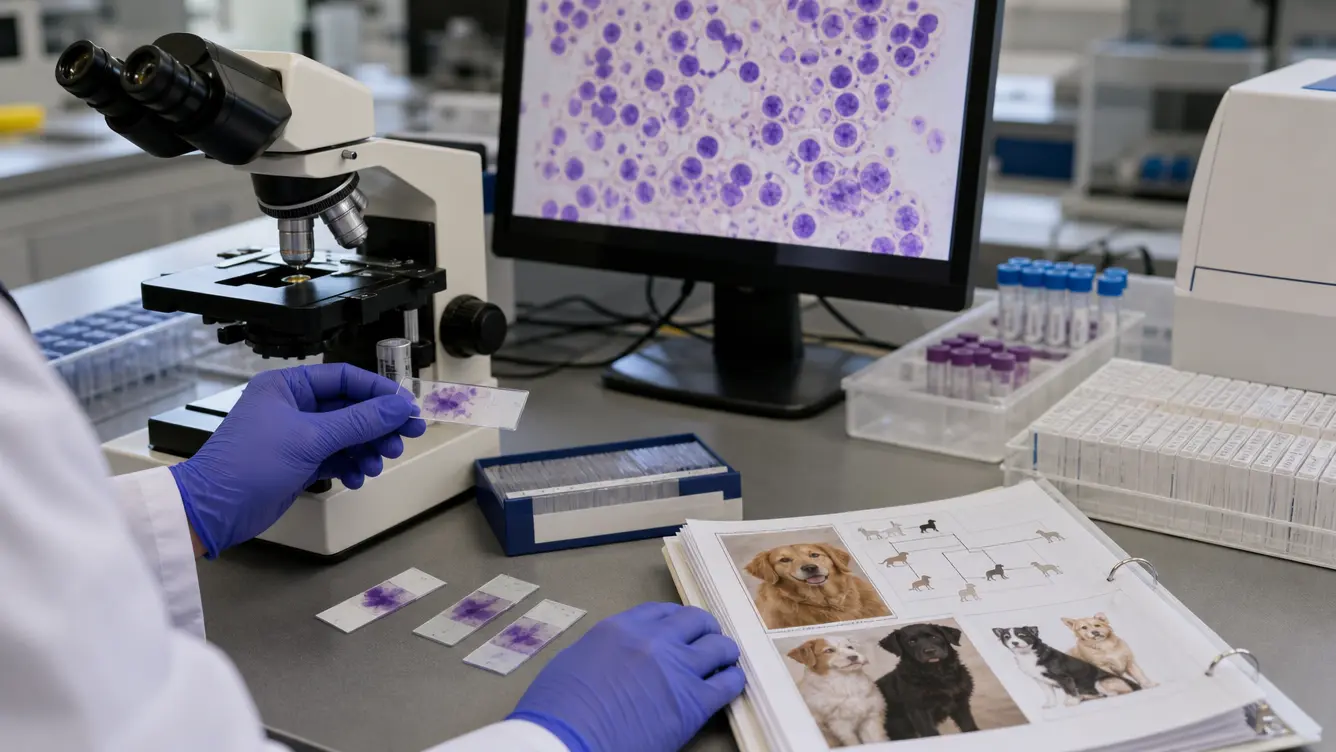
Lymphoma begins when lymphocytes, a type of white blood cell involved in immune protection, undergo abnormal changes and begin multiplying without normal control. These changes affect how cells grow, divide, and respond to signals that usually regulate their activity.
Some cellular changes may happen naturally during repeated cell division over a dog’s lifetime. Genetic differences may also influence how likely certain cells are to develop abnormalities, but researchers have not identified one specific gene that guarantees a dog will develop lymphoma.
A dog’s genetic makeup may influence susceptibility, but genetics alone do not explain every case. Two dogs of the same breed may have very different health outcomes depending on multiple biological and environmental factors.
2. Age and Breed Factors
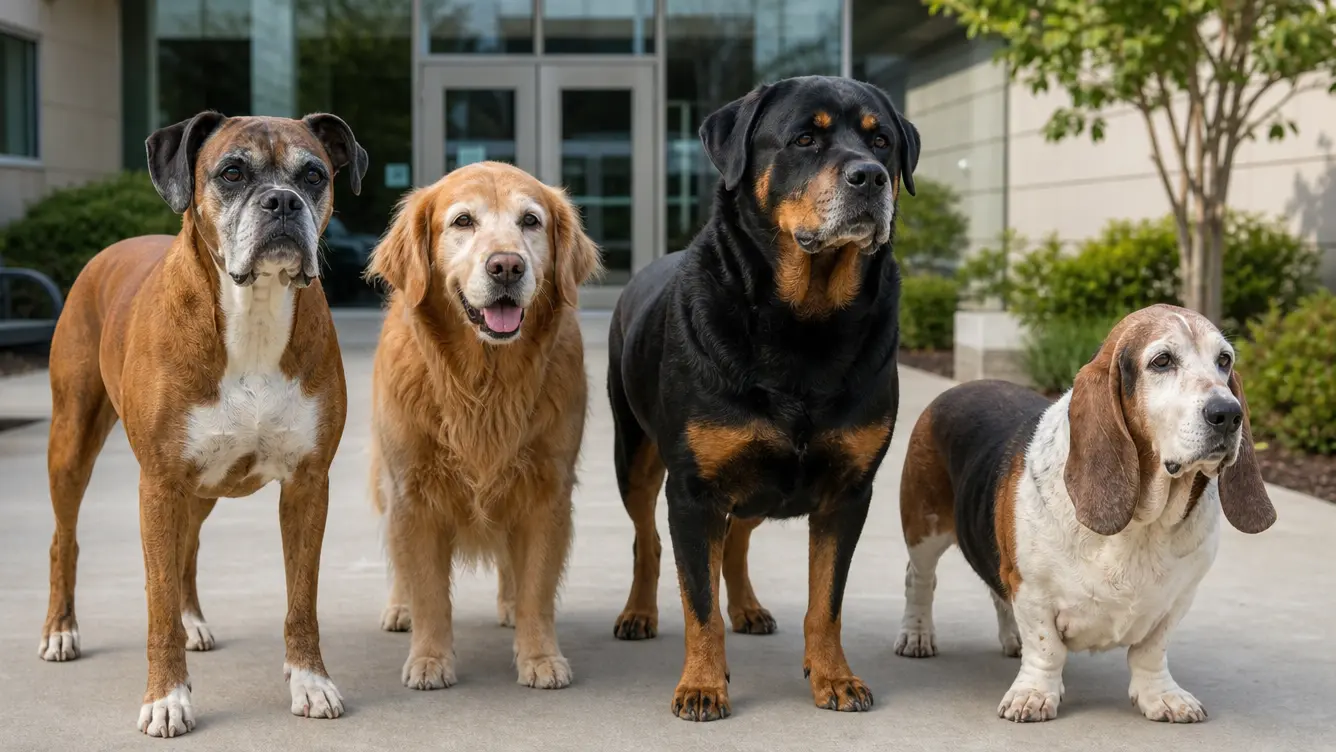
Age appears to be one of the strongest patterns linked with canine lymphoma. Most diagnosed dogs are middle-aged or older, although younger dogs can occasionally develop the disease.
Certain breeds appear more frequently in lymphoma studies, including Boxers, Golden Retrievers, Rottweilers, and Basset Hounds, and even within a single breed like the Golden Retriever, different lines can carry different health tendencies. These patterns suggest that inherited traits may influence risk in some populations.
However, breed association does not mean every dog from a listed breed will develop lymphoma. Mixed-breed dogs and breeds not commonly associated with lymphoma can also be affected.
Regular veterinary care remains important because early changes are often easier to investigate before symptoms become severe.
3. Environmental Factors
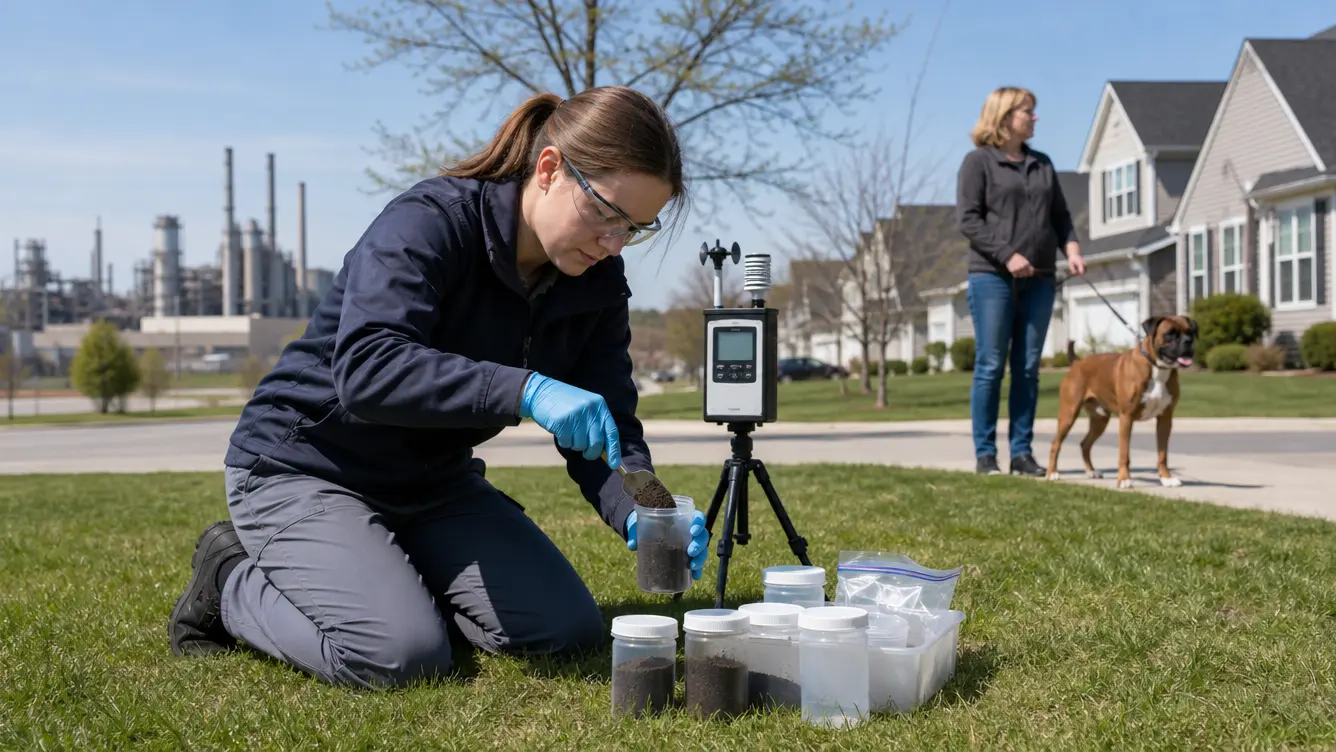
Researchers have examined whether certain environmental exposures may contribute to lymphoma risk. Areas of interest include herbicides, pesticides, industrial chemicals, volatile organic compounds, polluted environments, and secondhand smoke.
Some studies have found possible associations between certain exposures and increased risk, but these findings do not prove that a specific substance directly causes lymphoma in an individual dog.
A University of Wisconsin-Madison investigation involving Boxers identified environmental associations that required further study but did not establish direct causation.
This means exposure history may provide useful information for researchers and veterinarians, but it cannot predict whether a particular dog will develop the disease, a limitation echoed in a National Academies workshop on dogs as environmental exposure sentinels hosted with NIH support.
Reducing unnecessary exposure to household chemicals, smoke, and unsafe substances is still a sensible part of general pet health care, and even everyday choices like picking gentler grooming products fit into that broader effort.
4. Immune and Infectious Factors
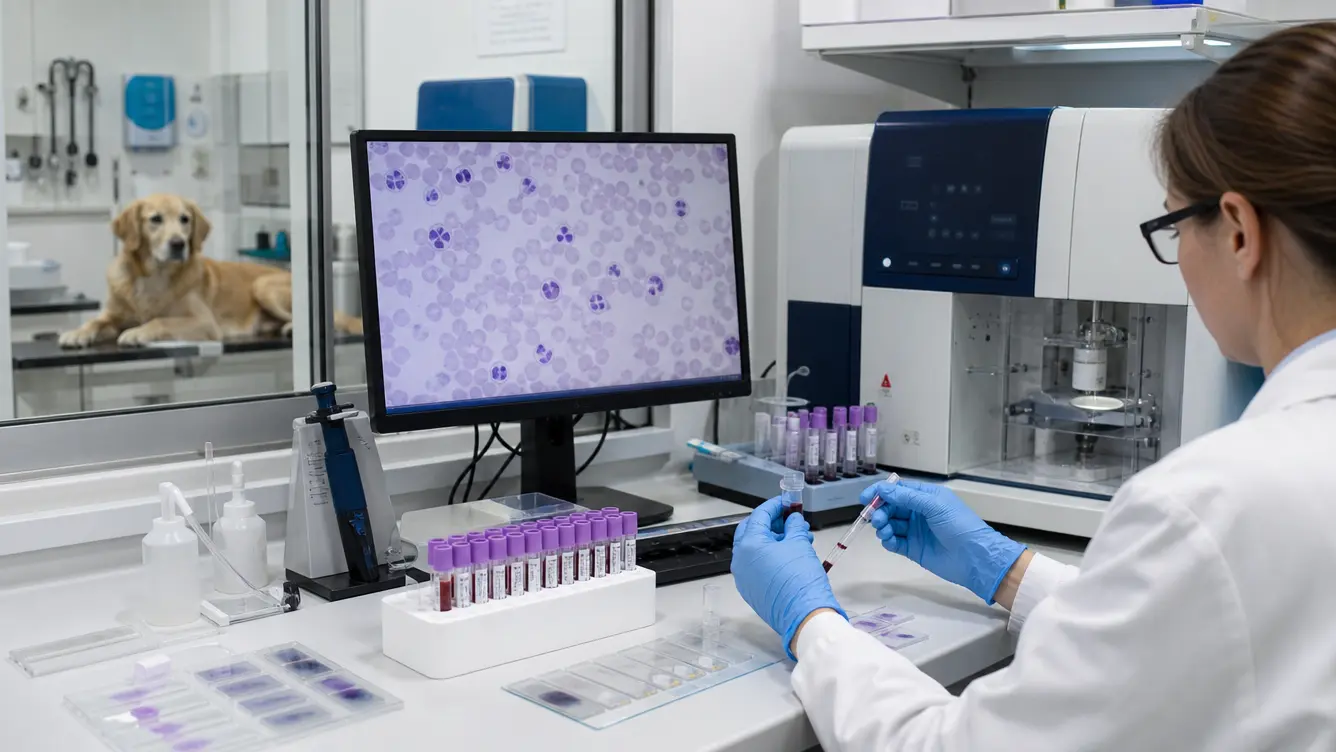
Because lymphoma affects lymphocytes, researchers have studied whether changes in immune function may contribute to disease development. The immune system plays an important role in controlling abnormal cells, making it an area of continued research.
Some studies have examined possible connections between immune suppression, chronic inflammation, and lymphoma risk. However, researchers have not confirmed a direct relationship that explains most canine lymphoma cases.
Viruses, bacteria, and other infectious agents have also been investigated, but no single infection is recognized as a general cause of lymphoma in dogs.
At this time, there is no evidence that ordinary feeding choices, including commercial diets, supplements, or raw diets, directly cause lymphoma, though choosing well-balanced protein sources still supports a dog’s overall immune health day to day.
Understanding possible risk factors can help owners stay informed, but many cases develop without a clear preventable cause.
With the possible influences behind lymphoma understood, the next step is recognizing the physical changes that may appear when different tissues are affected.
Symptoms of Lymphoma in Dogs
Symptoms depend on where abnormal lymphocytes collect in the body. Some dogs develop enlarged lymph nodes, while others show digestive, breathing, skin, or general health changes.
- Enlarged Lymph Nodes: Firm or rubbery swellings may appear under the jaw, in front of the shoulders, or behind the knees. They are often painless during the early stage.
- Reduced Energy and Weakness: Affected dogs may tire more easily, sleep longer, avoid exercise, or lose interest in normal activities.
- Appetite and Weight Changes: Reduced interest in food and unexplained weight loss can occur as the disease progresses.
- Digestive Problems: Alimentary lymphoma may cause vomiting, diarrhea, dark stool, or abdominal discomfort.
- Breathing Changes: Mediastinal lymphoma can cause coughing, rapid breathing, exercise intolerance, facial swelling, or difficulty breathing.
- Skin Changes: Cutaneous lymphoma may produce red, flaky, itchy, thickened, raised, or ulcerated skin lesions.
- Increased Thirst and Urination: Some dogs drink and urinate more often, particularly when lymphoma raises the calcium level in the blood.
- Other Physical Changes: Extranodal lymphoma may affect the eyes, mouth, kidneys, bones, or nervous system, producing signs related to the involved area.
Some dogs continue behaving normally during the early stage. Since these changes can also occur with infections, inflammation, and other cancers, only veterinary testing can identify the cause.
When Should You See a Veterinarian?

Any new lump deserves an appointment, even if it seems painless and your dog is acting completely normal.
The same goes for any symptom above that lingers, worsens, shows up alongside other changes, or starts interfering with daily life.
Difficulty breathing, collapse, severe weakness, inability to keep water down, or sudden neurological changes are emergencies. Call your clinic or the nearest emergency vet hospital before you head out, if you can.
It’s worth getting into the habit of checking your dog over regularly for new swellings or changes to existing ones. Jot down the location, approximate size, and when you first noticed it, and try not to keep pressing on a sore spot. Bring those notes to the appointment.
How is Lymphoma Diagnosed?
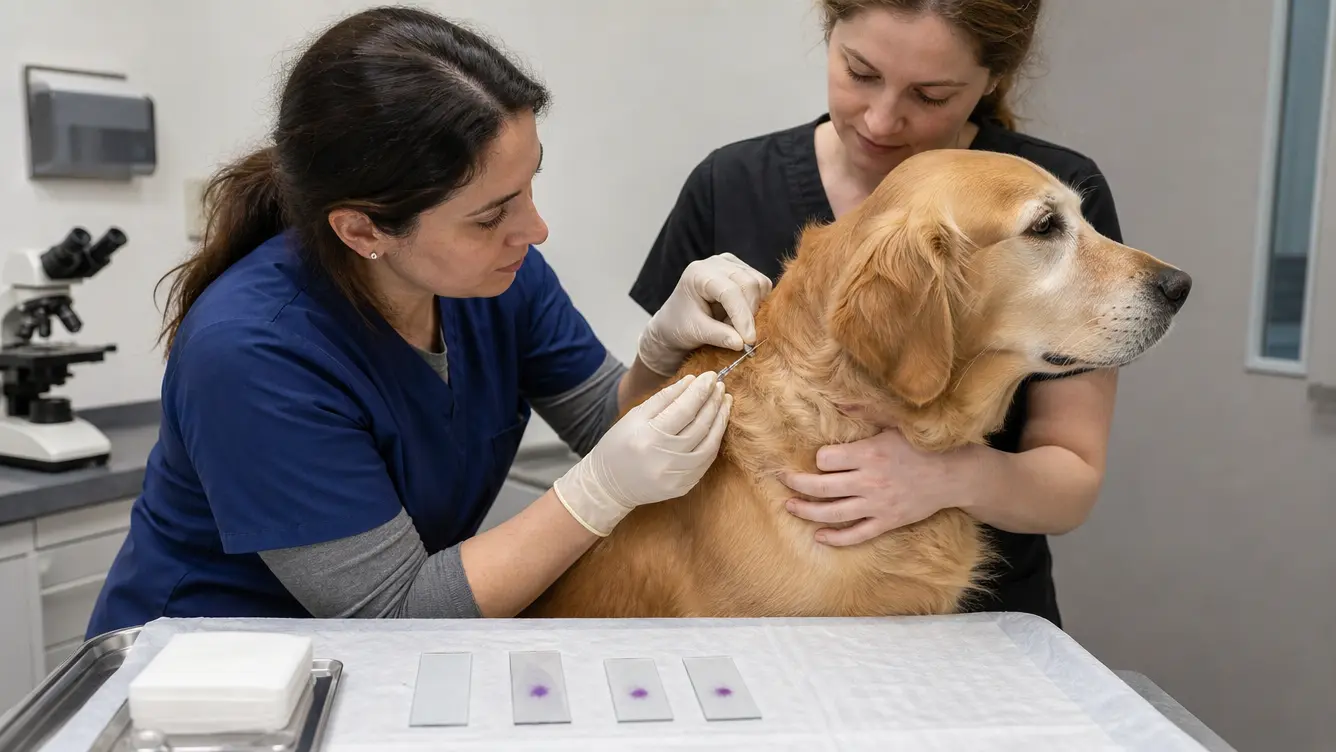
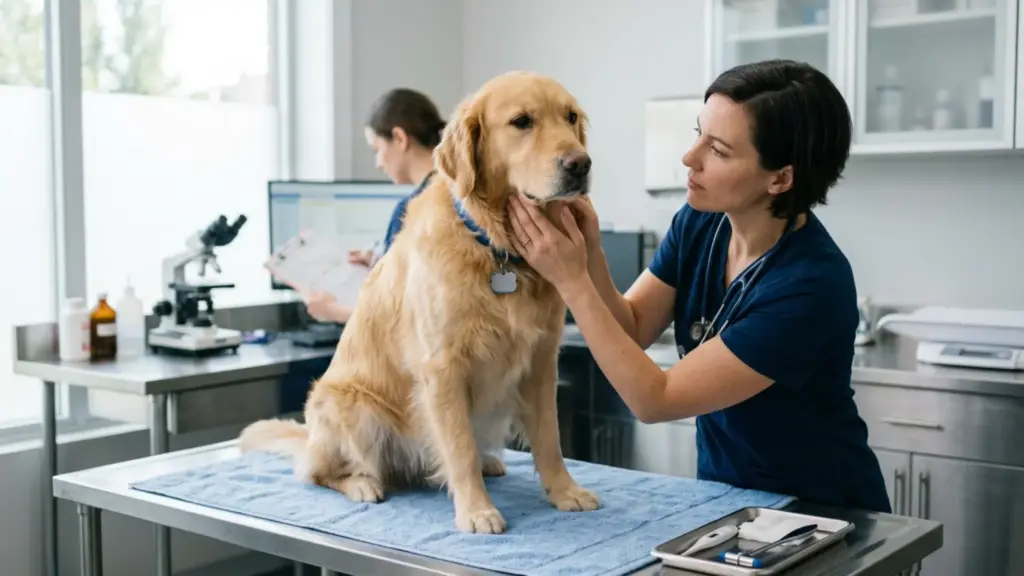
Feeling an enlarged lymph node cannot confirm lymphoma. Diagnosis begins with a physical examination, symptom review, and assessment of the lymph nodes and other affected areas.
A fine-needle aspiration commonly collects cells for examination under a microscope. If the results are unclear, a biopsy may provide more information about tissue structure and cancer grade.
Flow cytometry, immunohistochemistry, or PARR testing may classify the cancer as B-cell or T-cell. A negative PARR result does not rule out lymphoma by itself.
Bloodwork, urinalysis, chest imaging, abdominal ultrasound, and selected organ or bone marrow samples may then determine how far the disease has spread.
Stages range from I, involving a limited site, to V, involving blood, bone marrow, or other organs. These findings help the veterinary team estimate prognosis and recommend treatment.
Treatment Options for Dogs with Lymphoma
Treatment depends on the lymphoma type, test results, overall health, and family priorities. The usual goal is remission while maintaining acceptable daily comfort.
| Treatment Option | Common Use | Key Information |
|---|---|---|
| CHOP chemotherapy | High-grade multicentric lymphoma | Combines cyclophosphamide, doxorubicin, vincristine, and prednisone, often over about 25 weeks |
| Other chemotherapy protocols | Dogs unable to receive CHOP or those with specific forms | May include another multi-drug plan, single-agent chemotherapy, or lomustine for selected skin forms |
| Radiation therapy | Certain localized forms | Targets cancer within a specific area rather than treating the entire body |
| Surgery | A removable localized mass or affected organ | Used less often because lymphoma commonly involves multiple areas |
| Clinical trials | Eligible dogs meeting study requirements | May provide access to newer therapies through veterinary teaching hospitals |
| Prednisone and comfort care | When chemotherapy is not selected | May temporarily reduce swelling, but early use can affect diagnosis and later chemotherapy response |
Remission means detectable evidence of cancer has partly or completely receded, but abnormal cells may remain. The veterinary team can compare likely benefits, side effects, appointment demands, and costs before treatment begins.
The most appropriate treatment varies between dogs. A veterinary oncologist can explain which options are suitable based on the lymphoma type, stage, overall health, and treatment goals.
Chemotherapy Side Effects and Home Care

Veterinary chemotherapy is dosed with your dog’s quality of life as a top priority; this isn’t the same experience as human chemo. Many dogs keep up their normal routines between treatments, but reactions can happen and are worth watching closely for.
Possible side effects include reduced appetite, tiredness, vomiting, diarrhea, and lower white blood cell counts. Hair loss is uncommon in most breeds, though it can happen in dogs with continuously growing coats. Any serious reaction needs prompt attention.
Daily care should follow the treatment team’s instructions:
- Give every medication exactly as prescribed.
- Attend scheduled examinations and blood tests.
- Record appetite, energy, breathing, stool, urination, sleep, and mobility.
- Ask before adding supplements, herbal products, or new medicines.
- Store and handle chemotherapy drugs exactly as instructed.
Call your clinic at the thresholds they’ve given you, especially for fever, repeated vomiting or diarrhea, refusing food, or noticeable exhaustion.
It’s also worth asking your oncologist which reactions count as true emergencies and who to call after hours. Your notes give them real, useful context for tracking response and adjusting the plan.
What is the Life Expectancy for a Dog with Lymphoma?
Survival estimates vary by lymphoma type, stage, overall health, and treatment response. B-cell disease often has a longer outlook than high-grade T-cell disease, while some low-grade forms progress more slowly.
The Purdue University College of Veterinary Medicine reports complete or partial remission in 70% to 90% of dogs with multicentric lymphoma treated with CHOP. The following ranges also reflect figures reported by the Merck Veterinary Manual.
| Care Situation | Measurement | General Estimate |
|---|---|---|
| No cancer-directed treatment | Typical survival | About 4 to 6 weeks |
| Prednisone alone | Remission duration | About 1 to 2 months |
| CHOP-treated multicentric disease | Median survival | About 9 to 13 months |
| B-cell disease with treatment | Median survival | Approximately 12 months |
| T-cell disease with treatment | Median survival | Approximately 6 to 8 months |
| Some indolent forms | Possible survival | More than two years in some dogs |
These figures describe groups of dogs, not an individual deadline. The prednisone estimate measures remission duration rather than total survival.
Relapse is common, but another treatment protocol may sometimes produce a second remission. An oncologist can apply these ranges to the dog’s subtype, current condition, and response to care.
Can Lymphoma in Dogs Be Prevented?
There is no guaranteed method for preventing canine lymphoma. Genetics and age cannot be changed, and no proven preventive vaccine is available. Reasonable health precautions include:
- Limiting exposure to indoor tobacco smoke
- Using lawn and household chemicals as directed
- Storing pesticides and solvents away from pets
- Keeping regular veterinary appointments
These steps reduce avoidable exposures and allow physical changes to receive earlier attention. They cannot eliminate the risk or promise that lymphoma will never develop.
The Bottom Line
A lymphoma diagnosis brings a lot of decisions, but they get easier to navigate once the results are explained in plain terms.
Ask your vet which form is present, whether it’s B-cell or T-cell, how far it’s spread, and what each treatment realistically aims to accomplish.
Your priorities might be remission, fewer clinic visits, less treatment burden, or comfort-focused care; each one is a valid conversation to have with your vet team.
We may not always know exactly what causes lymphoma in a given dog, but the diagnosis still gives you real information to work with.
Keep an eye out for changes between appointments and speak up when something feels off. If a lump or a health change is worrying you, don’t wait; call your vet and get it checked.
Frequently Asked Questions
Is this Cancer Contagious to People or Pets?
No. This cancer does not spread through saliva, shared bowls, grooming, or close contact. People, cats, and other dogs in the household cannot catch it from an affected dog, so normal companionship can safely continue.
Should Other Dogs in the Home Be Tested?
Other dogs do not need special lymphoma testing solely because they share a home with an affected pet. A veterinarian may recommend closer observation only when breed, family history, age, or an unrelated health change creates its own concern.
Can Routine Vaccinations Continue During Chemotherapy?
Vaccination timing should be decided by the treating veterinarian or oncologist. Chemotherapy may alter immune responses, so the usual schedule might need adjustment. Do not delay or administer a vaccine without first discussing the current treatment protocol.
Can My Pet Travel During Treatment?
Travel may be possible when the dog is stable and the oncologist agrees. Plan around treatment dates, carry medical records and medicines, limit exposure to illness, and identify an emergency veterinary hospital near the destination.