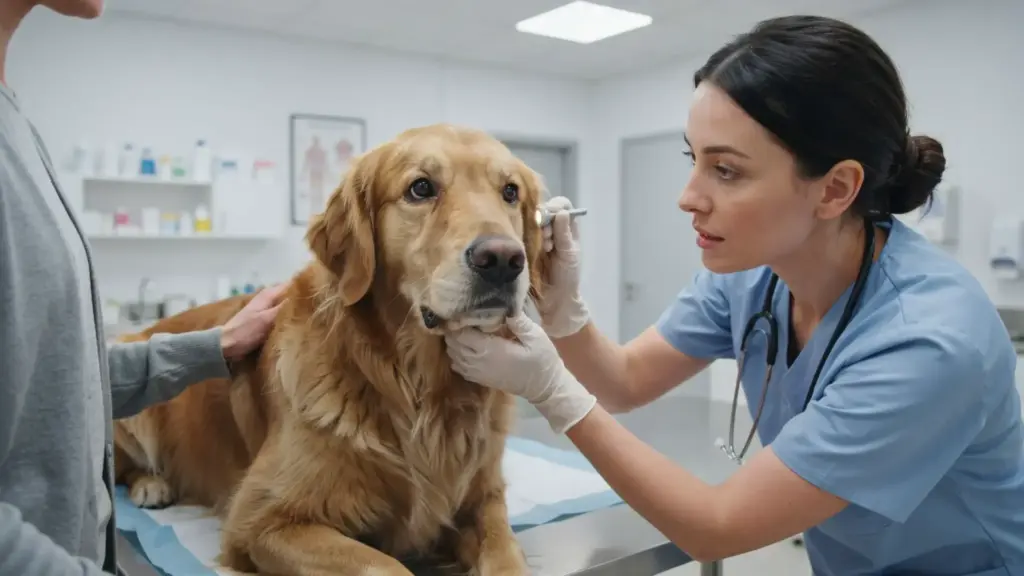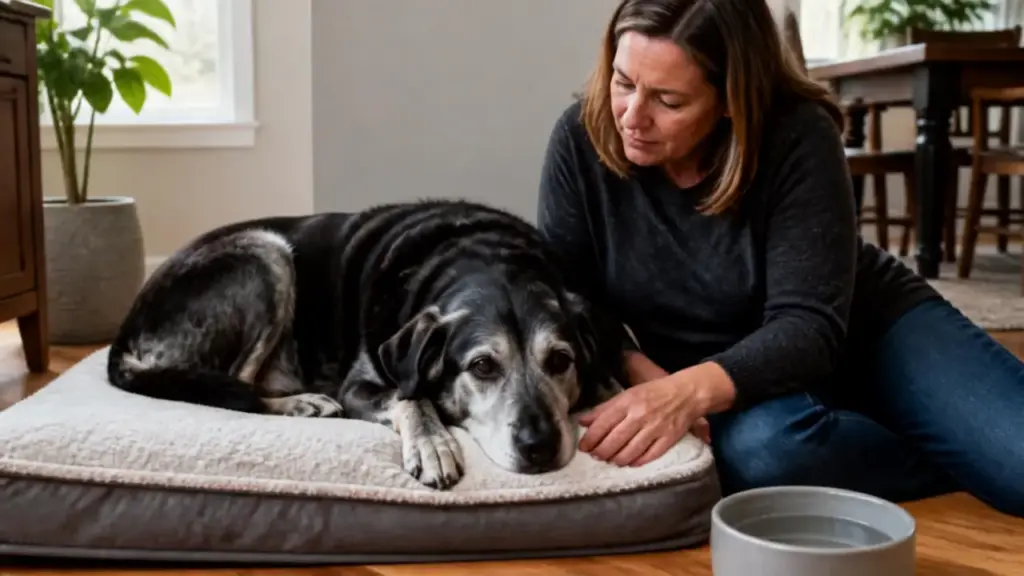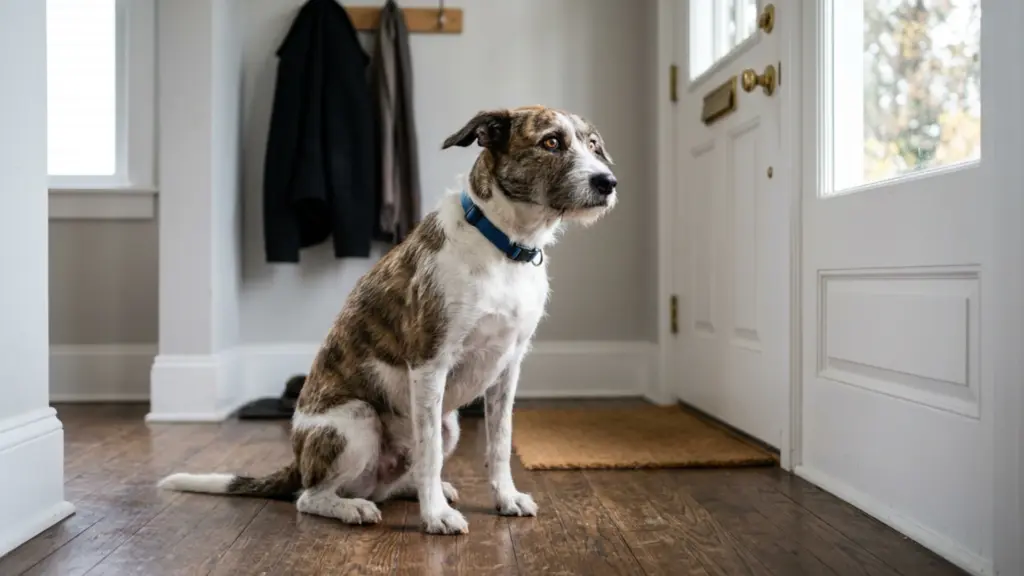
Trazodone is often given to dogs for anxiety, stress, travel, vet visits, grooming, fireworks, or post-surgery rest.
Many dog owners search for a clear chart because they want to know what dose may fit their dog’s weight. That is where a trazodone dosage for dogs chart can help as a simple starting guide.
Still, trazodone is a prescription medicine, and the final dose should always come from a vet.
The right amount can change based on age, size, health, anxiety level, current medicines, and how the dog reacts after taking it.
Ahead, this guide will cover weight-based dosage ranges, timing, safe use, side effects, overdose signs, drug interactions, and questions to ask a vet before giving trazodone to a dog.
What is Trazodone for Dogs?
Trazodone is a serotonin antagonist and reuptake inhibitor (SARI) commonly used in veterinary medicine to manage anxiety, fear-based behaviors, and stress-related reactions in dogs.
It was not originally developed for animals but is widely prescribed under veterinary supervision for its safety and effectiveness in dogs.
It works by influencing serotonin levels in the brain, helping regulate mood and emotional responses. This leads to calmer behavior, reduced reactivity, and improved ability to cope with stressful environments or situations.
Veterinarians often prescribe trazodone for situational anxiety like fireworks, thunderstorms, grooming, travel, and vet visits. It is also used after surgery to keep dogs calm and prevent movement that could affect healing.
It is commonly used off-label in dogs due to its established safety under veterinary supervision. According to the FDA guidance, veterinarians may legally prescribe human-approved drugs for animals when appropriate.
Trazodone Dosage for Dogs Chart
Standard dosing ranges between 1–3 mg per pound, depending on anxiety severity, with veterinarians typically starting at the lowest effective dose. Adjustments are made based on response and any concurrent medications.
| Dog Weight | Starting Dose | Typical Range | Max Per Dose |
|---|---|---|---|
| Under 10 lbs | 25 mg | 25–50 mg | 50 mg |
| 10–25 lbs | 50 mg | 50–100 mg | 100 mg |
| 25–50 lbs | 75 mg | 75–150 mg | 150 mg |
| 50–75 lbs | 100 mg | 100–200 mg | 200 mg |
| 75–100 lbs | 100–150 mg | 100–250 mg | 250 mg |
| Over 100 lbs | 150–200 mg | 150–300 mg | 300 mg |
Disclaimer: This chart is for general learning only. A dog’s trazodone dose can change based on age, health, anxiety level, other medicines, and how the dog reacts. Always follow your vet’s exact dose.
How to Give Trazodone to Dogs?
Trazodone should be given exactly the way the vet explains it. The dose depends on the dog’s weight, health, anxiety level, and other medicines.
Guessing the amount can make the dog too sleepy or cause other problems. It is also important to check the tablet strength before giving it, because trazodone can come in different sizes.
- Give only the dose prescribed by the vet
- Give it with food if the vet says that is fine
- Use the right tablet strength
- Do not double the next dose if one dose is missed
- Keep the medicine away from other pets and children
- Watch the dog closely after the first dose
After giving trazodone, the dog should rest in a safe and quiet place. Call the vet if the dog seems too weak, confused, restless, or hard to wake.
Calm and consistent administration helps reduce stress and improve effectiveness. If your dog already struggles with separation anxiety and confinement stress, running a calm test dose at home first is especially useful.
How Long Does Trazodone Take to Work?
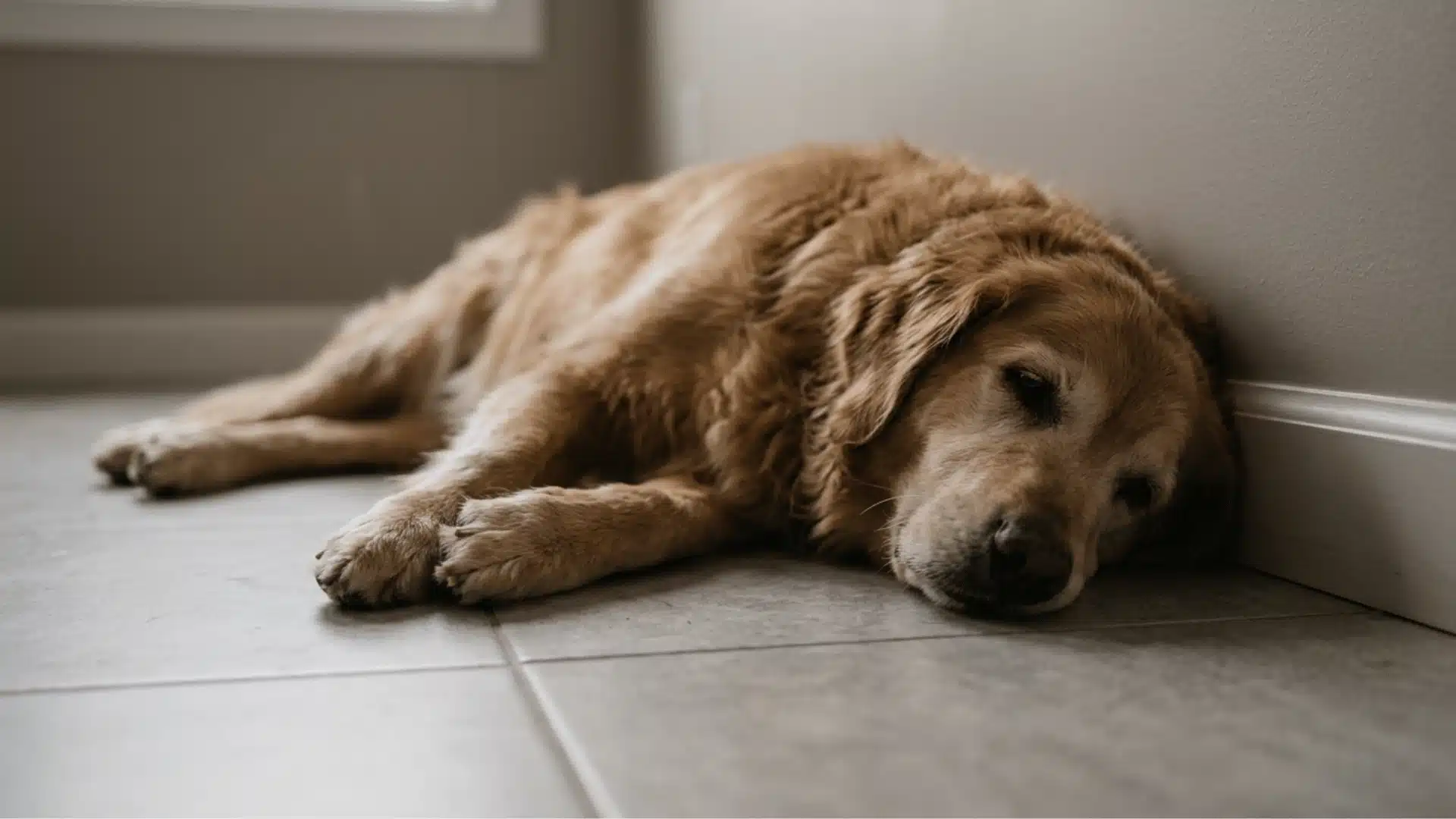
Trazodone typically begins working within 30–60 minutes after administration, with peak calming effects occurring shortly after onset. This makes it useful for planned stressful events.
The effects usually last between 3 and 12 hours, depending on dose, metabolism, and individual sensitivity. Duration may vary significantly between dogs.
With repeated use, behavioral improvement may take several days to become fully noticeable. Early effects often appear as mild sedation before deeper anxiety control develops.
What Does Trazodone Feel Like for Dogs?

Trazodone changes how a dog responds internally to stress rather than simply “knocking them out.” Many dogs remain awake but appear mentally calmer and less reactive to sounds, movement, or environmental triggers.
Some dogs may seem quieter, slower to respond, or more likely to lie down and rest rather than pace constantly. Their focus shifts away from anxiety-driven behavior, even though they can still interact normally when needed.
This kind of calm, cooperative resting is especially useful during post-surgery confinement, and it pairs well with the patience-first approach outlined in this guide to crate training an older dog.
In the first few doses, mild sedation or light sleepiness is common as the body adjusts to the medication. This effect is usually temporary and becomes more stable with continued use under veterinary guidance.
A small number of dogs may experience the opposite response, showing restlessness or increased activity instead of calmness. This reaction is uncommon but should be discussed with a veterinarian if it occurs.
Benefits of Trazodone in Dogs
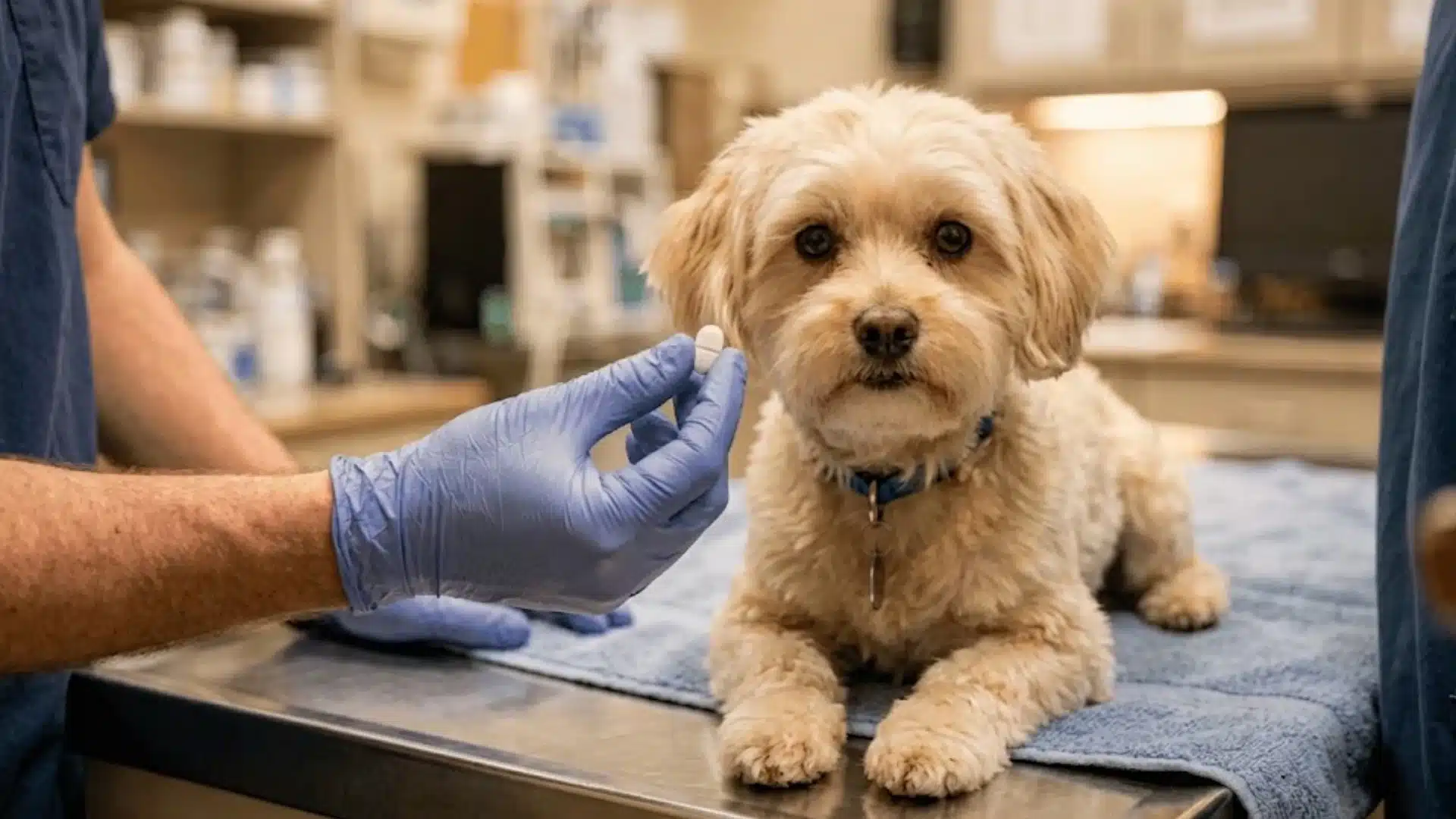
Trazodone provides fast, effective calming support for dogs, helping reduce anxiety, improve behavior control, and support recovery in stressful situations.
- Fast anxiety relief: Starts working within 30–60 minutes, helping dogs stay calm during sudden stress events like storms, travel, or vet visits.
- Reduces hyperactive behavior: Helps lower pacing, restlessness, and overreaction to environmental triggers, making dogs easier to manage.
- Supports post-surgery recovery: Encourages rest and reduces movement, helping prevent strain on surgical sites and supporting healing.
- Improves crate and confinement tolerance: Makes it easier for dogs to remain calm during crate rest or periods of restricted movement without excessive stress.
- Enhances training effectiveness: Calmer behavior improves focus and responsiveness during behavioral training and desensitization exercises.
- Flexible usage options: Can be used for both situational anxiety and short-term daily management based on veterinary recommendations.
Side Effects of Trazodone in Dogs
Trazodone is generally well tolerated in dogs, but some side effects may still occur, especially during the first few doses or when the dose is adjusted.
- Drowsiness: Dogs may appear sleepy or less active after taking trazodone, especially during the first few doses as the body adjusts.
- Vomiting: Mild stomach upset or vomiting can occur, particularly if the medication is given on an empty stomach or in sensitive dogs.
Mild stomach upset or vomiting can occur, particularly if the medication is given on an empty stomach. - Diarrhea: Some dogs may experience loose stools, which are usually temporary and resolve without treatment within a short period of time.
- Restlessness or agitation: A small number of dogs may show the opposite effect, becoming more anxious or hyperactive than expected.
- Increased vocalization: Some dogs may bark or whine more than usual, rather than calming down, due to heightened nervous stimulation.
- Behavioral changes: Unusual behavior, like confusion or irritability, may appear and should be monitored closely.
- Severe reactions (rare): Tremors, seizures, or collapse require immediate veterinary attention as they indicate a serious reaction.
Medicines that May Not Mix Well with Trazodone
Trazodone can interact with several medicines, so a vet should know everything the dog takes before starting it.
This includes daily medicine, short-term medicine, supplements, and flea or tick products. Other anxiety medicines, antidepressants, some pain medicines, and sedatives may not mix well with trazodone.
Some combinations can make a dog too sleepy, weak, restless, or more likely to have side effects. Even flea, tick, heartworm, or other routine medicines should be mentioned to the vet, because they still matter.
Owners should never mix medicines without vet approval, even if both seem safe on their own. The safest step is to check with the vet before adding, stopping, or changing any medicine.
Can Puppies or Senior Dogs Take Trazodone?
Puppies and senior dogs may be given trazodone, but they usually need more care than healthy adult dogs.
Puppies are still growing, and their bodies may not handle medicine the same way as a fully grown dog. A vet may want to be extra careful with the dose, timing, and how the puppy reacts after the first dose.
Senior dogs may also need a lower or adjusted dose because older dogs can have slower body function, weaker balance, or hidden health problems.
Health checks matter more in older dogs because heart, liver, kidney, or eye issues can change how safe trazodone is.
Small dogs also need extra caution because a small mistake in tablet size can become a big overdose risk. A vet should always guide the dose for young, old, or tiny dogs.
Trazodone Mistakes that Can Put Your Dog at Risk
Trazodone can help dogs, but small mistakes can make it unsafe. These are the main errors owners should avoid.
- Using another dog’s prescription: A dose that works for one dog may be too strong or unsafe for another dog.
- Guessing by weight only: Weight matters, but age, health, anxiety level, and other medicines also affect the right dose.
- Cutting tablets without approval: Some tablets may not split evenly, so the dog could get too much or too little medicine.
- Giving extra too soon: Do not give more just because the first dose seems weak. Ask the vet before changing it.
- Mixing or waiting too long: Do not mix trazodone with sedatives or other calming medicines without vet approval. Call the vet quickly after a bad reaction.
How Vets Usually Decide the Right Dose?
A vet does not choose a trazodone dose by weight alone. Weight helps set a starting point, but it does not show the full picture.
Two dogs with the same weight may still need different doses because their age, health, stress level, and medicine history can be very different.
- Dog weight: Heavier dogs may need a different dose than small dogs, but weight is only one part of the decision.
- Age and breed size: Puppies, senior dogs, toy breeds, and giant breeds may need extra care with dosing.
- Anxiety trigger: A short vet visit may need a different plan than fireworks, travel, grooming, or daily anxiety.
- Health issues: Liver, kidney, heart, or eye problems can change how safe trazodone is for a dog.
- Other medicines: Current medicines and past reactions to sedatives help the vet avoid risky combinations.
This is why a vet-guided dose is safer than guessing from a chart. The vet may start low, watch how the dog responds, and adjust only if needed.
Conclusion
Trazodone can be a helpful option for managing stressful moments in dogs, especially when everyday situations feel overwhelming.
From travel and vet visits to recovery periods, many pet owners find it useful for creating a calmer, more manageable routine at home.
What really stands out is how differently each dog can respond, which is why close attention and veterinary guidance make such a difference in real-world use.
If you’ve used trazodone for your dog, it would be great to hear how it worked for you. Share your experience in the comments. Your insight could really help other pet parents going through similar situations.
Frequently Asked Questions
Can Trazodone Make My Dog Act More Anxious?
Yes, some dogs may seem more restless, vocal, or uneasy after taking trazodone. This is not the usual goal of the medicine, but it can happen. The vet may change the dose or suggest another plan.
Can Trazodone Be Used for Grooming Appointments?
Trazodone may be prescribed before grooming if a dog gets very stressed, scared, or hard to handle. It should be tested only under vet guidance, not given for the first time right before the appointment.
Should Trazodone Be Stored in a Special Way?
Trazodone should be kept in its original bottle, away from heat, moisture, pets, and children. It should not be left on counters, in bags, or near food, because dogs may chew the bottle or tablets.