Have you ever checked your cat food label and wondered why taurine is included? This nutrient is essential for your cat’s daily health and supports important functions like heart health, vision, digestion, and normal growth.
Taurine is especially important for cats because they cannot produce enough of it naturally and must get it through their diet.
A lack of taurine may not show obvious signs at first, but it can slowly affect different parts of the body.
Understanding why cats need taurine, the symptoms of taurine deficiency, and how to maintain proper nutrition can help you make safer choices for your cat’s health.
What is Taurine for Cats?
Taurine is an amino acid that plays an important role in maintaining several body functions in cats. Unlike many animals, cats cannot produce enough taurine on their own, which means they must receive it regularly through their food.
This nutrient is found naturally in animal tissues and is one reason cats require animal-based nutrition.
Commercial cat foods are usually formulated with taurine because a consistent supply is necessary for long-term health.
PMC Research on feline nutrition has shown that taurine is closely linked with normal heart and eye function. Studies have helped establish taurine as an essential nutrient for cats rather than an optional dietary addition.
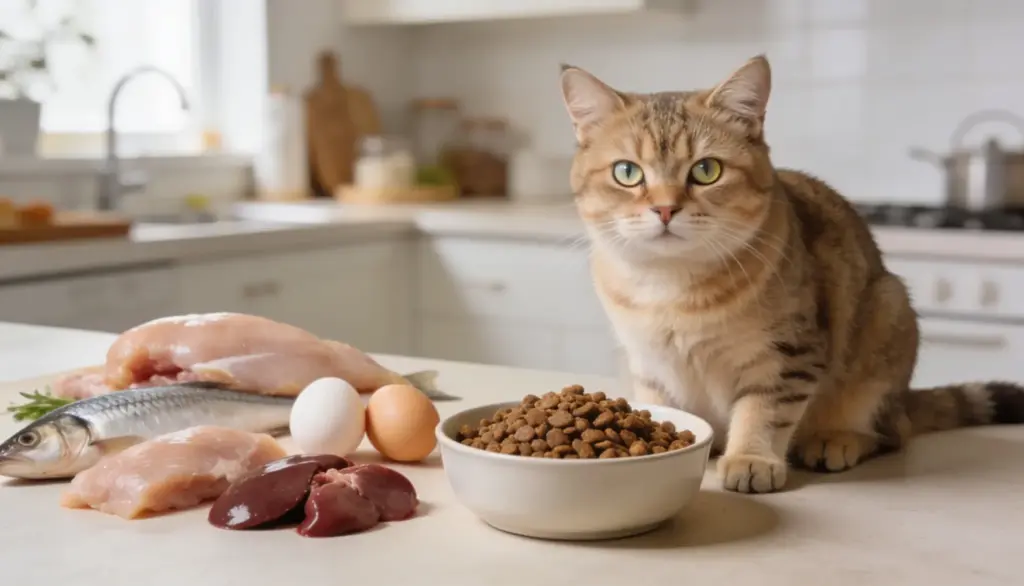
Natural Sources Of Taurine
Cats get taurine mainly from animal-based foods because this nutrient is naturally found in animal tissues. Since cats cannot produce enough taurine on their own, their diet needs to provide a regular supply to support normal health.
| Source | Examples |
|---|---|
| Muscle Meat | Chicken, turkey, and beef |
| Organ Meat | Heart, kidney, and other organs |
| Seafood | Fish and shellfish |
| Complete Cat Food | Formulated with added taurine to meet feline nutrition needs |
Natural taurine levels can decrease during cooking and food processing, which is why many commercial cat foods add taurine during formulation. Feeding a properly balanced diet helps ensure cats receive the taurine they need every day. For owners who prefer preparing meals at home, these homemade cat food recipes pair taurine-rich meats with balanced ingredients to help cover daily needs.
Why Cats Need Taurine Daily
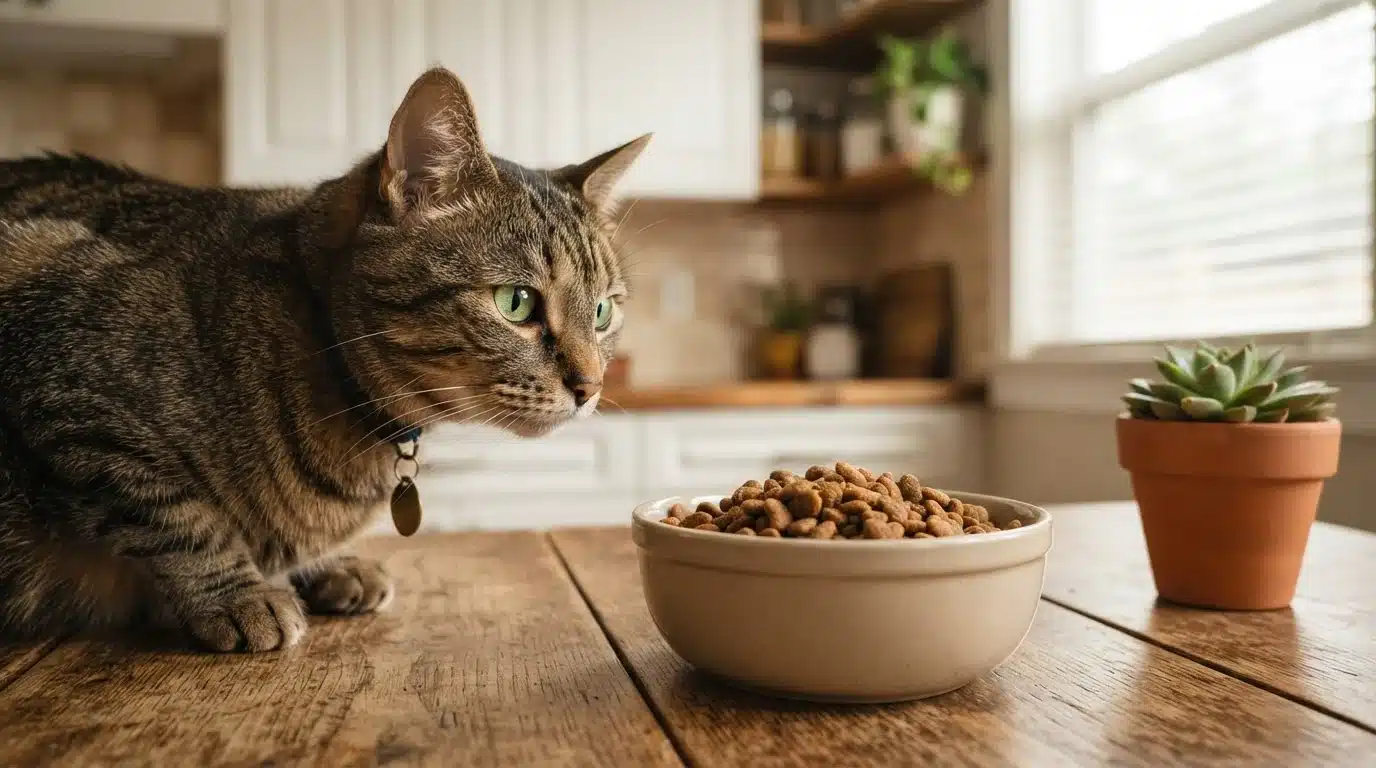
Taurine supports several important systems in a cat’s body. Since cats cannot produce enough taurine naturally, they need it from their daily diet to maintain heart health, vision, digestion, and growth.
1. Supports Heart Function
Taurine helps keep the heart muscle working the way it should. A long-term shortage has been linked to dilated cardiomyopathy (DCM), a condition that weakens the heart’s ability to pump blood properly.
Feeding your cat a balanced diet with enough taurine supports steady heart function and lowers the risk of this serious, sometimes life-threatening problem developing over time.
2. Protects Vision
Taurine plays a key part in retinal health and sharp, clear eyesight. When a cat goes without enough for too long, the retinal cells can break down, which may lead to lasting vision loss or even blindness.
Making sure your cat gets steady amounts of taurine helps guard their eyesight and keeps their eyes working well for years.
3. Helps Digestion and Growth
Taurine supports bile acid production, which lets cats break down and absorb fats from their food properly. It also aids healthy kitten development, reproduction, and muscle health across every life stage, from tiny newborns to senior cats.
Steady taurine intake keeps digestion smooth and gives growing cats the building blocks they need to stay strong and thrive.
| Tip: Always choose cat food labeled as complete and balanced for your cat’s life stage. These diets are usually formulated to provide essential nutrients, including taurine, in the right amounts. |
Taurine Deficiency In Cats
Taurine deficiency in cats happens when a cat does not receive enough taurine over time. Since taurine supports multiple organs, the effects may not appear immediately and can develop slowly before noticeable signs occur.
Today, deficiency is less common in cats eating complete commercial diets. However, it can still happen when cats are fed unbalanced meals or diets that do not meet feline nutritional needs.
Some common reasons for low taurine levels include:
- Recipes without proper nutritional planning may miss essential taurine levels.
- Regular feeding can create nutrient gaps because dog food is not designed for cats
- Foods without complete feline nutrition may not provide enough taurine.
- Plant ingredients do not naturally provide the amount of taurine cats require.
A diet may appear healthy but still lack important nutrients if it is not specifically created for cats. Choosing properly formulated cat food and consulting a veterinarian before making major diet changes can help reduce the risk of taurine deficiency.
Symptoms Of Taurine Deficiency In Cats
The symptoms of taurine deficiency in cats can vary because taurine affects multiple body systems. Some signs may appear slowly, while others become easier to notice as the deficiency continues. Paying attention to changes in your cat’s vision, energy, appetite, and overall health can help identify possible concerns early.
| Area | Possible Signs |
|---|---|
| Eyes | Vision problems, difficulty seeing in dim light, or unusual eye changes |
| Heart | Weakness, breathing issues, low activity, or collapse |
| Body Condition | Weight loss, muscle loss, or reduced energy levels |
| Digestion | Appetite changes or problems absorbing nutrients |
| Growth | Slow kitten development or reproductive issues |
These signs can also appear with other feline health conditions, so they should not be used as the only way to diagnose taurine deficiency. A veterinarian can check your cat’s health, diet, and nutrient levels to confirm the actual cause and suggest the right care.
Since weight and muscle loss are among the signs to watch for, owners of thin cats sometimes turn to homemade cat food recipes to gain weight, which focus on protein and healthy fats alongside proper nutrients.
Diagnosing Taurine Deficiency in Cats
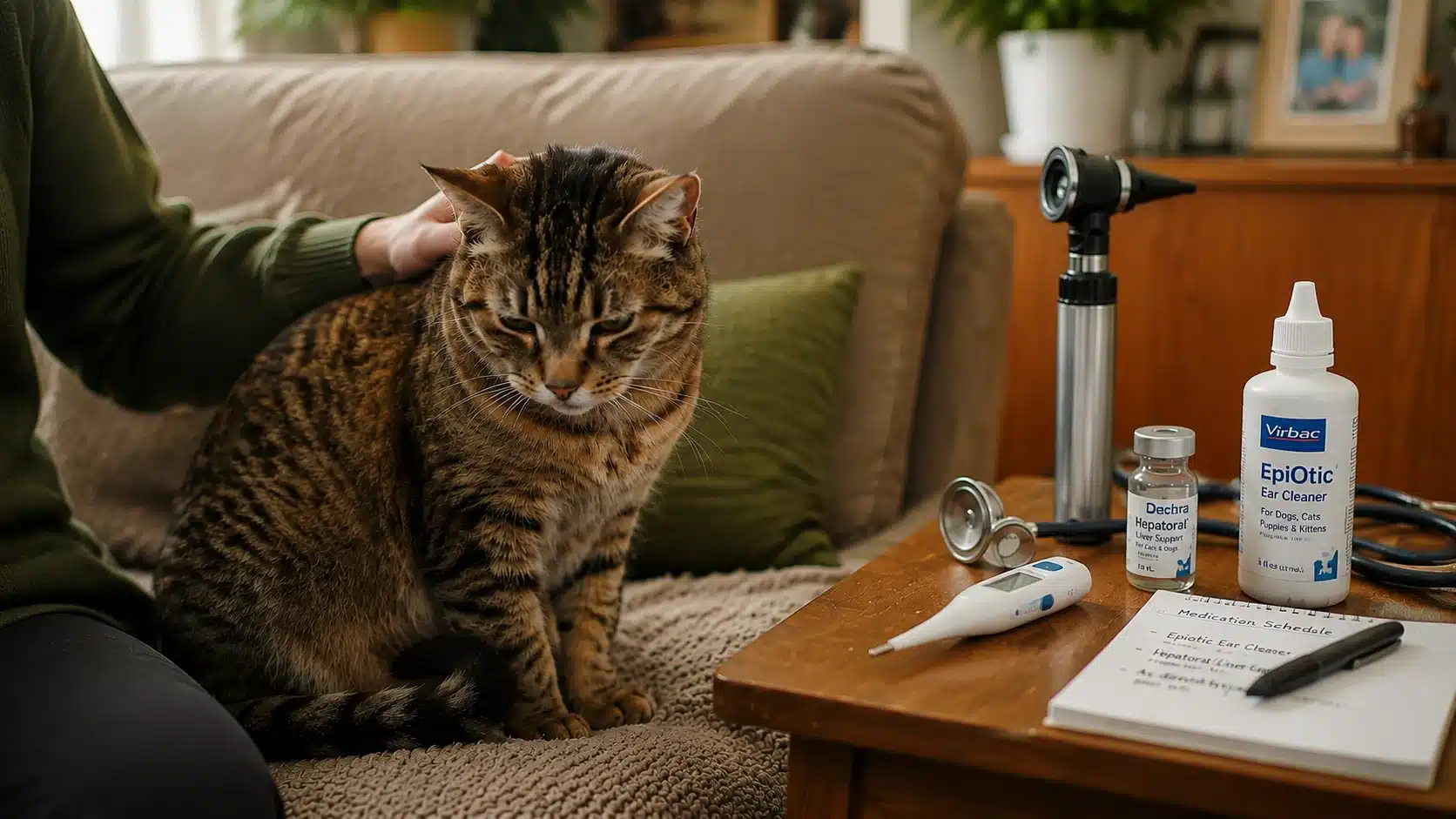
A veterinarian usually considers several factors before confirming taurine deficiency. Diet history is often the first step because feeding habits can reveal possible nutrient gaps.
Diagnosis may include:
- Reviewing your cat’s daily food and treats
- Blood testing to check taurine levels
- Eye examinations for vision changes
- Heart checks if symptoms suggest cardiac issues
Because taurine affects multiple parts of the body, vets often use multiple tests rather than relying on a single symptom.
Treating Taurine Deficiency In Cats
Treatment depends on how severe the deficiency is and whether it has affected your cat’s organs. The main goal is to restore proper nutrition, correct taurine levels, and support any health problems that may have developed.
1. Diet Correction
The first step is usually fixing the diet. A veterinarian may suggest moving your cat to complete and balanced cat food that supplies all the nutrients they need, including taurine.
Getting daily meals right often does much of the work, since steady, proper nutrition rebuilds taurine levels naturally and gives the body what it needs to recover and stay well.
2. Taurine Supplements
Supplements may be suggested for cats with a confirmed deficiency or a particular health concern. The correct dose should always come from your veterinarian, not from guesswork, since too little may not help and too much serves no purpose.
Used the right way and under proper guidance, supplements can top up what a cat’s regular meals are not fully providing.
3. Additional Medical Support
Cats with heart problems tied to taurine deficiency often need extra treatment and ongoing monitoring to keep the condition in check. Vision loss may not always reverse, yet catching things early can stop further damage and lead to far better outcomes.
Working closely with your veterinarian gives your cat the strongest chance at a steady, comfortable recovery over time.
Health Risks Of Untreated Taurine Deficiency
An ongoing taurine shortage can affect vital organs and may cause more serious problems over time. Early detection gives cats a better chance of avoiding long-term complications.
One of the biggest concerns is dilated cardiomyopathy (DCM), in which the heart muscle weakens. Taurine deficiency can also affect the retina, potentially causing permanent vision damage.
Cats that receive early care and proper nutrition often have better outcomes. Regular diet checks are especially important for cats eating homemade meals or unusual diets.
Advisory Note: Do not start taurine supplements or make major diet changes without veterinary guidance. The right approach depends on your cat’s current diet, health condition, and individual nutritional needs.
What Real Cat Owners Say About Taurine Supplements
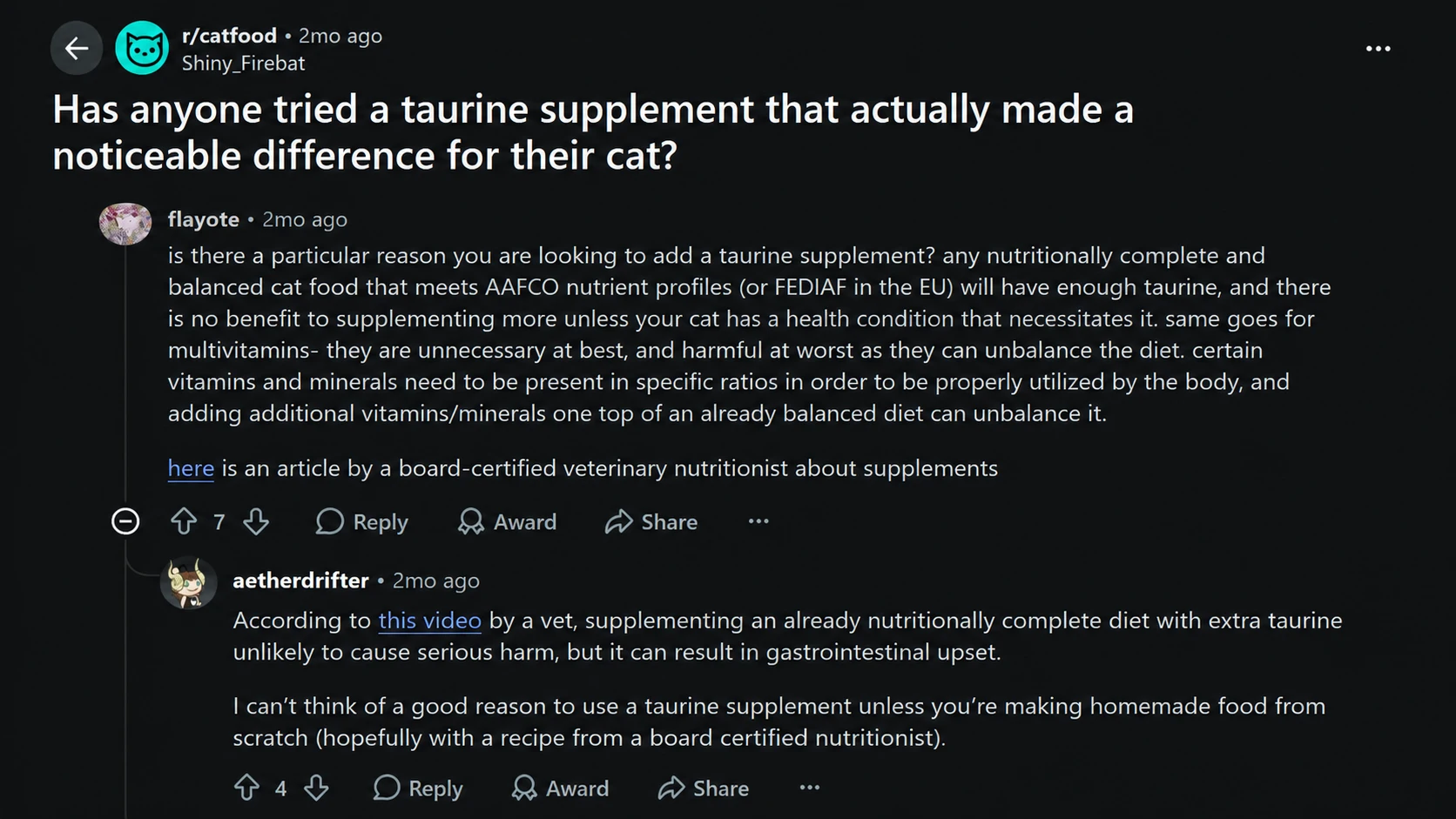
Cat owners often talk through taurine supplements when they are thinking about nutrition, homemade diets, or specific health issues, and one Reddit discussion captures the mood well.
In that thread, users shared that many turn to supplements when they want a little extra nutritional support, yet they still treat a balanced diet as the real foundation.
A few themes came up again and again: owners tend to check the quality of their cat’s food before reaching for anything extra, they lean on supplements mainly for cats with particular concerns, and they make a point of asking a veterinarian before any major diet change.
Taken together, the conversation shows that most owners see taurine as one piece of a cat’s overall nutrition, not a shortcut or a stand-in for proper feeding. It is a practical, measured way to look at supplements.
Diet Mistakes to Avoid for Taurine Support
A cat’s daily diet plays the biggest role in maintaining healthy taurine levels. Since cats cannot produce enough taurine on their own, they need food that consistently provides the right nutrients.
These diets are usually the safest choice for everyday feeding because they are designed in accordance with recognized nutrition standards. Some feeding choices can increase the chance of nutritional gaps, including:
- Using homemade recipes without veterinary guidance
- Feeding dog food as a regular meal
- Choosing diets that are not made specifically for cats
- Replacing balanced meals with excessive treats or toppers
Most complete and balanced commercial cat foods are formulated to meet feline nutritional needs, including taurine requirements. The goal is not to add more foods but to provide a complete diet that supports your cat’s natural nutritional needs. If your cat has a health condition or a special diet, consult a veterinarian before making major changes.
Preventing Taurine Deficiency in Cats
Preventing taurine deficiency mainly comes down to providing proper daily nutrition. A few simple habits can help your cat receive the nutrients needed for healthy heart function, vision, and overall well-being.
- Feed complete cat food: Choose a balanced cat diet that provides essential nutrients, including taurine.
- Avoid dog food: Do not use it as a regular meal, as cats have different nutritional requirements.
- Be careful with homemade diets: Make sure homemade recipes are properly balanced, as they may miss important nutrients.
- Ask a veterinarian first: Consult your vet before making major diet changes or adding supplements.
Following these steps can help maintain healthy taurine levels and reduce the risk of nutrition-related health problems in cats. A consistent, balanced diet is one of the simplest ways to support your cat’s long-term health.
Final Thoughts
Taurine plays an essential role in supporting your cat’sheart, eyes, digestion, and overall health. Since cats cannot produce enough taurine naturally, providing a balanced diet is one of the most important steps in preventing deficiency.
Understanding the causes, warning signs, and risks of low taurine levels can help you make better nutrition choices for your cat.
If you notice unusual changes in your cat’s energy, vision, or health, consult a veterinarian for proper guidance. A consistent, complete diet can go a long way in supporting your cat’s long-term well-being.
Share your thoughts or feeding experiences with other cat owners in the comments section below.
Frequently Asked Questions
Can a Cat Get Too Much Taurine?
Taurine is generally considered safe for cats because excess amounts are usually removed naturally. However, supplements should still be given only when needed.
Do Kittens Need Taurine in their Diet?
Yes, kittens need taurine to support healthy growth, eye development, and normal body functions during their early stages of life.
Can Taurine Levels Decrease in Stored Cat Food?
Proper storage helps maintain food quality. Keeping cat food sealed and stored as recommended helps protect its nutritional value.
Are Taurine Supplements Necessary for Every Cat?
Most cats eating complete and balanced food do not need extra taurine unless a veterinarian recommends supplements for a specific health concern.