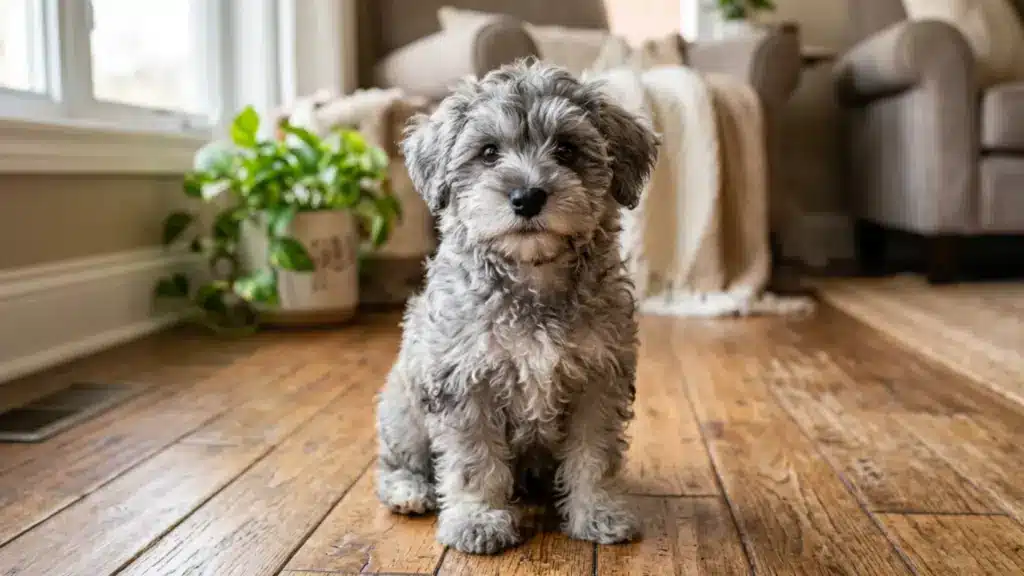
A fluffy teddy-bear face, bright, intelligent eyes, and a personality that seems to follow every step can make almost anyone pause and smile.
Schnoodles have steadily become one of the most talked-about hybrid dogs, winning over families, singles, and seniors with equal ease.
Behind the charm lies a thoughtful mix of intelligence, energy, and deep emotional attachment that often surprises first-time owners.
Knowing what truly goes into choosing, raising, and caring for this kind of puppy can completely change the experience before one even comes home.
What is a Schnauzer Poodle Mix?
A Schnoodle is a designer hybrid of a Schnauzer and a Poodle, combining two highly intelligent, people-focused breeds.
It blends the Schnauzer’s alert nature with the Poodle’s trainability and friendly temperament.
The result is a companion dog known for adaptability, intelligence, and often a low-shedding coat, making it suitable for many households.
Many owners are drawn to their playful yet loyal personality. No official breed standard exists, so size, coat type, and temperament can vary even within the same litter.
This variation is part of what makes each Schnoodle unique, but also less predictable than purebred dogs.
Genetic diversity means no two Schnoodles are exactly alike, even when they come from the same parents. Understanding this helps set realistic expectations before bringing one home.
Schnoodle Sizes and What to Expect
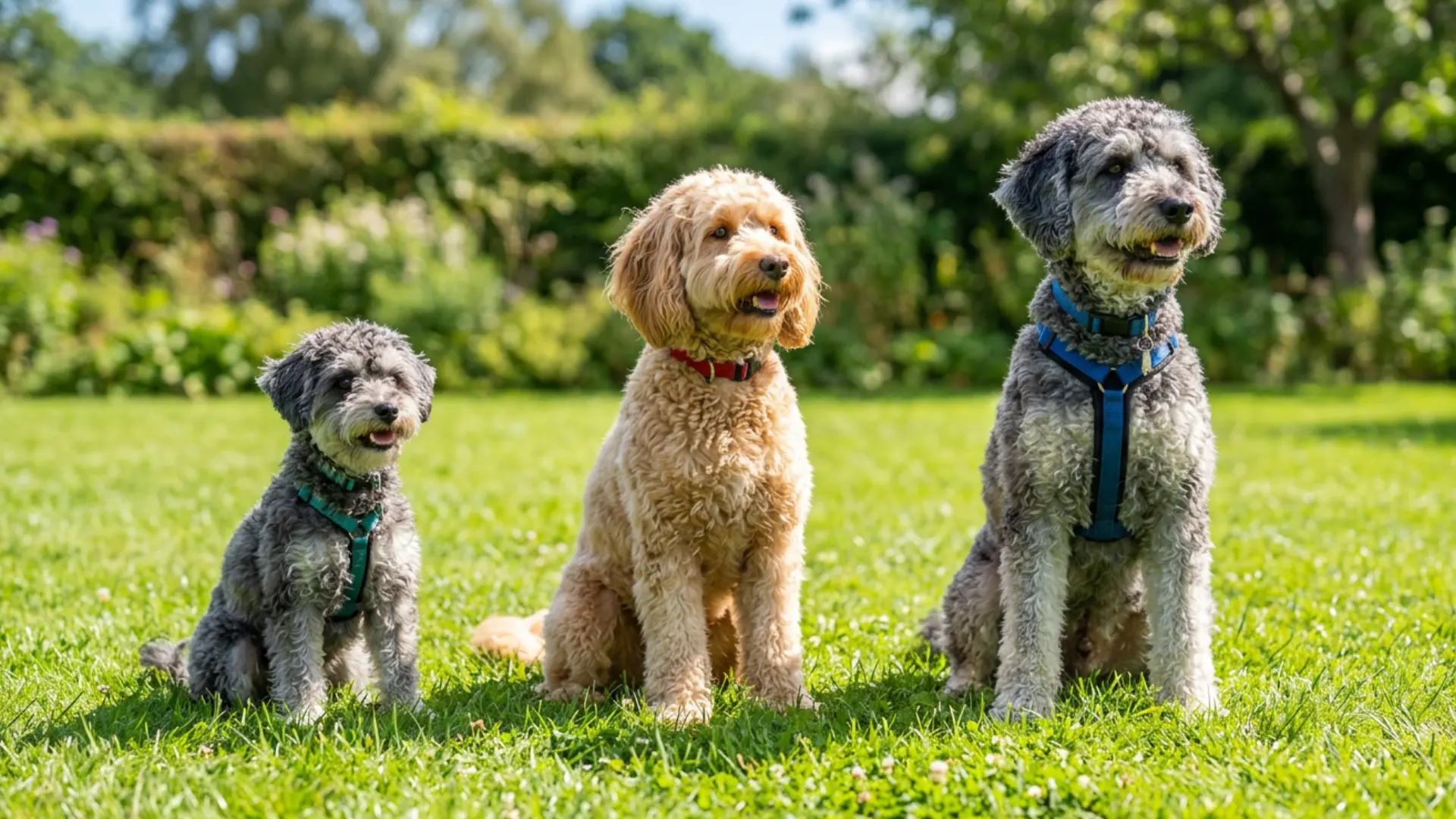
Schnoodles vary in size depending on whether a miniature, standard, or giant Schnauzer is crossed with a toy, miniature, or standard Poodle. Size affects space, exercise, and long-term care needs.
Miniature Schnoodles weigh around 10–20 pounds and stand 10–15 inches tall. They are popular for apartment living, easy travel, and their playful yet manageable nature.
Standard Schnoodles weigh between 20 and 45 pounds and stand 15–20 inches tall. They offer a balanced option for families, combining sturdiness with moderate space and exercise needs.
Giant Schnoodles can weigh 60–75 pounds and reach up to 28 inches at the shoulder.
They require more space, food, and grooming, and are often chosen for therapy or service roles due to their stable temperament.
Schnoodle Price Guide and Cost Overview
Schnoodle puppies typically cost $500 to $3,995, depending on breeder quality, size, generation, and location. Miniature Schnoodles are more affordable, while giant and rare coat types cost more due to lower availability.
F1B and multigenerational Schnoodles often sit at the higher end due to more predictable coats and reduced shedding.
Reputable breeders who invest in health testing and proper socialization also charge more but offer better long-term assurance.
Adoption is a more budget-friendly option, typically ranging from $250 to $400, and can be a great choice for those open to adopting a rescue dog.
How to Find a Reputable Schnoodle Breeder?
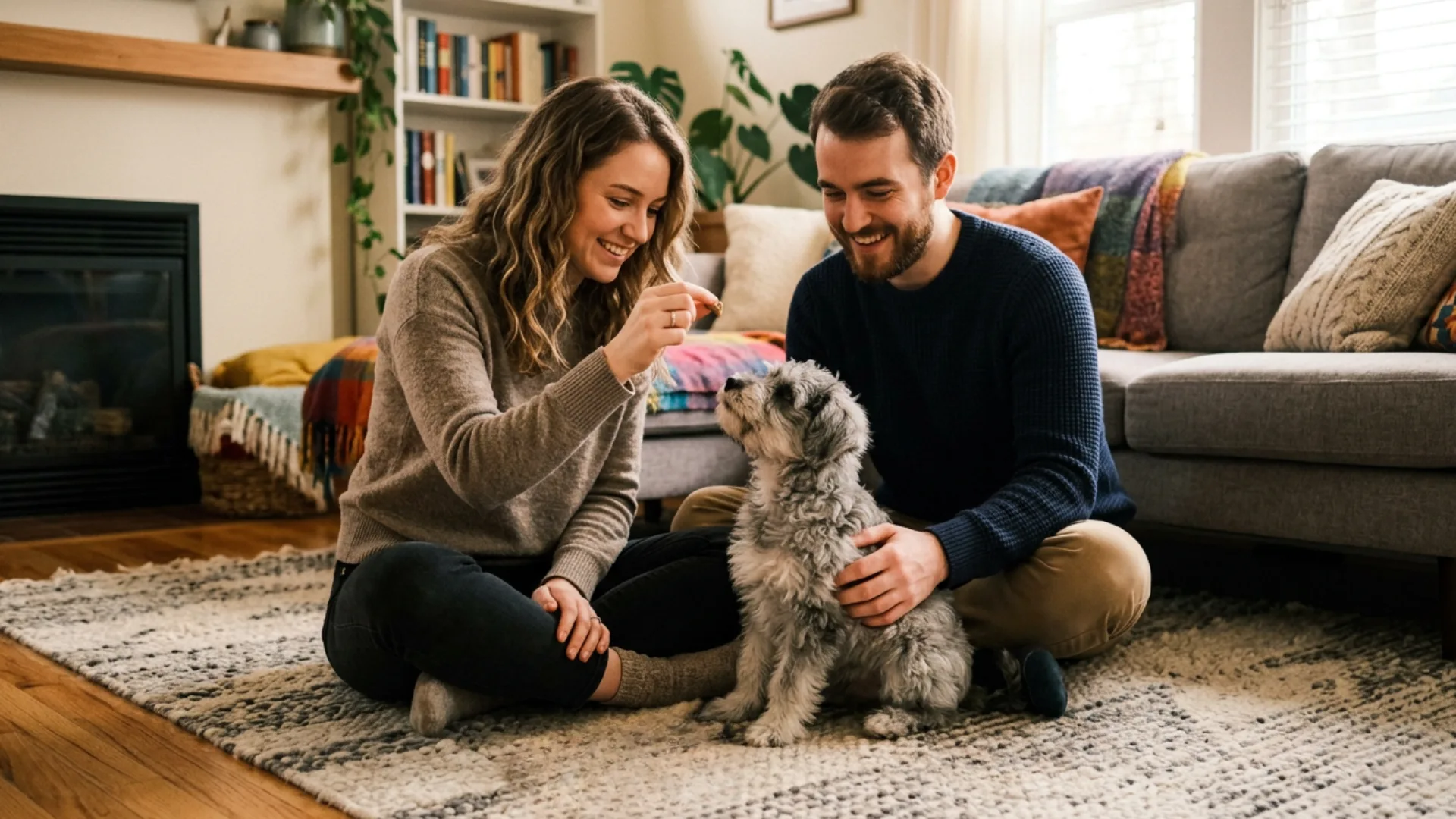
Choosing the right breeder is key to getting a healthy, well-adjusted Schnoodle. Responsible breeding directly affects temperament, health, and long-term behavior, making it a critical decision for buyers.
1. Health Testing and Medical Transparency
A reputable breeder provides proof of health testing for both parent dogs, including screenings for common genetic issues in Schnauzers and Poodles. These often include hip, eye, and other key breed-specific health checks.
Clear medical records and vet-issued health certificates should be available before purchase. Breeders who avoid sharing documentation or give vague answers about testing should be avoided immediately.
Staying on top of your new puppy’s health from day one is equally important, and following a structured puppy vaccination schedule helps protect them through their most vulnerable early months.
2. Ethical Breeding Practices and Puppy Care
Good breeders raise puppies in clean, social environments where they are exposed to people, sounds, and basic handling from an early age.
This early socialization plays a major role in shaping stable adult behavior.
Puppies should not be separated from their mother before 8 weeks of age, as early separation can affect development and temperament.
Ethical breeders prioritize weaning and healthy early growth over quick sales.
3. Transparency, Communication, and Buyer Screening
Responsible breeders are open to questions and often ask buyers about their lifestyle, experience, and home environment.
This screening process ensures puppies are placed in suitable homes.
A lack of communication, refusal to allow visits, or pressure to buy quickly are strong warning signs. Trustworthy breeders focus on long-term welfare rather than fast transactions.
4. Waitlists and Availability Expectations
Reputable Schnoodle breeders usually have waitlists due to limited, planned litters and careful breeding cycles.
This ensures better health outcomes and more controlled breeding practices.
Immediate puppy availability is often a red flag for large-scale or irresponsible breeding operations. Waiting for the right litter is generally a sign of ethical and quality-focused breeding.
Puppy Mill and Scam Warning Signs
Unethical breeders and puppy mills often use misleading practices to sell puppies quickly without proper care or transparency, making it important to recognize early warning signs.
- Low-priced offers: Unusually cheap puppies often indicate poor breeding conditions or inadequate health care and documentation.
- No health records: Responsible breeders always provide proof of vet checks and genetic testing, while scams avoid sharing any medical history.
- Immediate availability: Puppies that are always “ready to go” may come from high-volume breeding operations that focus little on quality.
- No breeder transparency: Refusal to show living conditions, parent dogs, or breeding setup is a major red flag for unethical practices.
- Online-only selling: Sellers who avoid calls, visits, or video proof often rely on stock images or misrepresented puppies.
- Pressure tactics: Urgent language like “last puppy left” or forced deposits are commonly used to rush buyers into unsafe decisions
Schnoodle vs Other Doodle Breeds
Schnoodles differ from other doodle breeds in size, temperament, coat type, and activity needs, making them a more versatile but less predictable hybrid option.
| Feature | Schnoodle | Goldendoodle | Labradoodle | Cockapoo |
|---|---|---|---|---|
| Size range | Small to large (10-75 lbs) | Medium to large (15-90 lbs) | Medium to large (15-80 lbs) | Small (10-30 lbs) |
| Coat type | Wavy to curly, variable | Usually curly/wavy | Curly to wavy | Soft curls/waves |
| Shedding level | Low to moderate | Low | Low | Low |
| Temperament | Intelligent, alert, loyal | Friendly, social, gentle | Energetic, friendly, active | Affectionate, playful |
| Trainability | High, slightly stubborn | High | High | High |
| Exercise needs | Moderate to high | Moderate to high | High | Moderate |
| Best for | Versatile families, apartments, to large homes | Families with kids | Active households | Small homes/apartments |
First 30 Days With a Schnoodle Puppy
The first month is mainly about helping the puppy adjust to a new home and building trust through a calm, consistent routine. A stable environment makes the transition much easier.
During the first week, sleep and behavior may be irregular as the puppy settles in. Short play sessions, frequent naps, and gentle handling help them feel secure.
By weeks two and three, basic routines like potty training and crate use start becoming more consistent. Regular feeding and bathroom schedules help the puppy learn faster.
By the end of the first month, simple leash training and basic commands begin to take shape. A steady routine builds confidence and supports long-term good behavior.
Grooming Needs and Coat Maintenance
Schnoodles require regular grooming to keep their coats healthy, prevent matting, and maintain overall hygiene.
- Regular brushing required: Schnoodles need brushing several times a week to prevent tangles, knots, and matting, especially in curlier coats inherited from the Poodle side.
- Professional grooming routine: Most Schnoodles require grooming every 6–8 weeks to maintain coat shape, hygiene, and overall comfort, depending on coat type and growth rate.
- Coat type variation: Coat texture can range from wavy to tightly curled or wiry, which directly affects how much daily maintenance the dog will need.
- Matting risk awareness: Without consistent brushing, the coat can quickly form mats that are painful for the dog and often require a groomer to shave them off.
- Hygiene upkeep needs: Regular trimming around eyes, paws, and ears is important to prevent irritation, infections, and debris buildup.
- Grooming cost factor: Ongoing grooming is a long-term expense, so budgeting for maintenance is important before getting a Schnoodle.
Checking a dog grooming cost guide before getting a Schnoodle helps you budget realistically for regular appointments.
Common Health Issues in Schnoodles
Schnoodles are generally healthy dogs, but they can inherit certain conditions from the Schnauzer and Poodle lineages, making awareness and preventive care important.
- Eye conditions risk: Progressive retinal atrophy can occur in some lines, making regular eye checkups important for early detection and management.
- Hip joint issues: Larger Schnoodles may develop hip dysplasia, which can affect mobility and comfort as they age over time
- Dental crowding problems: Smaller Schnoodles often face dental issues due to a compact jaw structure, which requires regular dental care.
- Skin sensitivities: Some dogs may experience allergies or skin irritation that need diet or grooming adjustments.
- Routine care importance: Regular vet visits and preventive screenings help reduce risks and support long-term health stability.
Should You Get a Schnoodle?
A Schnoodle is a great fit if you want a smart, affectionate dog that stays closely bonded to you and enjoys being part of daily life. They don’t do well when left alone for long hours.
They need regular exercise and mental stimulation through walks, play, and training. Without enough activity, they can get bored and develop unwanted behaviors.
Grooming is a long-term commitment, with regular brushing and professional grooming needed every few weeks. This makes them better suited for owners ready for ongoing care.
They also come with steady costs for food, vet care, and grooming, so budgeting matters. Overall, they suit active owners who can give time, attention, and consistency.
Conclusion
A Schnoodle stands out as a companion that blends intelligence, affection, and adaptability into one highly engaging personality. It’s the kind of dog that naturally becomes part of daily life rather than just sharing a space.
Choosing one is less about trend and more about alignment with the lifestyle and commitment it quietly demands. The right match can bring years of strong companionship and everyday joy.
Every Schnoodle experience is slightly different, shaped by breeding, training, and the home it grows up in. That uniqueness is exactly what makes this mix so memorable.
Have you met a Schnoodle before, or are you considering one for your home? Share your thoughts and experiences in the comments below.
Frequently Asked Questions
Are Schnoodles Good with Other Pets?
Yes, Schnoodles usually get along well with other pets if socialized early. Slow introductions help due to mild territorial instincts. Once adjusted, they are friendly and relaxed.
Do Schnoodles Bark a Lot?
Schnoodles can be quite vocal due to their alert Schnauzer instincts. They often bark at unfamiliar sounds or visitors, but early training and a “quiet” command can keep them under control.
At What Age is a Schnoodle Fully Grown?
Miniature Schnoodles are usually fully grown by 10-12 Months, while Standard and Giant Schnoodles may take 12-18 Months. Final size depends on the parents’ genetics.
Can Schnoodles Be Therapy or Emotional Support Dogs?
Yes, Schnoodles are often good candidates due to their intelligence, calm nature, and strong bond with humans. Some even work in therapy roles, especially larger Schnoodles with stable temperaments.