

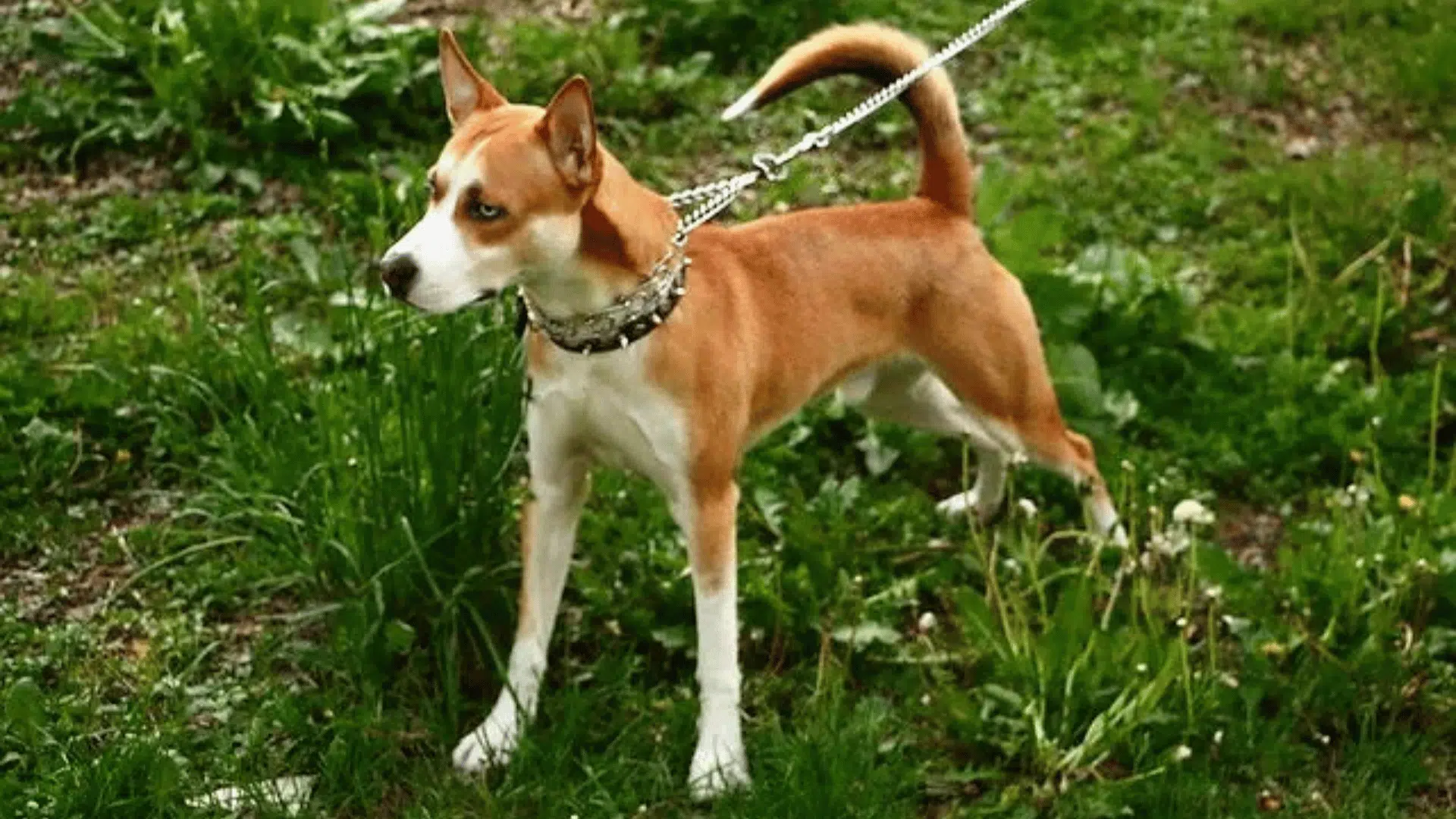
There’s something about a Pitsky that turns heads at the dog park: those bright Husky eyes paired with a Pitbull’s big, people-loving grin. Before you fall head over heels, though, one thing is worth clearing up: a Pitsky isn’t a breed of its own.
It’s a cross between two very different parent breeds, which is exactly why no two ever turn out quite the same.
Two Pitskies from separate litters can look and act nothing alike, depending on which parent’s traits came through stronger in each pup.
So when someone says “Pitsky” or “husky pitbull mix,” they mean a dog carrying some blend of Husky and Pitbull traits, not a fixed, predictable breed standard. Knowing that from the start helps you set the right expectations before you bring one home.
What is a Pitsky Dog?
A Pitsky dog is a cross between a Siberian Husky and a Pitbull-type breed, and the result is usually a companion that’s energetic, social, and endlessly affectionate.
It brings together the Husky’s love of activity and the Pitbull’s warm, people-first heart, which is a big reason this mix has won over so many active households.
Because it’s a mixed breed, no two Pitskies inherit the exact same combination of traits, so appearance, size, and temperament are always a little bit of a surprise.
One pup may take after the Husky with a thick coat and striking blue eyes, while a littermate leans toward the Pitbull with a shorter coat and a stockier, muscular build.
That unpredictability is a big part of the charm, since every Pitsky turns out to be its own one-of-a-kind mix of looks and personality.
The Husky and Pitbull Behind the Mix
To really understand a Pitsky, it helps to get to know the two breeds behind it, since your dog can lean toward either parent depending on the genes it draws.
Siberian Husky Traits
The Husky side is where a Pitsky gets much of its stamina and its independent streak. Huskies were originally bred as sled-pulling working dogs in cold climates, so natural endurance and a mind of their own come with the territory.
A Husky-leaning Pitsky usually needs more daily activity and mental engagement than one that takes after the Pitbull.
Pitbull Traits
The Pitbull side brings the affectionate, people-first nature so many owners fall for. Pitbull-type dogs bond closely with their families and tend to thrive on consistent, structured training.
A Pitsky with more Pitbull influence is often the one curled up beside you rather than off exploring on its own.
What Does a Full-Grown Pitbull Husky Mix Look Like?

A full-grown Pitbull Husky mix can look wonderfully different from one dog to the next, since it’s pulling from two very differently built breeds. Some lean toward the Husky’s frame and coat, others take after the Pitbull’s sturdier build, and littermates can end up looking like they’re barely related.
1. Size and Body Structure
Most adult Pitskies stand 16 to 25 inches tall and weigh 30 to 80 pounds, with an athletic, broad-chested build.
Dogs with more Husky influence tend to run leaner and taller, while those leaning Pitbull often look stockier and more compact. Either way, expect a strong, well-muscled dog that carries itself with real presence.
2. Facial Features
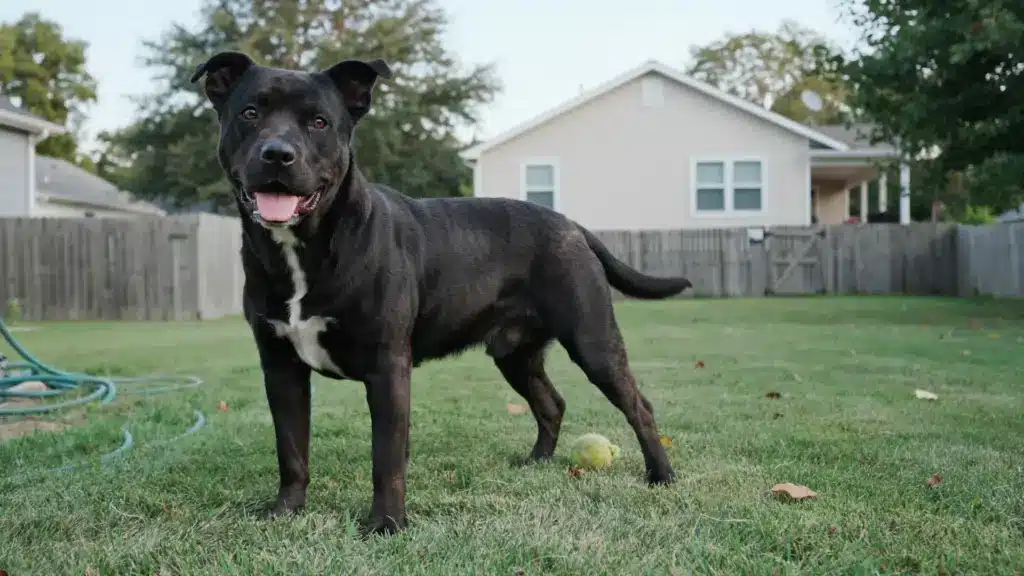
Husky-leaning Pitskies often have pointed ears, a narrower face, and lighter eyes, while Pitbull-leaning dogs tend toward a broader head, a stronger jawline, and a shorter muzzle.
Within the same litter, it really can go either way. That mix of features is part of what gives every Pitsky such a distinctive, one-of-a-kind face.
3. Coat and Color
Some Pitskies inherit the Husky’s thick double coat, while others get a shorter, single-layer Pitbull coat that is far easier to manage. Common colors include:
- Black, white, gray, brown, and red, often in mixed patterns
- Lighter blue or hazel eyes on dogs with stronger Husky ancestry
- Solid or patchy coloring depending on which parent’s genes lead the way
Because coat type varies so much, grooming needs differ from one Pitsky to the next.
Pitsky Temperament and Personality Traits

A Pitsky’s personality is a lovely balancing act between two very different hearts: Husky independence and Pitbull warmth. How it all plays out depends heavily on early socialization and everyday time together.
Affectionate but Independent
Most Pitskies form strong bonds with their families and enjoy being involved in daily activities. At the same time, the Husky side can bring an independent streak that sometimes shows up as selective listening.
Energetic and Intelligent
Pitskies need daily exercise and mental stimulation to prevent boredom and destructive behavior. They are usually quick learners, combining the Husky’s curiosity with the Pitbull’s eagerness to please, making reward-based training highly effective.
Pitsky Daily Care Essentials
Day-to-day care for a Pitsky covers the same basics as any active, medium-to-large dog, though the details shift a little depending on which parent’s traits show up strongest.
| Care Area | What to Expect | Why It Matters |
|---|---|---|
| Exercise | 60 to 90 minutes a day between walks, play sessions, and hikes | Burns off high energy and prevents restless, destructive habits |
| Grooming | Husky-coated dogs shed heavily during coat blows and need regular brushing; short-coated dogs need far less | Keeps the coat healthy and cuts down on loose fur around the house |
| Feeding | A balanced diet with solid protein and controlled portions, sized to age and activity | Supports strong muscles, steady energy, and a healthy weight |
| Mental stimulation | Puzzle toys, scent games, and short obedience sessions | Heads off the boredom that shows up fastest in Husky-heavy dogs |
Get these four areas right, and most of daily life with a Pitsky falls into place. Feeding is worth extra thought, though, since building meals around high-quality protein sources for dogs helps support the muscle and steady energy this active mix leans on every day.
How to Train a Pitsky Dog

Pitskies inherit intelligence and energy from both parent breeds, making early training essential. They usually respond well to structure and reward-based methods, especially when motivated by food. Small, healthy dog treats work well for reinforcing good behavior and keeping training sessions positive.
Training Tips for Pitsky Puppies
Early training sets the tone for everything that follows, so the first few months matter most. Start simple, stay patient, and keep each session short, upbeat, and rewarding for your pup.
- Start basic commands (sit, stay, come, leave it) as early as possible
- Introduce your puppy to a range of people, animals, and places during the early socialization window
- Teach loose-leash walking before your dog is strong enough to pull hard
- Lean on reward-based training rather than corrections
Get these basics in place early, and daily life gets so much easier. A Pitsky that learns good habits young grows into a calmer, more confident companion down the road.
Common Training Challenges
Even eager, smart dogs hit a few bumps along the way, and a Pitsky is no exception. Knowing the common sticking points ahead of time helps you meet them with patience.
- Independent streak: Husky-heavy Pitskies may take a little longer to respond to commands than you’d expect
- Physical strength: a powerful, athletic dog can be a handful on leash without early training
- Boredom-driven behavior: physical exercise alone often isn’t enough without mental challenges too
None of these are dealbreakers, just things to plan for. With steady routines and a little creativity, most Pitsky owners work through every one of them in time.
From Sled Dogs and Working Roots to Family Companions
Siberian Huskies were bred for endurance, hauling sleds across long, cold distances where stamina mattered far more than size. Working alongside people in tough conditions shaped the friendly, hardworking, slightly independent nature Huskies still carry today.
Pitbull-type breeds trace back to the 19th century, originally developed for a mix of working roles that called for strength and determination. Over time, their loyalty and deep attachment to people became just as defining as their physical power.
As those original working roles faded, both breeds gradually shifted toward companionship, trading the job site for the living room couch.
Their crossing into the modern Pitsky reflects that same shift: a dog once built for demanding physical work now living mostly as a devoted, energetic family companion. Knowing this shared history helps explain why a Pitsky is happiest with plenty of activity and close human company.
Pitsky vs. Other Popular Husky and Pitbull Mixes
The Pitsky isn’t the only cross drawing on these two breeds’ bloodlines. Seeing how it compares to a couple of other common mixes helps clarify what makes it special.
| Feature | Pitsky (Husky x Pitbull) | Huskita (Husky x Akita) | Pitweiler (Pitbull x Rottweiler) |
|---|---|---|---|
| Size | Medium to large (30 to 80 lbs) | Large (40 to 100 lbs) | Large (50 to 100 lbs) |
| Energy Level | High | Moderate to high | Moderate |
| Coat Care | Moderate to high shedding | High shedding | Low to moderate |
| Temperament | Loyal, energetic, independent streak | Loyal, more reserved | Loyal, protective |
None of these mixes are fixed breeds, so individual dogs can vary well outside these general patterns depending on which traits come through strongest.
Pitsky Health, Lifespan, and Cost to Expect
A Pitsky can inherit a few health tendencies from either parent, most often hip dysplasia, allergies, eye issues, and joint problems. The reassuring part is that carrying a risk factor doesn’t mean a dog will ever develop the condition.
A healthy Pitsky typically lives 12 to 15 years, and regular veterinary care makes the biggest difference in how those years go.
Puppy prices from breeders usually run $500 to $1,500, with health-tested lines closer to $800 to $2,000, while shelters and rescues typically charge $50 to $300 in adoption fees.
Ongoing costs including food, grooming, vaccinations, and routine vet visits generally land between $1,000 and $2,000 a year.
Tip: Ask any breeder about health testing on both parent dogs before committing to a puppy. Responsible breeders are usually glad to share the records.
Is a Pitsky the Right Dog for You?
A Pitsky can be a wonderfully rewarding dog, but its energy and need for attention rule out some households. Here’s what to weigh before bringing one home:
- Activity level: Best suited to owners who already keep an active routine, since regular walkers and hikers get more out of a Pitsky than someone hoping for a low-key companion
- Living space: A yard makes exercise more convenient, but an apartment works fine as long as daily activity needs are truly met
- Time commitment: Training, socialization, and grooming all need steady attention, especially in the first year or two
- Experience level: A strong-willed, high-energy mix can be a lot for a first-time owner without patience for structured training
If most of these line up with your lifestyle, a Pitsky is likely a great match. If two or more feel like a stretch, it’s worth thinking through whether the mix really fits before committing.
Final Thoughts
A Pitsky’s mixed heritage means there’s no single fixed personality or look to expect. As a husky pitbull mix, this dog can lean toward either parent, so one Pitsky may be laid-back while another is high-energy and headstrong.
What ties every Pitsky together is a need for consistent training, regular exercise, and an owner willing to meet whichever set of traits shows up strongest.
The payoff is a loyal, affectionate, and endlessly interesting companion that gives back every bit of the time you put in. If you’re ready to bring a Pitsky home, reach out to a local rescue or a breeder who health-tests their dogs.
Already living with one? Share what surprised you most about your husky pitbull mix in the comment section below.
Frequently Asked Questions
Are Pitskies Good for First-Time Dog Owners?
They can be demanding for a first dog given their energy and training needs, but a beginner who’s committed to regular exercise and structure can absolutely make it work.
Do Pitskies Get Along with Cats?
It depends on the individual dog’s prey drive and early exposure to cats. Supervised, gentle introductions are always the safer approach, whatever the temperament.
Can Pitskies Be Left Alone During The Day?
Long stretches alone are hard on this mix, since it tends to bond closely with its people. Without enough stimulation, boredom-driven behavior is common.
Are Pitskies Easy to Train?
They’re smart but not always straightforward, mostly thanks to the Husky’s independent streak. Consistency and patience make the biggest difference.