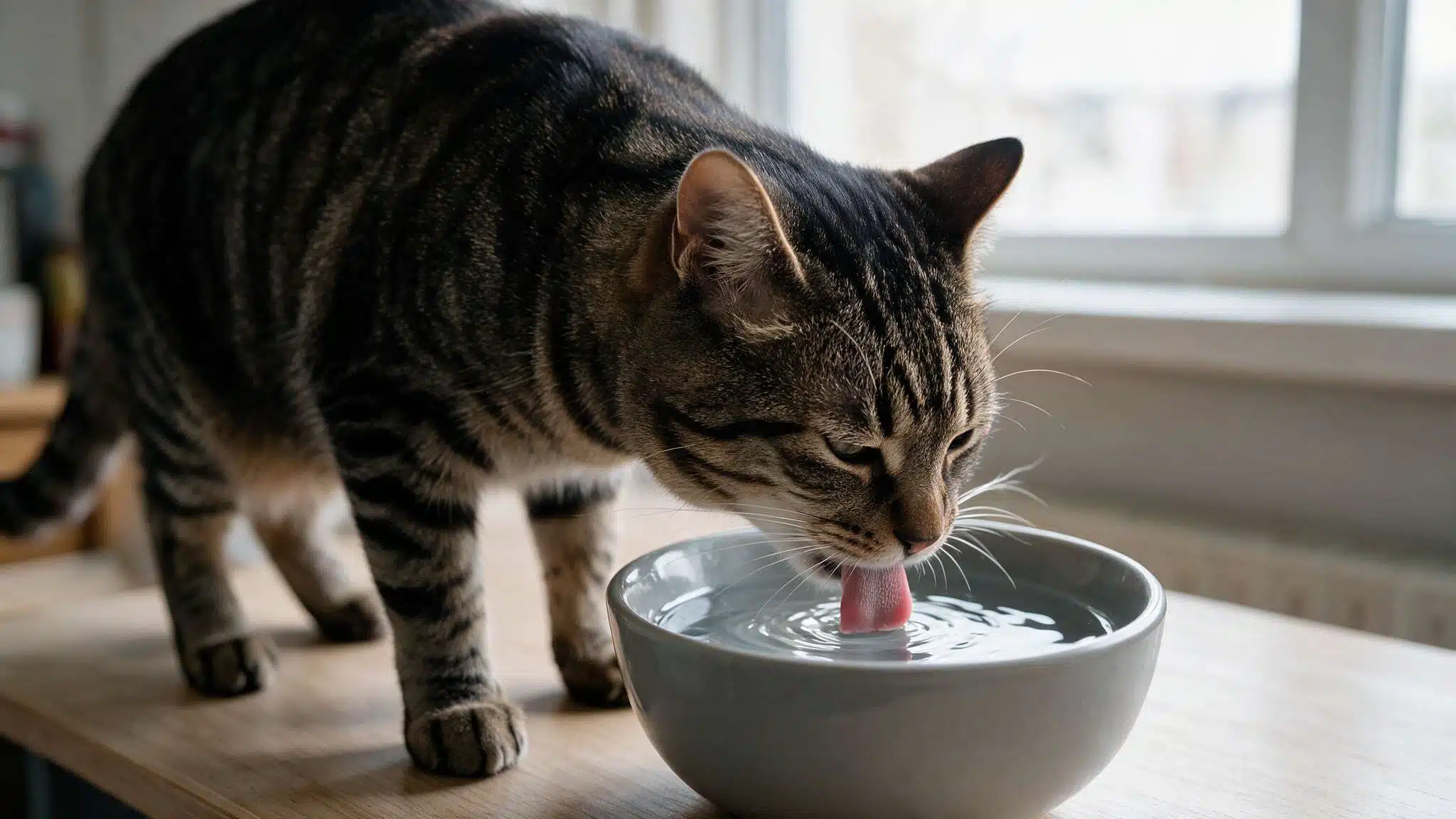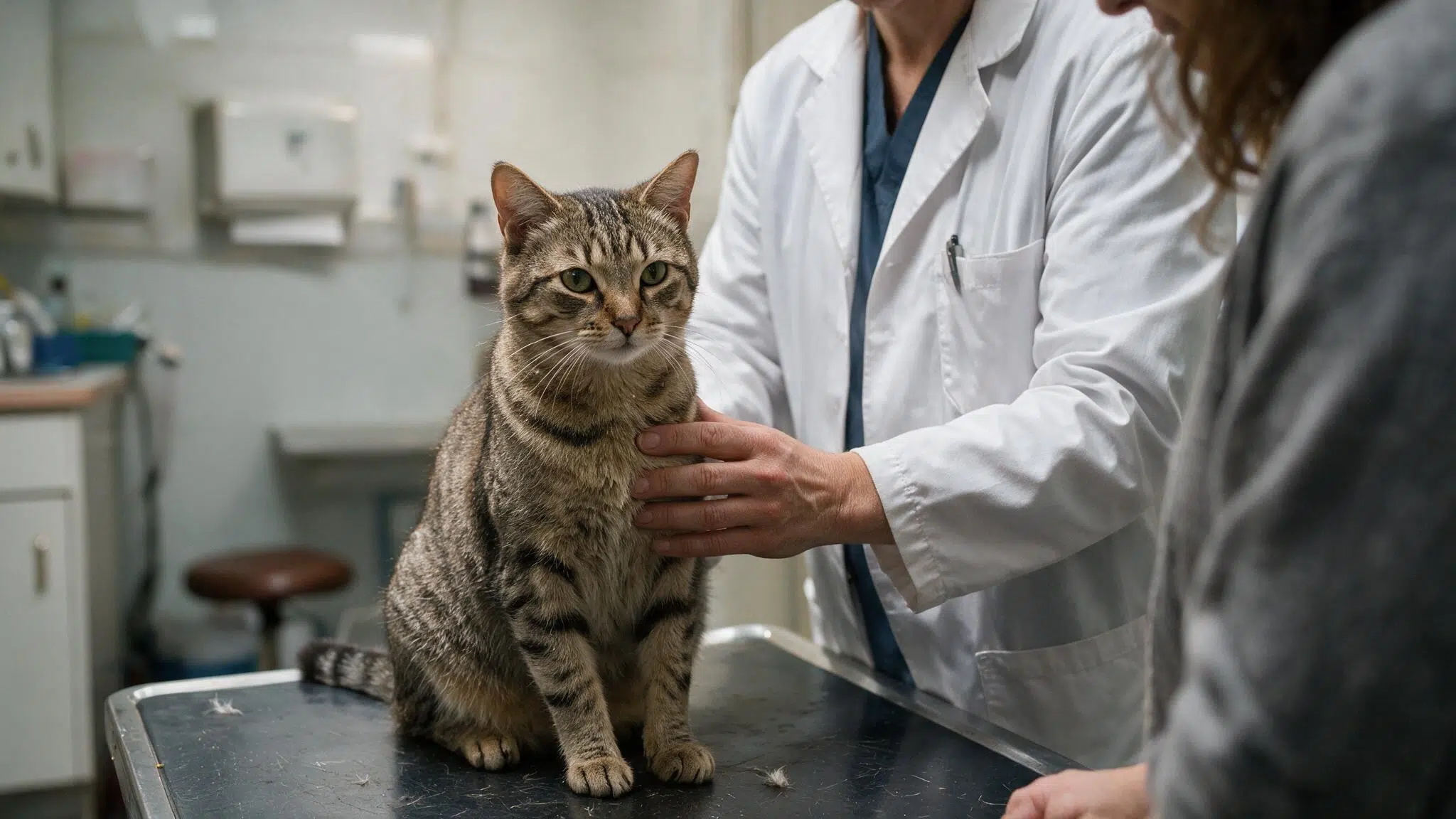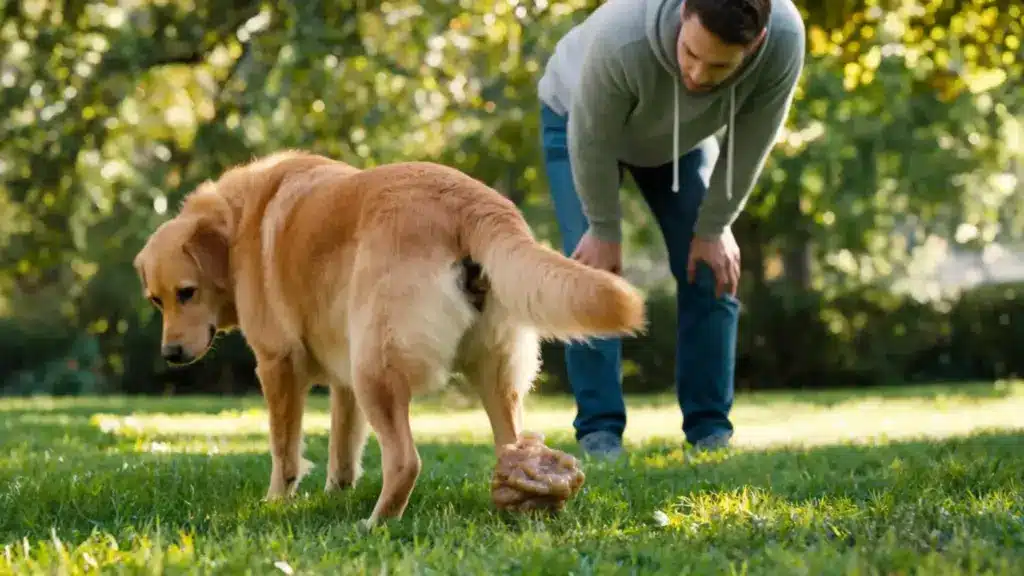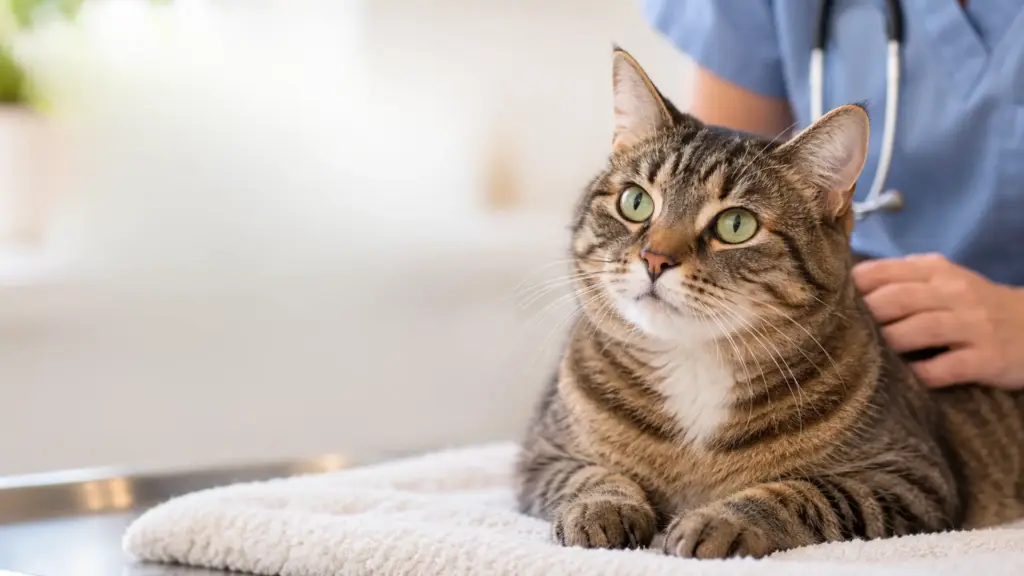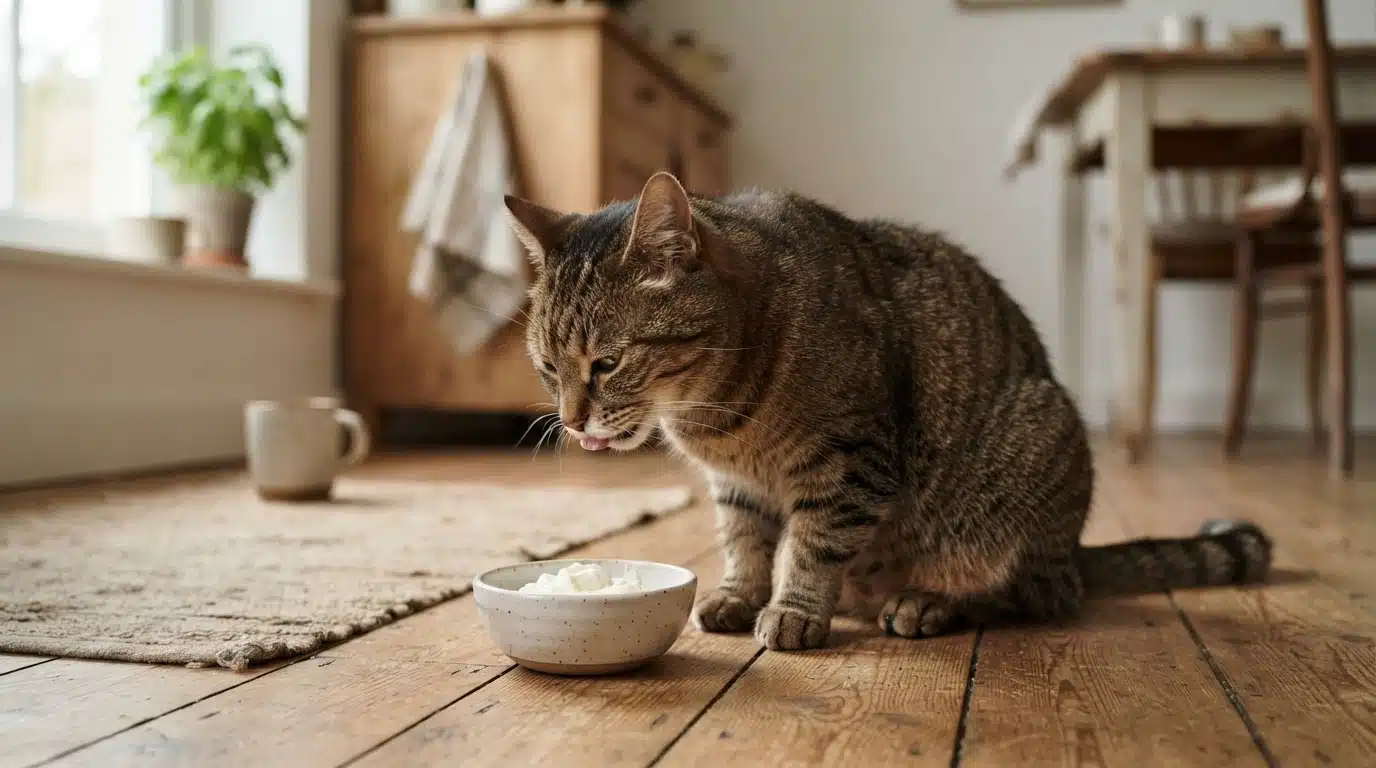


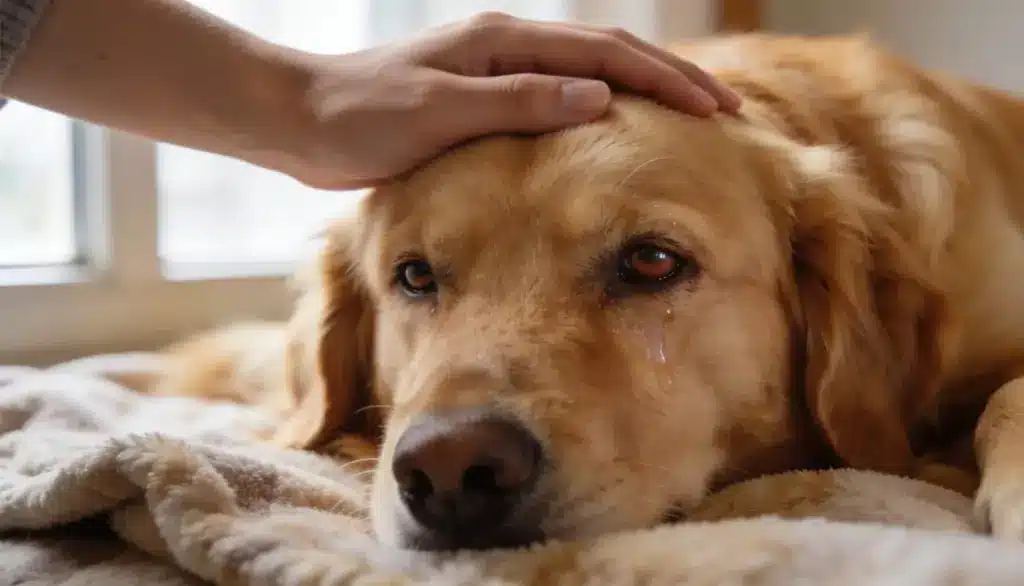
One sneeze is easy to dismiss. A cough, watery eyes, and an untouched breakfast are harder to ignore. Dog cold symptoms can look familiar, yet they do not point to one specific illness.
The important question is not if a dog has a cold, but how comfortably the dog is breathing, drinking, eating, and responding. A mild cough with normal breathing may allow monitoring after a veterinary call.
Strained breathing, abnormal gum color, collapse, or rapid decline require emergency care. Start with those four checks before trying home care, then track any change in cough, discharge, energy, or appetite.
Knowing what deserves observation and what requires treatment helps owners respond promptly without mistaking every sneeze for an emergency.
What Cold-Like Symptoms Mean in Dogs
Dogs can develop upper respiratory infections, but they do not normally catch the viruses responsible for ordinary human colds.
The term “dog cold” refers to a group of respiratory signs rather than a single confirmed illness.
A veterinarian considers symptom duration, age, vaccination history, recent contact with other animals, and existing health conditions before identifying a likely cause.
An occasional sneeze may result from dust, smoke, fragrance, or another temporary irritant.
Several signs appearing together deserve closer attention, particularly when coughing, discharge, low energy, or reduced appetite persists. The dog’s breathing effort and overall behavior provide more useful information than one isolated symptom.
Respiratory Signs to Check First
Mild respiratory illness often causes several changes at once. The type, frequency, and duration of each symptom matter more than the total number present.
| Symptom | What It May Look Like |
|---|---|
| Sneezing | Occasional or repeated sneezes |
| Coughing | Dry, harsh, deep, wet, or intermittent coughing |
| Runny nose | Clear, cloudy, yellow, green, bloody, or thick discharge |
| Watery eyes | Clear tearing or thicker eye discharge |
| Congestion | Snuffling, nasal noise, or reduced airflow through the nose |
| Low energy | Sleeping more or losing interest in normal activities |
| Poor appetite | Eating less or refusing meals |
| Shivering | Brief or persistent trembling |
| Fever | Elevated temperature confirmed with a suitable thermometer |
A warm or dry nose does not confirm fever. The Merck Veterinary Manual lists an average adult temperature of approximately 101°F to 102.5°F, but owners should ask a veterinary professional about safe temperature-taking techniques.
Watch how these changes affect normal behavior. A dog that remains alert, drinks normally, and breathes comfortably is less concerning than one that appears weak or distressed.
When Cold-Like Symptoms Need Veterinary Care

Begin by checking your dog’s breathing, responsiveness, food intake, and hydration. These areas can help you judge how your dog is coping and how quickly veterinary care may be needed.
Start with these checks at home:
- Observe breathing at rest: Watch your dog while they are calm and not panting from exercise, excitement, or heat.
- Check gum color: Gums are typically pink, though natural pigmentation can vary among dogs.
- Monitor food and water: Record how much your dog eats and drinks during the day.
- Record unusual sounds: A short video may help the veterinarian distinguish coughing, gagging, and reverse sneezing.
- Review recent contact: Include boarding, daycare, grooming, travel, dog parks, or contact with coughing animals.
- Separate household pets: Use different bowls, toys, and bedding until the cause and possible contagious period are clearer.
The urgency depends on the symptoms and your dog’s general condition:
- Seek emergency care immediately for rapid or strained breathing, abdominal effort, neck stretching, unexplained open-mouth breathing, blue or grey gums, collapse, choking, or coughing up blood.
- Contact your regular veterinarian promptly if you notice frequent coughing, thick or bloody discharge, repeated vomiting, refusal to drink, confirmed fever, marked tiredness, unusual behavior, or no steady improvement.
- Call the clinic early for advice if symptoms affect a puppy, a senior dog, a flat-faced dog, or a dog with heart, lung, or immune problems.
Write down when each symptom began and any changes you notice. Cornell University recommends immediate care if a dog appears to be struggling to breathe; do not wait for several warning signs before seeking help.
Safe Home Care for Mild Respiratory Signs
Home care may help a mildly affected dog rest while the cause is being assessed. It is suitable only when breathing remains normal, and the veterinary clinic agrees that monitoring is reasonable.
| Home-Care Step | How to Do It Safely |
|---|---|
| Allow extra rest | Keep activity calm and avoid strenuous play. |
| Provide fresh water | Place the bowl near the resting area and monitor how much your dog drinks. |
| Use clean, cool mist | Run a well-maintained cool-mist humidifier to make dry air more comfortable. It will not treat the cause. |
| Clean facial discharge | Gently wipe around the eyes and nose with a soft cloth dampened with warm water. |
| Warm regular food slightly | Make the food lukewarm to increase its smell, and check the temperature before serving. |
| Use a harness outdoors | Choose a harness instead of a neck collar for short bathroom walks to reduce pressure on the throat. |
| Remove airborne irritants | Keep your dog away from smoke, scented sprays, candles, and harsh cleaning fumes. |
Do not force food or water, add essential oils to a humidifier, or place your dog near hot steam. Stop home monitoring if breathing, hydration, alertness, or appetite declines.
| Caution: Home care is only suitable for mild signs. Stop monitoring at home if breathing, appetite, or energy levels worsen. |
Can Human Cold Medicine Cause Poisoning?
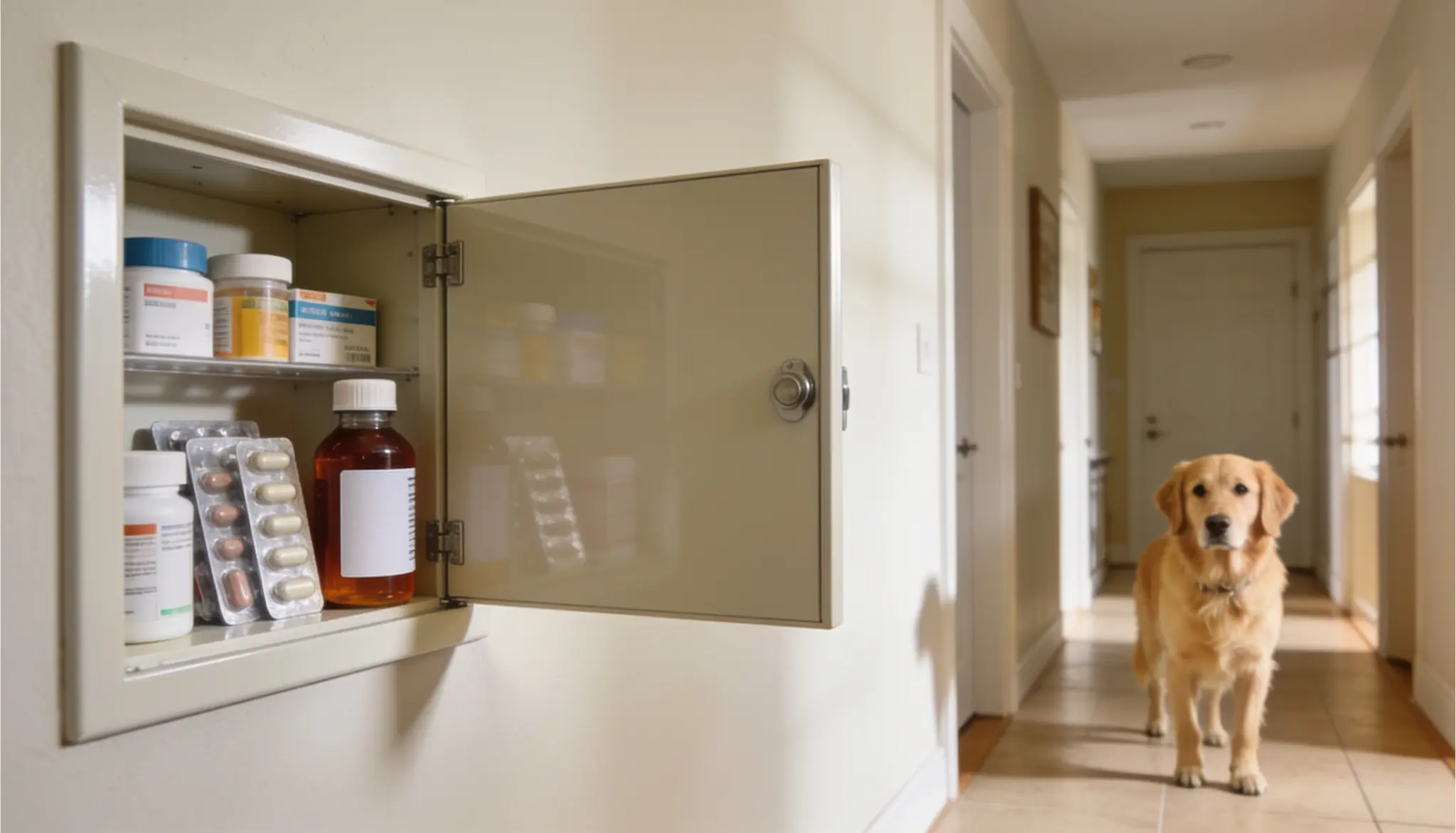
Yes, human cough, cold, and pain products should never be given without veterinary direction. A product intended for a person may contain several ingredients, making accidental overdosing or poisoning more likely. Potentially harmful ingredients include:
- Acetaminophen
- Ibuprofen
- Naproxen
- Pseudoephedrine
- Phenylephrine
- Xylitol
These substances can cause poisoning or other serious adverse effects when given without veterinary direction. Even a common pain reliever like acetaminophen is unsafe for dogs and can harm them in small amounts.
Some liquid medicines, cough syrups, lozenges, and sugar-free products contain xylitol, which the U.S. Food and Drug Administration identifies as dangerous to dogs.
Leftover antibiotics are also unsuitable. Respiratory signs may have viral, bacterial, inflammatory, cardiac, fungal, or structural causes, so treatment must match the diagnosis.
If a dog swallows human medication, contact a veterinarian or a US animal poison-control service immediately. Keep the packaging available so the ingredients and possible amounts can be checked.
How to Monitor Your Dog’s Recovery
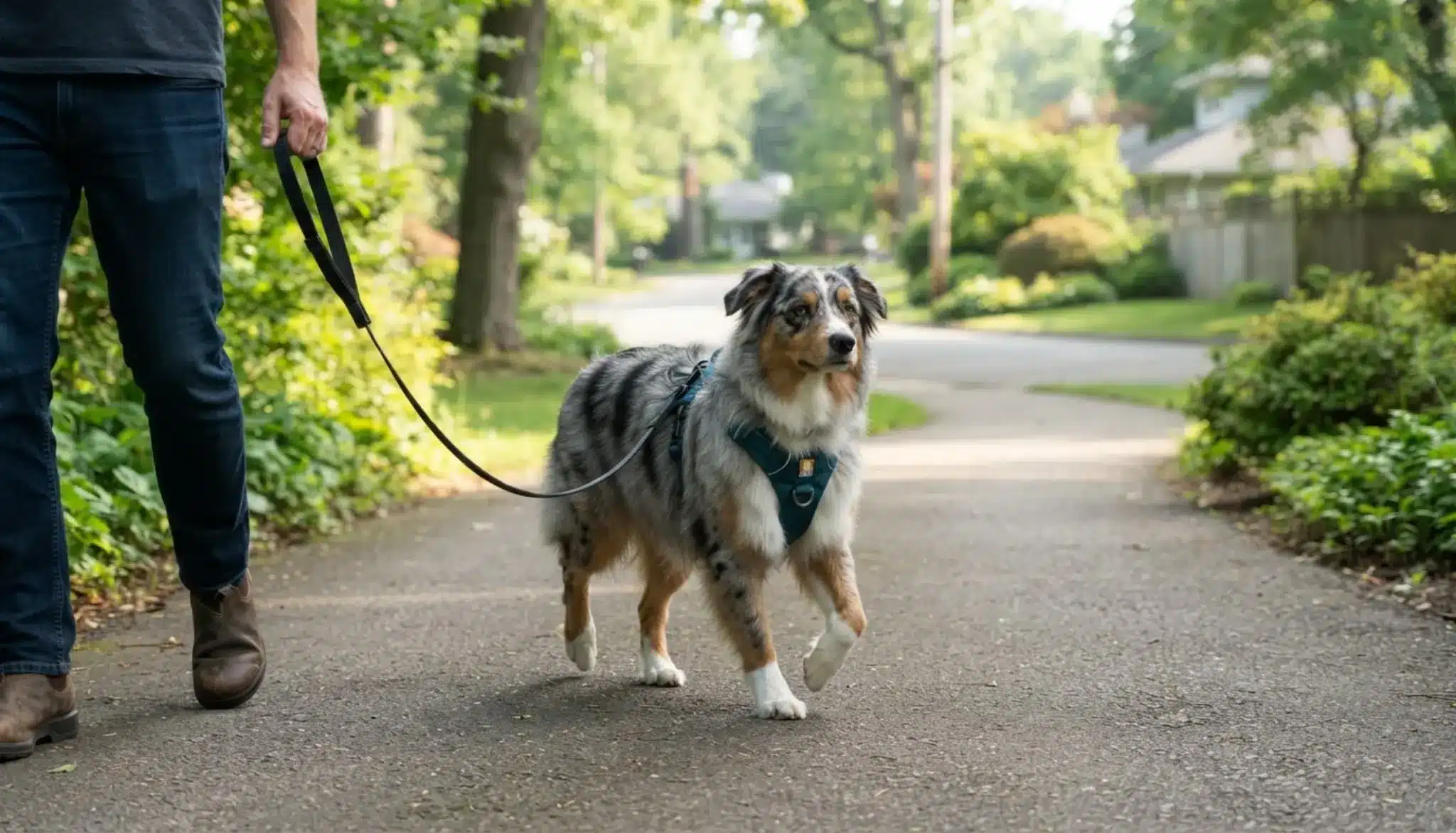
A mildly affected dog should remain responsive and show gradual improvement in appetite, activity, and comfort. New symptoms or declining behavior do not fit a reassuring pattern of recovery.
Some mild respiratory infections begin improving within several days, while coughing may continue longer. The timeline depends on the cause, age, immune health, complications, and treatment provided.
A lingering cough does not confirm that the dog remains contagious, just as visible improvement does not confirm that contact with other dogs is safe.
Judge progress through daily changes rather than a fixed recovery date. If improvement stops or symptoms return, use the veterinary warning thresholds listed earlier.
Conditions That Can Look Like a Dog Cold
Coughing and nasal discharge cannot identify the underlying condition on their own. Recent exposure, discharge pattern, breathing effort, and examination findings help a veterinarian narrow down the cause.
| Possible Cause | Common Clues |
|---|---|
| Mild upper respiratory infection | Sneezing, clear discharge, mild cough, and reduced energy |
| Kennel cough | A dry, harsh, honking cough, sometimes after close contact with other dogs |
| Canine influenza | Coughing, sneezing, fever, discharge, and reduced appetite |
| Pneumonia | Persistent cough, fever, weakness, rapid breathing, or increased breathing effort |
| Environmental irritation | Sneezing or clear discharge after smoke, dust, fragrance, or spray exposure |
| Allergic disease | Recurrent itching, skin irritation, ear trouble, and occasionally nasal signs |
| Nasal foreign object | Sudden violent sneezing, face pawing, or discharge from one nostril |
| Heart or airway disease | Recurrent coughing during rest, sleep, excitement, or activity |
| Dental or nasal disease | One-sided, bloody, thick, or foul-smelling discharge |
One-sided discharge can result from a foreign object, dental disease, fungal infection, growth, or localized inflammation. The Merck Veterinary Manual recommends further assessment when discharge persists or changes in character occur.
For instance, a harsh cough that follows close contact with other dogs is a classic sign of kennel cough.
These clues are useful for describing the problem, not diagnosing it at home. Similar symptoms can require very different treatments.
Final Thoughts
That first unexpected cough can make a minor change feel urgent, but a calm response starts with watching the full pattern rather than naming it too quickly.
Dog cold symptoms may come from several causes, so comfort measures are only one part of responsible care.
Keep notes on when the signs began, follow the clinic’s advice, and give recovery time without assuming every lingering cough is harmless. The goal is not to diagnose the illness at home. It is important to notice when the condition is improving and when professional assessment is needed.
If anything feels out of character for your dog or progress stalls, call your veterinarian today and share the symptom record you have kept.
Drop a comment below and let me know if your dog feels better.
Vet Note: If symptoms persist, improve, or seem unusual for your dog, contact your veterinarian for advice.
Frequently Asked Questions
Can a Vaccinated Dog Still Catch a Respiratory Infection?
Yes. Vaccines protect against certain respiratory pathogens and may reduce illness severity, but they cannot prevent every infection. Protection can also vary with vaccination timing, health status, exposure level, and the pathogen involved.
Is Reverse Sneezing the Same as a Cold?
No. Reverse sneezing involves sudden inward breaths caused by irritation behind the nose or throat. An occasional episode may end quickly, but repeated attacks accompanied by discharge, weakness, or breathing trouble need veterinary assessment.
Should the Clinic Know About the Cough Before Arrival?
Yes. Tell the clinic about coughing before entering the building. Staff may arrange a separate entrance, waiting space, or examination room to limit contact with puppies, older dogs, and patients with reduced immunity.
Can Saline Nose Drops Be Used?
Avoid nasal drops, sprays, or rinses unless a veterinarian approves the exact product and application method. Some formulas contain added medication, while incorrect administration may cause distress or allow liquid to enter the airway.