My rescue foster inbox lights up every time a fluffy new face goes viral online.
Some dogs are simply built to make you stop mid-scroll. The cutest dog breeds tend to share a few traits: round eyes, expressive faces, and personalities that live up to the look.
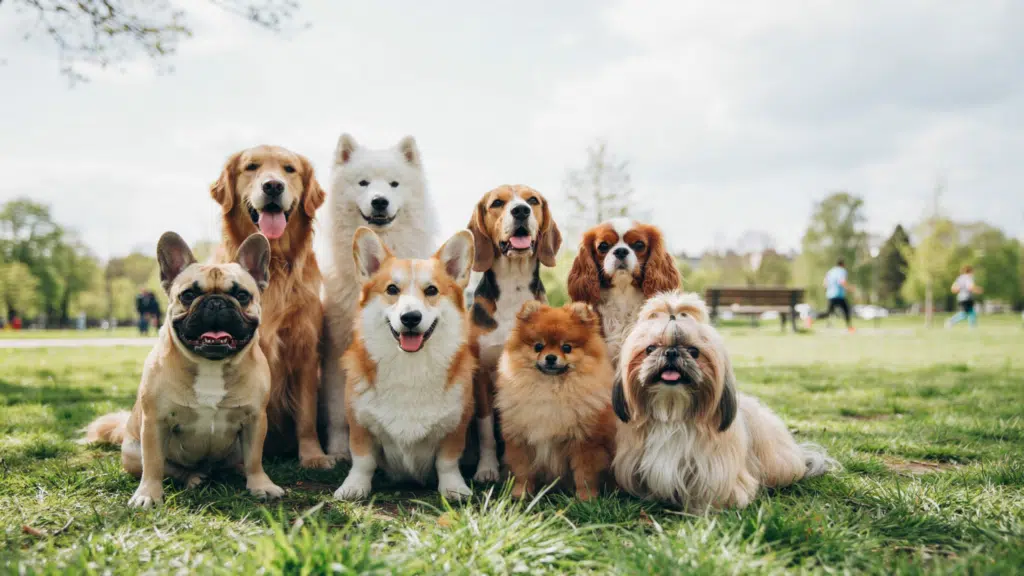
Twenty-one of them stand out for exactly that reason, a Golden Retriever’s easy grin, a Corgi’s stubby-legged trot, a Pomeranian’s fox-like face, and plenty more like them.
Cute photos rarely show the whole picture, though. A fluffy coat usually means regular brushing, and a small body doesn’t always mean low energy.
Keep reading and you’ll know which breeds match both your heart and your actual daily routine, not just your camera roll.
Understanding What Makes a Dog Breed Cute
Cuteness in dogs comes down to a mix of physical traits and personality, not one single feature. Round eyes, soft fur, floppy ears, and a compact body all trigger something ancient in the human brain.
Researchers writing in the journal Ethology found that rounded, infant-like proportions, a big head, big eyes, a shortened snout, reliably boost how “cute” people rate a face and how much they want to care for it, a pattern scientists call the baby schema. It’s the same instinct that makes both human babies and puppies feel instantly endearing.
Selective breeding has pushed some dog breeds further toward these baby-like proportions than their wild ancestors ever had, which is part of why a Pug or a Pomeranian reads as “cute” while a wolf reads as impressive instead.
A breed’s expression matters just as much as its shape, since a naturally upturned mouth or an alert, curious look reads as friendly at a glance.
Temperament backs that up, too, an easygoing, social dog tends to feel more charming in person than it ever looked in a photo. This list leans on that same mix of appearance, personality, and everyday practicality, not looks alone.
Cutest Dog Breeds to Know
These are of the cutest dog breeds people mention most often, along with the traits and quirks that explain why each one earns a second look.
1. Golden Retriever
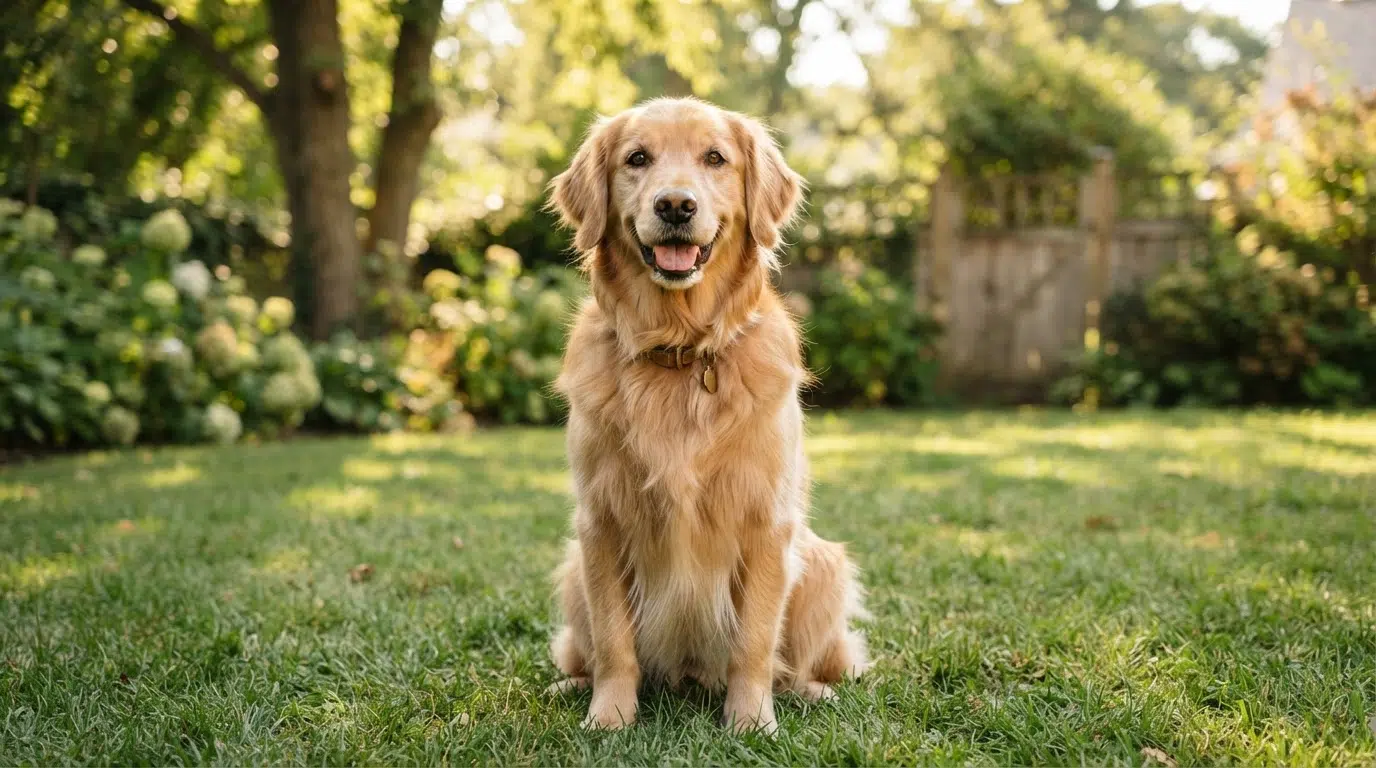
A soft golden coat and an ever-present smile make this breed hard to miss in any room. Friendly and eager to please, Golden Retrievers do best with families who have room to run and time for regular brushing.
They were originally bred to retrieve game for hunters, which explains their soft mouth and steady patience around people. That patience is also why so many end up in therapy work.
If the look appeals to you, it helps to know there are different Golden Retriever lines, each bred with a slightly different build and coat in mind.
2. Pomeranian
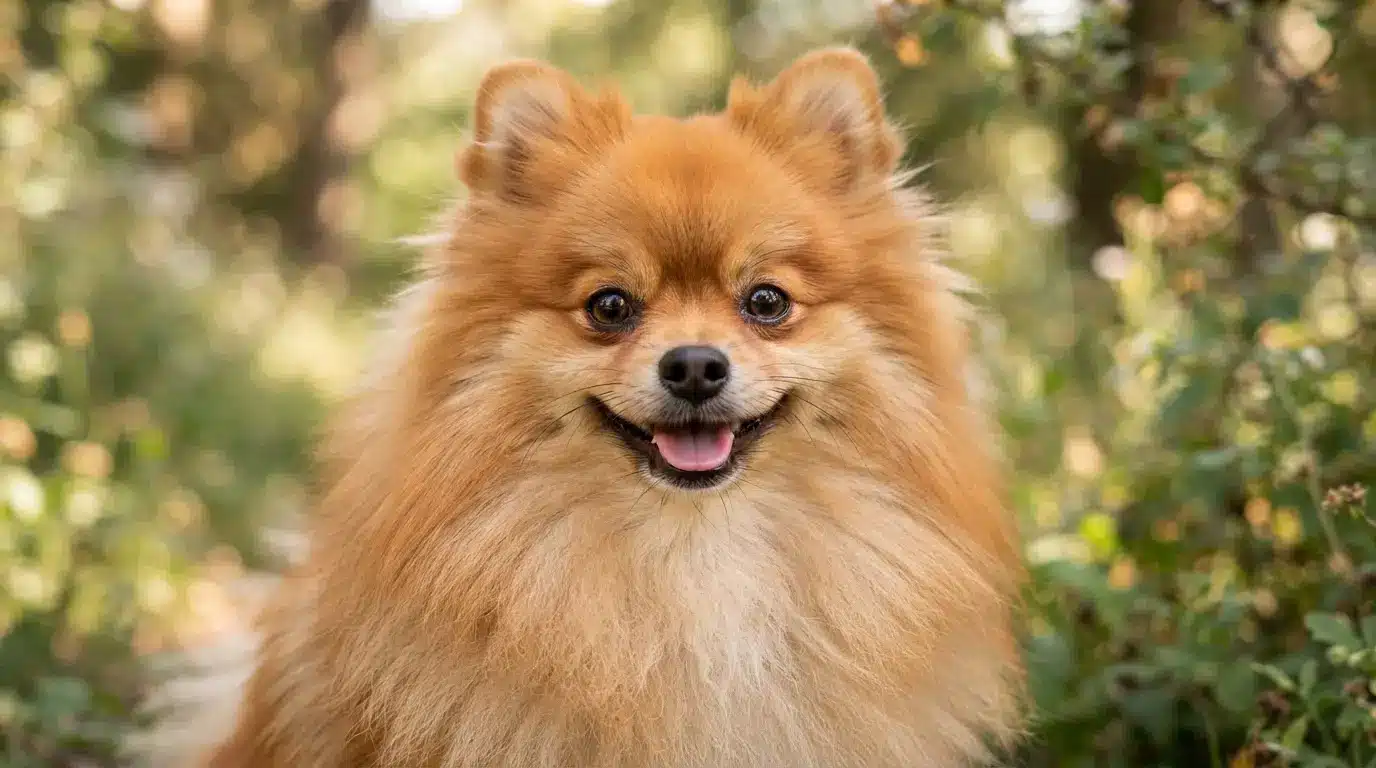
Round, fox-like faces and a puffed-up coat give this tiny breed its signature charm. Confident and alert despite the small frame, Pomeranians do well in apartments but need frequent brushing to keep that fluffy coat from matting.
Descended from much larger sled dogs, they carry a bold, big-dog attitude that often catches new owners off guard. Early socialization helps balance out their tendency to bark at unfamiliar sounds or people.
3. French Bulldog
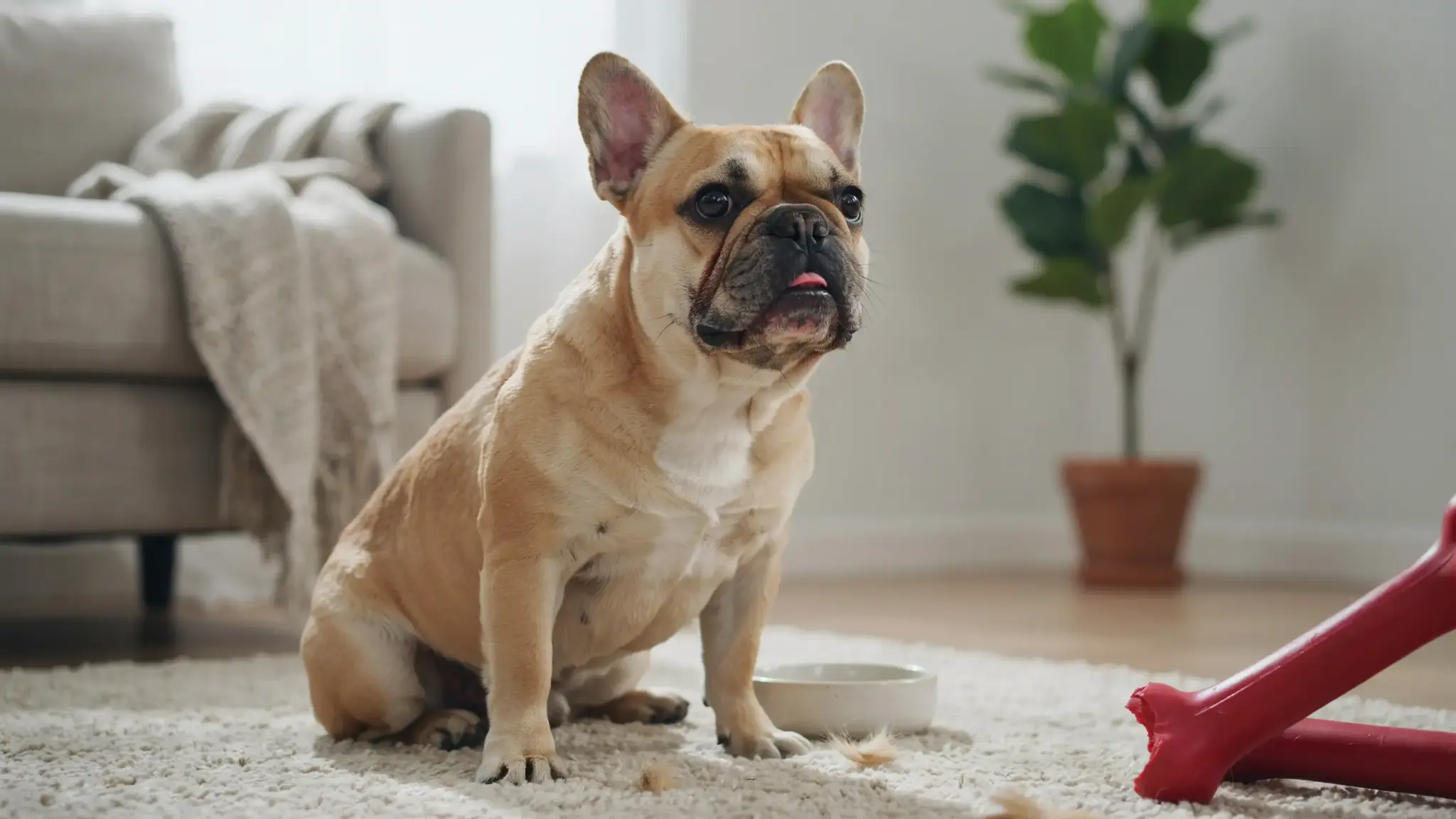
Bat-like ears and a squished, expressive face make the French Bulldog instantly recognizable in any dog park. Calm and affectionate, this breed fits well into small spaces and needs only light grooming, which makes it a solid pick for first-time owners.
Their flat face means they can struggle to cool down in hot or humid weather, so shorter walks and air conditioning matter more for a Frenchie than for most other breeds. If you’re torn between two flat-faced favorites, seeing pugs and frenchies compared side by side can help, since they share some health quirks but differ in size and temperament.
4. Pembroke Welsh Corgi
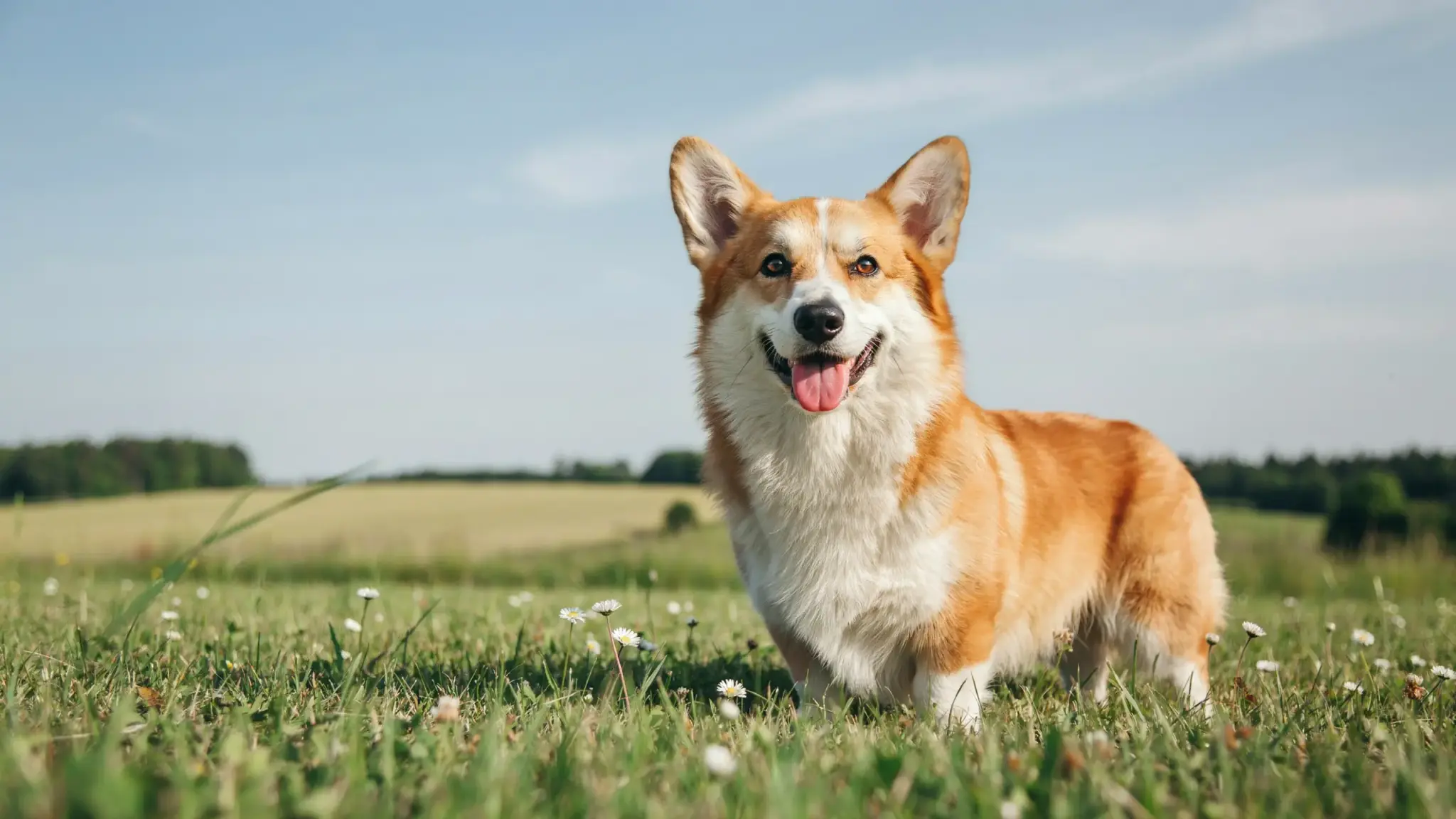
Short legs paired with a fox-like face and a near-constant smile give the Corgi its trademark look. Energetic and smart, Corgis need daily activity and moderate brushing, and they tend to bond closely with active families.
Originally bred to herd cattle, they still carry a strong instinct to nip at heels during play, especially with kids who run. Their long body also means stairs and high jumps are worth limiting to protect their back over time.
5. Samoyed
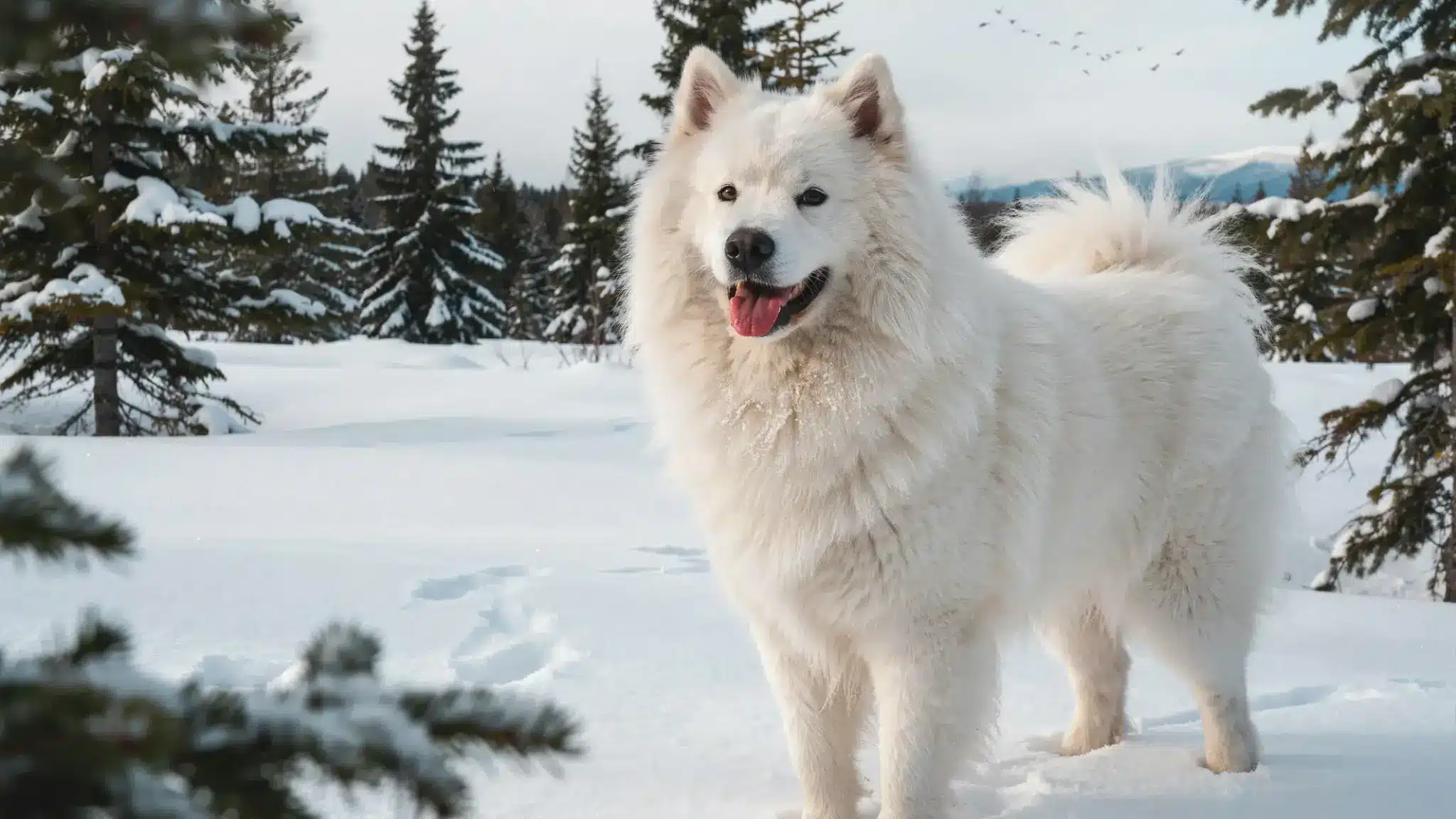
A thick white coat and a permanent, upturned mouth give this breed its famous smile. Friendly and social, Samoyeds do best in colder climates and need frequent brushing to manage their dense double coat.
Bred originally to herd reindeer and pull sleds in Siberia, they carry both serious endurance and a strong need for daily company. Left alone too often, this breed tends to get vocal and restless indoors.
6. Beagle
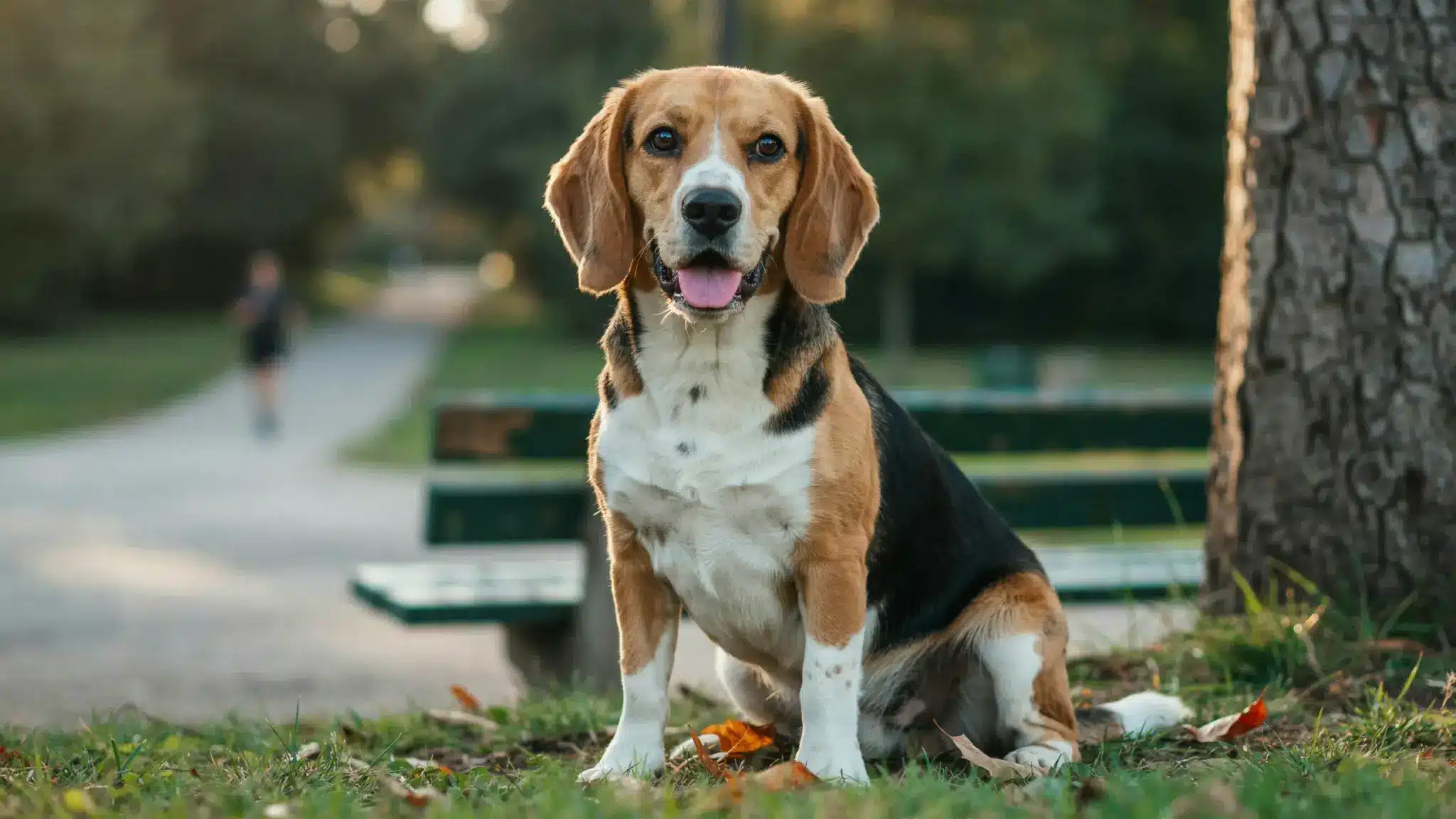
Long, floppy ears and soulful eyes give Beagles an expression that’s hard to walk past without stopping. Curious and social, they do well with kids and need only basic grooming, though their nose can lead them straight into trouble outdoors.
Bred as scent hounds for tracking small game, they follow interesting smells with single-minded focus and sometimes tune out commands entirely. A secure, fenced yard matters more for this breed than most others on this list.
7. Shih Tzu
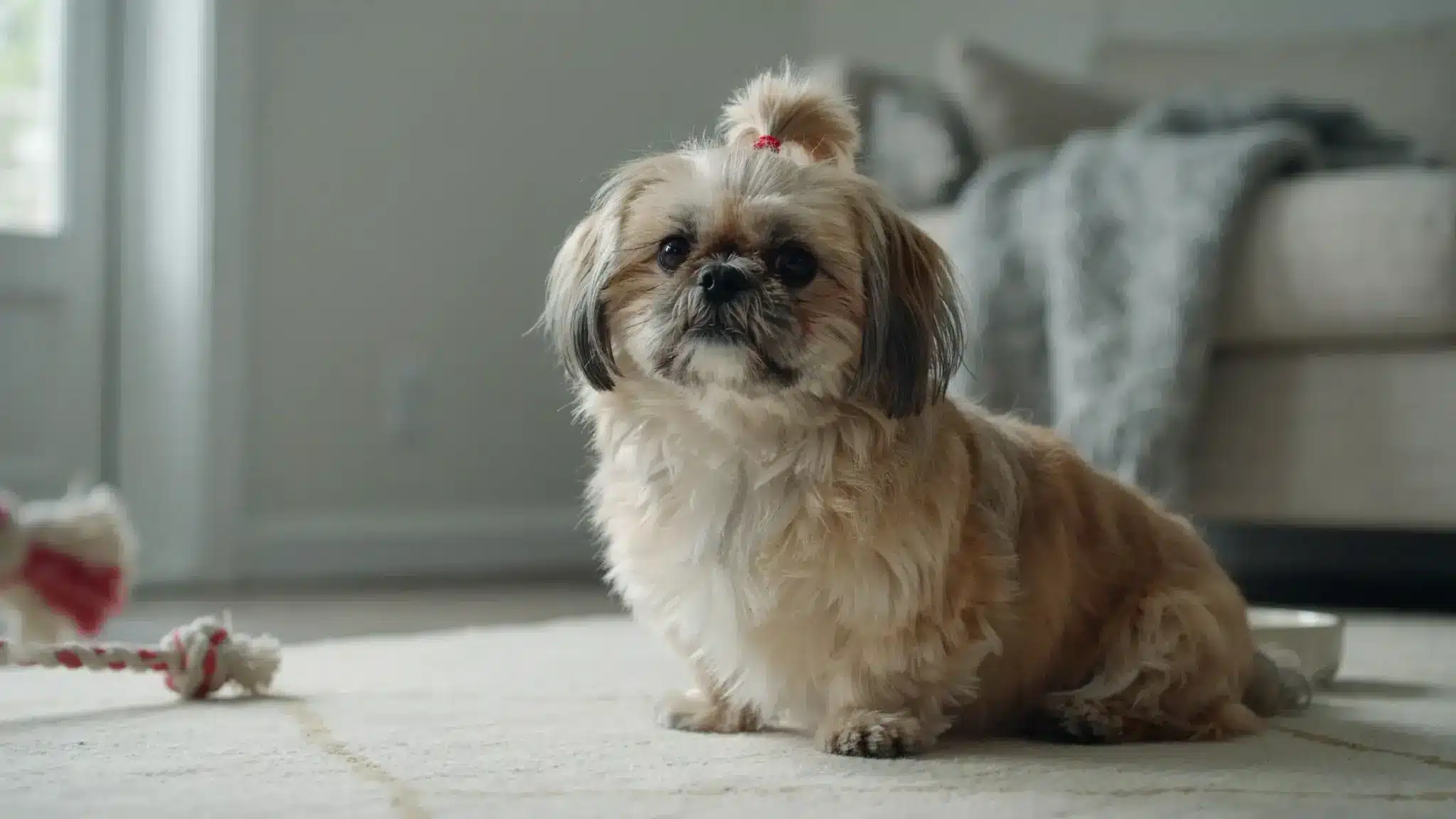
A flowing coat and a flat, expressive face give Shih Tzus a look that’s part lion, part lap dog. Affectionate and calm, they do well in apartments but need regular brushing or trims to manage their long hair.
Bred centuries ago as companion dogs for Chinese royalty, they still prefer close human company over independent play. Heat sensitivity comes with their flatter face shape, so keep an eye on them during warm weather. If this laid-back personality appeals to you, other calmer dog breeds share that same easygoing streak.
8. Maltese
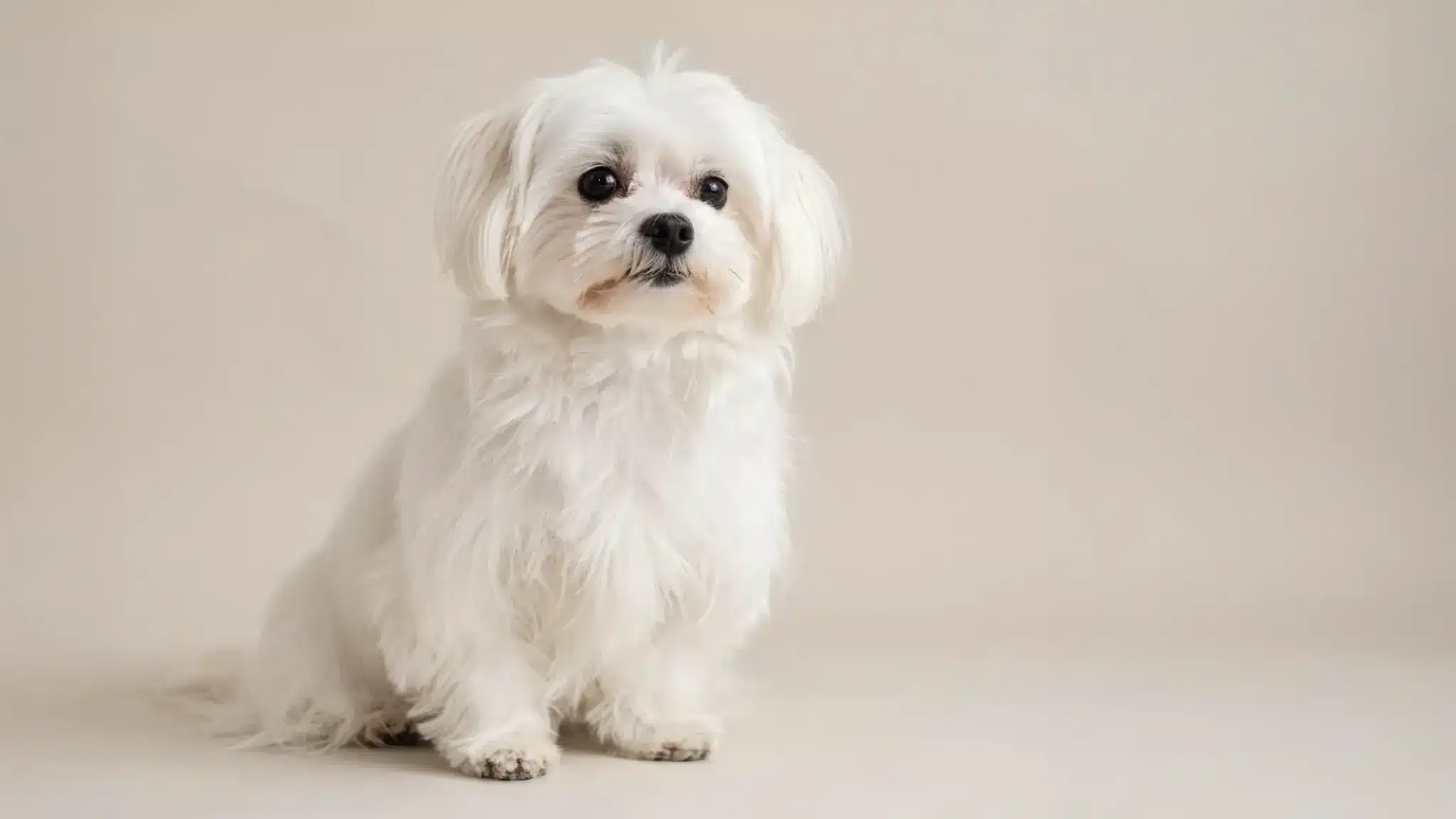
Pure white, silky fur and dark button eyes give the Maltese a soft, doll-like look. Gentle and loyal, this small breed adapts well to apartments but needs daily brushing to keep its coat from tangling.
One of the oldest toy breeds, Maltese dogs were bred purely for companionship rather than work, which shows in just how closely they bond with their owners.
9. Yorkshire Terrier
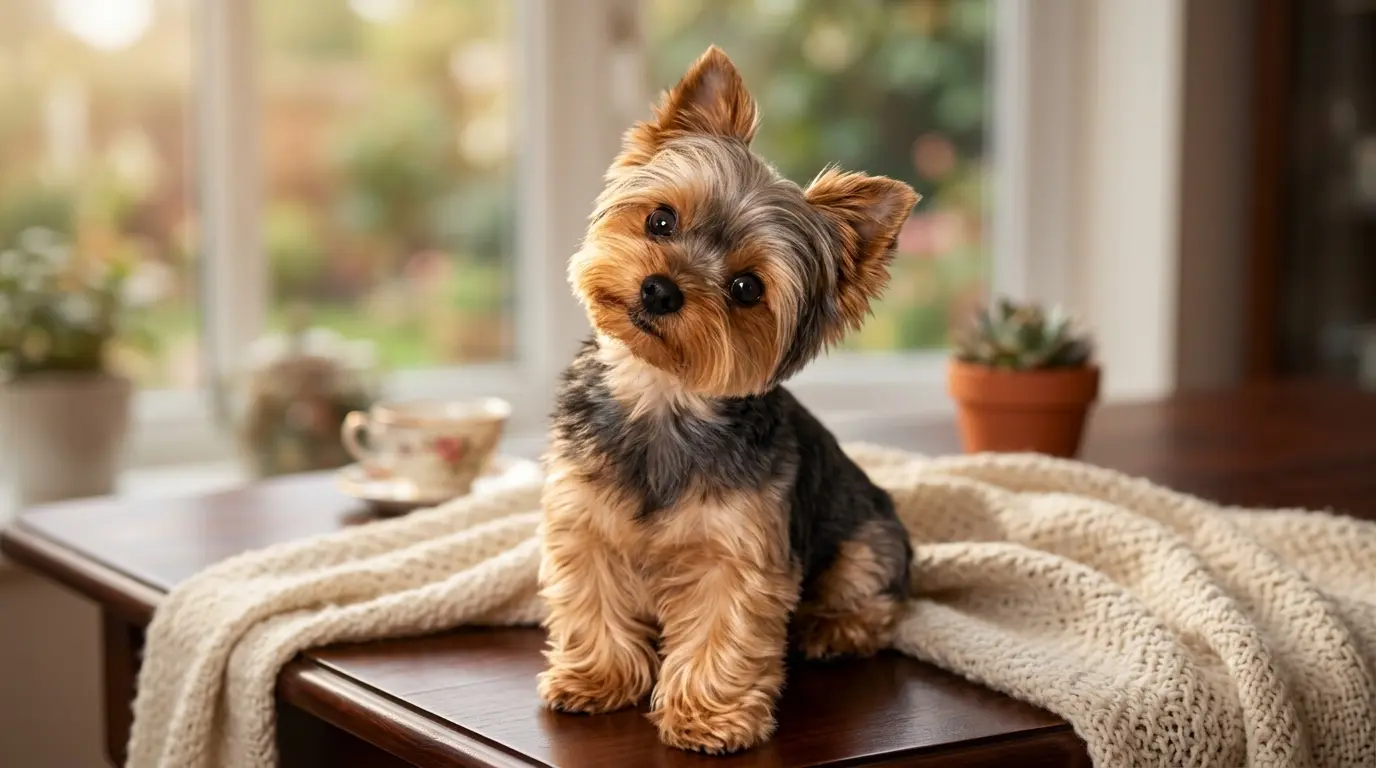
A silky, flowing coat and a confident strut give Yorkies a look far bigger than their actual size. Bold and affectionate, they do well in small spaces but need consistent grooming to keep that signature coat looking sharp.
Originally bred to catch rats in English mills, they still carry a scrappy, feisty streak underneath the polished appearance. Many owners keep the coat trimmed shorter for easier day-to-day care.
10. Papillon
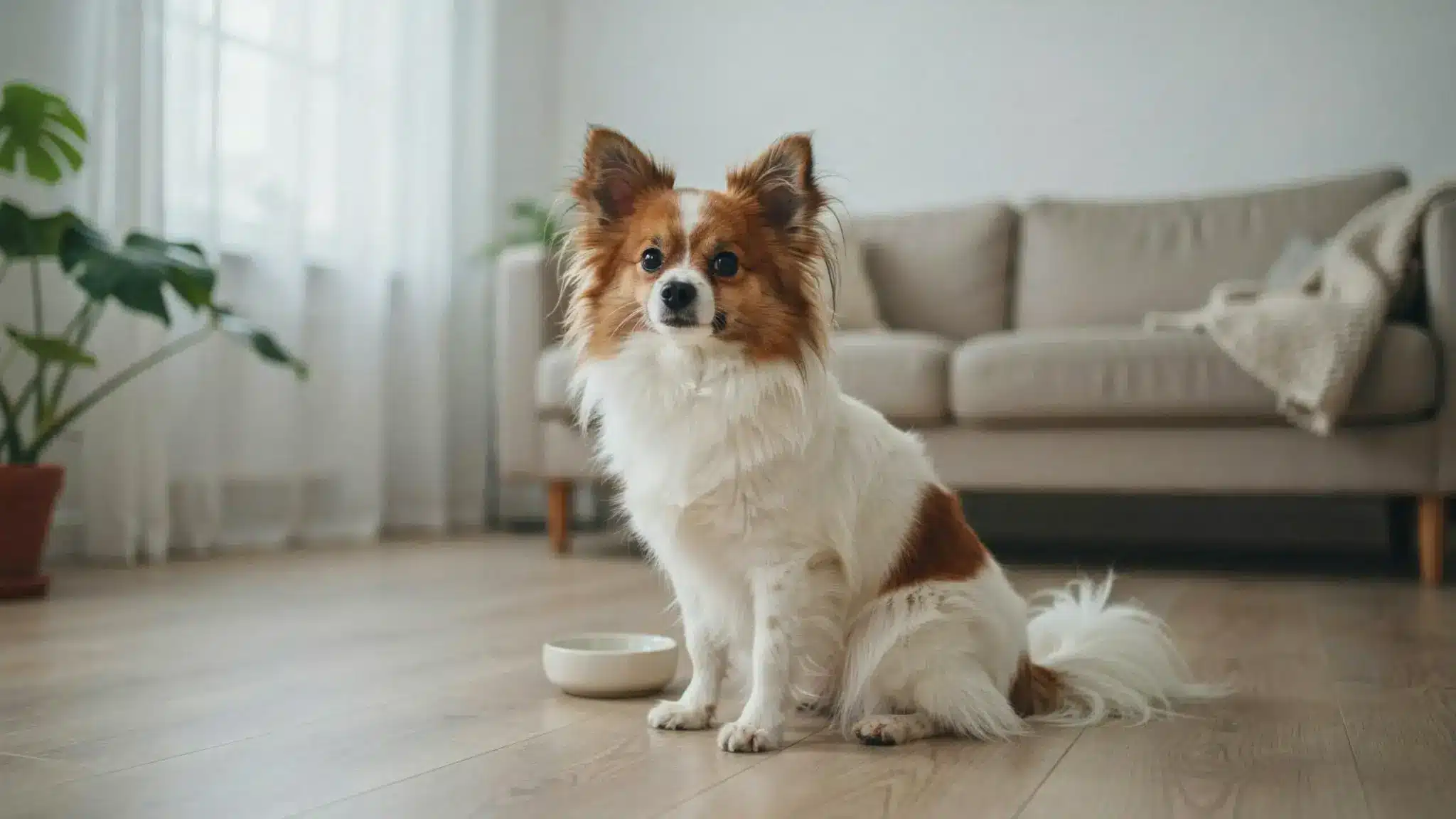
Butterfly-shaped ears give this breed both its name and its unmistakable charm. Alert and intelligent, Papillons are easy to train and need only moderate grooming, which makes them manageable for many households.
Despite their small, lightweight build, they’re surprisingly athletic and often excel at agility courses built for much larger dogs. Their sharp memory also makes them quick to pick up new tricks. If petite companions like this one appeal to you, other tiny companion breeds are worth a look too.
11. Bichon Frise
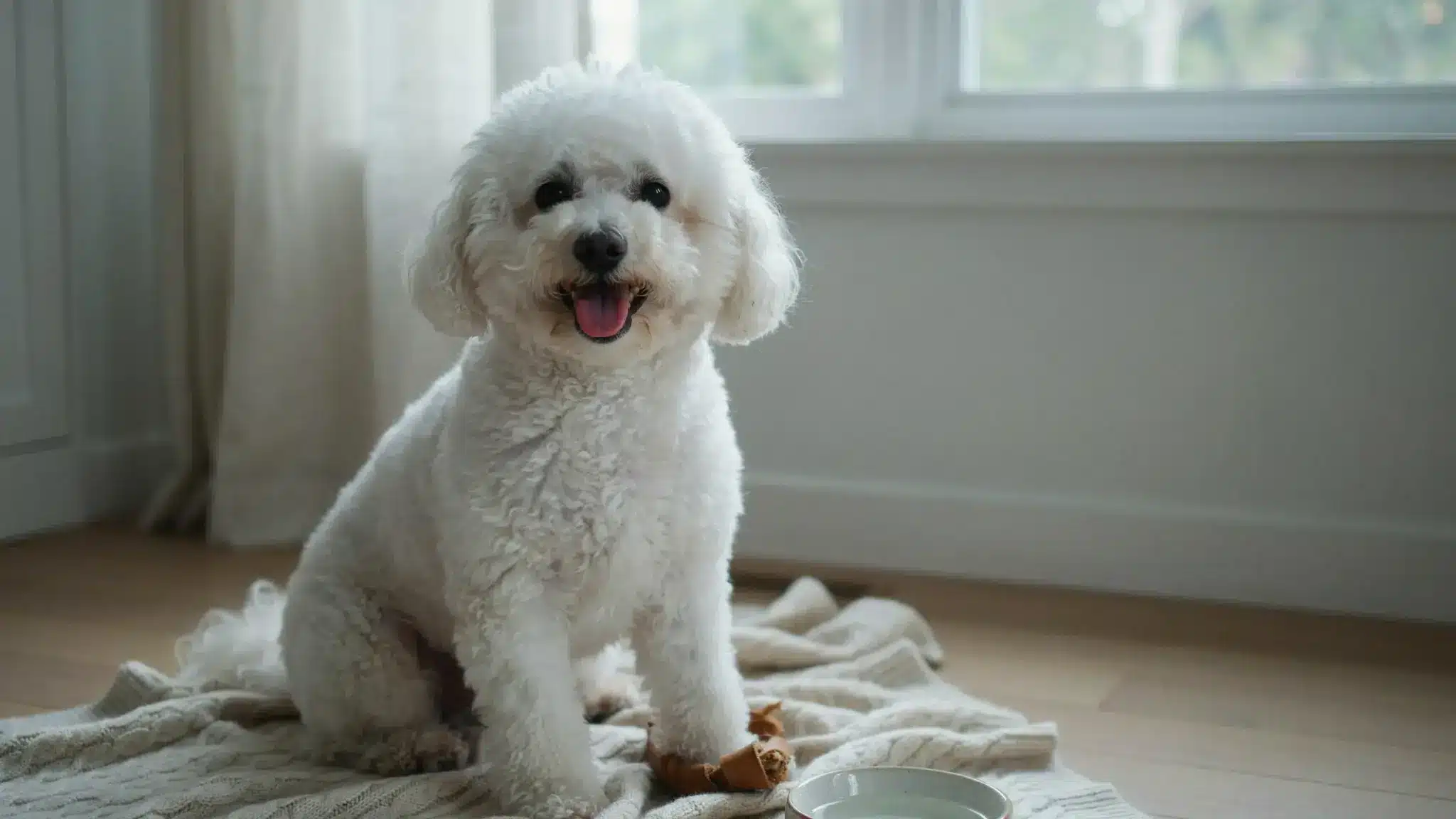
A cloud-like white coat and a naturally cheerful expression give the Bichon Frise instant appeal. Playful and friendly, this breed suits families and apartments alike but needs frequent grooming to keep its curls neat.
Their coat sheds very little, which is one reason people with mild allergies often do fine around a Bichon, though regular trims and brushing are still required either way. They tend to stay playful well into their senior years.
12. Toy Poodle
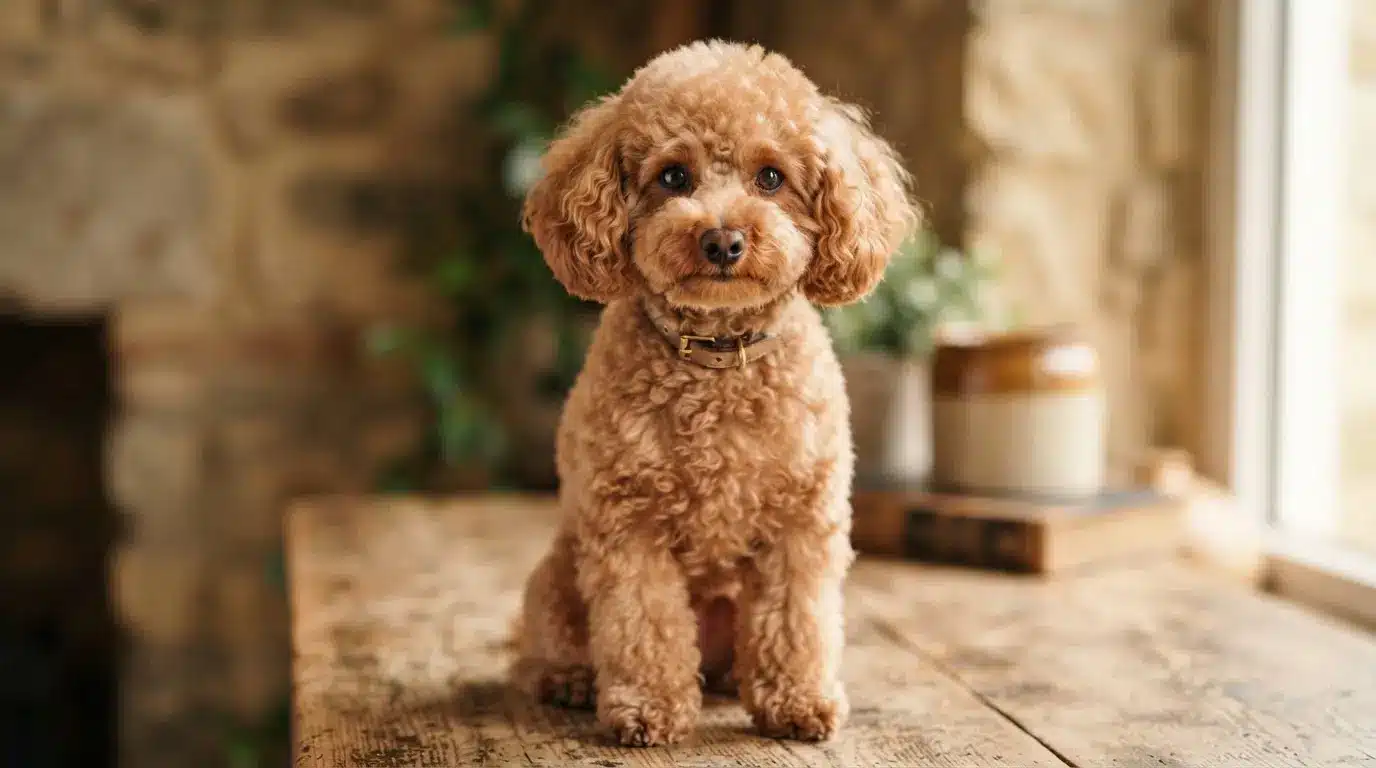
Curly, dense fur and an alert expression give the Toy Poodle a polished, refined look packed into a tiny frame. Smart and trainable, they need regular grooming but shed very little, which many owners appreciate.
Despite the small size, this breed was bred down from working retrievers, so a sharp mind and strong trainability carried through the entire line. Mental stimulation matters just as much as exercise for a Toy Poodle.
13. Cavalier King Charles Spaniel
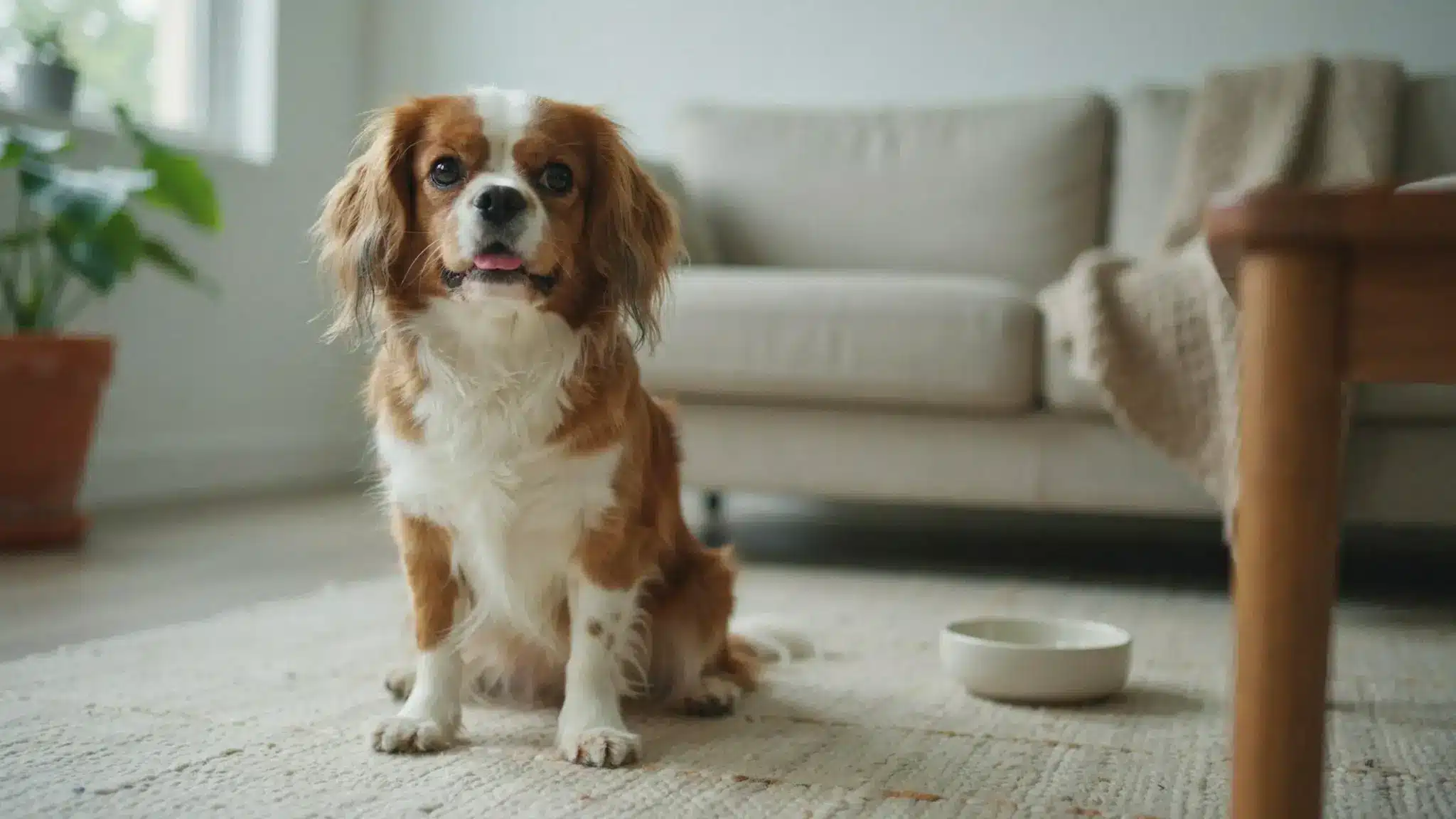
Large, soulful eyes and silky ears give this breed a gentle look that matches its personality. Calm and easygoing, Cavaliers do well with families and need regular brushing to maintain their coat.
Bred as companion dogs for English nobility, they still show a strong preference for staying close to their people rather than exploring on their own. Cavaliers are also prone to a common heart condition as they age, so regular vet checkups matter more for this breed than for most others on this list.
14. Chow Chow
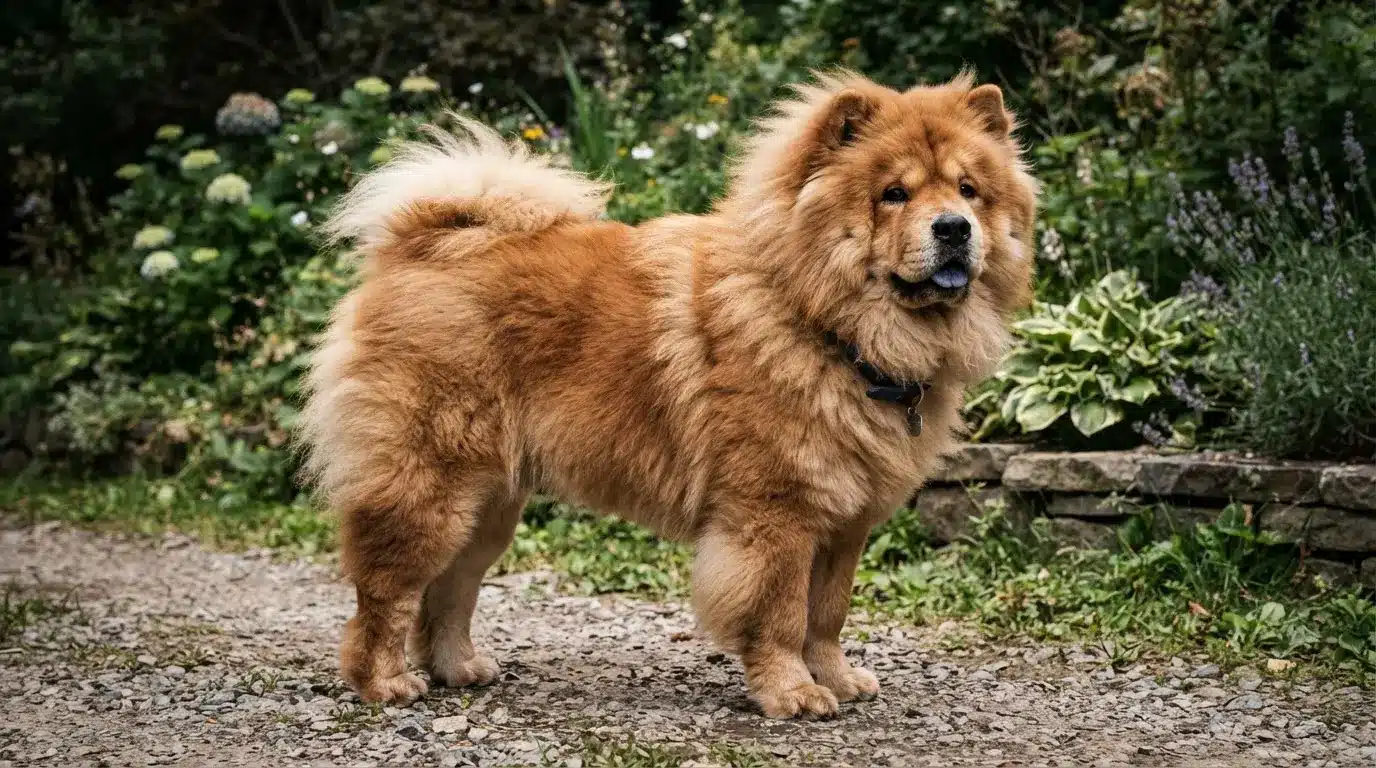
A thick, mane-like coat and a naturally scowling expression give the Chow Chow a lion-like, teddy bear appeal. Independent and loyal, this breed needs frequent brushing and does best with an experienced owner.
One of the oldest known dog breeds, Chow Chows carry a naturally reserved, almost cat-like temperament that sets them apart from most other cuddly-looking breeds. Early socialization helps them warm up to new people faster.
15. Bernese Mountain Dog
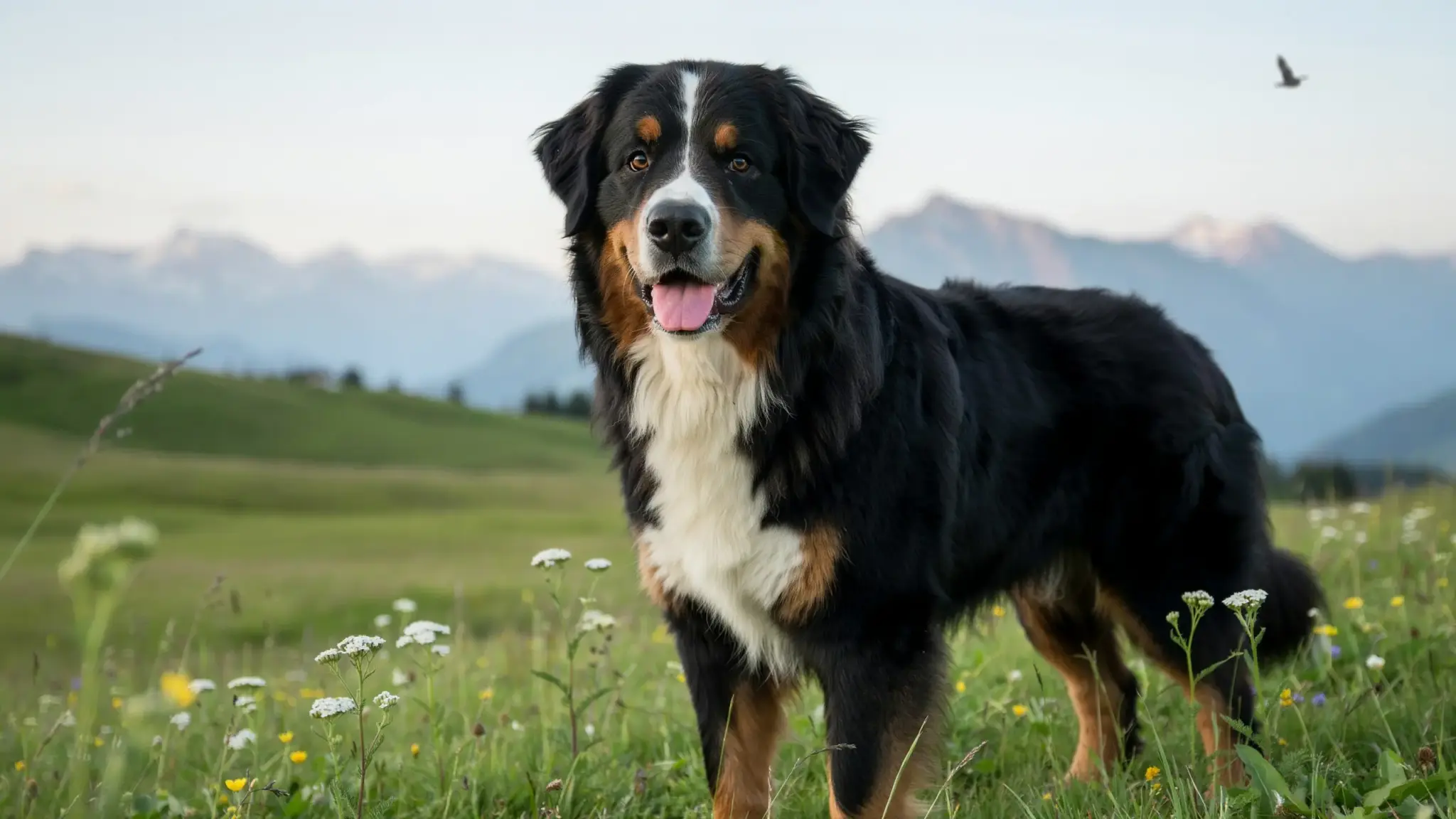
A tri-colored coat and a warm, gentle face give this large breed a naturally endearing look. Calm and loyal, Bernese Mountain Dogs need regular brushing and plenty of space to suit their size.
Originally bred as farm dogs in the Swiss Alps, they carry both strength and a notably gentle nature around children. Their thick coat also means they handle cold weather far better than heat. For families set on this breed, help from experienced Bernese breeders is worth seeking out, since health-tested litters can be harder to find than the breed’s popularity suggests.
16. Siberian Husky
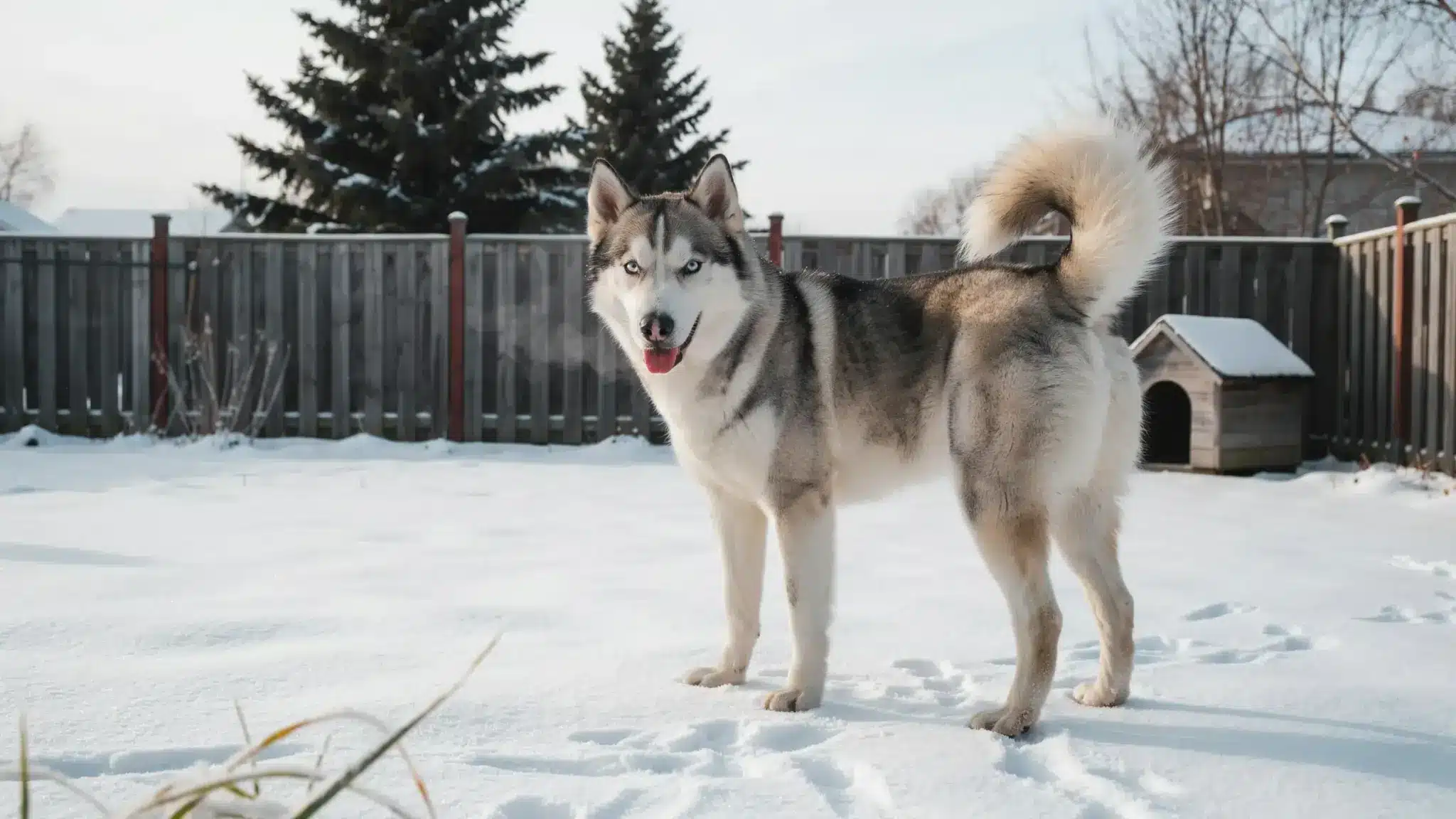
Striking blue or multicolored eyes and a thick coat give Huskies a wolf-like, eye-catching look. Energetic and vocal, they need daily exercise and regular brushing, especially during heavy shedding seasons.
Bred to pull sleds across long distances, they carry serious stamina and a strong urge to run, which makes a securely fenced yard essential. Howling and “talking back” are common personality traits for this breed.
17. Labrador Retriever
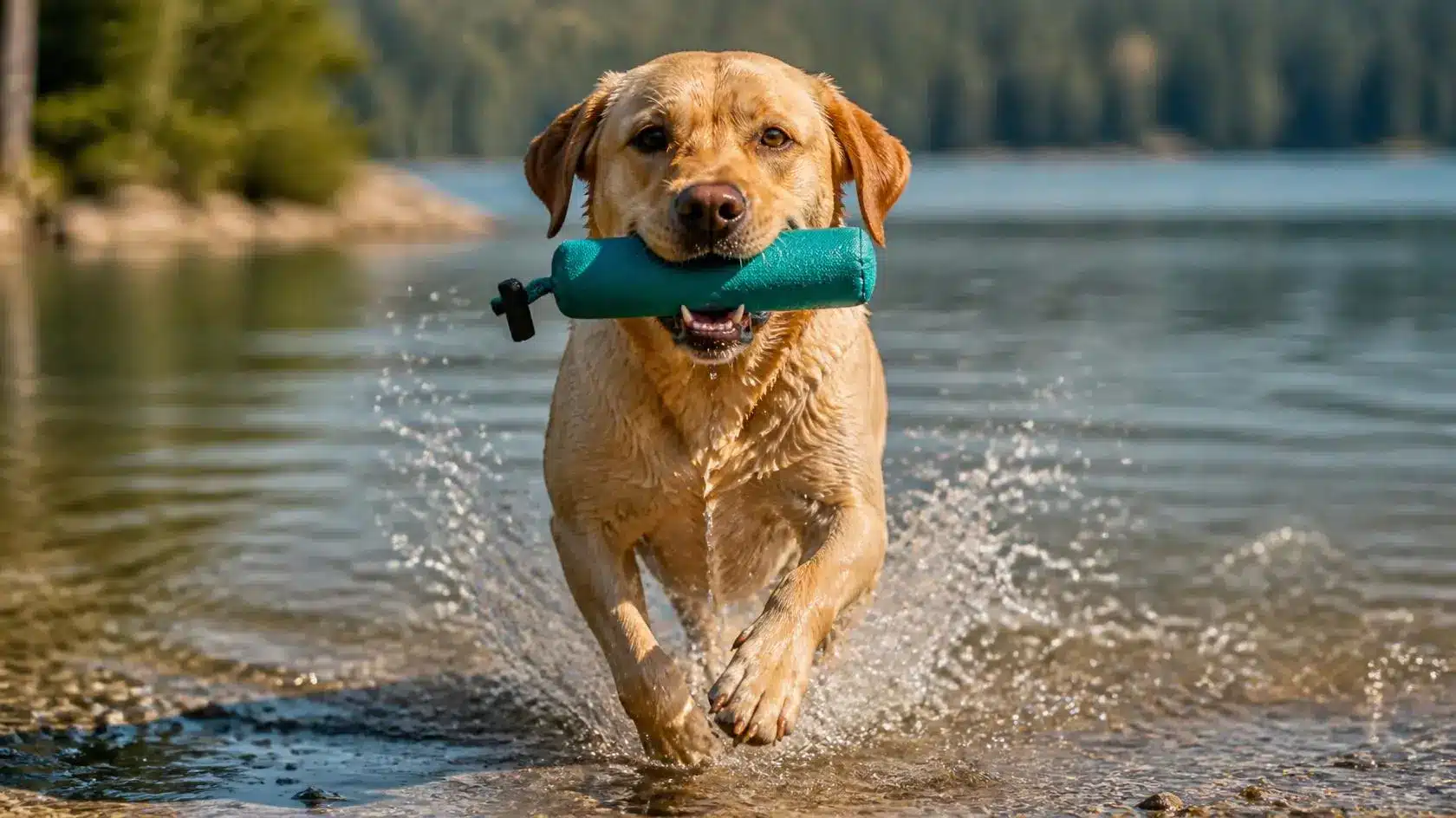
A friendly, open expression and a solid, athletic build give Labradors a warm, approachable look. Loyal and easygoing, they suit active families well and need only basic grooming beyond regular brushing.
Bred originally to retrieve fish and nets for fishermen in Newfoundland, they carry a natural love of water into nearly every stage of life. The Labrador Retriever held the title of America’s most popular dog breed for 31 straight years before the French Bulldog took over in 2022, and it still lands near the top of the AKC’s most popular breeds list today, according to the American Kennel Club’s 2025 registration data.
18. Dachshund
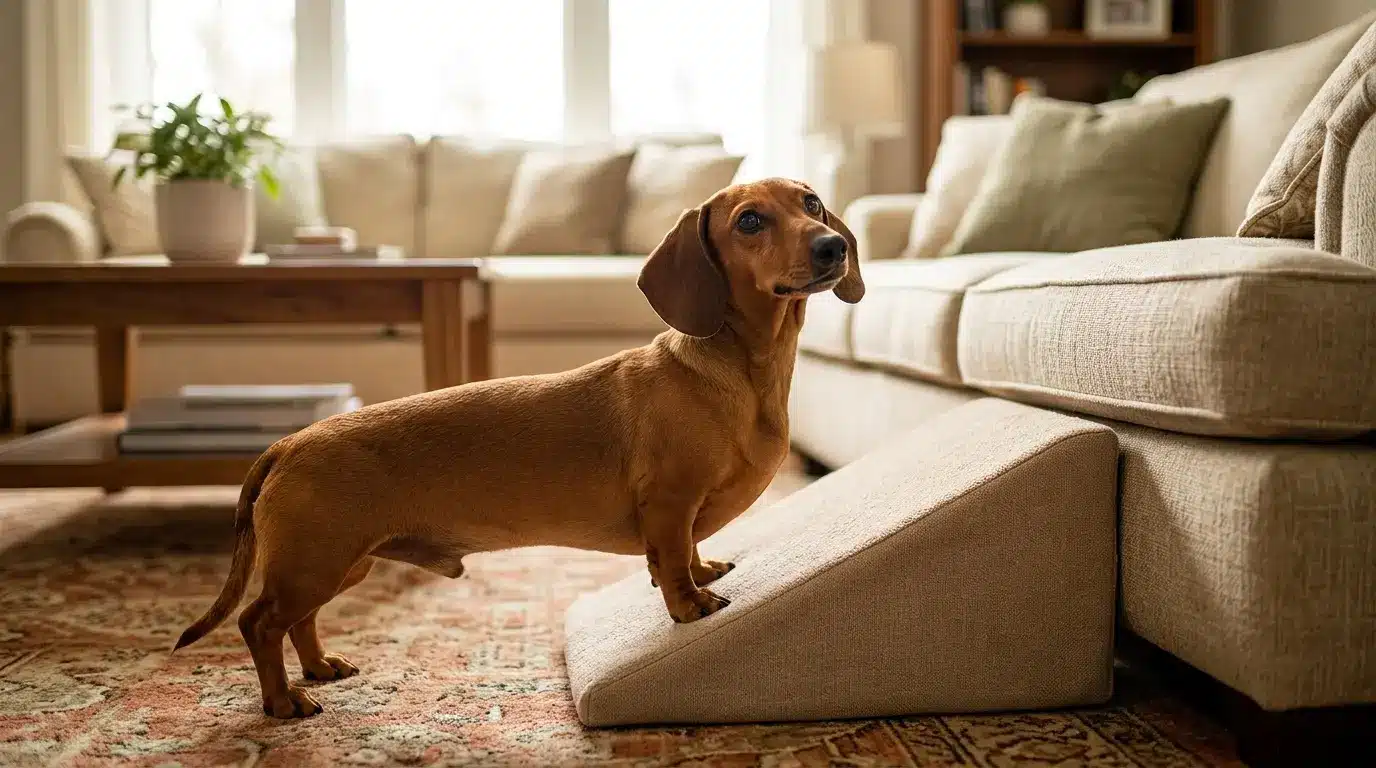
A long body and short legs give the Dachshund a playful, cartoon-like shape that stands out anywhere. Bold and curious, they adapt well to smaller homes, and grooming needs depend on which coat type they have.
Originally bred to hunt badgers underground, they still dig with enthusiasm and bark at anything unfamiliar. Their long spine means jumping off furniture is worth limiting to protect their back over time. Beyond the classic smooth coat, other dachshund coat styles include wire-haired and long-haired versions, each with its own grooming routine.
19. Border Collie
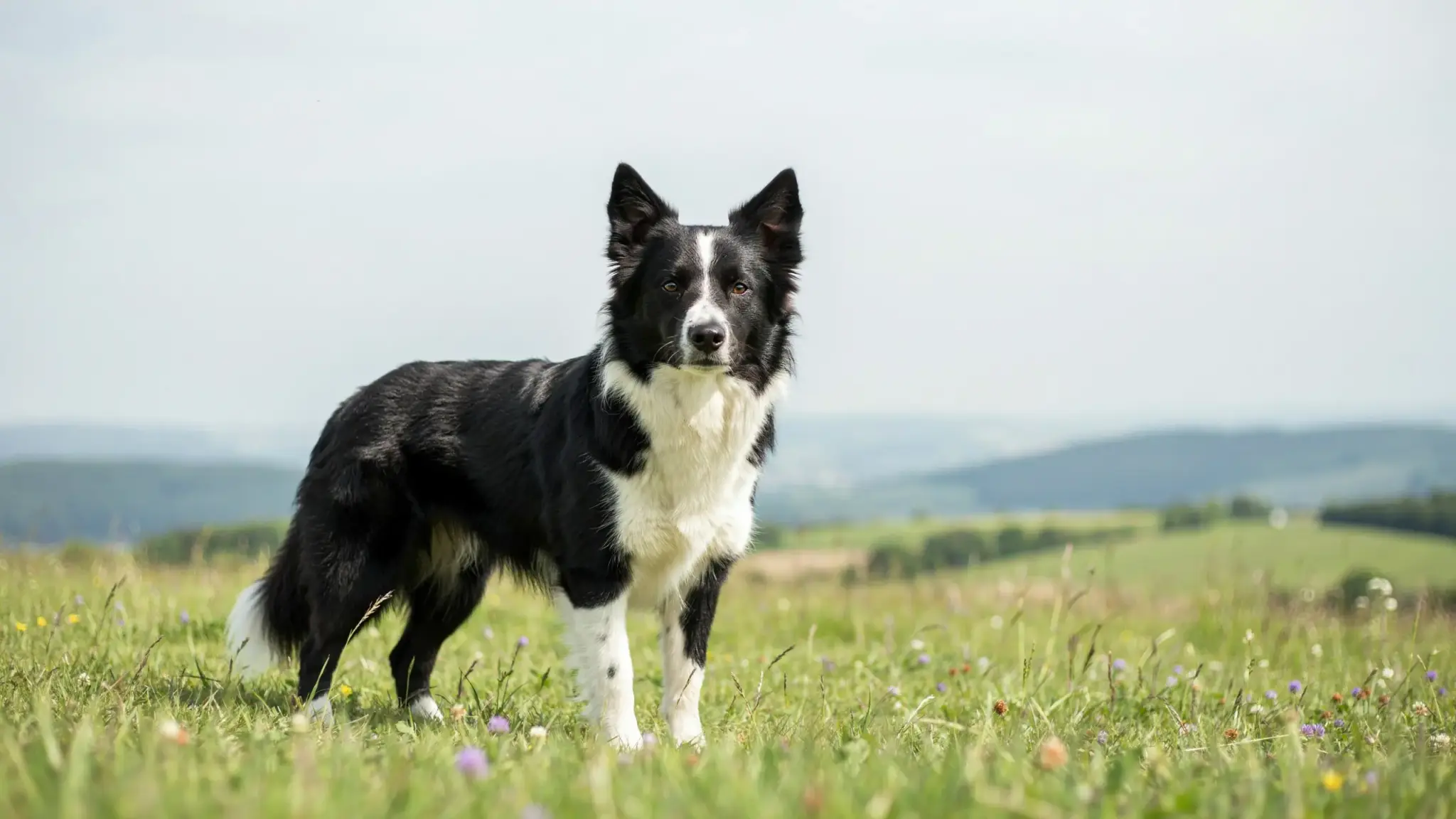
Sharp, focused eyes and a black-and-white coat give Border Collies an intelligent, striking look. Highly active and smart, they need daily mental and physical exercise along with regular brushing.
Bred specifically to herd sheep using an intense stare, they often try to herd kids, other pets, or moving cars if they don’t have a job to do. Puzzle toys and training help channel that energy in a healthier direction.
20. Shiba Inu
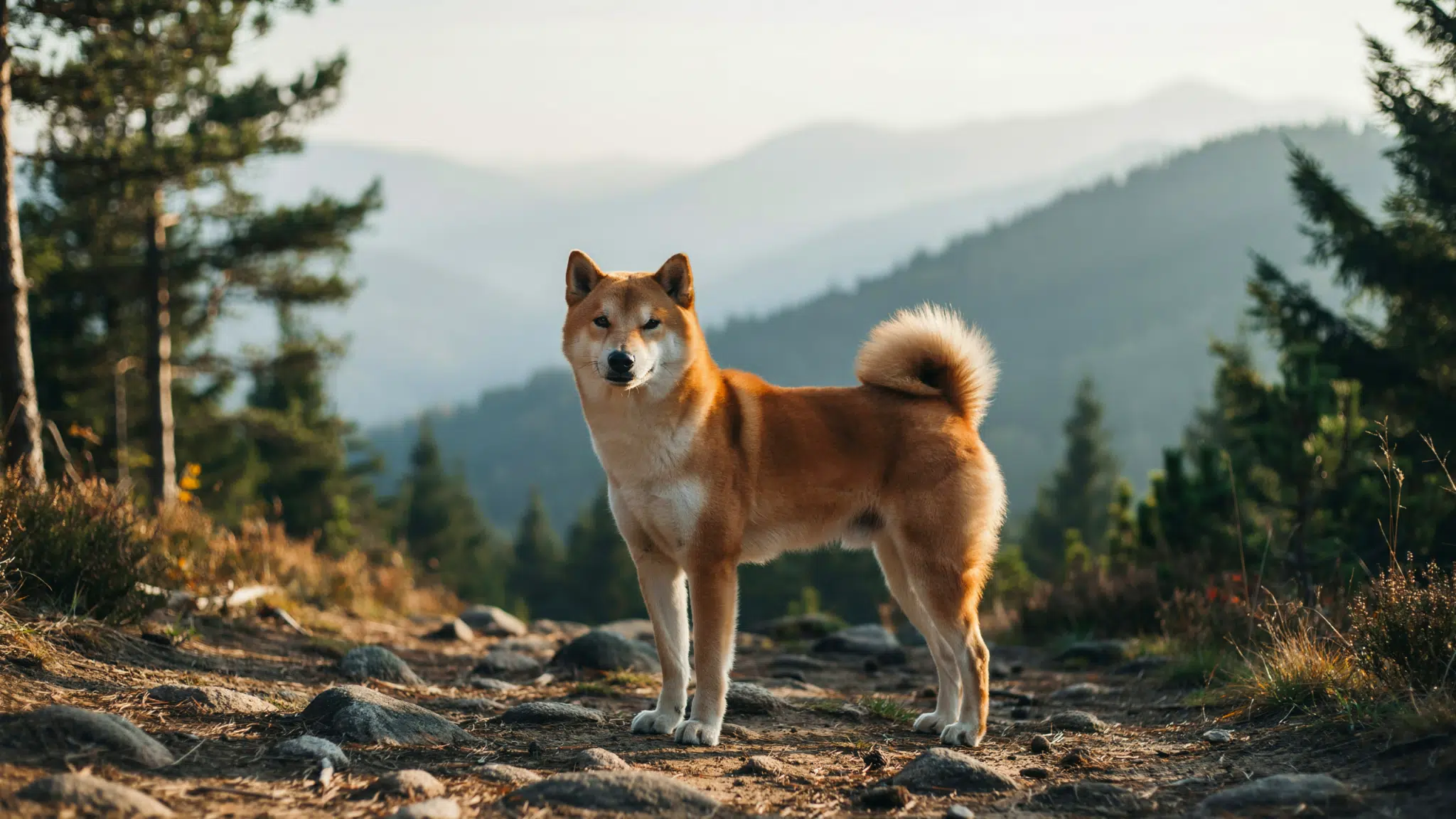
A fox-like face and a near-permanent smirk give the Shiba Inu a confident, photogenic look. Independent and alert, this breed needs regular brushing and an owner comfortable with a strong personality.
Bred originally for hunting in mountainous Japan, they carry a cat-like independence and a stubborn streak that surprises owners expecting a typical eager-to-please dog. Recall training takes real patience with this breed.
21. Pug
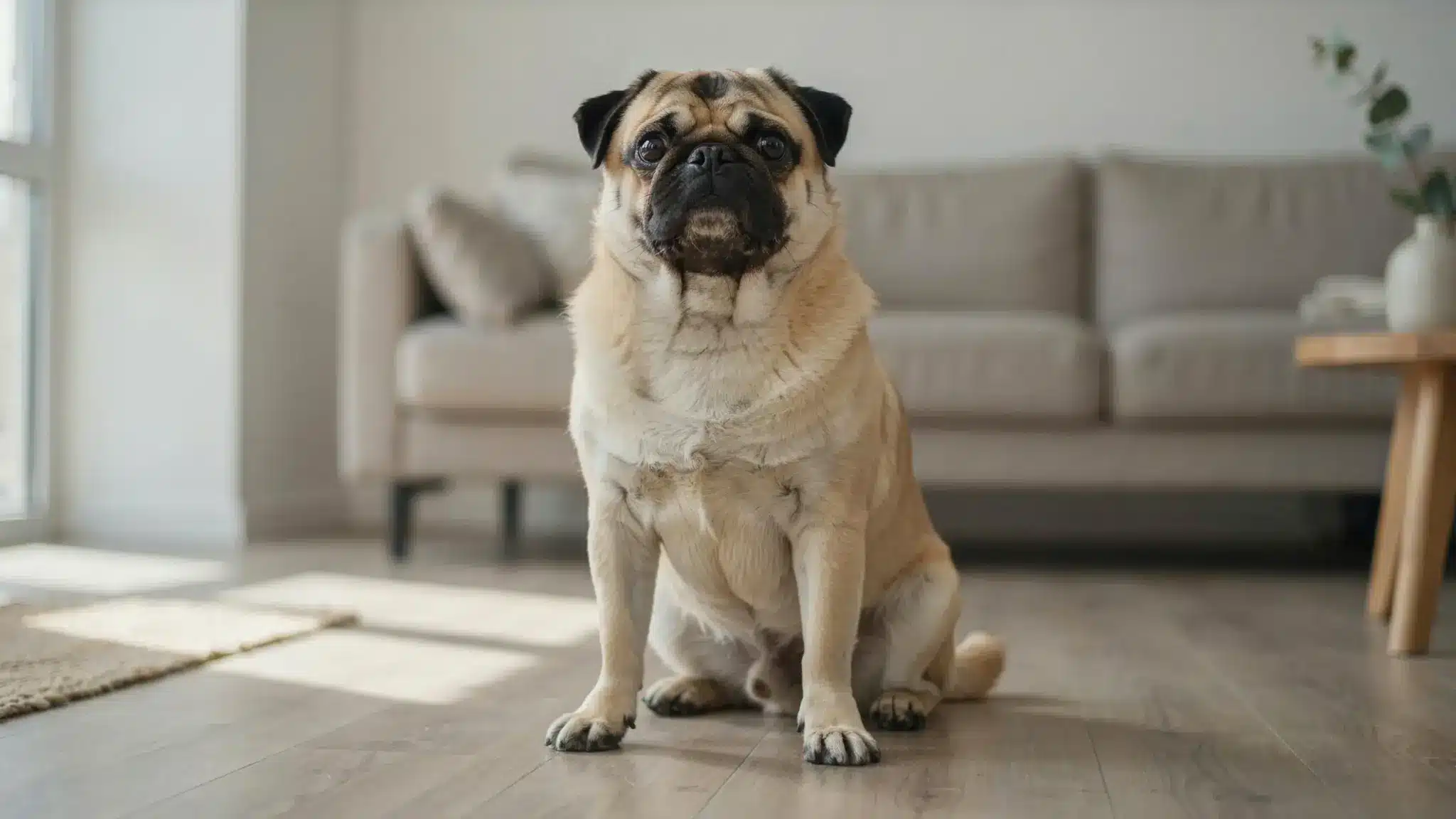
Deep wrinkles and a flat, curious face give the Pug an expression that always looks a little concerned or amused. Playful and affectionate, they do well in apartments but need only basic grooming beyond regular wrinkle cleaning.
Originally bred as companion dogs for Chinese emperors, they still show a strong preference for lounging close to their people. Cornell University’s Riney Canine Health Center notes that flat-faced breeds like Pugs face a higher risk of heatstroke, since their shortened airways make panting a less effective way to cool down, so heat and heavy exercise both call for extra caution.
What to Consider Before Falling for a Cute Breed
Cute photos rarely show the full picture, so a handful of practical realities are worth weighing before any of the cutest dog breeds actually moves into your home.
- Grooming: Fluffy coats often need brushing several times a week to avoid matting
- Energy: Small size doesn’t always mean low energy, since breeds like Corgis and Border Collies need daily exercise
- Training: Independent breeds like Chow Chows and Shiba Inus need patient, consistent training
- Space: Larger fluffy breeds like Samoyeds and Bernese Mountain Dogs need room to move beyond a small apartment
- Health: Flat-faced breeds like French Bulldogs and Pugs can face breathing issues in heat or humidity
- Lifespan: Smaller breeds like the Maltese and Yorkshire Terrier often live well into their teens, while giant breeds like the Bernese Mountain Dog typically have a shorter lifespan
Looking past the photos to these practical details makes it much easier to pick a breed that actually fits your daily routine and space.
Matching Cuteness to Your Everyday Life
Cutest dog breeds come in every size, coat type, and personality, so the right pick depends on how you actually live day to day. A fluffy Samoyed and a sleek Dachshund can be equally adorable while asking for very different care, different brushing schedules, different space needs, different energy levels.
Start with your living space and daily routine, then narrow things down by grooming needs and energy level before you fall for a specific look. Small breeds like the Maltese or Papillon suit tighter spaces, while larger, fluffier breeds like the Bernese Mountain Dog need more room to stretch out.
Matching temperament to your lifestyle matters just as much as the cuteness that caught your eye. Tell us which breed on this list won you over.
Frequently Asked Questions
Which Dog Breed Is Considered the Cutest Overall?
There’s no single answer, since cuteness is personal. Golden Retrievers, Pomeranians, and Corgis show up most often in public polls and social media rankings, largely thanks to their expressive faces and approachable personalities.
Are Fluffy Breeds Harder to Keep Cool in Summer?
Yes, thick-coated breeds like Samoyeds and Huskies can overheat faster in warm weather. Shade, fresh water, and skipping full shaves all help, since a dog’s coat also protects skin from sunburn even in summer.
Can Mixed-Breed Dogs Be Just as Cute as Purebreds?
Absolutely. Mixed-breed dogs often combine appealing traits from several breeds at once, and plenty of people find their unpredictable, one-of-a-kind looks just as charming as anything on a purebred list.
Do Cute Small Dog Breeds Get Along Well With Kids?
It depends more on training and socialization than size. Breeds like the Beagle and Cavalier King Charles Spaniel tend to be patient with children, while some toy breeds do better in homes with older, gentler kids.
How Much Grooming Do Fluffy Cute Breeds Really Need?
Most double-coated or long-haired breeds need brushing three to four times a week, plus a professional trim every six to eight weeks for breeds like the Bichon Frise or Shih Tzu to prevent matting.