Not every pet wants belly rubs, daily walks, or constant attention.
Some sleep inside terrariums under heat lamps, some glide across rooms at night, and others spend most of the day quietly watching their surroundings from inside aquariums or enclosures.
That difference is exactly why exotic pets continue attracting attention from people looking for something less traditional.
At the same time, these unique pets often come with demands that catch first-time owners completely off guard.
In my decade of volunteering at rescue shelters and interviewing breeders, veterinarians, and trainers, I’ve repeatedly seen how a visually appealing animal can struggle in the wrong home.
Knowing which animals fit different living situations, schedules, and experience levels can prevent many common ownership mistakes before they happen.
Why Do People Choose Exotic Pets?
An exotic pet is generally any animal that falls outside the category of traditional domesticated pets.
While dogs and cats remain the most common companions, exotic pets include reptiles, amphibians, unusual mammals, insects, and rare birds that require specialized care and handling.
The appeal of exotic pets often comes down to personality, appearance, and lifestyle compatibility. Some people prefer quieter animals that do not bark or create constant noise.
Certain exotic pets also work well for:
- Apartment living
- People with allergies
- Owners wanting low-interaction animals
- Individuals interested in unusual animal behavior
Best Exotic Pets for Different Lifestyles
Choosing the right exotic pet depends heavily on daily routine, living space, experience level, and the amount of care someone can provide. Some exotic pets need large habitats and constant attention, while others are easier to manage and fit well into smaller homes or busy schedules.
1. Axolotl
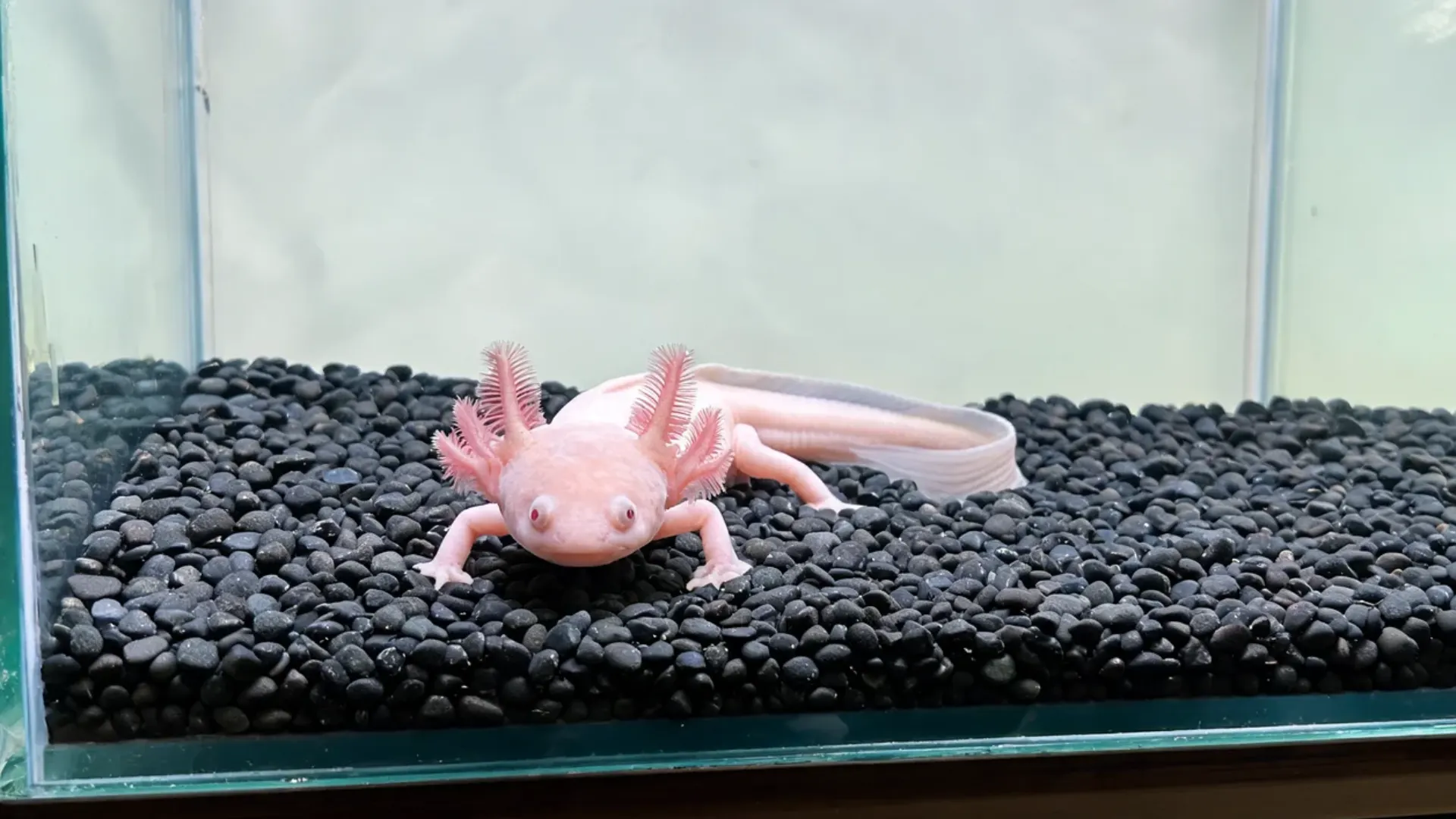
Axolotls are aquatic amphibians native to Mexico, known for their feathery gills and the ability to regenerate limbs.
They thrive in cool, clean water inside a 20-gallon or larger tank and mainly eat worms and pellets. Since they prefer little handling, they are best enjoyed as display pets.
Why people love them:
- Quiet and peaceful
- Unique appearance
- Minimal handling needs
2. Hedgehog
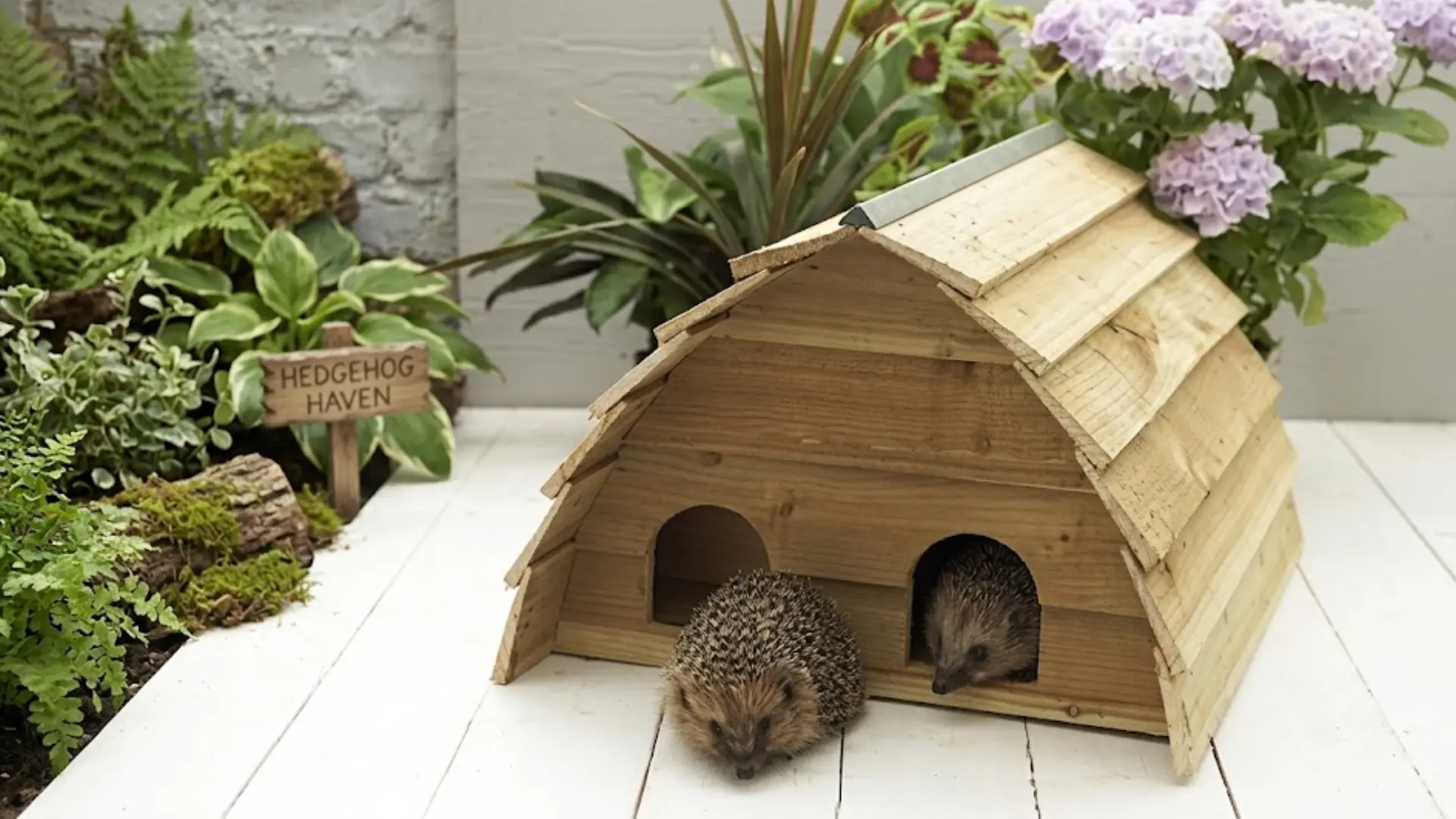
Hedgehogs are small exotic pets known for their spiky appearance and nighttime activity.
They need a balanced diet, routine cleaning, and regular care from an exotic vet. Since ownership laws vary by state, checking local regulations is important before buying one.
Why people love them:
- Small and compact
- Relatively quiet
- Distinct personality
- Suitable for smaller homes
3. Sugar Glider
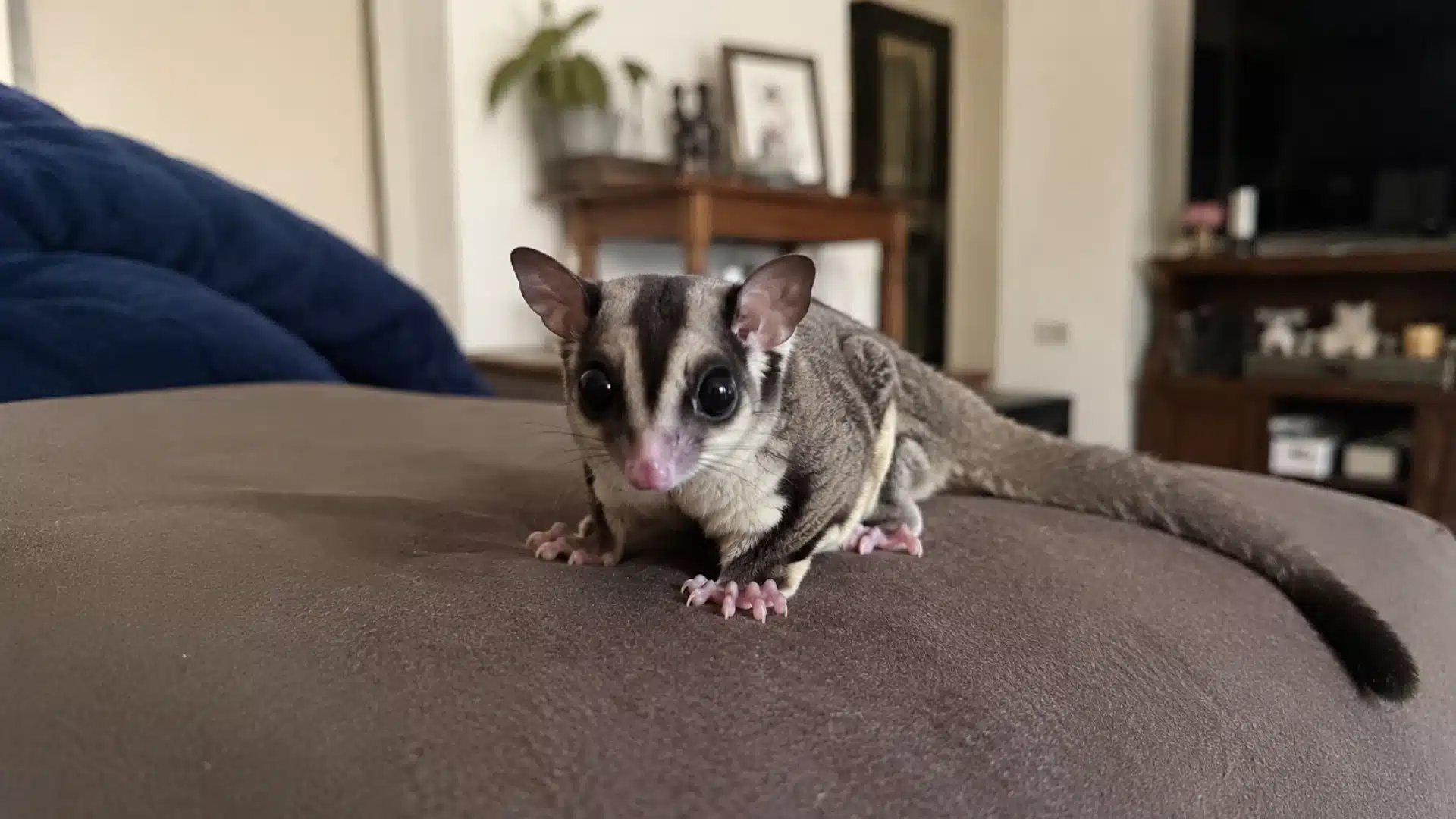
Sugar gliders are small marsupials known for gliding through the air and forming close bonds with their owners.
While affectionate and entertaining, they require daily interaction, a tall climbing cage, and a varied diet to stay healthy.
Because they are highly social, many owners keep them in pairs to prevent stress and loneliness.
Best qualities:
- Intelligent and interactive
- Strong bonding potential
- Highly active and playful
4. Bearded Dragon
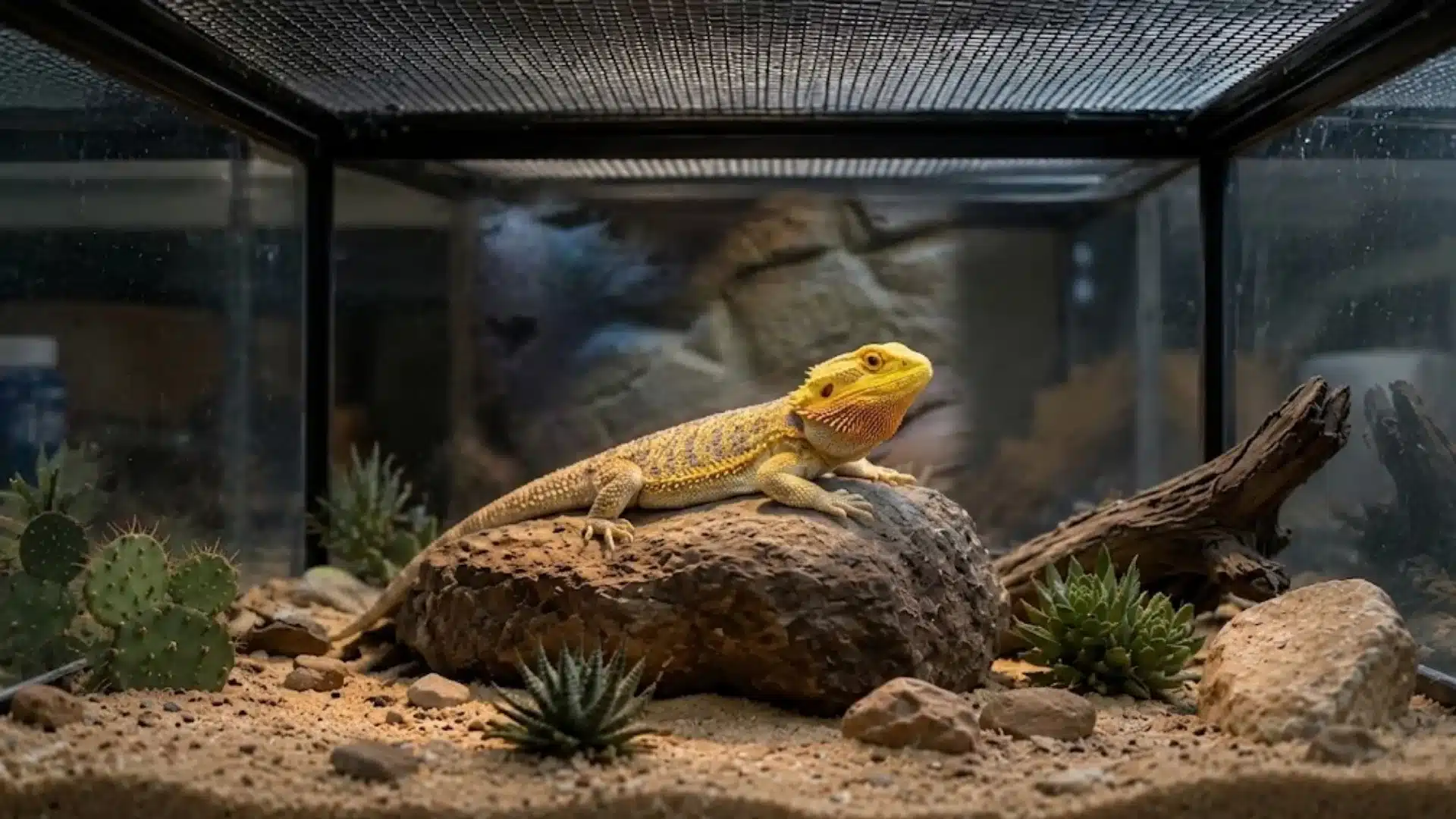
Bearded dragons are beginner-friendly reptiles known for their calm nature and ease of handling.
They need a large enclosure with proper heating and UVB lighting to stay healthy, along with a diet that changes as they grow.
While setup costs can be high, ongoing care is usually manageable, and many owners enjoy their social, interactive behavior.
Bearded dragons are among the reptiles I see most frequently in practice, and the most preventable condition I treat is metabolic bone disease caused by inadequate UVB exposure.
A high-quality UVB bulb replaced every 6 months is non-negotiable for long-term bone health.
They require:
- UVB lighting
- Proper heating gradients
- Insect and vegetable diets
- Spacious enclosures
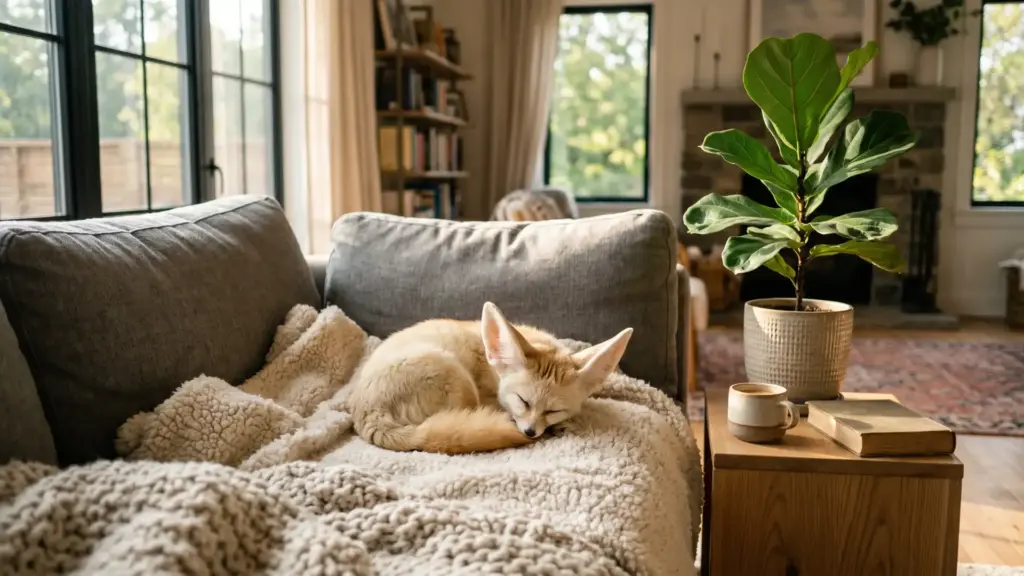
5. Fennec Fox
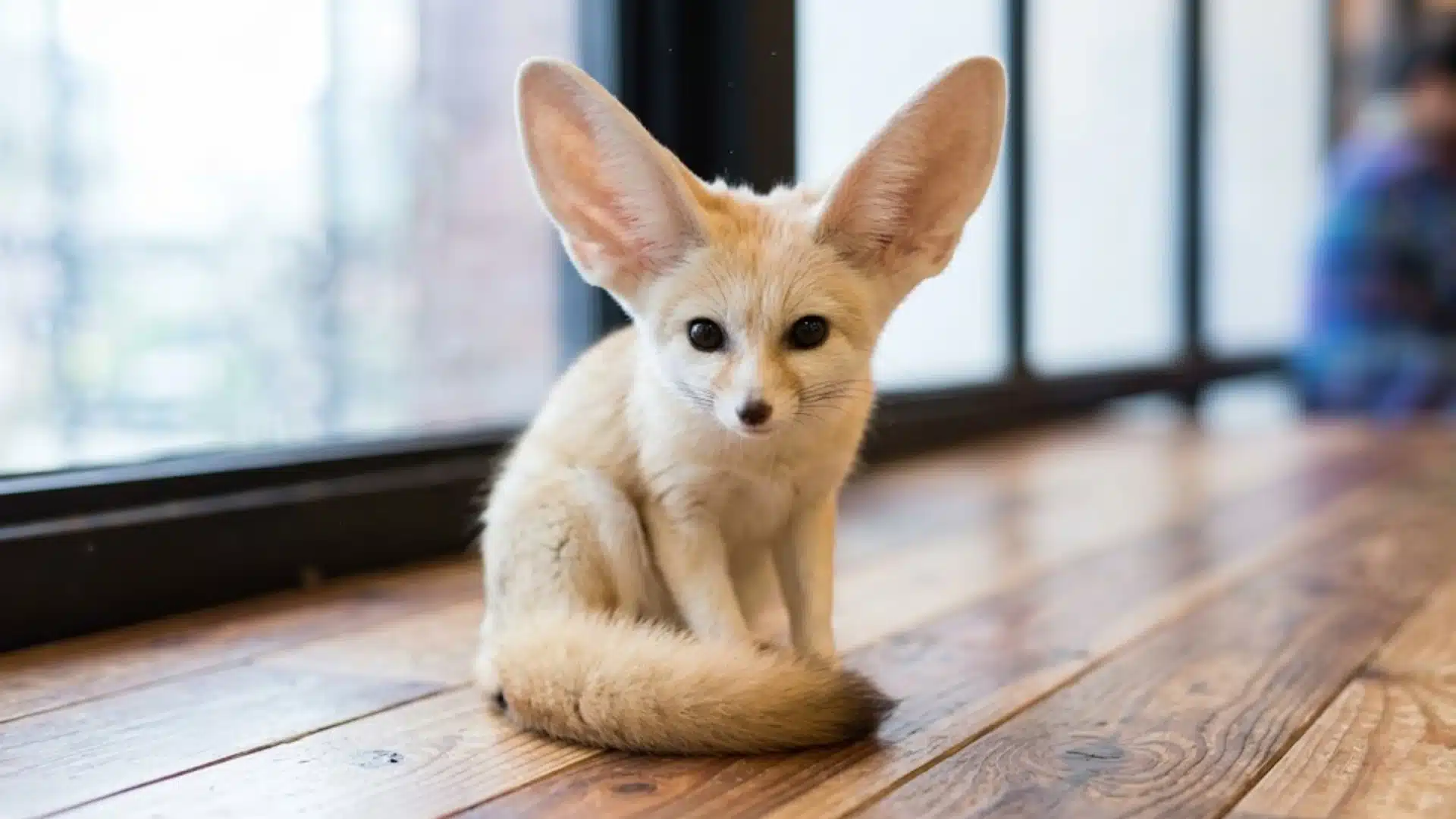
Fennec foxes are small wild canids recognized for their oversized ears and high energy levels.
Despite their cute appearance, they are difficult exotic pets that need secure space, constant stimulation, and experienced handling.
Since ownership laws vary by state, checking local regulations is essential before considering one.
Challenges include:
- High energy levels
- Constant digging
- Nocturnal activity
- Specialized legal requirements
6. Chinchilla
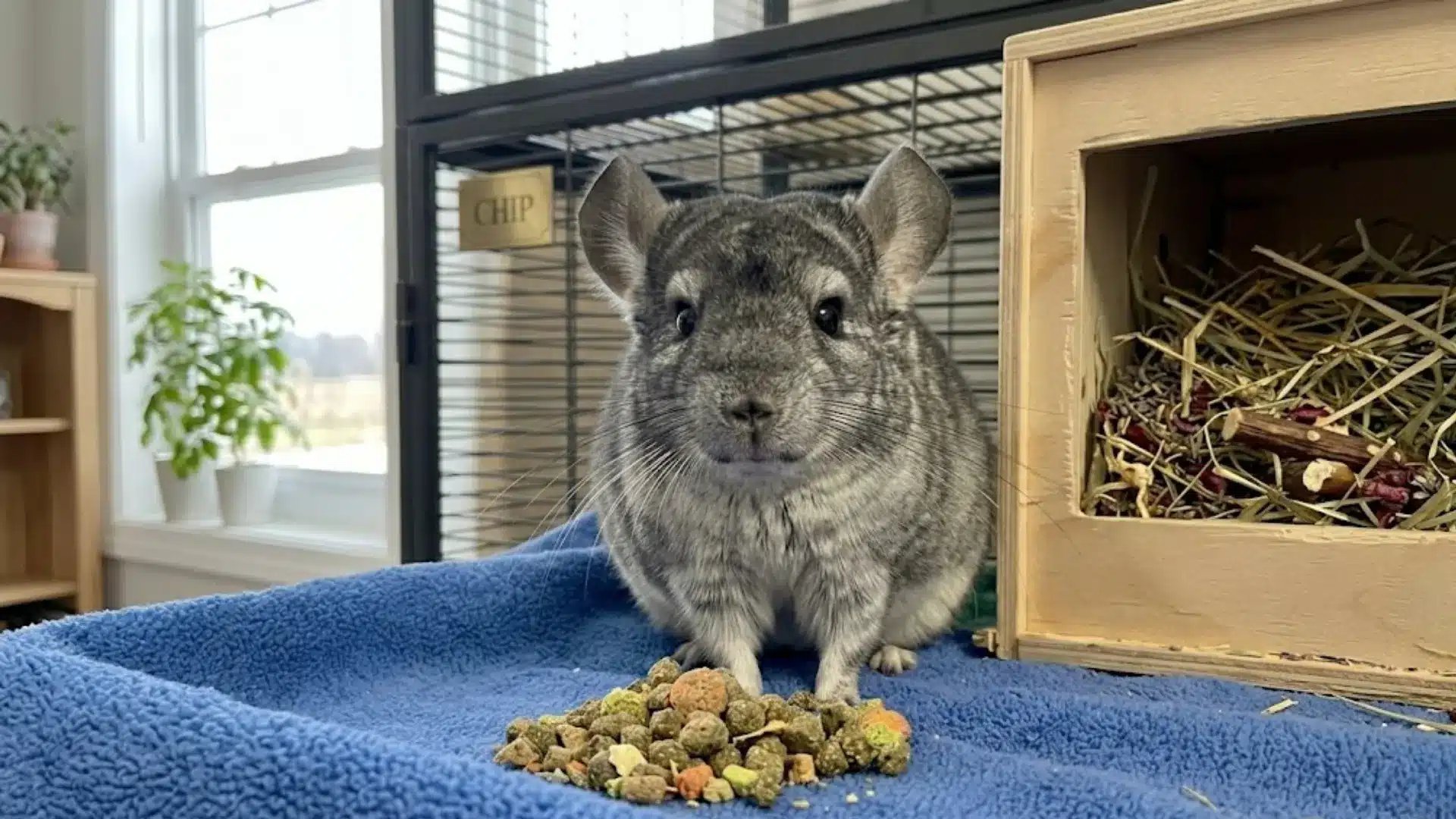
Chinchillas are small exotic mammals known for their incredibly soft fur and long lifespan.
They do best in cool, dry environments and can suffer serious health issues in high temperatures.
With proper hay-based diets, regular dust baths, and temperature control, they make active and entertaining long-term pets.
Owners appreciate them because they are:
- Clean animals
- Quiet compared to many pets
- Entertaining to watch
7. Tarantula
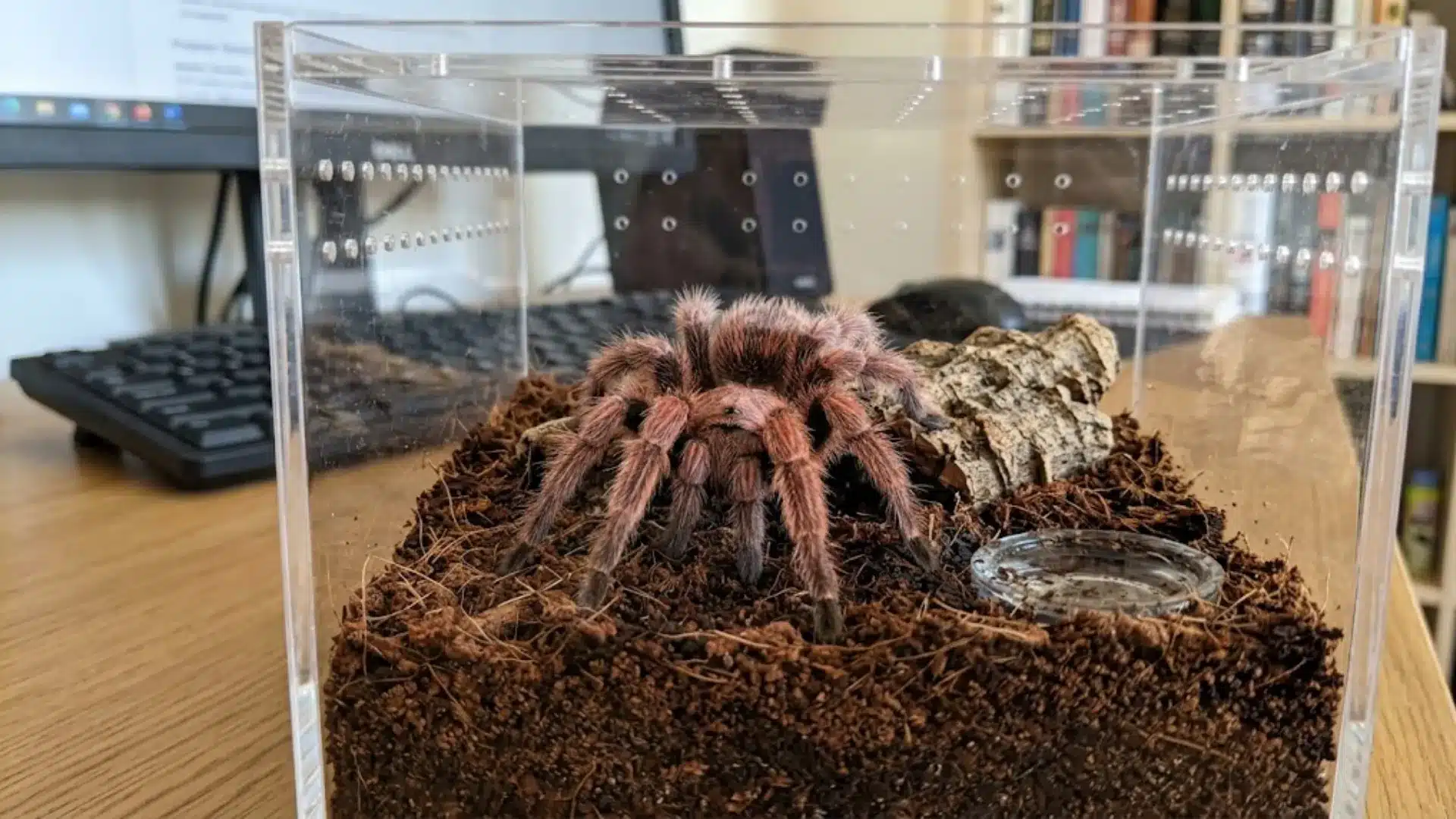
Tarantulas are affordable, low-maintenance exotic pets that do well in small spaces.
Beginner species usually need only a simple enclosure and occasional feeding, making them easy to care for compared to many other exotic animals.
While their appearance can seem intimidating, most beginner tarantulas are calm and slow-moving.
Why some owners prefer them:
- Minimal maintenance
- Quiet living
- Inexpensive setup
- Small habitat needs
8. Ball Python
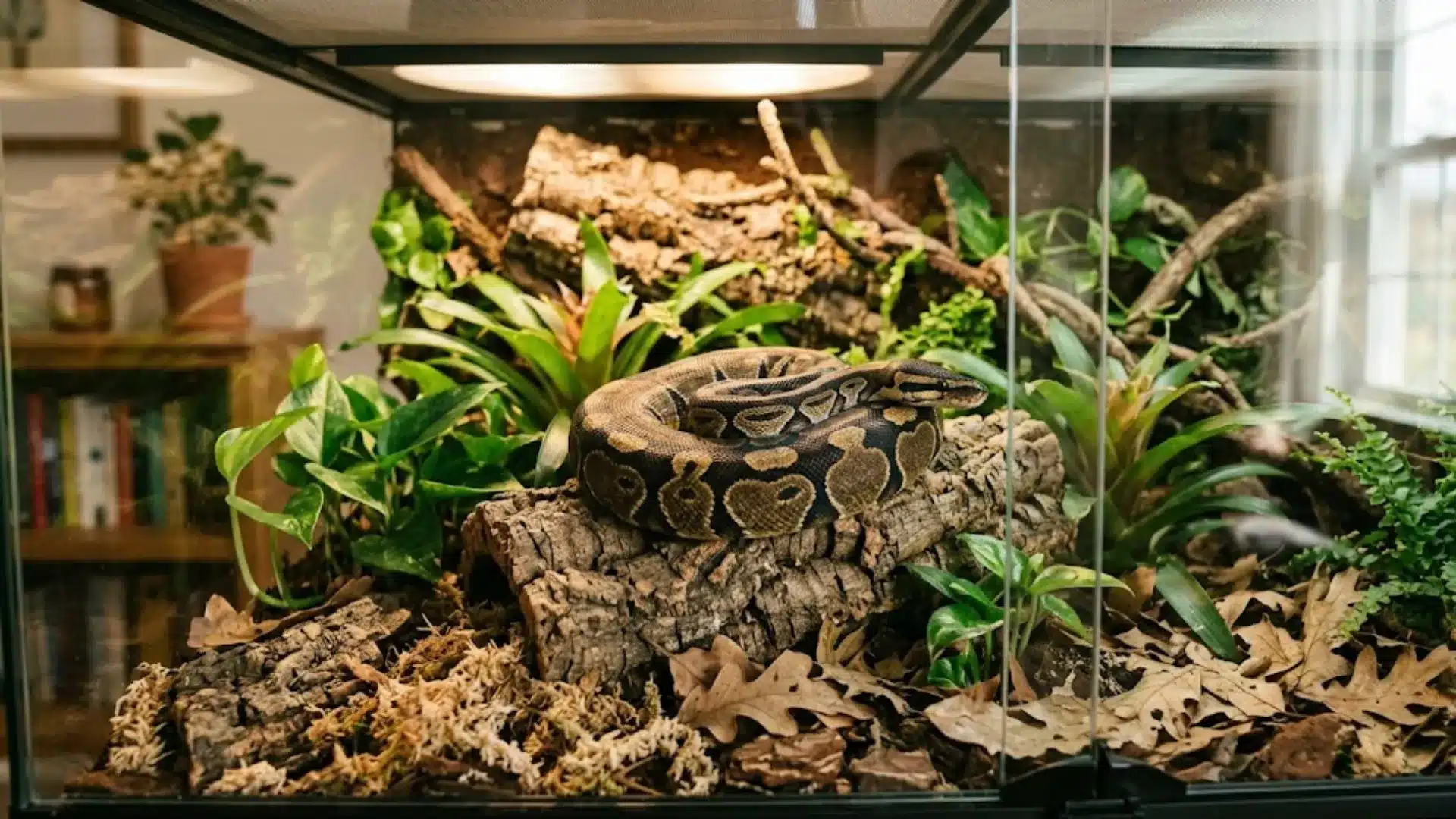
Ball pythons are popular pet snakes known for their calm temperament and manageable size.
They are usually easy to handle and only need feeding every 10 to 14 days, but maintaining proper humidity and heating is essential for their health.
While beginner-friendly overall, occasional feeding strikes can surprise new owners.
They require:
- Controlled humidity
- Secure enclosure setup
- Consistent heating
- Proper feeding routines
9. Capybara
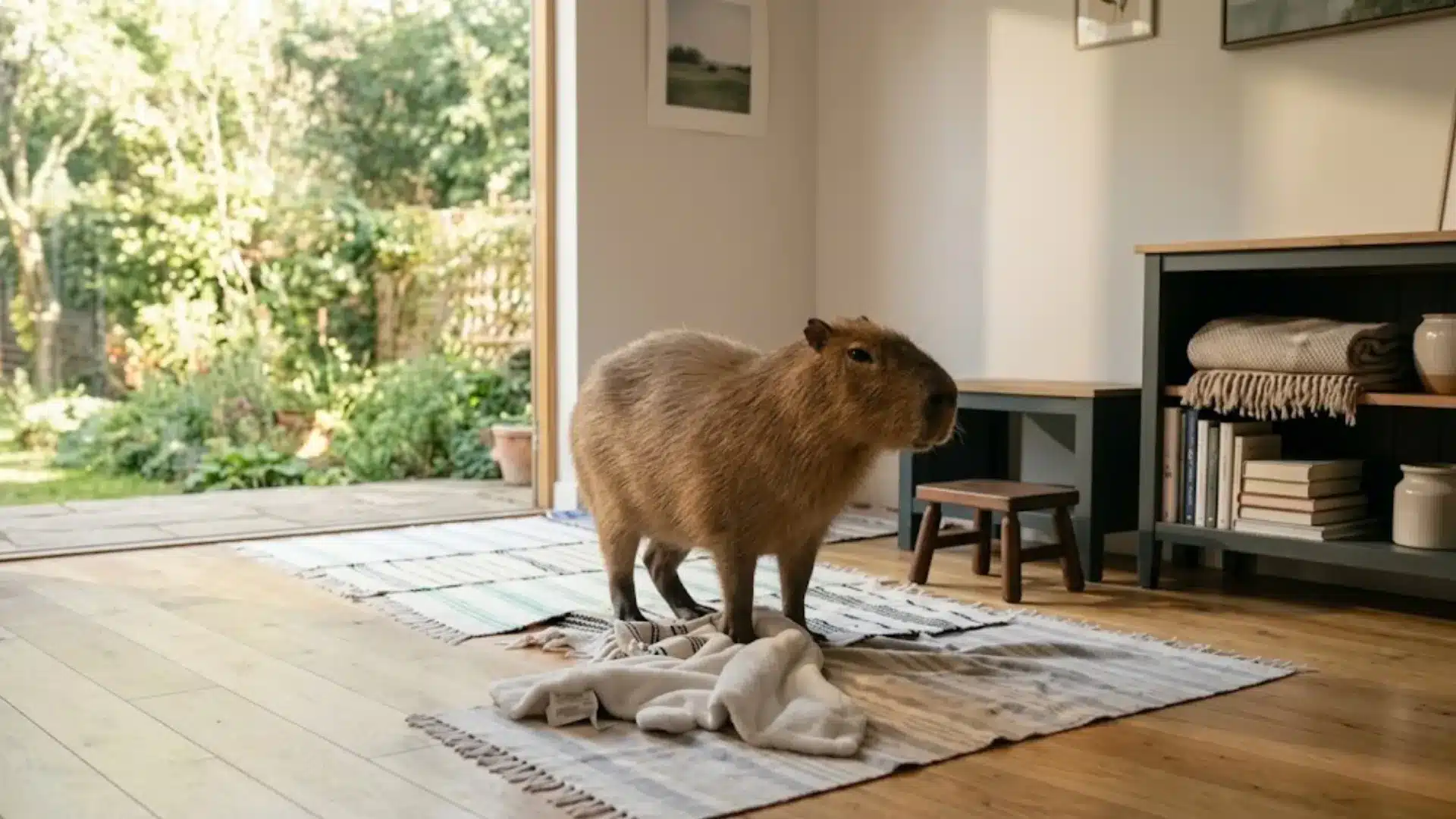
Capybaras are giant social rodents that need far more space, water access, and care than most exotic pets.
They bond closely with owners but should not live alone and require large outdoor setups with room to swim.
Because of their size, legal restrictions, and ongoing care demands, they are best suited for experienced owners.
Capybaras require:
- Large outdoor space
- Access to water
- Social companionship
- Significant food supply
10. Cockatiel
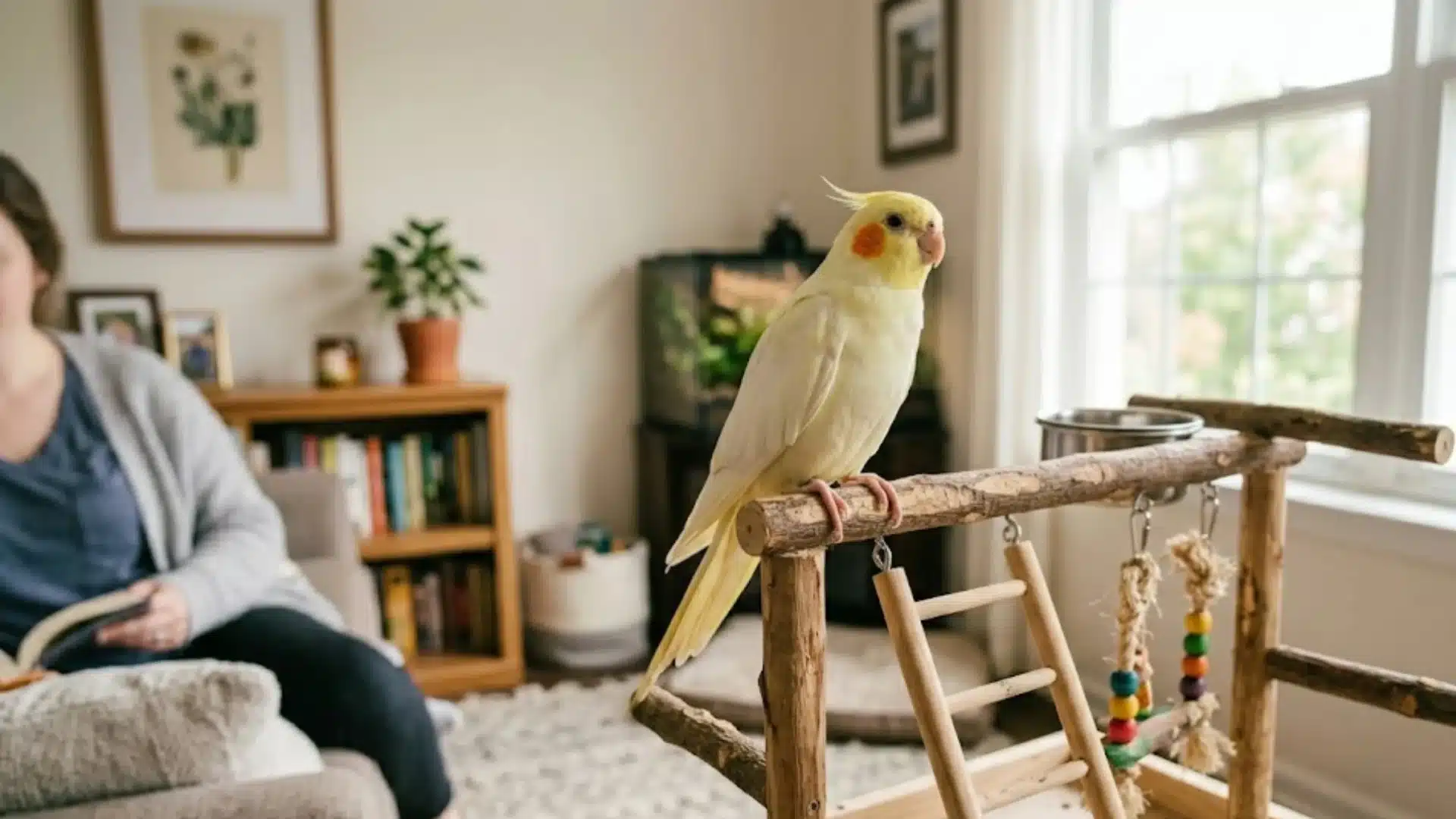
Cockatiels are friendly companion birds known for their affectionate personalities and ability to mimic whistles and simple sounds.
They need daily interaction, mental stimulation, and time outside the cage to stay healthy and social. With proper care, cockatiels can live for decades, making them a long-term commitment.
Owners looking to expand into larger companion birds after a cockatiel should review the specific care and behavioral differences among large companion parrots before making that step.
They enjoy:
- Social engagement
- Vocal communication
- Toys and stimulation
- Daily interaction
11. Leopard Gecko
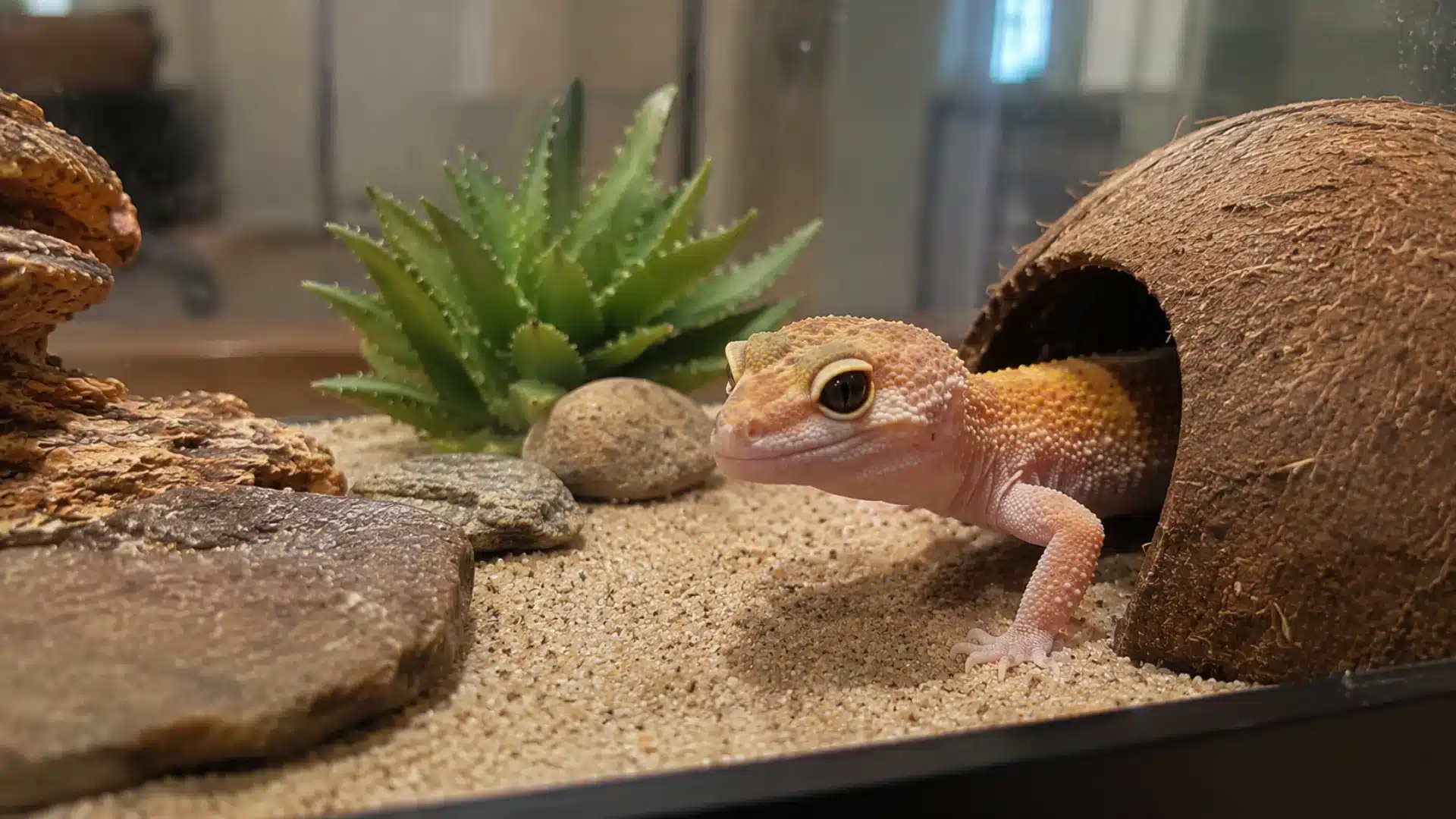
Leopard geckos are beginner-friendly reptiles known for their calm temperament and simple care needs.
They do not require UVB lighting, which makes their setup easier and more affordable than many other reptiles. With proper heating, hiding spots, and regular feeding, they can live for 15 to 20 years.
Why they are beginner-friendly:
- Simple diet
- Easy enclosure maintenance
- Gentle temperament
- Smaller habitat needs
12. Mini Pig
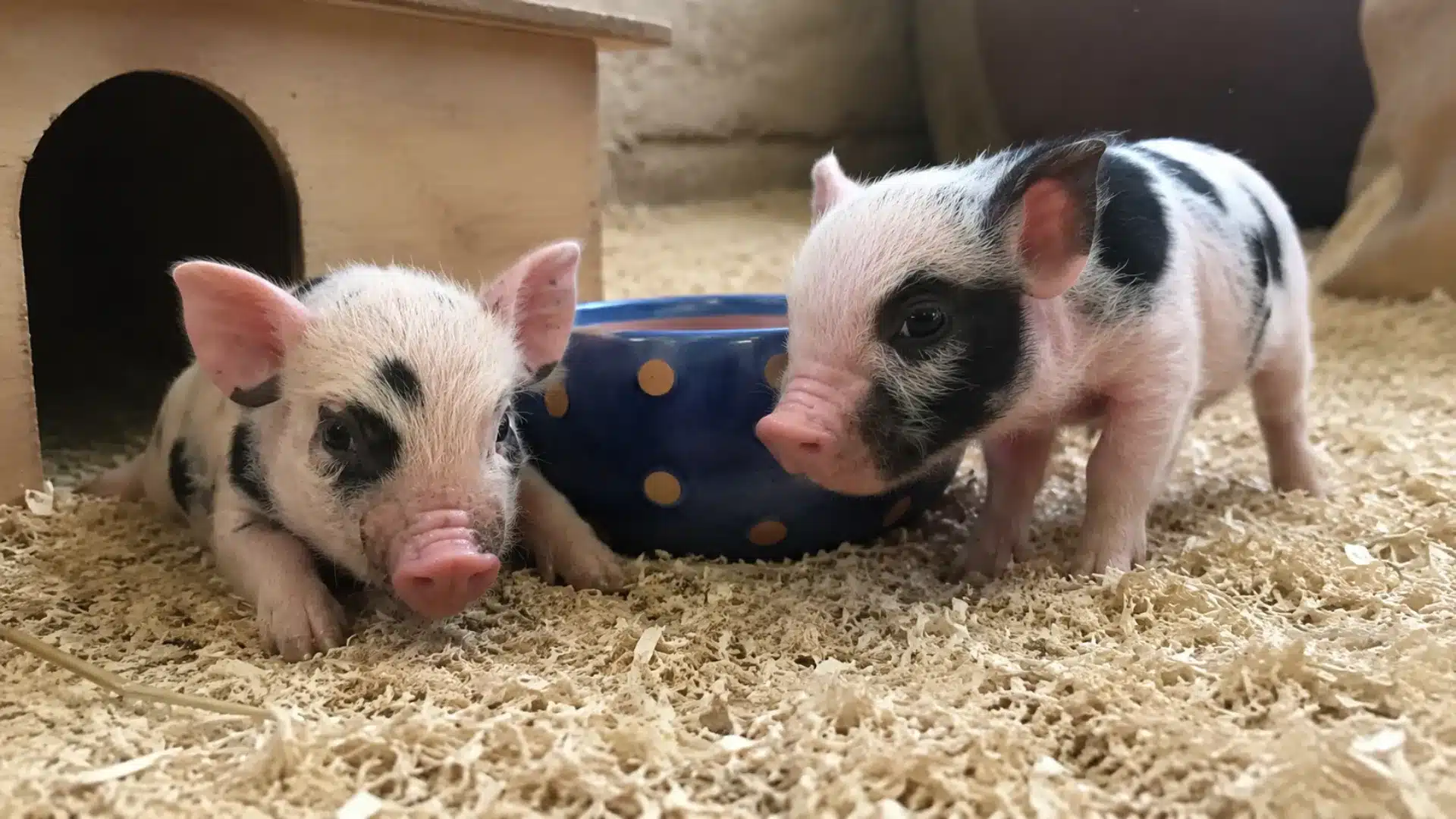
Mini pigs are intelligent and social animals that can learn routines and form strong bonds with their owners.
Despite being marketed as “mini” or “teacup” pets, most so-called mini pigs reach 50 to 150 pounds at full adult size, far larger than what most buyers expect when purchasing a piglet.
Always ask breeders for proof of adult parent weight before committing.
They also require outdoor activity, controlled diets, and access to experienced veterinary care.
Important considerations include:
- Diet control
- Indoor and outdoor space
- Training requirements
- Veterinary access
13. Serval Cat
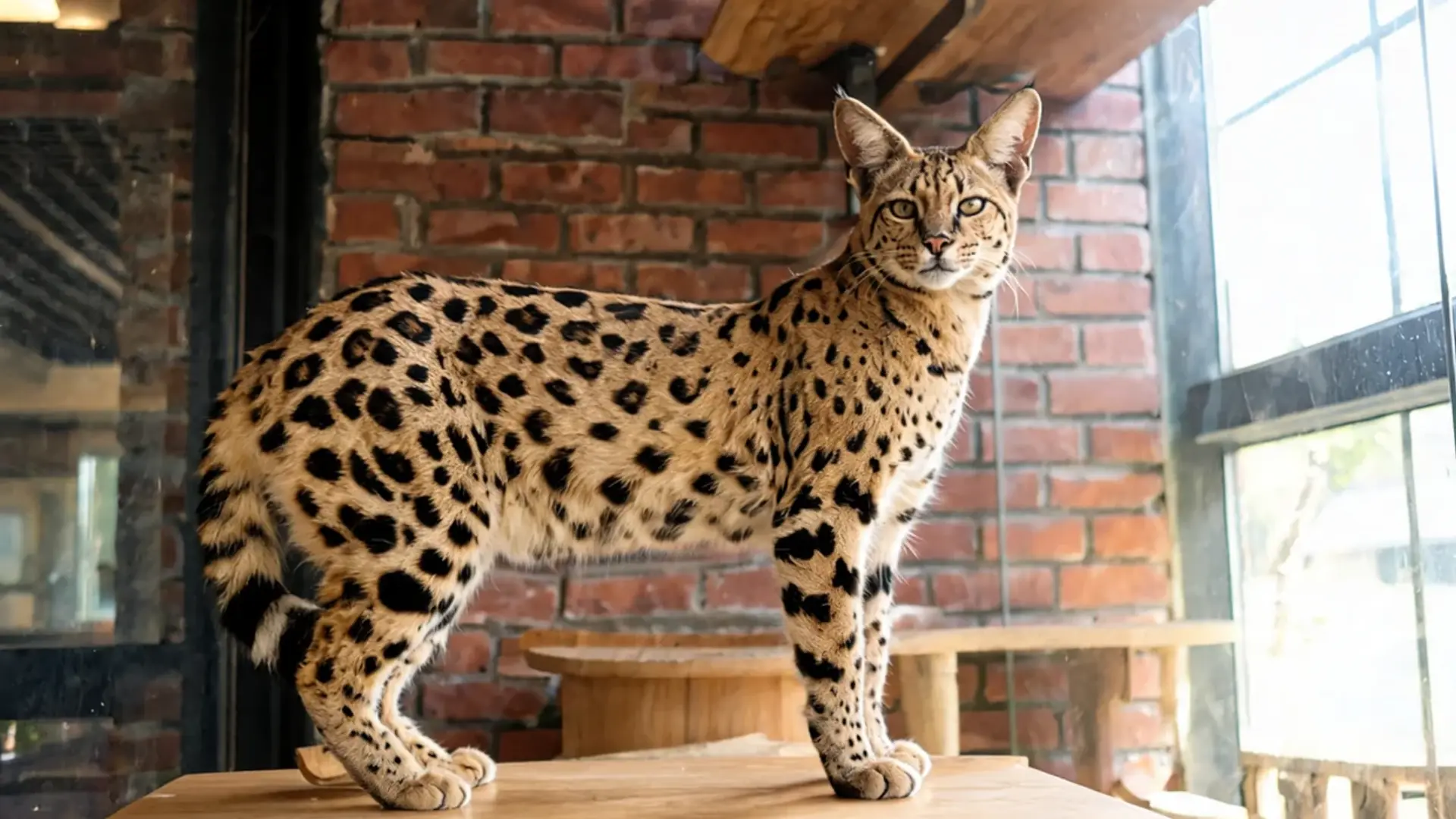
Servals are wild African cats known for their long legs, athletic jumping ability, and strong hunting instincts.
They require large, secure enclosures, specialized diets, and experienced handling, making them among the most demanding exotic pets to own.
Since ownership laws vary widely, legal restrictions should always be checked before considering one.
Problems include:
- Strong hunting instincts
- Expensive feeding costs
- Legal ownership restrictions
- Destructive behavior indoors
14. African Grey Parrot
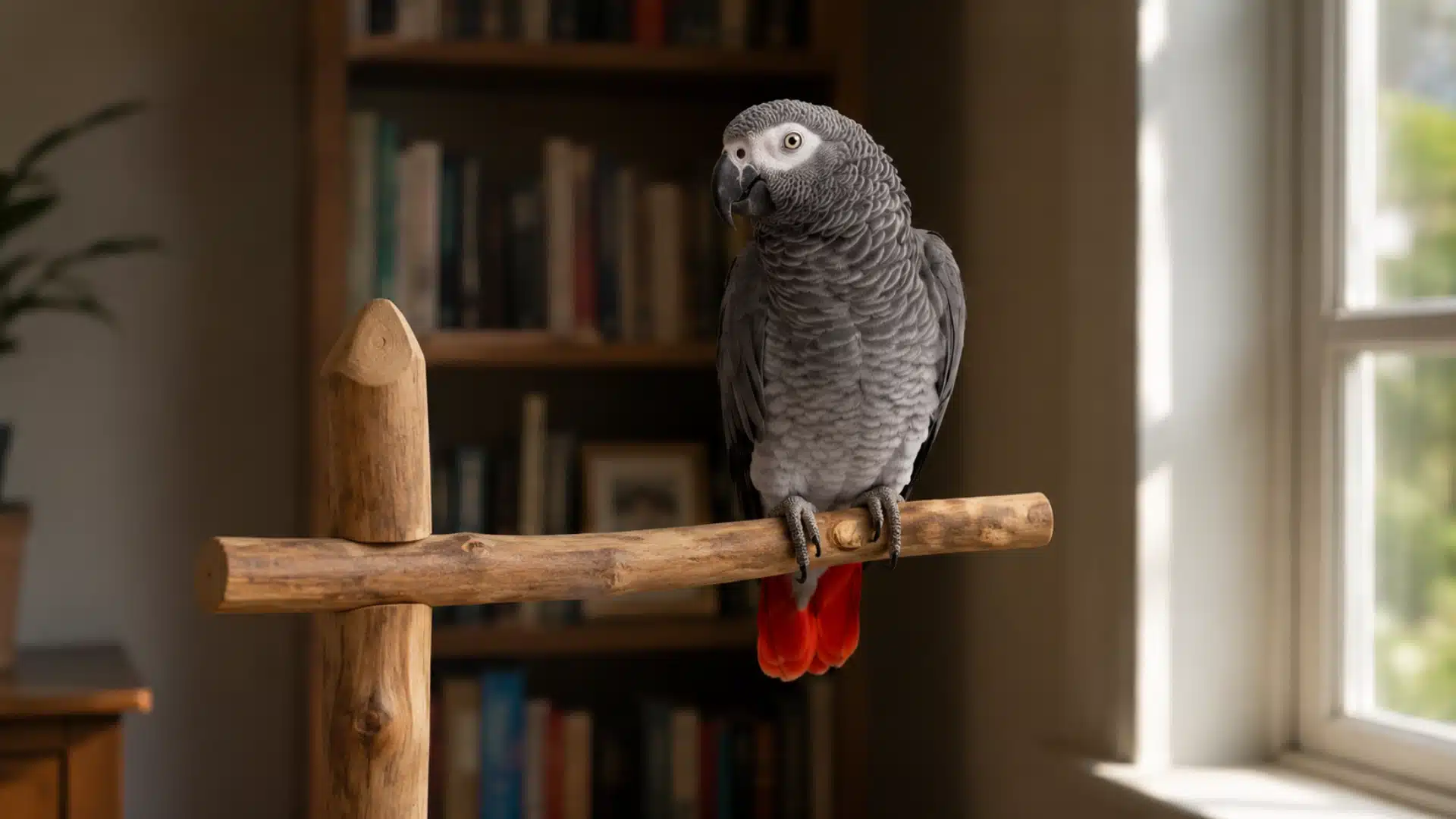
African grey parrots are highly intelligent birds known for their advanced communication skills and strong emotional bonds with owners.
They need constant interaction, enrichment, and stable routines to stay mentally healthy, making them a demanding long-term commitment. With proper care, they can live for several decades.
Owners must commit to:
- Daily interaction
- Mental stimulation
- Long lifespan care
- Consistent routines
15. Hermit Crab
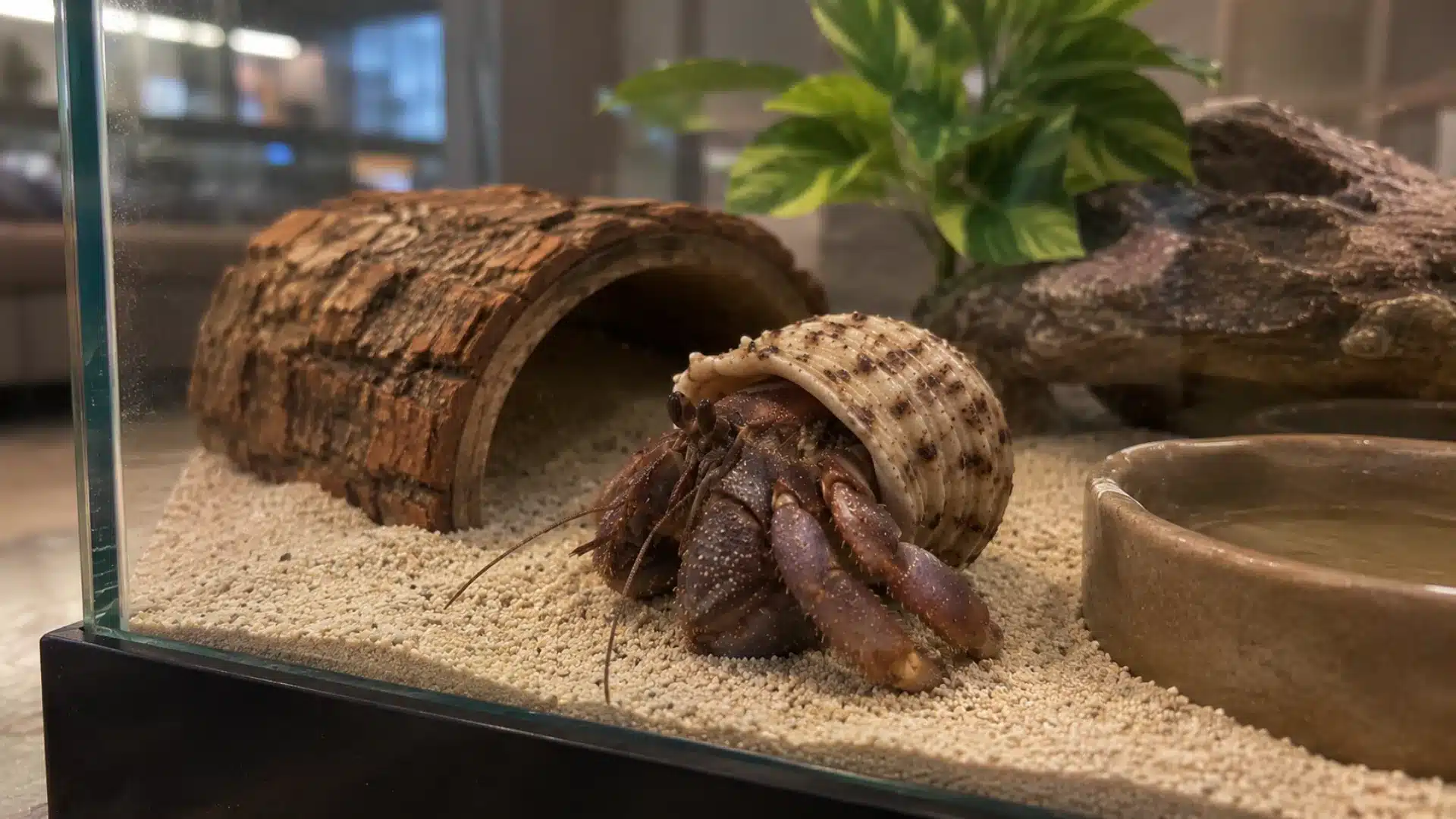
Hermit crabs are small social crustaceans that need much more care than many people expect.
They require a humid habitat with deep substrate for burrowing, access to both fresh and saltwater, and plenty of climbing space to stay healthy.
Hermit crabs are better suited for owners willing to maintain a stable environment long term.
They also live far longer than most buyers realize, with land hermit crabs capable of surviving 10 to 30 years in captivity with proper care.
Their enclosure should include:
- Proper humidity
- Climbing space
- Extra shells
- Moist substrate
16. Blue-Tongued Skink
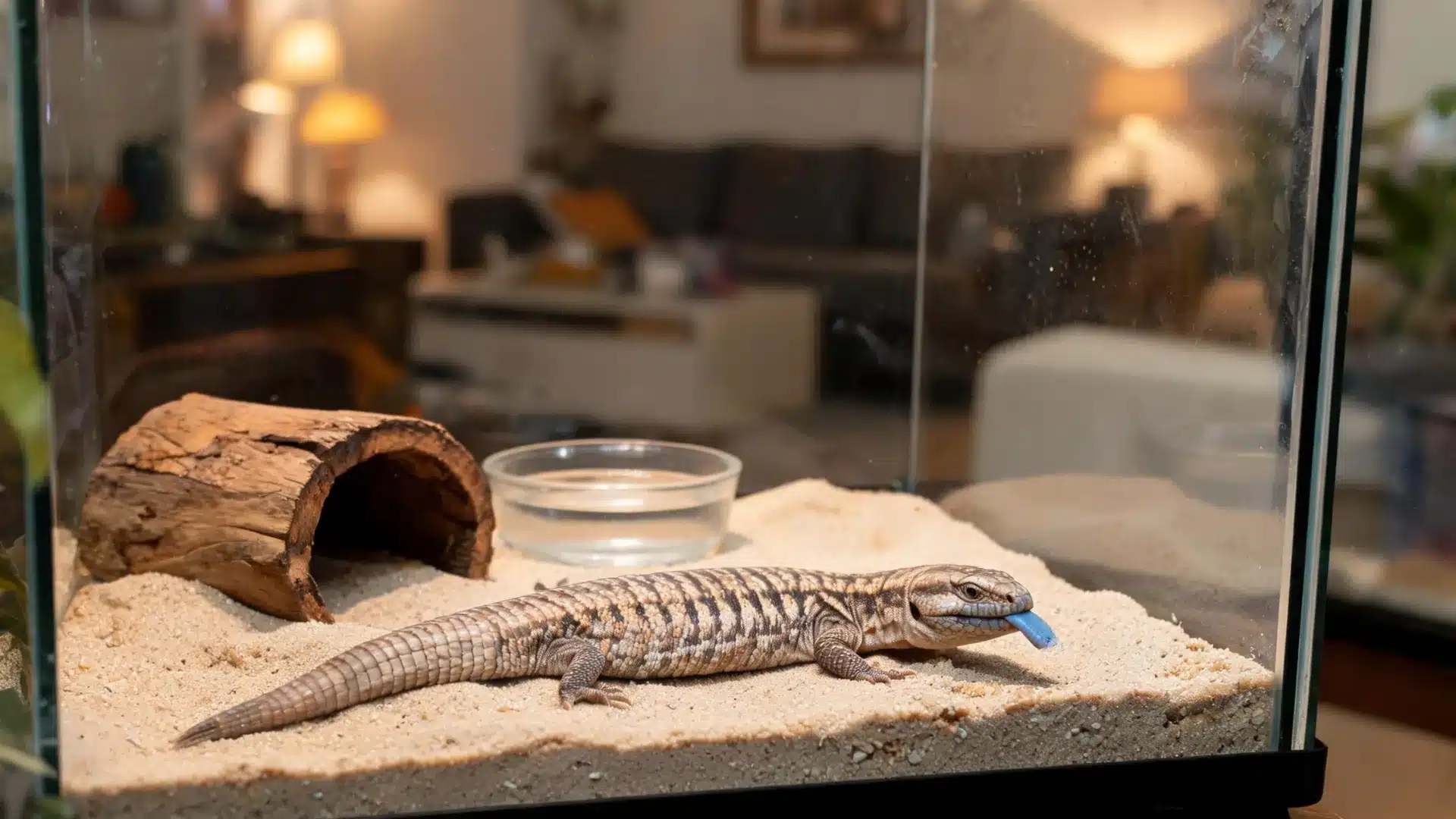
Blue-tongued skinks are large Australian lizards known for their calm temperament and distinctive blue tongue display.
They need a spacious enclosure with proper heating and moderate humidity, along with a varied omnivorous diet that is easier to manage than many reptiles.
Once acclimated, they usually tolerate handling well and can become interactive pets for intermediate reptile owners.
Why Owners Like Them:
- Larger and more substantial than most beginner reptiles
- An omnivorous diet that is easier to vary and balance
- Calm temperament with regular handling
- Impressive appearance with distinctive blue tongue display
17. Ferret
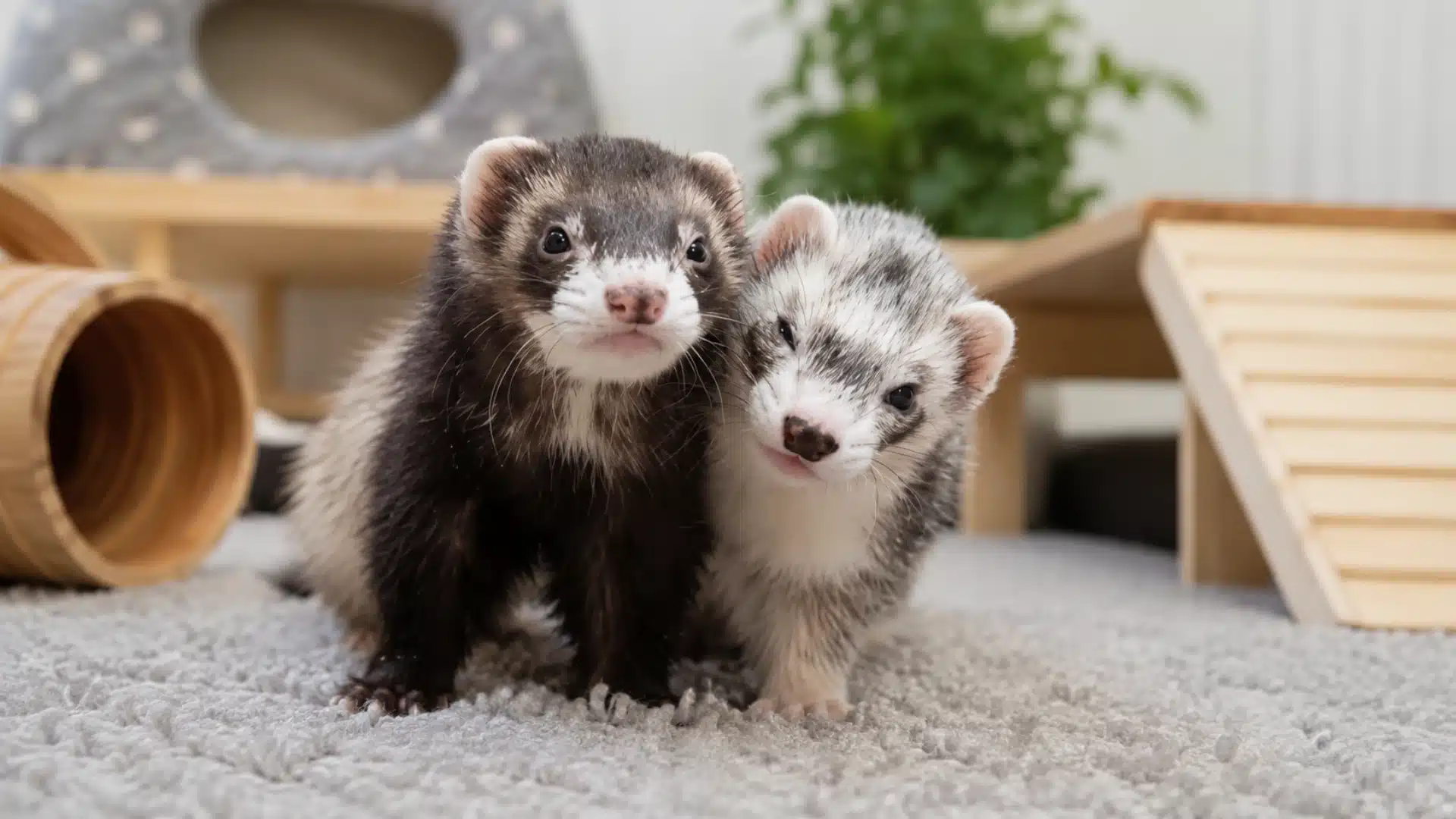
Ferrets are playful, social pets known for their energetic personalities and strong bonds with owners.
They need daily supervised playtime, secure enclosures, and regular exotic vet care due to common health issues. Many owners keep them in pairs since ferrets thrive with companionship.
Things to Know Before Owning One:
- Highly social and playful with a strong personality
- Best kept in pairs for behavioral wellbeing
- Prone to specific health conditions requiring exotic vet care
- Musky odor requires regular cleaning and ventilation
18. Green Tree Frog
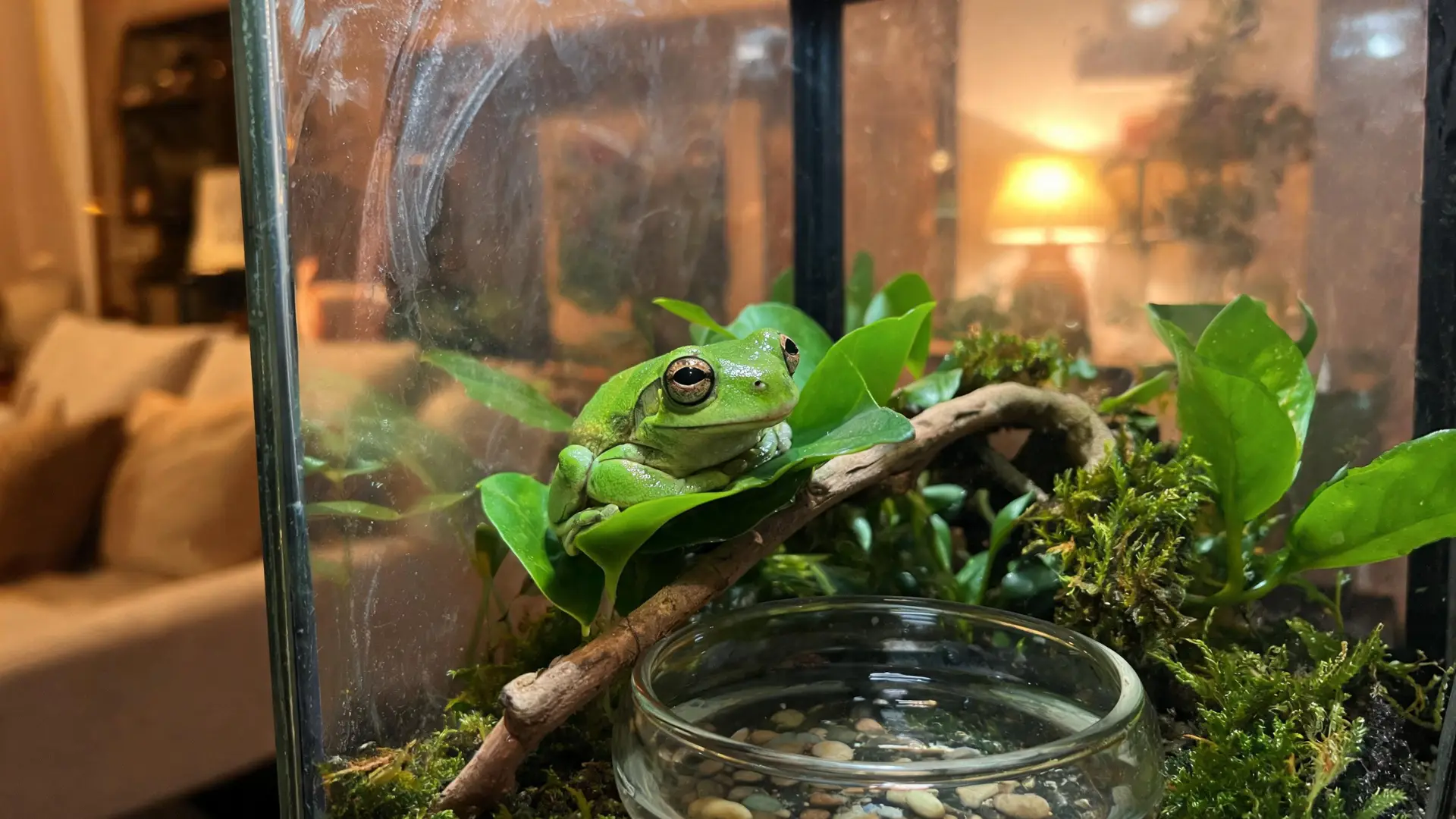
Green tree frogs are beginner-friendly amphibians that do well in humid terrariums with climbing space and live insects for food.
They are low-maintenance, entertaining to observe, and ideal for owners who enjoy creating naturalistic habitats rather than handling pets frequently.
Why Beginners Like Them:
- Low-cost and beginner accessible care requirements
- Creates a beautiful bioactive display terrarium
- Hardy native species adaptable to a range of conditions
- Minimal handling required, ideal for observational keepers
19. Corn Snake
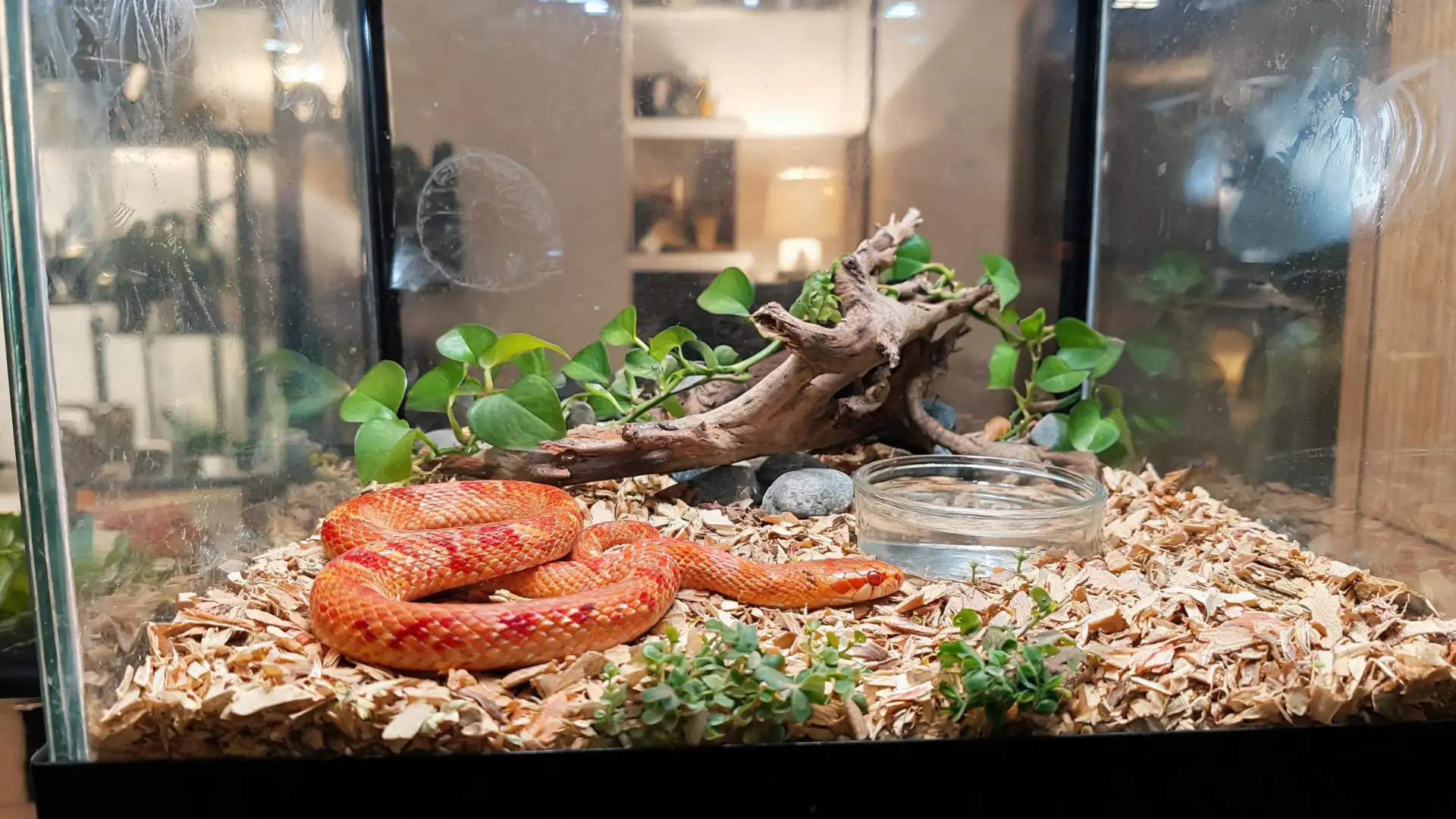
Corn snakes are calm, easy-to-handle snakes that are often recommended for first-time reptile owners.
They need a simple heated enclosure and regular feeding, while their manageable size and docile nature make them one of the easiest pet snakes to care for.
Why Corn Snakes Are Popular:
- Docile and easy to handle from a young age
- Legal in all 50 U.S. states
- Simple care requirements suitable for beginners
- Beautiful natural coloring with many captive morphs available
20. Kinkajou
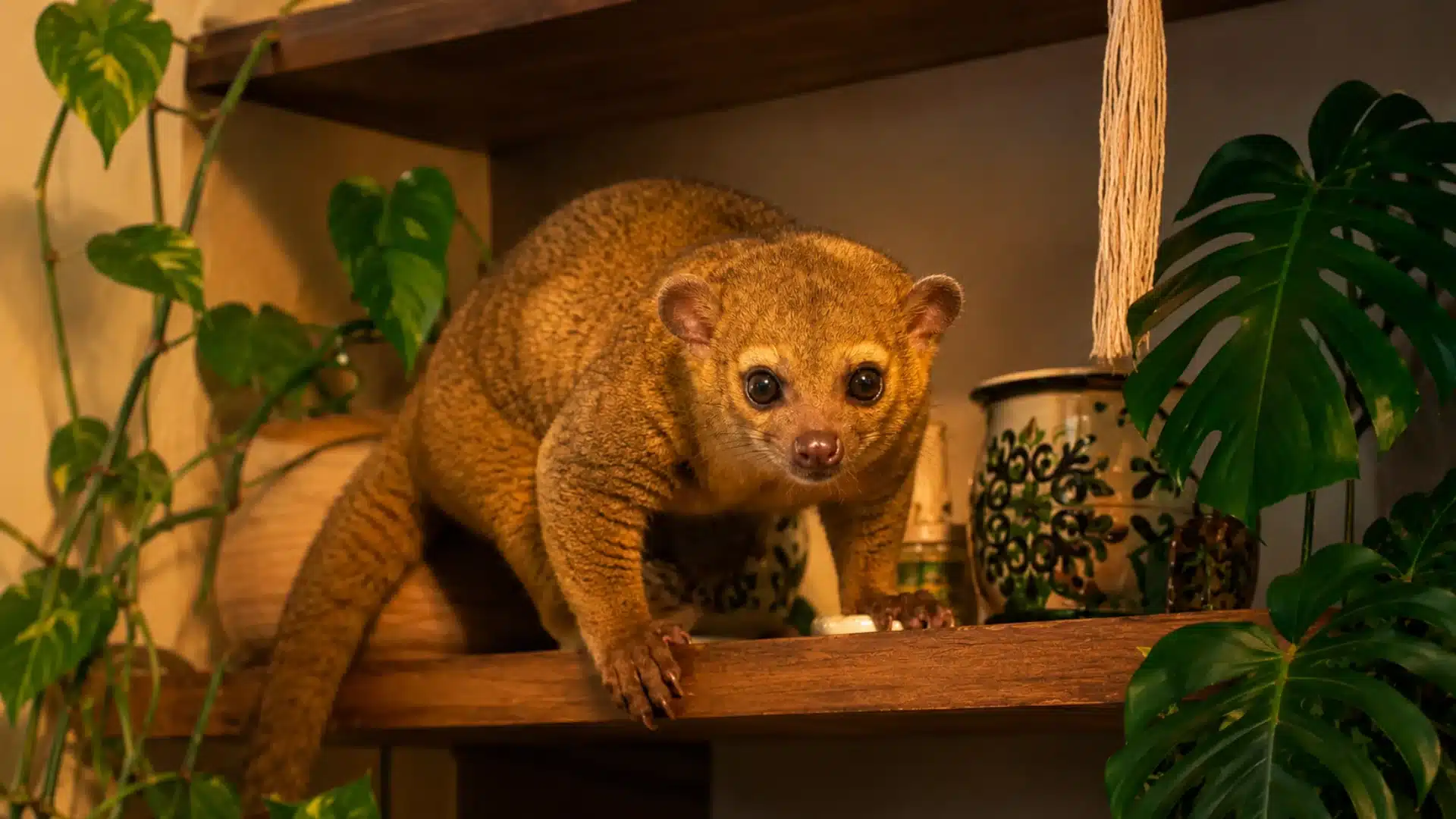
Kinkajous are nocturnal exotic mammals known for their playful behavior and strong climbing ability.
They need large enriched enclosures, specialized diets, and experienced handling, as they can become unpredictable or aggressive when stressed.
Due to legal restrictions and demanding care, they are considered advanced exotic pets.
Important Things to Consider:
- Engaging a nocturnal personality with strong bonding potential
- Legal in select U.S. states with proper documentation
- Requires a large climbing enclosure and an enriched diet
- Can be unpredictable, recommended for experienced owners only
21. Flemish Giant Rabbit
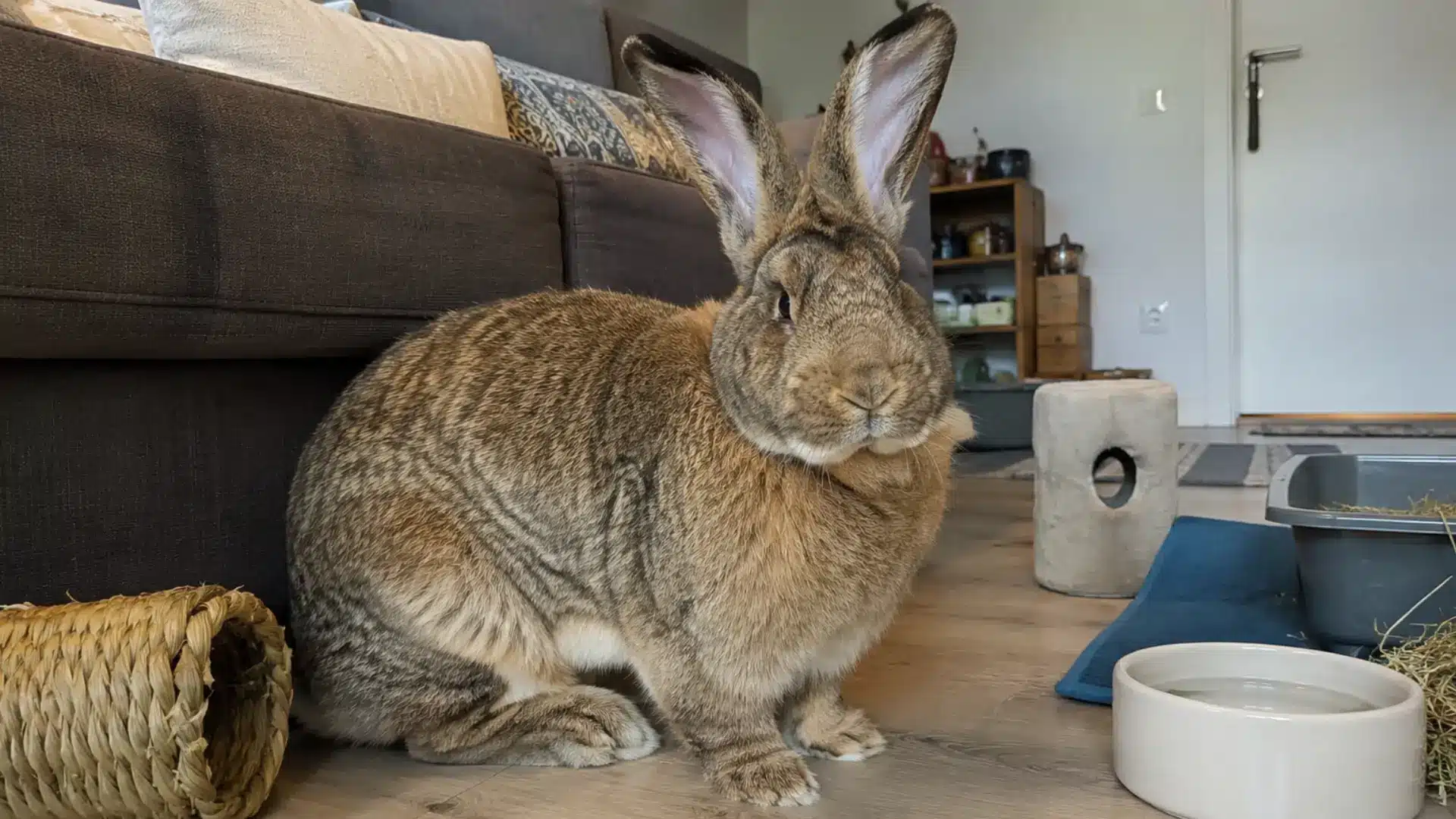
Flemish giant rabbits are massive, calm rabbits known for their gentle personalities and strong social bonds with owners.
They need far more space than standard rabbits, along with a hay-based diet and regular exercise time.
Their relaxed temperament makes them popular for families wanting a quiet companion animal.
Why Owners Love Them:
- Gentle giant temperament, calm and social
- Can free roam in a rabbit-proofed space like a dog
- No exotic vet required, standard rabbit vets work
22. Crested Gecko
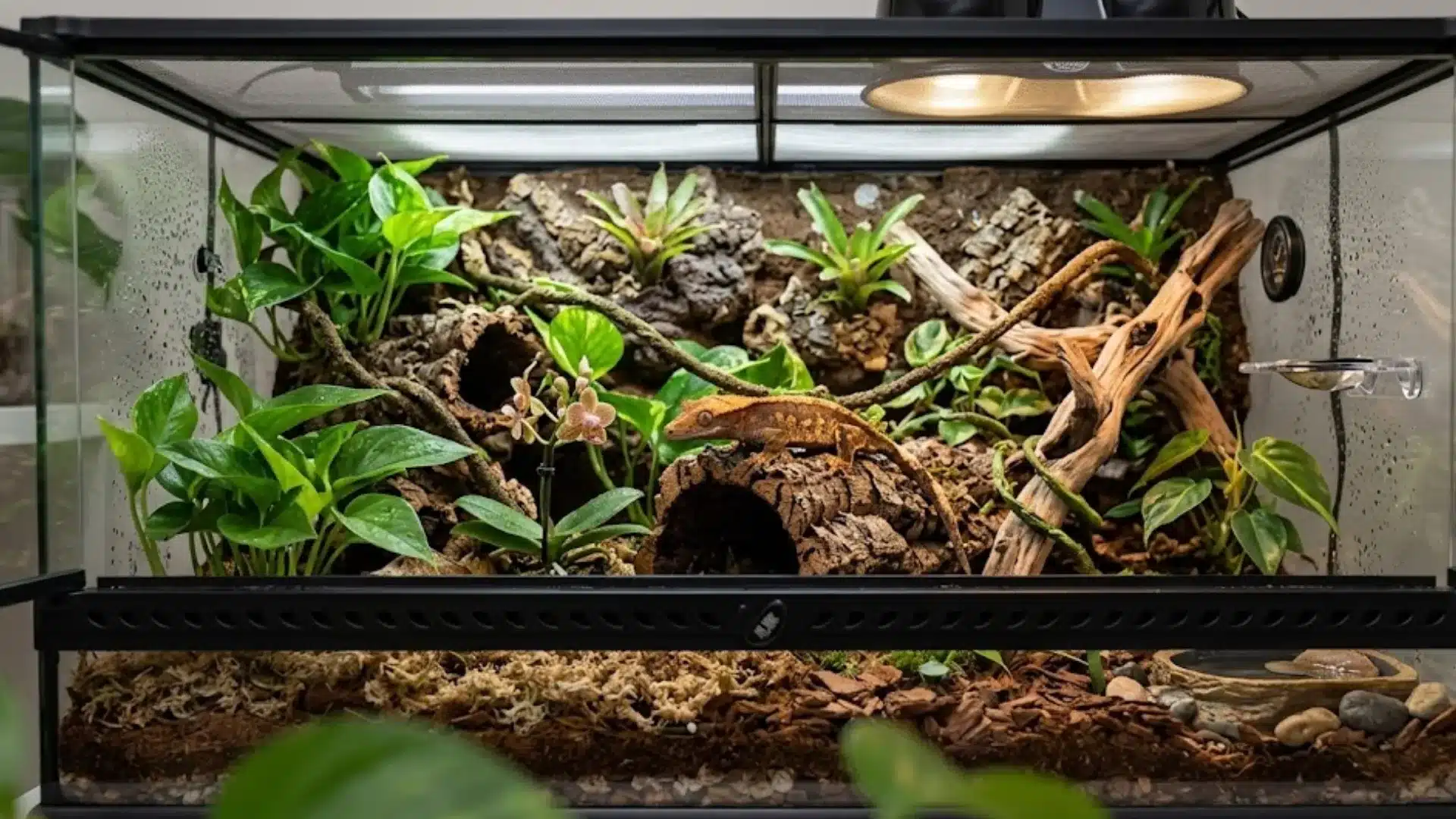
Crested geckos are hardy beginner reptiles that thrive in tall, planted enclosures with moderate humidity.
Their powdered diet simplifies feeding, and most adapt well to normal room temperatures, making them one of the easiest reptiles for new keepers.
Why They Are Beginner Friendly:
- No supplemental heating required in most U.S. homes
- Commercial powdered diet simplifies feeding
- Hardy and forgiving, excellent for beginner reptile keepers
23. Patagonian Mara
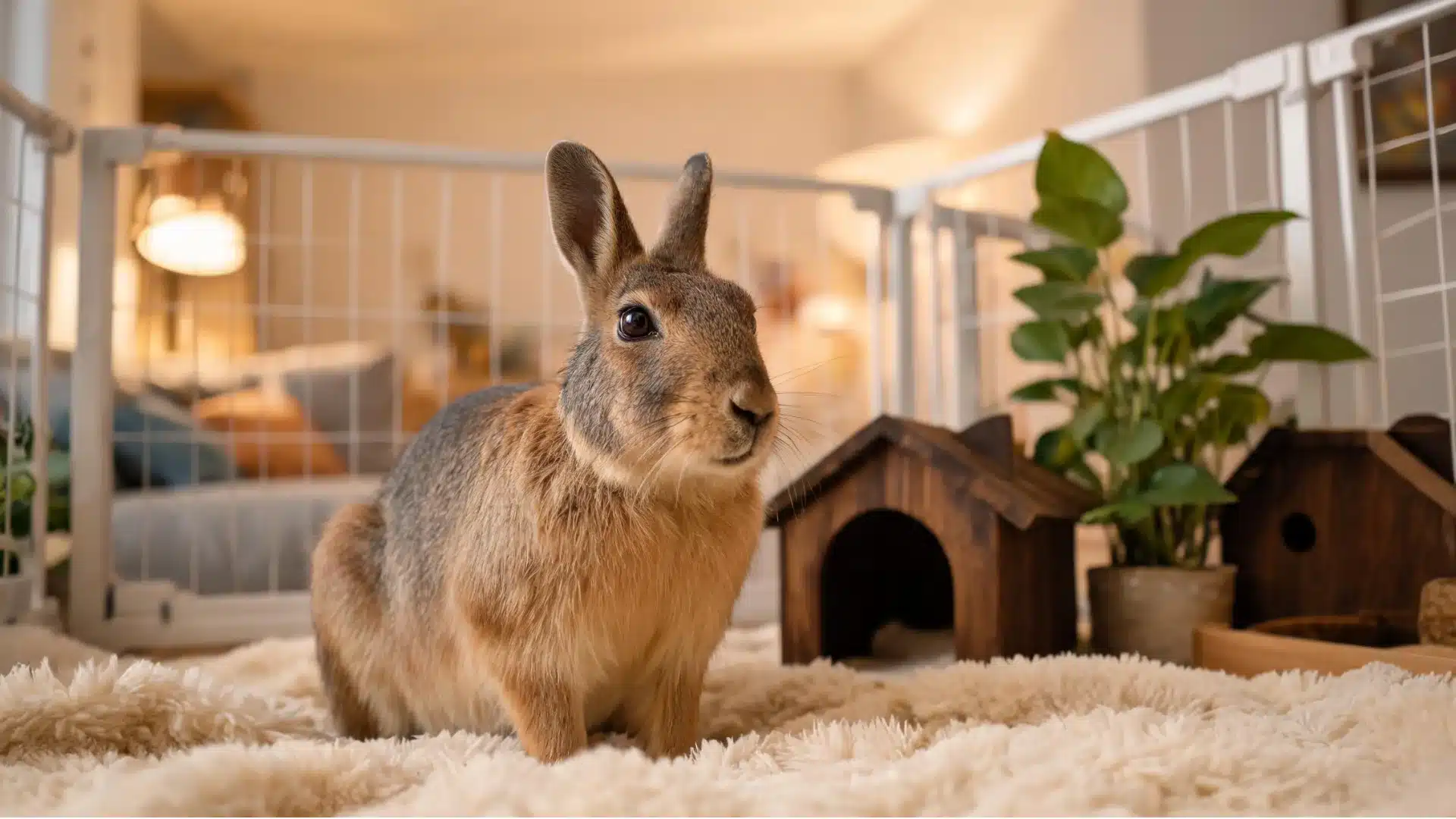
Patagonian maras are unusually large rodents known for their deer-like movement and affectionate behavior when socialized as young.
They need secure outdoor space to run and graze, making them best suited for owners with large yards or outdoor enclosures.
Important Things to Know:
- Unique deer-like appearance and movement
- Can become affectionate and follow owners like a dog
- Needs substantial outdoor grazing space
24. Red Eared Slider Turtle
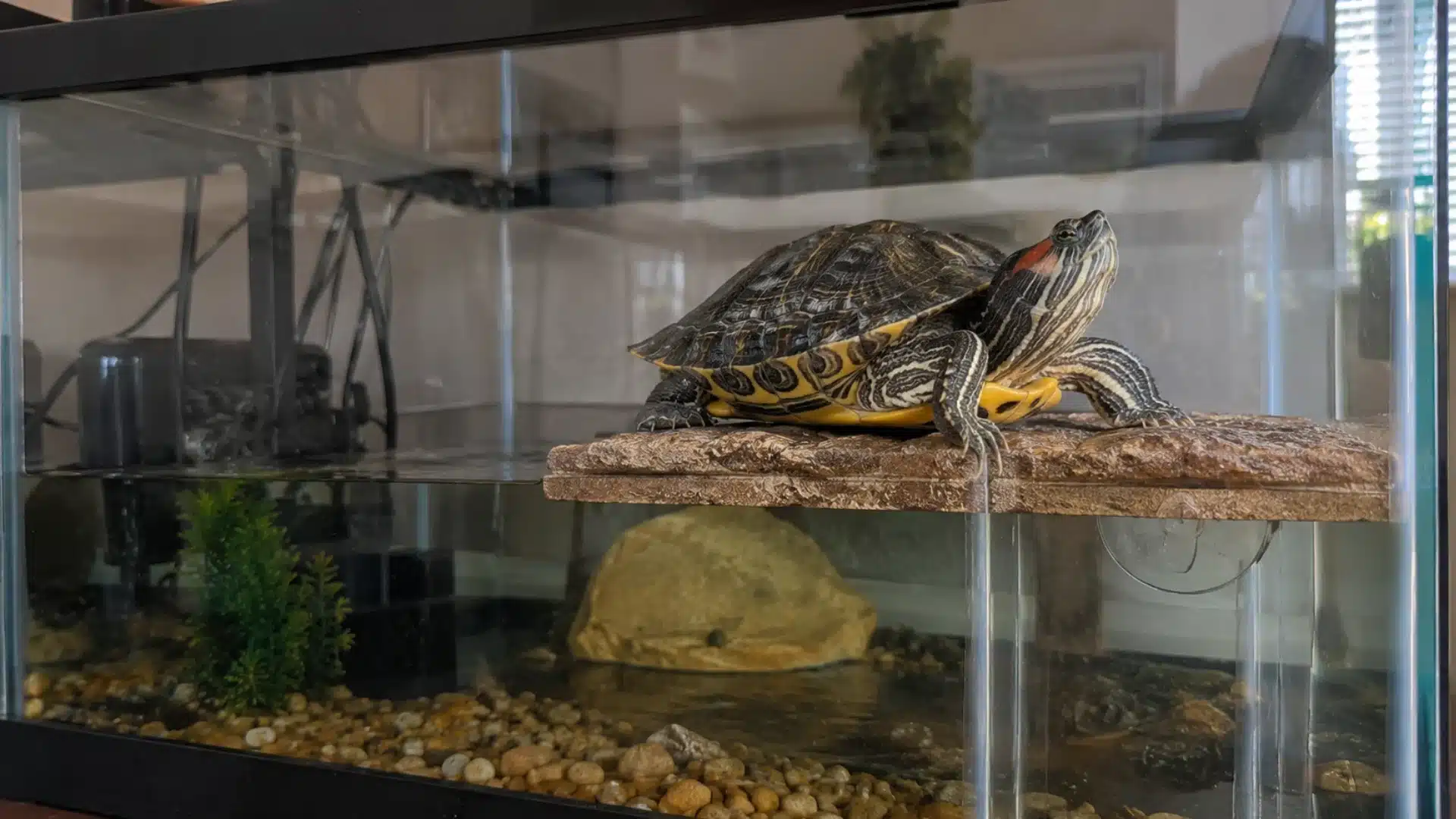
Red-eared sliders are popular aquatic turtles that need large filtered tanks, UVB lighting, and regular water maintenance as they grow.
Although commonly sold as small pets, they become long-lived adults that require significant long-term care.
Key Care Needs:
- Long-lived and visually engaging aquatic pet
- Grows larger than most buyers anticipate
- Requires significant filtration and regular water maintenance
- Can recognize owners and respond to feeding cues
25. Degu
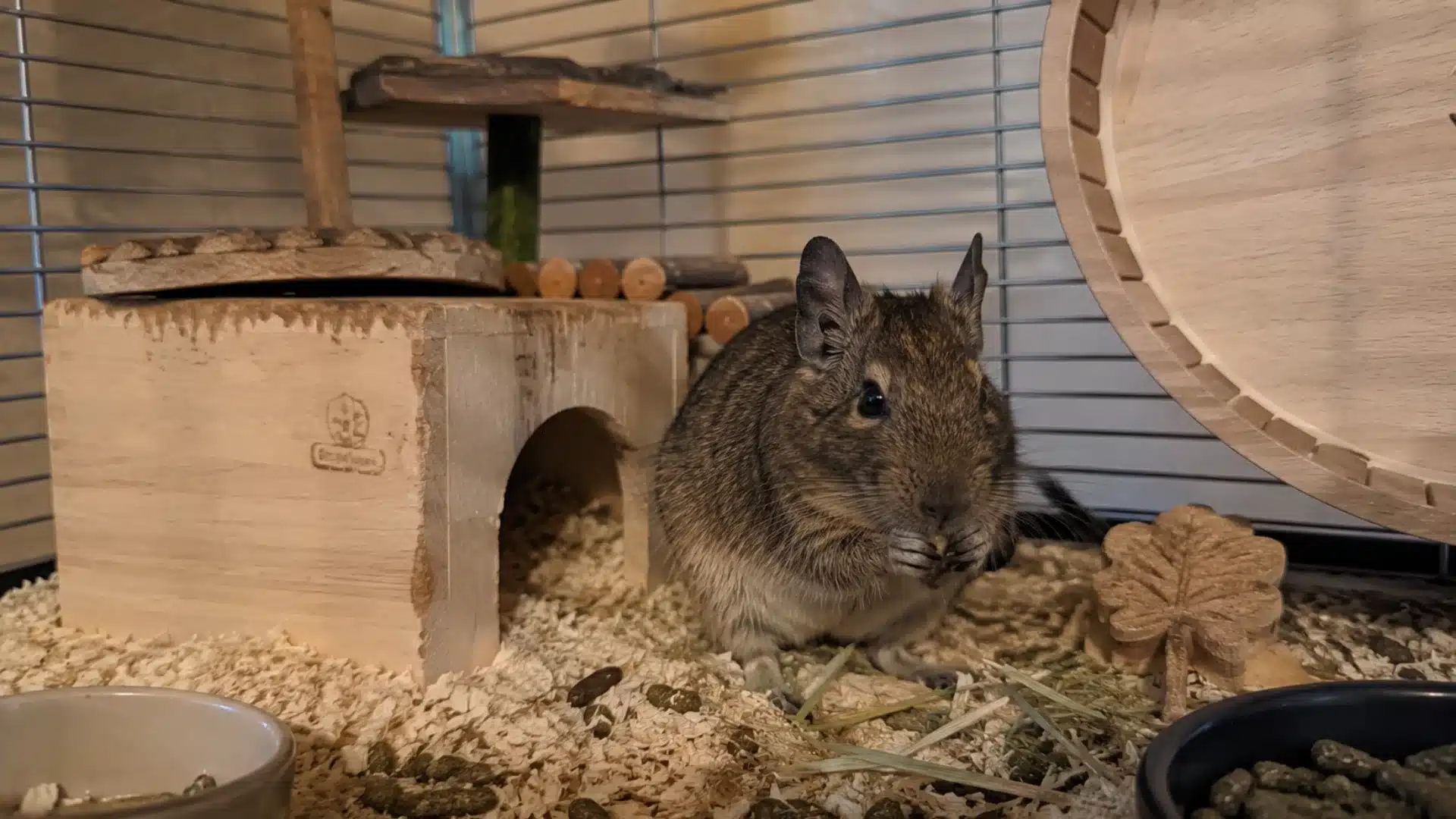
Degus are active social rodents that should always live in pairs or groups.
They are diurnal, meaning they stay active during the day, and they need a sugar-free diet along with climbing space and enrichment to stay healthy.
Why Owners Enjoy Them:
- Daytime activity makes them easy to interact with regularly
- Highly social, should always be kept in pairs or groups
- A strictly sugar-free diet is required to prevent diabetes
26. Argentine Black and White Tegu
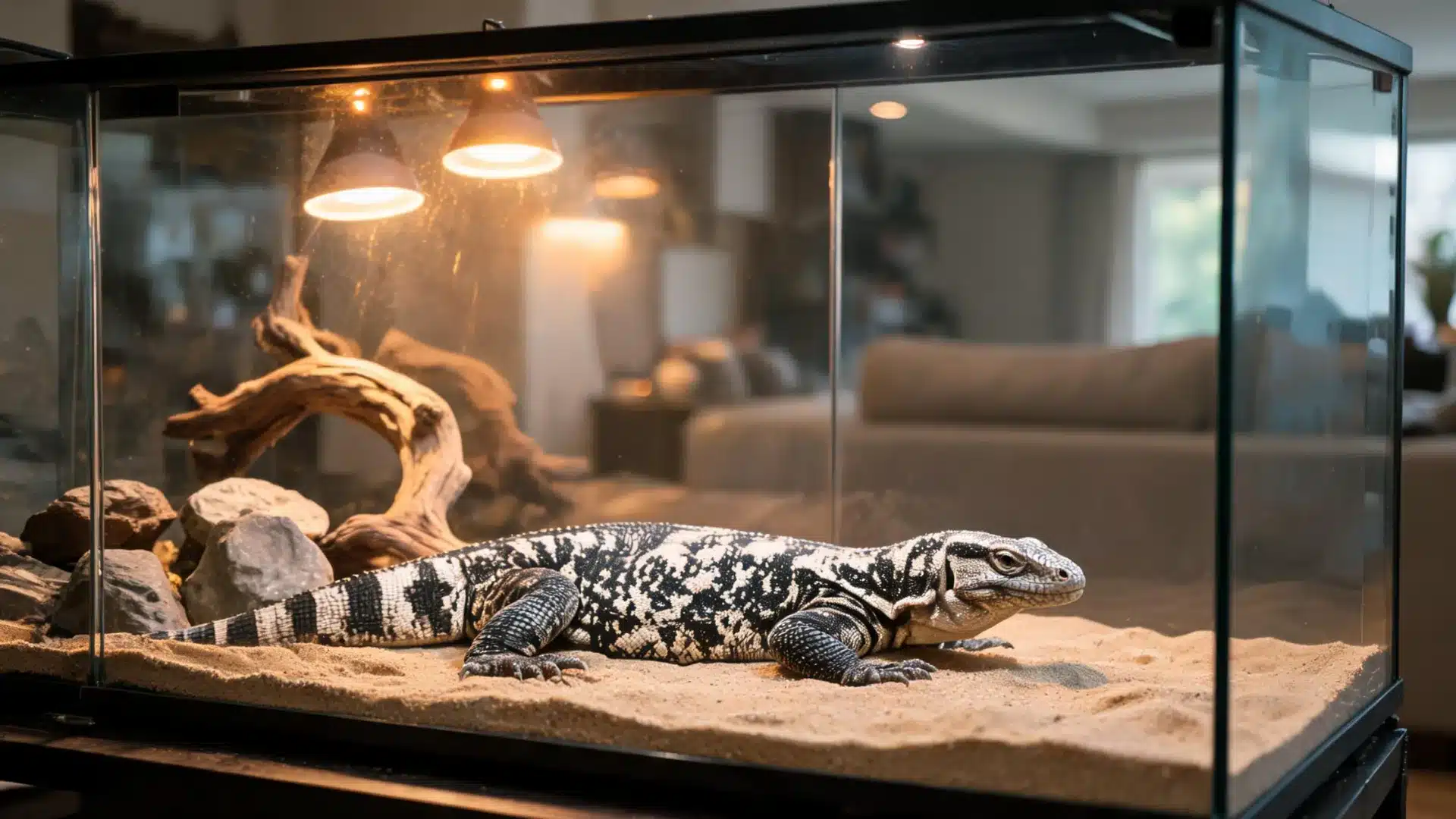
Argentine tegus are large, intelligent lizards known for becoming unusually tame and interactive with regular handling.
They need custom enclosures, varied diets, and strong heating setups, making them better suited for experienced reptile keepers.
What Makes Them Unique:
- One of the most handleable and personable large lizards
- Dog-like curiosity and engagement with owners
- Requires a large custom enclosure as an adult
- Banned in Florida and potentially other southeastern states
27. Scarlet Macaw
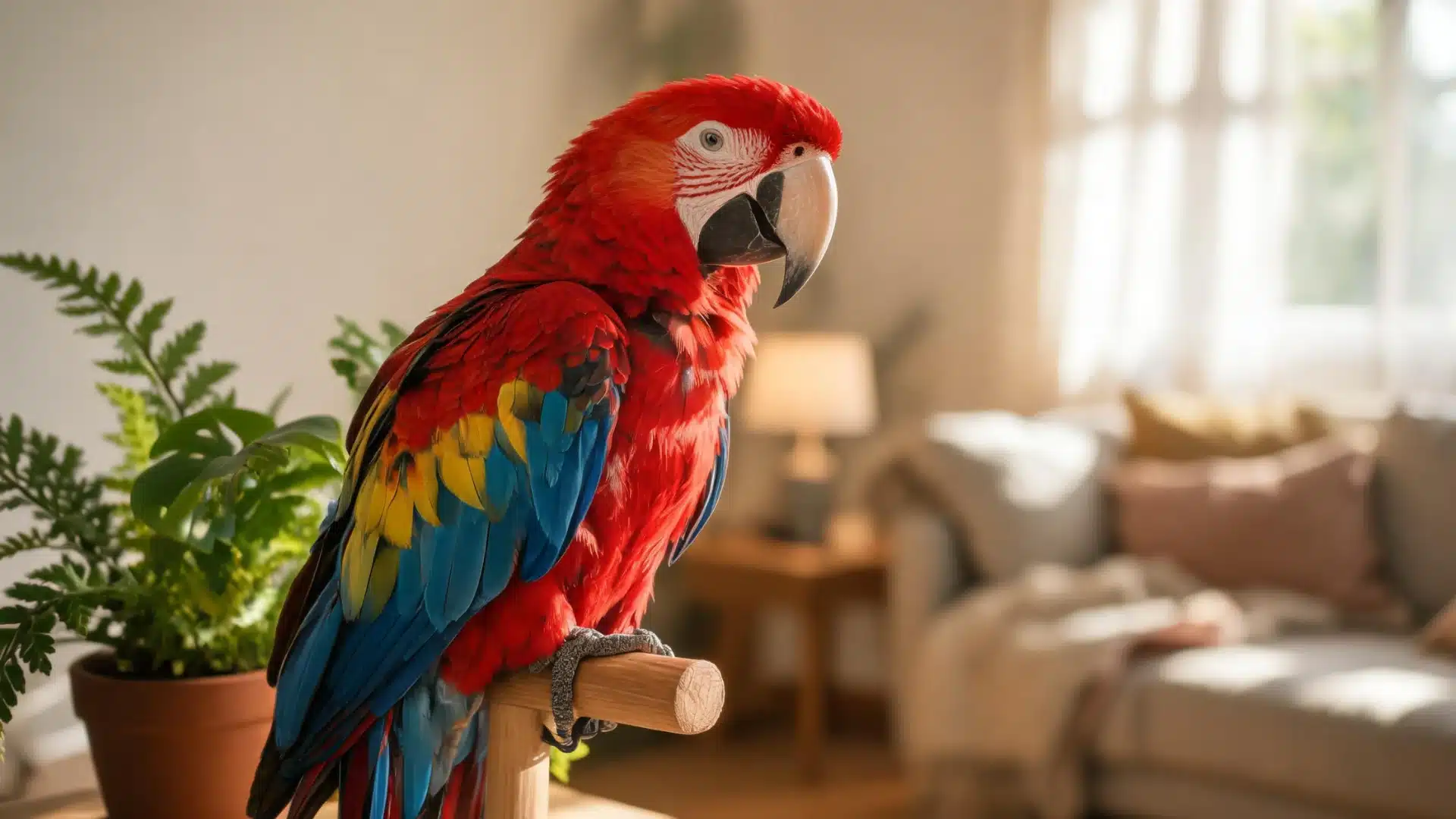
Scarlet macaws are highly intelligent parrots known for their vivid colors and strong personalities.
They require daily interaction, large living spaces, and constant mental stimulation, making them a serious long-term commitment.
Important Considerations:
- Extremely loud, not suitable for apartments or close neighbors
- A lifespan of 40 to 50 years requires estate planning
- Needs five to six hours of daily out-of-cage interaction
28. Pacman Frog
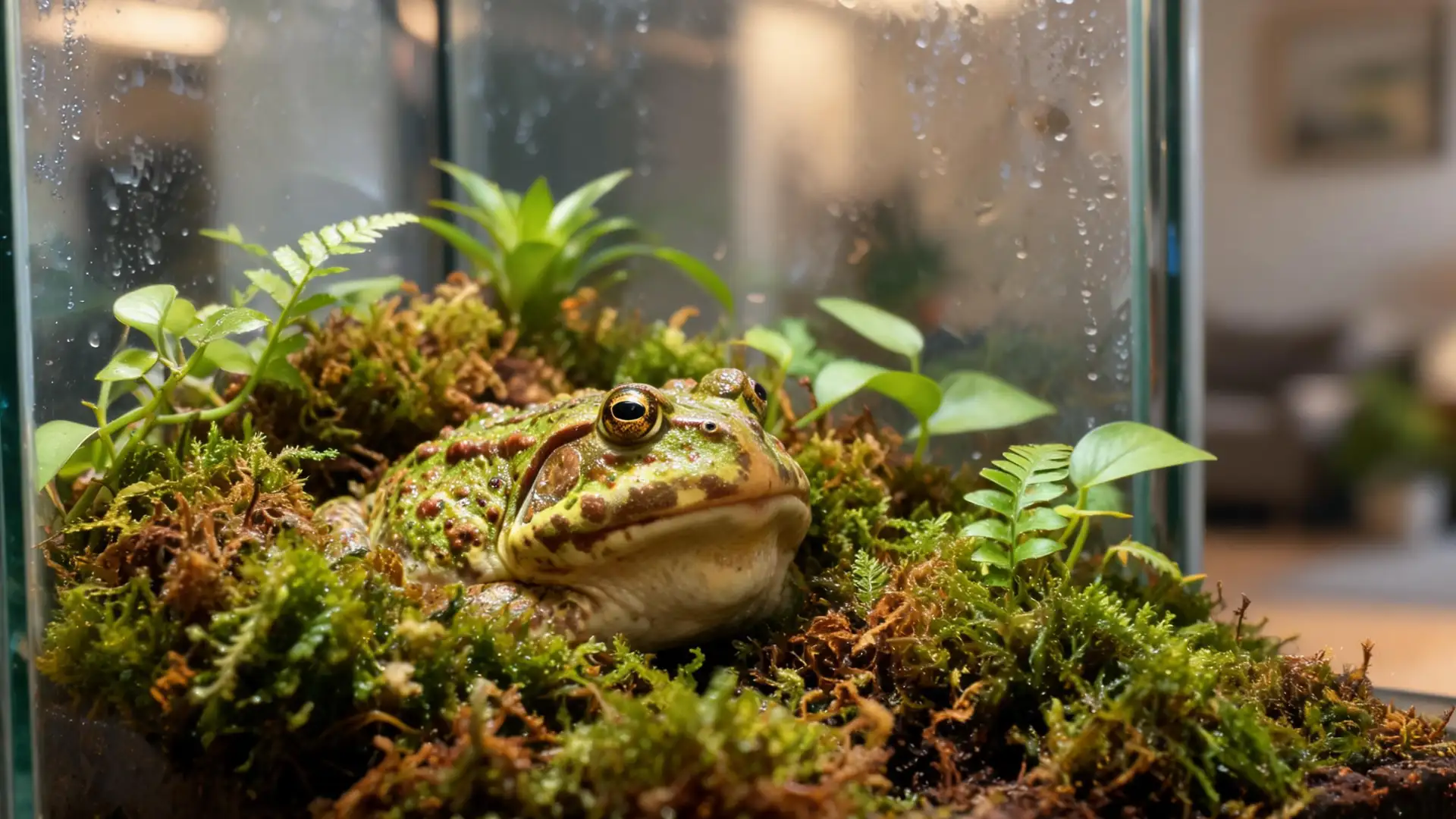
Pacman frogs are low-maintenance amphibians known for their round bodies and ambush hunting behavior.
They spend most of their time buried in substrate and need warm, humid enclosures with occasional insect feeding.
Why Beginners Like Them:
- Very low activity level, genuinely easy to maintain
- Impressive appearance and natural ambush behavior
- Inexpensive setup and low ongoing monthly cost
- Legal in all U.S. states, no permits required
29. Emperor Scorpion
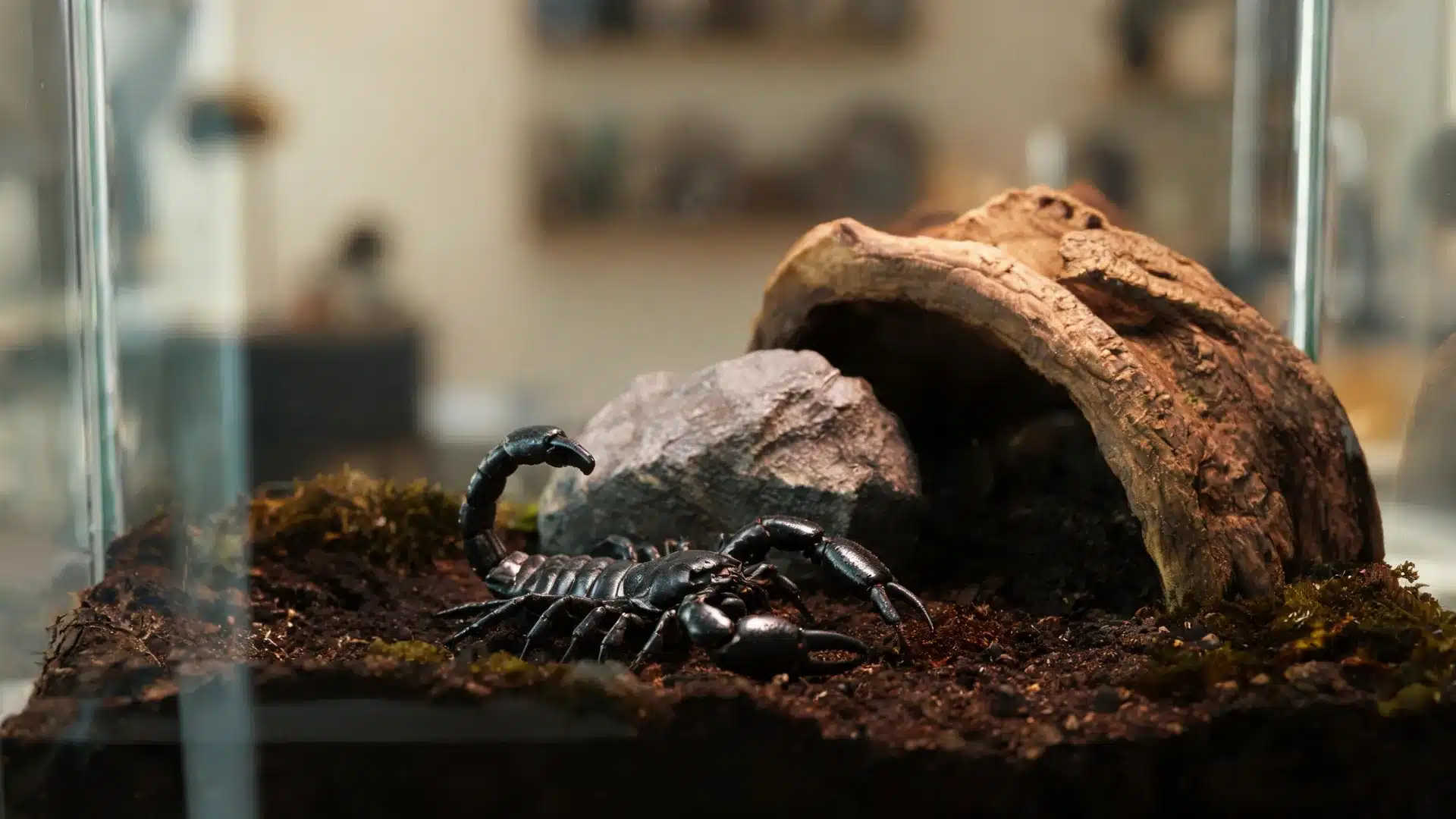
Emperor scorpions are beginner friendly invertebrates known for their large size, calm behavior, and relatively mild venom compared to other scorpion species.
They thrive in warm, humid enclosures and require very little daily maintenance, which makes them popular among first time exotic pet owners.
Since they prefer minimal handling and simple feeding schedules, they work well as low maintenance display pets for smaller living spaces.
Why Some Owners Choose Them:
- Impressive size with surprisingly mild venom
- Very low cost to purchase and maintain
- Minimal feeding and handling requirements
30. Wallaby
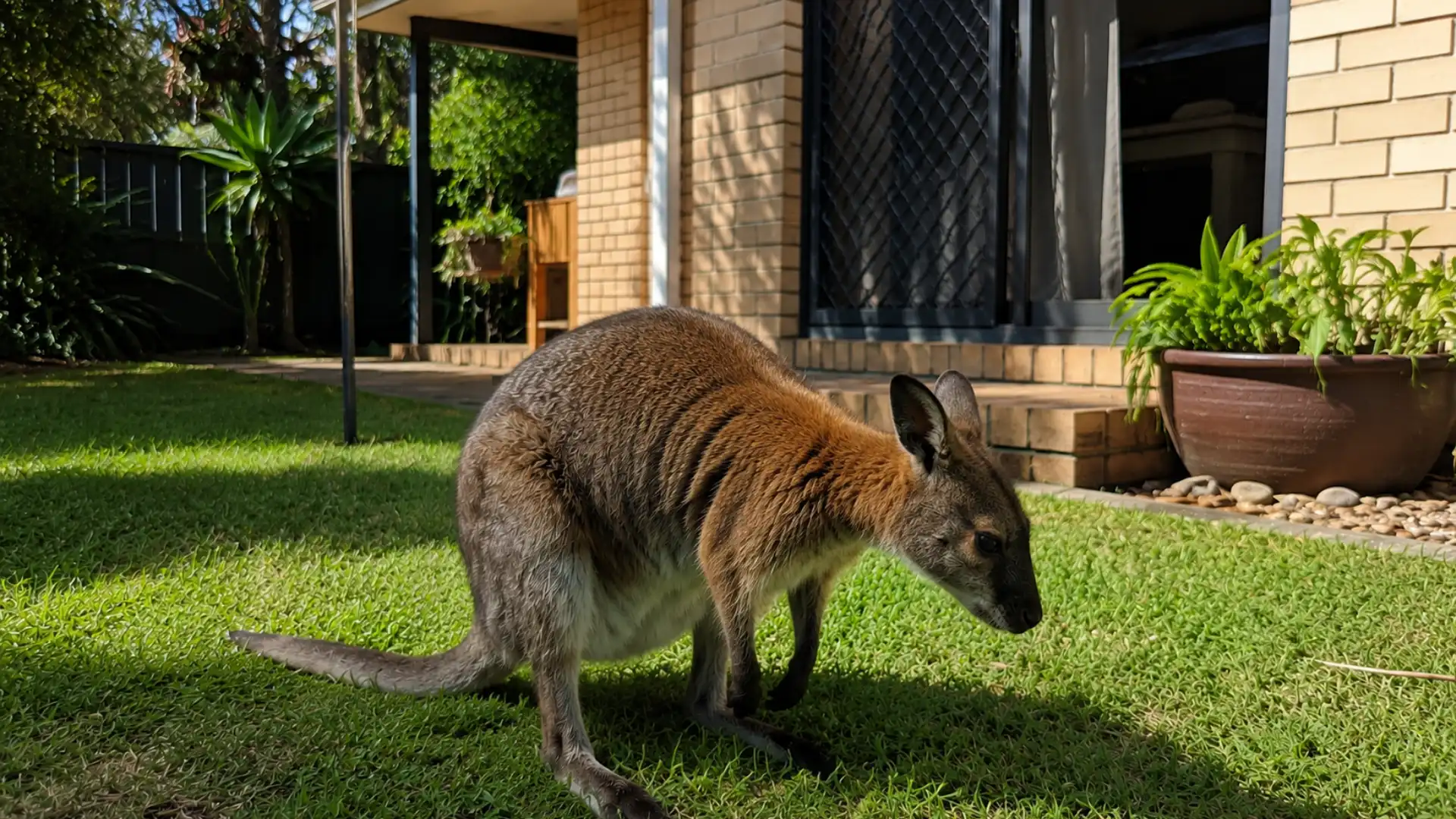
Wallabies are kangaroo relatives that need large, secure outdoor spaces and experienced handling.
Bottle-raised individuals can become affectionate, but they still require plenty of grazing room and specialized care.
Things to Consider Before Owning One:
- Bottle-raised individuals can become deeply social with owners
- Requires a secure outdoor grazing space
- Powerful adults require experienced handling if not socialized young
31. Hissing Cockroach
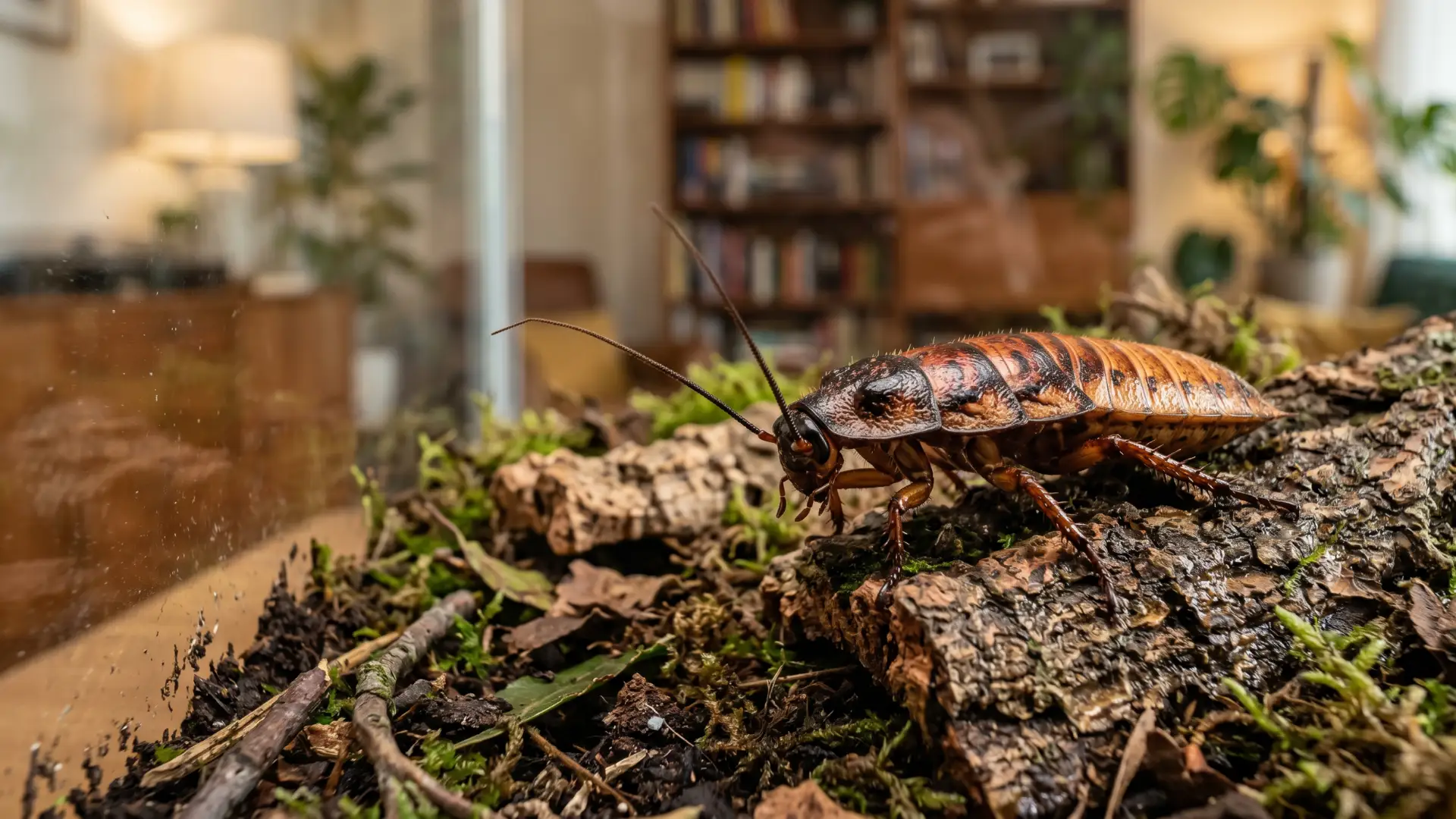
Madagascar hissing cockroaches are low maintenance insects recognized for their unusual hissing sound and simple care requirements.
They are easy to keep in secure enclosures and do well at normal room temperature without advanced equipment.
Their calm nature and large size make them interesting pets for beginners who want something different but easy to manage.
Why They Stand Out:
- Lowest cost exotic pet available, legal in most states
- No special heating or lighting needed at room temperature
- Fascinating natural behavior and impressive size for an insect
32. Boa Constrictor
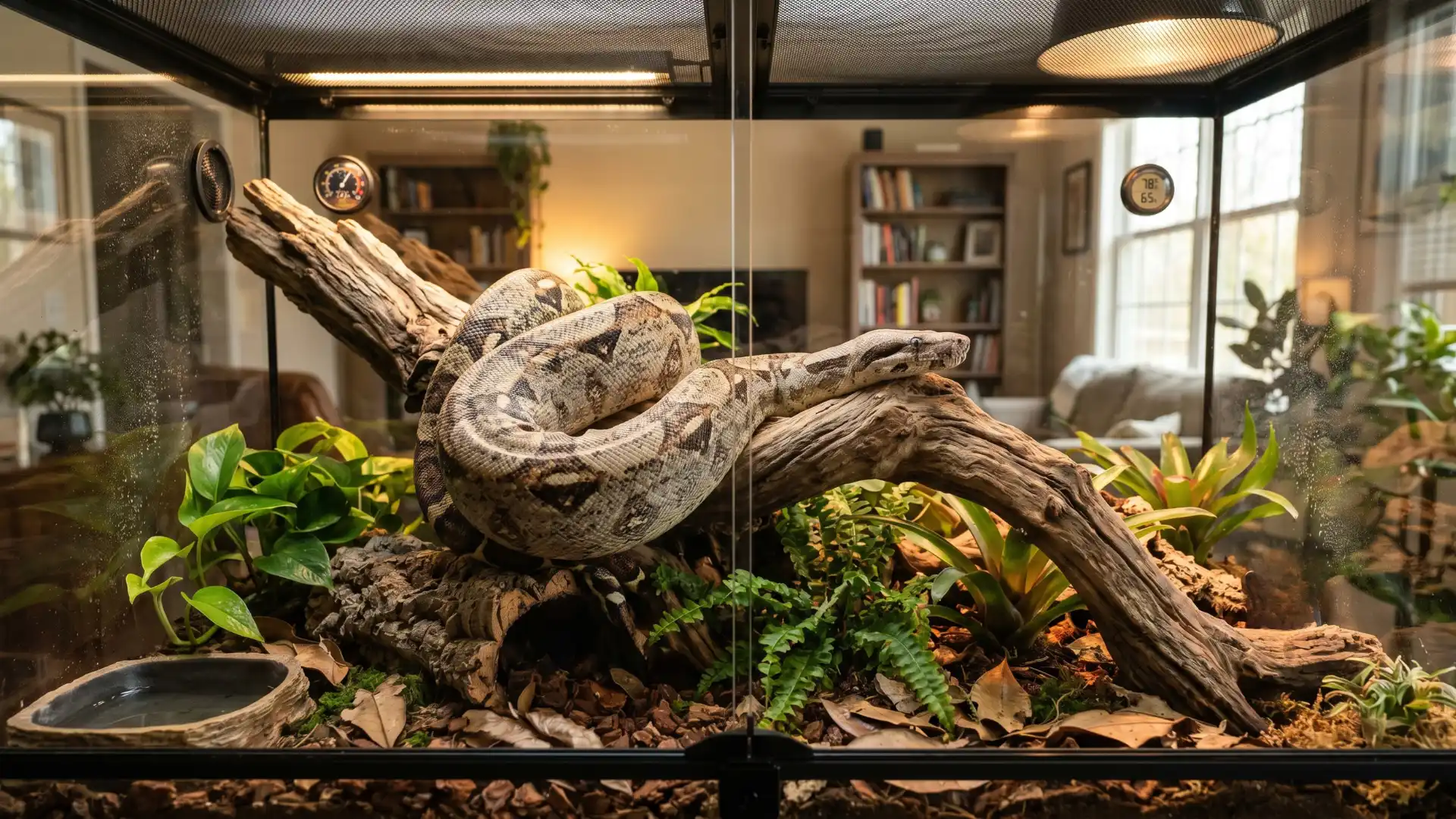
Boa constrictors are large, calm snakes commonly chosen by reptile keepers who already have some experience with beginner snake species.
They require secure and spacious enclosures with proper humidity and temperature control to stay healthy.
Unlike smaller snakes, boas need more room and stronger habitat setups, but their calm temperament makes handling easier once trust is established.
Why Experienced Keepers Like Them:
- Infrequent feeding schedule, low food cost for their size
- Excellent intermediate species between ball pythons and large boas
- Lifespan exceeds 25 to 30 years with proper care
33. Spotted Genet
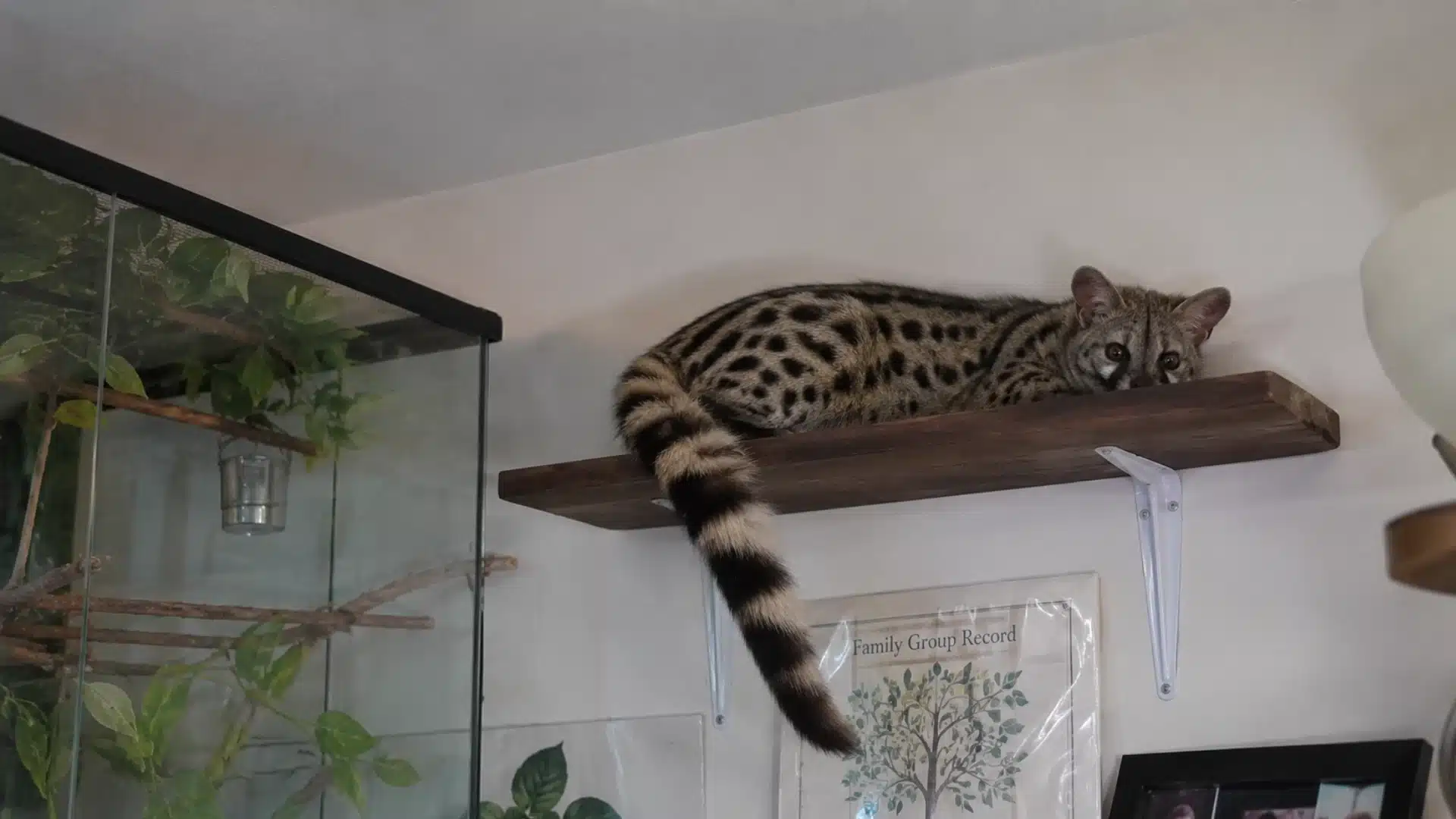
Spotted genets are semi wild carnivorous mammals known for their slender bodies, spotted coats, and excellent climbing ability.
They are highly active animals with strong hunting instincts, which makes them very different from traditional household pets.
These animals require large enriched enclosures, patient socialization, and specialized diets that often include raw food.
Important Things to Know:
- Unusual and striking appearance with natural elegance
- Ancient history as semi-domesticated European household animals
- Requires an experienced exotic pet owner with patience for socialization
34. Savannah Monitor
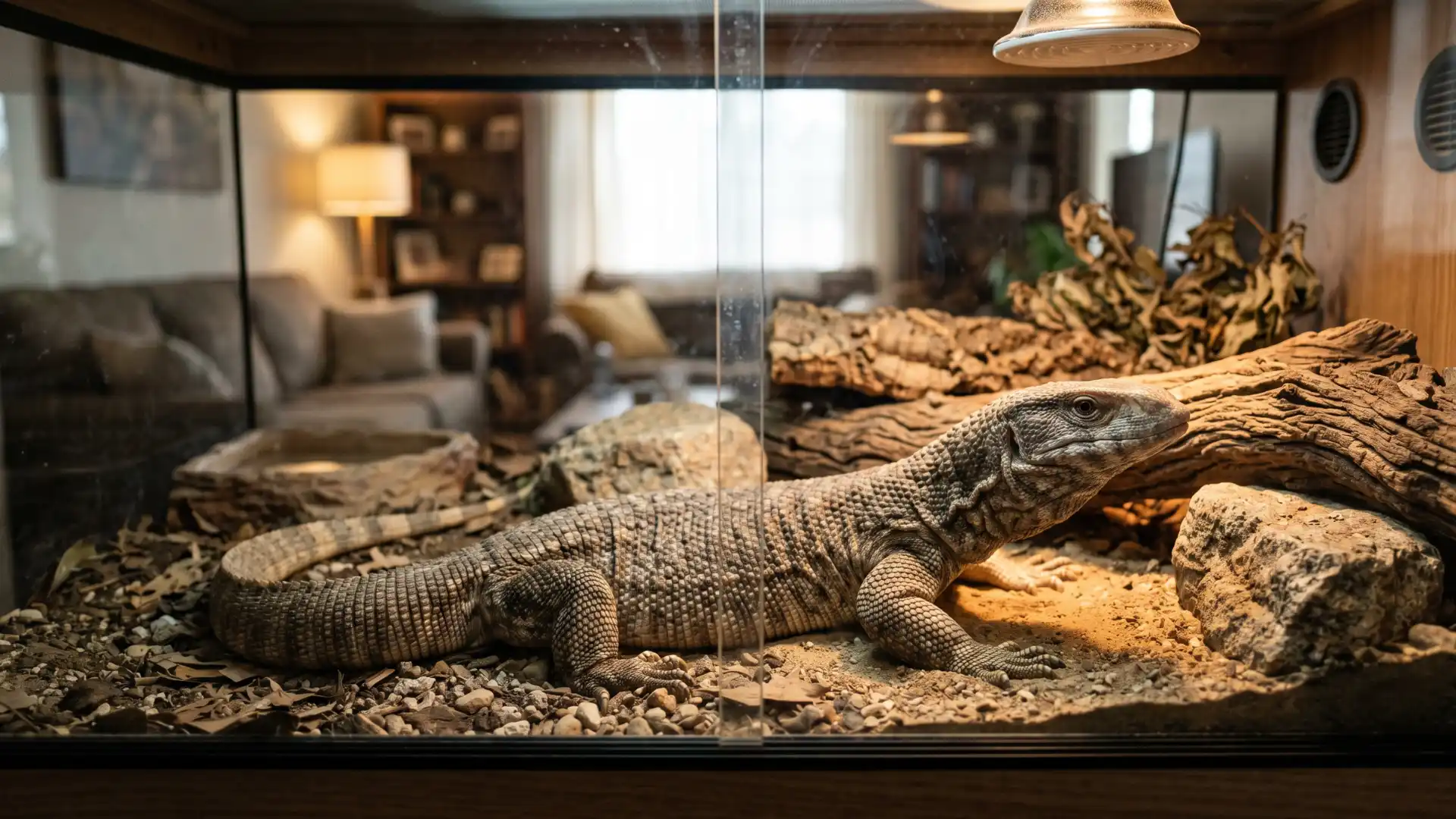
Savannah monitors are large and powerful lizards known for their intelligence, strength, and active behavior.
They require deep substrate for digging, very high basking temperatures, and large custom built enclosures to stay healthy.
These monitors can become interactive and responsive with regular handling and proper socialization, but their care demands are much higher than beginner reptiles.
Key Challenges:
- Impressive size and interactive behavior when well socialized
- Requires a substantial custom enclosure as an adult
- Best suited to experienced reptile keepers
35. Black-Throated Monitor
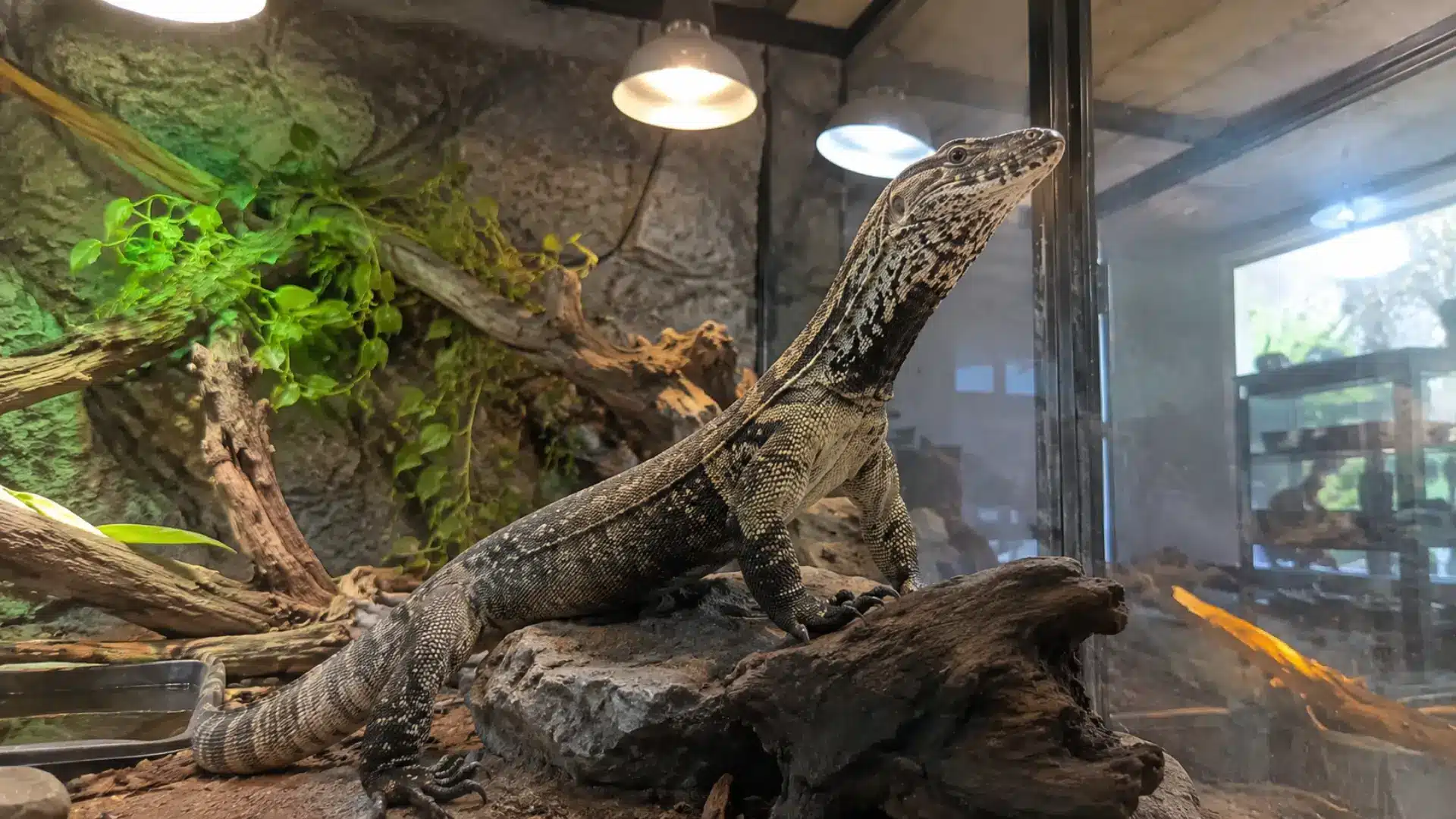
Black-throated monitors are giant, intelligent lizards that require massive custom enclosures and years of consistent handling.
They are considered advanced reptiles best suited for experienced monitor keepers with significant space and resources.
Why They Are Advanced Pets:
- Among the most personable and intelligent monitor lizards
- Requires the largest private enclosures in residential reptile keeping
- High purchase cost and extensive ongoing care investment
- For experienced monitor keepers only
36. Eclectus Parrot
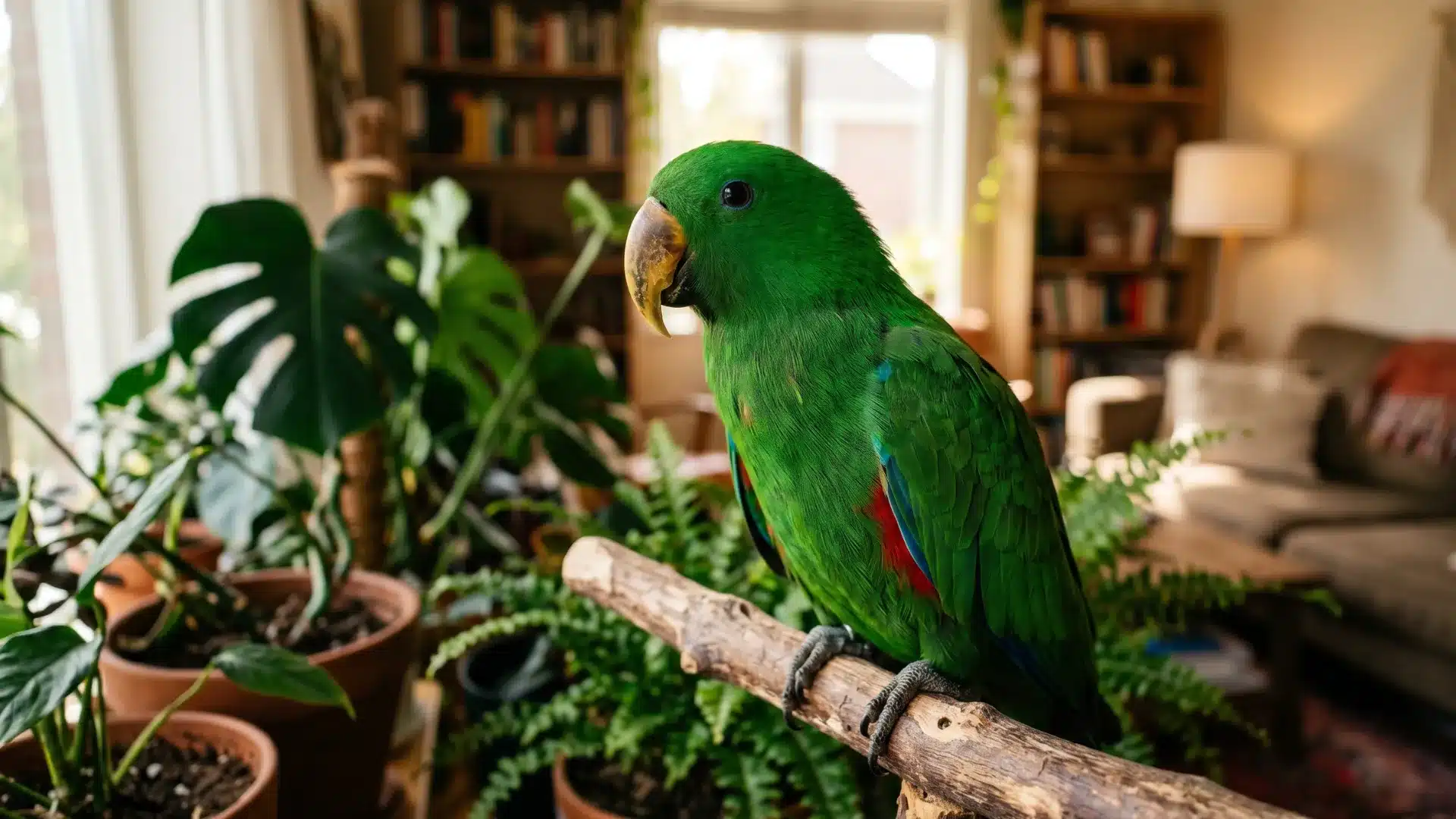
Eclectus parrots are striking companion birds known for their vibrant colors and calmer temperament compared to many large parrots.
They need fresh produce-based diets, daily interaction, and long-term care planning due to their lifespan.
What Makes Them Different:
- Visually stunning sexual dimorphism, unlike any other pet bird
- Calmer and quieter temperament than macaws or cockatoos
- Requires a fresh fruit and vegetable diet, sensitive to processed foods
- A 30 to 40 year lifespan requires long-term commitment planning
37. Short-Tailed Opossum
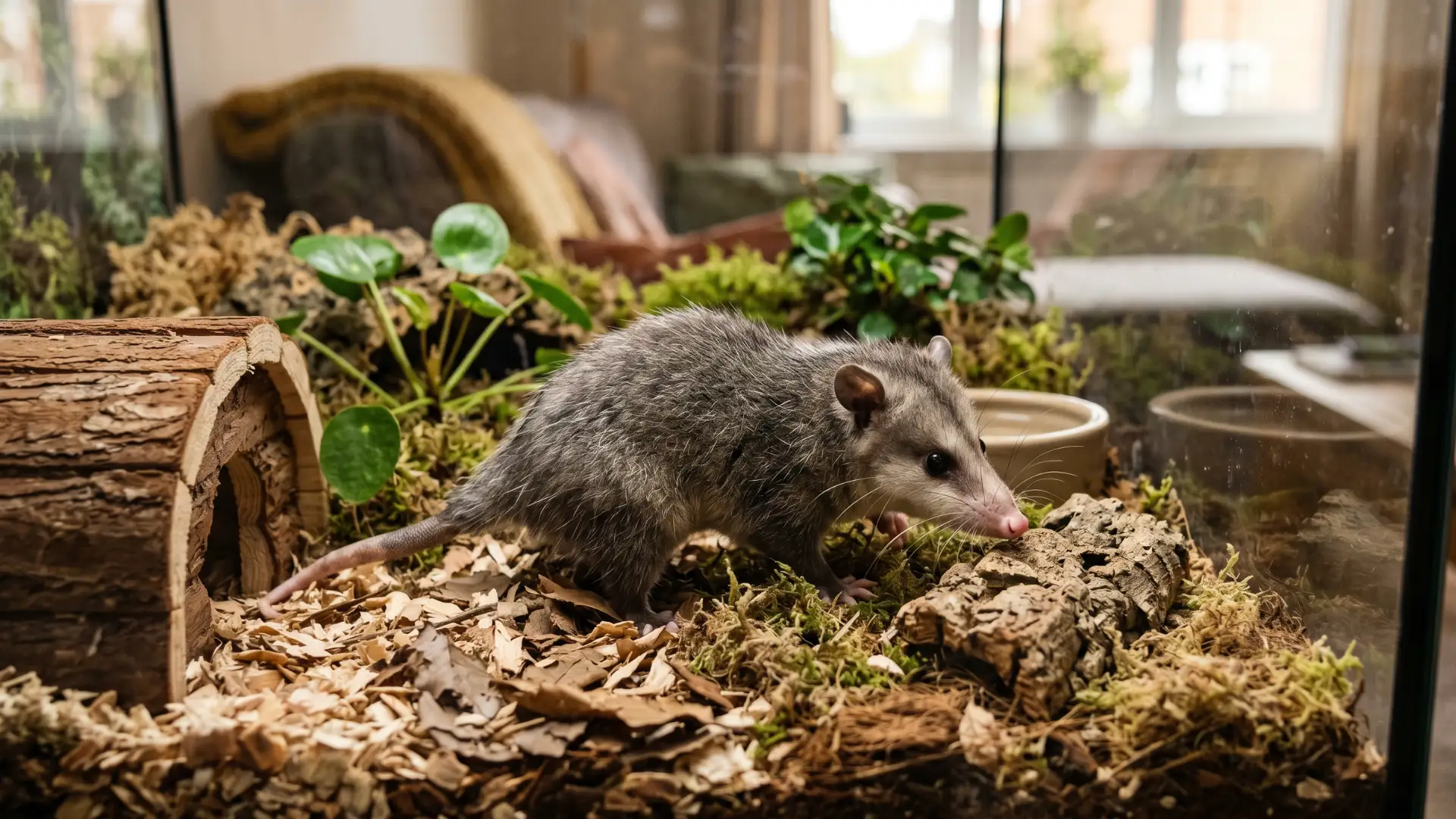
Short tailed opossums are tiny nocturnal marsupials that adapt well to compact enclosures and relatively simple care routines.
They are active mostly at night and enjoy exploring, climbing, and hiding within their habitat.
While they can tolerate gentle handling, they are usually better suited for observation rather than constant interaction.
Why Some Owners Prefer Them:
- Tiny size, at two to five ounces, makes housing simple
- Unique marsupial biology not seen in other pocket pets
- Shorter lifespan of three to four years suits some owners’ preferences
Real Experiences: What Owners Say About Exotic Pets

Reddit discussions about the best exotic pets often reveal a mix of excitement, challenges, and honest experiences from long-term owners.
Many people recommend reptiles like leopard geckos because they are quiet, low-maintenance, and easier to care for compared to larger exotic animals.
Others mention that animals such as ferrets, sugar gliders, and parrots can be rewarding companions but require far more attention, space, and daily interaction than most beginners expect.
Across many threads, the most repeated advice is to choose a species that matches your lifestyle, budget, available time, and experience level rather than following internet trends alone.
For more detailed guidance on specific species, exploring beginner reptile options can help match the right animal to your experience level.
Things to Consider Before Choosing Exotic Pets
Before choosing any exotic pet, understand that many require significantly more preparation than traditional pets. From my experience helping families, here are the non-negotiable factors:
- Legal requirements and ethical sourcing: Many exotic pets are restricted or banned in certain U.S. states, so always check state and local laws before buying. Choose captive-bred animals from USDA-licensed breeders and avoid pets taken from the wild.
- Space and habitat requirements: Exotic pets often need controlled temperature, humidity, lighting, and large enclosures to stay healthy. Species like reptiles and amphibians can quickly develop health issues if their habitat setup is incorrect.
- Daily care and feeding requirements: Care needs vary widely between species. Some pets need daily interaction and fresh diets, while others require minimal handling but specialized foods like insects, rodents, or supplements.
- Lifespan and long-term commitment: Many exotic pets live far longer than people expect. Some snakes can live 30 years, parrots over 50 years, and smaller mammals around 15 years, making them a major long-term responsibility.
- Veterinary access and medical costs: Exotic vets are harder to find, and treatments are often more expensive than standard pet care. Before getting an exotic pet, make sure a qualified veterinarian is available nearby for emergencies and routine care.
Conclusion
Exotic pet ownership works best when curiosity is balanced with preparation and realistic expectations.
Every species brings a completely different experience, from quiet observation pets to highly social animals that demand regular interaction and stimulation.
The most successful owners are usually the ones who spend time understanding behavior, daily routines, environmental needs, and long-term responsibilities before making a decision.
Rushing into ownership often creates avoidable stress for both the animal and the owner. Taking the time to compare different species carefully can make the entire experience far more rewarding.
Keep researching, ask questions, and choose an exotic pet that genuinely fits everyday life instead of a temporary interest.
Frequently Asked Questions
Can Exotic Pets Live with Traditional Pets Like Cats and Dogs?
In many cases, exotic pets should be kept separate from cats and dogs because stress, injury risks, and predatory instincts can create dangerous situations for smaller or sensitive species.
Which Exotic Pets are Best for Apartment Living?
Smaller and quieter animals like leopard geckos, hedgehogs, tarantulas, and hermit crabs are often more suitable for apartment environments because they require less space and create minimal noise.
Do Exotic Pets Recognize Their Owners?
Some exotic pets, especially parrots, sugar gliders, and certain reptiles, can recognize familiar people through routine interaction, voice, and handling patterns.