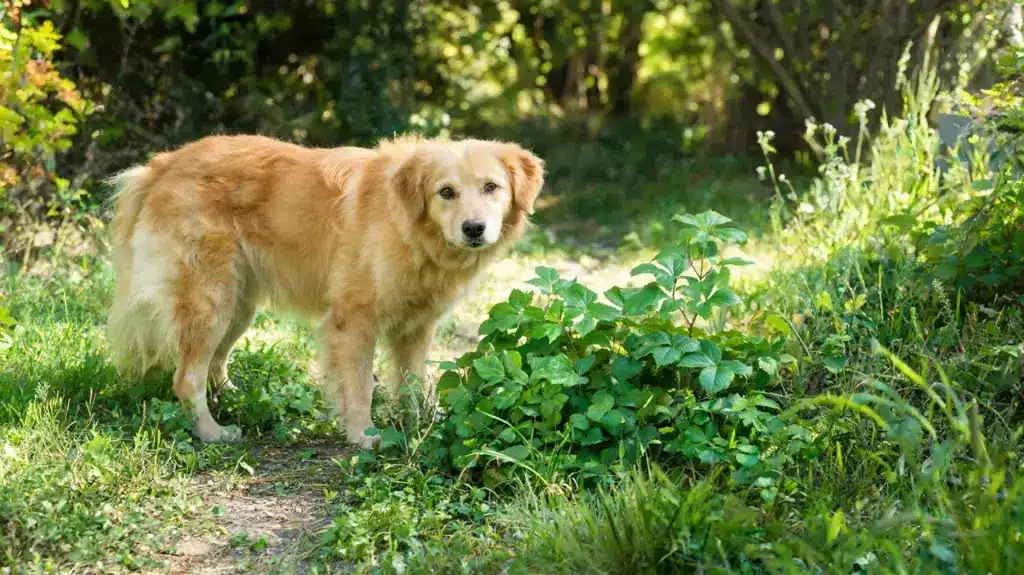
One quick sniff in the wrong patch of weeds can leave you wondering what your dog just brushed against.
I know that worry hits fast, especially when your dog starts licking, scratching, or rubbing after outdoor time.
So, can dogs get poison ivy? Yes, but it is rare. Your dog’s fur protects most of the skin, but thin-haired areas can still react. The belly, paws, muzzle, and groin are more exposed because they have less coat cover.
The bigger issue is often the plant oil on your dog’s fur. It can spread to your hands, clothes, couch, or bedding before you notice it, so quick cleaning matters.
Can Dogs Get Poison Ivy?
Yes, dogs can get poison ivy, but it is uncommon. Their fur usually protects the skin, but thin-haired areas can still react if urushiol oil reaches them.
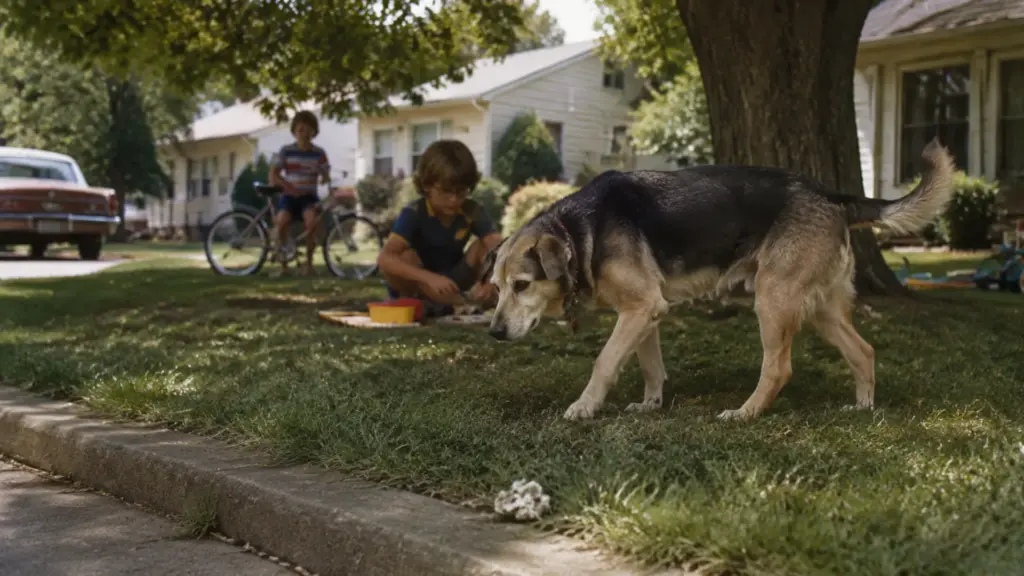
The belly, groin, inner legs, paws, and muzzle are more exposed, especially after walks through weeds, trails, thick yard growth, or brush. Your dog may also carry the oil on their coat without showing any rash.
Be extra careful after trail walks, yard play, camping, hunting, or rolling in grass. If you think your dog ran through poison ivy, wear gloves and bathe them with dog-safe shampoo.
Poison Ivy Exposure and Dog Risk
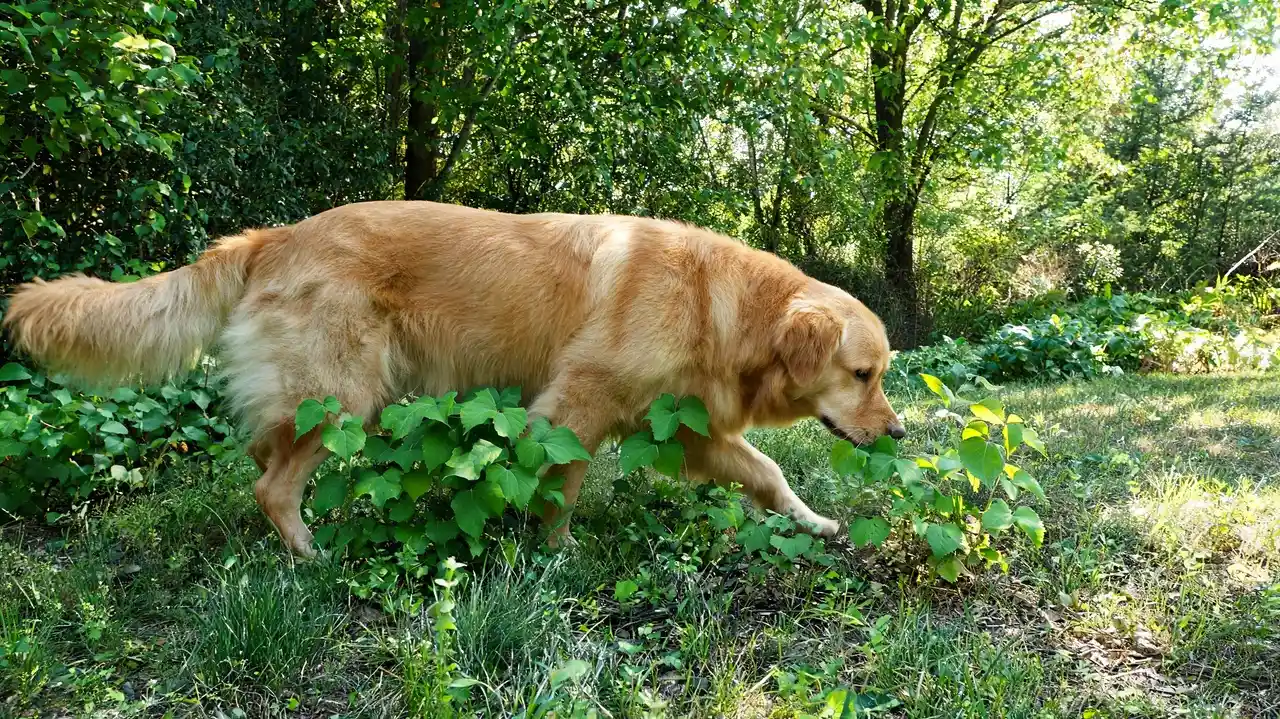
Poison ivy is a plant that can cause itchy skin reactions. The problem comes from urushiol, an oily resin found on the leaves, stems, and roots. PetMD explains that poison ivy reactions come from this oil, and dogs can carry it on their fur even if they do not get a rash.
Dogs usually have a lower risk than people because their coats act as a barrier. Still, some areas have less fur, so the oil may reach the skin more easily.
Dogs may face more risk if they have:
- Short coats: Less fur means less skin cover
- Thin hair: The belly and groin may be exposed
- Short legs: The body sits closer to low plants
- Outdoor habits: Hiking, rolling, and running through brush raise the risk of contact
- Sensitive skin: Some dogs react faster than others
The oil can also stick to collars, harnesses, towels, bedding, and car seats. That matters because the oil can spread from those surfaces to your skin later. If digestive symptoms or unusual behavior appear after suspected plant exposure, learn the warning signs of dog poisoning before deciding on the next steps.
Symptoms of Poison Ivy on Dogs
Poison ivy symptoms in dogs can be mild or easy to miss. Some dogs only lick one spot more than usual. Others may show red skin, swelling, or small bumps.
Signs may include:
- Itching
- Redness
- Swelling
- Small bumps
- Sores from scratching
- Hair loss from licking
- Vomiting or diarrhea after eating the plant
If your dog eats poison ivy, watch for redness, swelling, vomiting, diarrhea, or unusual tiredness. Get urgent vet care if your dog has trouble breathing, facial swelling, repeated vomiting, or sudden weakness.
How to Treat Poison Ivy on Dogs?
If your dog brushed against poison ivy, the main goal is to remove urushiol oil from the coat before it reaches skin, furniture, or your hands. Work gently, use pet-safe products, and watch for signs that need a vet.
1. Wear Gloves First
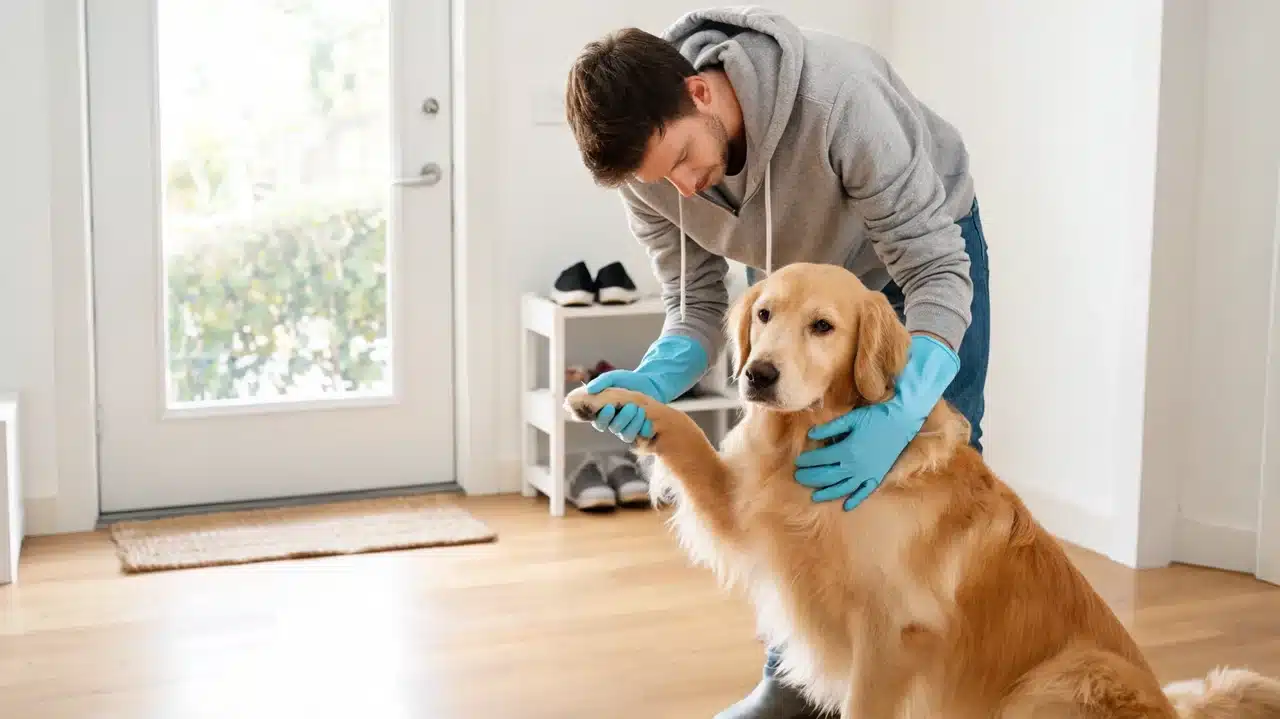
Before touching your dog, put on rubber gloves or nitrile gloves to avoid transferring urushiol oil onto your skin.
Even if your dog shows no irritation, the sticky plant oil can remain on the coat after outdoor walks. Wearing gloves helps protect you as you safely check the fur, paws, belly, and legs for possible contamination.
2. Bathe with Dog-Safe Shampoo
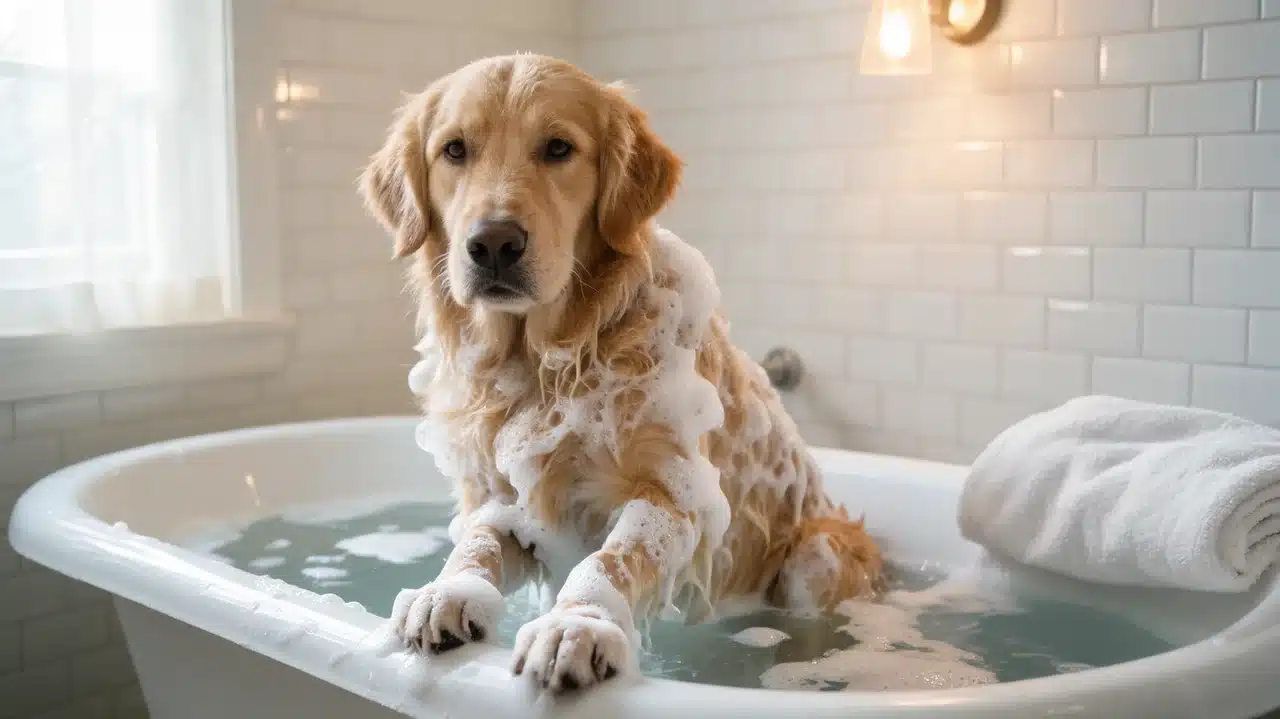
Use lukewarm water and a dog-safe shampoo to remove poison ivy oil from your dog’s coat. Focus on the paws, legs, belly, chest, tail, and muzzle, as these areas often brush against plants.
A thorough bath helps wash away lingering residue before it can spread to people, furniture, or other household surfaces.
3. Rinse Sensitive Areas Carefully
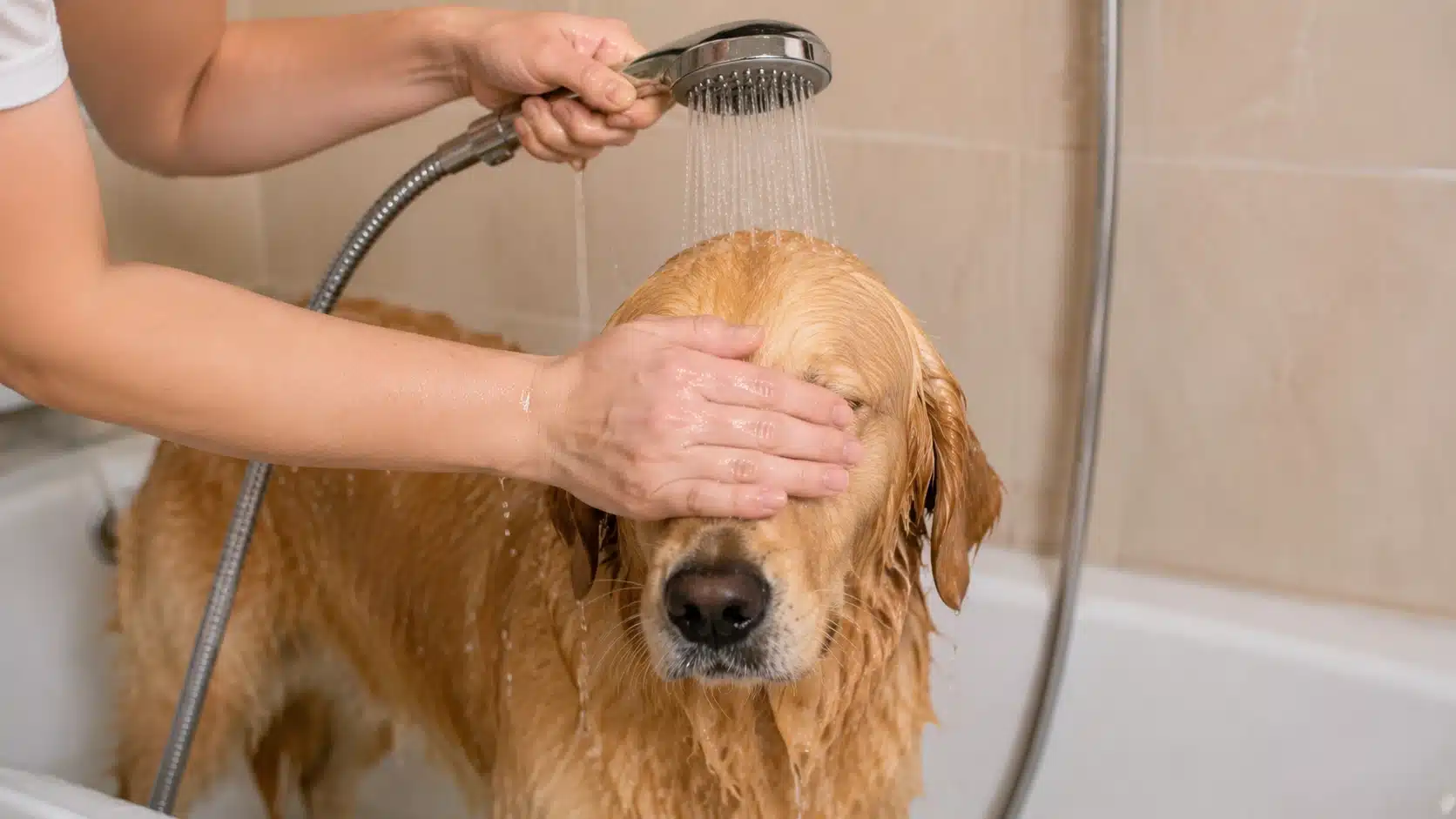
Rinse your dog thoroughly while protecting the eyes, ears, nose, mouth, and any open skin.
Keep shampoo away from sensitive areas and make sure no soap or plant oil remains trapped in the coat. A complete rinse helps reduce lingering residue that could continue spreading after bath time.
4. Clean Gear and Fabric

After bathing your dog, wash the dog collar, dog bedding, towels, leash, harness, blankets, and any fabric surfaces the dog contacted before cleaning.
Urushiol oil can remain on these items even after the coat is washed. Cleaning everything together lowers the chance of bringing the irritating plant oil back into your home.
5. Avoid Harsh Products
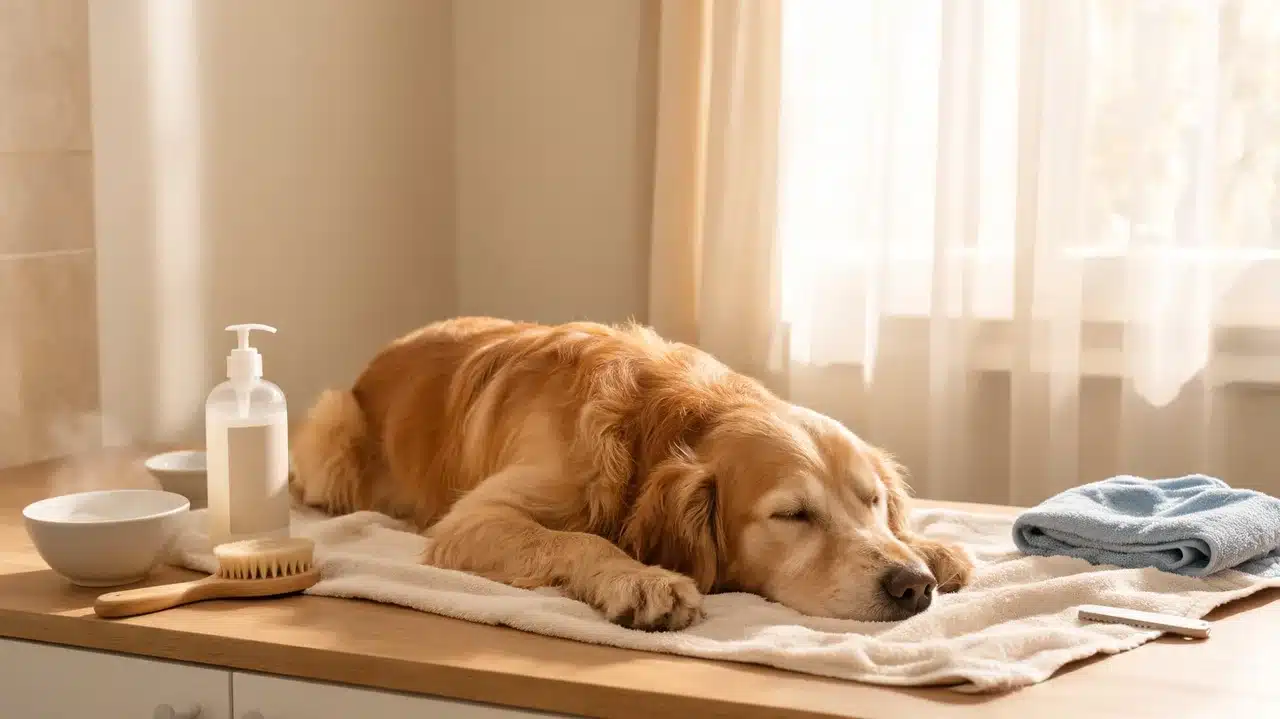
Avoid using human rash creams, alcohol, bleach, or harsh soaps unless your veterinarian recommends them. Stick with vet-approved products and watch for severe itching, swelling, vomiting, diarrhea, or open sores that continue getting worse.
Contact your veterinarian promptly if symptoms persist or your dog appears increasingly uncomfortable after possible exposure.
Can You Catch Poison Ivy From Your Dog? Yes, not from the rash, but from residual oil on their fur, paws, collar, or bedding. Petting, hugging, or letting your dog onto furniture before they’ve been cleaned can pass that oil straight to your skin.
To reduce the risk: wear gloves after suspected exposure, keep your dog off beds and couches until they’re clean, and wash any gear or fabric that may have picked up oil.
Vet Warning Signs to Watch
Most mild cases improve after washing, but some symptoms need a vet. Call your vet if the skin gets worse or your dog seems sick.
| Sign | What It May Mean |
| Spreading rash | The irritation is getting worse |
| Severe itching | Your dog cannot rest or stop scratching |
| Open or infected skin | Sores, bleeding, pus, or bad smell may appear |
| Swelling | Face, lips, or eyes may look puffy |
| Vomiting or diarrhea | Your dog may have eaten the plant |
| Breathing trouble or weakness | This needs urgent vet care |
Seek urgent care if your dog has breathing trouble, facial swelling, repeated vomiting, or sudden weakness. If swelling, hives, or widespread itching develop instead of a localized skin reaction, understanding allergic reactions in dogs can help you recognize when veterinary care is needed.
Trusted Source Notes
Many readers want a clear answer backed by real sources. The main concern is not just whether dogs can react, but whether poison ivy oil can spread from a dog’s coat to people.
- Owner concern: This Reddit thread about dogs and poison ivy highlights a common outdoor concern: dogs may carry plant oils from trails, brush, tents, cars, or bedding. Use it only as an owner’s experience, not medical advice.
- FDA: The FDA poison ivy page says most pets are not sensitive to poison ivy, but the oil can stick to their fur and cause a reaction in someone who pets them.
- KFF Health News: The article on poison ivy notes that dogs may not be allergic to it, but their fur can retain the oil and transfer it to owners after outdoor exposure.
Safe takeaway: Owner stories show common worries, while FDA and KFF Health News support the main safety point. If your dog had clear exposure, wear gloves, wash the coat, clean dog gear, and call your vet if symptoms spread or look painful.
Prevention Tips
- Leash up on wooded trails to control where your dog wanders
- Stick to clear paths rather than brush or undergrowth
- Clear yard patches of poison ivy if you have dogs outdoors
- Check the belly, paws, muzzle, and legs after outdoor time
- Wipe down paws and belly after hikes
- Wash gear, collars, leashes, harnesses, and blankets after known exposure
Never burn poison ivy; the smoke carries urushiol and can irritate airways in both pets and people.
The Bottom Line
Many pet owners ask, can dogs get poison ivy, especially after hikes or walks through overgrown areas.
While most dogs are naturally protected by their fur, they can still carry urushiol oil on their coat and spread it to people or household surfaces.
If you notice poison ivy on a dog’s belly or other thin-haired areas, wash the coat with a dog-safe shampoo and clean any collars, bedding, or towels that may have picked up the oil.
Monitoring your dog for skin irritation or unusual symptoms is equally important. Understanding how dogs can get poison ivy helps you protect both your pet and everyone at home after outdoor adventures.
Drop a comment below and let me know if your dog is
Frequently Asked Questions
Can Poison Ivy Oil Stay on Dog Fur?
Yes. Urushiol oil can stay on fur until it is washed off. Clean your dog, collar, leash, towels, and bedding after clear plant contact.
Are Puppies More Sensitive to Poison Ivy?
Puppies may have thinner coats and softer skin, so irritation can show more easily. Call your vet if a young puppy has swelling, sores, or an upset stomach.
Does Poison Ivy Spread Between Dogs?
The rash itself does not spread. Plant oil can move from one coat to another through close contact, shared bedding, or shared soft gear.
Can Rain Wash Poison Ivy Off Dogs?
Rain may reduce some dirt, but it should not replace a bath. Use gloves, dog-safe shampoo, and a full rinse after known exposure.
Can Poison Ivy Affect a Dog’s Paws?
Yes. Paws can collect plant oil from weeds, trails, and yard edges. Check between the toes if your dog licks its feet after outdoor time.