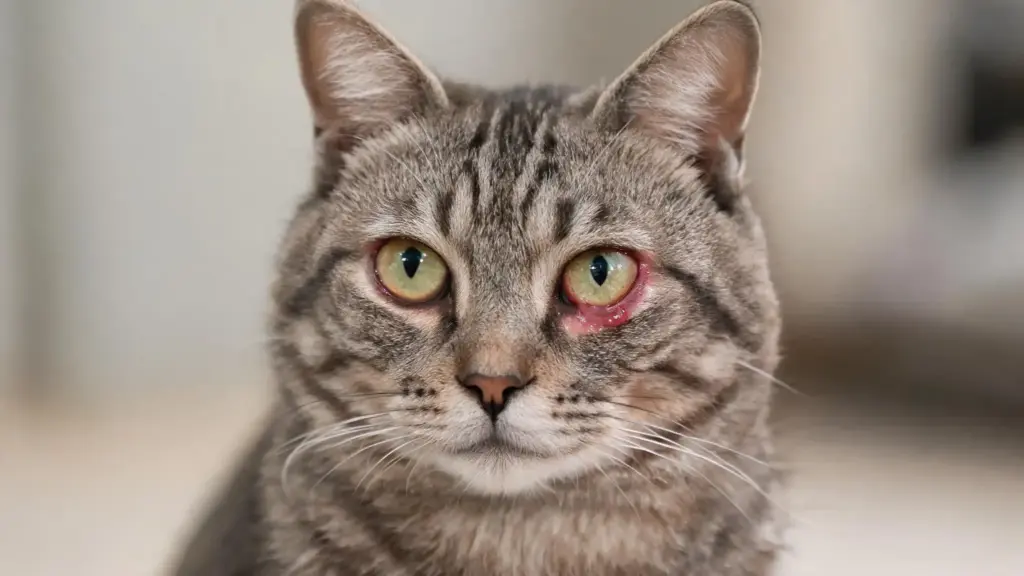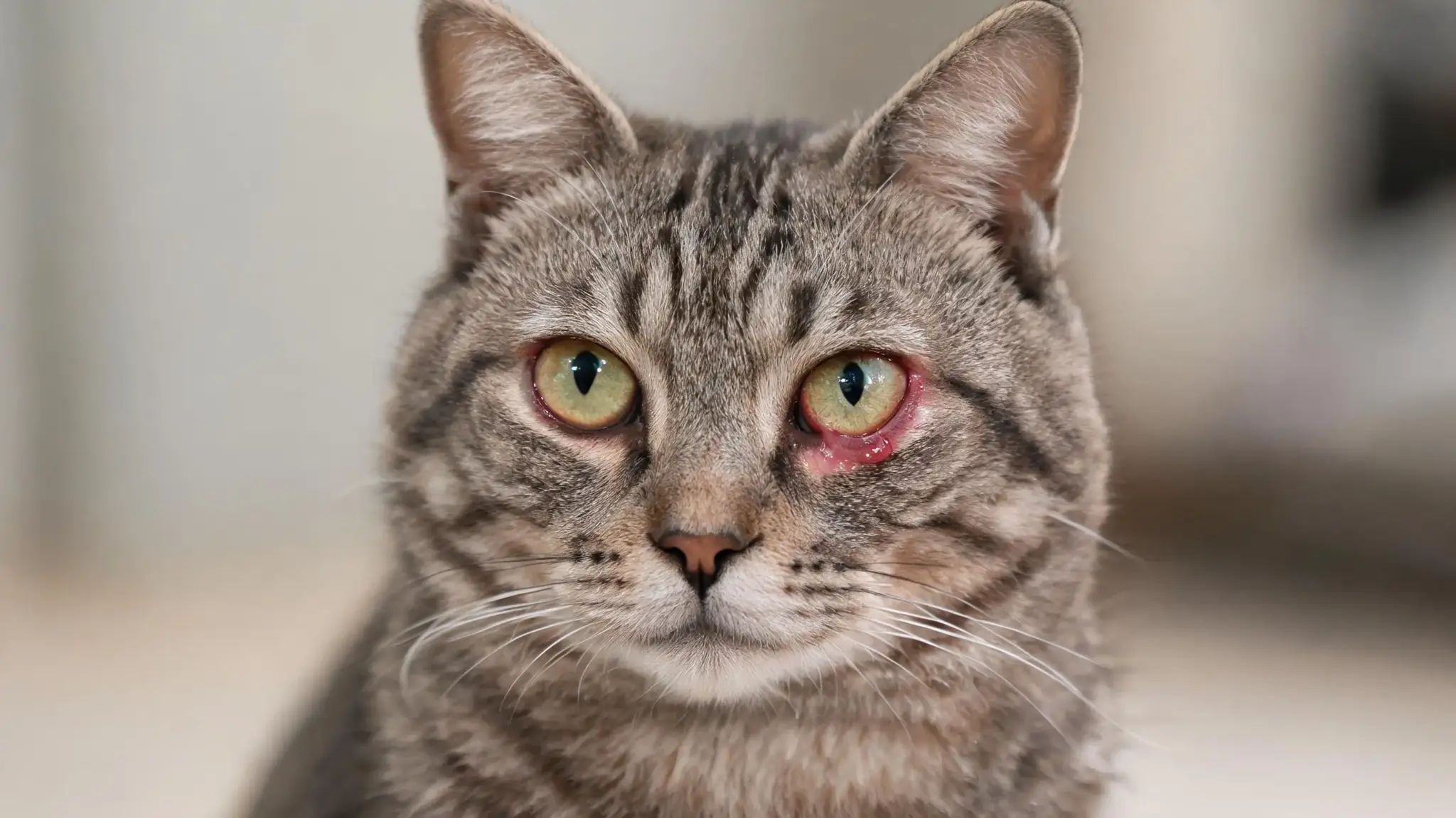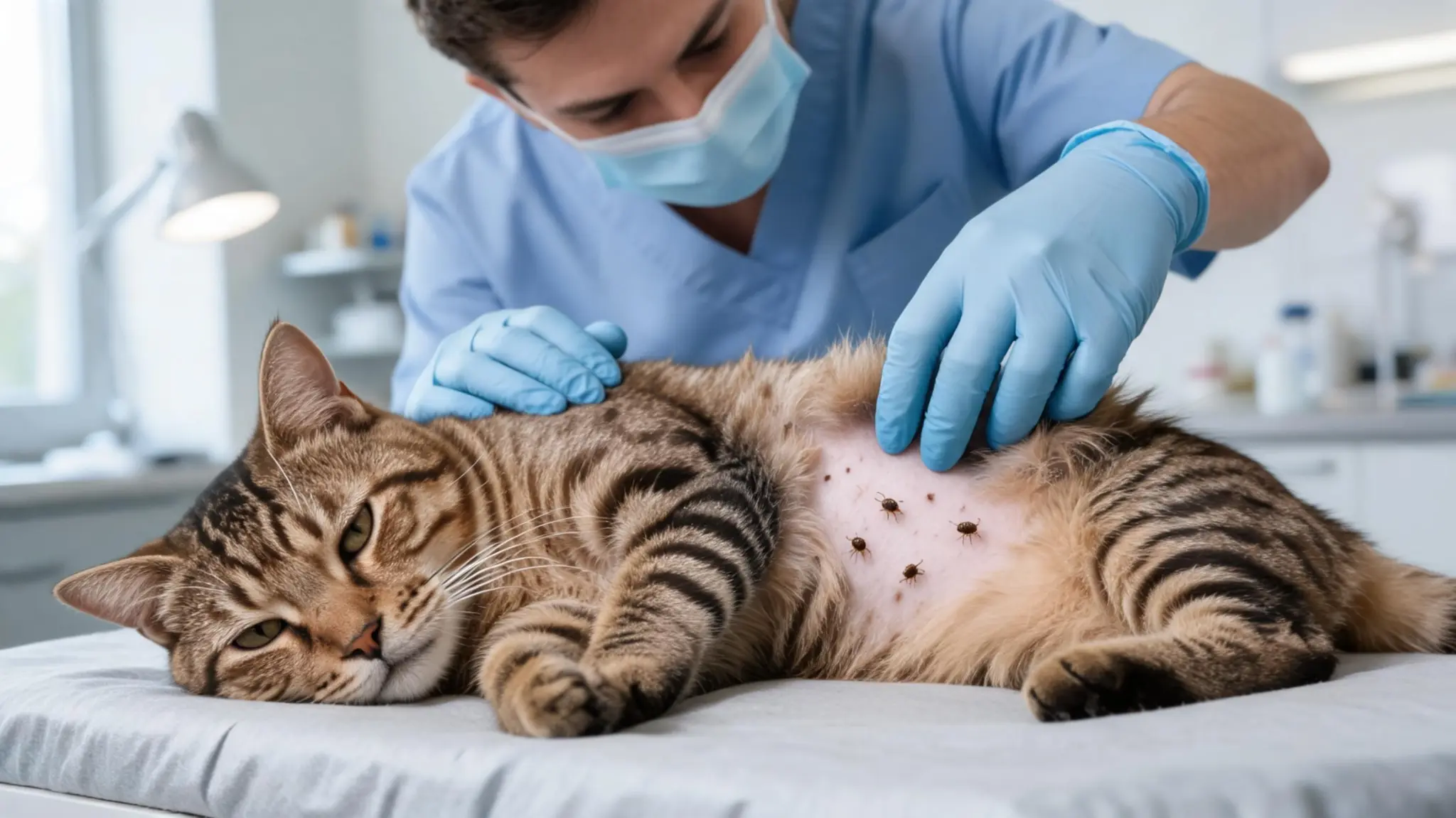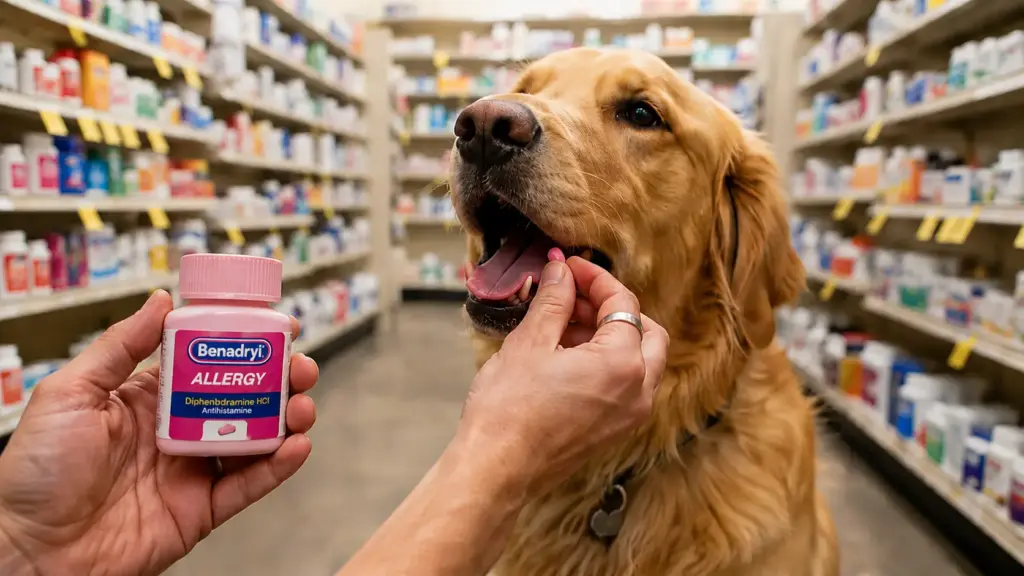
Seeing a dog constantly scratch or wake up with swollen eyes can leave anyone searching for quick, safe relief.Benadryl for dogs may help ease mild allergy symptoms in certain situations, but using it correctly is just as important as having it on hand.
Small details, including the right dosage and product formulation, can make a meaningful difference.
Many pet owners are surprised to learn that not every Benadryl product is suitable for dogs, and some symptoms need veterinary attention instead.
That raises an important question about when this common antihistamine is actually appropriate. The information ahead gives you practical answers, clears up common confusion, and helps decision-makers feel more confident without revealing everything at once. While each dog differs.
What is Benadryl for Dogs?
Benadryl is the brand name for diphenhydramine, an antihistamine that helps block the effects of histamine, a natural chemical triggering common allergy symptoms in dogs.
When histamine is released, it can cause itching, swelling, sneezing, watery eyes, and mild skin irritation. By limiting this response, Benadryl may provide temporary relief from certain allergic reactions.
Although developed for humans, veterinarians commonly prescribe diphenhydramine off-label for dogs when they determine it is an appropriate treatment. Off-label use means a medication approved for one species is legally used in another under professional supervision.
Benadryl is not a cure for allergies, infections, or underlying skin conditions. It only helps manage certain symptoms. Before giving any product, always check the ingredient label.
Caution: Never estimate your dog’s Benadryl dose without considering body weight, health conditions, and the exact product formulation. The correct amount can vary between dogs, so confirm the dosage with a veterinarian before giving medication.
When is Benadryl Used for Dogs?
Benadryl is mainly used to relievemild allergy symptoms in dogs. It works best in specific situations and should only be used after confirming it is appropriate for the dog’s condition.
- Seasonal Allergies and Itching: Pollen, grass, mold, and dust can cause itching, sneezing, watery or irritated eyes, and skin irritation. Benadryl may provide temporary relief from these mild allergy symptoms.
- Insect Bites and Bee Stings: Mild swelling, redness, and itching caused by insect bites or bee stings may improve with Benadryl if the dog is breathing normally and the reaction remains localized.
- Motion Sickness: Veterinarians sometimes recommend Benadryl for dogs that experience motion sickness during travel because its sedative effect may help reduce nausea and discomfort.
- Mild Vaccine Reactions: In some cases, veterinarians use Benadryl to manage mild allergic reactions following vaccinations. It should only be given under veterinary advice.
Note: Benadryl may help manage certain mild allergy symptoms, but it does not treat the underlying cause of itching, swelling, or skin problems. Persistent or worsening symptoms require veterinary evaluation.
Benadryl isnot a treatment for severe allergic reactions or chronic skin conditions. If symptoms worsen, persist, or affect breathing, seek veterinary care immediately.
Benadryl Dosage for Dogs
Giving the correct amount of Benadryl is one of the most important parts of using it safely. Dosage is generally based on body weight, but age, existing medical conditions, and other medications can also influence what is appropriate.
Getting the amount right matters, but so does watching the skin afterward, since a flare-up may call for gentle bathing products rather than more medication.
The commonly referenced veterinary guideline is 1 mg of diphenhydramine per pound of body weight, given every 8–12 hours, unless a veterinarian recommends otherwise. Benadryl Dosage Chart by Weight:
| Dog Weight | Approximate Dose | Liquid Equivalent (12.5 mg/5 mL) |
|---|---|---|
| 10 lbs | 10 mg | 4 mL |
| 25 lbs | 25 mg | 10 mL |
| 40 lbs | 40 mg | 16 mL |
| 50 lbs | 50 mg | 20 mL |
| 75 lbs | 75 mg | 30 mL |
| 100 lbs | 100 mg | 40 mL |
Which Benadryl Products Are Safe for Dogs? Plain diphenhydramine products are generally preferred. Combination medicines made for colds, sinus congestion, or flu often contain ingredients such as pseudoephedrine, phenylephrine, acetaminophen, or xylitol, an ingredient that has been linked to dog poisonings in the past.
Reading the ingredient label carefully before every dose is essential, even when using a familiar brand.
| Note: Using the correct dosage is only one part of safe treatment. Choosing the appropriate product and following veterinary instructions helps reduce avoidable risks and improve the chances of effective symptom relief. |
How to Give Benadryl to a Dog

Even the correct medication can be difficult to administer if a dog refuses to take it. A calm approach and a little preparation often make the process easier for both the pet and the owner.
Quick Tips for Easier Dosing:
- Hide tablets inside a veterinarian-approved pill pocket or a nutritious homemade snack.
- Offer medication after a meal if stomach upset has been a concern.
- Measure liquid formulations with a dosing syringe instead of a household spoon.
- Reward calm behavior with praise or a favorite treat after giving the medication.
- Avoid crushing tablets unless a veterinarian confirms it is appropriate.
Some dogs accept medication easily, while others need patience and practice. If repeated doses become stressful or impossible to administer, consulting a veterinarian about alternative formulations or treatments is usually the most practical solution.
How Long Does Benadryl Take to Work?
Most dogs begin responding to Benadryl within an hour, although the exact timing varies with metabolism, whether the medication was given with food, and the reason it was prescribed. Knowing when to expect results helps avoid giving unnecessary extra doses too soon.
When Does It Start Working?
Benadryl usually begins working within 30 to 60 minutes after administration. Dogs taking the medication on an empty stomach may absorb it slightly faster, while a full meal can delay the onset. Mild allergy symptoms such as itching or sneezing often improve first.
How Long Do the Effects Last?
The effects generally last 8 to 12 hours, which matches the typical dosing interval recommended by many veterinarians. Relief may wear off sooner in some dogs, but repeating a dose early should only happen under veterinary guidance.
What Can Affect Its Effectiveness?
Age, body weight, overall health, existing medications, and the underlying cause of the symptoms all influence how well Benadryl works. Dogs with chronic skin allergies or severe allergic conditions may need additional treatments, as antihistamines alone are not always sufficient.
While Benadryl often provides fairly quick relief, it should not be expected to solve every allergy-related problem. Monitoring the dog’s response helps determine whether further veterinary evaluation is needed.
Does Benadryl Make Dogs Sleepy?

Yes, Benadryl can make dogs sleepy, and drowsiness is one of its most common side effects. The active ingredient, diphenhydramine, affects the central nervous system, producing a calming effect that may help some dogs relax during mild allergic reactions or travel.
However, the response is not the same for every dog. While many become less active or take longer naps, some may experience the opposite reaction and appear restless or unusually excited.
Mild sleepiness usually wears off as the medication leaves the body, typically within several hours. Excessive drowsiness, difficulty standing, confusion, or trouble breathing are not considered normal and require immediate veterinary attention, since accidental dosing errors occur more often than most owners realize.
Because each dog responds differently based on age, health, and dosage, monitoring behavior after the first dose is the safest way to ensure the medication is well tolerated.
Caution: Mild drowsiness can occur after Benadryl, but severe sleepiness, breathing problems, seizures, collapse, or unusual behavior should be treated as urgent warning signs requiring immediate veterinary attention.
Side Effects of Benadryl in Dogs
Most dogs tolerate Benadryl well when it is given at the correct dose, but side effects can still occur. Knowing what is normal and what requires urgent care helps keep dogs safe.
Common Side Effects
- Drowsiness or increased sleepiness
- Dry mouth
- Mild digestive upset, including nausea or vomiting
- Reduced energy levels
- Temporary loss of coordination
- Occasional restlessness or excitement instead of sedation
Serious Side Effects and Overdose Signs
- Difficulty breathing
- Rapid or irregular heartbeat
- Seizures
- Severe weakness or collapse
- Extreme agitation or confusion
- Unconsciousness
After the first dose, monitor the dog closely for several hours. If symptoms become severe, persist longer than expected, or suddenly worsen, contact a veterinarian or an emergency animal hospital immediately.
Can Dogs Take Human Benadryl?
Yes, human Benadryl can be used for dogs when a veterinarian determines it is appropriate, but it should never replace a proper veterinary diagnosis.
This kind of use is permitted only under specific federal conditions for veterinarians, and it is not designed to treat the underlying causes of itching, skin infections, or chronic allergic conditions.
Dogs with existing medical conditions, those taking other medications, or senior pets may respond differently than healthy adult dogs.
The medication should also be used only for the condition and duration recommended by a veterinarian, as prolonged or unnecessary use can delay proper treatment.
If allergy symptoms return frequently or fail to improve, a veterinary examination is the safest way to identify the underlying problem and recommend more effective long-term care.
Disclaimer: Although veterinarians may use human Benadryl for dogs in certain situations, medication should only be given after confirming the product, dose, and suitability for the individual dog.
Benadryl Alternatives for Dogs
Benadryl can help with certain mild allergy symptoms, but it is not always the most effective or long-term solution. Dogs with recurring allergies or ongoing itching often benefit from treatments that target the underlying cause rather than temporarily masking symptoms.
| Alternative | Best Used For | Veterinary Prescription Needed |
|---|---|---|
| Prescription allergy medications | Moderate to severe allergies | Usually yes |
| Other antihistamines | Mild allergic reactions | Sometimes |
| Medicated shampoos | Skin irritation and environmental allergens | No (varies by product) |
| Omega-3 fatty acid supplements | Skin barrier support | No |
| Allergy immunotherapy | Long-term environmental allergies | Yes |
| Flea prevention | Flea allergy dermatitis | Prescription or OTC |
The right alternative depends on the dog’s diagnosis, overall health, and the trigger behind the allergy. A veterinarian can recommend the most suitable option after identifying the cause of the symptoms.
When Should You Call a Veterinarian?
Mild itching may improve with Benadryl, but some symptoms require immediate professional care instead of home treatment. Recognizing these warning signs early can prevent complications and ensure a dog receives the treatment it truly needs.
Seek Veterinary Care Immediately If…
- Difficulty breathing or noisy breathing develops.
- Swelling affects the face, tongue, or throat.
- Vomiting or diarrhea becomes severe or persistent.
- The dog collapses, has seizures, or becomes unresponsive.
- A suspected overdose has occurred.
- A toxic Benadryl product may have been given accidentally.
Schedule a Veterinary Visit If…
- Itching continues for several days.
- Skin becomes red, crusty, or develops an unpleasant odor.
- Hair loss spreads across larger areas.
- Allergy symptoms keep returning throughout the year.
- Benadryl provides little or no improvement.
Benadryl should never delay proper veterinary treatment when symptoms become severe or fail to improve. Early diagnosis often leads to faster relief and helps prevent minor problems from becoming more serious.
What Pet Owners are Saying Online

Reddit users shared mixed experiences with Benadryl for dogs, showing that its effectiveness can vary from one pet to another. Some owners said they used it during stressful situations, such as travel or fireworks, but noticed little improvement in anxiety.
Others reported that it helped certain dogs feel calmer, although it was less effective for pets with more severe anxiety.
A few commenters mentioned that dogs who take Benadryl regularly for allergies become sleepy for the first couple of days, then return to their usual energy levels.
The discussion also compared Benadryl with Apoquel, with some owners choosing Benadryl because it is more affordable, while others found prescription medications provided better relief.
Overall, the conversation highlights the importance of veterinary guidance, as every dog responds differently to allergy treatments.
Common Mistakes to Avoid When Giving Benadryl
Even when pet owners have good intentions, small mistakes can reduce the medication’s effectiveness or place a dog at unnecessary risk. Knowing what to avoid makes safe use much easier.
- Guessing the Dosage: Estimating the amount instead of calculating it by body weight increases the risk of underdosing or overdosing.
- Using Combination Benadryl Products: Cold and flu formulas often contain ingredients that are unsafe for dogs, including decongestants and pain relievers.
- Ignoring the Ingredient Label: Different manufacturers use different inactive ingredients. Always verify that diphenhydramine is the only active ingredient.
- Giving Doses Too Frequently: Administering Benadryl sooner than recommended increases the likelihood of excessive sedation and other side effects.
- Using It as a Long-Term Allergy Solution: Repeated itching usually indicates an underlying condition that requires proper diagnosis rather than continuous antihistamine use.
Avoiding these common errors helps ensure that Benadryl is used safely and reduces the risk of preventable complications.
Final Thoughts
Helping a dog feel comfortable starts with making informed choices instead of quick guesses. Benadryl for dogs can be useful for mild allergies, insect bites, and certain short-term situations, but it works best when the correct dosage, product, and timing are followed.
I hope the information shared here helps you recognize when Benadryl may be appropriate, what side effects to watch for, and when veterinary care is the safer option.
You can make better decisions by understanding both its benefits and its limitations. Every dog responds differently, so paying close attention after each dose is always worthwhile.
If you have questions or personal experiences, share them in the comments or explore more pet care blogs for additional tips.
Frequently Asked Questions
Can Benadryl Expire and Become Unsafe for Dogs?
Expired Benadryl may lose effectiveness over time, making allergy relief less reliable. While it is not always harmful after expiration, potency cannot be guaranteed. Using medication within its expiration date and storing it correctly helps ensure consistent results and safer administration overall.
Can Benadryl Affect Allergy Testing in Dogs?
Yes. Benadryl can interfere with certain allergy tests by reducing the body’s histamine response. Veterinarians often recommend stopping antihistamines for a specific period before scheduled testing to improve accuracy. Following pre-test instructions helps produce more reliable diagnostic results for allergic conditions.
Is it Safe To Vaccinate a Dog After Taking Benadryl?
Routine vaccination schedules are generally unaffected by Benadryl, but any recent medication use should always be mentioned to the veterinarian. They can decide if any timing adjustments are necessary based on the dog’s health.
Can Changes in Weather Make Benadryl Less Effective?
No, the weather itself does not change how Benadryl works. However, seasonal increases in pollen or mold can trigger stronger allergy symptoms, making the medication seem less effective than it actually is.
Does Benadryl Need to be Refrigerated?
No. Benadryl should be stored at room temperature in a cool, dry place away from direct sunlight and moisture. Proper storage helps maintain the medication’s effectiveness until its expiration date.