Skin problems can change a dog’s appearance surprisingly fast, making it difficult to tell whether the issue is minor irritation or something that needs prompt attention.
What does mange look like on a dog? That’s often one of the first questions that comes up after noticing unexpected hair loss or constant scratching.
Early signs can be subtle, but recognizing them quickly helps prevent the condition from worsening. Many skin conditions look alike at first glance, which adds to the confusion.
Understanding the visible symptoms, common locations, different types of mange, and available treatments makes it easier to know what deserves closer attention. A clear look at these signs can help ease uncertainty before speaking with a veterinarian.
What is Mange in Dogs?
Mange is a skin condition caused by microscopic mites that live on or inside a dog’s skin. While some mites naturally exist without causing harm, others multiply rapidly or spread through close contact, leading to irritation, hair loss, redness, and inflammation.
The two main types are demodectic mange, which occurs when Demodex mites overgrow due to a weakened immune system and is generally not contagious.
And sarcoptic mange, which is caused by Sarcoptes mites that burrow into the skin, triggers intense itching and spreads easily between dogs through direct contact or shared bedding.
Although sarcoptic mites can temporarily irritate human skin, they cannot establish a lasting infestation. Understanding which type of mite is responsible helps explain the symptoms and guides the most appropriate treatment.
What Does Mange Look Like On a Dog: Understanding the Two Main Types
The appearance of mange depends on the type of mite affecting the skin. Understanding these differences makes it easier to recognize symptoms early and seek appropriate veterinary care.
Demodectic Mange
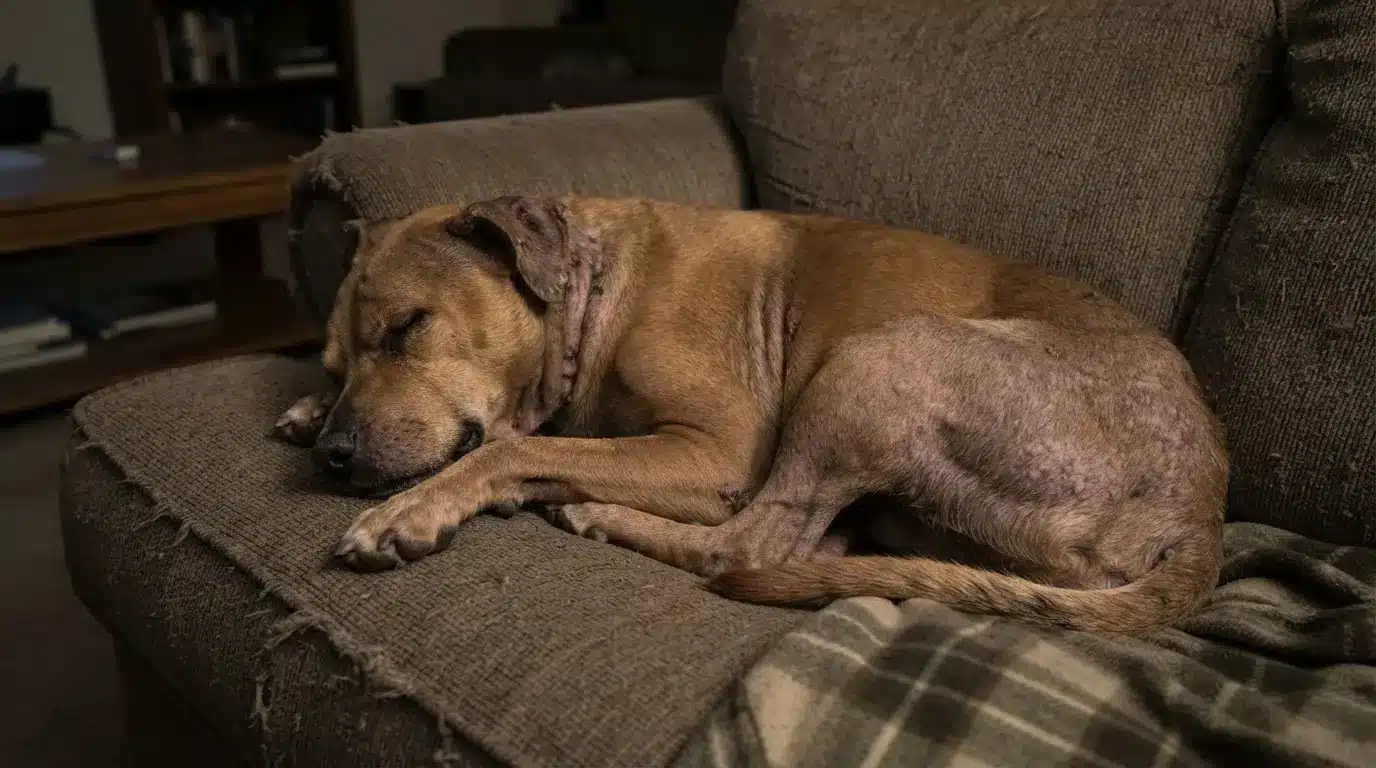
Demodectic mange usually develops slowly and is most common in puppies, young dogs, and dogs with weakened immune systems, since this mite species is specific to dogs and does not affect humans. The condition often starts with subtle skin changes that become more noticeable as the mite population increases.
Common signs include:
- Small patches of hair loss around the eyes, muzzle, forehead, or front legs
- Mild redness, dry skin, and light flaking
- Little or no itching during the early stages
- Thickened, crusty, or darkened skin as the condition progresses
- Secondary bacterial infections, swelling, and an unpleasant odor in severe cases
Sarcoptic Mange
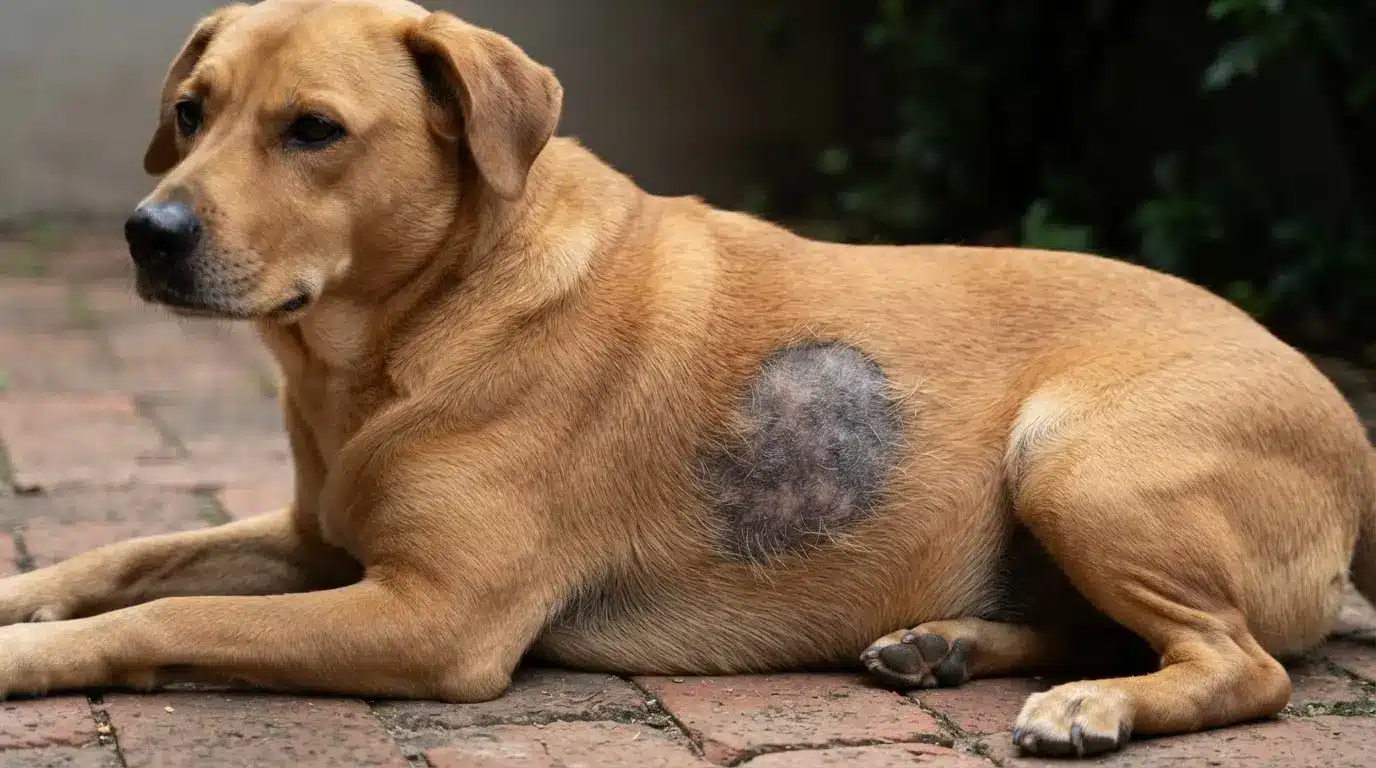
Sarcoptic mange develops much faster and causes intense irritation because the mites burrow beneath the skin. Dogs often become noticeably uncomfortable within a short time, making this form easier to recognize.
Common signs include:
- Relentless scratching and frequent rubbing against surfaces
- Small red bumps and irritated skin
- Hair thinning around the ears, elbows, chest, and belly
- Thick crusts, scabs, and widespread hair loss in advanced stages
- Restlessness, skin infections, and bleeding caused by excessive scratching
Note: Skin changes such as hair loss, redness, and crusting can resemble those of other conditions, such as allergies, infections, or parasites. A visual comparison can help identify warning signs, but only a veterinarian can confirm whether a dog has mange.
Recognizing the differences between these types of mange supports earlier treatment and better outcomes. A veterinary diagnosis remains essential to confirm the cause and recommend the most effective treatment plan.
Mange in Dogs vs Other Common Skin Problems
Many skin conditions share similar symptoms during the early stages, making visual comparison alone unreliable. Looking at hair loss, itching, redness, and lesion patterns together provides a better idea of what might be happening, although only a veterinarian can confirm the diagnosis.
| Condition | Hair Loss | Itching | Skin Appearance | Common Location | Key Difference |
| Mange | Patchy | Mild to severe | Red, flaky, crusty | Face, paws, belly | Progressive bald patches |
| Flea Allergy | Mild | Severe | Small bumps | Tail base, back | Fleas or flea dirt are often present |
| Ringworm | Circular patches | Mild | Dry, scaly | Anywhere | Round lesions with defined edges |
| Hot Spots | Minimal | Severe | Wet, inflamed | Neck, hips | Moist, painful sores |
| Seasonal Allergies | Rare initially | Moderate to severe | Mild redness | Whole body | Hair loss usually develops later |
Comparing these conditions helps narrow possibilities, especially since flea and tick issues can look similar to mange at a glance, but many skin disorders overlap in appearance. Professional testing remains the safest way to determine whether mange or another condition is responsible.
Caution: Do not start mange treatment based only on symptoms or online comparisons. Similar-looking skin problems may require completely different treatments, and incorrect medication can delay proper care.
From Early to Severe: The Stages of Mange in Dogs
Recognizing how mange changes over time helps identify worsening symptoms sooner. Each stage has distinct signs that indicate the infestation is becoming more severe.
1. Early Stage Mange in Dogs
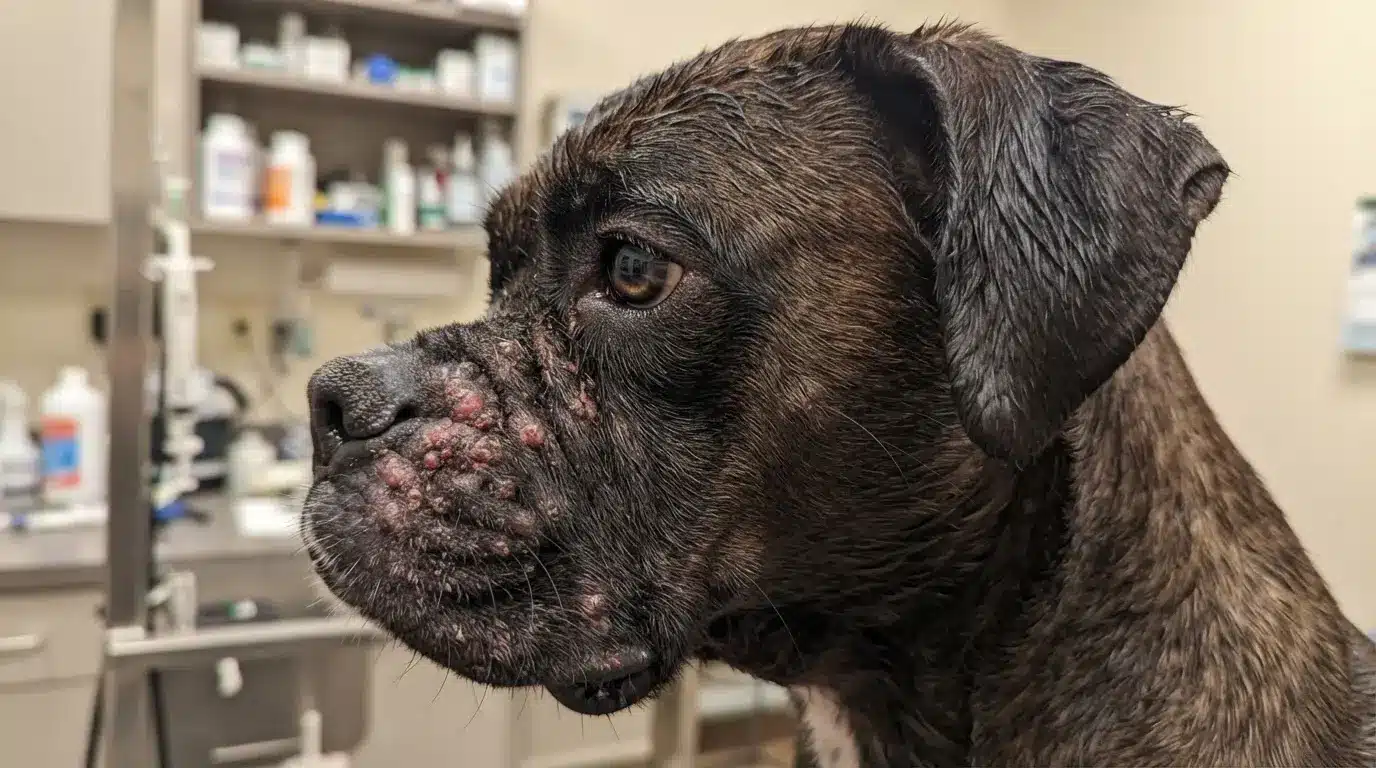
Early-stage mange often causes subtle skin changes that are easy to miss during routine grooming. The first signs usually appear around the eyes, muzzle, ears, or front legs, where the coat begins thinning.
Mild redness, dry or flaky skin, and small patches of hair loss are common, while itching may be absent or only occasional.
Because dogs often behave normally at this stage, these symptoms can go unnoticed without regular skin checks.
2. Moderate Stage Mange
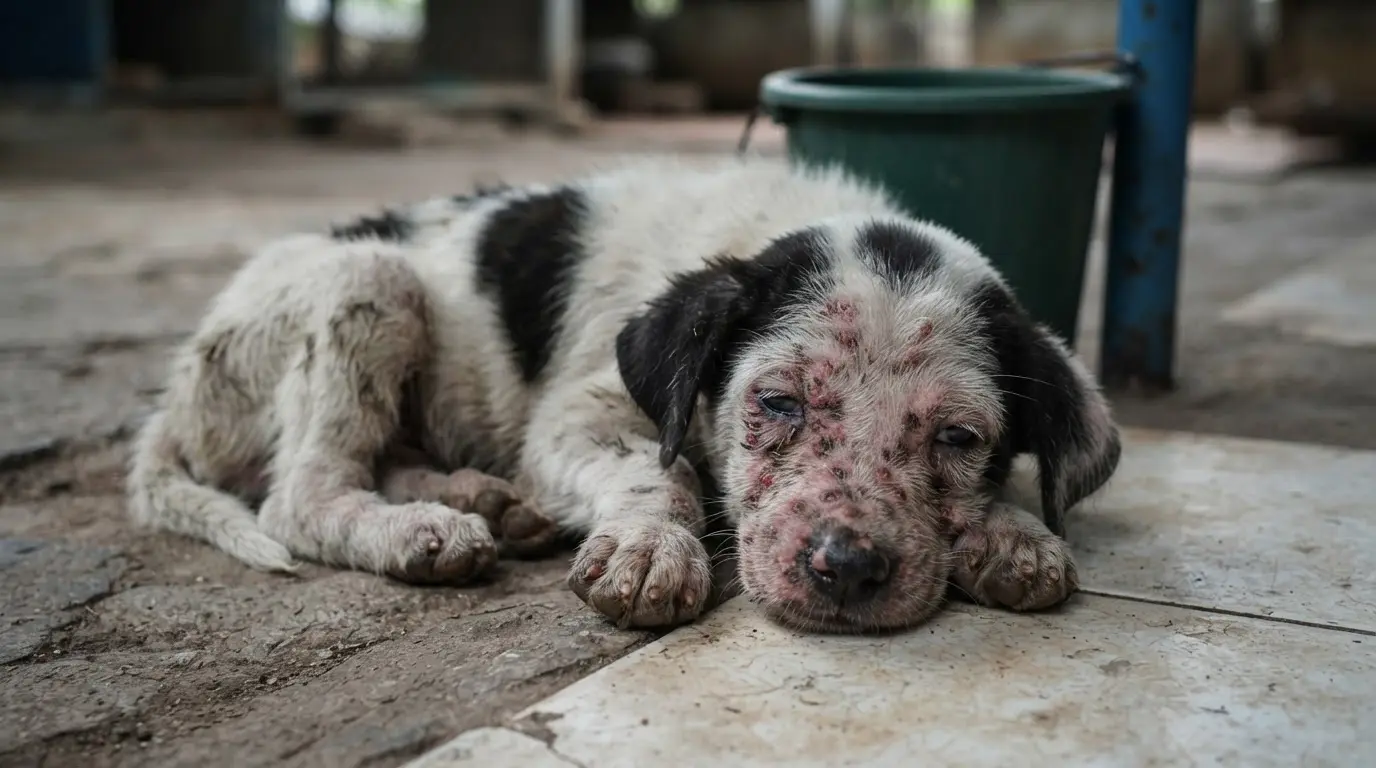
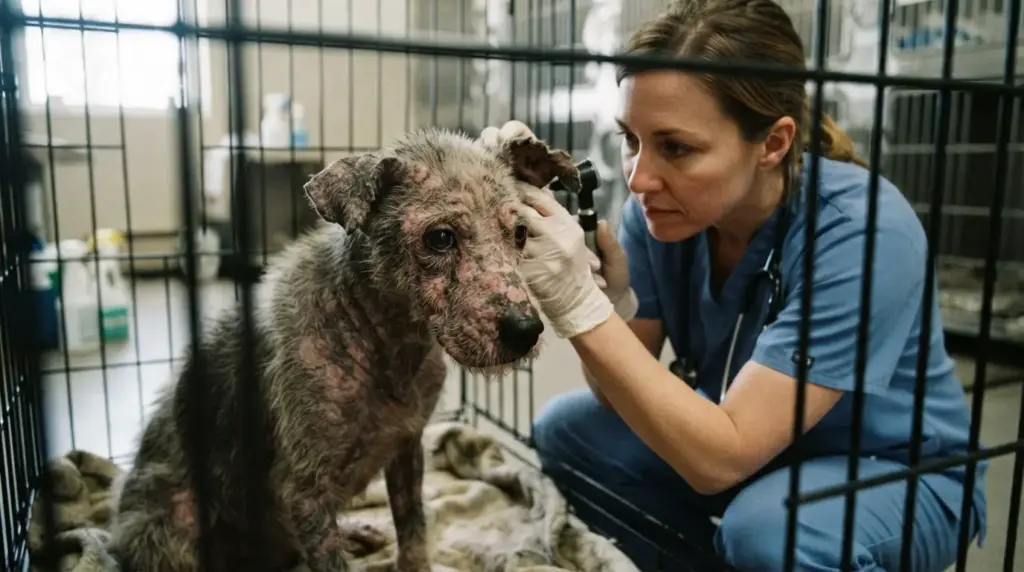
As the infestation progresses, the affected areas become larger and more noticeable. Hair loss spreads beyond the original patches, and the skin may become red, inflamed, crusty, or thickened.
Scratching becomes more frequent, increasing the risk of skin damage and bacterial infections. Dogs may also lick or chew irritated areas repeatedly, making the condition worse if treatment is delayed.
3. Severe Stage Mange
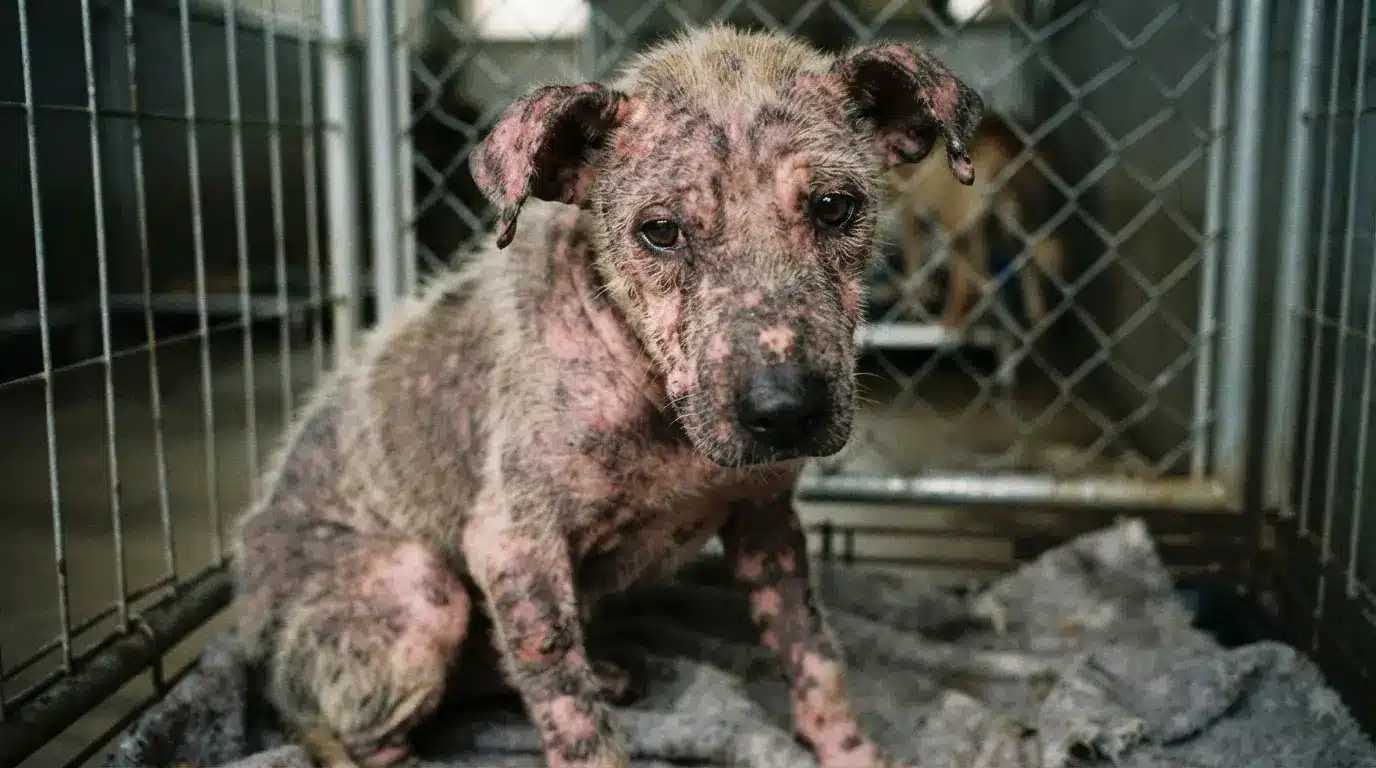
Without proper treatment, mange can progress to an advanced stage involving widespread skin damage.
Large areas of the body may completely lose hair, while the skin develops thick crusts, open sores, bleeding, and dark discoloration, sometimes progressing to deeper wounds that require attention if scratching continues unchecked.
Secondary bacterial infections often produce swelling and an unpleasant odor. Dogs may become restless, uncomfortable, and less active when persistent itching and pain disrupt their daily routine.
Symptoms That Often Appear Alongside Mange
Visible skin changes are only part of the condition. Mange also affects a dog’s comfort and behavior, creating additional symptoms that become more noticeable as the infestation progresses.
Watching for these signs alongside hair loss provides a clearer picture of the overall condition.
Common Symptoms Checklist:
- Constant scratching, rubbing, or biting of affected areas
- Frequent licking or chewing of the paws
- Patchy or widespread hair loss
- Red, dry, flaky, or crusted skin
- Thickened, darkened, or swollen skin
- Small scabs, open sores, or secondary skin infections
- Unpleasant odor from the affected skin
- Increased sensitivity when touched
- Restlessness and reduced activity due to ongoing discomfort
Skin appearance alone rarely tells the complete story. Combining these physical and behavioral symptoms provides stronger clues that veterinary evaluation should not be delayed.
How to Treat Mange in Dogs
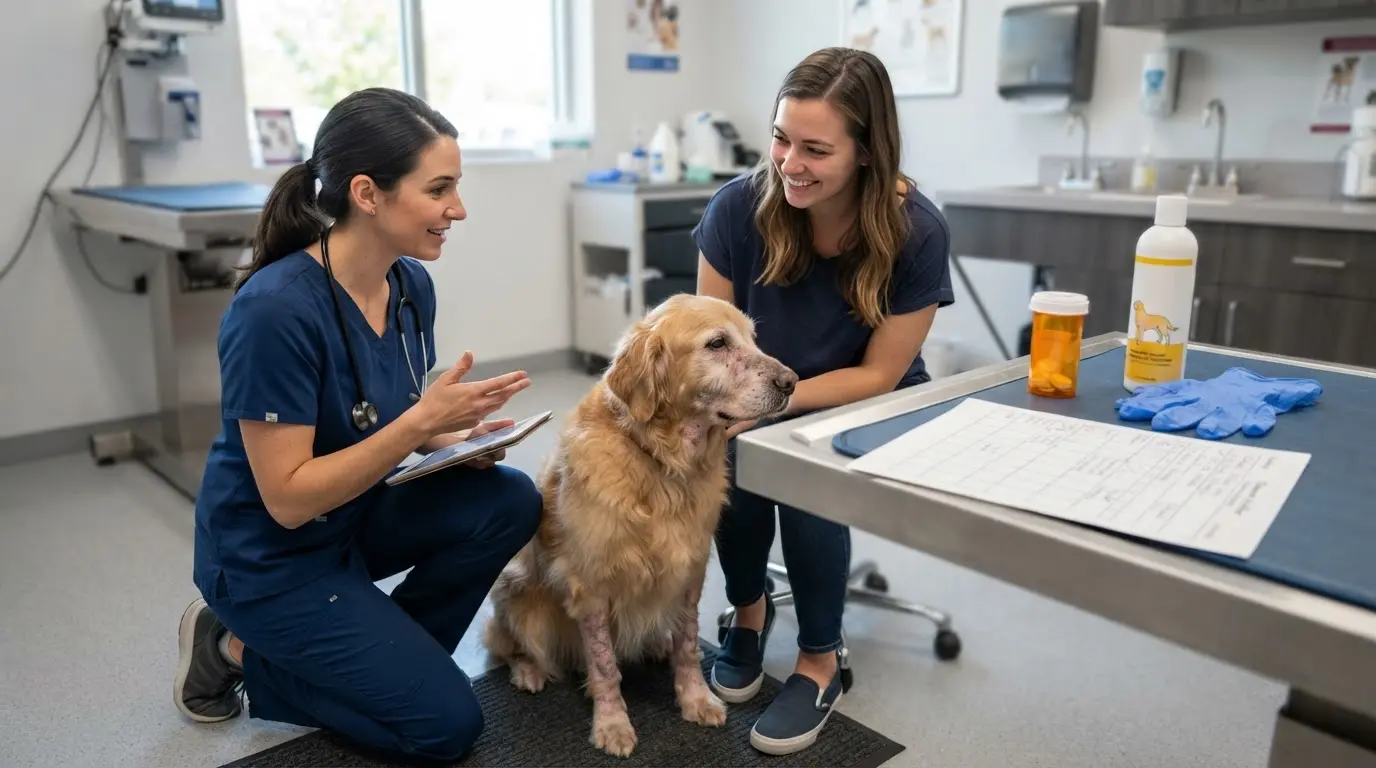
Treating mange successfully depends on identifying the type of mite involved and consistently following the prescribed treatment plan. While some dogs improve within weeks, others require longer care because skin healing continues.
1. Prescription Medications
Veterinarians commonly prescribe oral or topical medications that kill mites throughout their life cycle. Modern isoxazoline medications are widely used for their effectiveness against several external parasites.
The exact medication and treatment duration depend on the type of mange, the dog’s age, and overall health.
2. Medicated Shampoos
Medicated shampoos help loosen crusts, remove excess skin debris, and reduce bacteria on the skin surface.
Regular bathing also improves the effectiveness of certain topical treatments by allowing medication to reach affected areas more easily. Always follow the bathing schedule recommended by the veterinarian.
3. Antibiotics for Secondary Infections
Scratching and damaged skin can allow bacteria to enter, leading to painful infections. In these situations, antibiotics may be prescribed alongside mite treatment.
Completing the entire antibiotic course is important, even if the skin appears much better before the medication is finished.
4. Home Care During Recovery
Daily care at home supports healing and reduces the chance of reinfestation. Helpful practices include:
- Wash bedding and blankets regularly.
- Clean brushes, collars, and grooming tools.
- Prevent excessive scratching with veterinary guidance.
- Feed a balanced, nutritious diet.
- Administer every medication on schedule.
- Limit contact with other pets if sarcoptic mange is diagnosed.
- Attend all follow-up veterinary appointments.
Important: Mange treatment depends on the type of mite, the severity of symptoms, and the dog’s health. Avoid using human medications or over-the-counter remedies without veterinary advice, as some products may be unsafe for dogs.
How Long Does Mange Take to Heal?
Recovery time varies because every dog responds differently to treatment. The type of mange, the severity of skin damage, and overall health all influence how quickly improvement becomes visible.
| Type of Mange | Average Improvement | Full Recovery |
| Localized Demodectic Mange | 3–6 weeks | 1–3 months |
| Generalized Demodectic Mange | 6–8 weeks | Several months |
| Sarcoptic Mange | 2–4 weeks | 1–2 months with treatment |
Several factors influence recovery speed:
- Early diagnosis
- Consistent medication use
- Presence of bacterial infections
- Immune system health
- Age of the dog
- Follow-up veterinary care
Visible improvement often appears before the skin has fully healed. Continuing treatment exactly as prescribed helps prevent mites from returning and supports healthy hair regrowth.
Can Mange Be Prevented?
Yes, mange can often be prevented, but it cannot always be avoided completely. Regular preventive care greatly lowers the risk of mite infestations and supports healthy skin.
Using veterinarian-approved parasite prevention throughout the year, scheduling routine wellness checkups, and grooming your dog regularly can help detect skin changes early.
Keeping bedding, blankets, collars, and grooming tools clean also reduces the chances of exposure. Avoid close contact with animals showing signs of skin disease, and provide a balanced diet to support a strong immune system.
Puppies, senior dogs, and dogs with weakened immunity should be monitored more closely because they are more vulnerable. These simple habits reduce the risk of mange and encourage early detection if symptoms develop.
Note: Preventive steps can reduce the risk of mange but cannot guarantee complete protection. Regular skin checks and veterinary visits are especially important for puppies, senior dogs, and dogs with health concerns.
When Should You See a Veterinarian?
Some mild skin irritation improves on its own, but mange rarely does without proper treatment. Seeking veterinary care early helps prevent discomfort, reduces complications, and shortens recovery time. Waiting too long can allow mites to spread while increasing the risk of painful skin infections.
Contact a Veterinarian If:
- Hair loss spreads quickly.
- Scratching becomes constant or severe.
- Thick crusts or scabs appear.
- The skin starts bleeding.
- A strong odor develops from affected areas.
- Pus or swelling is visible.
- A puppy develops unexplained bald patches.
- The dog seems unusually tired or uncomfortable.
- Symptoms continue worsening despite home care.
Prompt veterinary attention gives the best opportunity for a faster recovery and reduces the likelihood of long-term skin damage or recurring infestations.
Final Takeway
Small skin changes can reveal much more than they seem at first, especially when mites are involved. After learning what mange looks like on a dog.
I hope it’s easier for you to recognize the early signs, understand how the condition progresses, and know why prompt treatment matters.
You have also seen how different types of mange appear, how veterinarians diagnose them, and the options available for recovery and prevention.
Acting early can reduce discomfort and help dogs heal more comfortably. If you notice any suspicious skin changes, don’t wait too long before seeking professional advice.
Feel free to share your experience in the comments or check out more pet health blogs for helpful information.
Frequently Asked Questions
Can Puppies Outgrow Demodectic Mange?
Yes. Some puppies with localized demodectic mange recover naturally as their immune systems mature. However, veterinary monitoring is still recommended to ensure the condition does not progress to a generalized form that requires medical treatment.
Can a Dog Get Mange More than Once?
Yes. Dogs can develop mange again if they are exposed to contagious mites or have underlying health issues that allow naturally occurring mites to multiply excessively. Preventive care helps lower the risk of recurrence.
Does Clipping a Dog’s Fur Help Manage Mange?
Clipping may occasionally help with medicated treatments in severe cases, but it should only be done under veterinary guidance. Improper clipping can further irritate sensitive skin or increase the risk of secondary infections.
Can Outdoor Environments Increase the Risk of Mange?
Outdoor environments themselves do not directly cause mange, but dogs that frequently interact with stray or infected animals are at greater risk of exposure to contagious mites, particularly those responsible for sarcoptic mange.
Should other pets be checked if one dog has mange?
Yes. Other pets should be examined, especially if sarcoptic mange is suspected, because it spreads easily through close contact. Early evaluation helps detect symptoms quickly and reduces the chance of the infestation spreading further.