

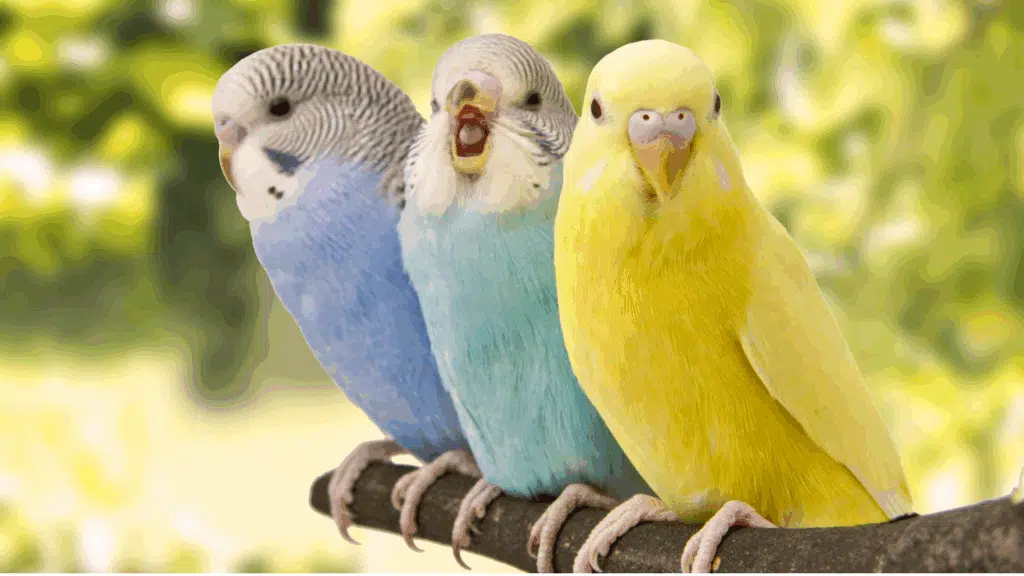
Large parrots have always fascinated me with their bright feathers, quick minds, and ability to mimic words. My first parrot proved that even one bird can be full of personality.
These birds are more than pets; they’re social companions that need regular attention and a steady routine. If you’re thinking about getting a large parrot, it’s important to know what you’re signing up for.
In this guide, you’ll learn about:
- The best large parrot species for beginners
- What makes each one unique
- Basic care tips to help them thrive
If you’re ready for a loyal and lively companion, this article will help you choose the right parrot and understand what it takes to care for one the right way.
Understanding Parrots: Personality and Care Needs
Large parrots are social, emotional, and intelligent birds that need more than just food and a cage. I’ve learned that they crave daily interaction and mental challenges to stay happy.
You’ll notice your parrot watching your every move, responding to your tone, and sometimes even trying to “talk” back.
They love being part of your routine and can get lonely if left alone too long. Giving them time outside the cage, space to stretch, and toys that keep their minds busy makes a big difference.
I spend a few minutes each day just talking to mine, and it builds trust fast.
Consistent bonding, simple things like feeding, gentle handling, and shared playtime, help them feel secure and calm.
If you give your parrot attention and structure, you’ll see how deeply they connect and how rewarding that bond can be.
Key Things to Know Before Owning a Big Parrot
Before you bring a large parrot home, it’s good to understand the real commitment involved. These birds can be loving and fun, but they also come with responsibilities that need time, space, and patience.
- Lifespan: Big parrots live a long time, some over 40 years, so owning one is a lifelong commitment.
- Space: They need a large cage and room to move freely. I always make sure mine has space to stretch and flap.
- Noise Level: Parrots are naturally loud. You’ll hear calls, squawks, and chatter throughout the day.
- Cost of Care: Food, toys, and vet visits add up. Be ready for steady expenses.
- Bonding: These birds form strong emotional ties. They need daily attention and interaction to stay happy and calm.
Best Parrot Species as Pets for First-Time Owners
Before getting your first large parrot, it helps to know which species are easy to handle and friendly. These are nine great options for beginners.
1. African Grey Parrot
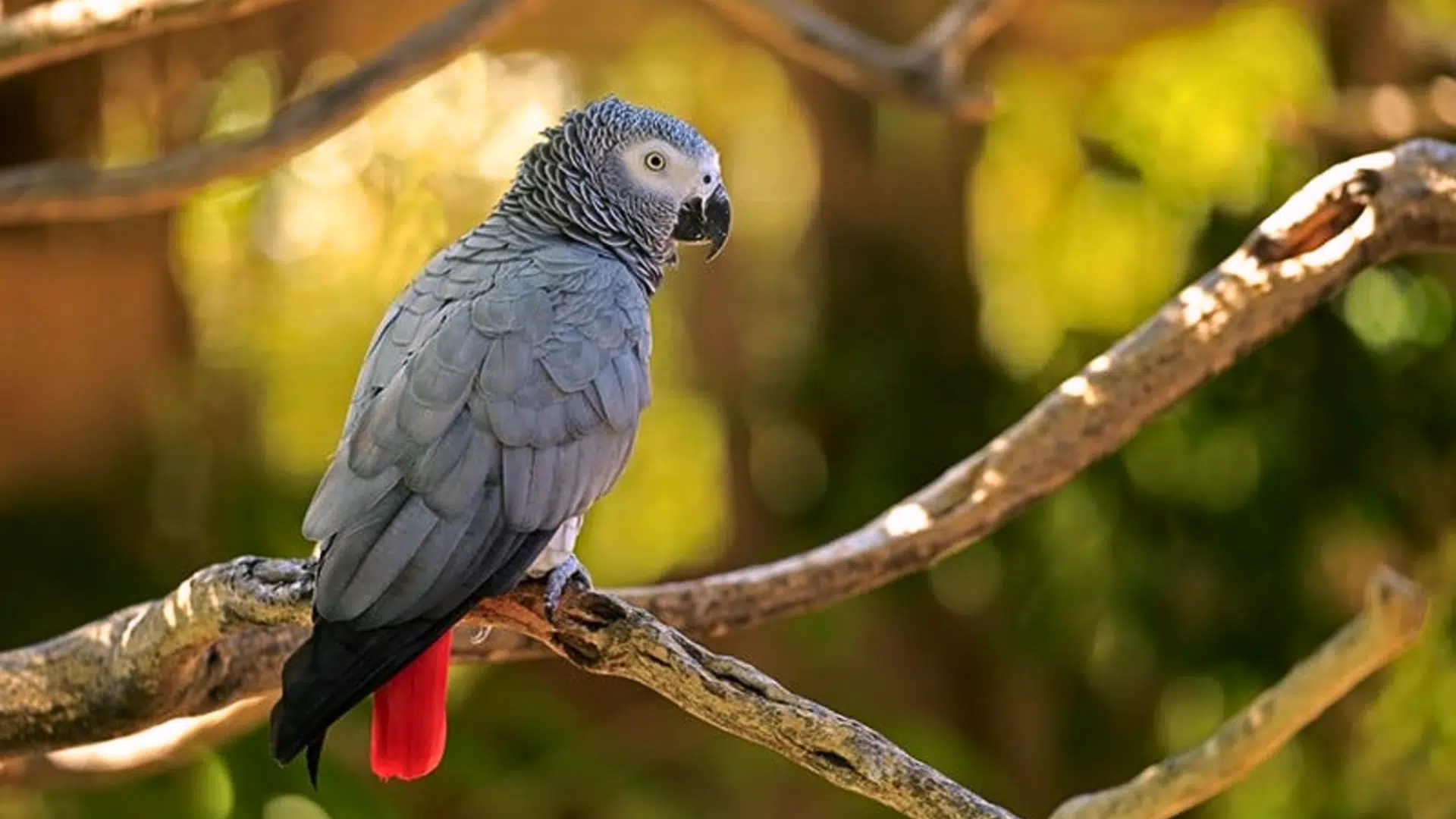
I’ve learned that the African Grey is one of the most intelligent parrots you can own. They’re quick learners, great talkers, and can even understand tone and emotion.
When I first spent time with one, I was amazed at how well it picked up routines and mimicked voices around the house.
They do need daily interaction and mental challenges to stay happy, so plan to include them in your everyday life. For beginners who enjoy a smart and engaging bird, this parrot is a perfect match.
- Diet: Pellets, fruits, and leafy greens
- Adult Weight: 14–18 oz
- Wingspan: 18–20 inches
2. Blue-and-Gold Macaw
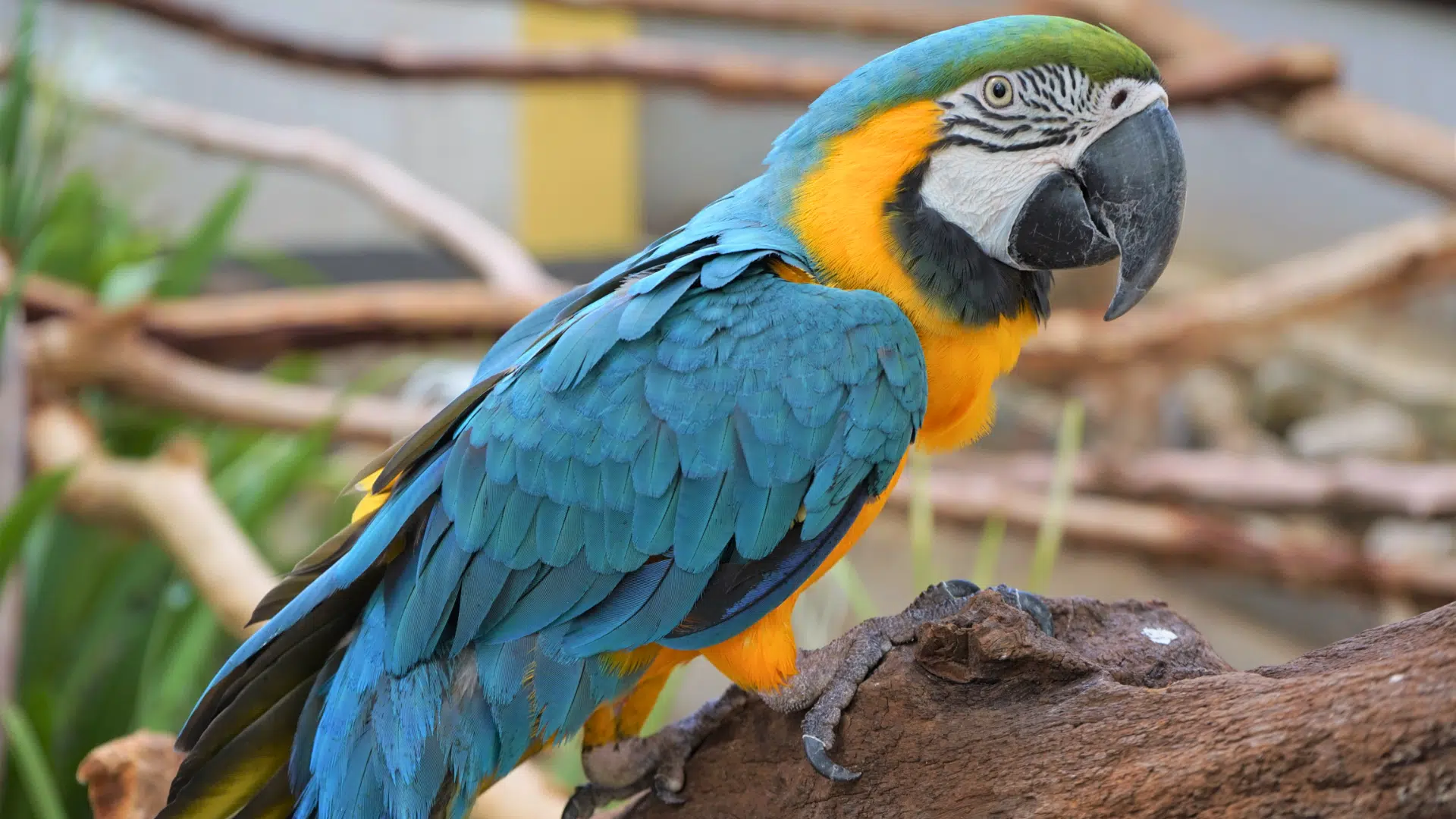
The Blue-and-Gold Macaw is known for being affectionate, playful, and social. I’ve noticed they love being part of family life, always curious about what’s going on around them.
They enjoy attention and do well when you include them in your daily routine.
Their size means they need a spacious cage and plenty of toys to stay active. They can be noisy, but their loyalty and warmth stand out. This colorful bird bonds deeply and stays affectionate for years.
- Diet: Pellets, nuts, fruits, and veggies
- Adult Weight: 28–46 oz
- Wingspan: 41–45 inches
3. Amazon Parrot
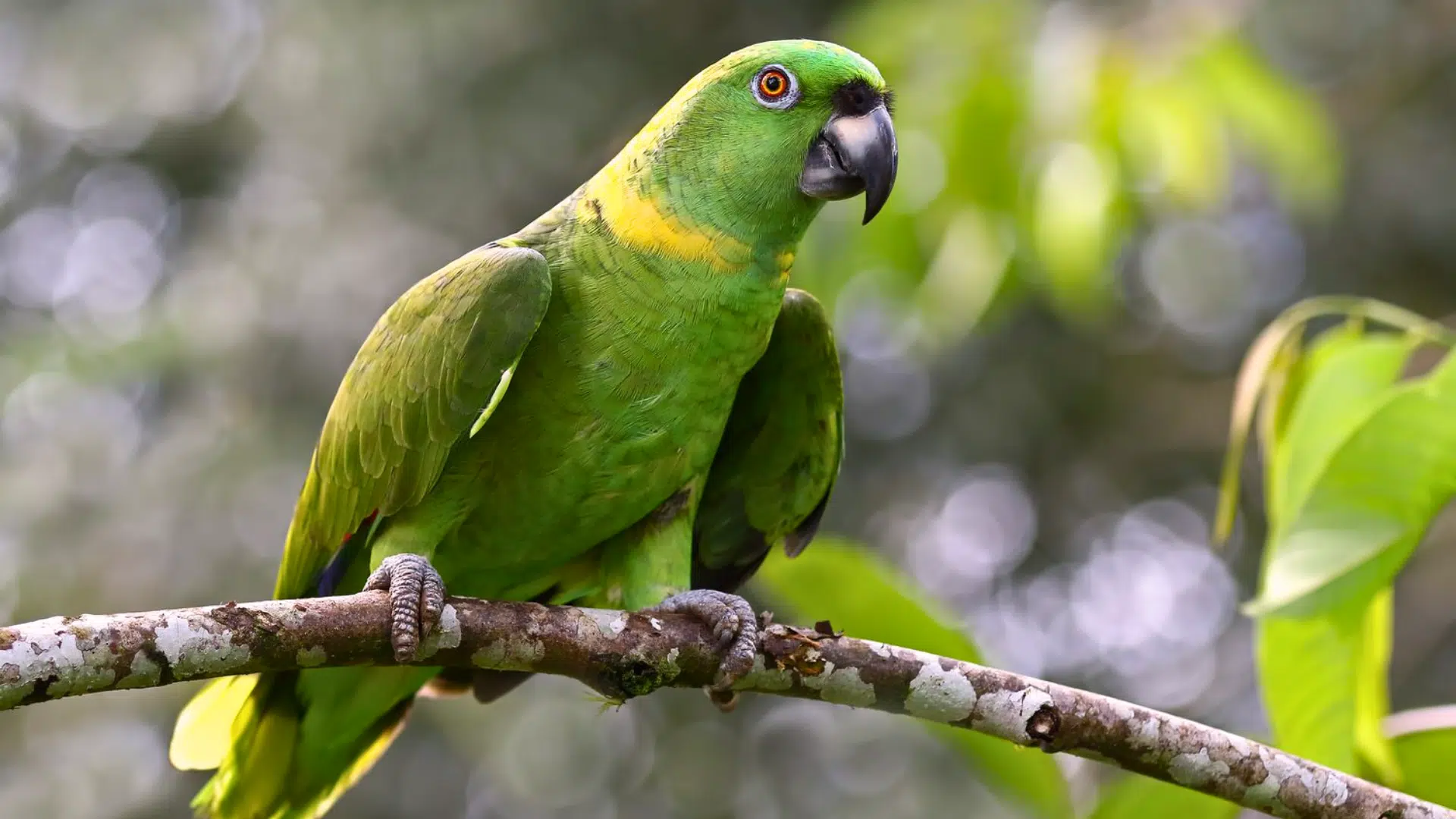
Amazon Parrots are full of personality and energy. I’ve found that they love socializing, talking, and being part of family activities. They love attention and enjoy learning short phrasesandsongs.
These parrots are great for beginners who can spend time each day bonding and providing stimulation.
You’ll need to set clear routines since they’re smart and sometimes stubborn, but their playful side makes up for it. They do best in a lively home with people around most of the day.
- Diet: Pellets, seeds, vegetables, and fruits
- Adult Weight: 10–27 oz
- Wingspan: 15–17 inches
4. Eclectus Parrot
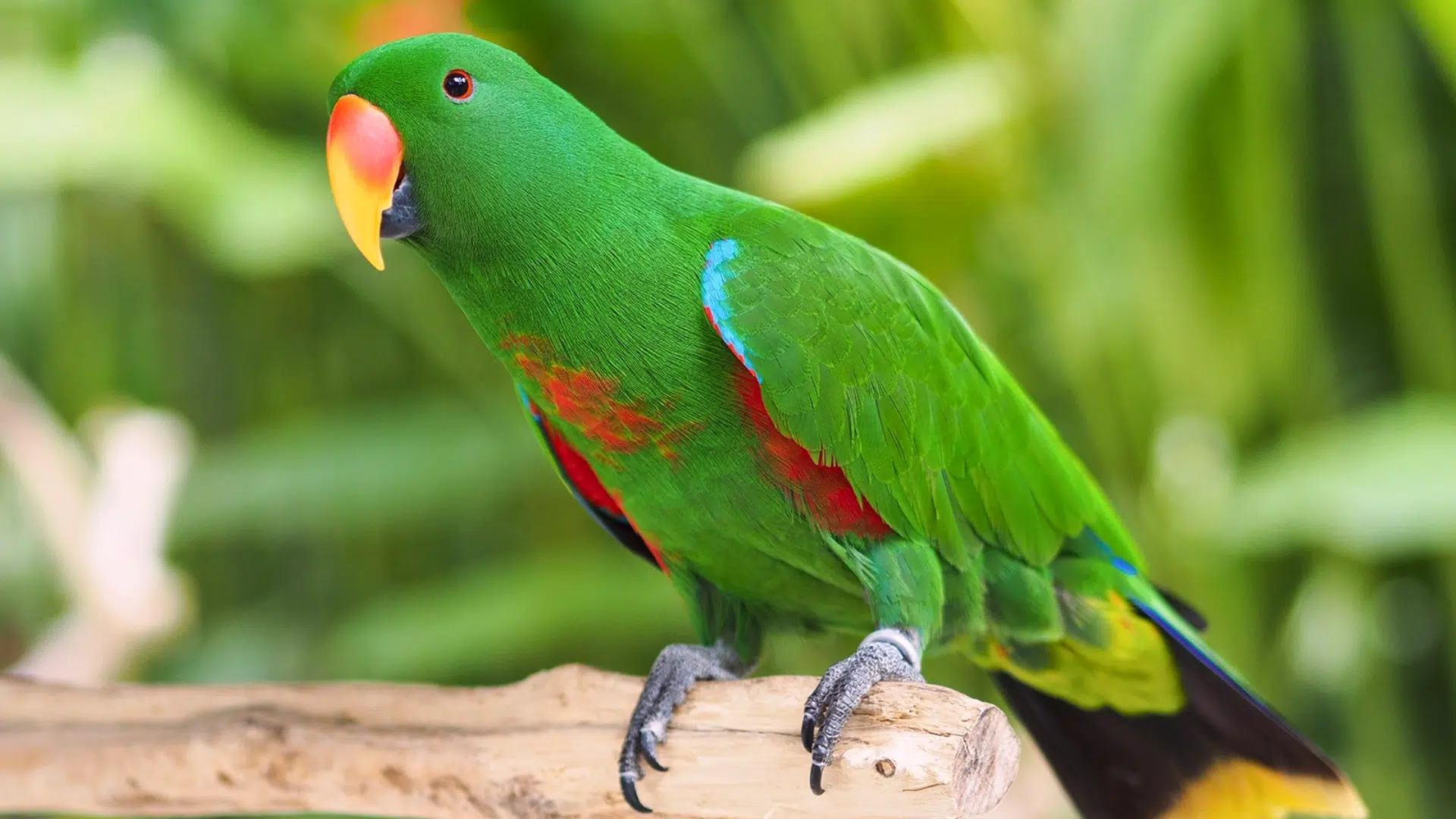
The Eclectus Parrot stands out for its calm and gentle nature. I like how easy they are to train and how well they respond to patient care. They don’t need constant attention, but still enjoy spending time near you.
Their vibrant plumage and quiet behavior make them great for first-time owners who prefer a peaceful companion.
I’ve seen that they bond closely with one person and stay loyal once trust is built. Feed them a healthy diet, spend time with them each day, and they’ll do great in your care.
- Diet: Fresh fruits, vegetables, and grains
- Adult Weight: 13–19 oz
- Wingspan: 24–28 inches
5. Indian Ringneck Parrot
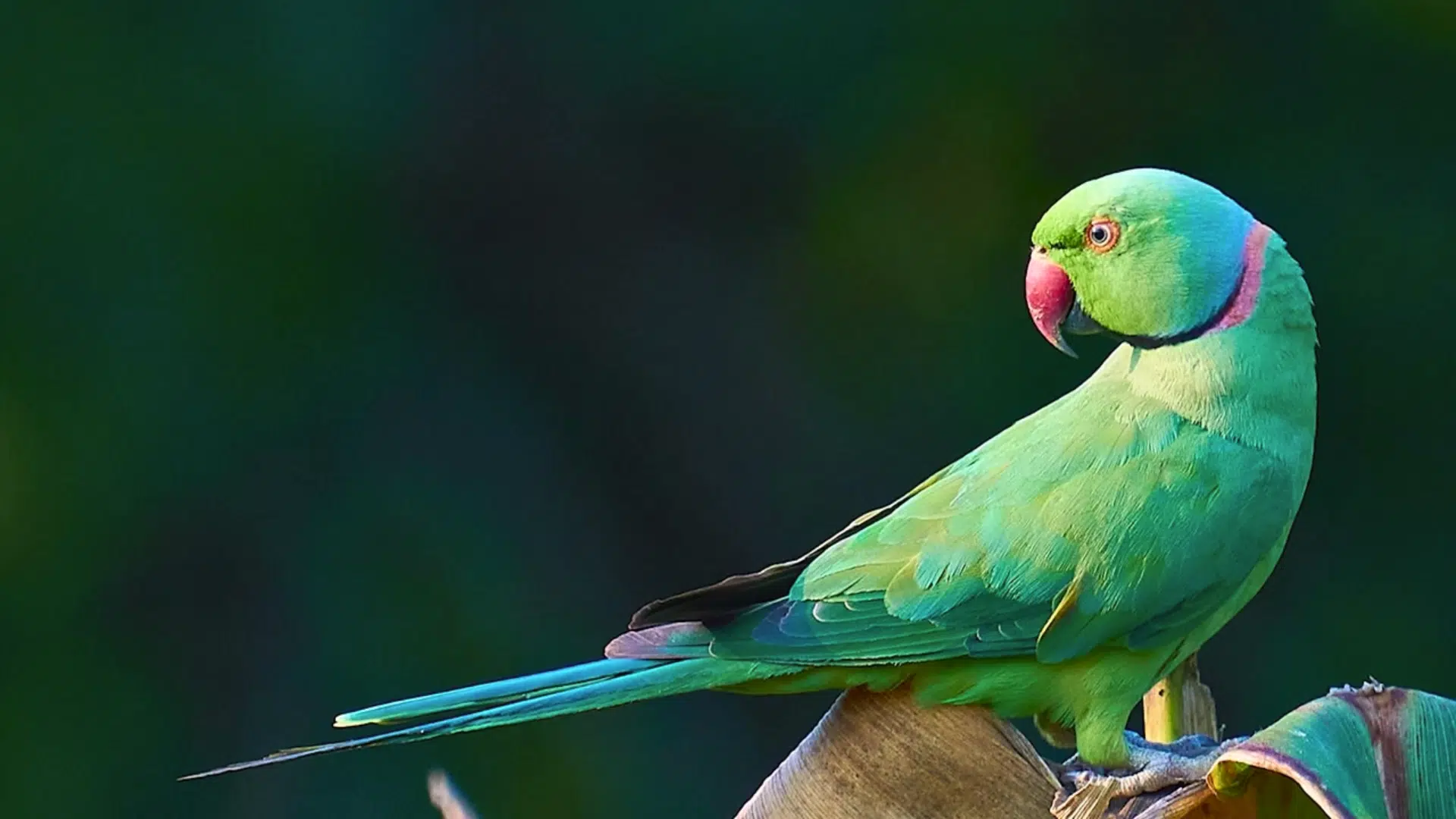
Indian Ringnecks are curious, clever, and full of character. I’ve found that they’re a bit shy at first but warm up quickly once they trust you. They love learning tricks and talking, and their playful nature makes them fun to interact with.
These parrots enjoy having a routine and doing things on their own terms, which keeps them interesting.
For first-time owners who want an active and intelligent companion, the Ringneck is a great choice with manageable care needs.
- Diet: Pellets, fresh fruits, and vegetables
- Adult Weight: 3–5 oz
- Wingspan: 16–18 inches
6. Cockatoo
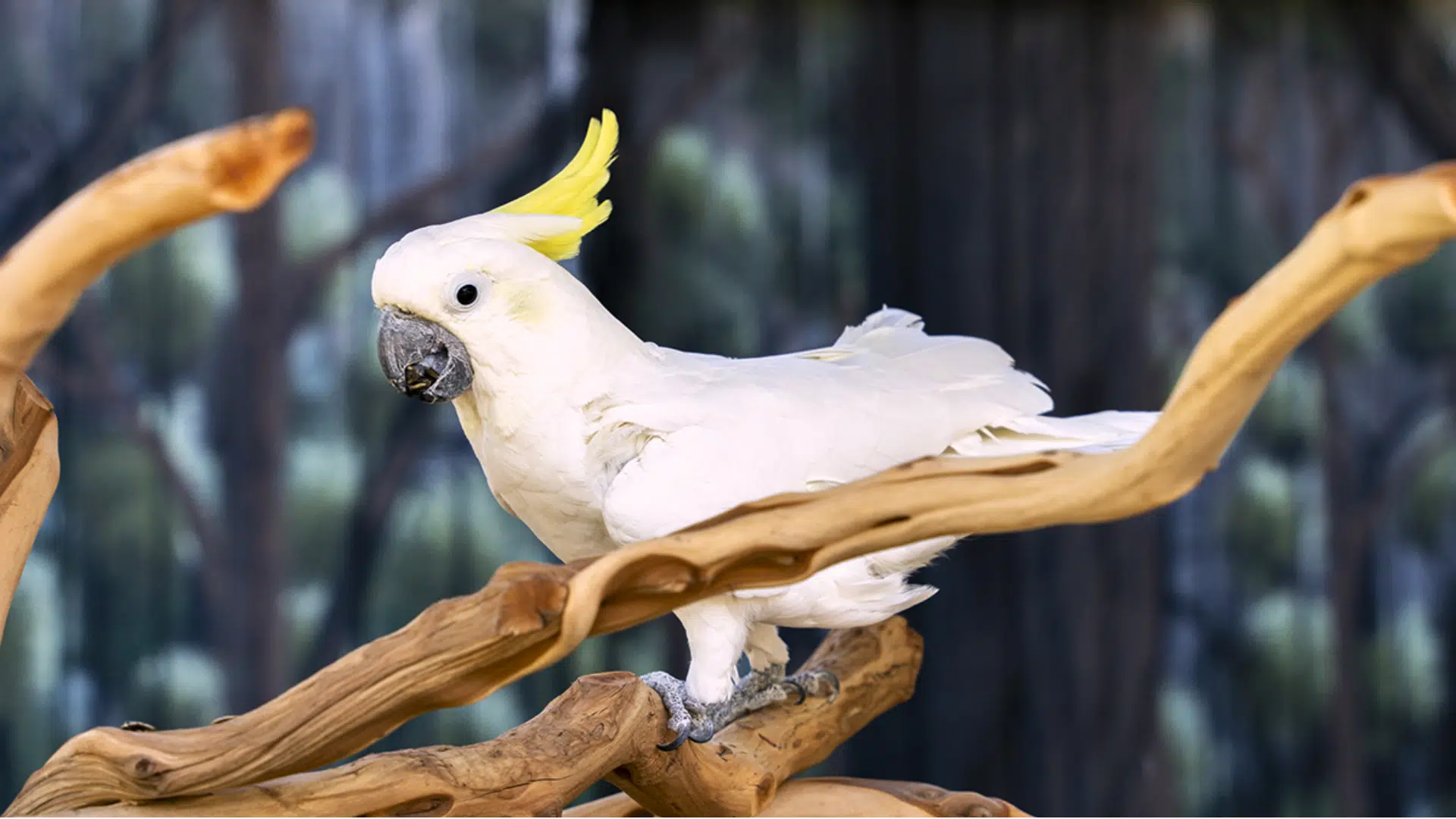
Cockatoos are affectionate, social, and love close human bonds. I’ve noticed they love attention and often want to be near you throughout the day. They’re very expressive, using body language and sounds to show their moods.
Because of their strong attachment, they do best with owners who can spend time with them daily.
While their noise level can be high, their loving and playful nature makes them a joy to have around. For beginners ready for a daily commitment, cockatoos can be very rewarding.
- Diet: Pellets, nuts, and fresh produce
- Adult Weight: 21–33 oz
- Wingspan: 30–36 inches
7. Quaker Parrot
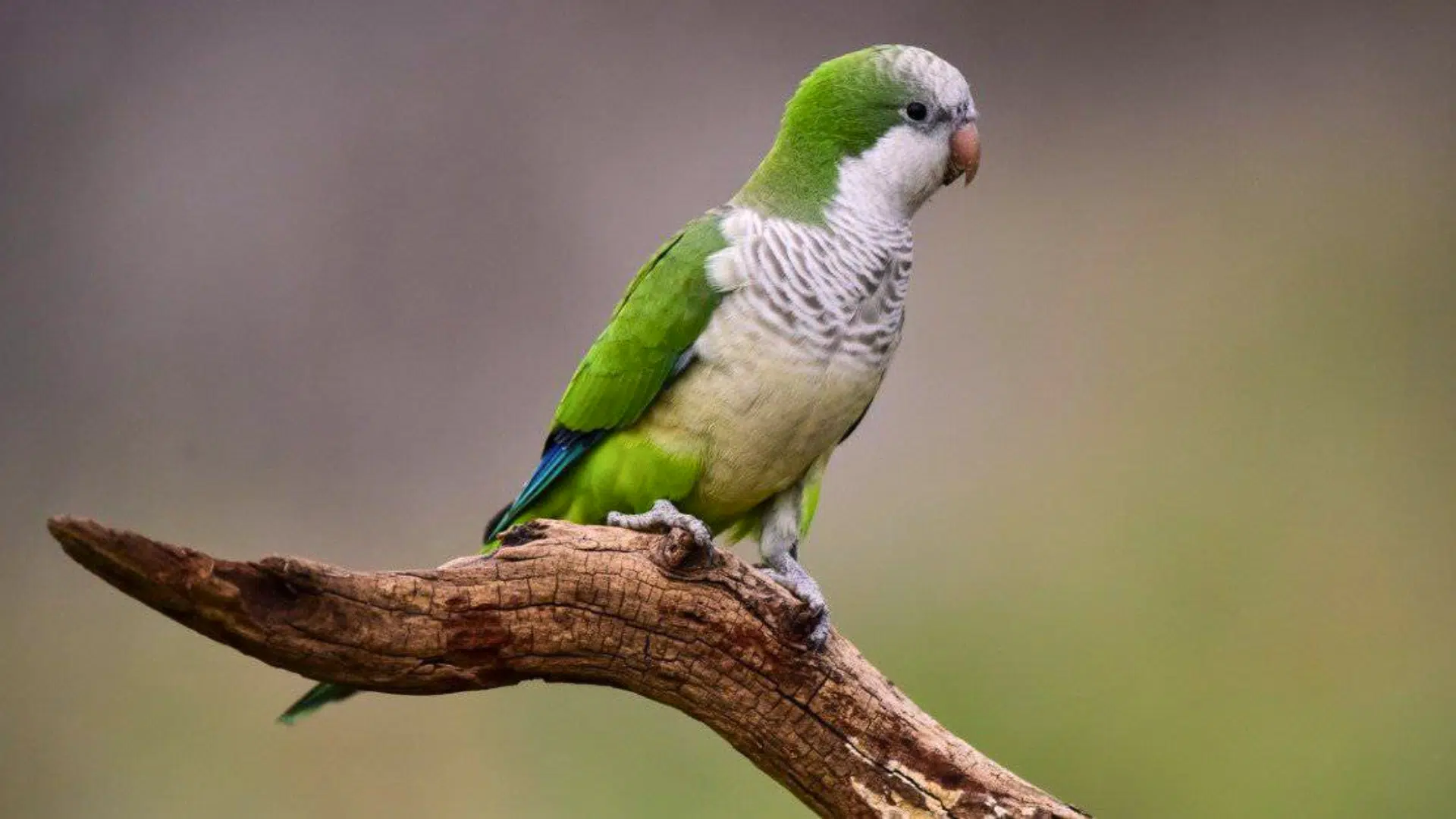
Quaker Parrots, also called Monk Parakeets, are small but full of energy. I like how friendly and adaptable they are, even for busy households. They quickly learn to talk and can mimic simple words or sounds with practice.
These parrots enjoy social time but can also play alone with toys. They’re good for beginners who want a large personality in a smaller bird.
With consistent handling, you’ll find Quakers affectionate and easy to bond with.
- Diet: Pellets, seeds, fruits, and vegetables
- Adult Weight: 3–5 oz
- Wingspan: 19–21 inches
8. Blue-Crowned Conure
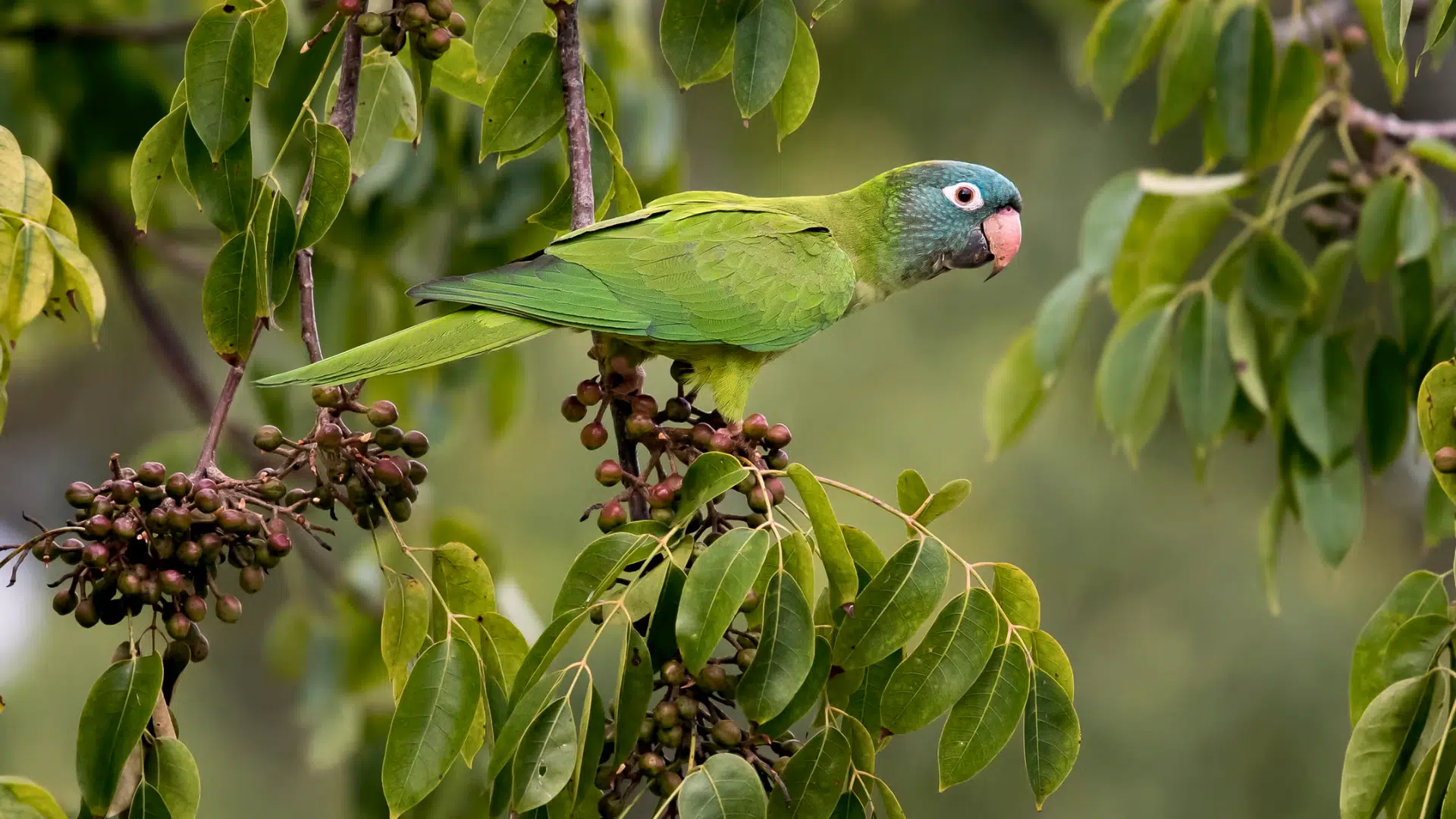
The Blue-Crowned Conure is gentle and affectionate, making it a nice fit for new owners. I’ve seen that they enjoy talking softly and love being part of your daily routine.
They’re not too loud, which makes them great for homes where noise is a concern.
These birds need a bit of space to play and fly, but are otherwise easy to care for. Their calm and steady temperament makes them a great starting point for first-time parrot keepers.
- Diet: Pellets, fruits, vegetables, and grains
- Adult Weight: 5–6 oz
- Wingspan: 15–16 inches
9. Galah
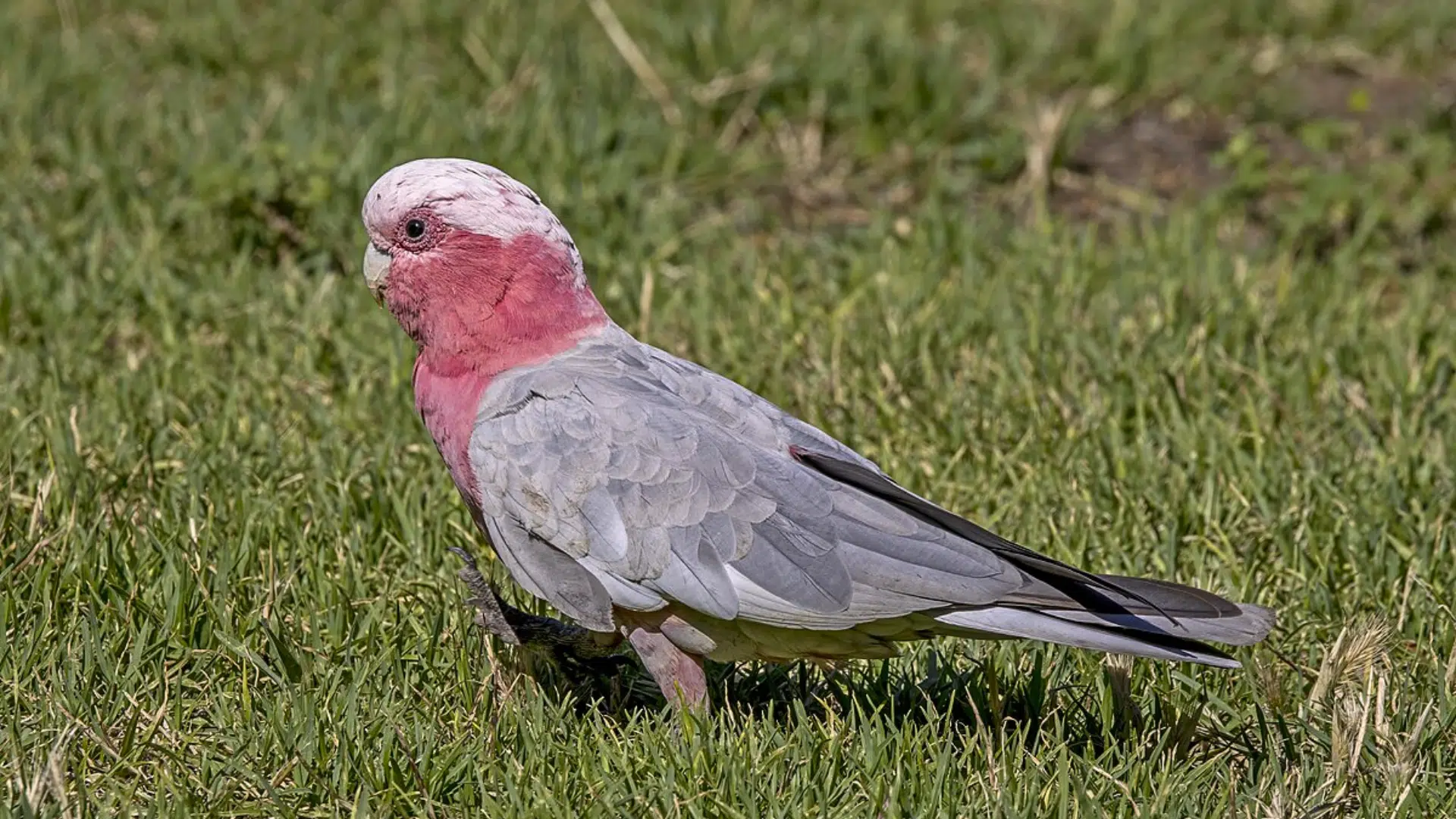
The Galah is one of my favorite large parrots because of its gentle nature and beautiful pink-and-gray feathers. They’re social, playful, and form close bonds with their owners.
I’ve found they’re less demanding than some larger cockatoos, making them easier for beginners to manage. They love toys, interaction, and time out of the cage each day.
If you can provide attention and gentle handling, a Galah will become a cheerful and loyal companion for years.
- Diet: Pellets, seeds, nuts, and fresh greens
- Adult Weight: 10–14 oz
- Wingspan: 28–30 inches
Feeding Tips for Strong and Cheerful Parrots
Feeding your parrot right keeps it active, healthy, and happy. I’ve learned that a balanced diet makes all the difference in their energy and mood. These are a few simple tips you can follow:
- Offer a balanced diet: Use high-quality pellets as the main food source for complete nutrition.
- Add fresh fruits and vegetables: Include leafy greens, apples, carrots, and berries daily.
- Limit seeds: Seeds are tasty but high in fat; give them only as an occasional treat.
- Avoid junk food: Skip salty, sugary, or processed snacks—they harm your bird’s health.
- Keep water fresh: Change water daily and clean the bowl to prevent bacteria buildup.
- Add variety: Rotate safe foods often so your parrot doesn’t get bored with its meals.
Training Tips for Parrot Owners
Training your parrot is about building trust and keeping things simple. I’ve found that patience works better than pressure.
Start by spending quiet time near your bird so it feels safe and used to your presence.
Once it’s comfortable, teach easy commands like “step up” or “come here” using short sessions and positive reinforcement. Offer treats and praise to make learning fun.
Parrots also need mental stimulation, so give them puzzles, toys, and daily playtime.
Keep a steady routine; birds learn best when they know what to expect. Stay calm even when progress is slow; parrots respond to gentle consistency, not force.
Over time, your bird will trust you more, follow cues, and enjoy training, proof of a strong bond forming.
Conclusion
Caring for a large parrot pet is more than just keeping a pet; it’s forming a lasting friendship. I’ve realized over the years that these birds become part of your daily life, sharing your routines and even your moods.
They need time, care, and patience, but what you get in return is worth it.
A happy parrot will talk to you, play with you, and brighten even the dullest day. It’s a relationship built on trust and understanding, not perfection.
With steady attention, good nutrition, and space to move, they grow healthy and content.
In return, you gain a loyal companion who’ll stay by your side for decades, offering laughter, company, and a bond that only deepens with time.