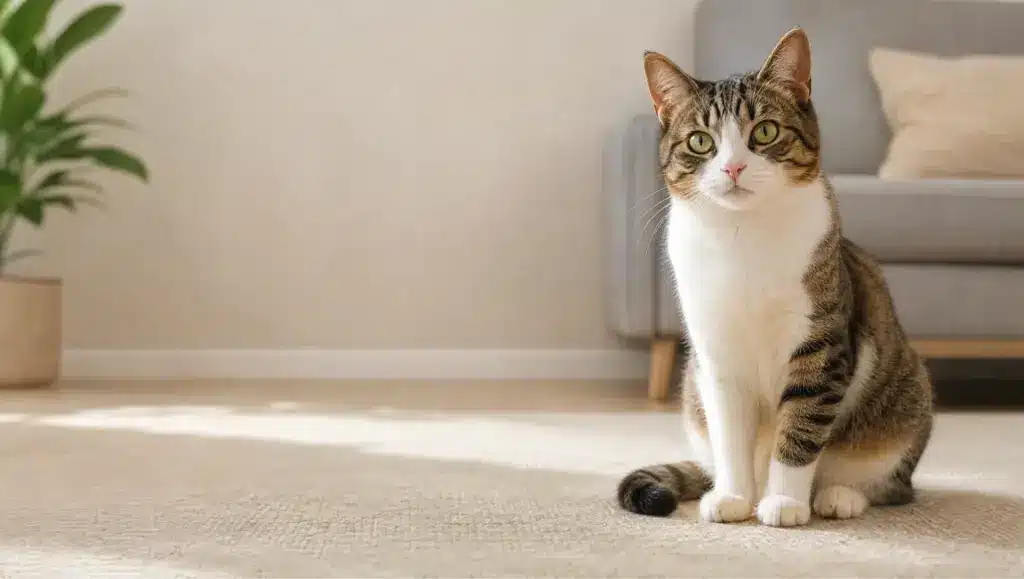
A strange smell hits, and your cat looks completely innocent. I know that moment can make you laugh first, then worry if it keeps happening.
So, do cats fart? Yes, cats can fart, and a small amount of gas is usually normal. Most cat farts are quiet, quick, and easy to miss. Some smell bad because food, gut bacteria, and animal protein can create strong odors during digestion.
If your cat acts normally and passes gas once in a while, you usually do not need to do anything.
The real concern is a pattern: frequent gas, rotten smells, diarrhea, vomiting, appetite loss, or pain. That pattern helps you know what to do next.
How Cats Pass Gas Without You Noticing
Cats can pass gas when gas builds up in the digestive tract and leaves the body through the rectum. It is not usually loud, so you may only notice the smell.
A random fart once in a while is usually not a reason to panic. If your cat eats well, plays, sleeps, and uses the litter box like normal, you can often just watch for changes.
Cats also may not pass gas often enough for you to notice every day.
The concern arises when gas becomes frequent, new, very foul, or associated with other symptoms. The Merck Veterinary Manual lists diarrhea, constipation, vomiting, loss of appetite, bleeding, abdominal pain, bloating, and straining as possible signs of digestive disease in cats.
A quiet toot is usually just a quiet toot. A change in your cat’s normal pattern is what deserves closer attention.
Common Reasons Cats Develop Gas
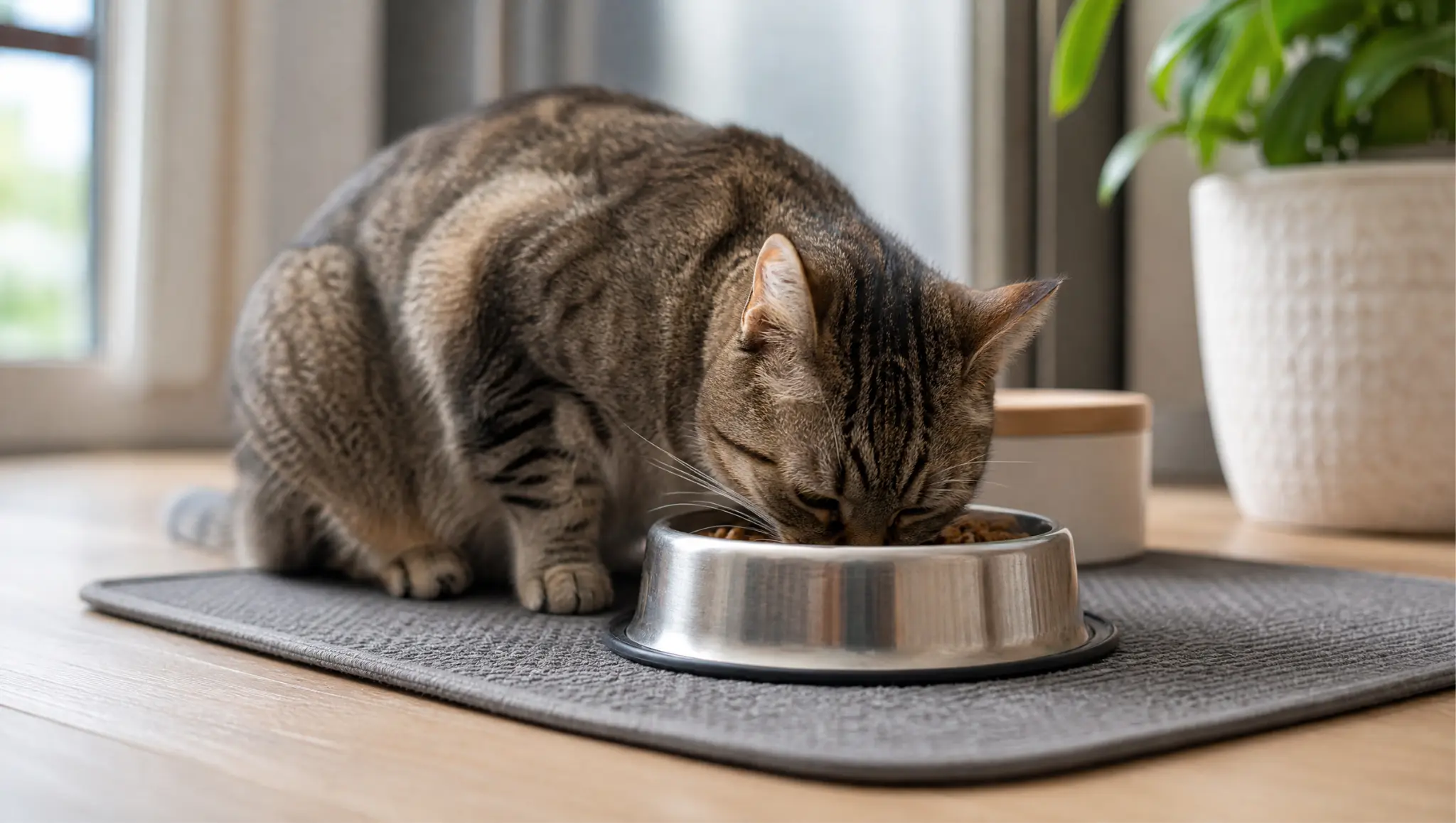
Cat gas forms when air or digestive gas builds up inside the gut. This can happen during normal digestion, but certain habits can make it more noticeable.
Some cats swallow extra air when they eat too fast. That air can move through the digestive tract and come out later as gas. Stress, heavy grooming, hairballs, or a sensitive stomach may also play a role.
Common non-food causes include:
- Eating too fast
- Swallowing air while eating
- Stress or routine changes
- Hairballs
- Heavy grooming
- Mild stomach sensitivity
- Digestive upset
- Kittens adjusting to new routines
Kittens may pass gas more often while their digestion is still settling. If your kitten also has diarrhea, vomiting, a swollen belly, poor growth, or low energy, call your vet.
This section helps you understand the main reasons gas happens. The next step is to look at food, since diet is one of the most common triggers.
Why Do Cats Fart Smell So Bad?
The smell can feel shocking because cats are small, but their digestion can still create strong odors. A cat’s diet is often rich in animal protein, and that can make gas smell stronger.
Gut bacteria break down food inside the intestines. During that process, strong-smelling gases can form. One bad smell does not always mean something is wrong, but a repeated strong odor can point to food trouble or gut upset.
| What you notice | What it may mean |
|---|---|
| One rare smelly fart | Usually normal |
| Bad gas after new food | Possible food reaction |
| Rotten smell often | Food issue or gut imbalance |
| Gas with soft stool | Digestive upset |
| Gas with vomiting or weight loss | Call your vet |
Smell alone does not tell the full story. Stool quality, appetite, energy level, and how often it happens give you a better answer than odor by itself.
Foods That Can Make a Cat Gassy
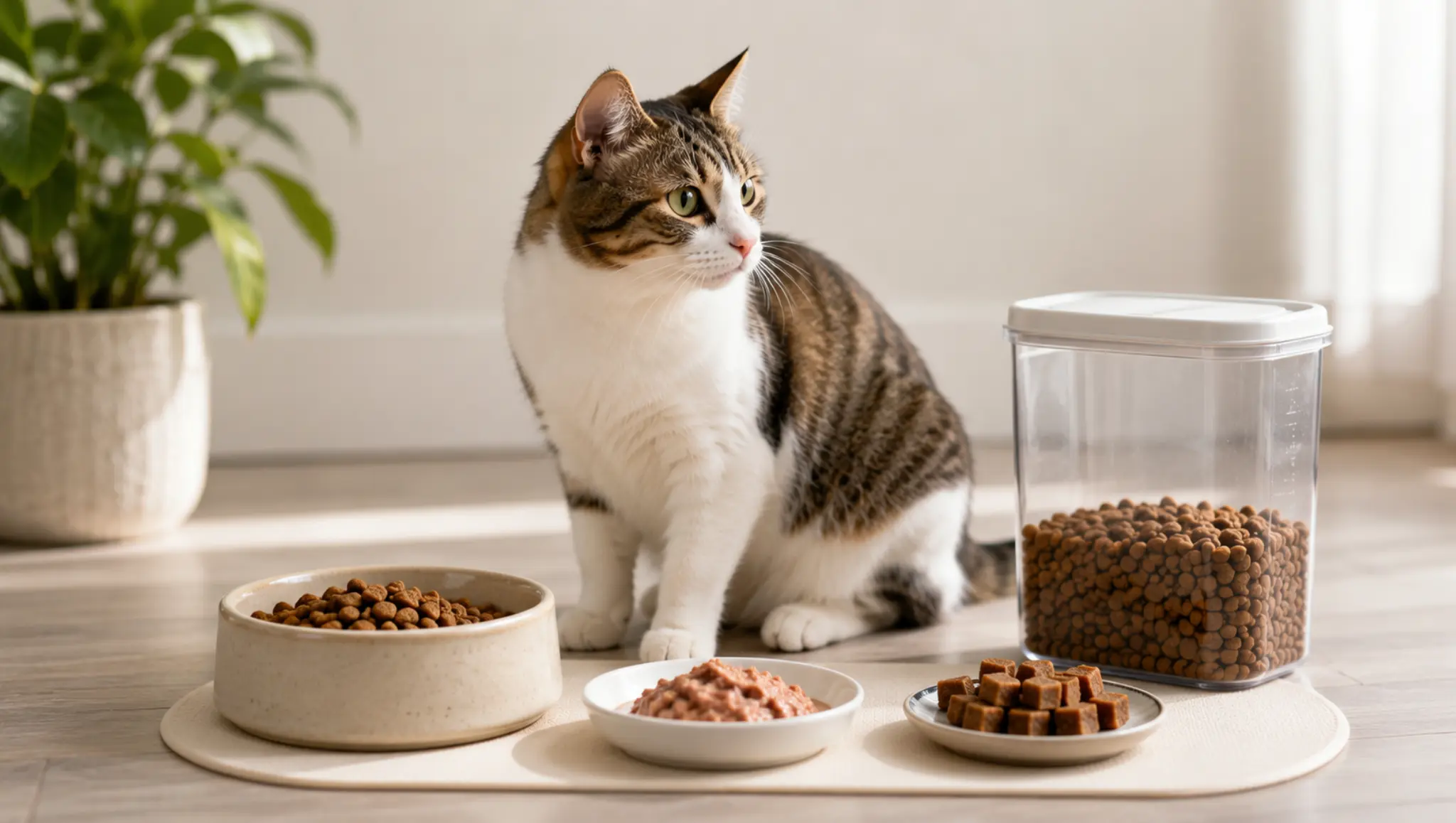
Food is one of the first places to check when your cat keeps farting. Cats need animal-based nutrition, but not every food, treat, or table scrap works well for every cat.
Possible food causes include:
- New dry or wet food
- Sudden diet changes
- Rich treats
- Milk, cream, or cheese
- Fatty table scraps
- High-fiber foods
- Food with ingredients your cat does not tolerate
- Spoiled food or trash
- Too much food at once
Dairy can upset some cats because many kittens lose the ability to digest lactose by about 12 weeks of age. Too much milk can lead to stomach upset and diarrhea. Since milk is a common digestive trigger, understanding why cats cannot digest lactose can help explain gas and stomach reactions after exposure to dairy.
Do not change your cat’s food too quickly unless your vet tells you to. A slow switch over 7 to 14 days gives your cat’s stomach more time to adjust.
Food fixes work best when they are slow and easy to track. Change one thing at a time so you can tell what helped and what made the gas worse.
Is It Really a Fart or Another Smell?
Sometimes the smell is not gas at all. Cat owners often blame farts for odors the come from another source.
A dirty litter box can make the room smell. Soft stool stuck in fur can follow your cat around. A strong smell from the rear area can also stem from other issues, and common reasons for a cat’s bad rear odor can help distinguish gas from other causes.
Dental disease can cause a strong breath odor that resembles body odor. Skin, ear, or anal gland issues can also cause bad odor.
Pay attention to where the odor starts. If it appears for a few seconds and disappears, gas is more likely. If your cat smells bad all day, check the mouth, rear fur, ears, skin, and litter box.
This small check can save you from chasing the wrong problem. The source of the smell matters as much as the smell itself.
When Frequent Gas Signals a Health Problem
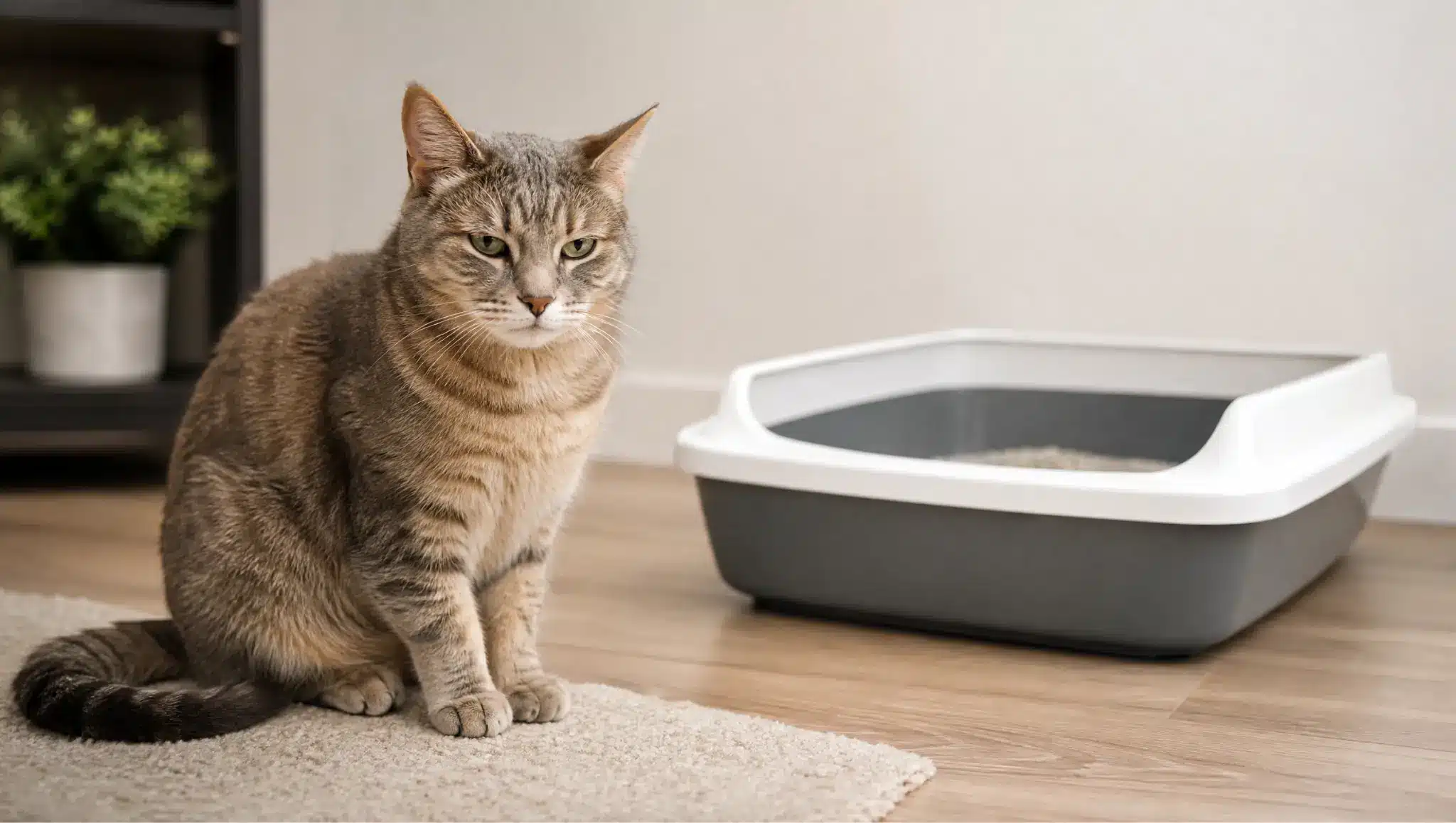
Most cat gas is not an emergency. Still, bad or constant gas can sometimes be tied to parasites, infection, food intolerance or allergy, constipation, inflammatory bowel disease, or another digestive issue.
Food intolerance is often the better term for digestive reactions that do not involve the immune system. VCA Animal Hospitals explains that food intolerance typically refers to adverse food reactions that cause digestive issues, whereas a food allergy involves the immune system.
Cornell University College of Veterinary Medicine says intestinal parasites may cause vomiting, diarrhea, dull coat, bloody or mucus-like stool, appetite loss, and a pot-bellied look. Cornell also notes that inflammatory bowel disease can cause chronic vomiting or diarrhea, depending on where the gut is inflamed.
Call your vet if gas comes with:
- Vomiting
- Diarrhea
- Blood in stool
- Weight loss
- Refusing food
- Low energy
- Bloated belly
- Pain when handled
- Straining in the litter box
- Constipation
- Gas that keeps getting worse
The American Veterinary Medical Association says severe vomiting or diarrhea, more than two episodes in 24 hours, or either one with clear illness, needs urgent veterinary care.
Gas by itself can be harmless. Gas plus other symptoms is the point where you should not guess.
What You Can Do If Your Cat Keeps Farting
Start with calm, safe steps at home if your cat otherwise seems normal. Do not give human gas medicine unless your vet tells you to.
Try smaller meals if your cat eats too much at once. A slow-feeder bowl can help a cat that gulps its food. Puzzle feeders can also slow meals and give your cat something useful to do.
Track what changed before the gas started. Write down food changes, treats, stool changes, vomiting, appetite, and energy level. That short timeline can help your vet identify the cause more quickly.
Home steps can help mild cases. If the smell, stool changes, or discomfort keeps coming back, your vet should check your cat.
Is Your Cat’s Gas Normal?
A quick check can help you slow down and read the situation more clearly. One small fart is usually not the issue. What matters more is how often it happens, how your cat behaves, and whether the gas is accompanied by other changes in the body.
| Normal | Not normal |
|---|---|
| Rare gas | Gas every day |
| No other symptoms | Vomiting or diarrhea |
| Normal appetite | Refusing food |
| Normal stool | Blood, mucus, or soft stool |
| Cat acts normal | Pain, hiding, or low energy |
Use the table as a starting point, not a diagnosis. If your cat seems bright, eats normally, and uses the litter box as usual, you can often watch for changes. If the pattern keeps getting worse or your cat seems sick, call your vet.
Disclaimer: If your cat’s gas persists, becomes more frequent, or is accompanied by other symptoms, it is best to consult your veterinarian for proper guidance.
The Last Fart
Cat gas can be funny, but it is worth noticing when the smell keeps coming back. The simple answer is yes: “do cats fart” is a real question with a real answer.
Most cats pass gas now and then, and it is usually quiet and harmless.
I would focus on the pattern rather than the one-time smell. Gas after a new food, fast meal, or nap is often not a big deal. Gas with vomiting, diarrhea, weight loss, loss of appetite, pain, or a daily rotten odor needs a vet check.
Start with slower meals, fewer scraps, and steady changes in food. If symptoms show up, call your vet and read more cat health tips next.
Drop a comment below and tell me if your cat farts badly.
Frequently Asked Questions
Can You Hear a Cat Pass Gas?
Yes, but it is not common. Most cats pass gas quietly, so you may only notice the smell. A single loud sound is usually fine if your cat eats, plays, and uses the litter box normally.
Why Does My Kitten Pass Gas so Much?
Kittens may pass gas during weaning, changes in food, or rapid eating. Their digestion is still adjusting as they grow. Call your vet if gas is accompanied by diarrhea, vomiting, a swollen belly, poor growth, or low energy.
Can Stress Cause Stomach Gas in Cats?
Stress can upset a cat’s digestion after travel, boarding, moving, or the addition of a new pet at home. Gas may happen with loose stool or appetite changes. Keep routines steady and ask your vet if it continues.
Should I Change My Cat’s Food Right Away?
No. A sudden switch can make stomach upset worse. If food seems like the cause, change it slowly over several days instead. Stop new treats first, then track changes in stool, appetite, energy, and gas carefully.