

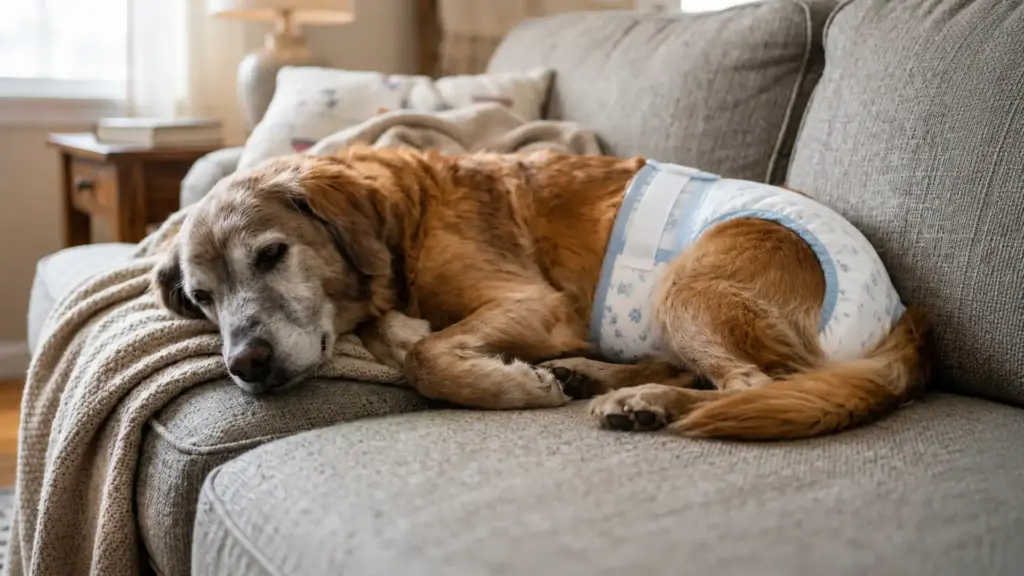
One morning, you notice a damp spot on your dog’s bed. A few days later, there’s another on the couch.
Your dog isn’t straining to urinate, having accidents during walks, or acting guilty. In fact, it may be sleeping peacefully, completely unaware that urine is leaking.
That quiet, unexpected loss of bladder control is often the first sign of incontinence in dogs, not a house-training problem.
In many cases, it indicates an underlying medical condition that requires veterinary attention. Understanding the cause early makes treatment more effective.
Here’s how vets diagnose urinary incontinence, what conditions commonly cause it, and what dog incontinence treatment options are available to help your dog stay comfortable.
What Incontinence in Dogs Actually Is
Incontinence means the bladder is releasing urine without the dog trying to, wanting to, or noticing.
It tends to show up as passive dribbling: a wet patch left behind after a nap, damp fur on the belly or hind legs, a faint ammonia smell that wasn’t there before.
That’s a different mechanism from inappropriate elimination, where the dog is fully aware of what’s happening.
Submissive urination, excitement peeing, marking, and house-training accidents all involve intentional urination. The timing or location may be inappropriate, but the dog is aware it’s urinating.
Vets sometimes see owners lump these together, and untangling which one is happening is usually the first step in a workup.
Signs of Urinary Incontinence in Dogs
The signs of urinary incontinence can be subtle at first, but recognizing them early helps your veterinarian narrow down the underlying cause more quickly.
1. Wet Bedding or Furniture
Finding damp spots on your dog’s bed, blanket, or favorite resting place, especially after sleeping, is often the earliest and most recognizable sign of urinary incontinence in dogs.
Because the leakage happens without the dog realizing it, there is usually no squatting or attempt to urinate. The urine simply escapes while the bladder is relaxed.
2. Damp Fur and Skin Irritation
Urine leakage often leaves the fur around the inner thighs, belly, or genital area damp, matted, or stained.
If the moisture remains on the skin for long periods, it can cause redness, irritation, an unpleasant odor, or mild urine scald. Regular cleaning helps reduce discomfort while the underlying condition is being treated.
3. Excessive Licking of the Genital Area
Many dogs with incontinence begin licking their genital area more often than usual. Some do this because urine irritates the skin, while others react to the unusual sensation of leaking.
Excessive licking alone does not confirm incontinence, but when combined with urine leakage, it is an important sign for your veterinarian to evaluate.
4. Increased Thirst or Large Urine Volume
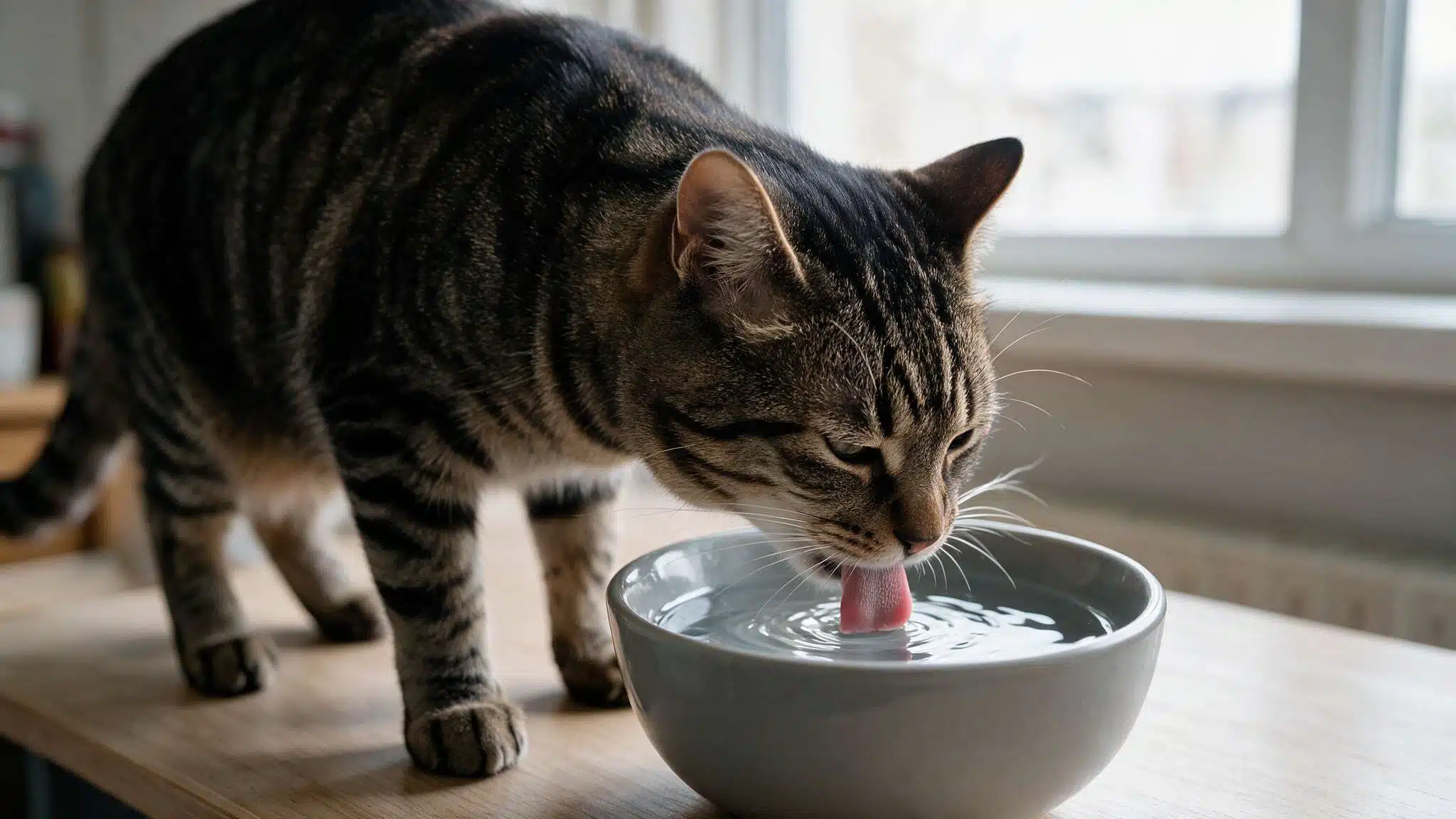
If your dog is drinking much more water than usual and producing larger amounts of urine, the problem may be more than bladder weakness.
Conditions such as diabetes, Cushing’s disease, or kidney disorders can increase urine production and contribute to leakage. These signs often require blood tests and urine analysis to identify the underlying cause.
Any of these signs, especially when they appear repeatedly or together, warrants a veterinary examination rather than being dismissed as a normal part of aging.
What Causes Incontinence in Dogs
There isn’t one single cause. A vet’s job is to narrow down which of these is actually responsible, because the treatment differs sharply depending on the answer.
- Urethral sphincter mechanism incompetence (USMI): The most common cause in adult dogs, especially spayed females. The urethral muscle weakens, allowing urine to leak under normal bladder pressure. Large breeds over 20 kg are overrepresented in studies of USMI in neutered females.
- Ectopic ureters: A congenital disability where one or both ureters bypass the bladder and connect somewhere else, most often diagnosed in young dogs before their first birthday.
- Urinary tract infection: Inflammation from a UTI can mimic or worsen incontinence, and it’s one of the first things ruled out because it’s easy to treat.
- Neurologic or spinal disease: Intervertebral disc disease, spinal trauma, or nerve damage can interrupt the signals that control bladder function.
- Hormonal and endocrine conditions: Cushing’s disease, diabetes mellitus, and diabetes insipidus all increase water intake and urine volume, which can overwhelm a dog’s ability to hold it.
- Bladder stones or tumors: Physical obstructions or growths can alter bladder capacity and function, leading to leaking as a secondary symptom.
Urinary incontinence has many possible causes, and similar symptoms can require very different treatments. Always have your dog evaluated by a licensed veterinarian before starting medication or managing the condition at home.
How Vets Diagnose Incontinence in Dogs
Diagnosis starts with a conversation, not a test.
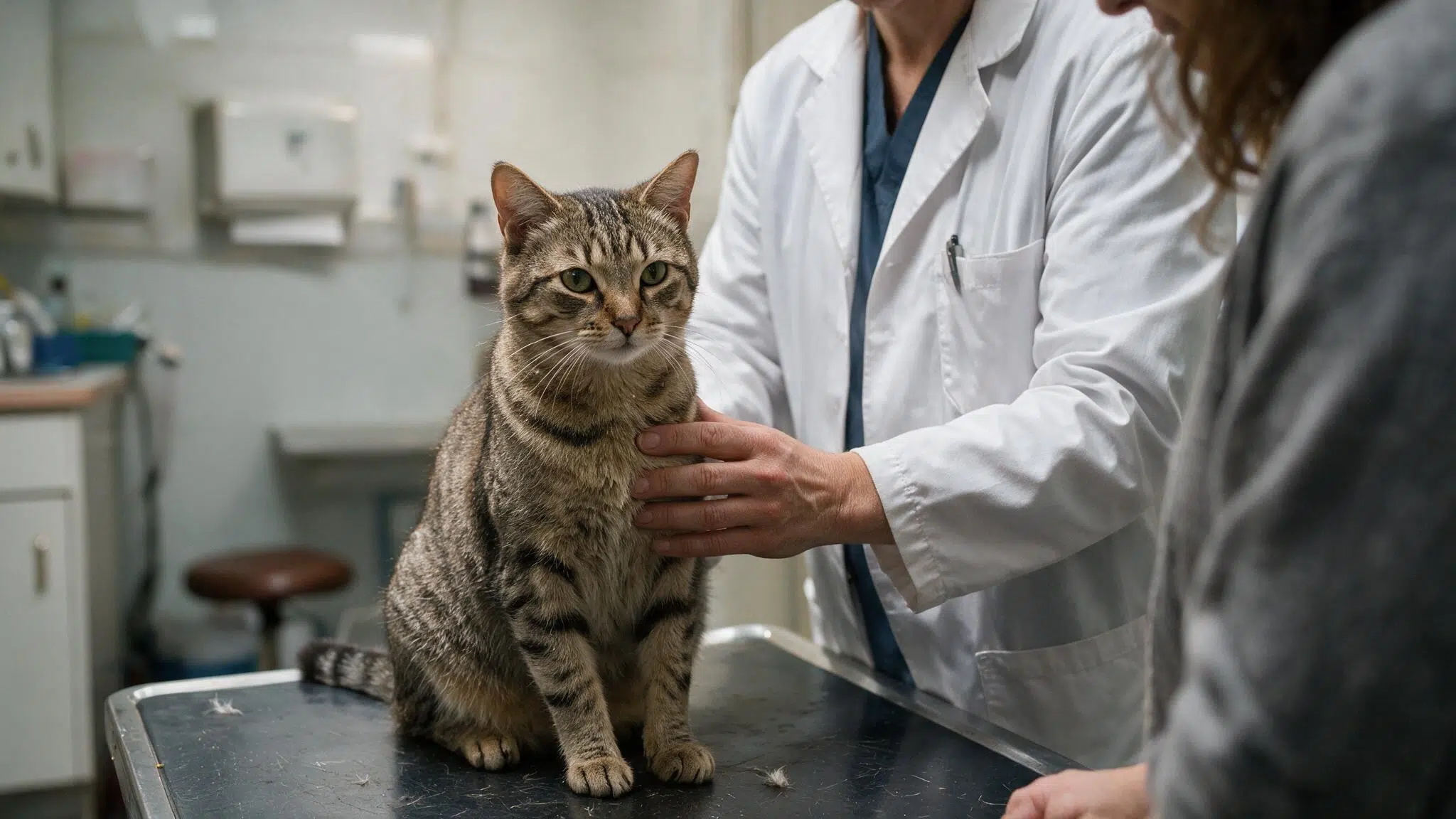
Your veterinarian will ask when the leaking happens, how much urine is lost, whether your dog seems aware of it, and if anything else has changed, such as thirst, appetite, or energy levels.
A thorough physical examination checks the genital area, skin, bladder, and spine for clues.
A urinalysis looks for infection, blood, crystals, or urine concentration problems, while bloodwork screens for diabetes, kidney disease, and Cushing’s disease.
If needed, radiographs can identify bladder stones, and ultrasound helps detect tumors or structural abnormalities involving the bladder or ureters.
In more complex cases, contrast imaging or urodynamic studies may be recommended.
If the history, examination, and test results fit the typical pattern and no other cause is found, urethral sphincter mechanism incompetence (USMI) often becomes the working diagnosis without invasive testing.
Staying on top of routine exams matters here the same way it does for catching other conditions early, since incontinence caught in its early stages is almost always easier to manage.
Dog Incontinence Treatment Options
Treatment depends entirely on the cause, which is why a proper diagnosis comes first. A dog with a UTI needs antibiotics, not hormone therapy, and a dog with an ectopic ureter needs surgery, not a sphincter medication.
Medical Management
Most dogs with urinary incontinence are treated with medication first. The choice depends on the underlying diagnosis, and many dogs with USMI improve without needing surgery.
- Phenylpropanolamine (PPA): The most commonly prescribed medication for USMI, given to strengthen urethral sphincter tone. Most dogs respond well, though it can raise heart rate and blood pressure, so periodic monitoring is standard.
- Estrogen therapy: Low-dose estrogen supplementation, including drugs like estriol, increases urethral tone and works well for hormone-responsive cases, often used alongside or instead of PPA.
- Antibiotics: Prescribed when a urinary tract infection is the underlying or contributing cause.
- Hormone or medical management for endocrine disease: Diabetes and Cushing’s disease are managed with diet, insulin, or medication, and incontinence often improves once the underlying condition is under control.
Surgical and Procedural Options
When medication is ineffective, or a structural abnormality is responsible for the leakage, surgery or minimally invasive procedures may offer the best long-term outcome.
- Ectopic ureter correction: Surgical repositioning of the ureter, sometimes performed with a minimally invasive laser technique. Reported success rates for the traditional surgery run between 50 and 75 percent, since USMI can still persist even after the structural defect is fixed.
- Colposuspension: A surgical procedure that repositions the bladder neck to improve pressure dynamics, generally considered for USMI cases that don’t respond adequately to medication.
- Urethral bulking agents: Injectable materials placed around the urethra to add support, typically reserved for dogs that failed medical management or can’t tolerate the side effects of PPA or estrogen.
A large share of USMI cases respond to medication alone, which is why most vets start there and reserve surgery for dogs that don’t improve or that have a clear structural problem to fix.
Urinary incontinence treatments are not interchangeable. Because the right medication or procedure depends on the underlying cause, have your dog examined by a licensed veterinarian before beginning or changing any treatment.
Living With an Incontinent Dog
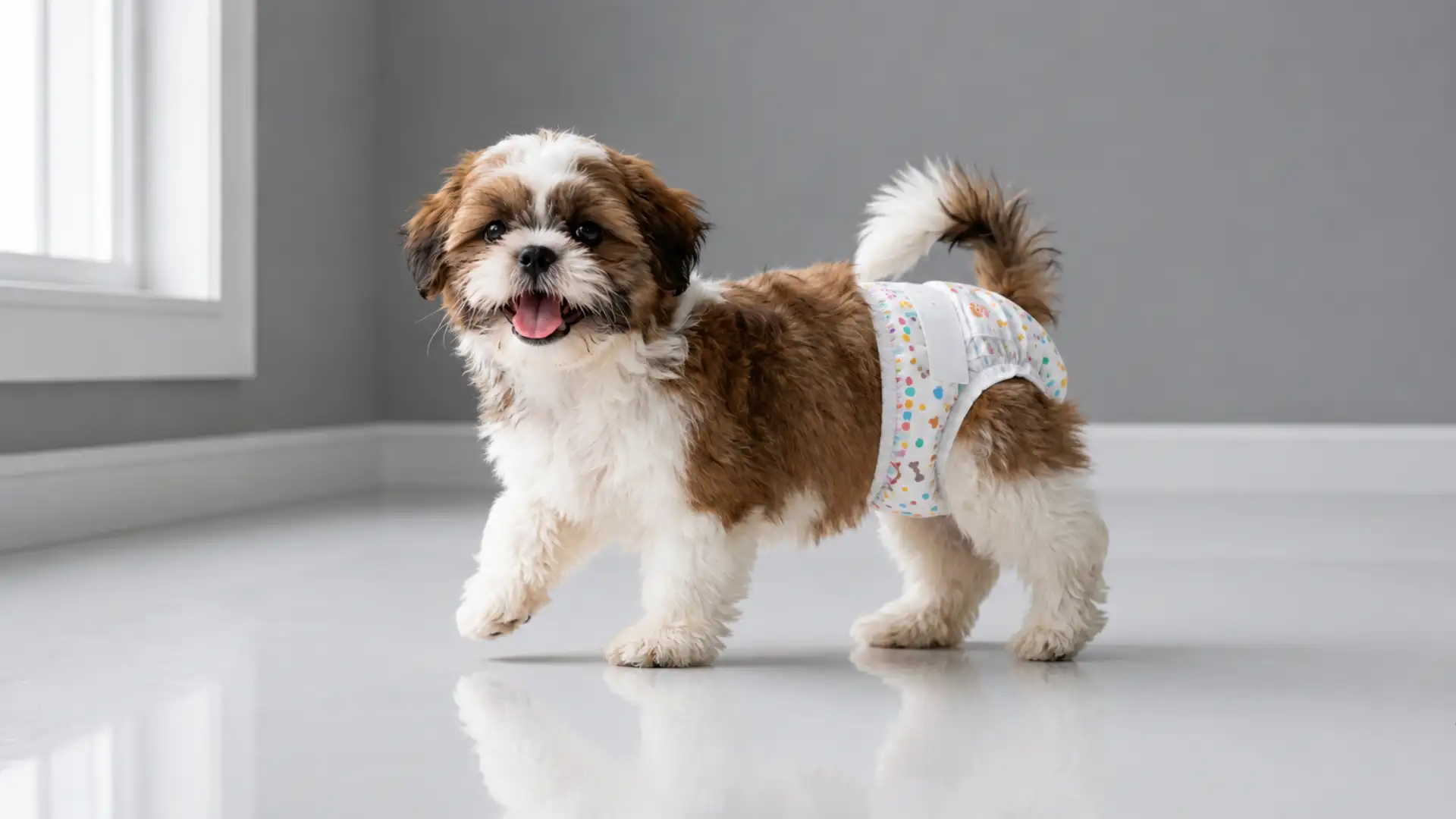
Managing the mess while the underlying condition is treated, or when full continence is not achievable, makes daily life easier for both you and your dog.
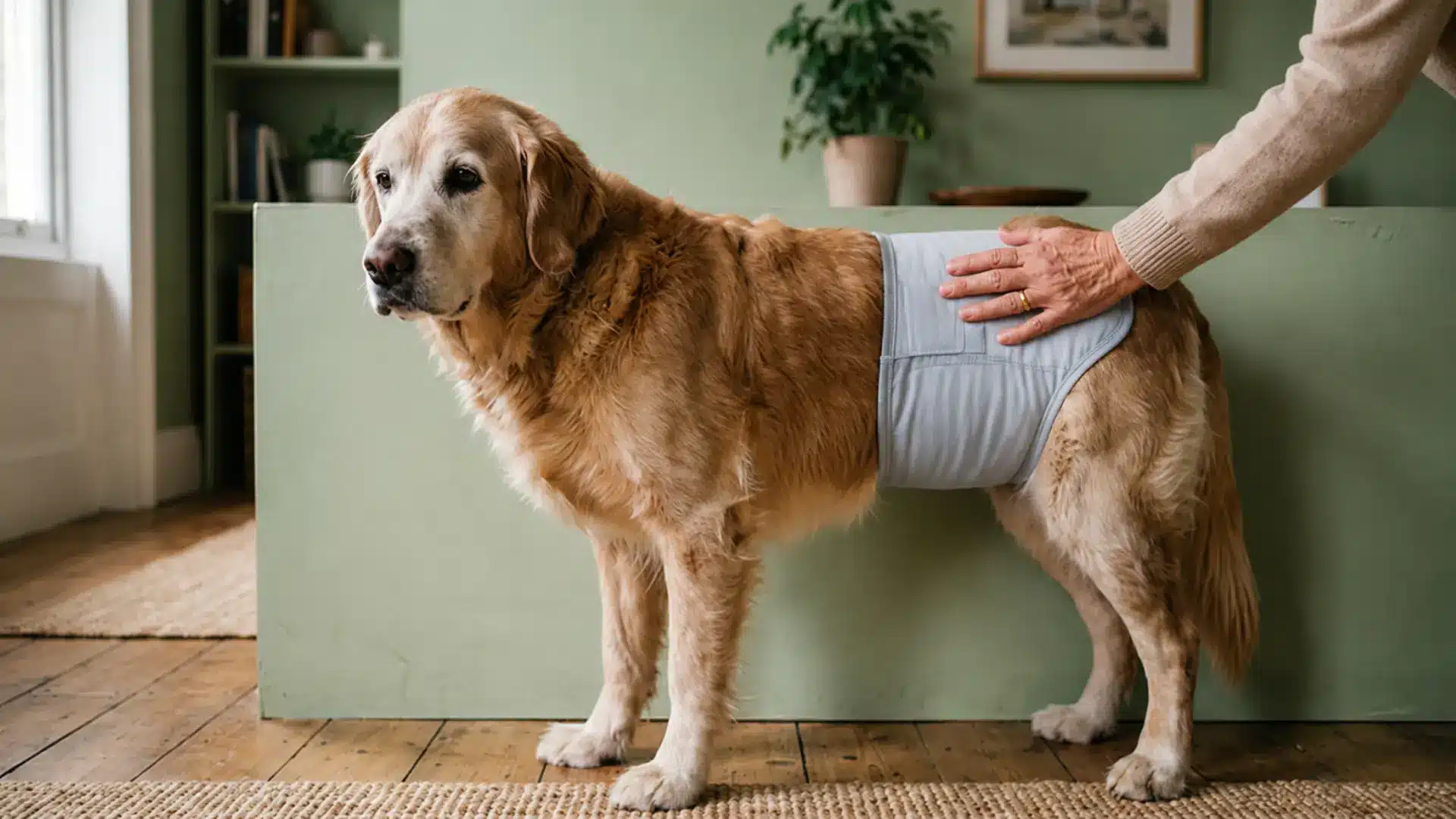
Washable, absorbent bedding with waterproof backing helps protect furniture and reduces laundry.
Belly bands or dog diapers can be useful overnight or during travel, but they should not replace treatment or stay on long enough to cause skin irritation.
Barrier creams and regular cleaning help protect the skin from constant moisture.
Keeping a symptom log of leak frequency, urine volume, and behavior changes gives your veterinarian valuable information to monitor progress and adjust dog incontinence treatment when needed.
These measures do not treat the underlying cause, but they improve comfort while treatment takes effect.
Conclusion
Finding a wet spot on your dog’s bed can be worrying, but incontinence in dogs is a medical condition, not a sign of poor training or bad behavior.
In many cases, veterinarians can identify the underlying cause through a physical exam and a few diagnostic tests.
Whether the problem is urinary sphincter weakness, a urinary tract issue, or another condition, effective treatment for dog incontinence is available, and many dogs improve significantly with medication or surgery.
The sooner treatment begins, the better the chances of keeping your dog comfortable and dry.
Has your dog experienced urinary incontinence? Share your experience or tips in the comments. Your story could help another pet parent facing the same challenge.
Frequently Asked Questions
Is Incontinence Painful for Dogs?
No. Incontinence itself is usually painless, but constant urine leakage can cause skin irritation or infection. Pain or straining needs veterinary evaluation.
Does the Age at Which a Dog Is Spayed Affect the Risk of Incontinence?
Possibly. Research suggests spay timing may influence USMI risk in some female dogs, particularly larger breeds, but the evidence is not yet conclusive.
Can Incontinence in Dogs Be Prevented?
Not always. Keeping your dog at a healthy weight, treating UTIs promptly, and scheduling regular vet checkups may help reduce certain risk factors.
Will a Puppy Outgrow Incontinence?
Sometimes. Some female puppies improve after their first heat cycle, but persistent leaking or any incontinence in male puppies should be checked by a veterinarian.