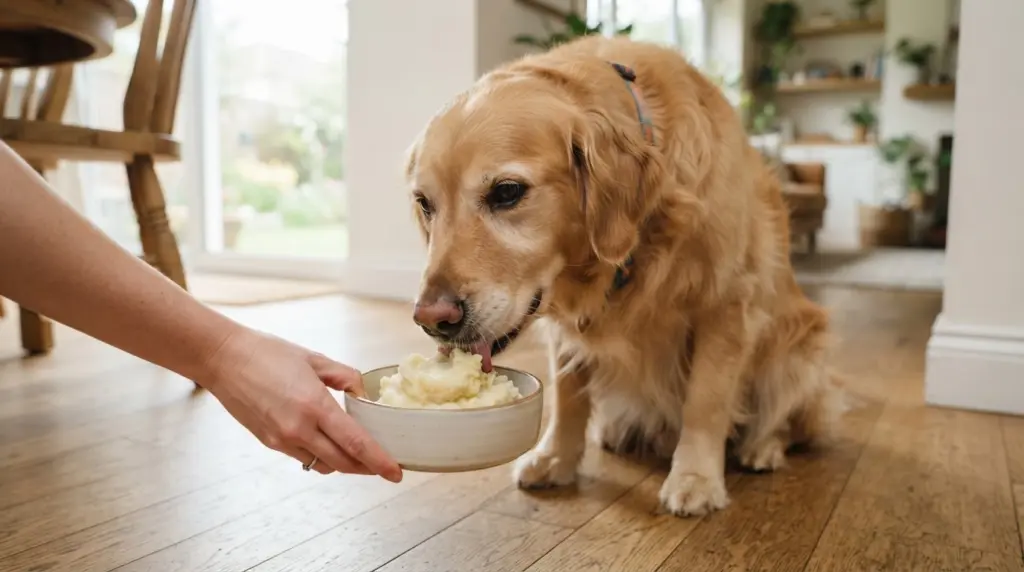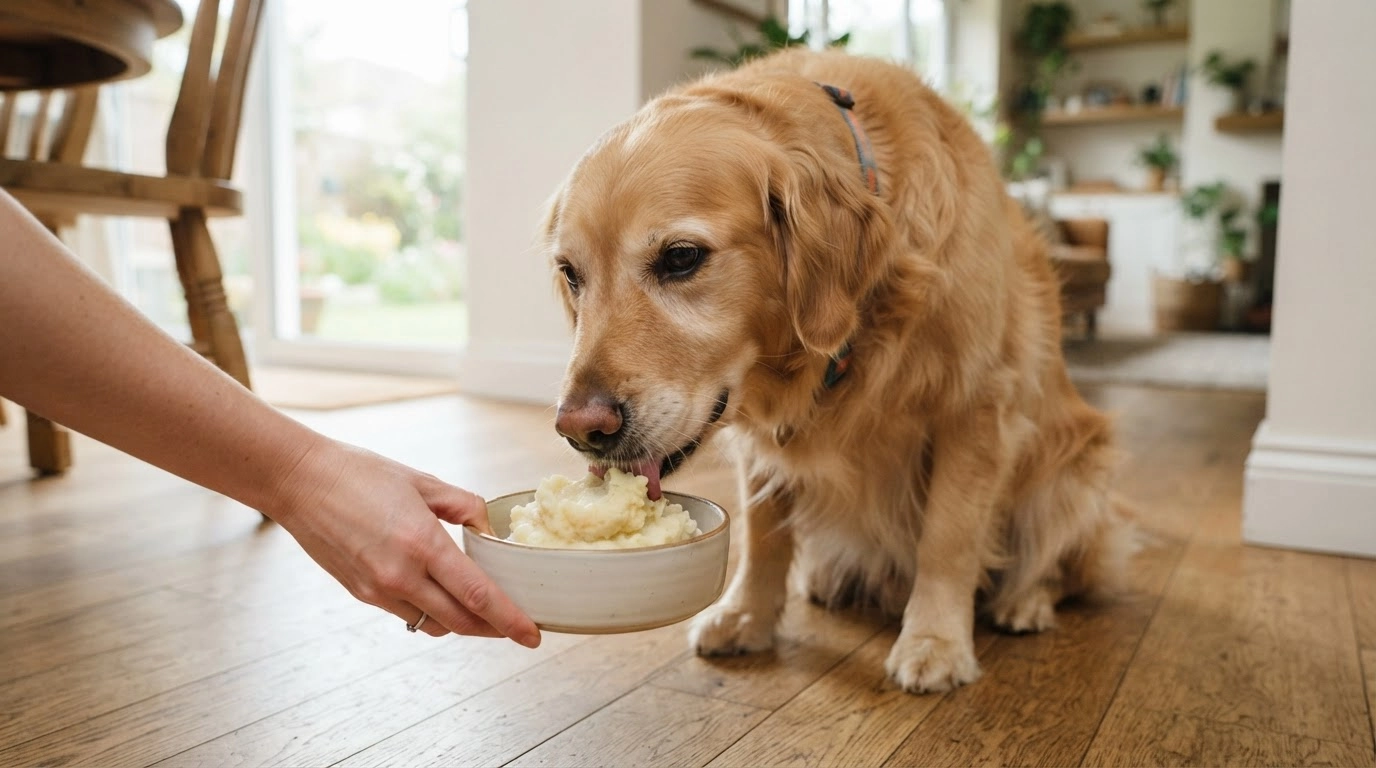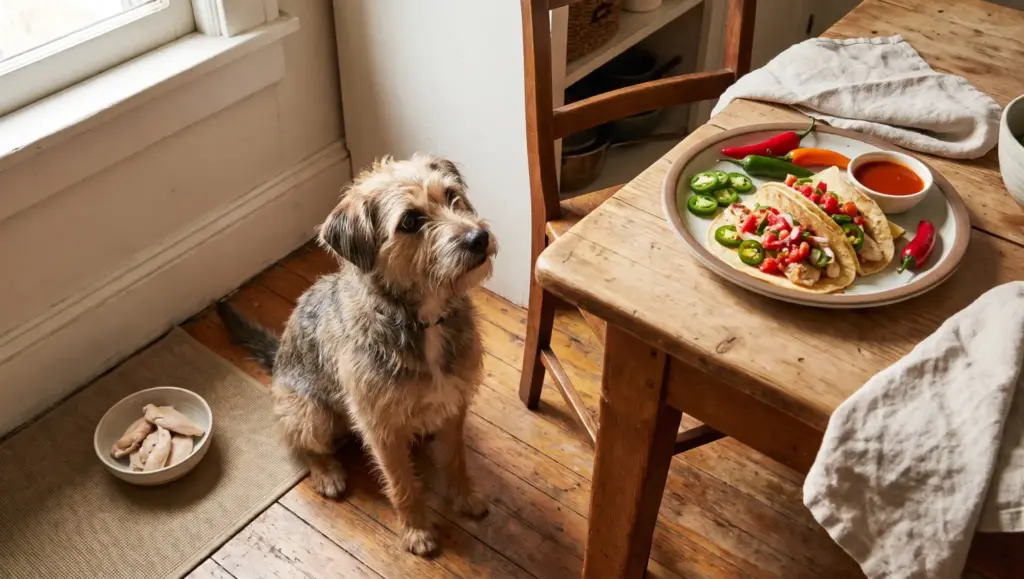
Your dog can make one bite of spicy food feel like a tiny favor. One stare, one wag, and suddenly your plate feels negotiable.
If you have wondered whether dogs can taste spicy, the answer is yes and no. Dogs can sense the heat, but they do not enjoy spicy food the same way many people do.
The burn comes from capsaicin, the compound in hot peppers, and it can bother dogs fast.
I would treat spicy food as something to keep away from dogs. You will get the human-versus-dog answer first, then what capsaicin can do, what to watch for, and what to do if your dog already ate something hot.
How Dogs Experience Spicy Food
Dogs do not experience spicy food the way people do. For humans, heat can pair well with salt, fat, meat, smoke, sweetness, or tang, which is why some people enjoy hot sauce or chili.
For dogs, the hot part is mostly a body reaction. Spicy is not a regular taste like sweet, salty, sour, or bitter. It is closer to a burning feeling.
Capsaicin is the compound behind that heat. Research archived by the National Library of Medicine indicates that capsaicin activates TRPV1, a receptor associated with heat and pain signaling.
That is the main answer. Spicy food may smell tempting to your dog, but the heat is not a safe reward.
Dogs vs Humans: Same Plate, Different Experience
A person can enjoy spicy food because the heat is only one part of the meal. Your dog does not get the same full-food experience, even if they seem excited by what you are eating.
| Area | Humans | Dogs |
|---|---|---|
| Food interest | Flavor, smell, habit, heat | Smell, fat, meat, routine |
| Heat reaction | Some people enjoy it | Often uncomfortable |
| Taste detail | More detailed | Less detailed |
| Main concern | Personal tolerance | Mouth and gut irritation |
| Safe to share? | Fine for many adults | Not a good choice |
This comparison matters because your dog’s first reaction can be misleading. Interest in your food does not mean the spicy part feels good. Dogs are pulled in by smell first. A spicy wing, taco, or curry may smell like meat, fat, cheese, or sauce before your dog ever feels the burn.
Does Capsaicin Affect Dogs?
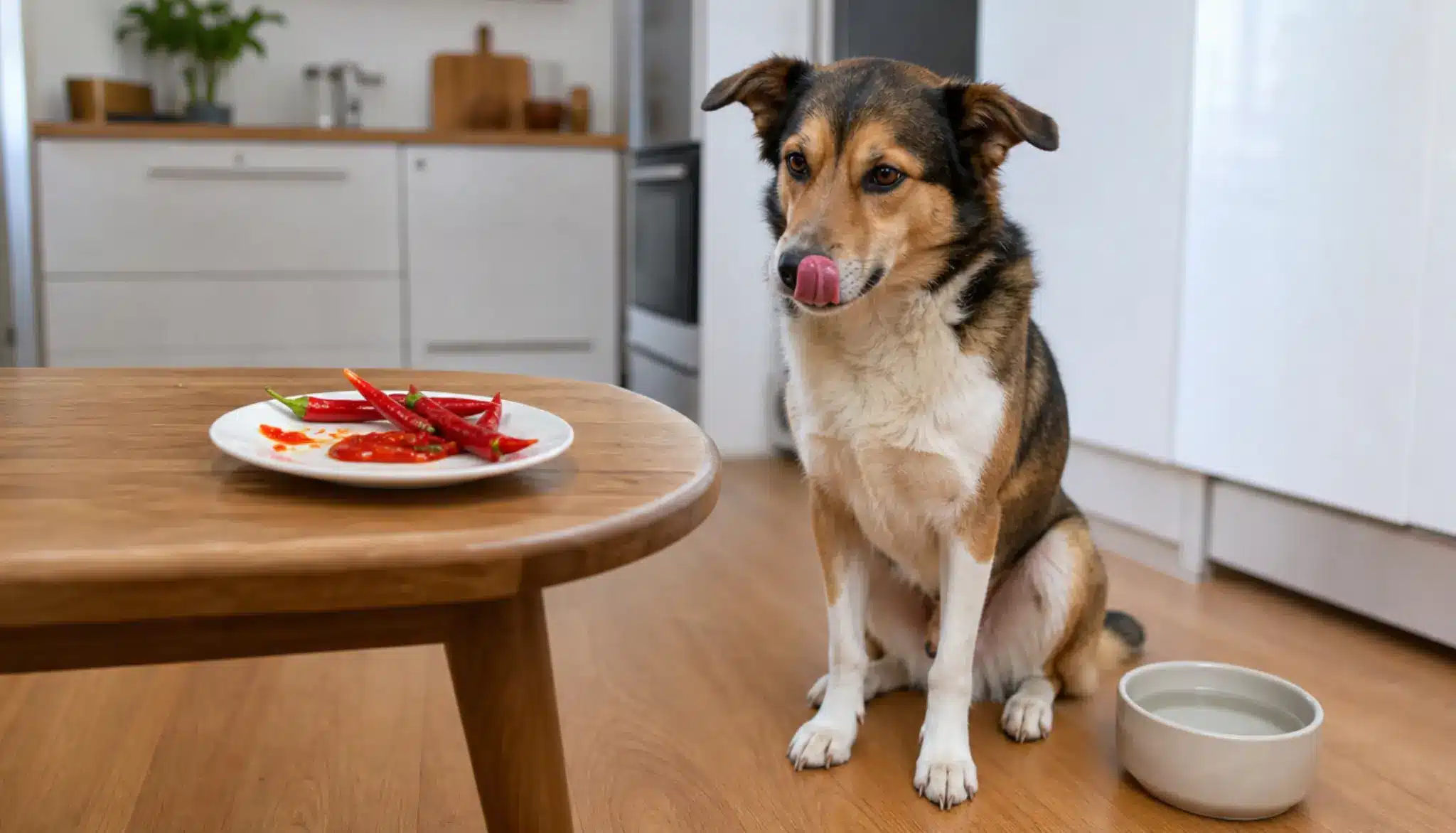
Many owners also wonder, Does capsaicin affect dogs? Yes, because capsaicin is the part that creates the burn. It can irritate the mouth, throat, stomach, and intestines.
A tiny lick may only cause short-term lip licking or drooling. A larger amount can lead to vomiting, gas, stomach pain, or diarrhea.
The Merck Veterinary Manual notes that signs of vomiting in dogs may include nausea, excessive drooling, retching, and forceful belly movements. Capsaicin can affect your dog in these ways:
- Mouth burning
- Drooling
- Lip licking
- Pawing at the face
- Panting
- Gagging
- Vomiting
- Gas
- Diarrhea
- Belly pain
- Restlessness
The spice is not the only concern, as spicy foods may contain garlic, onion, excess salt, fatty sauces, or cooked bones. Check the ingredients and contact your vet if symptoms worsen or the food contains anything unsafe.
Ingredients That Make Spicy Food Riskier
Not every spicy bite carries the same level of concern. A tiny smear of mild sauce is different from a full plate of chili, wings, curry, or spicy noodles.
The ingredient list matters because many spicy foods contain several ingredients that dogs should not eat. The MSD Veterinary Manual explains that dogs and cats can be affected by Allium toxicosis after eating raw, cooked, dried, or powdered onion or garlic.
| Ingredient | Why It Matters |
|---|---|
| Hot sauce | Can be strong and salty |
| Jalapeno or chili pepper | Contains capsaicin |
| Garlic or onion | Can be toxic to dogs |
| Fatty meat | Can upset the stomach |
| Chicken bones | Can choke or harm the gut |
| Heavy salt | Can be unsafe in large amounts |
| Dairy sauce | May cause diarrhea |
Hot wings are risky because they can include bones, fried skin, fat, salt, garlic, and sauce. Tacos, curry, pizza, chili, and spicy noodles can also contain onion, garlic, dairy, oil, or rich seasonings.
A plain bell pepper is different from a hot pepper. Small, plain pieces may be okay for many dogs, but start with tiny pieces and avoid them if your dog has a sensitive stomach. Oily, salted, sauced, or seasoned peppers are not a good idea.
What Real Dog Owners Notice About Dogs and Spicy Food
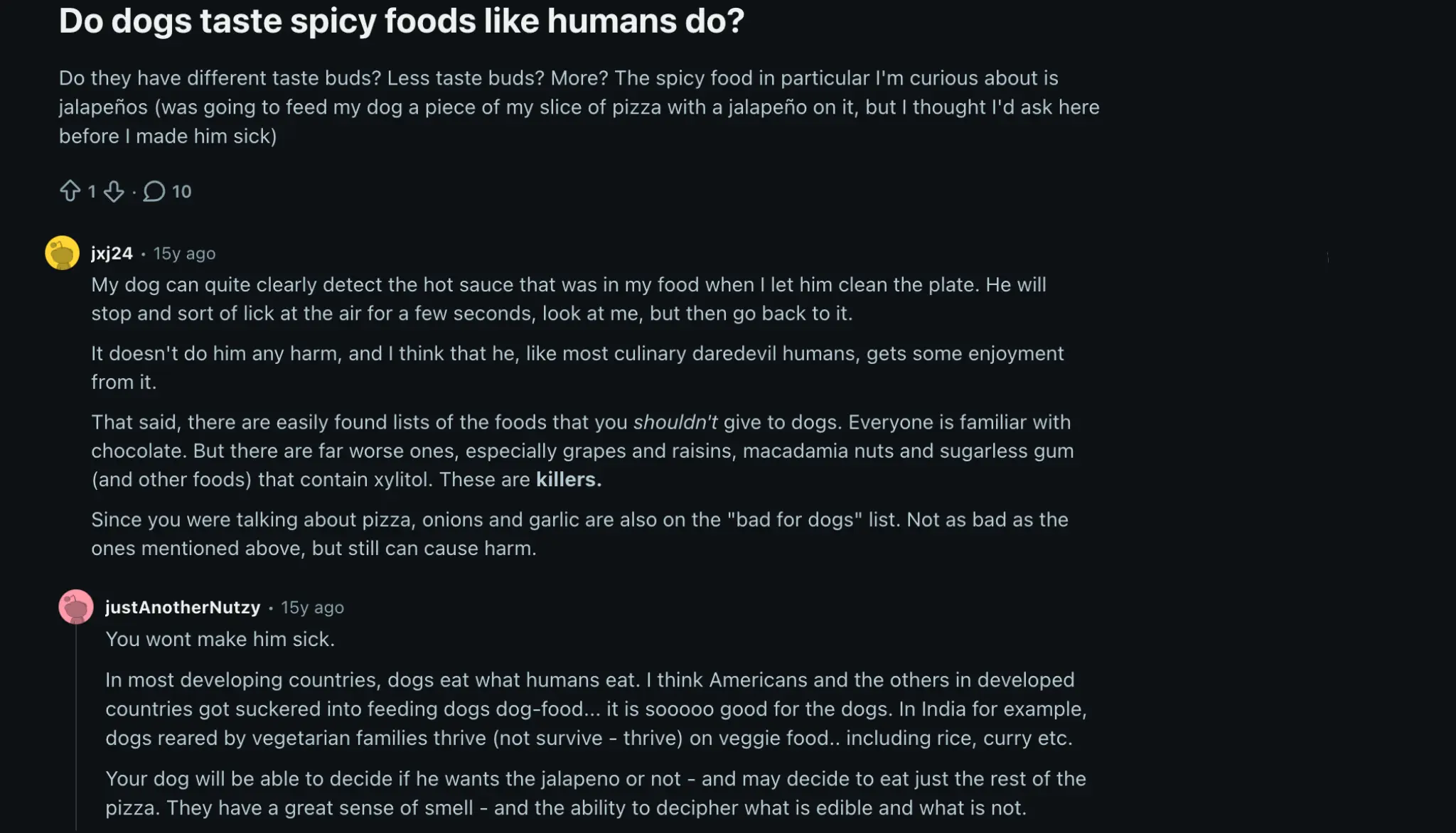
In the Reddit discussion Do dogs taste spicy foods as humans do?, the original poster asked whether giving a dog a piece of jalapeño pizza could make the dog sick.
One owner replied that their dog could clearly notice hot sauce left on a plate. The dog would stop eating, lick at the air for a few seconds, look toward the owner, and then return to the food.
That reaction suggests the dog noticed an uncomfortable or unusual sensation, even though the smell and taste of the remaining food were still tempting. Returning to the plate does not necessarily mean the dog enjoyed the heat.
This comment offers a useful real-life observation, but it is not veterinary advice. Spicy dishes may also contain unsafe ingredients such as garlic, onion, excess salt, fatty sauces, or cooked bones.
If your dog eats a large amount or develops symptoms, contact your veterinarian.
What to Do If Your Dog Ate Something Spicy
If your dog has eaten spicy food, stay calm and determine what was eaten, how much was consumed, which ingredients were included, and when it happened. Remove any remaining food from the plate, floor, couch, trash, or nearby wrappers. Offer fresh water, but never force your dog to drink.
After a tiny lick of mild sauce, close monitoring may be enough. If your dog ate a full bite, check the ingredients and watch for digestive symptoms. A short stretch on a bland diet can help settle a stomach still recovering from the spice.
Contact your veterinarian if a large amount was consumed, even if your dog appears normal. Garlic, onion, cooked bones, and heavy sauces require prompt veterinary or pet poison helpline advice.
Seek urgent help if your dog develops repeated vomiting, bloody stool, weakness, or pain.
Never induce vomiting unless a veterinarian specifically instructs you. Knowing exactly what your dog ate will help the veterinarian recommend the proper response.
Safer Treats to Offer Instead
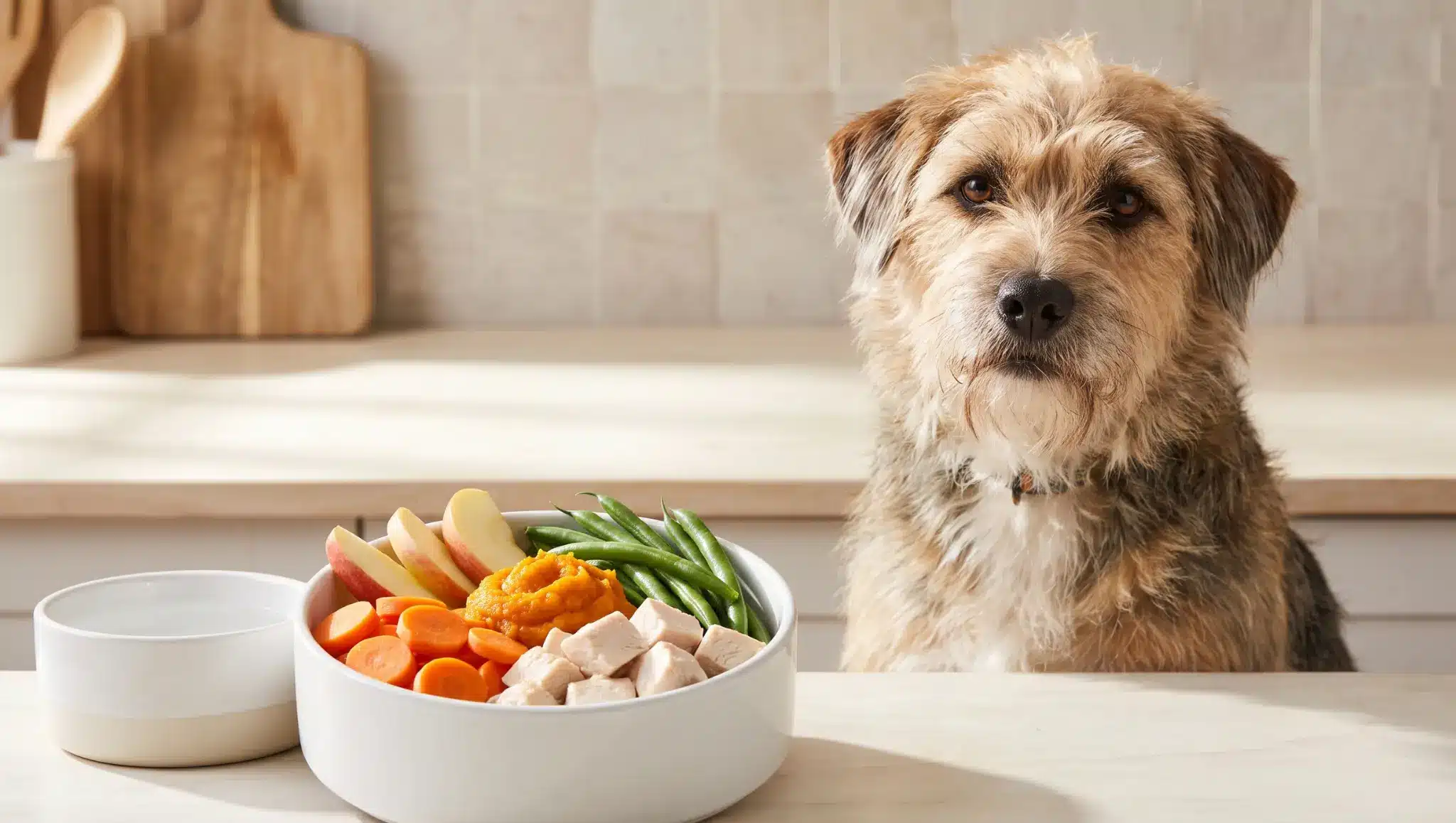
You do not have to ignore your dog whenever you eat. If you want to share a small treat, choose an unseasoned food that is less likely to irritate their mouth or stomach, and options like plain carrots and bell peppers fit the same dog-safe vegetable list to keep on hand for these moments.
| Safer choice | How to serve it |
|---|---|
| Cooked chicken | Plain, boneless, and skinless |
| Cooked turkey | Plain and without fatty skin |
| Carrots | Raw or cooked in small pieces |
| Apple | Sliced with the seeds and core removed |
| Pumpkin | Plain and without added sugar or spices |
| Green beans | Fresh or cooked without salt |
| Bell pepper | Plain, seedless, and cut into small pieces |
| Dog treats | Served according to the package directions |
Avoid seasoning, sauces, butter, oil, garlic, onion, and excess salt. Keep portions small, particularly for toy breeds and puppies.
If your dog begs during meals, offer an approved treat before sitting down to eat. This can support calmer behavior without turning every meal into shared table food.
When to Call the Vet Fast
Most tiny spicy food accidents are not serious, but some cases need quick help. Your dog’s size, age, health, symptoms, and the exact food all matter.
Be more careful with puppies, senior dogs, toy breeds, and dogs with stomach trouble. Also, be careful if your dog has a history of pancreatitis or has eaten a large amount.
Call your vet or a pet poison helpline if you notice:
- Repeated vomiting
- Diarrhea that does not stop
- Blood in stool
- Severe drooling
- Weakness
- Shaking
- Trouble breathing
- Swollen belly
- Pale gums
- Signs of pain
- Refusing water
- Possible garlic or onion intake
The Merck Veterinary Manual lists digestive symptoms in dogs that can include drooling, diarrhea, vomiting, loss of appetite, bleeding, abdominal pain, bloating, shock, and dehydration.
If you feel unsure, it is better to call and ask. A short call can help you avoid waiting too long when the food has more than mild spice.
Final Takeaway
If your dog keeps staring at your plate, I know it can feel hard to say no. But the safest answer to the question “can dogs taste spicy?” is simple: they can sense the heat, and it can feel bad fast.
Dogs do not need hot sauce, jalapeños, spicy wings, curry, or chili to enjoy a treat.
The smell may pull them in, but the burn and stomach upset are not worth it. If an accident happens, offer water, check what they ate, and call your vet if symptoms feel more than mild.
For safer snack ideas, choose plain dog-safe treats and avoid sharing spicy table food. Drop a comment below and let me know if this helped you.
Frequently Asked Questions
Is Black Pepper Safer than Chili Peppers?
Black pepper is different from chili heat, but it can still bother some dogs. A tiny accidental amount is usually less concerning than hot sauce, but there is no need to feed it on purpose.
How Long Should I Watch After One Small Bite?
Watch your dog for several hours after a small bite. Mild drooling or lip licking may pass. Vomiting, diarrhea, weakness, belly pain, repeated discomfort, or unusual behavior means you should call your vet for advice.
Should I Make My Dog Throw Up?
Do not make your dog throw up unless a vet tells you to. Some foods, bones, sauces, or health issues can make vomiting unsafe. Call your vet with the type of food, the amount, the time, and the symptoms.
Are Mild Seasonings Okay for Dogs?
Mild does not always mean safe. Many seasonings include garlic, onion, salt, or oils. Plain food is safer for dogs than seasoned food, even when the meal does not taste very hot to you at all.