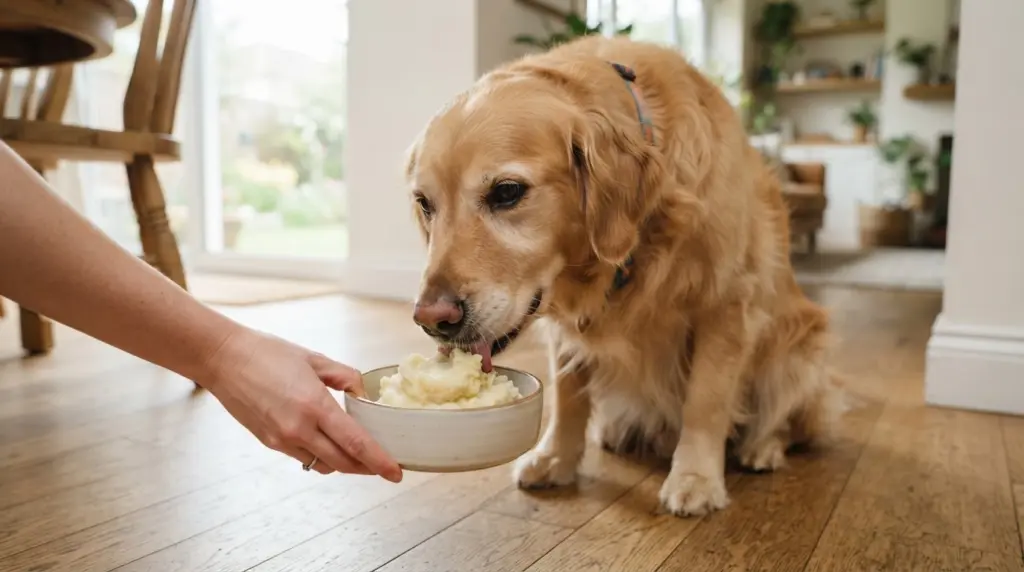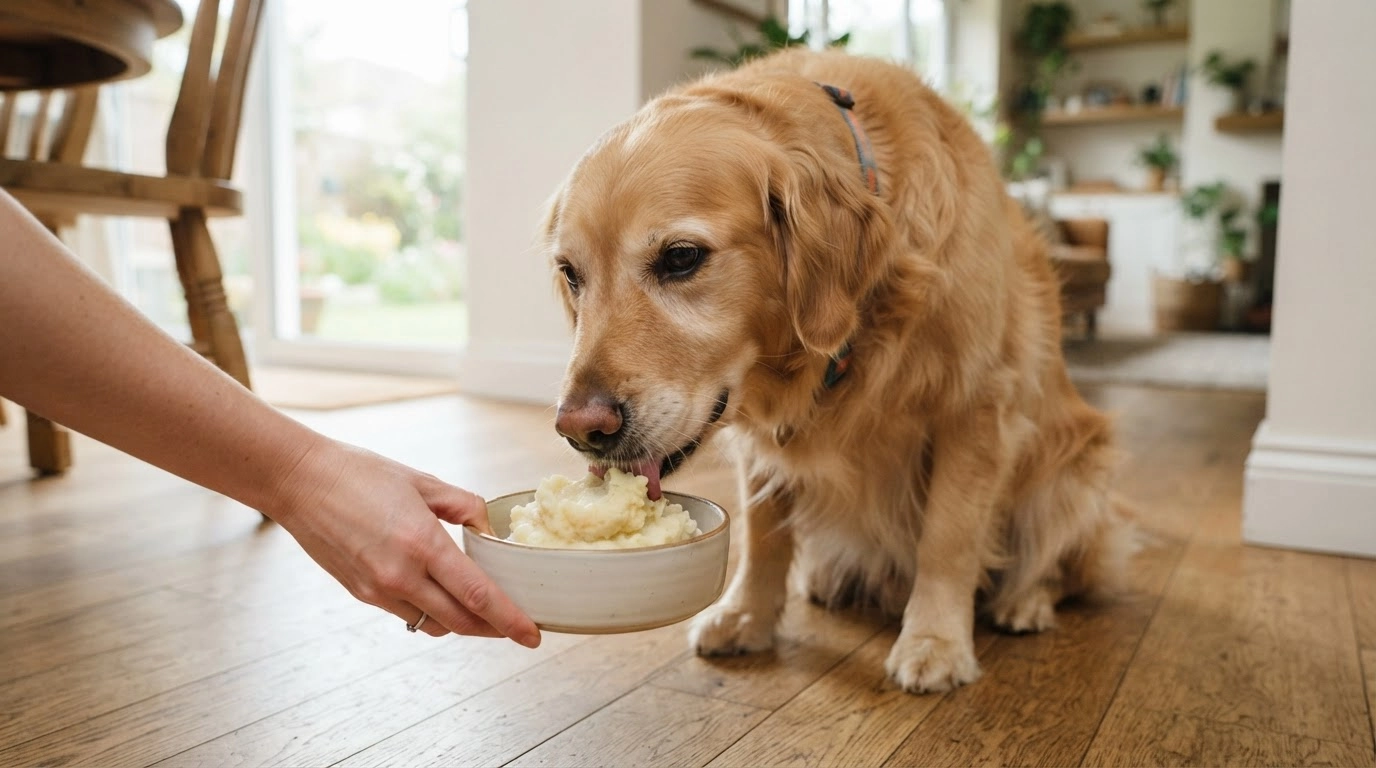
Pumpkin often comes up when dog owners want a simple food topper that feels gentle, natural, and easy to serve.
Some dog owners often ask how much pumpkin puree to give a dog when they want to add it carefully without overfeeding.
As a certified pet nutritionist, I’ve also fielded questions like can dogs eat pumpkin more times than I can count.
Before adding pumpkin to your dog’s bowl, it helps to understand the right type, the safe serving size, and when extra care is needed.
This blog post covers what to know before using pumpkin as an occasional treat or regular food addition.
Nutritional Breakdown of Pumpkin for Dogs
Pumpkin is low in calories and roughly 90% water by weight, making it both hydrating and easy on the stomach. It’s low in calories and gentle on digestion, which is a big part of why it’s such a popular add-in for dogs with sensitive stomachs.
| Nutrient | Amount per 100g |
|---|---|
| Total fiber | 2.9g |
| Beta-carotene (Vitamin A) | 3,100 IU |
| Vitamin C | 4.3mg |
| Vitamin E | 1.06mg |
| Potassium | 258mg |
| Calories | 26 kcal |
| Water | 90g |
Can Dogs Eat Pumpkin?
Yes. Plain cooked pumpkin and 100% pumpkin puree are safe for most dogs in moderation.
Many pet owners use pumpkin as a simple food topper because it is easy to add to regular meals and provides beneficial nutrients and fiber.
However, pumpkin should not replace a complete and balanced dog food.
Dogs need a diet that meets their nutritional requirements, and pumpkin is best used as an occasional addition rather than a main food source.
When introducing pumpkin, start with a small amount and monitor your dog for any digestive changes or sensitivities.
Is Pumpkin Good for Dogs?
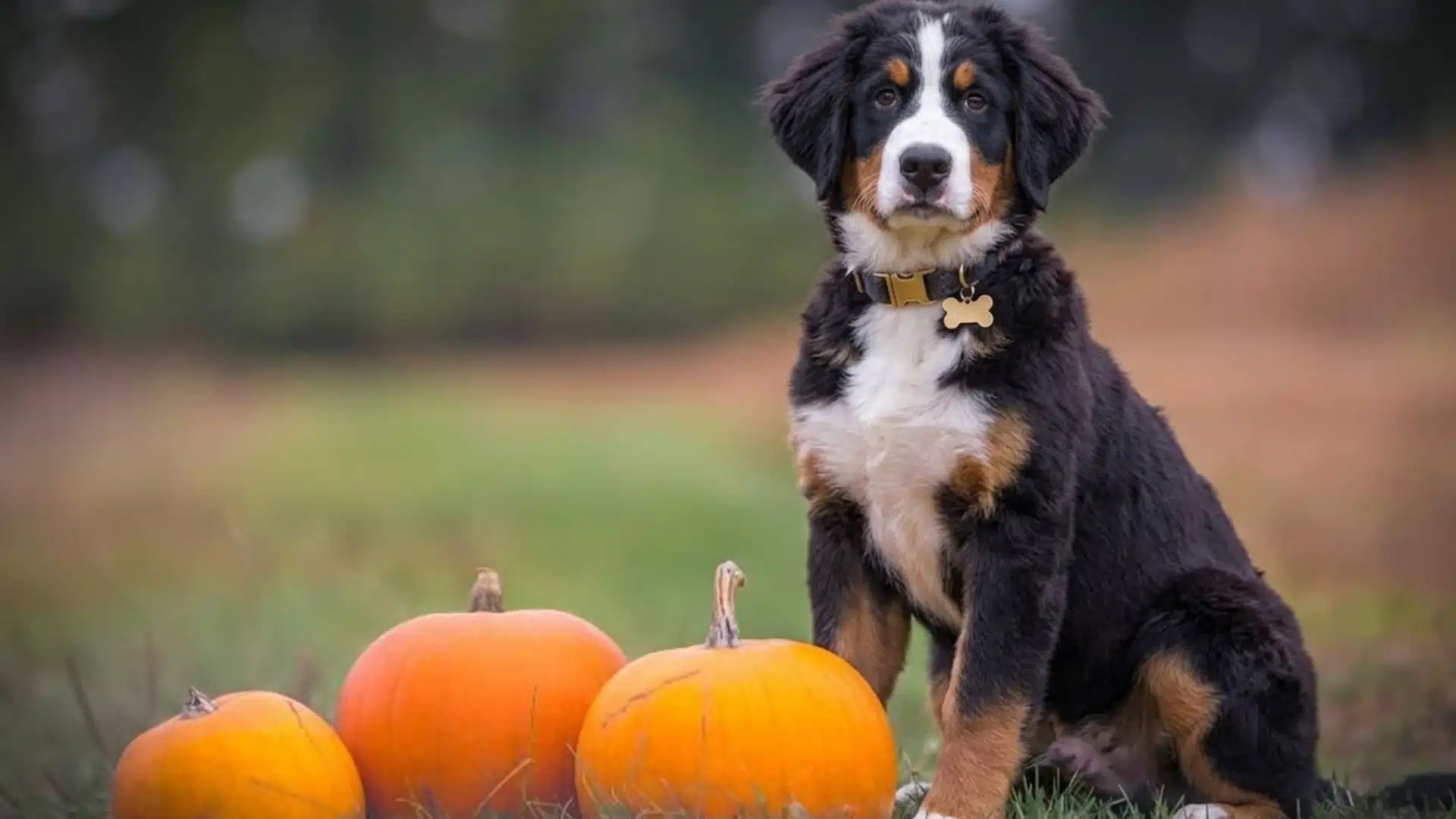
Pumpkin can be a healthy addition to a dog’s diet when served in moderation.
One of its biggest benefits is its fiber content, which may help support normal digestion and promote healthy bowel movements.
Because pumpkin contains both soluble and insoluble fiber, it is often used to help manage mild cases of constipation or loose stools.
Pumpkin is also naturally low in calories, making it a good alternative to higher-calorie treats for dogs needing weight-management support.
For more ideas on low-calorie options, the healthy snacks for dogs roundup covers a wide range of nutritious choices.
In addition to fiber, pumpkin provides several beneficial nutrients, including vitamins A, C, and E, potassium, and iron.
How Much Pumpkin Puree to Give a Dog
The right amount of pumpkin puree depends on your dog’s size, diet, and digestive sensitivity. Start with a small serving and increase gradually only if your dog tolerates it well.
| Dog Size | Suggested Starting Amount | Possible Amount After Tolerance |
|---|---|---|
| Small Dogs | 1 teaspoon | Up to 1 tablespoon |
| Medium Dogs | 1 to 2 teaspoons | 1 to 2 tablespoons |
| Large Dogs | 1 tablespoon | 2 to 4 tablespoons |
Start with the lower amount and monitor your dog’s stool and overall comfort. Avoid introducing large servings suddenly, as too much pumpkin can cause digestive upset.
Potential Risks of Giving Dogs Too Much Pumpkin
While pumpkin can be a healthy addition to a dog’s diet, excessive amounts may lead to digestive issues and nutritional concerns. Feeding too much pumpkin can disrupt normal digestion and reduce the intake of a balanced diet.
- Diarrhea: Excess pumpkin may loosen stools and cause diarrhea in some dogs.
- Gas and Bloating: High fiber content can increase gas production and abdominal bloating.
- Stomach Upset: Overconsumption may lead to nausea, discomfort, or mild digestive irritation.
- Changes in Stool Consistency: Too much pumpkin can result in unusually soft, bulky, or inconsistent stools.
- Excess Fiber Intake: Large amounts of fiber may interfere with normal digestion and nutrient absorption.
- Reduced Appetite for Regular Dog Food: Filling up on pumpkin can decrease interest in nutritionally complete meals.
Can Dogs Eat Pumpkin Seeds?
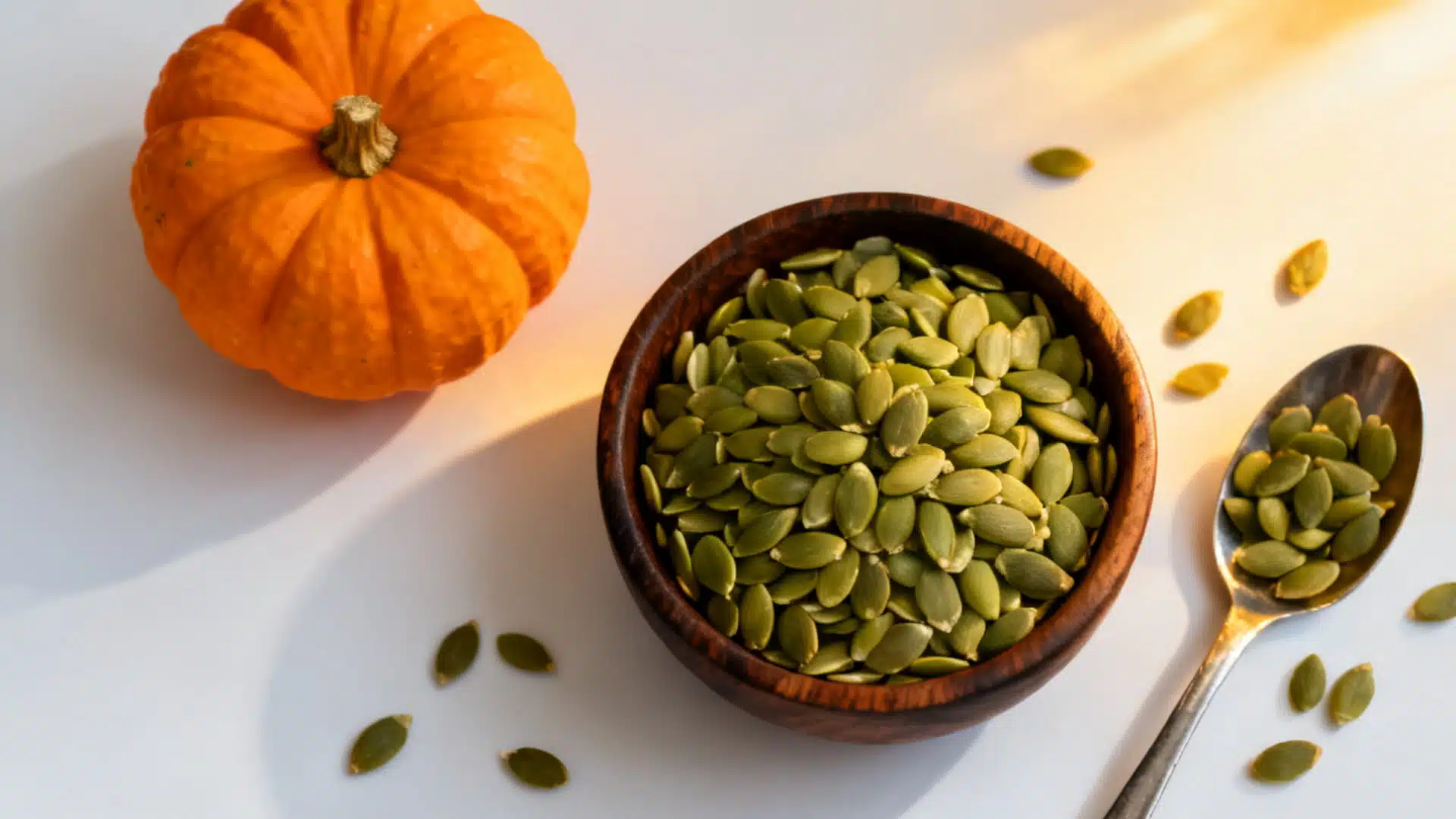
Yes, dogs can eat pumpkin seeds as long as they are plain, properly prepared, and given in moderation.
Pumpkin seeds can be safe for dogs when served plain and in moderation.
They should be cleaned, cooked, or roasted without oil, salt, or seasonings, and given in small amounts to reduce the risk of digestive upset.
Avoid flavored, salted, or heavily seasoned pumpkin seeds, as added ingredients may be harmful to dogs.
If your dog has never eaten pumpkin seeds before, introduce them gradually and monitor for any signs of stomach discomfort.
Can Puppies Eat Pumpkin?
Puppies can eat plain pumpkin in very small amounts, but it should be introduced with care.
Their digestive systems are still developing, so even simple foods can cause stomach upset if given too quickly or in large servings.
When feeding pumpkin to a puppy, keep these points in mind:
- Plain pumpkin only.
- No sugar or spices.
- Start with a tiny amount.
- Mix into puppy food.
- Watch for stomach upset.
Pumpkin should not replace puppy food because growing dogs need complete nutrition for healthy development.
Note: If your puppy has diarrhea, constipation, vomiting, weakness, or any ongoing digestive issue, speak with your vet before using pumpkin.
Best Ways To Feed Pumpkin to a Dog
Pumpkin is easy to add to your dog’s diet when served in small, appropriate portions. The key is to use plain pumpkin and combine it with dog-safe foods and treats.
- Mix with Regular Food: Stir a small amount of plain pumpkin puree into your dog’s regular meal for an easy nutritional boost.
- Serve by Spoon: Offer a small spoonful of pumpkin as an occasional treat between meals.
- Use in a Lick Mat: Spread plain pumpkin on a lick mat and freeze it for a longer-lasting enrichment activity.
- Choose Dog-Safe Pairings: Combine pumpkin only with ingredients that are safe for dogs. Fruits like strawberries for dogs are fine in moderation, while sugar, spices, chocolate, raisins, and artificial sweeteners should always be avoided.
- Make Homemade Dog Treats: Add pumpkin to homemade dog biscuit recipes that use dog-safe ingredients.
- Blend with Wet Food: Mix pumpkin with wet dog food to improve texture and flavor for picky eaters.
- Freeze into Small Cubes: Freeze pumpkin puree in ice cube trays and serve a cube as a refreshing snack.
Is Pumpkin Good for Dogs With an Upset Stomach?
Yes, plain pumpkin can help some dogs with a mild upset stomach.
Pumpkin can help some dogs with a mild upset stomach, especially when loose stools or mild constipation are present.
Plain pumpkin puree contains fiber, which may support normal digestion and improve stool consistency.
Use only plain canned pumpkin or homemade cooked pumpkin puree with no sugar, salt, spices, or sweeteners.
The Tufts Clinical Nutrition Service also cautions that pumpkin works best for mild cases and should not replace veterinary advice for persistent digestive issues.
Start small: about 1 teaspoon for small dogs, 1 to 2 teaspoons for medium dogs, and 1 tablespoon for large dogs.
Contact your vet if your dog has vomiting, bloody diarrhea, weakness, appetite loss, stomach pain, or symptoms that continue.
Conclusion
Pumpkin can be a healthy and beneficial treat for dogs when served correctly and in moderation.
Plain pumpkin puree provides fiber, vitamins, and nutrients that may support digestion and overall wellness.
However, not all pumpkin products are safe for dogs. Pumpkin pie filling and flavored varieties often contain added sugars, spices, or other ingredients that may be harmful.
While pumpkin may help with minor digestive issues, it should not replace professional veterinary care.
Still have questions about feeding pumpkin to your dog? Share your thoughts or questions in the comments below.
Frequently Asked Questions
Can Dogs Eat Pumpkin Skin?
Dogs should not eat tough pumpkin skin or rind. It can be hard to chew and may cause digestive discomfort. If serving fresh pumpkin, remove the skin and offer only plain cooked pumpkin flesh.
Can Dogs Eat Pumpkin and Sunflower Seeds?
Yes, dogs can eat plain pumpkin seeds and unsalted sunflower seeds in small amounts. Remove shells, avoid seasoning, and feed occasionally to prevent stomach upset or excess fat.
Can Dogs Be Allergic to Pumpkin?
Pumpkin allergies are not common, but some dogs may react poorly to new foods. Stop feeding pumpkin if your dog shows itching, vomiting, diarrhea, swelling, or unusual discomfort after eating it.