The friendliest hamster breed is the Syrian hamster. It is large, calm, and easy to handle when socialized early.
On the other hand, poorly socialized Campbell’s dwarf types are more likely to bite and can test your patience if you are new to this.
Choosing the right hamster shapes your entire experience as a pet owner. Some settle in quickly, while others take time to trust you.
That is why it helps to know what you are getting into before bringing one home. In this guide, you will see how the top types compare, what affects their behavior, and which one fits your lifestyle.
Understanding Hamster Temperament and Stress
Hamsters are naturally solitary and territorial, which is how they survive in the wild. At home, this shows up as hiding, staying alert, or sometimes biting.
When a hamster feels stressed, its body releases cortisol. A small cage, loud sounds, or frequent disturbances can raise those levels, and biting becomes a defense, not bad behavior.
Early handling matters a great deal. Hamsters gently handled from a young age are more relaxed around people.
Those raised with less interaction tend to stay defensive. It is not about being aggressive by nature; it is about how they were raised. This hamster care guide covers everything from cage size to daily routines.
One detail many people miss is that hamsters are crepuscular, meaning they are most active during the early morning and evening hours. Waking one from deep daytime sleep often results in a bite. In that moment, it reacts out of surprise, not aggression.
Hamster Breeds Ranked: Friendliest to Most Aggressive
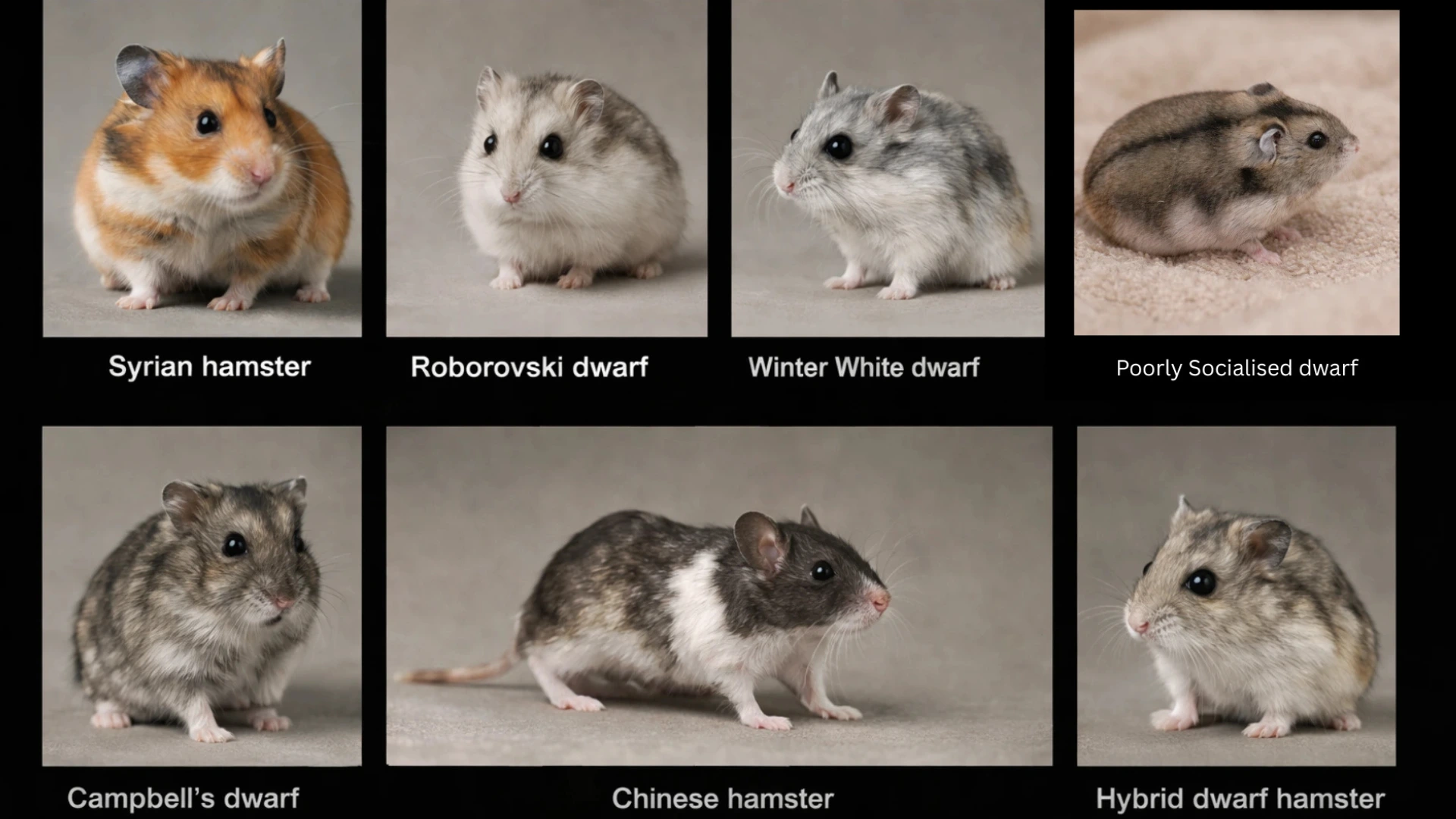
1. Syrian Hamster
Syrian hamsters are the easiest to handle due to their calm, predictable nature. They are larger than most breeds, which makes them easier to hold. With regular interaction, they build trust quickly and rarely show sudden aggression. Since they prefer living alone, there are fewer territorial conflicts overall. For beginners or supervised children, this breed is the most reliable starting point. Because they prefer living alone, there are fewer territorial conflicts to manage overall. For beginners or supervised children, this breed is the most reliable starting point.
2. Roborovski Dwarf Hamster
Roborovskis are not aggressive, but their speed makes them difficult to handle. They rarely bite, yet their constant movement increases the risk of accidental drops. These hamsters are better suited for observation than physical interaction. They are not ideal for younger owners who expect a hands-on pet.
3. Winter White Dwarf Hamster
Winter Whites offer a middle ground between calmness and activity. They can become quite friendly with consistent, gentle handling, especially when socialized early. Their temperament stays stable once trust is established, making them less unpredictable than other dwarf species. They may live in pairs, though this requires monitoring to prevent conflicts over time.
4. Campbell’s Dwarf Hamster
Campbell’s dwarfs are known for their unpredictable temperament. Some individuals are calm and friendly; others are defensive and prone to biting. This inconsistency makes them less suitable for beginners who may not recognize warning signs. Patient, regular handling can improve behavior, but progress may be slow. They are better suited for experienced owners.
5. Chinese Hamster
Chinese hamsters are naturally reserved and take longer to trust humans. They are not aggressive by default, but impatience during handling often leads to defensive biting. Their body structure also allows them to climb more than other hamsters, so they need a secure habitat. Building a bond takes time, but once achieved, they become quite manageable. Best suited for patient owners.
6. Hybrid Dwarf Hamsters
Hybrid dwarfs inherit traits from multiple breeds, making their behavior harder to predict. Some lean toward calmness; others may display defensive tendencies. This uncertainty can be challenging for first-time owners. Careful, slow handling is essential, and they are better suited to individuals comfortable managing unexpected reactions.
7. Poorly Socialized Dwarf Variants
Hamsters lacking early socialization often bite frequently and resist handling. This is usually a stress response rather than natural aggression. Overcrowding, rough handling, or neglect contribute to their defensive nature. With consistent, low-pressure interaction over weeks, improvement is possible, but these cases require patience. Not ideal for beginners.
What Affects Hamster Behavior?
A hamster’s behavior is shaped by gender, health, and environment. Male hamsters are generally calmer and easier to handle. Females can become more territorial during heat cycles, causing brief periods of irritability. Male Syrians are the easiest to tame overall, while female Syrians are larger but more defensive.
Cage size plays a significant role, too. A minimum of 40×70 cm is necessary. Smaller cages raise stress levels quickly and often trigger aggressive behavior regardless of breed. Daily gentle handling builds trust, while loud surroundings keep hamsters on edge. Sudden behavioral changes, especially aggression out of nowhere, should always be checked by a vet, as pain from dental issues or illness can cause unexpected reactions.
Best Hamster for Your Experience Level
| Your Situation | Best Choice |
|---|---|
| First-time owner or kids at home | Male Syrian |
| Want to watch more than hold | Roborovski |
| Experienced and patient | Winter White or Chinese hamster |
| Up for a challenge | Campbell’s or hybrid dwarf |
| Adopting an unknown history | Treat as poorly socialized, build trust slowly |
Conclusion
Choosing the right hamster comes down to matching temperament with your expectations. Each breed behaves differently, and factors like gender, handling, and environment shape daily behavior just as much as the breed itself.
A well-cared-for hamster in the right setup is far more likely to be calm, regardless of type. Which hamster fits your lifestyle right now? Drop your questions in the comments below.
Frequently Asked Questions
Which hamster is best for beginners?
Male Syrian hamsters are calm, predictable, and easy to handle. They adapt to routine and tolerate gentle interaction with beginners.
Why does my hamster suddenly bite?
Stress, fear, illness, or environmental changes. Sudden aggression usually signals discomfort. Check cage conditions, noise levels, and health issues immediately.
How do I make my hamster friendlier?
Handle gently daily, keep surroundings quiet, provide enough space, and never force interaction. Use treats and patience to build trust.
Do male and female hamsters behave differently?
Yes. Males are generally calmer; females may show territorial behavior during hormonal cycles, especially when stressed or lacking adequate space.
What should I do with a hamster from an unknown history?
Let it settle first, avoid handling initially, and build trust gradually with a calm environment and consistent daily routine cues.