I used to think bad breath was just part of owning a cat until one small moment completely changed how I looked at feline dental health.
Cats are experts at hiding discomfort, which makes mouth problems surprisingly easy to miss during everyday routines.
A quick glance at the teeth rarely tells the full story, especially when subtle warning signs build slowly over time.
After learning how much dental health can affect a cat’s comfort, eating habits, and even overall wellness, I started paying far closer attention during regular checkups at home.
Knowing what healthy cat teeth should actually look like can make a bigger difference than most cat owners realize.
What Do Normal Cat Teeth Look Like?
Healthy cat teeth are white or slightly off-white. You shouldn’t see yellow patches, dark spots, or crusty buildup along the gumline.
The gums themselves should be a steady light pink, firm to the touch, and free of redness or puffiness.
Adult cats have 30 permanent teeth. Kittens start with 26 baby teeth, which are replaced by the full adult set by around 6 months of age. Each tooth type does a specific job:
- Incisors (12 total): The tiny front teeth are used for grooming and nibbling small bits of food.
- Canines (4 total): The long, pointed teeth cats use for gripping and tearing. These are the ones most people notice.
- Premolars (10 total): The side teeth that shear food into pieces. They work like scissors, not a grinder.
- Molars (4 total): Located at the very back, used for crushing food before swallowing.
If you want to understand your cat’s dental development from kittenhood, our guide on kitten teething and baby teeth covers exactly what to expect month by month.
Healthy vs Unhealthy Cat Teeth at a Glance
Cat dental problems often begin with small signs that are easy to miss during daily care.
Using this simple comparison can help identify early warning signs before they turn into painful or costly health issues.
| What to check | Normal cat teeth | Unhealthy cat teeth |
|---|---|---|
| Tooth color | White to off-white | Yellow, brown, or gray |
| Gum color | Firm and light pink | Red, swollen, or pale |
| Breath | Mild or neutral | Strong or foul odor |
| Plaque/tartar | None visible | Yellow-brown crust on teeth or gumline |
| Eating behavior | Eats normally from both sides | Drops food, chews on one side, or avoids hard food |
| Gum bleeding | None | Bleeds when touched or on its own |
This comparison is your quickest tool for spotting unhealthy teeth in your cat at home. If you’re seeing two or more items in the right column, it’s time to call your vet.
Common Types of Cat Dental Disease
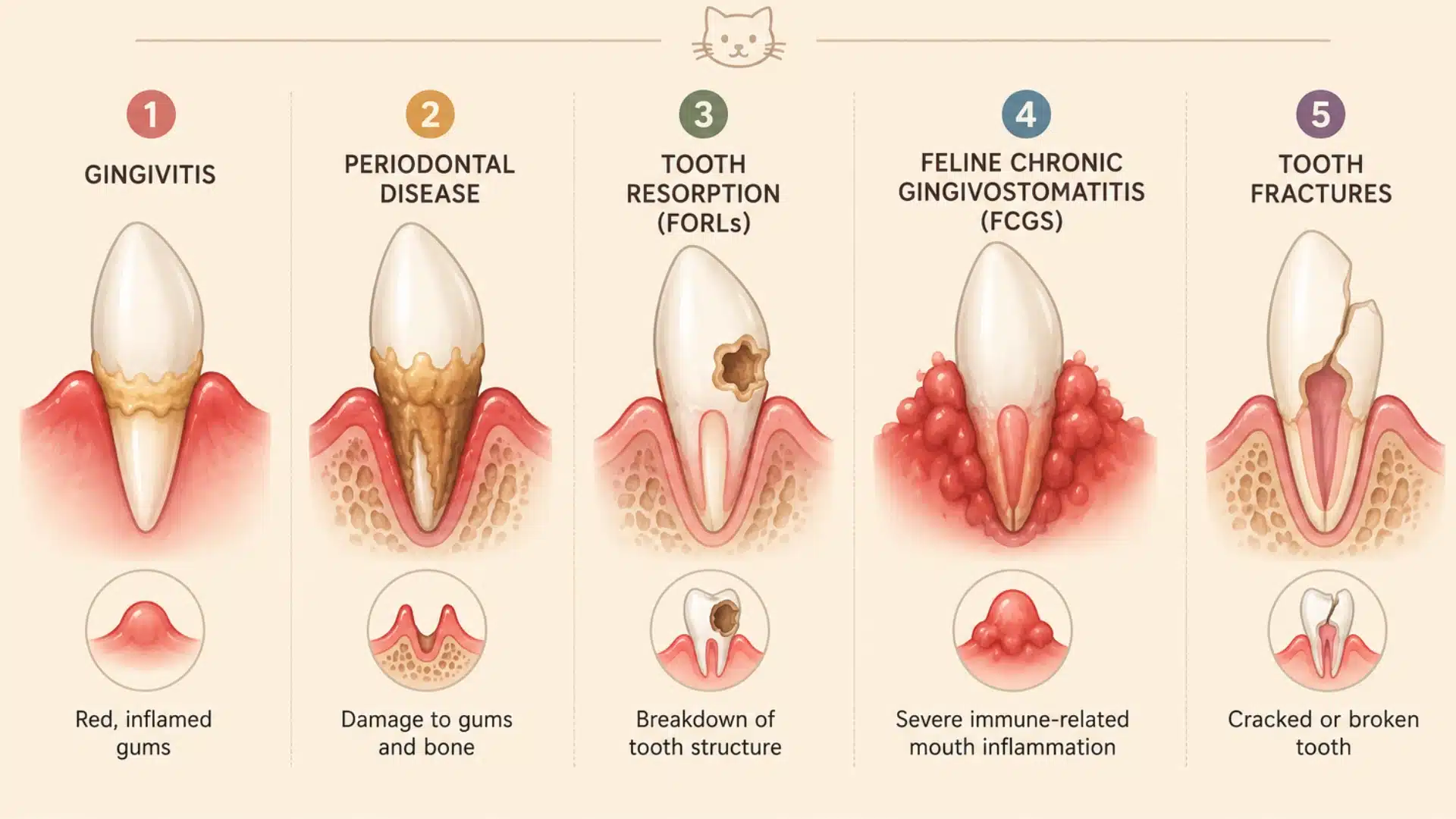
Your cat’s teeth can reveal early signs of hidden health problems long before serious symptoms appear. Small changes in gums, breath, or eating habits often point to dental disease that needs attention.
- Gingivitis: Gingivitis causes red, inflamed gums from plaque buildup along the gumline and may lead to bleeding, discomfort, and early-stage dental disease in cats.
- Periodontal disease: Periodontal disease damages the tissues and bone supporting teeth, causing pain, infections, tooth loss, and severe complications if untreated.
- Tooth resorption (FORLs): Tooth resorption causes the body to break down tooth structure over time and is considered one of the most common dental problems in cats by the VCA.
- Feline Chronic Gingivostomatitis (FCGS): FCGS causes severe immune-related mouth inflammation in cats and often requires partial or full tooth extractions because regular dental cleaning usually provides little relief.
- Tooth fractures: Tooth fractures expose sensitive inner tissue, increasing the risk of infection and eating discomfort, making immediate veterinary treatment important to prevent serious dental complications in cats.
Warning Signs of Unhealthy Cat Teeth
Cats are naturally skilled at hiding pain, which makes dental disease difficult to notice during its early stages. Recognizing these warning signs early can help prevent severe infections, tooth loss, and long-term oral health complications in cats.
| Warning Sign | Possible Cause | Severity Level |
|---|---|---|
| Bad breath | Bacteria buildup or gum infection | Mild to Moderate |
| Dropping food while eating | Pain while chewing | Moderate |
| Excessive drooling | Mouth inflammation or loose teeth | Moderate |
| Pawing at the mouth | Tooth or gum discomfort | Moderate |
| Jaw chattering | Tooth resorption or nerve pain | Serious |
| Weight loss | Reduced eating due to pain | Serious |
| Less grooming or behavior changes | Ongoing discomfort or stress | Mild to Moderate |
| Loose or missing teeth | Advanced dental disease | Serious |
| Facial swelling | Tooth abscess or infection | Urgent |
For more on health symptoms that can look similar, our post on cat dry heaving and health signs walks through other common signs that something’s off and when to act.
Common Reasons Cats Develop Dental Disease
Understanding what contributes to unhealthy cat teeth can help cat owners spot risks earlier, improve daily dental care, and reduce the chances of serious oral problems developing later in life.
1. Plaque and Tartar Buildup
Plaque and tartar buildup are the leading causes of dental disease in cats. Plaque, a sticky layer of bacteria, naturally forms on teeth after eating and, without regular brushing, hardens into tartar.
As tartar spreads along the gumline, it irritates the gums and increases the risk of gingivitis, infections, and periodontal disease.
Plaque accumulation below the gumline drives most feline tooth and gum disease.
2. No Regular Oral Hygiene
Cats cannot clean their teeth properly on their own, which allows plaque and bacteria to build up quickly without regular dental care.
Without brushing or dental support products, tartar continues to accumulate around the gumline, increasing the risk of bad breath, gum inflammation, and painful dental disease over time.
3. Diet
Diet plays an important role in feline dental health because certain foods can encourage plaque and tartar buildup over time.
Wet food that sticks to the teeth without providing any natural cleaning action may increase bacterial growth around the gums.
Poor nutrition can also weaken tooth structure and make cats more vulnerable to long-term dental disease.
4. Age
Dental disease becomes increasingly common as cats grow older because plaque, tartar, and gum irritation gradually worsen over time.
Years of bacterial buildup can damage the gums, weaken supporting tissue, and increase the risk of tooth loss and painful oral infections.
Studies show that many cats over age three already develop some form of dental disease.
5. Genetics and Breed
Some cats naturally face a higher risk of dental disease because crowded or misaligned teeth trap food particles and bacteria more easily.
This buildup makes plaque harder to remove and increases the likelihood of gum inflammation and tartar formation over time.
Flat-faced breeds like Persians and Himalayans are especially prone to these dental complications.
6. Underlying Health Conditions
Certain health conditions can weaken a cat’s immune system and reduce the body’s ability to control harmful oral bacteria.
Cats with FeLV or FIV are more vulnerable to severe gum inflammation, including conditions like FCGS.
Diseases such as diabetes and kidney disease can also affect oral health and increase the risk of advanced dental complications over time.
How to Check Your Cat’s Teeth at Home?
Monthly home checks take about two minutes and can catch problems before they get serious. Here’s how to do it calmly without stressing your cat out:
- Pick a relaxed moment: Try after a meal or a play session, when your cat is calm. Avoid doing this when they’re alert or restless.
- Let them smell your hand first: Give your cat a second to settle before you touch their face.
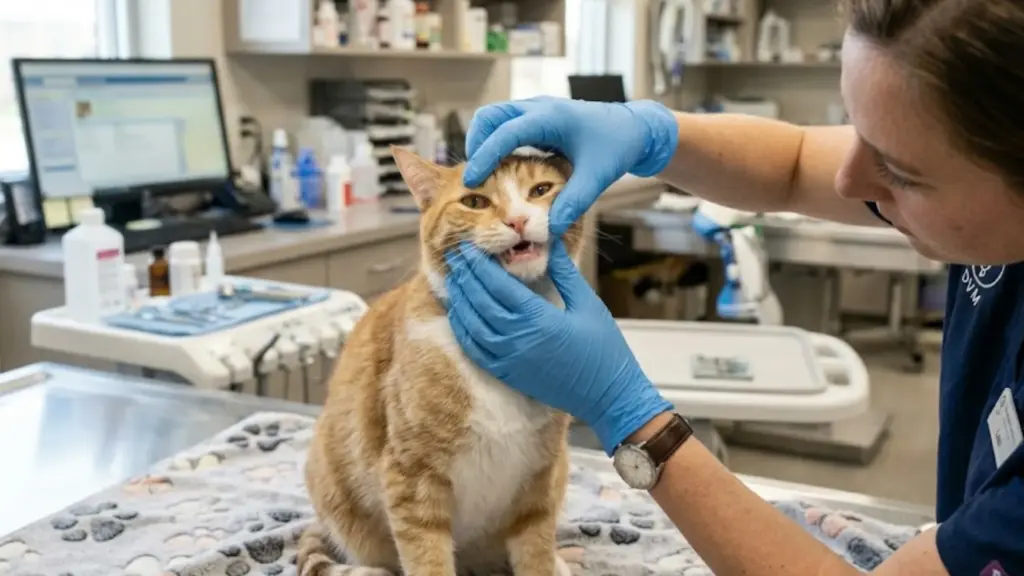
- Gently lift the lip: Use one finger to lift the upper lip on one side, then the other. You don’t need to open the mouth fully.
- Look at the teeth and gumline: Check tooth color (white is good; yellow, brown, or gray is not), gum color (pink is healthy; red or pale is a warning), and any visible buildup along the gumline.
- Note the breath: A mild smell is normal, but a strong or sour odor is not.
If your cat flinches, pulls away, or seems uncomfortable when you touch near the mouth, that’s a sign worth mentioning to your vet.
If your cat won’t tolerate any handling of their face, don’t force it. A vet can do a proper exam, and forcing it at home can damage trust and make future checkups harder.
How Dental Disease Affects Your Cat’s Whole Body?
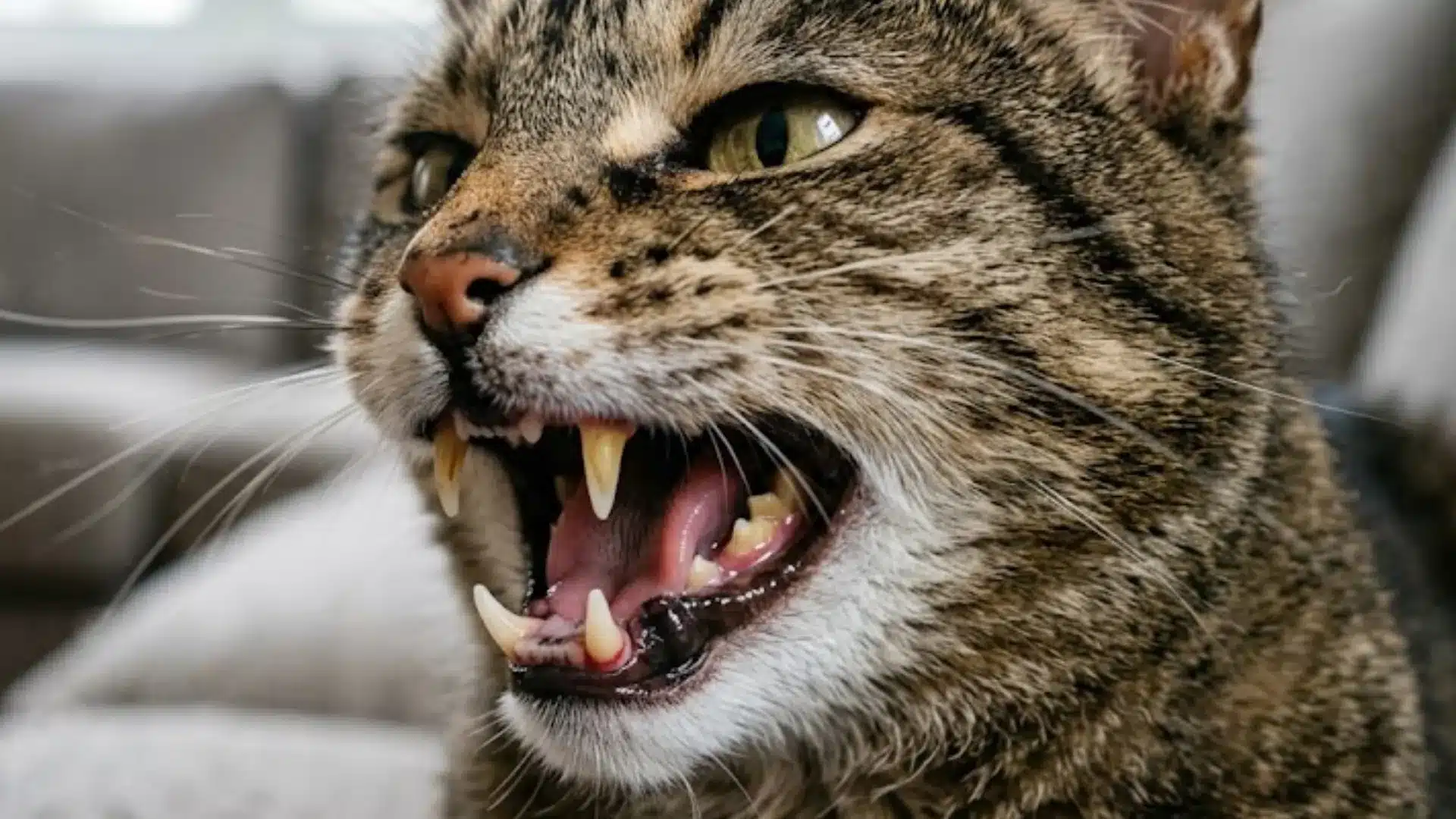
Unhealthy cat teeth don’t just cause mouth pain. When gum disease becomes severe, bacteria from the mouth can enter the bloodstream.
Research cited by VCA Animal Hospitals links severe oral bacteria to changes in the heart, liver, and kidneys over time.
These organs filter the blood, and a constant low-level bacterial load can place significant strain on them.
This is the part many cat owners don’t expect. A dental cleaning may not only improve oral comfort but also help protect overall health.
Cats with untreated dental disease often eat less, which can lead to weight loss and muscle decline over time. Good dental health truly supports whole-body health in cats.
How to Prevent Dental Disease in Cats?
Preventing dental disease in cats starts with small habits done consistently. Plaque can build up quietly, and many cats hide mouth pain until the problem is advanced. A simple home care routine, regular checks, and vet support can protect your cat’s teeth and gums.
- Regular brushing: Brush your cat’s teeth with cat-safe toothpaste to reduce plaque before it hardens into tartar.
- Vet dental exams: Schedule routine dental checks so your vet can spot gum disease, tooth resorption, or hidden mouth pain early.
- Dental treats and chews: Use vet-approved dental treats or chews that help reduce buildup, but do not rely on them alone.
- Healthy diet: Feed a balanced diet that supports overall health, since poor nutrition can affect the gums, teeth, and immune response.
- Early symptom checks: Watch for bad breath, red gums, drooling, chewing changes, or yellow buildup, and book a vet visit if anything looks off.
Conclusion
Keeping an eye on your cat’s mouth may seem minor, but those quick checks can make a meaningful difference over time.
Small shifts in chewing, grooming habits, breath, or gum appearance are often overlooked during everyday routines.
Spotting oral concerns early may help prevent discomfort, costly treatments, and difficult recovery periods later.
Simple habits like routine inspections, dental-friendly nutrition, and regular veterinary visits can support better comfort and long-term wellness.
Even a few minutes each month may help you notice when something feels unusual before it becomes severe.
Has your cat ever had a dental issue you almost missed? Share in the comments below.
Frequently Asked Questions
Are Certain Cat Foods Better for Dental Health?
Some dental formulated foods are designed to reduce plaque accumulation and support cleaner teeth through texture and ingredient balance.
Can a Cat Live a Normal Life After Having Teeth Removed?
Yes, most cats adapt very well after tooth extractions and often eat more comfortably once painful teeth are removed, and healing is complete.
Can Cats Get Cavities Like Humans?
Cats can develop cavities, but they are far less common than gum disease, tartar buildup, and tooth resorption.