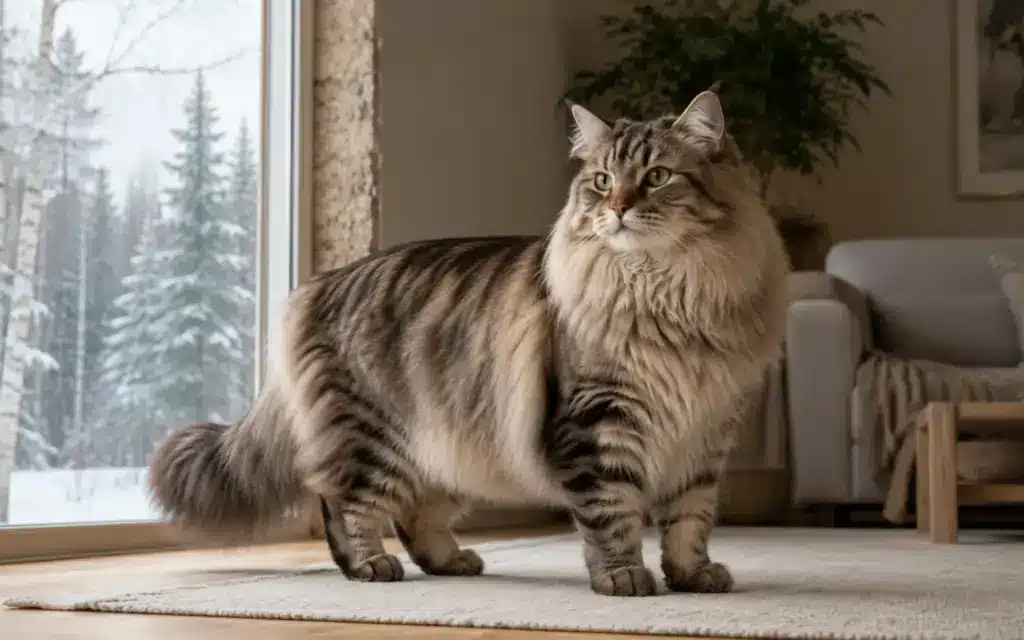
A cat with a powerful build and a winter-ready coat may seem more suited to a snowy woodland than a living room.
Then it follows you to the kitchen, waits beside your chair, and settles close enough to remain part of everything.
That contrast draws many people to the Siberian Forest Cat. Its affectionate nature can suit an active household, but the dense coat, slow growth, substantial frame, and allergy claims deserve attention before a decision is made.
Looking beyond appearance makes the choice clearer. Russian history, official physical standards, temperament, grooming, health, and daily care all shape what living with this cat may actually involve over the years ahead.
Why the Siberian Forest Cat Has Two Names
The longer name can make this breed sound harder to identify than it is. Settling the naming question first makes the rest of the profile easier to understand.
Siberian Forest Cat and Siberian refer to the same recognized breed. Major registries use Siberian as the official name, while the longer form remains common among owners and general pet sources.
It is not a cross, a separate forest variety, or another name for the Norwegian Forest Cat.
The confusion comes from shared surface traits. Both breeds developed in cold regions and carry thick coats, but they have separate histories and written standards.
The Siberian has a rounded, muscular form and Russian origin, while the Norwegian breed has a more triangular head and a different body profile.
| Breed Detail | Siberian Profile |
|---|---|
| Origin | Russia |
| Breed type | The natural Russian breed was later standardized for pedigree registration |
| General size | Medium to medium-large, with males generally heavier |
| Coat | Seasonal, semi-long triple coat |
| Usual behavior | Often affectionate, intelligent, active, and social |
| Full maturity | Up to five years |
| Life expectancy | 11 to 18+ years, based on a registry estimate |
| Allergy status | Not allergy-free |
With the naming difference settled, the breed’s documented history explains how a regional Russian cat became a registered pedigree. That record separates traditional accounts from modern breeding documentation.
How Russia Shaped the Siberian Cat Breed
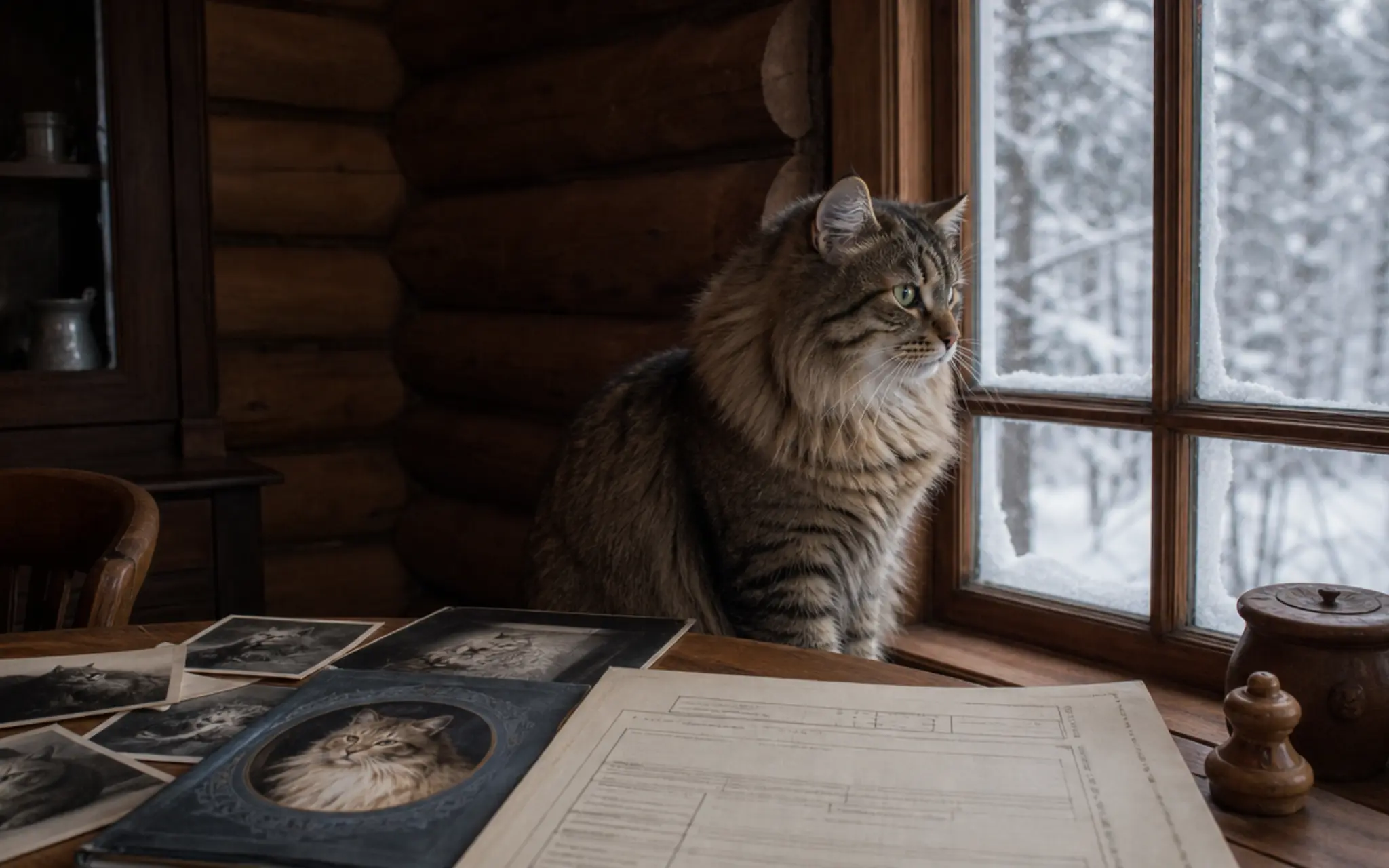
The Siberian’s regional roots are older than its formal pedigree history. Separating these periods prevents traditional accounts from being presented as documented breed records.
Long-haired domestic cats were associated with Russia before the Siberian received a written standard.
However, claims about their exact appearance, ancestry, and role in Siberian communities cannot be confirmed through reliable academic records.
Organized breeding began as Russian cat clubs grew during the 1980s. Breeders then worked toward consistent requirements for the head, body, and coat. A 2008 genetic paper indexed by the U.S. National Library of Medicine describes the Siberian as one of the newer recognized breeds from Russia.
The first breeding Siberians arrived in the United States in 1990. The International Cat Association granted championship status in 1996. The Cat Fanciers’ Association placed the breed in its Miscellaneous class in 2000 and granted championship status in 2006.
The breed’s Russian background predates its official recognition, while today’s written standards define the physical traits expected in pedigreed Siberians.
How Siberian Cat Size Fits Breed Standards
Breed standards assess the Siberian by its overall build, strength, rounded shape, and physical condition. Weight provides a useful reference, but body proportion and muscle condition give a more accurate picture of healthy development.
1. Adult Weight and Growth
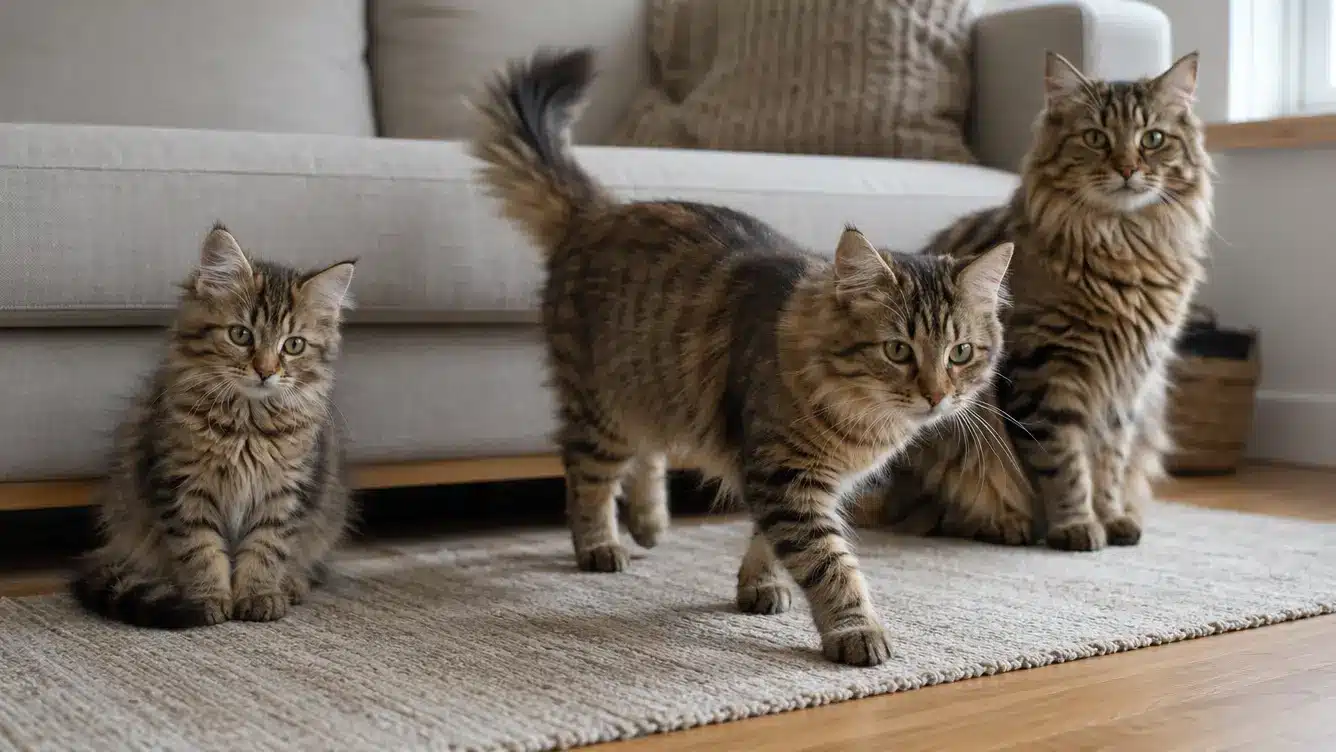
Adult males generally weigh 12 to 18 pounds, while females commonly weigh 8 to 12 pounds. Healthy cats may fall outside these ranges because sex, genetics, diet, activity, and body condition affect adult weight.
The dense coat can make the body look larger, so size should not be judged by sight alone. Siberians mature slowly, with the chest, muscles, bones, and coat continuing to develop for several years.
Full maturity may take up to five years. A healthy adult should feel muscular without thick padding over the ribs.
2. Body, Legs, and Tail
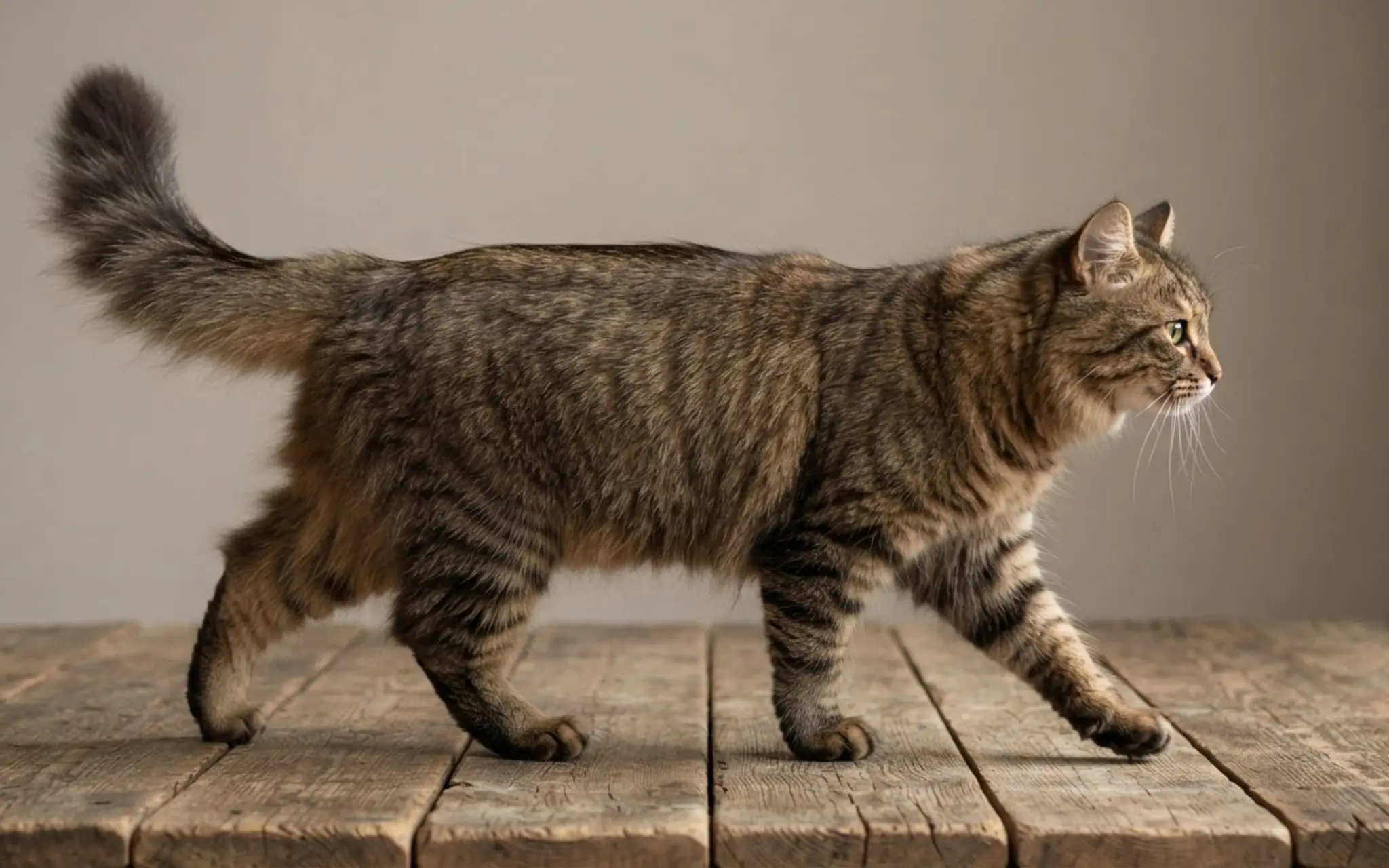
The Siberian has a medium-to-medium-large frame with a barrel-shaped torso and substantial bone. Its body is medium in length, firmly muscled, and slightly higher across the back near the hindquarters.
The legs are medium in length, with the hind legs slightly longer than the front. Large, rounded paws support the sturdy frame and may have visible toe tufts.
The tail is broad at the base, thickly furnished, and somewhat shorter than the body. It gradually narrows toward a blunt tip.
3. Head, Eyes, and Ears
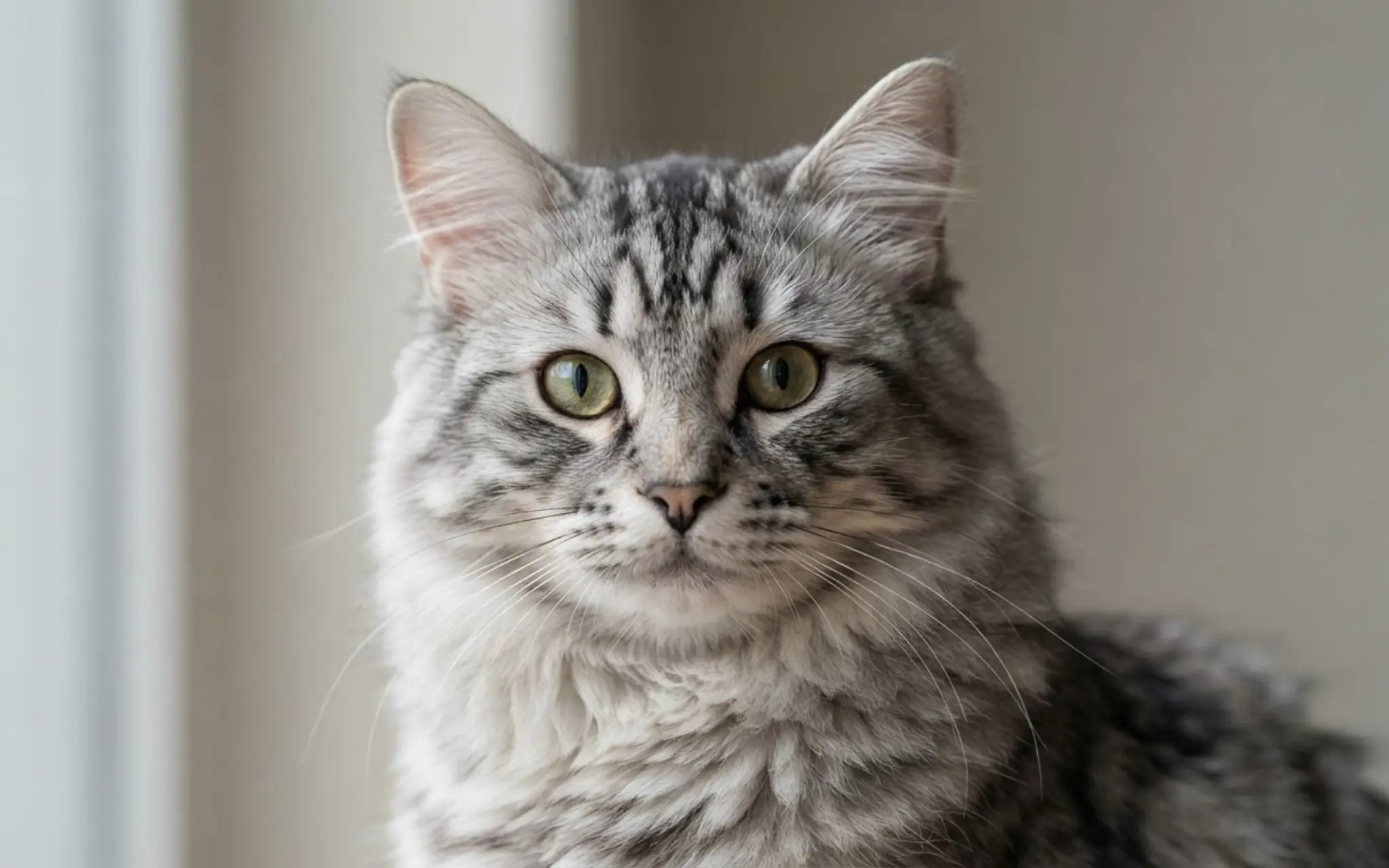
The head forms a modified wedge with rounded contours. It is broader across the upper skull and narrows gently toward a full muzzle. The chin is rounded, the neck is muscular, and mature males may develop noticeable jowls.
Eyes are medium to large, almost round, and set widely apart. Common colors include green, gold, green-gold, and copper.
White cats may have blue or odd-colored eyes, while pointed Siberians have blue eyes. The ears are medium-large, rounded at the tips, wide at the base, and tilted slightly forward.
4. Coat, Colors, and Patterns
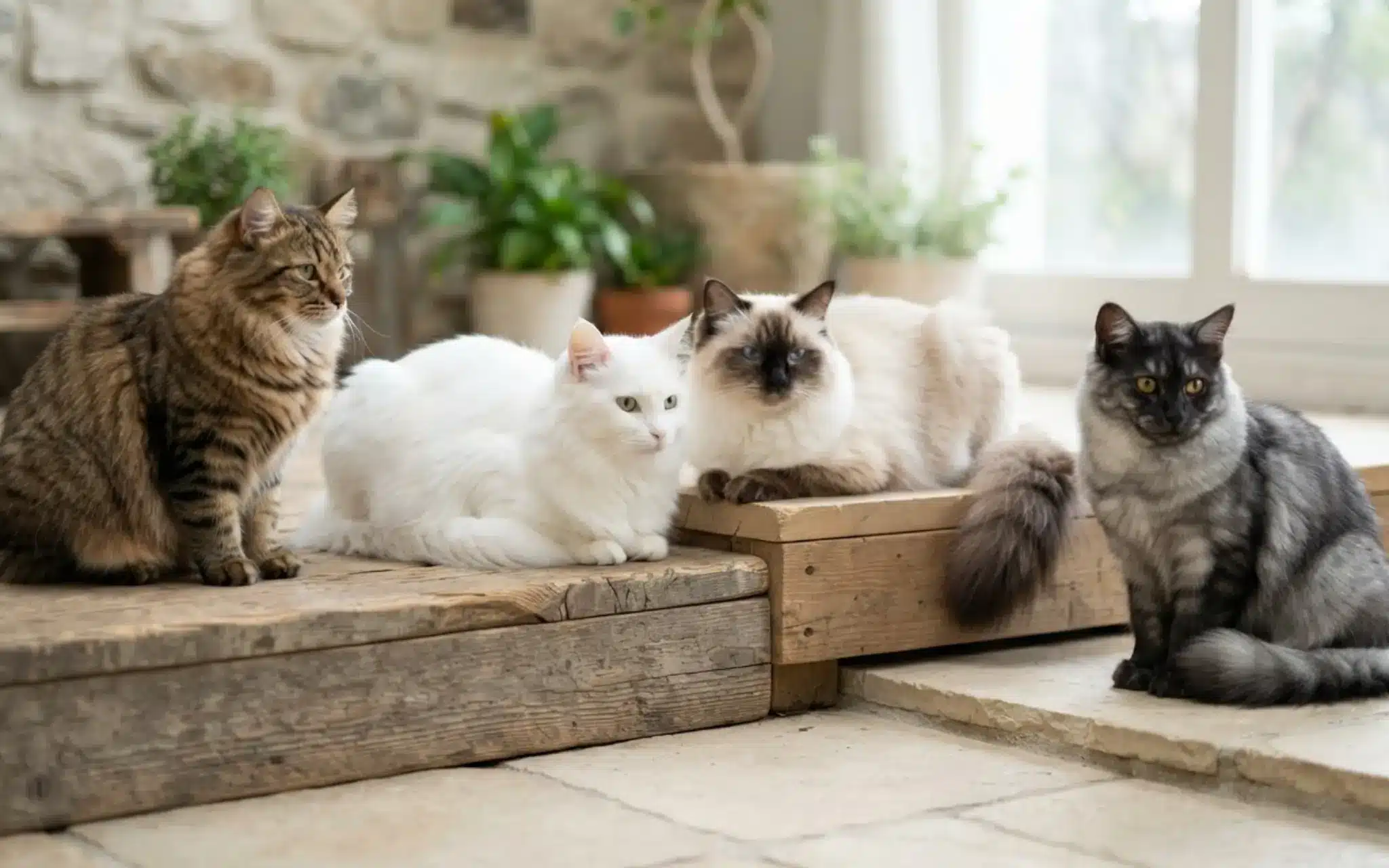
The Siberian has a semi-long triple coat that changes with the seasons. Winter brings a dense undercoat, insulating awn hairs, and longer guard hairs. The warmer-season coat is usually shorter and less dense.
The breed appears in brown, black, blue, red, cream, silver, white, and many patterned combinations.
Common patterns include tabby, smoke, shaded, tortoiseshell, and bicolor. Pointed Siberians are often called Neva Masquerades, although their classification differs between registries.
Together, these features create a sturdy cat with rounded lines rather than an unusually long frame. The body structure also supports the Siberian’s strong climbing and jumping ability.
What Siberian Cat Temperament Looks Like at Home
Siberian cats are commonly warm, involved companions. Their intelligence and energy mean that affection works best alongside dependable interaction and suitable activity.
- Family attachment and trainability: Many follow household members, greet familiar people, and rest nearby. Their responsiveness and interest in family activity explain why owners sometimes describe them as dog-like.
- Individual affection: Some enjoy laps or being held, while others prefer physical contact on their own terms.
- Lasting playfulness: Many remain interested in games and short training sessions beyond kittenhood.
- Need for activity: Without suitable tasks, some may open cabinets, search for stored food, or turn household objects into toys.
- Children and dogs: Many live comfortably with respectful children and cat-friendly dogs when introductions are slow and supervised.
- Small-pet safety: Birds, rodents, and similar pets require secure separation because hunting instincts remain.
Individual temperament still depends on genetics, early social contact, health, previous experiences, and the home environment. Meeting the specific cat gives better information than relying only on general breed descriptions.
Siberian Cats and the Hypoallergenic Claim
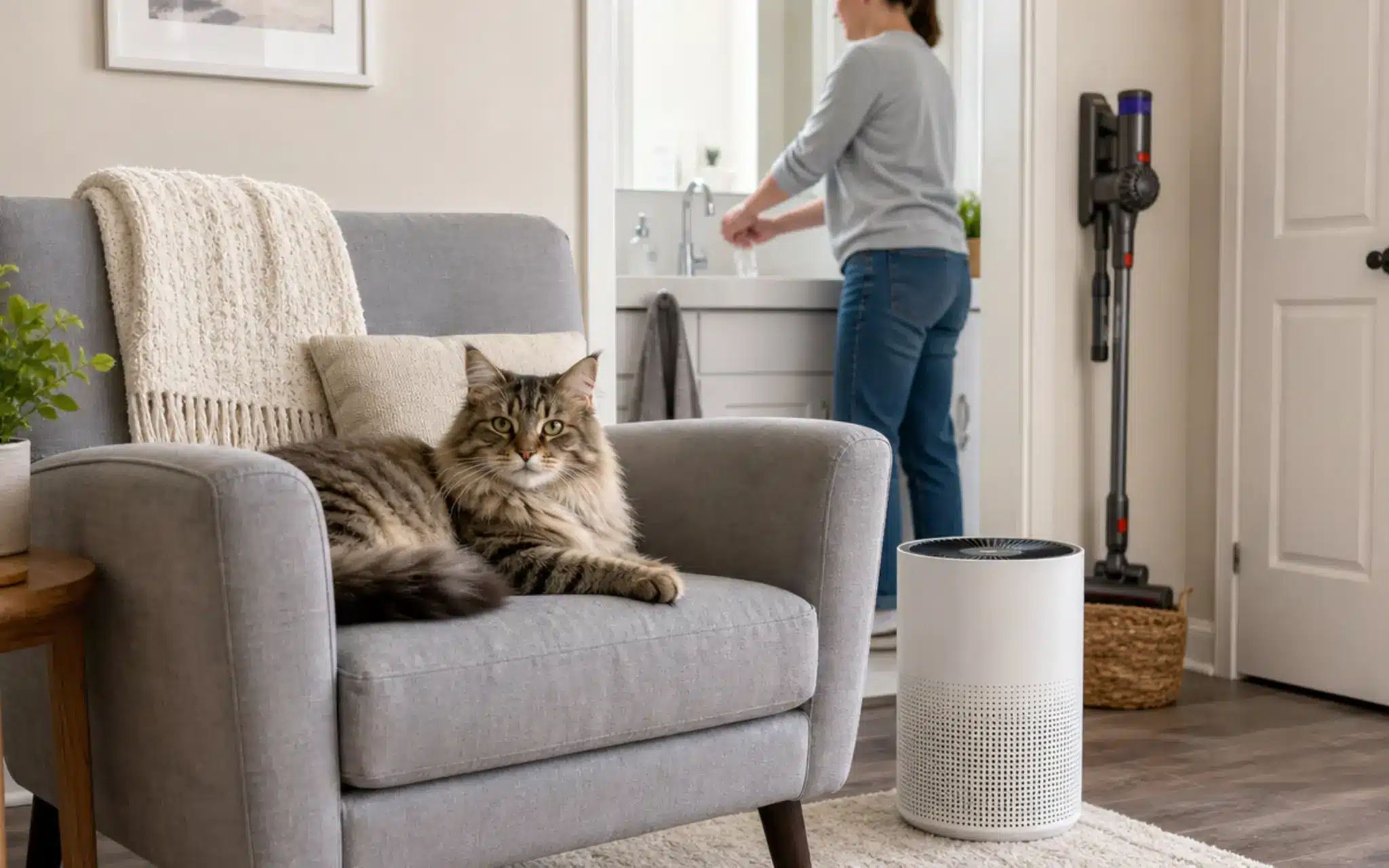
Are Siberian cats hypoallergenic? No, not in the sense of being allergy-free. Siberians produce cat allergens, and no individual can be guaranteed safe for someone with cat allergies.
Fel d 1, a major cat allergen, occurs in saliva and skin secretions. Grooming transfers it onto the fur, and it can then spread through hair and dander. Coat length does not predict how strongly someone may react, and tolerance of one Siberian does not predict the response to another.
Several other cat breeds are also grouped among lower-allergen options, though none are completely allergy-free.
The National Institute of Environmental Health Sciences explains that cat allergens can become airborne and may trigger sneezing, itchy eyes, coughing, or worsening asthma. Before bringing a Siberian home, an allergy-sensitive person should:
- Spend time with the specific cat on several occasions, while recognizing that a symptom-free visit cannot rule out later reactions.
- Consult a board-certified allergist, especially when asthma or serious symptoms are involved.
- Keep the cat out of bedrooms used by the allergic person.
- Use a portable HEPA air cleaner and vacuum when the allergic person is not in the room.
- Wash hands and clothing after close contact when symptoms are a concern.
These steps may reduce exposure, but symptom control varies between individuals. Breathing difficulty, wheezing, or worsening asthma requires medical advice rather than further home testing.
Caring for the Siberian Cat’s Seasonal Coat
The Siberian’s thick coat provides insulation but still requires routine attention. A steady schedule keeps loose undercoat and friction from creating tight mats.
| Care Task | When to Do It | What to Do |
|---|---|---|
| Routine brushing | Once or twice weekly | Remove loose hair and separate small tangles |
| Seasonal combing | More often during spring and autumn, shedding | Work through the loosening undercoat in short sections |
| Tangle checks | During every grooming session | Inspect behind the front legs, around the hindquarters, beneath the collar area, and near the tail |
| Undercoat removal | As needed | Begin with a wide-tooth comb |
| Final coat check | After removing loose hair | Use a finer metal comb to locate remaining knots |
| Nail trimming | As needed | Introduce handling early and reward calm behavior |
| Ear checks | During routine grooming | Look for redness, odor, discharge, or excess debris |
| Tooth brushing | On a veterinarian-approved schedule | Use toothpaste made specifically for cats |
| Bathing | Only when necessary | Avoid a fixed bathing schedule unless medically advised |
Never pull forcefully through a mat because this can injure the skin. Tight mats close to the body should be removed by a veterinarian or trained groomer. A lion cut is one grooming option some owners consider for heavily matted or hard-to-maintain long coats.
Short, rewarded sessions can make grooming easier for cats that dislike restraint. Routine handling also allows skin changes, irritation, or hidden tangles to be noticed sooner.
Daily Care for an Active Siberian Cat
A large build does not justify unlimited food, and resting between games does not indicate low activity needs. Daily care should maintain muscle condition without encouraging excess weight gain.
- At mealtimes: Serve food labeled complete and balanced for the cat’s life stage. The U.S. Food and Drug Administration explains that the nutritional adequacy statement identifies food intended as a sole source of nutrition. Measure portions according to calorie content and veterinary advice.
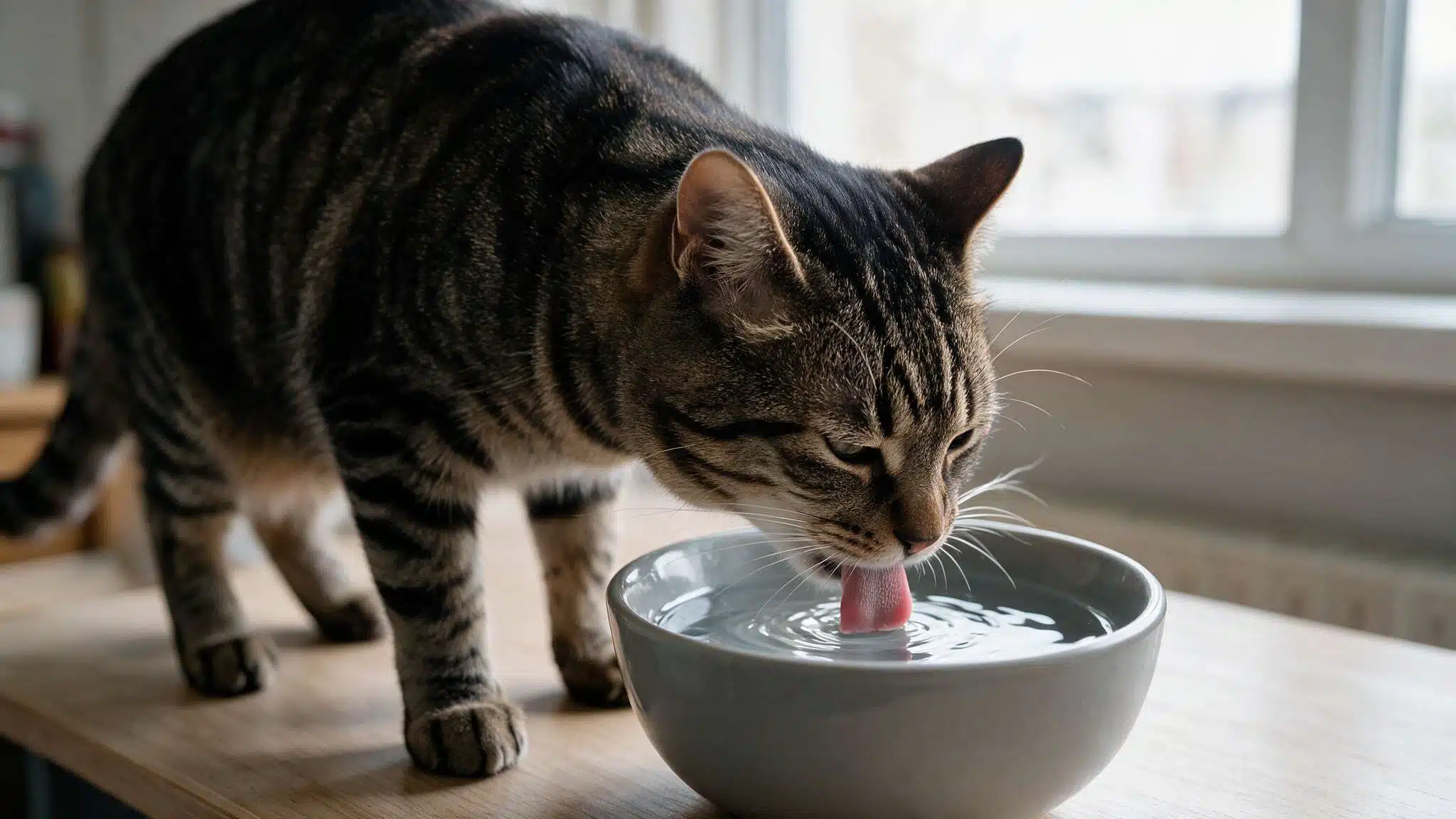
- Throughout the day: Keep clean drinking water available. Wet food may provide additional dietary moisture when appropriate. Feel the ribs and waist periodically because dense fur can conceal gradual weight gain.
- During playtime, offer several short interactive sessions with wand toys, rolling toys, retrieval games, or food puzzles. Rotate toys occasionally and store strings or ribbons after supervised use.
- Around the home: Provide a tall, stable cat tree, strong scratching surfaces, and large litter boxes. Secure windows, balconies, and screened areas, and inspect high spaces for gaps the cat could reach.
A predictable routine also makes changes in appetite, movement, and litter-box habits easier to notice. These changes can then be raised during veterinary visits.
Health Risks and Lifespan in Siberian Cats
Siberians can develop HCM along with conditions seen throughout the wider cat population. Recognizing the main concern and its urgent warning signs allows owners to seek veterinary care promptly.
- Hypertrophic cardiomyopathy: HCM causes the heart’s muscular walls to thicken. Cornell University College of Veterinary Medicine lists the Siberian among breeds in which genetics may contribute.
- Possible HCM symptoms: Some affected cats show no early signs. Others may develop rapid or labored breathing, weakness, low energy, collapse, or sudden hind-leg pain and reduced movement.
- Heart screening: Echocardiography is the main diagnostic test. Screening breeding cats provides useful information, but one normal result cannot guarantee lifelong freedom from the condition.
- Other feline concerns: Siberians can also develop dental disease, obesity, parasites, kidney problems, and urinary illness. These conditions are not specific to the breed.
- Expected lifespan: TICA estimates a lifespan of 11 to 18 years or longer. This is registry guidance rather than a population-based statistic, and individual longevity varies.
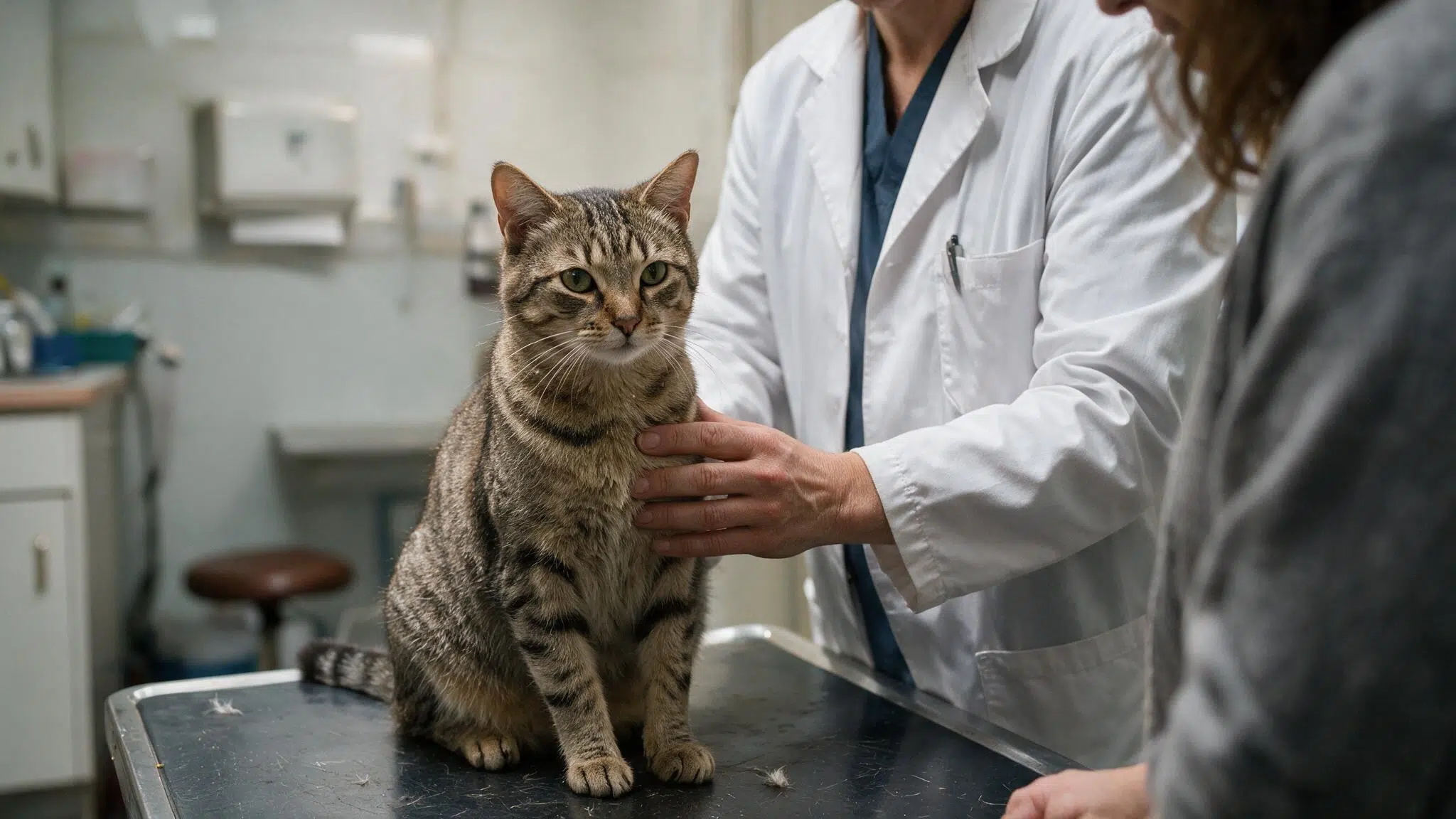
Regular examinations, vaccinations given on a veterinary schedule, parasite prevention, dental care, and weight checks support early detection. Breathing difficulty, collapse, marked weakness, or sudden hind-leg pain requires prompt veterinary attention.
Conclusion
Choosing a Siberian Forest Cat should come down to the life you can provide, not the breed’s appearance or allergy reputation.
This cat often suits a household that values daily interaction, can maintain a steady care routine, and has room for safe indoor activity. It may be a poor match if allergy risk remains unresolved, grooming feels unrealistic, or a highly independent pet is preferred.
Before committing, review available health records, contract terms, and the support offered by the breeder or rescue. A careful decision protects both the household and the cat over the years ahead.
Already share life with a Siberian? Add your experience, questions, or practical ownership advice in the comments below.
Frequently Asked Questions
Why Does This Breed Chirp and Trill?
Chirps and trills are normal forms of feline communication. A Siberian may use them when greeting someone, watching prey through a window, requesting attention, or responding to conversation. A sudden change in vocalization can warrant veterinary attention.
Does This Breed Need Another Cat?
Not always. A Siberian can live happily as the only cat when people provide dependable interaction and activity. A compatible companion may help in some homes, but introductions, temperament, age, and available resources matter more than breed alone.
Should This Breed Be Shaved During Summer?
Usually not. The coat offers insulation and skin protection, even during warmer months. Regular combing and indoor temperature control are generally safer. A veterinarian may recommend clipping when severe matting or a medical condition makes it necessary.
How Much Does This Breed Usually Cost?
There is no standardized national price for this breed. Costs vary with location, pedigree, age, veterinary care, and breeder practices. Compare the full contract, health records, registration terms, and refund conditions before paying a deposit.