Seeing a cat pant can be confusing. Dogs do it all the time, but cats usually do not. When it happens, it often leads to worry and a search for answers.
Many cat owners ask the same question online, why is my cat panting when everything else seems fine.
You might notice it after play, while your cat is resting, or during a moment that seems completely stress-free. That is usually when concern starts to build.
With years of experience in veterinary practice, I have seen this question come up in exam rooms just as often as online.
The concern is almost always valid, because cats are not built to pant the way dogs are.
In this article, I have discussed what cat owners commonly discuss online. You will see recurring patterns in forums, comment sections, and group posts.
I will also cover the clinical side, including what causes panting, which signs matter most, and how to tell the difference between harmless panting and panting that needs attention.
The goal is not to tell you what will happen, but to help you understand how others interpret similar situations and what signs they paid attention to.
Why Cat Panting Feels Different to Owners?
Many cat owners find open-mouth breathing unusual, as cats typically keep their mouths closed, even when active.
This change can cause concern. Unlike dogs, cats don’t pant to cool down; they rely on grooming and resting in cool spots.
Open-mouth breathing often signals that a cat is struggling to get enough oxygen and may be fast, shallow, or sudden.
A normal resting respiratory rate is 15 to 30 breaths per minute, and if it exceeds this for more than a few minutes without an obvious reason, it should be noted.
I encourage clients to count their cat’s breaths while relaxed to establish a baseline.
It’s also essential not to confuse panting with the Flehmen response, where a cat slightly opens its mouth after sniffing something strong; this doesn’t involve rapid breathing and resolves quickly.
Real Moments Cat Owners Shared Online
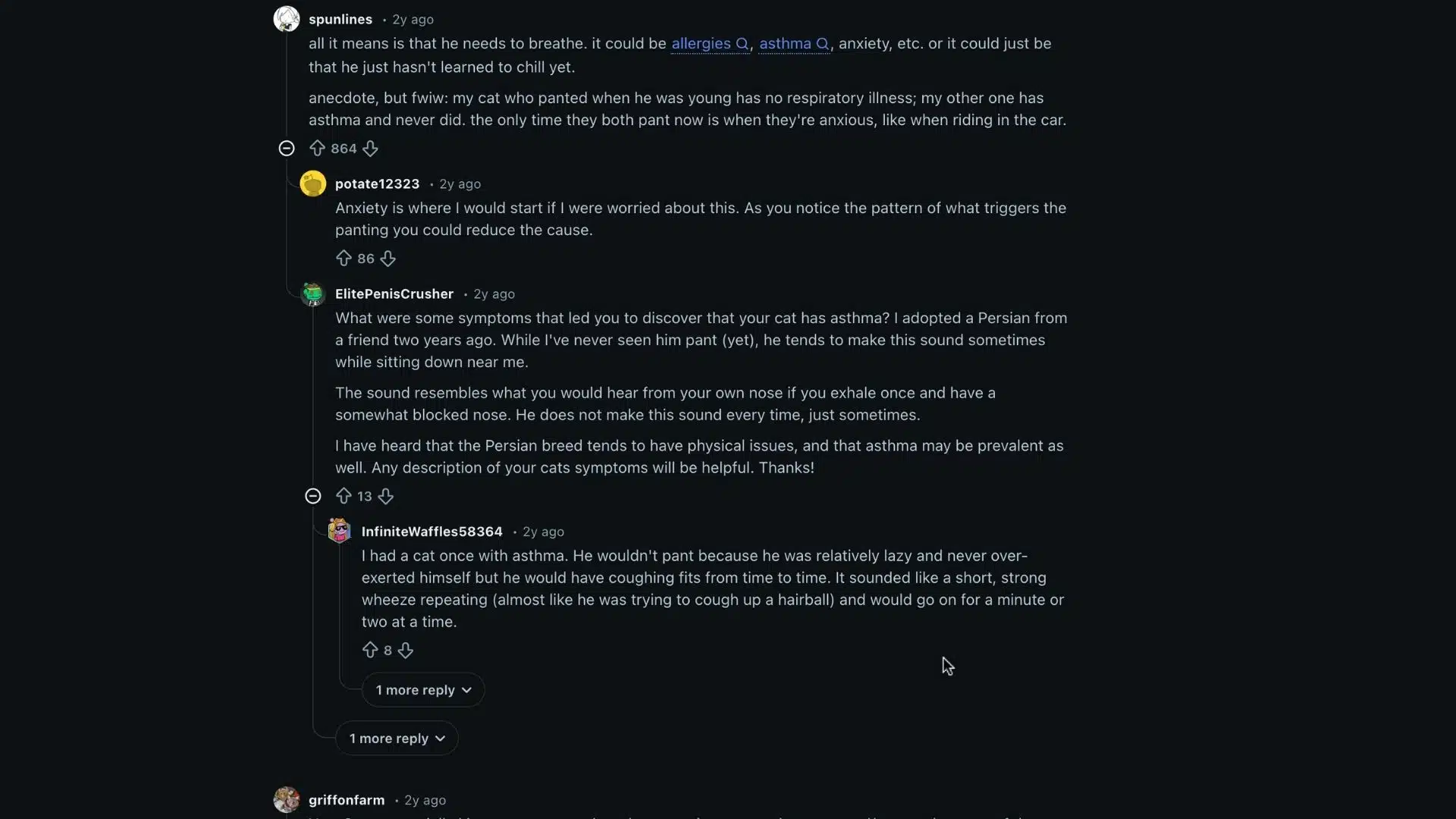
In Reddit and other discussion spaces, many people describe similar moments even though the cats themselves are different.
Some owners share stories of a single episode of panting that never returned. Others describe a pattern that slowly became more frequent.
A few mention that panting appeared alongside subtle behavioral changes, such as reduced appetite or less interest in play.
Some owners say panting appeared suddenly and resolved just as quickly, leaving no clear explanation.
These stories often sit side by side in comment threads, showing how varied the experiences can be.
What stands out is that people often feel calmer once they see others describing something similar. Shared experience seems to reduce panic, even when answers are not clear.
Situations Owners Commonly Link to Panting
When people search for “why is my cat panting,” everyday situations often come up in discussions. While not all indicate a serious issue, they are usually linked to the onset of panting.
1. After Intense Play
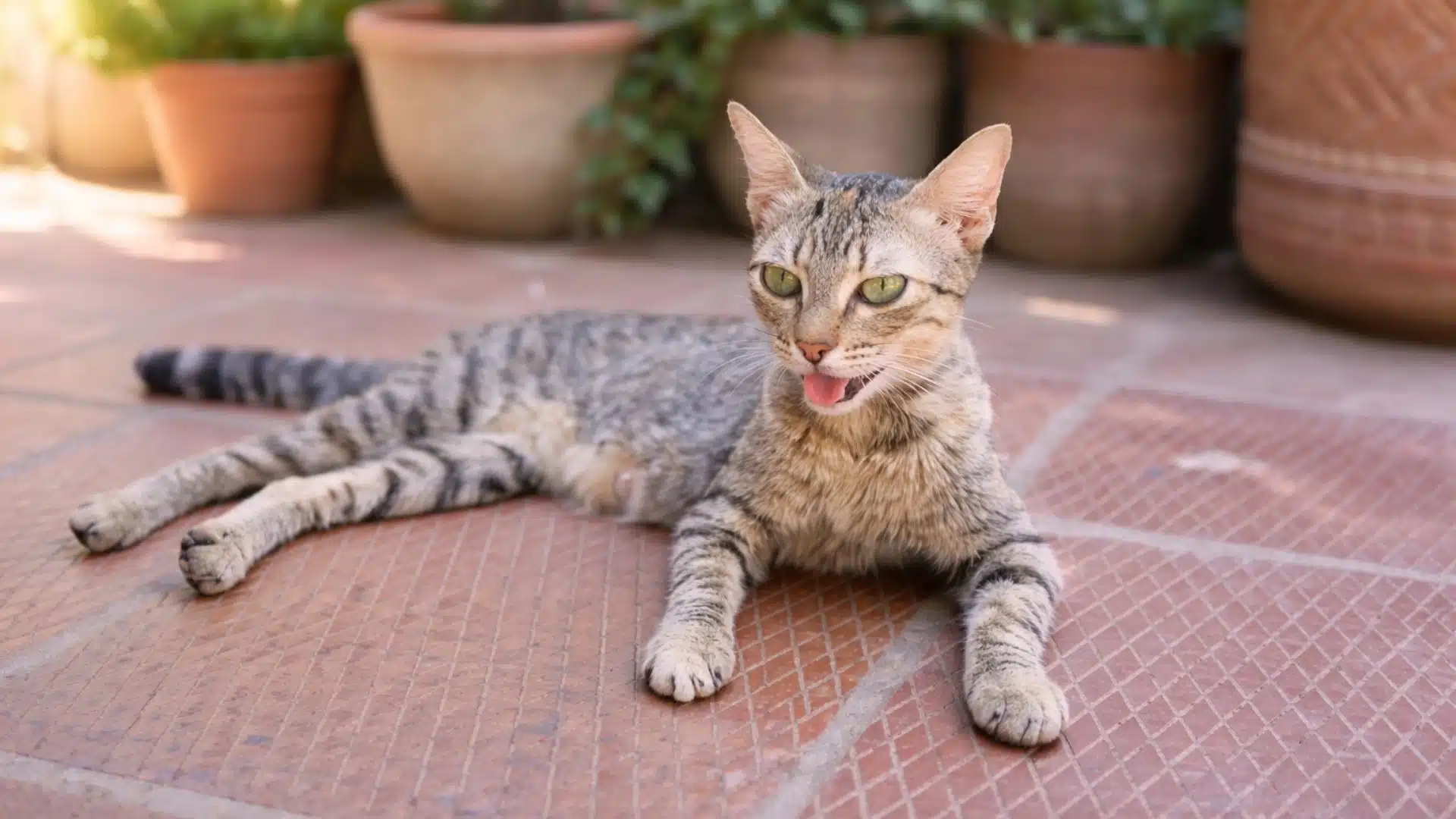
Many cat owners notice that their pets pant right after a burst of vigorous activity.
This behavior is particularly common in kittens and younger cats, who might suddenly run, jump, or energetically chase toys for several minutes.
Typically, the panting subsides once the cat lies down to rest. Often, the cat will groom itself, stretch, or relax.
Owners generally feel more at ease when the cat’s breathing returns to normal, and it resumes its usual playful behavior.
In my experience, kittens under a year old are the most likely to pant after a play session, and it almost always resolves within five minutes.
Understanding the right types of enrichment and play activities for your cat’s age and energy level can help prevent overexertion in the first place.
2. During Heat or Poor Air Flow
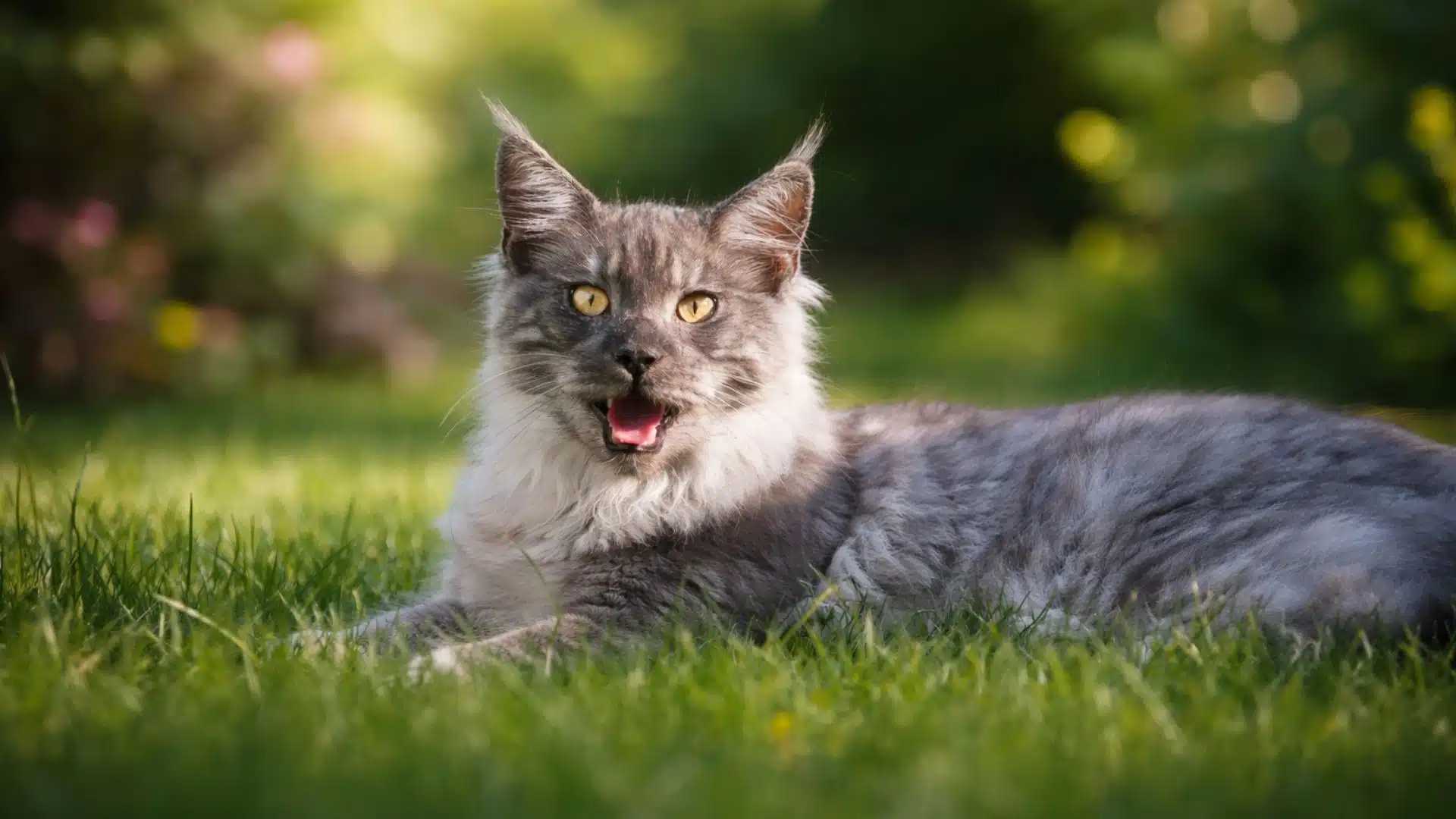
Another common pattern observed in cats is panting in warm weather, particularly in hot rooms, closed spaces, or on warm afternoons.
This behavior can be concerning for pet owners, but it often signals that the cat is simply trying to cool down.
Once the cat moves to a cooler area or lies on a tile surface or near a fan, the panting frequently subsides.
These situations usually conclude with relief for the owners, especially when the panting does not return later that day.
However, if panting persists after the cat moves to a cool space, it could signal the early stages of heatstroke.
Signs to watch for include drooling, lethargy, vomiting, and gums that appear bright red or very pale. A cat showing those signs needs immediate veterinary attention.
In my Minnesota practice, I see a noticeable uptick in heat-related panting cases from June through August, often in cats left in sun-exposed rooms without access to water or shade.
Moving those cats to a cool, quiet room with fresh water is always the first step before anything else.
3. Stressful Events
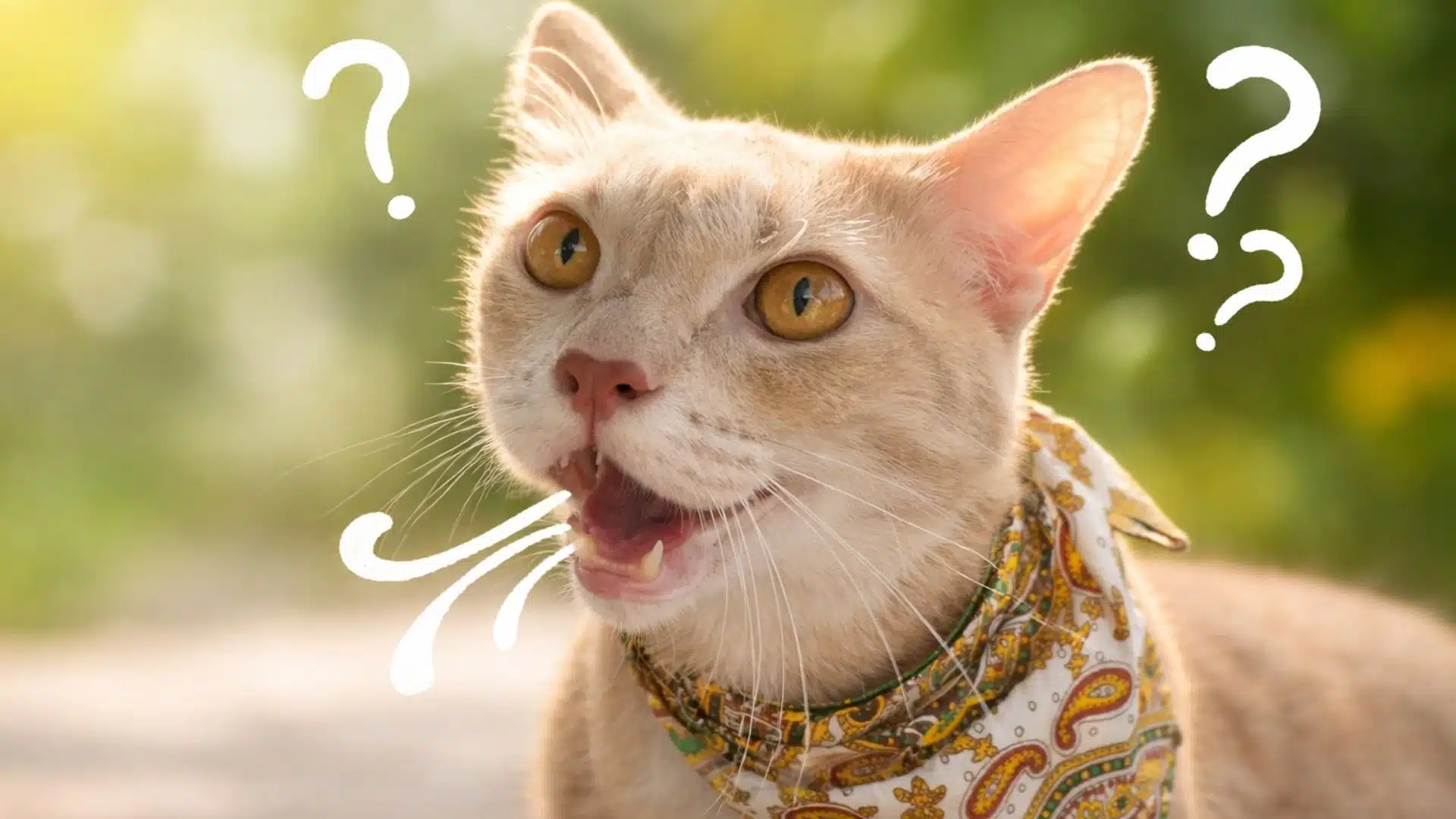
Stress is among the most frequently discussed triggers of panting in pets.
Many owners report that their animals exhibit this behavior during car rides, vet visits, loud noises, home repairs, or when guests arrive.
In these situations, panting is often accompanied by other signs of stress, such as hiding, wide eyes, or a tense posture.
This combination indicates that the pet is feeling anxious or overwhelmed. Fortunately, once the stressful situation ends, their breathing typically returns to normal, signaling relief.
Repeated stress-related panting may point to a deeper behavioral pattern. Understanding cat anxiety symptoms can help owners identify triggers before they escalate.
4. During Labor and Delivery
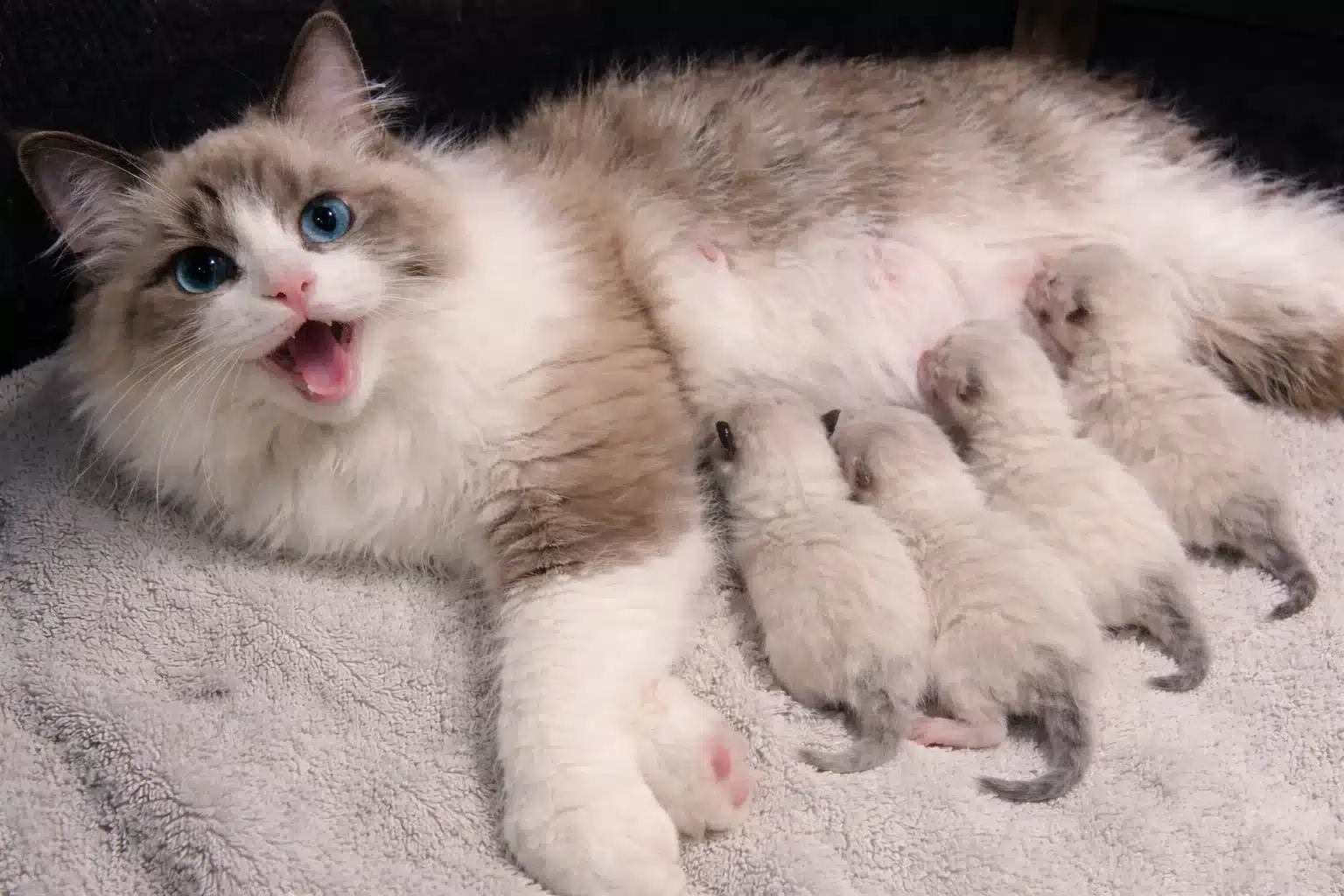
Female cats that have not been spayed may pant during the early and active stages of labor.
This is a normal response to the combination of physical pain, anxiety, and exertion involved in giving birth.
Panting during labor typically resolves after delivery, and the mother cat has had time to rest.
If panting continues after all kittens have been delivered, it may indicate that a kitten has been retained, and a veterinarian should be contacted promptly.
When Panting Raises More Questions?
While some situations seem explainable, many discussions focus on moments with no apparent reason. This is where concern increases.
1. Panting While Resting
Owners often express alarm when they observe their cat panting while lying down or sleeping.
This behavior is concerning to many, as it feels distinctly different from the panting that follows physical activity.
In online discussions, these posts often receive numerous replies as people seek to better understand the situation.
Owners frequently report that their cats did not run, play, or show signs of stress beforehand, which raises further questions and prompts closer observation for any underlying issues.
From a clinical standpoint, resting panting in cats is one of the signs I take most seriously.
In many cases I have seen, it has been linked to conditions such as hypertrophic cardiomyopathy (a thickening of the heart muscle), feline asthma, or fluid buildup around the lungs.
These conditions make it harder for the body to move oxygen efficiently, and panting at rest is the cat’s way of compensating.
2. Panting That Lasts Longer Than Expected
Short panting episodes in pets often lead to less concern from their owners, as they are viewed as a relatively common behavior.
However, when panting persists for several minutes or recurs, it should raise alarms and prompt owners to monitor the behavior more closely.
They may start tracking how often it occurs, the specific times of day it happens, and if there is an identifiable pattern.
This increased awareness usually prompts individuals to seek outside opinions or professional advice.
As a general clinical benchmark, panting that follows exercise or stress should stop within 5 to 15 minutes once the trigger is gone.
If it lasts beyond that window or recurs across different days, a veterinary evaluation is the next step.
Panting that persists without a clear trigger can sometimes overlap with broader respiratory concerns. A closer look at the causes of heavy breathing in cats may help connect the dots.
Signs that owners watch while Cats pant
When monitoring your pet’s health, certain signs and behaviors can provide crucial insights. Here are key observations that pet owners should consider to ensure their furry friends receive timely care:
- Panting Alone: While panting can indicate a need for observation, it may not always signal an immediate health concern.
- Energy Level: A significant drop in energy can indicate underlying health problems that require attention.
- Appetite Changes: Fluctuations in appetite, when increased or decreased, can be a telling sign of potential issues.
- Hiding Behavior: When pets hide more than usual, it may indicate discomfort or illness and warrant a closer look.
- Gum Color: Changes in gum color, such as paleness or brightness, can indicate serious health concerns requiring a veterinary visit.
- Body Posture: Changes in posture, such as hunching or stiffness, can indicate pain or distress in pets.
Gum color deserves extra attention. Pink gums indicate adequate oxygen levels in cats, while pale, white, blue, or grey gums suggest poor oxygenation and require emergency care. I recommend checking your cat’s gum color before an emergency arises.
How Owners Can Decide What to Do Next?
Decision-making looks different across discussions, but some patterns are clear.
1. Monitoring First
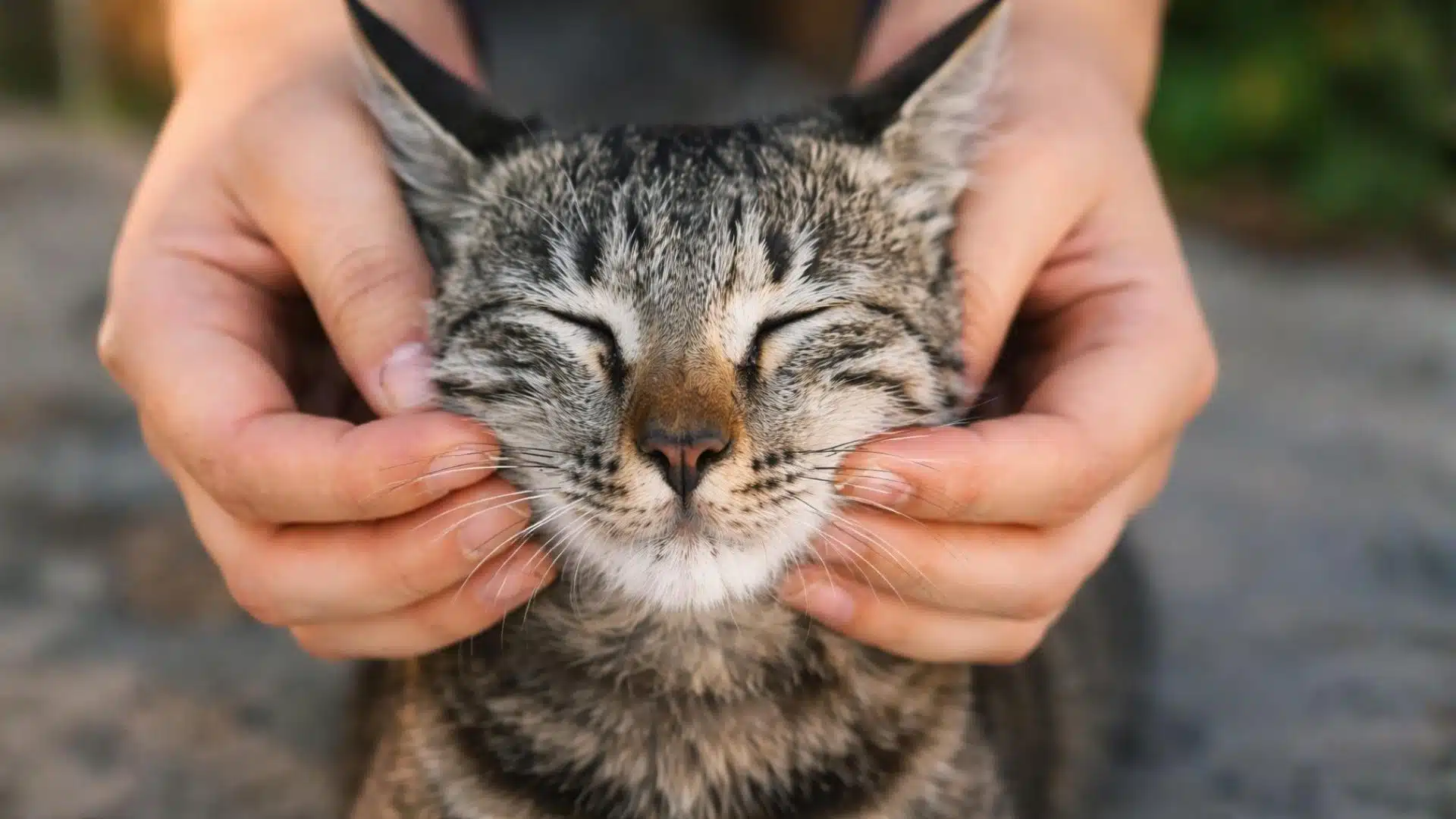
Many people choose to watch their cats closely before taking any action. They pay attention to subtle cues, like when panting occurs and how long it lasts.
This careful observation helps them determine if it’s a temporary condition or something more serious.
If the cat returns to its normal behavior quickly, they often decide to continue monitoring the situation without immediate intervention.
This approach allows them to gauge their pet’s overall health while minimizing unnecessary stress for both the cat and themselves.
One method I teach clients is to count their cat’s breaths while it’s resting.
While the cat is asleep or fully relaxed, count the number of times the chest rises in 15 seconds, then multiply by four.
A result above 30 breaths per minute on more than one occasion is worth reporting to a vet.
2. Seeking Professional Input
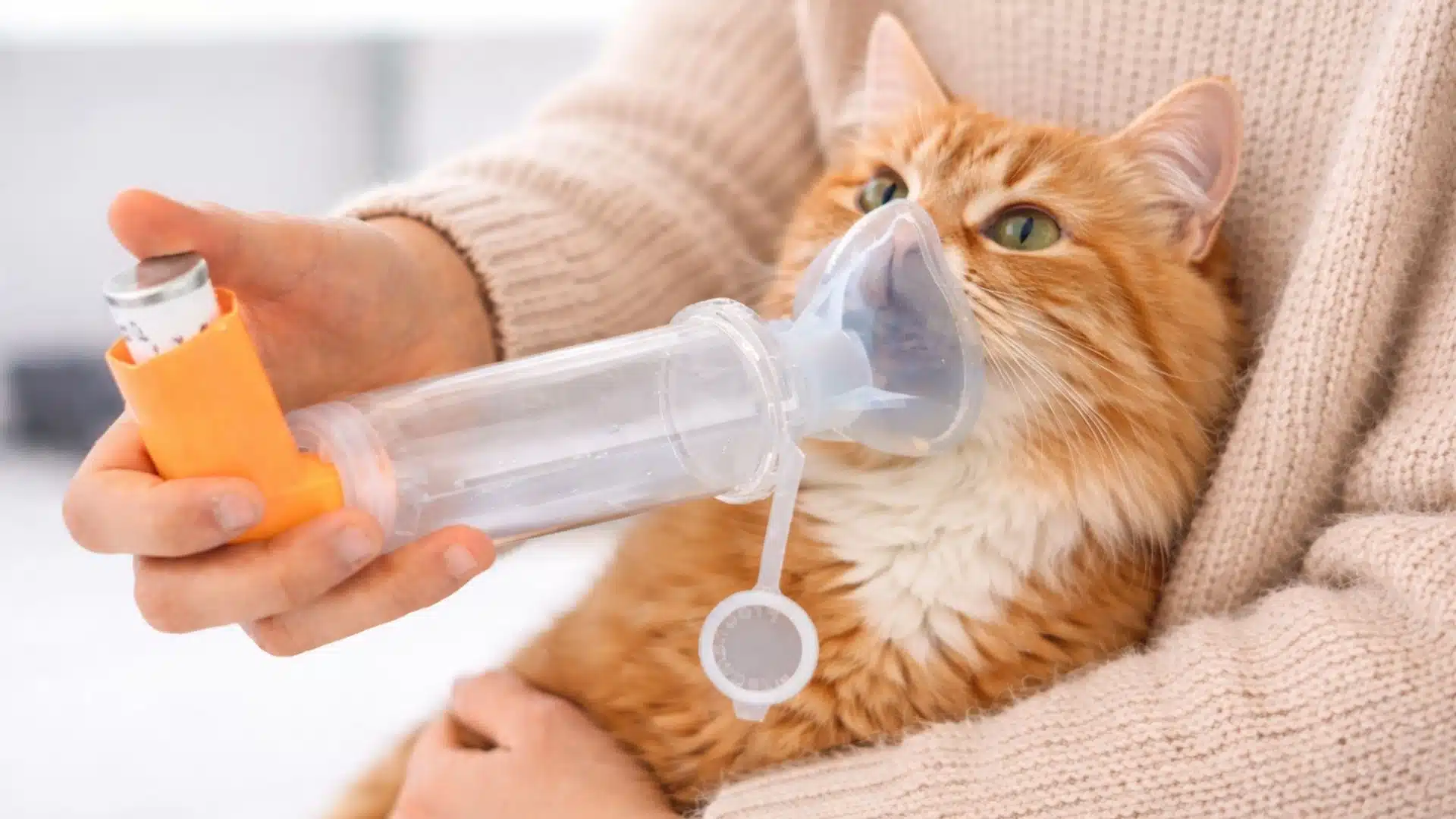
When excessive panting occurs without a clear reason or lasts longer than usual, many pet owners consider contacting a veterinary clinic.
This decision typically follows reading about similar experiences shared by others in online forums or informational articles.
These narratives often emphasize the importance of not ignoring persistent changes in breathing patterns.
They could indicate underlying health issues that require professional attention to ensure the well-being of their beloved pets.
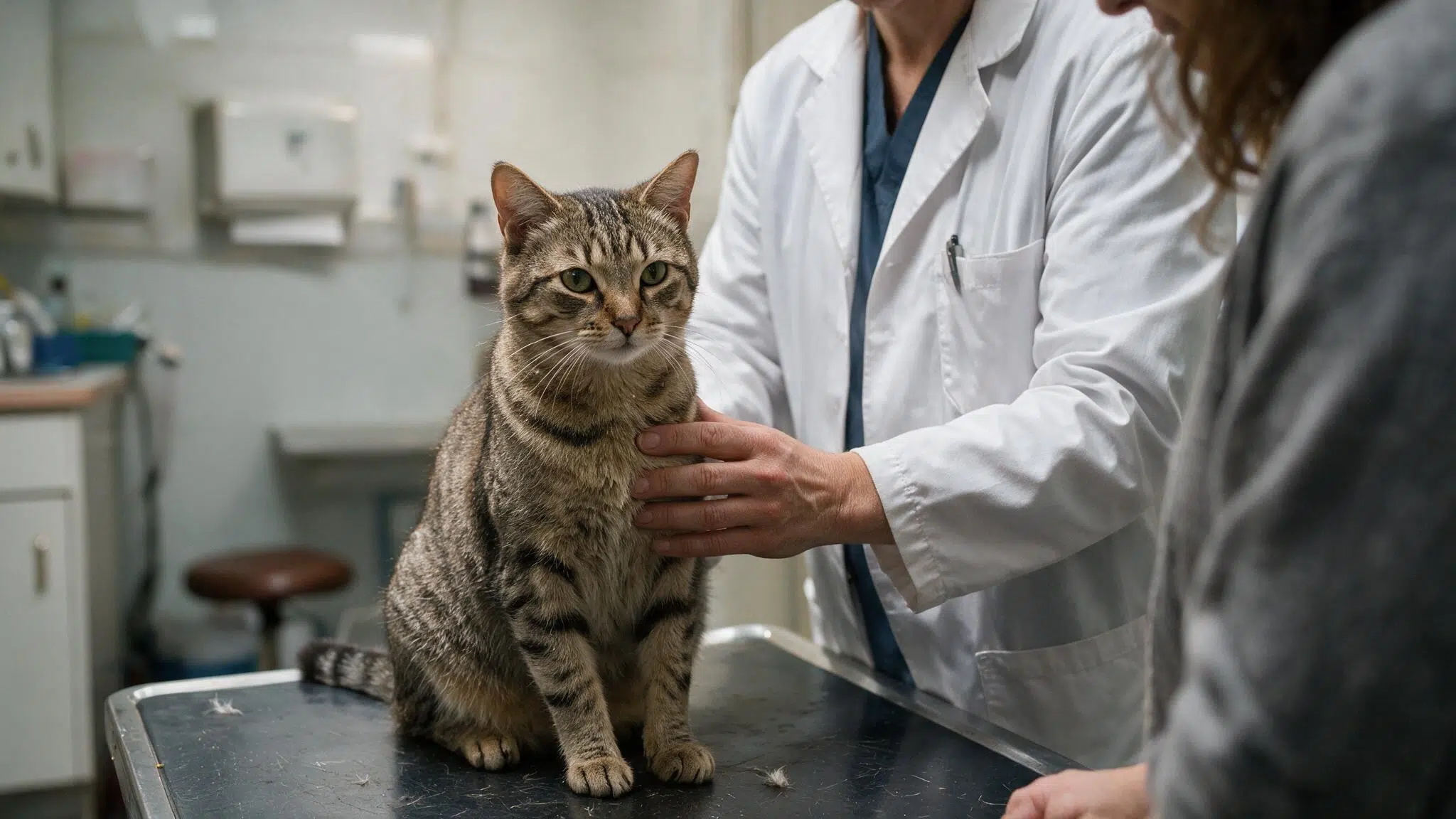
When a cat comes into my clinic for panting, the exam typically includes listening to the heart and lungs, checking gum color and hydration, and often bloodwork or chest X-rays.
These tests help identify conditions such as heart enlargement, fluid in the chest, or low red blood cell counts that are not visible on the outside.
3. Adjusting the Environment
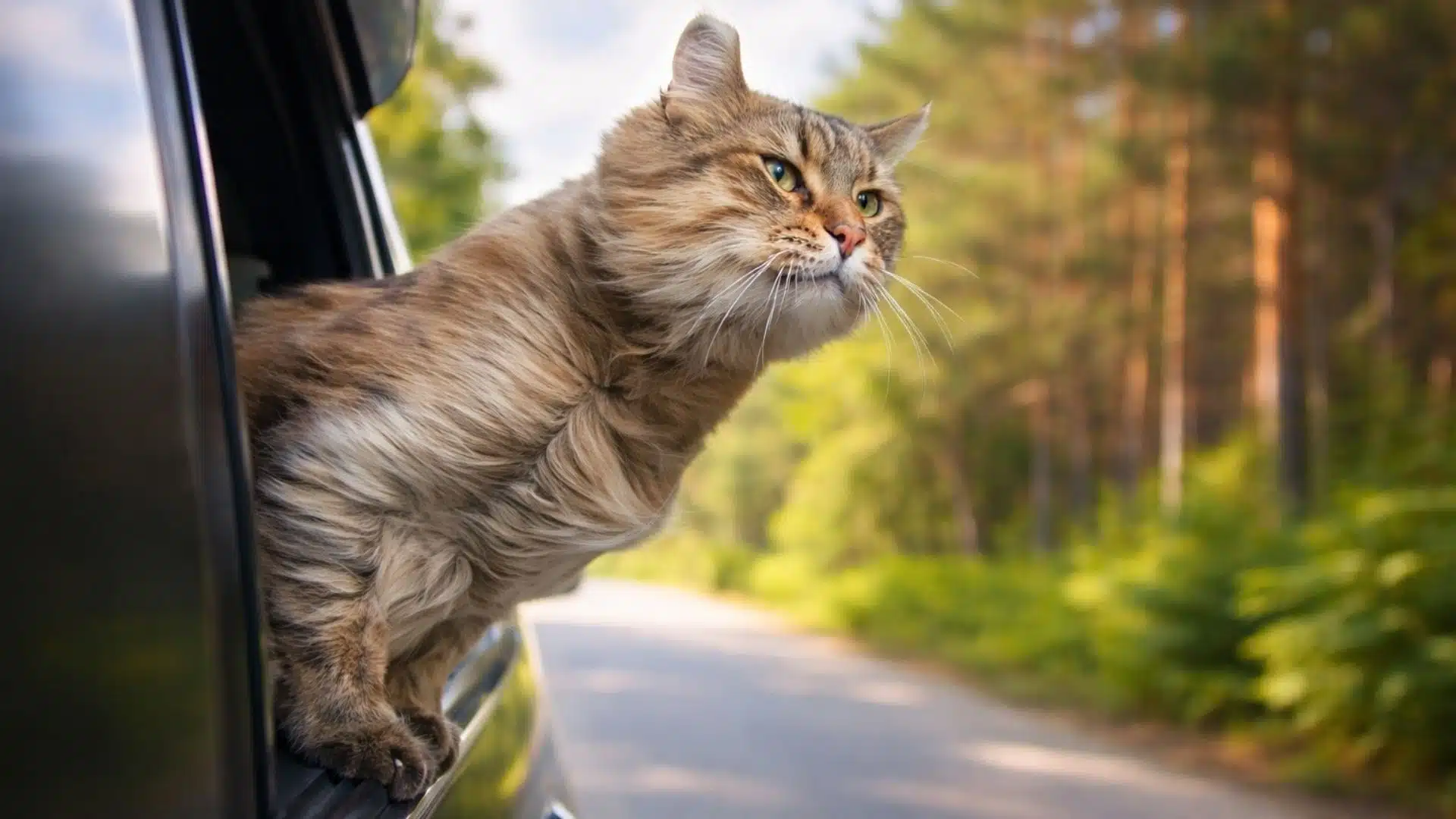
Some owners prioritize reducing potential triggers in their pets’ environment to create a more calming atmosphere.
This involves lowering room temperatures for comfort, minimizing noise to reduce stress, limiting intense play to avoid overstimulation, and providing quiet spaces for pets to relax.
By implementing these changes, owners often find that their pets respond more positively.
These measures are frequently recommended as essential first steps before considering more involved actions to address behavioral or health issues.
Patterns That Lead to Concern
Specific patterns can prompt pet owners to take action regarding their animals’ health.
Notably, persistent panting, especially during rest, can signal underlying issues.
When this panting becomes more intense and is accompanied by visible signs of discomfort, it often drives owners to seek further information or intervention.
These experiences typically lead to stronger recommendations among pet owners during discussions, fostering a supportive community.
People encourage one another to trust their instincts and pursue clarity when something feels amiss with their pets.
By sharing experiences, they can help each other spot health concerns early, ensuring their pets get the care they need.
Patterns That Reassure Owners
In many cases, when owners asked, “Why is my cat panting?” the issue resolved quickly.
But some specific outcomes are crucial for helping pet owners feel more at ease when dealing with their animals’ behavior.
Conditions such as panting that stops quickly, doesn’t return, occurs only after identifiable triggers, and isn’t linked to any behavior changes are often perceived as less concerning by owners.
When these situations arise, owners tend to update their threads, reassuring others that no further issues have emerged.
These updates not only provide comfort and clarity to the original poster but also help future readers who might experience similar moments of worry.
By sharing these experiences, the community fosters a sense of solidarity, reminding everyone that they are not alone in navigating the challenges of pet ownership.
Conclusion
When you search for why is my cat panting, you are not just looking for facts.
You often seek reassurance, comparison, and understanding.
I have seen how many owners turn to shared experiences to determine if a situation feels normal or concerning.
Panting can happen for simple reasons, but it can also raise questions when it appears without context or continues longer than expected.
Paying attention to patterns, behavior, and changes over time is what many owners rely on most.
If it persists, recurs, or appears alongside other changes in your cat’s health or behavior, a vet visit is the clearest path to answers.
If this sounds familiar, reading others’ experiences or sharing your own can help clarify what you’re seeing.
Further Questions About Cat Breathing
Can My Cat Pant Due to Pain?
Panting can be linked to pain or internal discomfort. If panting is accompanied by muscle tension, avoidance of touch, or sudden sensitivity, prompt medical evaluation is recommended.
Can Altitude Change Cause a Cat to Pant?
Yes. Sudden exposure to high elevation or changes in humidity can increase breathing rate and panting as the body adjusts to lower oxygen levels.
Could Panting Be Caused by Breathing in Cold Air?
In some cases, cold, dry air can irritate the respiratory tract and trigger heavier breathing or panting as the lungs work harder to warm and humidify air.
Does Weight Affect Panting in Cats?
Overweight cats may pant more frequently because excess weight can strain their lungs and heart, making breathing more effortful at rest and during activity.
Can Panting Be a Sign of a Swallowed Foreign Object?
Yes. An object lodged in the airway or throat can disrupt normal breathing and cause rapid, open-mouth breathing. Immediate veterinary help is essential.