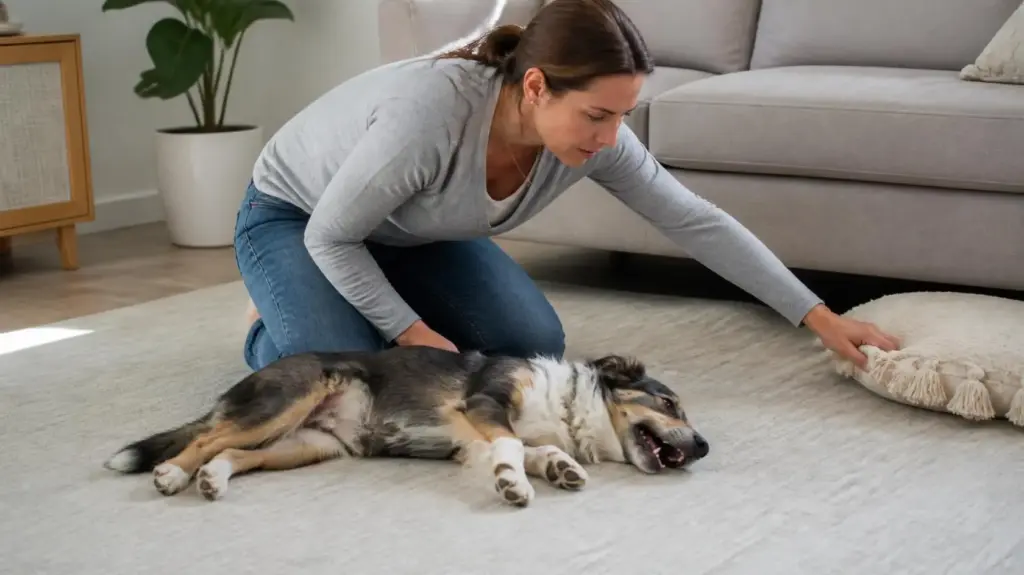
Seeing a dog vomit white foam can stop you in your tracks.
I know how unsettling it feels when you wake up or come home and notice that frothy mess on the floor.
Your first thought is usually panic, followed by questions. Is this serious? Did something go wrong overnight? Should you wait or act right away?
This article focuses on dog vomiting white foam and why it happens so often.
With years in veterinary practice, I have seen this scenario play out hundreds of times in my clinic. Most cases resolve quickly, but a few need fast action.
I will walk you through the real reasons behind white foam vomiting, what signs usually matter most, and how these situations are typically handled.
You’ll also learn when watching at home may be enough and when outside help becomes essential.
The goal here is clarity, not fear. By the end, you should feel more grounded and better prepared to decide what comes next for your dog.
What Does Dog Vomiting White Foam Usually Look Like?
White foam vomit often appears light, bubbly, and thin. It usually does not contain food.
Many owners notice it early in the morning or after long gaps between meals. The foam is commonly made of saliva mixed with stomach fluids.
This happens when the stomach becomes irritated or remains empty for too long.
It can look alarming, but the appearance alone does not always point to a serious issue. Watching how your dog behaves before and after the episode matters more than the foam itself.
What Community Discussions Reveal?

When reading real owner accounts from Reddit and other social platforms about dogs vomiting white foam, a clear pattern emerges.
Many pet owners report that their dogs will vomit this foam but then recover quickly, often returning to their regular eating habits later that same day.
However, other owners share more concerning stories of repeated vomiting episodes that lead to increased worry and ultimately a visit to the veterinarian.
The key distinction is not just the presence of white foam, but the frequency of vomiting, behavior changes, and any additional concerning signs.
Dog owners need to monitor their pets closely and be aware of these factors to ensure their furry friends remain healthy and happy.
Common Reasons for Dog Vomiting White Foam
Understanding the causes of white foam vomiting in dogs is essential for pet owners. Various factors, from an empty stomach to stress, can lead to this concerning behavior.
1. Empty Stomach and Acid Buildup
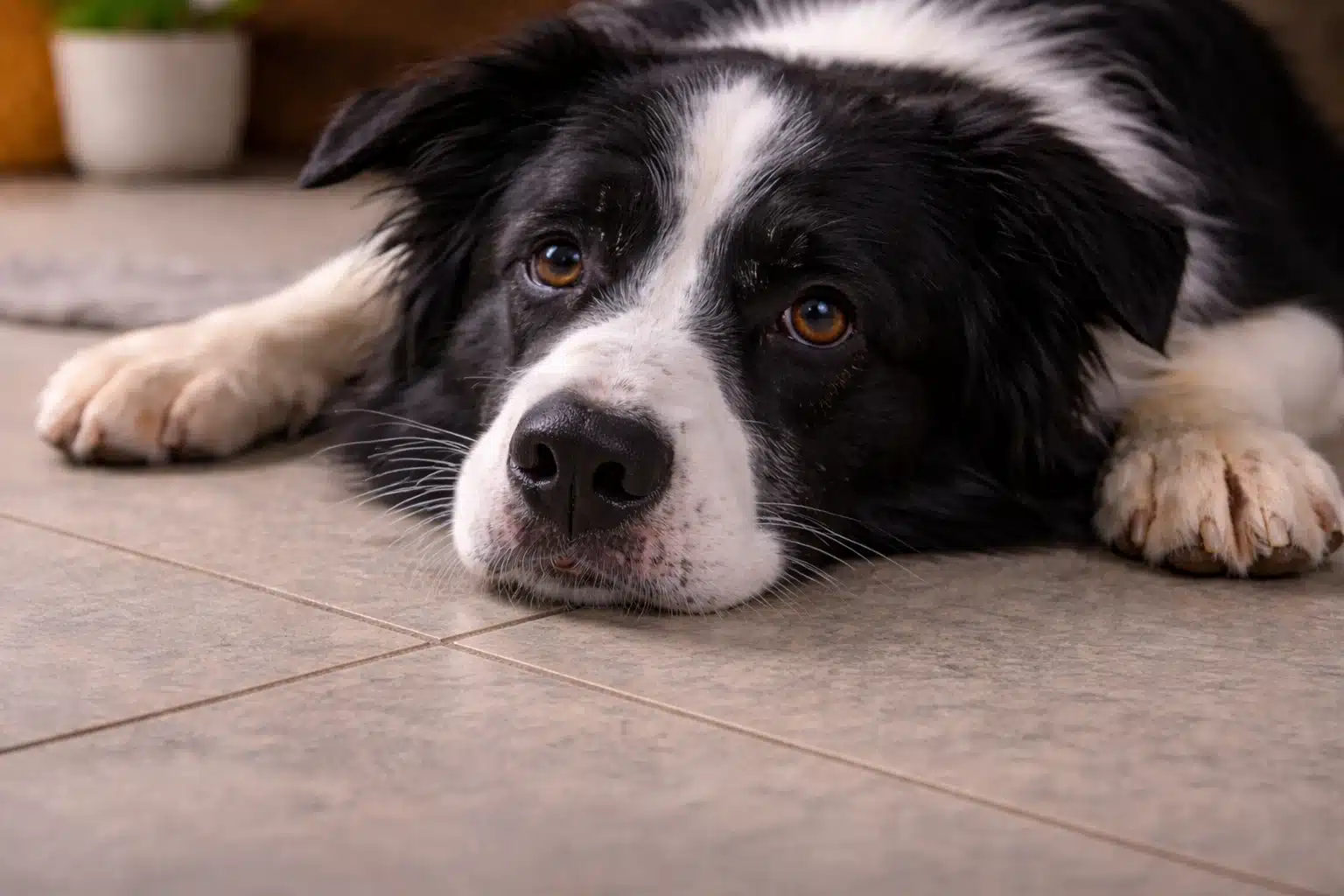
One of the main reasons discussed in community posts regarding dog health is the issue of prolonged periods without food.
When a dog goes too long without eating, the stomach acid can irritate the lining, leading to uncomfortable sensations.
Veterinarians refer to this as bilious vomiting syndrome, and it is one of the most frequently diagnosed causes of white foam vomiting in clinical settings.
This irritation often leads to vomiting of white foam, typically observed early in the morning.
Dogs that have late dinners or occasionally skip meals are more likely to experience this phenomenon. It’s worth noting that many dogs return to normal after such episodes, showing no lasting discomfort.
Regular feeding schedules can help prevent this issue.
In my practice, I see bilious vomiting syndrome most often in smaller breeds and dogs fed only once a day. A simple late-night snack, even a handful of kibble before bed, resolves the problem in the majority of cases I treat.
2. Eating Too Fast
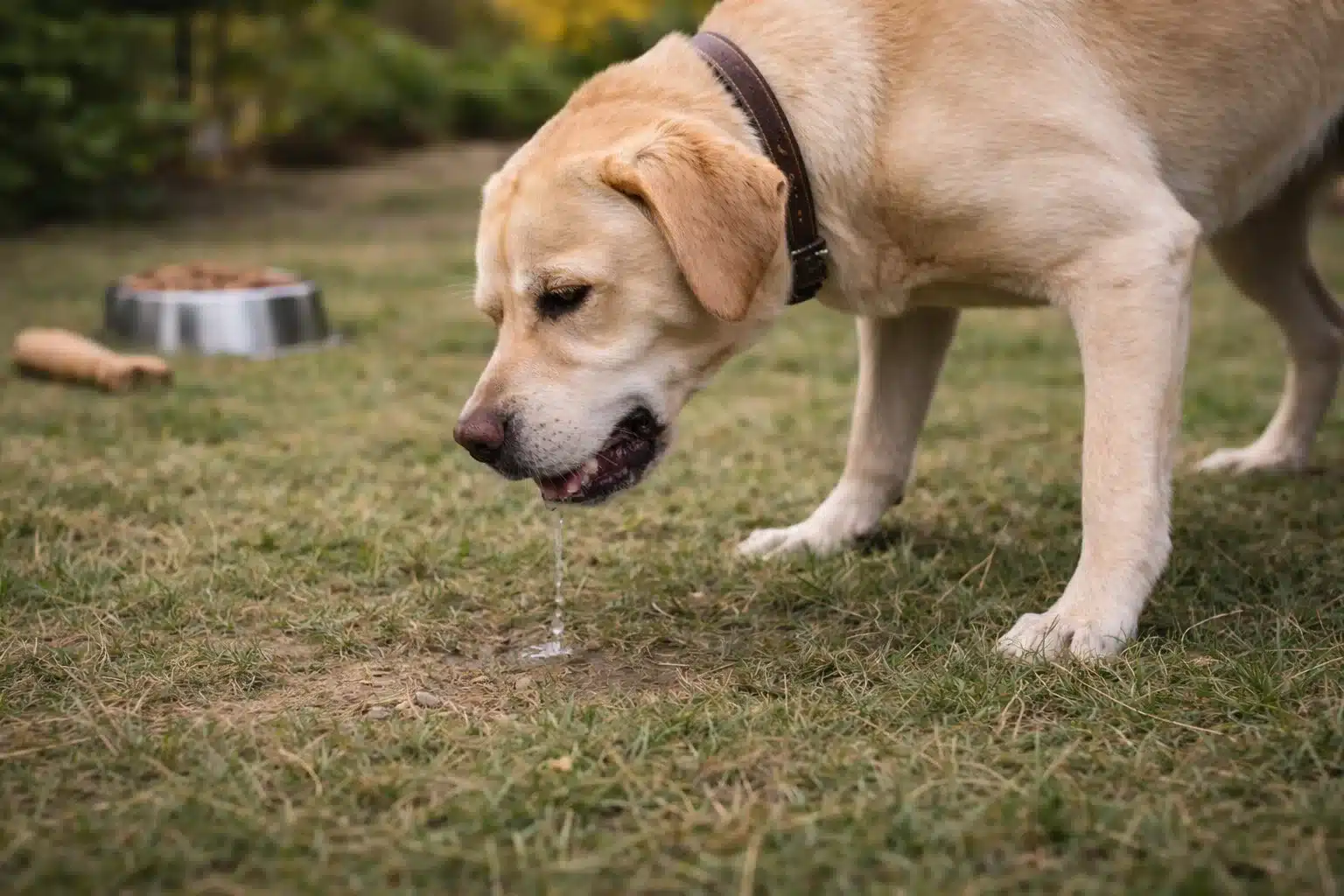
One common cause of white foam vomiting in dogs is eating their food too quickly.
During this rushed eating, they often swallow air along with the food. This can lead to bloating and irritate the stomach, resulting in mild nausea.
Consequently, the dog may vomit white foam shortly after finishing their meal.
Owners often notice this pattern repeating frequently after meals. Typically, dogs will return to their normal behavior once their stomach settles, but it’s essential to monitor them for any recurring issues.
3. Stress or Anxiety
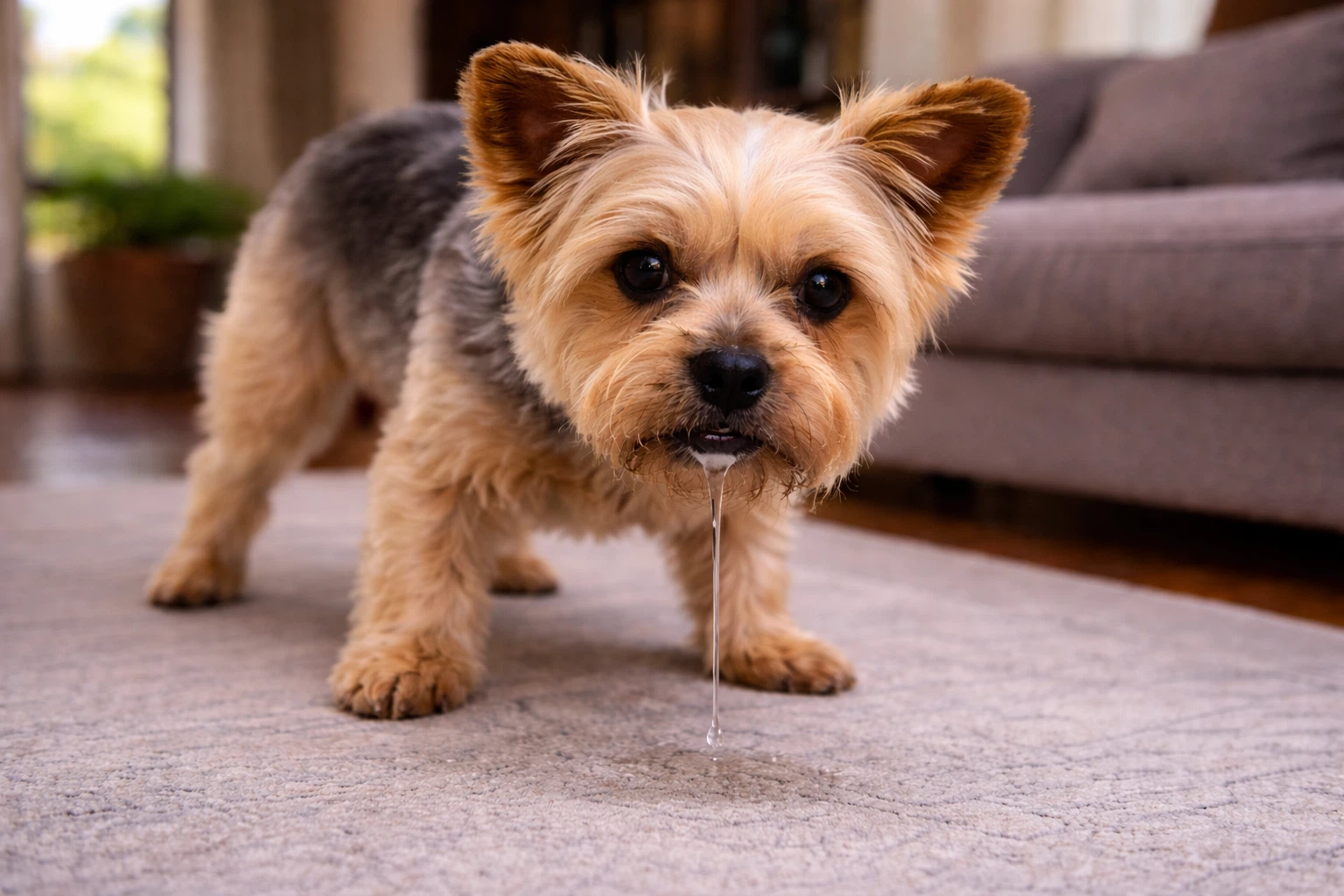
Emotional stress can significantly impact dogs, leading to digestive upset and discomfort.
Various factors, such as changes in routine, exposure to loud noises, travel, or separation from family members, can heighten their anxiety levels.
This increased stress often raises stomach acid production, resulting in nausea.
Consequently, dogs may vomit white foam even if they haven’t eaten recently. Interestingly, many dogs do not display any other physical symptoms during these episodes.
Thankfully, once the stressful situation is resolved, the vomiting usually subsides, allowing the dog to regain its normal routine and well-being.
Stress-related reactions can also overlap with skin-related symptoms in dogs, since anxiety and allergies often share immune-system triggers.
4. Kennel Cough or Throat Irritation
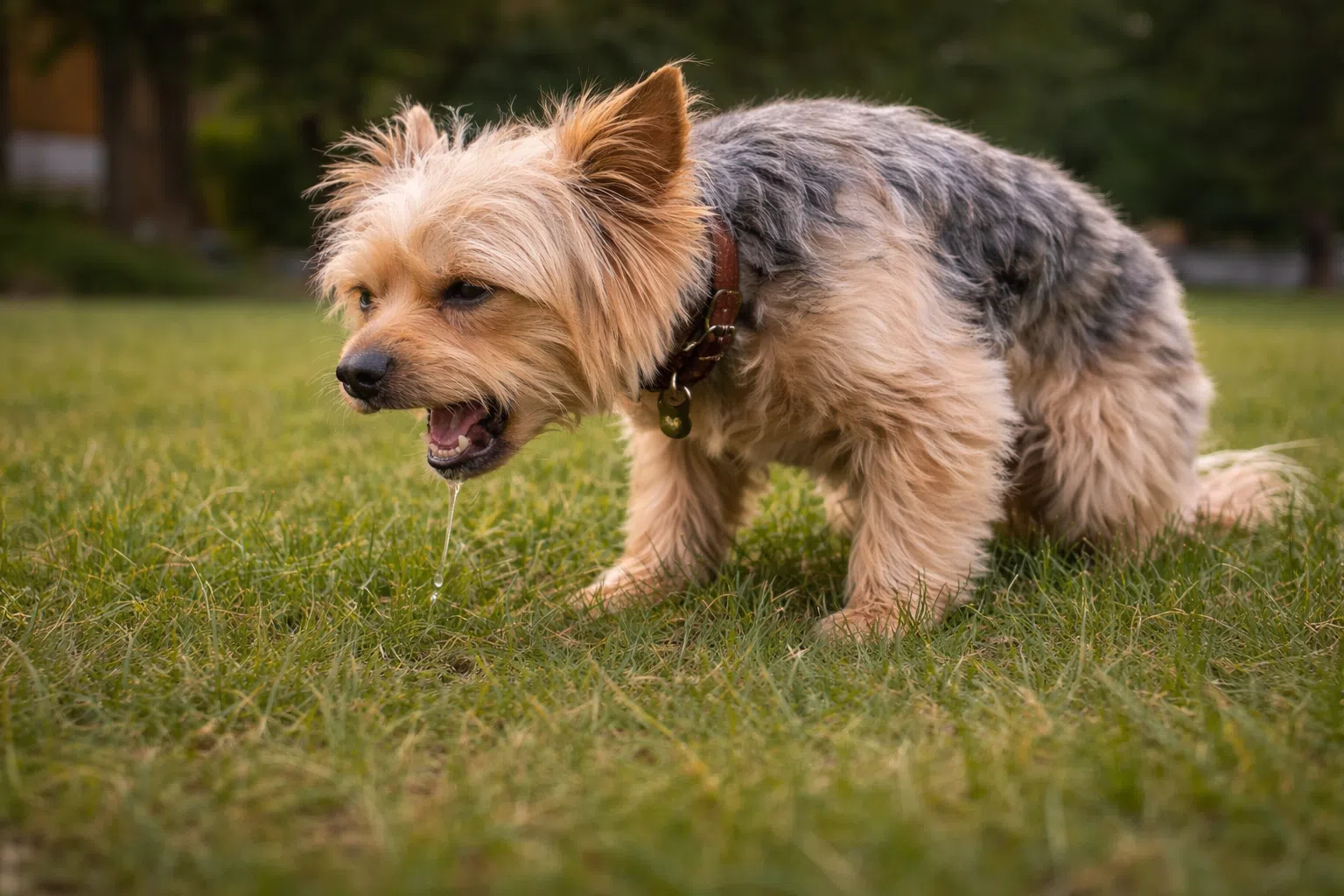
In some cases, the presence of white foam in dogs may stem from persistent coughing rather than actual vomiting.
Dogs with kennel cough or throat irritation often experience repeated gagging episodes. During these fits, they might expel white foam or mucus, which can resemble vomit.
However, this phenomenon typically occurs after a severe coughing fit rather than indicating a gastrointestinal issue.
The key distinction lies in the absence of strong stomach contractions associated with vomiting; the action more closely resembles coughing than true vomiting.
Monitoring your dog during such episodes is important for their health.
5. Pancreatic Inflammation
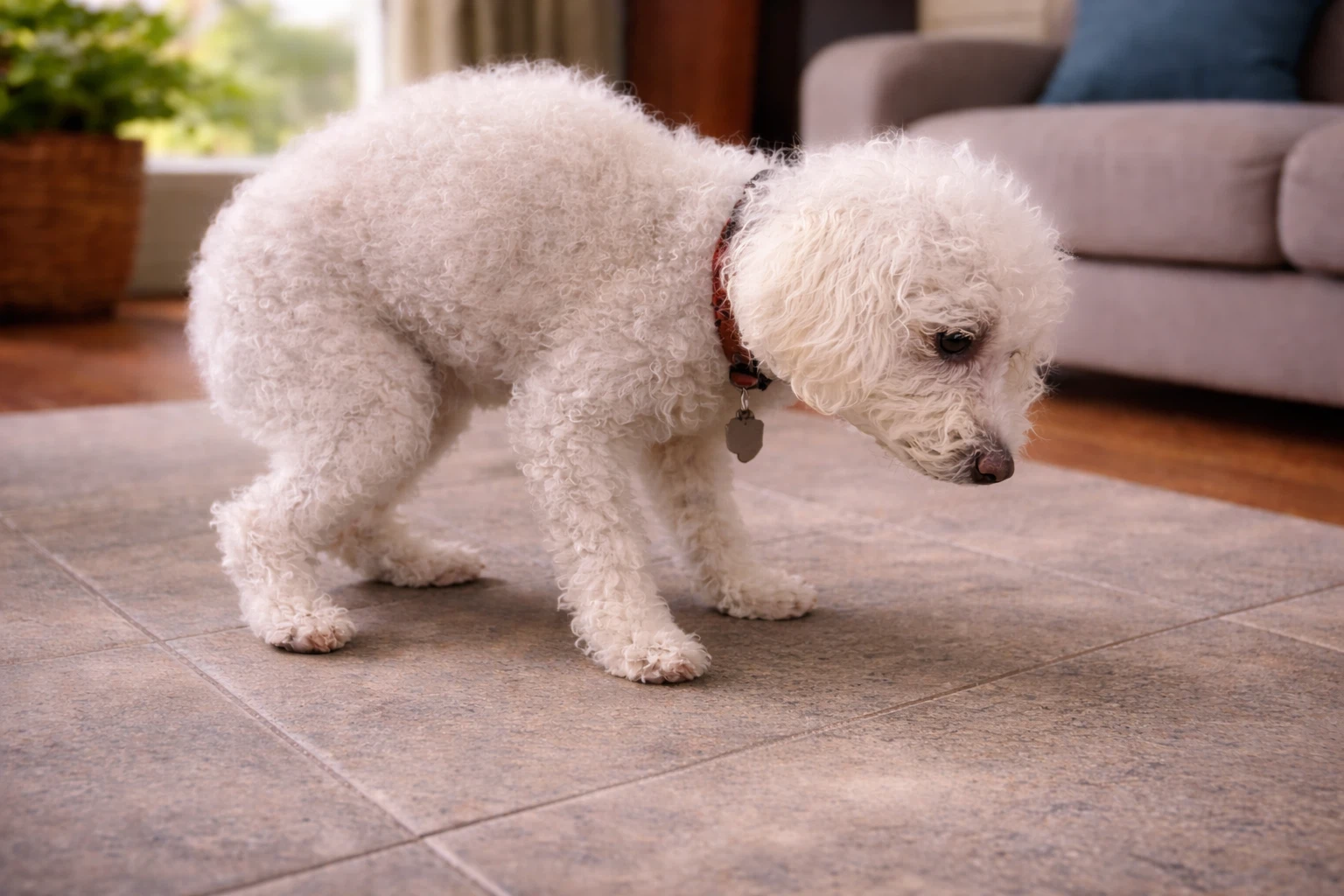
Pancreatic inflammation, known as pancreatitis, can lead to significant gastrointestinal distress in dogs, often resulting in symptoms such as vomiting.
This condition disrupts digestion and can cause nausea, severe stomach discomfort, and recurrent vomiting episodes.
When the stomach is empty, the vomit may take on a frothy white appearance.
Affected dogs typically show lethargy and may lose interest in food, which can further exacerbate their condition.
Additionally, they might show signs of abdominal pain or restlessness, indicating their discomfort and distress from this serious health issue.
6. Bloat (Gastric Dilatation-Volvulus)

Bloat, or gastric dilatation-volvulus (GDV), is a serious condition in dogs characterized by the stomach filling with gas and twisting, which can cut off blood flow.
Affected dogs attempt to vomit but mostly produce white foam or thick saliva, and their abdomen becomes swollen and firm.
Other symptoms include restlessness, pacing, drooling, rapid breathing, and signs of pain.
Large, deep-chested breeds like Great Danes, German Shepherds, and Boxers are at higher risk, but any breed can be affected.
According to the American Kennel Club, bloat is a life-threatening emergency that requires immediate surgical intervention. Without treatment, it can be fatal within hours.
In my numerous years of emergency experience, if a dog shows signs of attempting to vomit without success, a distended belly, and rapid distress, seek immediate veterinary help.
Feeding After a Dog Vomiting White Foam
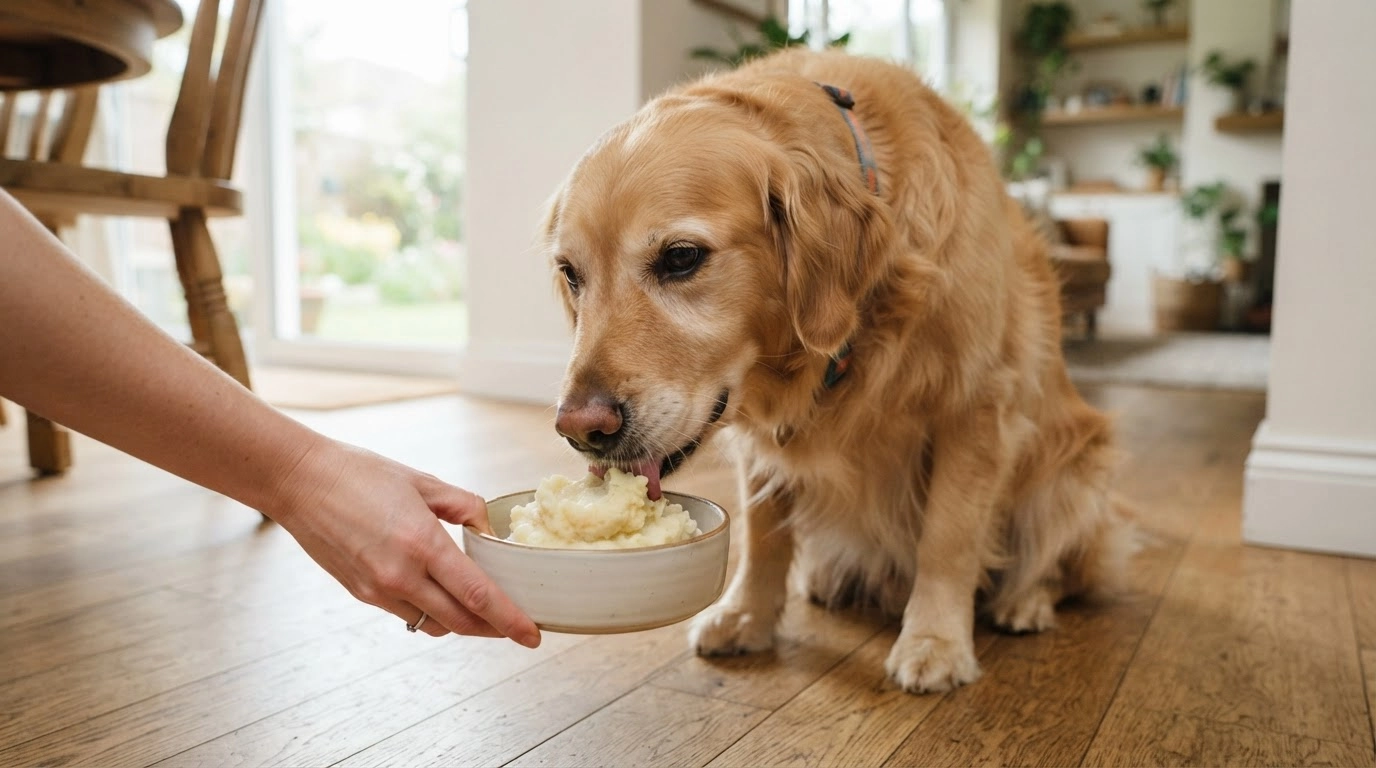
If vomiting stops, you can gradually offer small portions of plain food.
Many pet owners prefer to stick to bland options for a short period to allow their pet’s digestive system to settle.
A bland diet for dogs, typically boiled chicken and white rice in a 1:2 ratio, is the standard veterinary recommendation during recovery.
Plain canned pumpkin (not pie filling) can also help firm up stools and soothe the stomach lining.
It’s essential to avoid making sudden changes to your pet’s diet, as this can cause further gastrointestinal upset.
If vomiting recurs after reintroducing food, it is best to stop feeding immediately and seek veterinary assistance.
Persistent vomiting may indicate a more serious underlying issue, and timely intervention can help ensure your pet receives the care they need for a full recovery.
Understanding Vomiting in the Morning and After Meals
Morning foam vomiting is often associated with having an empty stomach, which can lead to bile accumulation and irritation of the stomach lining.
This type of vomiting may be common among individuals who skip breakfast or go long periods without eating.
Vomiting after meals may indicate problems with eating habits, like how quickly someone eats or potential food sensitivities.
Additionally, vomiting that occurs overnight without any food intake may indicate acid irritation caused by excess stomach acid.
Understanding these patterns is essential, as they can help identify potential causes of vomiting and guide individuals in seeking medical advice.
When to Call the Vet and When to Monitor at Home?
Not every episode of white foam vomiting requires a vet visit. But knowing where the line falls is critical.
Monitor at home if:
- The dog vomited once and is acting normally afterward
- Energy levels, appetite, and water intake remain steady
- Gums are pink and moist (not pale, white, or tacky)
- Normal bathroom habits continue
- No visible abdominal swelling or signs of pain
Call the vet immediately if:
- Vomiting happens three or more times within 24 hours
- The abdomen appears swollen or hard
- The dog is trying to vomit but producing nothing (unproductive retching)
- Blood appears in the vomit or stool
- Lethargy, weakness, or collapse occurs
- Gums are pale, white, or bluish
While waiting or assessing, keep the dog calm, withhold food, provide small sips of water, and avoid giving human medications like Pepto-Bismol without veterinary approval.
What to Do Immediately After It Happens?
When dealing with a potential health issue for your dog, it’s crucial not to rush into giving any medication unless specifically advised by a veterinarian.
Many common human remedies can be harmful to dogs, so it’s best to err on the side of caution.
Ensure your dog has constant access to fresh, clean water, as hydration is essential during this time. It’s generally advisable to avoid feeding your pet for several hours unless a professional directs you otherwise.
In the meantime, focus on cleaning the area where your dog spends time and observe their behavior calmly.
This will enable you to gather important information about any changes in their condition to discuss with your veterinarian later.
How Do Vets Usually Approach This Problem?
Veterinarians typically approach this issue by first gathering detailed information from pet owners.
They may inquire about the timing of symptoms, the specific diet the pet is following, and any noticeable changes in behavior.
This initial conversation helps to identify further potential triggers that might be contributing to the problem.
If the vet deems it necessary, they may recommend diagnostic tests to further investigate the situation.
First-line diagnostics typically involve abdominal palpation for pain or masses, X-rays to check for obstructions or bloat, and blood panels to evaluate organ function, hydration, and signs of infection or inflammation.
In my clinic, I always start with a physical exam and a focused history.
The timing of vomiting, whether the dog has access to garbage or foreign objects, and how the dog behaved in the hours before the episode are the three factors that most consistently shape my diagnostic decisions.
However, not every situation requires extensive testing. In many cases, simple adjustments to the pet’s diet or routine can lead to significant improvements.
Allowing for effective management of the issue without the need for more invasive procedures.
How to Lower the Chances of It Happening Again?
To lower the chances of foam vomiting in dogs, consider implementing several effective strategies.
First, feed smaller meals more frequently throughout the day rather than one or two large meals; this can aid digestion and help prevent irritation.
Also, avoid long gaps between feeding times to maintain a steady digestive process.
Using slow-feeding bowls is another excellent way to prevent dogs from gulping their food, which can lead to vomiting.
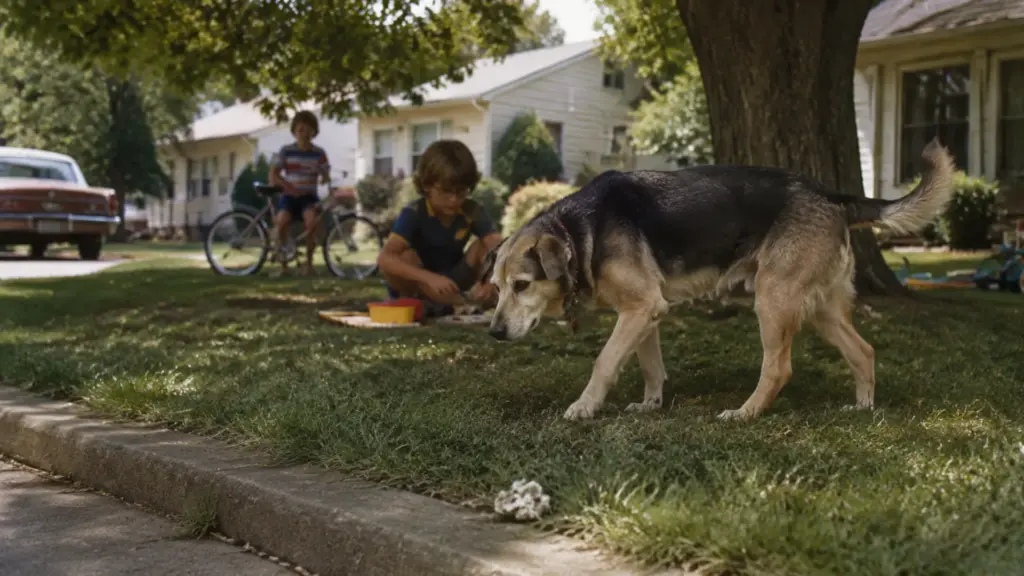
It’s also essential to limit your dog’s access to trash and certain plants that may upset their stomachs.
Keep household chemicals, medications, and known toxic foods (chocolate, grapes, xylitol-containing products) securely stored and out of reach.
Lastly, keeping a consistent routine for feeding and exercise can further support digestive health and stability.
By following these steps, many dogs can avoid the discomfort of repeated foam vomiting.
Conclusion
Dog vomiting white foam is one of those moments that can feel frightening at first, but often has a simple explanation.
In many cases, it happens because the stomach is empty, irritated, or reacting to a minor stimulus.
Watching your dog’s behavior, energy, and appetite matters more than the foam itself. I believe the key is balance. Stay calm, observe closely, and trust what you see.
If vomiting recurs or your dog acts differently than usual, reaching out for professional help is the right step.
Every dog responds differently, and early attention can prevent bigger issues later.
If this article helped you understand what may be happening, you may want to read related posts on dog digestion.
Share your experience with others who may be facing the same concern.