If you’ve ever noticed your dog obsessively licking or chewing a patch of Skin, only for that area to suddenly become red, raw, and sore, you aren’t alone.
Many dog owners face this troubling skin issue known as hot spots, which can appear rapidly, even overnight.
As a concerned pet owner, you want to know what causes hot spots on dogs, how to soothe the irritation, and what you can do right now to help your dog feel better.
As a licensed veterinarian in Minnesota, I have treated hundreds of hot-spot cases across all breeds and seasons.
It is one of the most common reasons dog owners walk into my clinic, and the good news is that most cases respond well when caught early.
In this blog, I will direct you through the common triggers behind hot spots.
It will provide practical steps you can take at home, along with guidance on when to see a veterinarian.
Identifying the root causes of hot spots, such as allergies, moisture, or skin irritation, is essential for managing this common canine skin issue and keeping your dog comfortable.
Additionally, I will discuss ways to prevent hot spots from returning in the future.
What Are Hot Spots in Dogs?
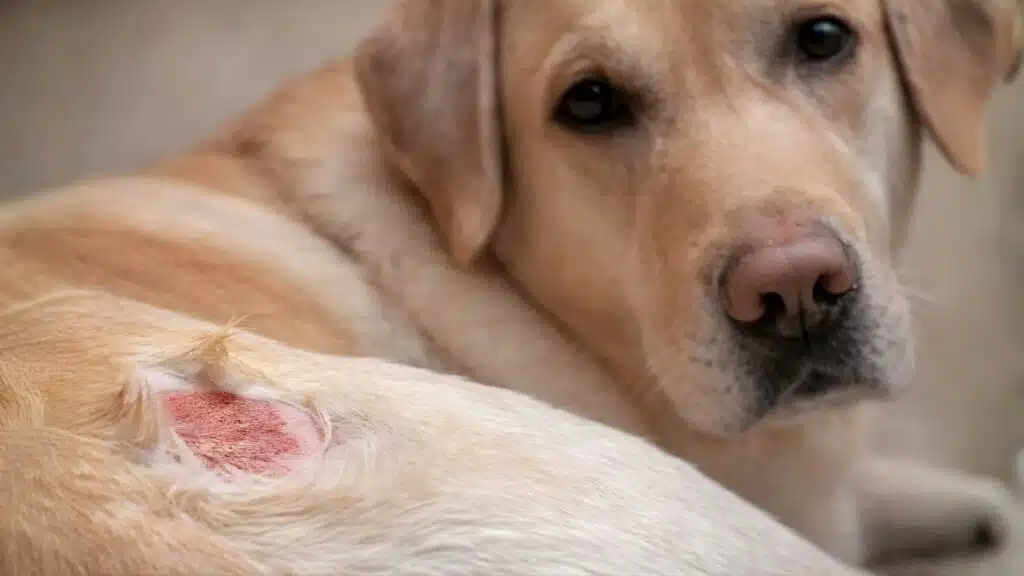
Hot spots, medically called acute moist dermatitis, are localized patches of Skin that become inflamed, sore, and infected due to irritation.
They’re usually red, wet, and painful, and can spread quickly if left untreated.
These areas often start small but expand because the dog continues to lick or chew the irritated spot, creating a moist environment where bacteria thrive.
Once bacterial growth accelerates, the lesion can grow rapidly and feel warm to the touch.
Though they’re most common in dogs with dense, long fur, any dog can develop hot spots. They often occur on the head, neck, hips, or limbs, places that the dog can reach easily.
Certain breeds are more prone to hot spots than others.
Labrador Retrievers, Golden Retrievers, English Bulldogs, and German Shepherds are among the most commonly affected breeds.
Dogs with thick double coats or long, floppy ears carry a higher risk because their fur traps moisture close to the skin.
How Do Hot Spots Form?
Once a dog begins licking or scratching an area, a dangerous cycle can develop. Initially, the irritation prompts scratching or Licking, leading to broken skin and the accumulation of moisture.
This moisture creates an environment where bacteria can thrive, leading to an infection that causes further swelling and itching.
As a result, the dog licks even more, exacerbating the issue.
It’s crucial to understand this cycle because merely treating the visible lesions without addressing the underlying cause of the itch may result in recurring hot spots.
To effectively manage and prevent these conditions, it’s crucial to identify and resolve the root cause to ensure the dog’s comfort and overall skin health.
Hot Spots in Dogs: Symptoms to Watch For
It’s essential to closely monitor your dog’s skin health. Early detection of potential issues can lead to more effective treatment. Here are key signs to watch for:
- Moist, Oozing Wounds: These can indicate infection and should be addressed promptly to prevent further complications.
- Hair Loss: Notice any hair loss around lesions, as this can indicate irritation or health issues.
- Foul Smell: This type of discharge can suggest an infection or other serious skin condition.
- Rapid Enlargement of Spots: A lesion that grows quickly is particularly concerning and may require immediate veterinary attention.
- Behavioral Changes: Restlessness or avoidance of touch can indicate your dog is experiencing discomfort in the affected area.
In my experience, owners often miss the earliest sign: a small, damp patch hidden under the fur that smells slightly off.
By the time the spot becomes visible, it has usually been developing for 12 to 24 hours.
Running your hands through your dog’s coat during daily petting, especially behind the ears and around the hips, is one of the simplest ways to catch a hot spot before it spreads.
What Triggers Hot Spots on Dogs?
Hot spots on dogs almost always start with something that makes the dog itch or feel uncomfortable. The scratching, licking, or biting that follows breaks the skin and opens the door for infection. Below are the most common triggers I see in clinical practice.
1. Flea and Parasite Issues
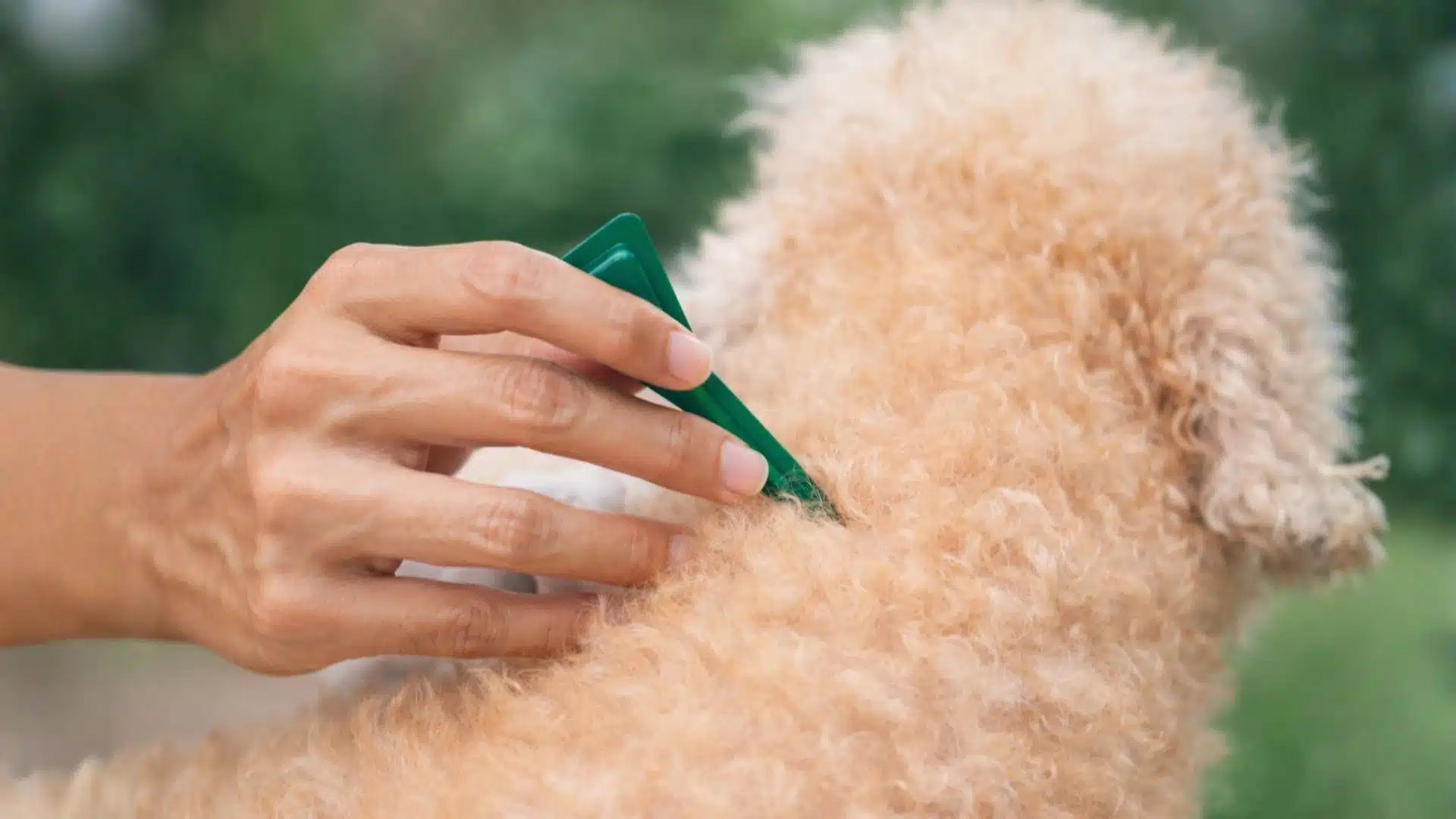
Fleas, ticks, mites, and other parasites can lead to intense itching and discomfort in dogs.
Particularly sensitive dogs may scratch and lick their Skin repeatedly, which can lead the painful hot spots, irritated areas that can become infected if not treated properly.
Flea allergy dermatitis is the most common hot-spot trigger I see in my clinic during the warmer months.
A single flea bite can trigger a reaction that lasts for days in a sensitive dog. The bite itself isn’t the main problem; the allergic reaction to the flea’s saliva drives the relentless scratching.
To keep your furry friend comfortable and healthy, regular parasite prevention is crucial.
This includes using vet-recommended treatments, maintaining a clean environment, and regular grooming to help detect and eliminate these pesky invaders.
If your dog is already dealing with an infestation, learning natural ways to remove fleas can help you act fast before the itching leads to skin damage.
2. Allergies
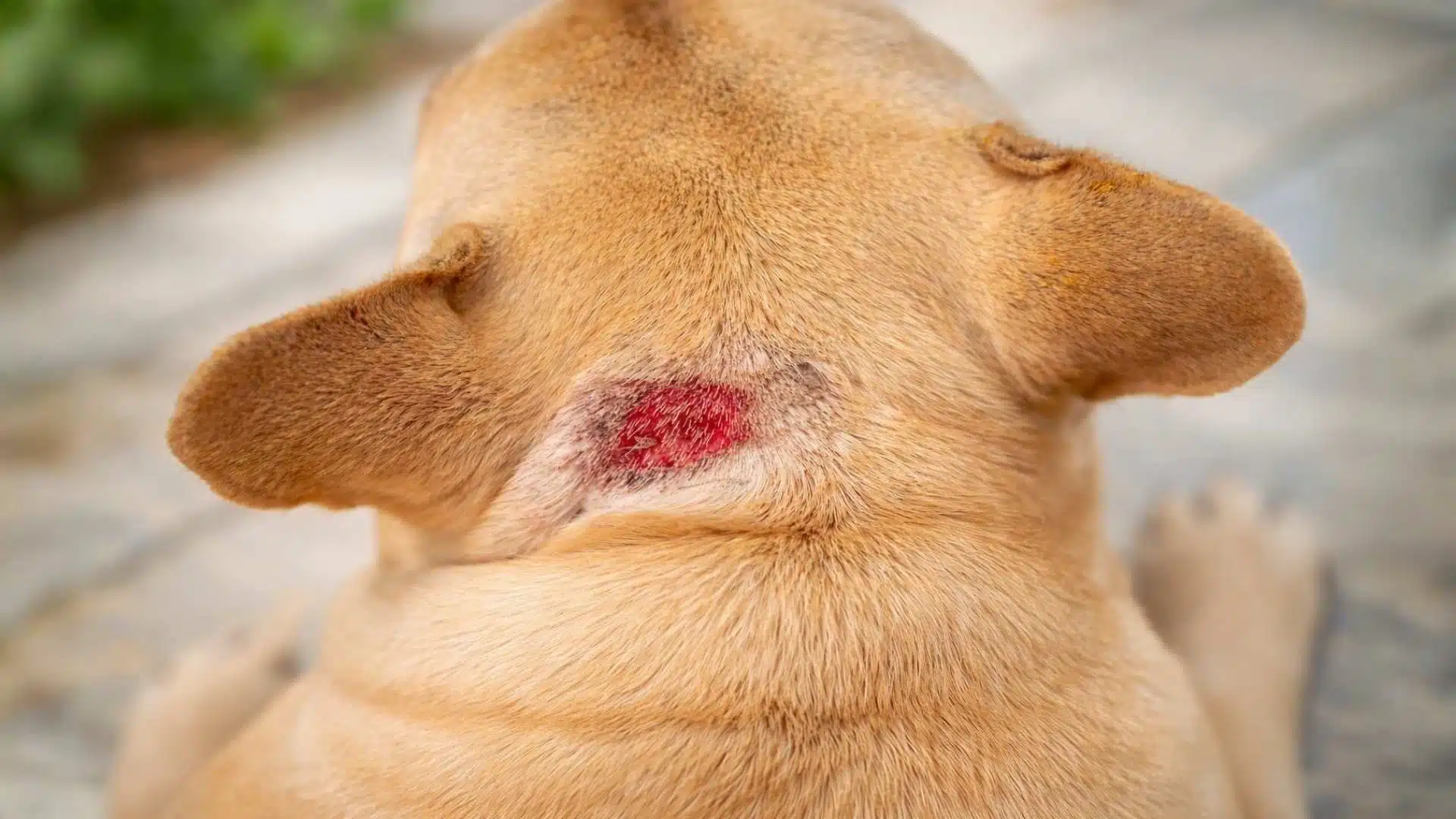
Food allergies and environmental allergens, such as pollen, can trigger intense itching that may eventually lead to the development of hot spots on the Skin.
These hot spots, characterized by redness and irritation, often begin as a response to the underlying allergic reaction.
Allergies often cause itching before hot spots form, leading pets to scratch or bite the area, which can worsen the condition and result in secondary infections.
Seasonal allergies tend to peak in spring and fall, which is also when I see a spike in hot spot cases.
If your dog develops hot spots around the same time each year, an allergy workup with your vet can help identify the specific trigger.
3. Moisture Trapped in the Coat
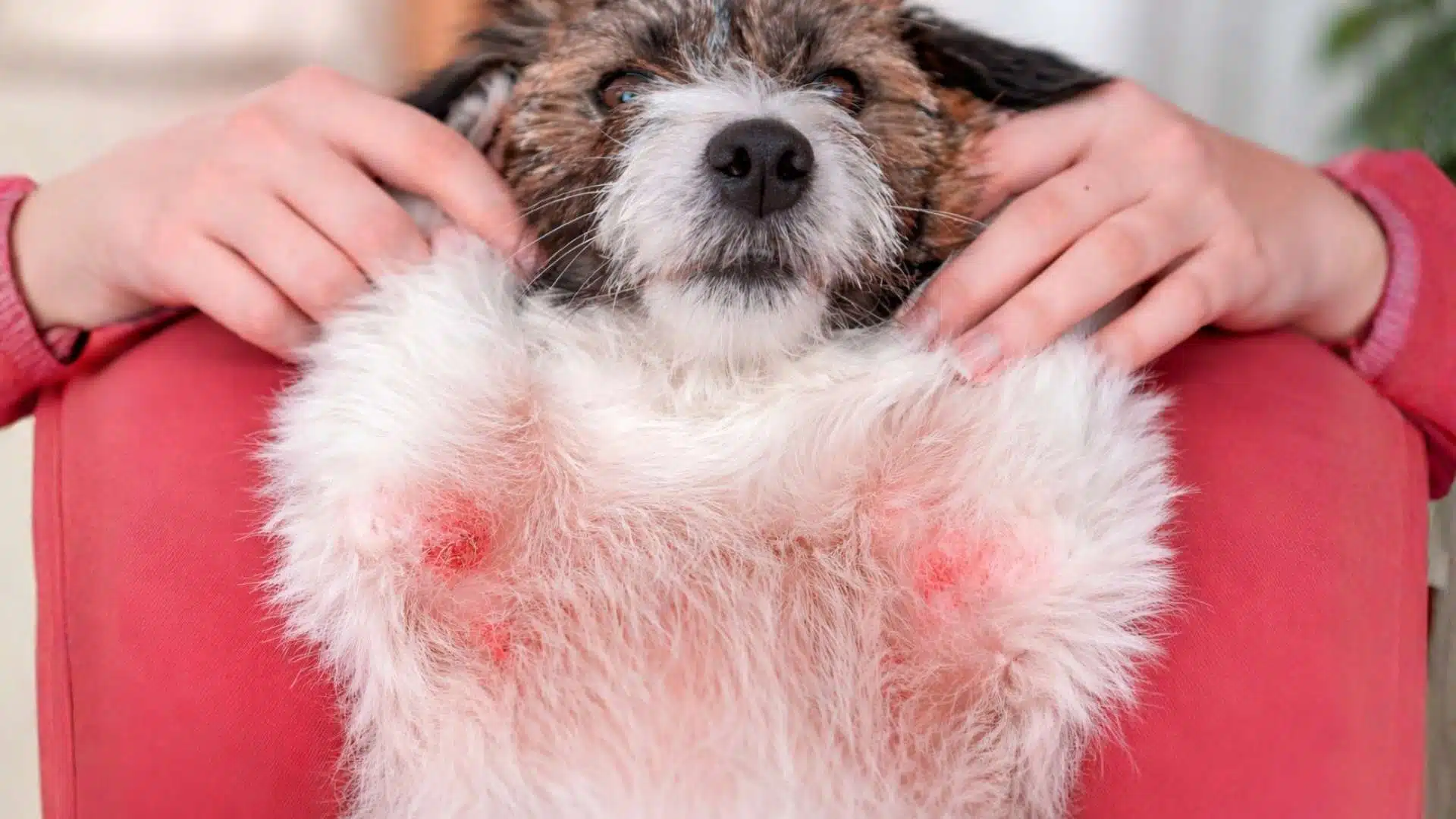
Dogs that swim frequently or receive regular baths can develop issues if their fur is not thoroughly dried afterward.
When moisture becomes trapped in their coat, it can lead to skin irritation and discomfort.
This damp environment not only creates a nuisance for your pet but also serves as an ideal breeding ground for bacteria and other harmful microorganisms.
To ensure your dog remains healthy and comfortable, it’s crucial to dry them thoroughly after baths or swimming.
According to Cornell University’s College of Veterinary Medicine, a dog swimming, wading, or even just enjoying a warm summer rain is prone to developing hot spots if it has a thick coat that does not dry fully.
Any matted areas will hold moisture next to the skin.
4. Poor Grooming and Matted Fur
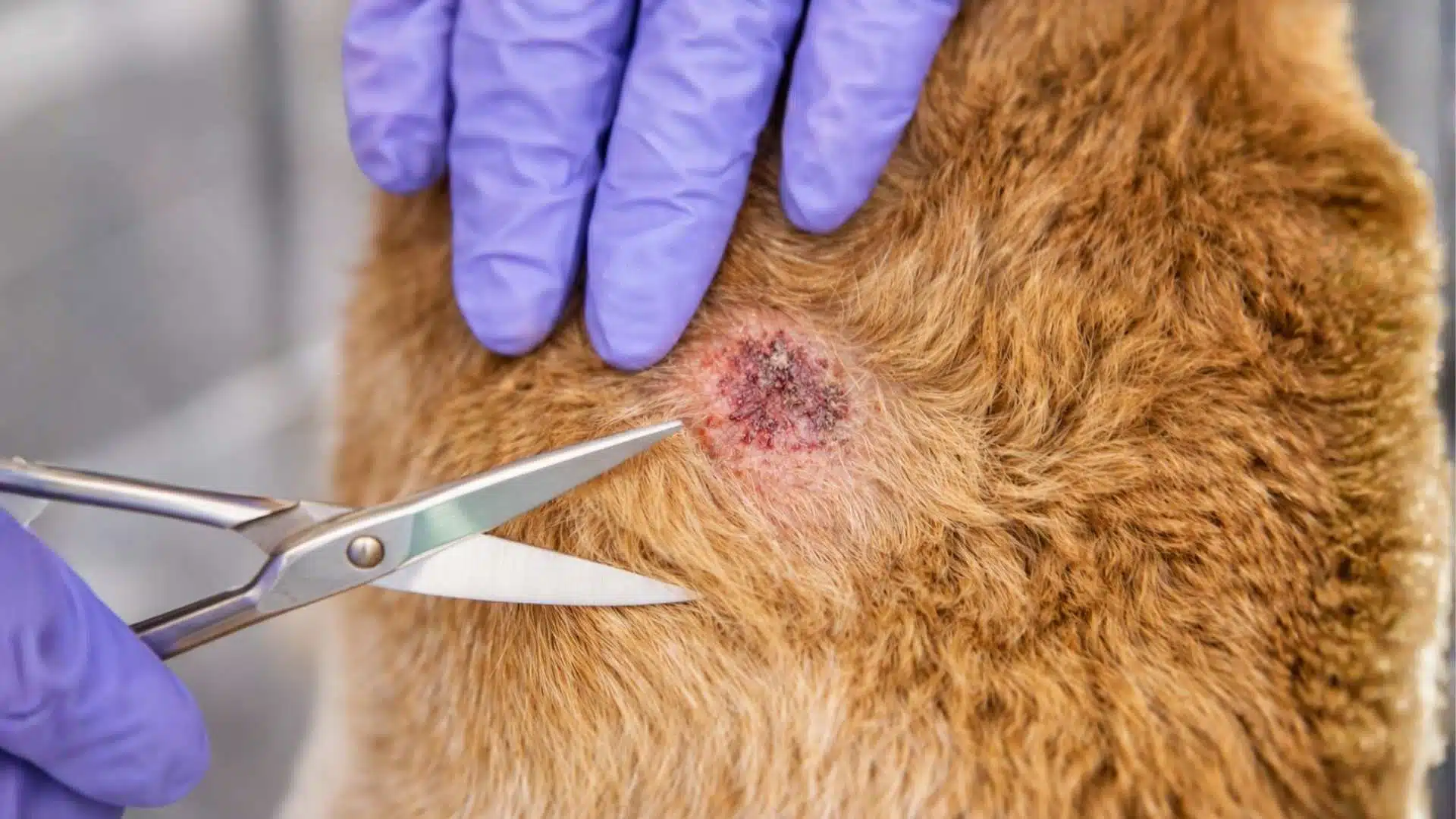
Fur that’s tangled or matted can trap dirt and moisture, creating an environment that irritates a dog’s Skin.
This lingering discomfort often leads dogs to lick or chew at the affected areas, which can initiate hot spots, painful, inflamed patches of Skin.
Regular brushing is essential for maintaining a healthy coat, as it helps remove tangles, dirt, and debris, reducing the risk of skin issues.
By keeping their fur well-groomed, you can help ensure your pet’s comfort and overall well-being.
5. Underlying Skin Conditions
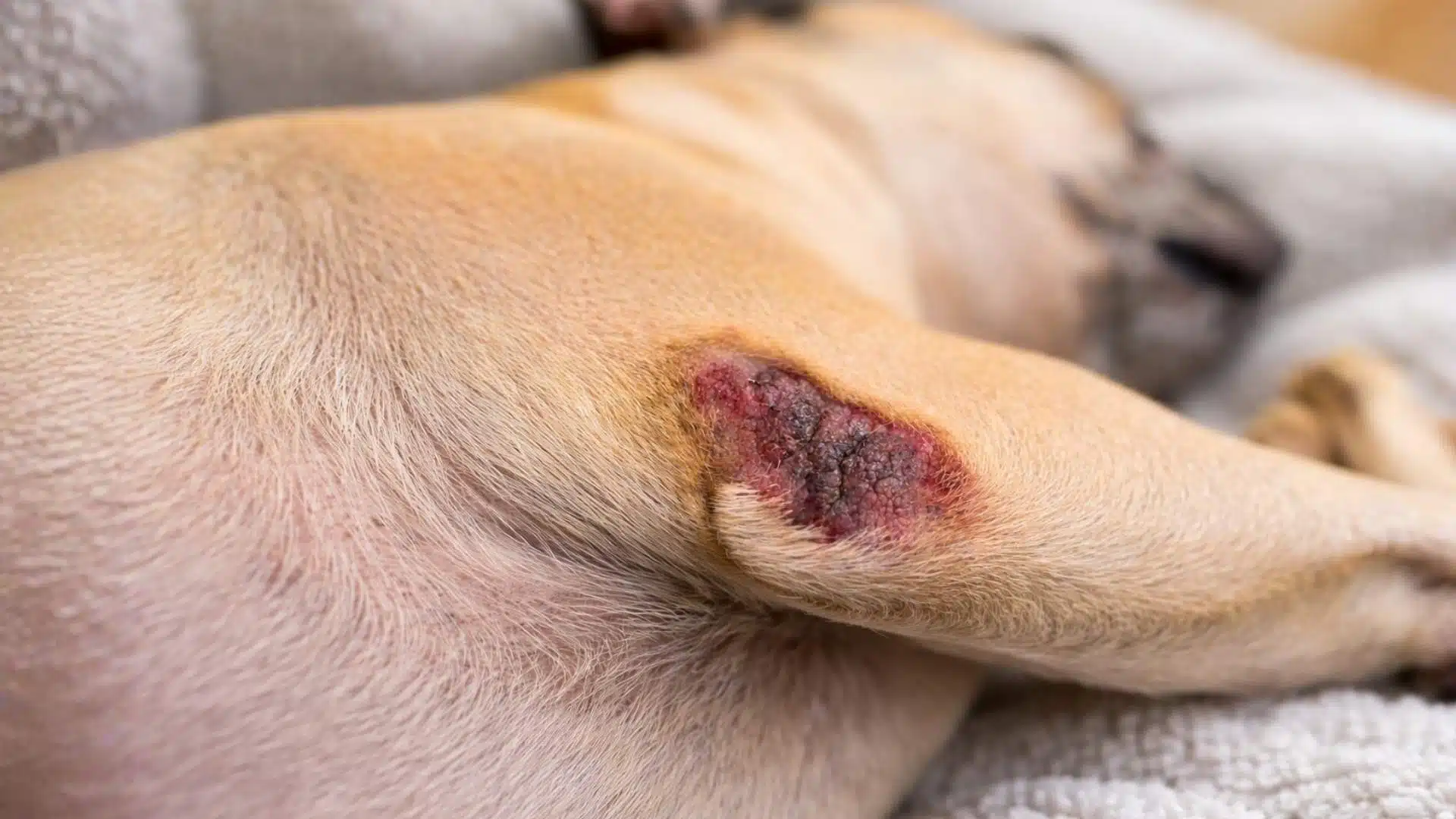
Existing bacterial or fungal skin infections, as well as other skin disorders that cause itching, can significantly affect dogs.
When they experience discomfort from these irritations, dogs often scratch their Skin to alleviate the itch.
Unfortunately, this scratching behavior can create an environment conducive to the development of hot spots, which are painful, inflamed areas on the Skin.
These hot spots can become increasingly problematic if left untreated, leading to further complications for the dog’s health and well-being.
6. Ear Infections and Local Irritation
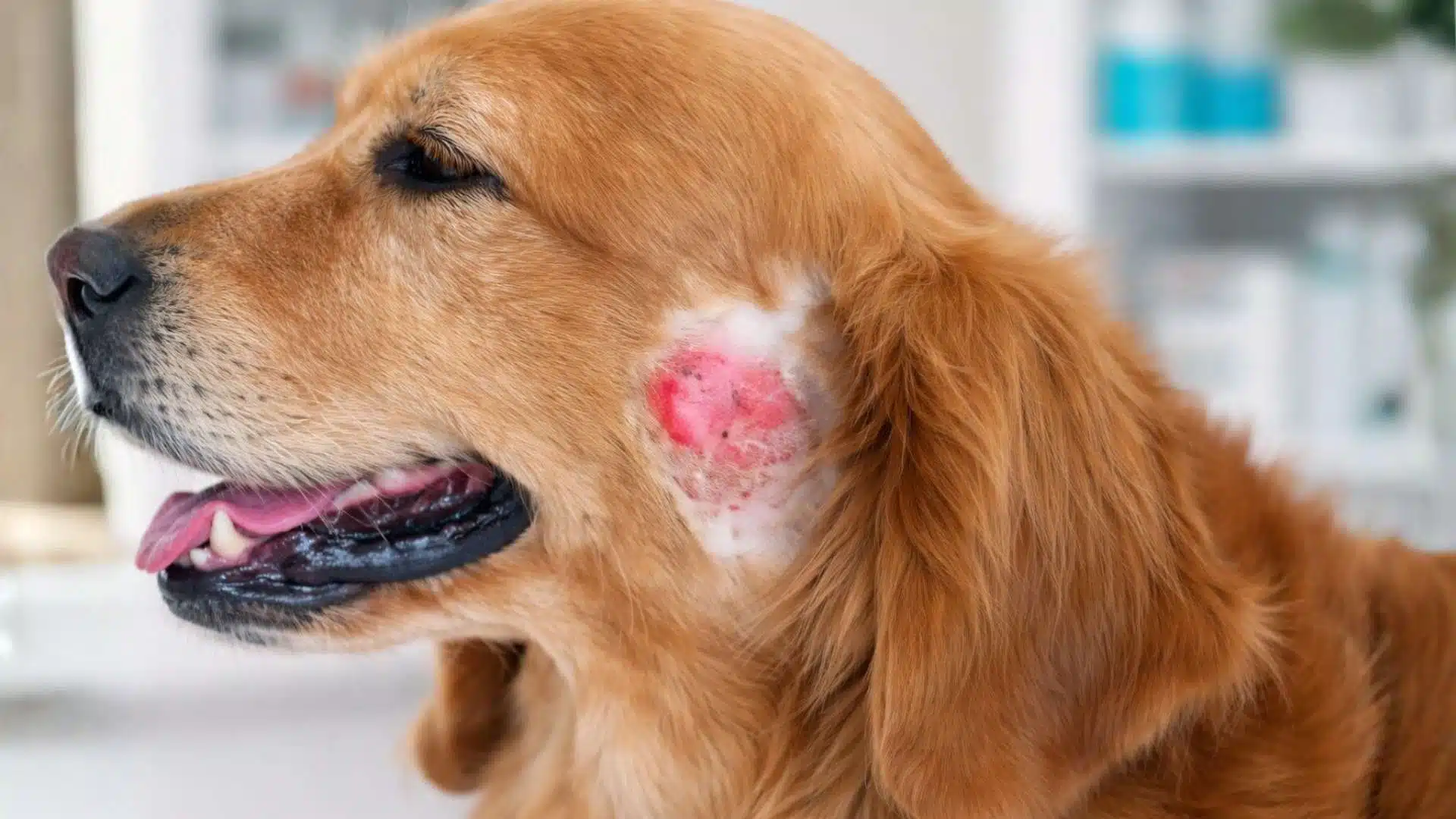
An ear infection or other local irritation can cause a dog to persistently scratch or rub the affected area.
This behavior may lead to the development of a hot spot, which is a localized area of skin inflammation. Hot spots are typically red, inflamed, and can be very itchy and painful for the dog.
If left untreated, these areas may become infected or worsen, causing significant discomfort.
Pet owners need to monitor their dogs for signs of irritation and seek veterinary care when needed.
7. Boredom, Anxiety, or Pain
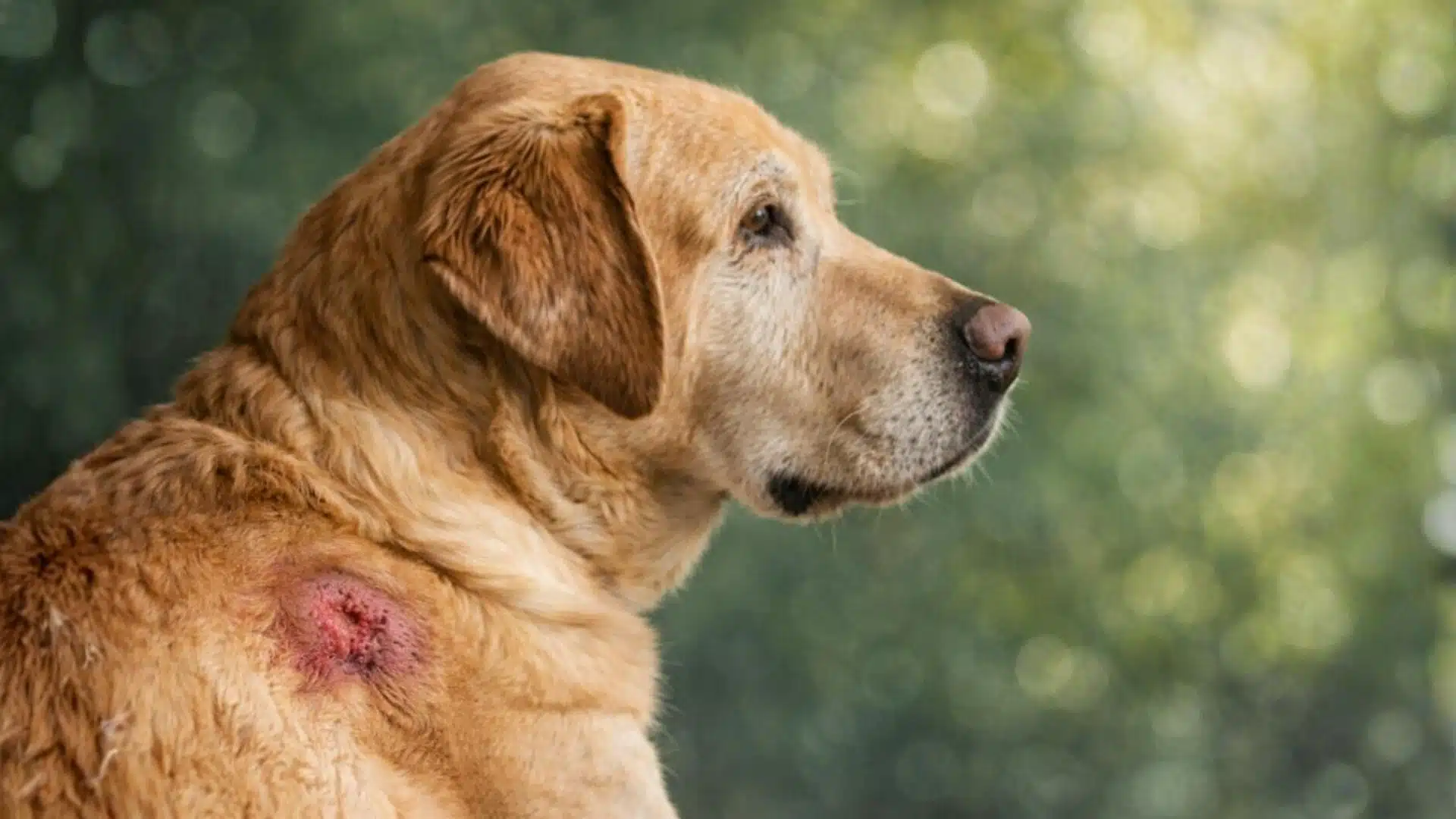
Stress, boredom, or frustration can lead some dogs to engage in repetitive licking as a mechanism.
This behavior often stems from anxiety or a lack of mental stimulation and can create problematic areas on their Skin.
Over time, these spots can become inflamed and develop into hot spots, which can be painful for the dog and may require veterinary attention.
Pet owners need to recognize these signs early and provide appropriate mental and physical activities to help alleviate their dog’s stress.
8. Orthopedic Pain and Joint Issues
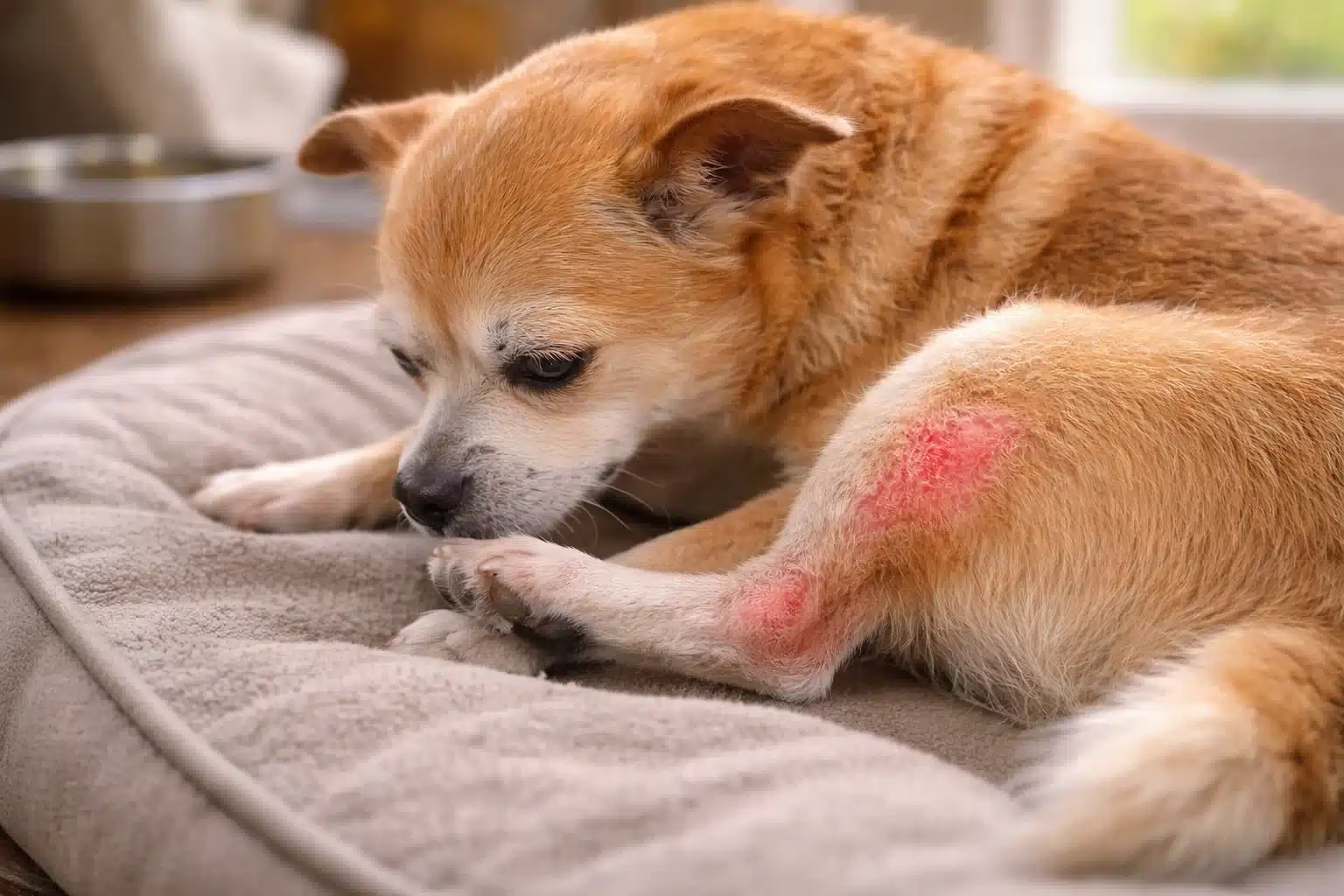
Dogs dealing with arthritis or back problems tend to lie down more often than usual.
Lying on one side can put pressure on bony areas, such as the hips or hocks, especially in older dogs with reduced muscle mass.
When a dog licks these sore spots repeatedly to manage the discomfort, a hot spot can develop on or near the joint.
According to VCA Animal Hospitals, this is a commonly overlooked trigger, particularly in senior dogs.
9. Anal Gland Inflammation
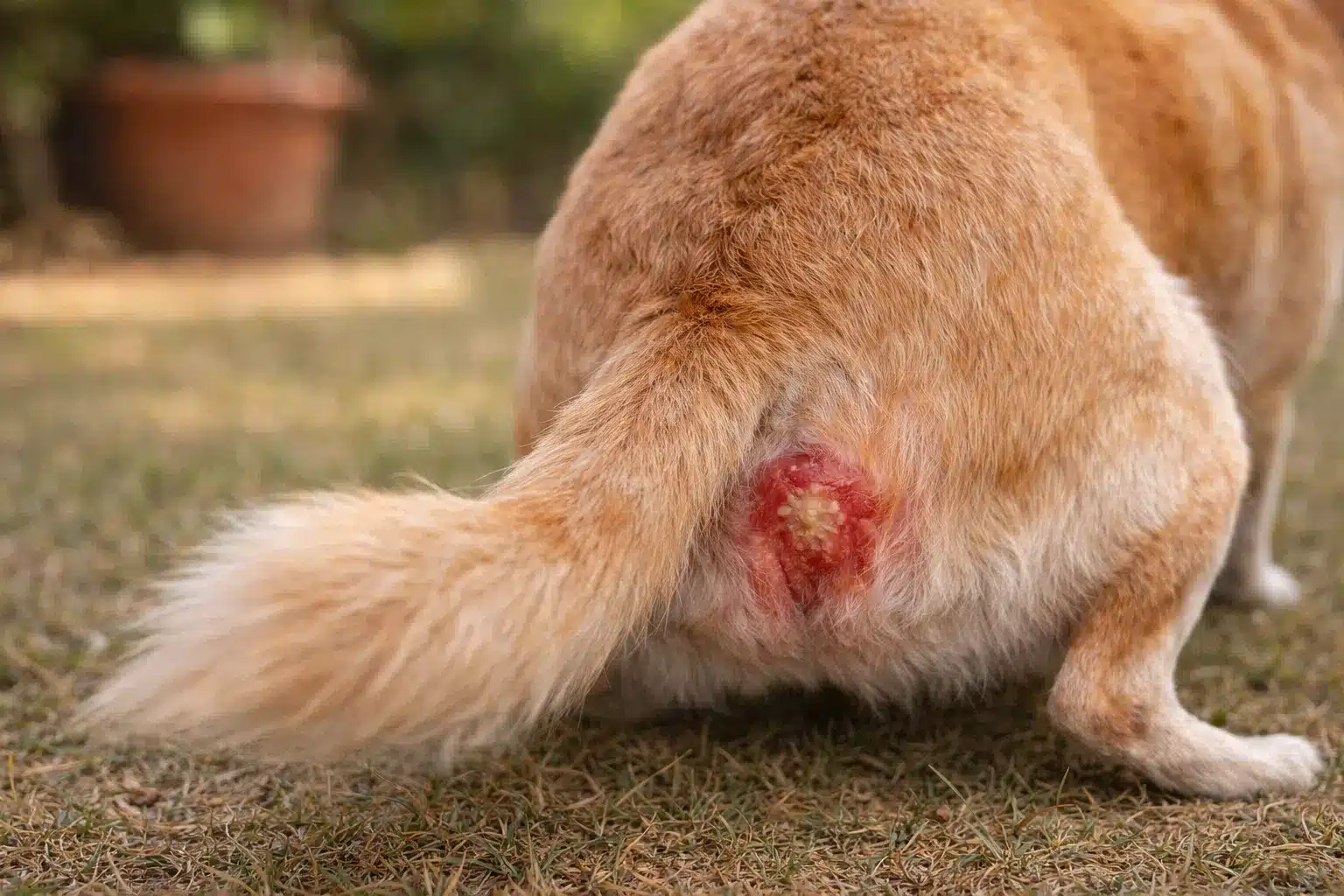
Impacted or infected anal glands cause pain and irritation near the base of the tail.
Dogs respond by licking or chewing the area around the rectum, and this self-trauma can quickly progress into a hot spot underneath or on top of the tail.
In my practice, I often find the initial anal gland issue gets missed because the hot spot is what the owner notices first.
Step-by-Step Treatment for Hot Spots in Dogs
Treatments vary depending on severity, but the goal is always to break the itch-scratch cycle, clear the infection, and address the underlying cause.
- Get a Veterinary Diagnosis: Your vet will assess whether the spot is infected and may prescribe medication if needed. Antibiotics, anti-itch solutions, or other drugs may be used based on severity.
- Trim the Hair Around the Spot: Shaving the fur around the hot spot helps keep the area clean and dry, allowing treatment to work.
- Clean the Wound: Use a mild antiseptic solution recommended by your vet. Gently clean and pat dry, avoiding harsh chemicals or unapproved home remedies.
- Apply Topical Treatments: Your vet may suggest medicated sprays, gels, or ointments to soothe inflammation and protect against bacteria.
- Prevent Licking: Use an Elizabethan collar or recovery suit to prevent further irritation while the area heals.
- Follow Drug Prescriptions: If antibiotics, steroids, or antihistamines are prescribed, follow the whole course as directed.
Dog Hot Spot Care at Home Before a Vet Visit
While waiting for professional care, gently clean the affected area with cool water and a pet-safe antiseptic, keeping it dry and free from debris.
A cone can help discourage further chewing. Avoid home remedies that may sting or worsen irritation, as they can slow the spread of bacteria until your vet can intervene.
Besides, natural care can support healing without replacing professional advice.
Using a cool compress can reduce swelling and soothe inflamed Skin, while gentle cleansers approved for dogs can avoid harsh chemicals.
Keep the area dry to prevent moisture buildup, which can promote bacterial growth. Always check with your vet before applying any remedies that could irritate open wounds.
Tips to Prevent Hot Spots on Dogs
Preventing future hot spots begins with addressing the underlying factors that ignite them:
- Routine Grooming: Brush your dog often to prevent mats and remove trapped dirt or moisture.
- Moisture Management: Dry your dog thoroughly after baths or swimming to prevent damp Skin.
- Flea and Parasite Prevention: Use vet-approved flea and tick products.
- Allergy Care: Work with your veterinarian to identify and manage food or environmental allergies.
- Keep Skin Healthy: Healthy Skin is the best defense. Talk to your vet about supplements or diet changes if needed.
Conclusion
Understanding what causes hot spots on dogs makes it easier for you to respond fast and reduce your dog’s discomfort.
These painful skin sores often begin with simple itching caused by fleas, allergies, or moisture, but they can spread quickly if left untreated.
Now you know how hot spots develop, what warning signs to watch for, how to care for them at home, and when veterinary treatment is necessary.
Acting early and addressing the root cause is just as important as calming the sore itself.
Mild cases may improve with proper care, but a veterinarian should always examine ongoing or worsening spots.
If this article helped you, save it for later and share it with fellow dog owners.
Have you dealt with hot spots before? Share your experience in the comments below!