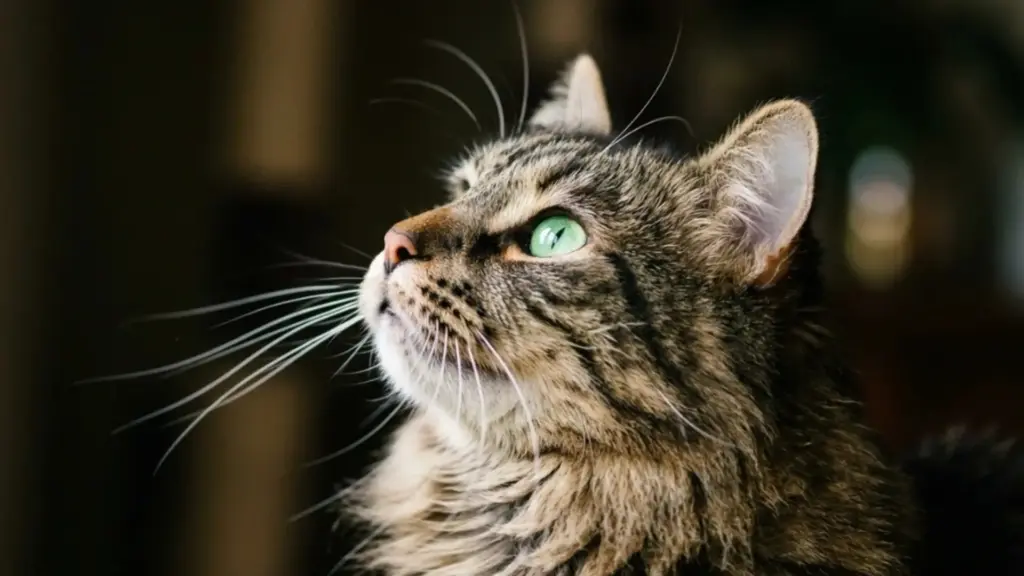
A cat can make a full bowl look suspicious. She steps close, sniffs, then pulls back. A few seconds later, she hooks kibble onto the floor and eats it there, as if the bowl is the problem, not the food.
That tiny routine can drive owners mad because it looks like pickiness, but whiskers may be part of the story. Cat whiskers are not decoration.
They are sensitive tools that read space, movement, and pressure. When a narrow dish keeps brushing them, some cats seem to eat less, pause more, or move food elsewhere.
The catch is that whisker fatigue is debated, and the pet aisle has turned it into a sales pitch. The real question is simpler: is your cat uncomfortable, or is something else going on?
What are Cat Whiskers?
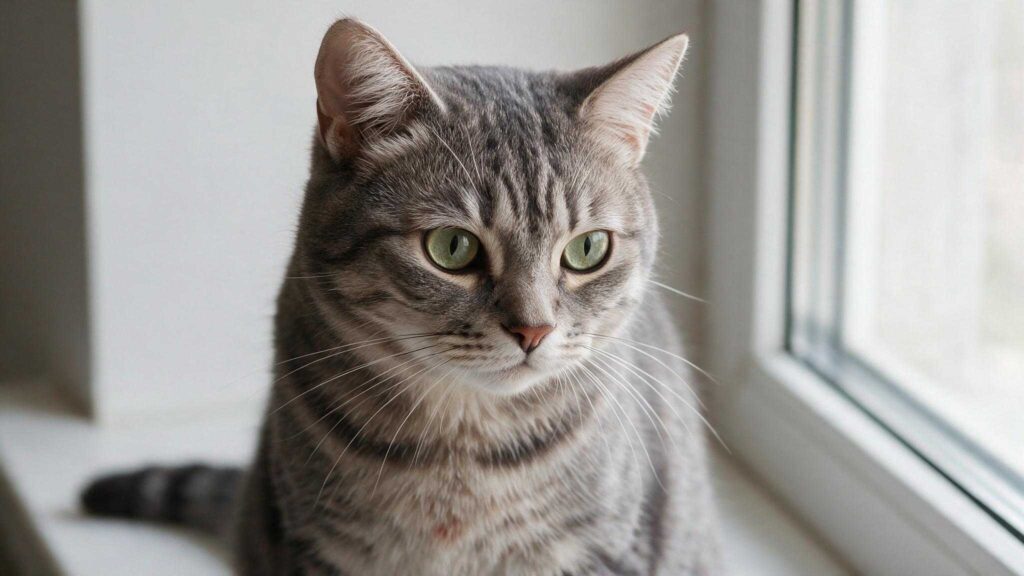
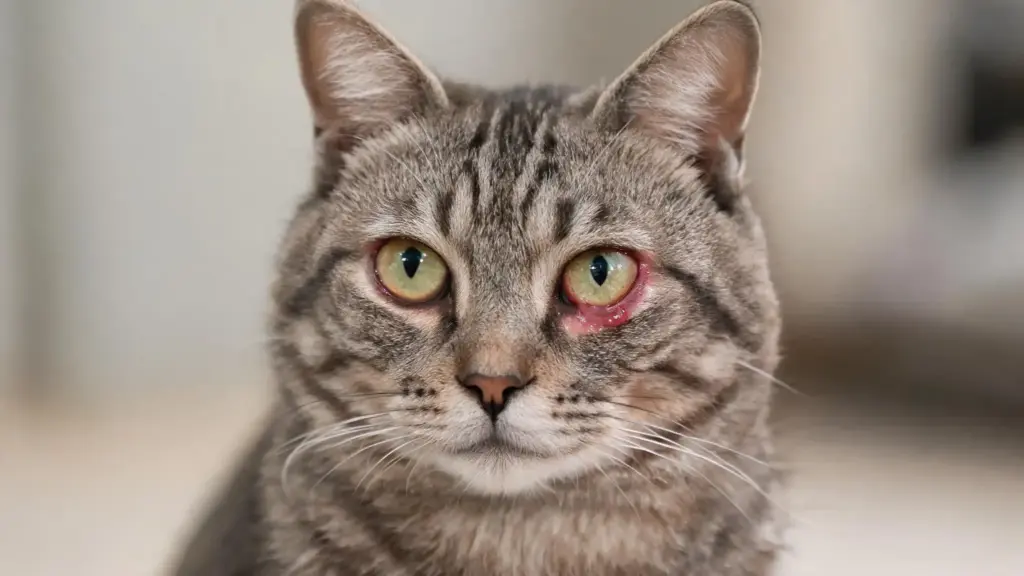
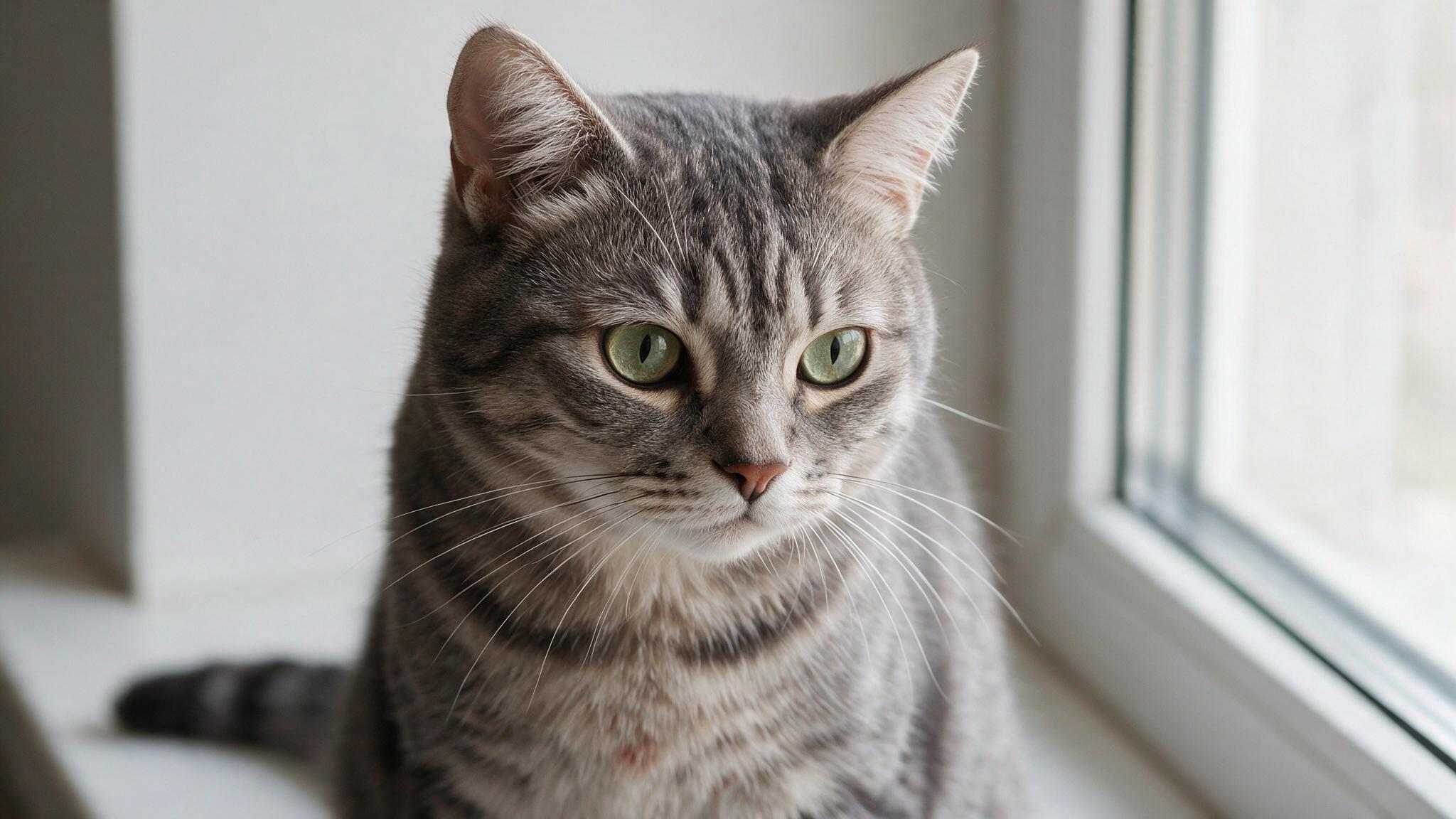
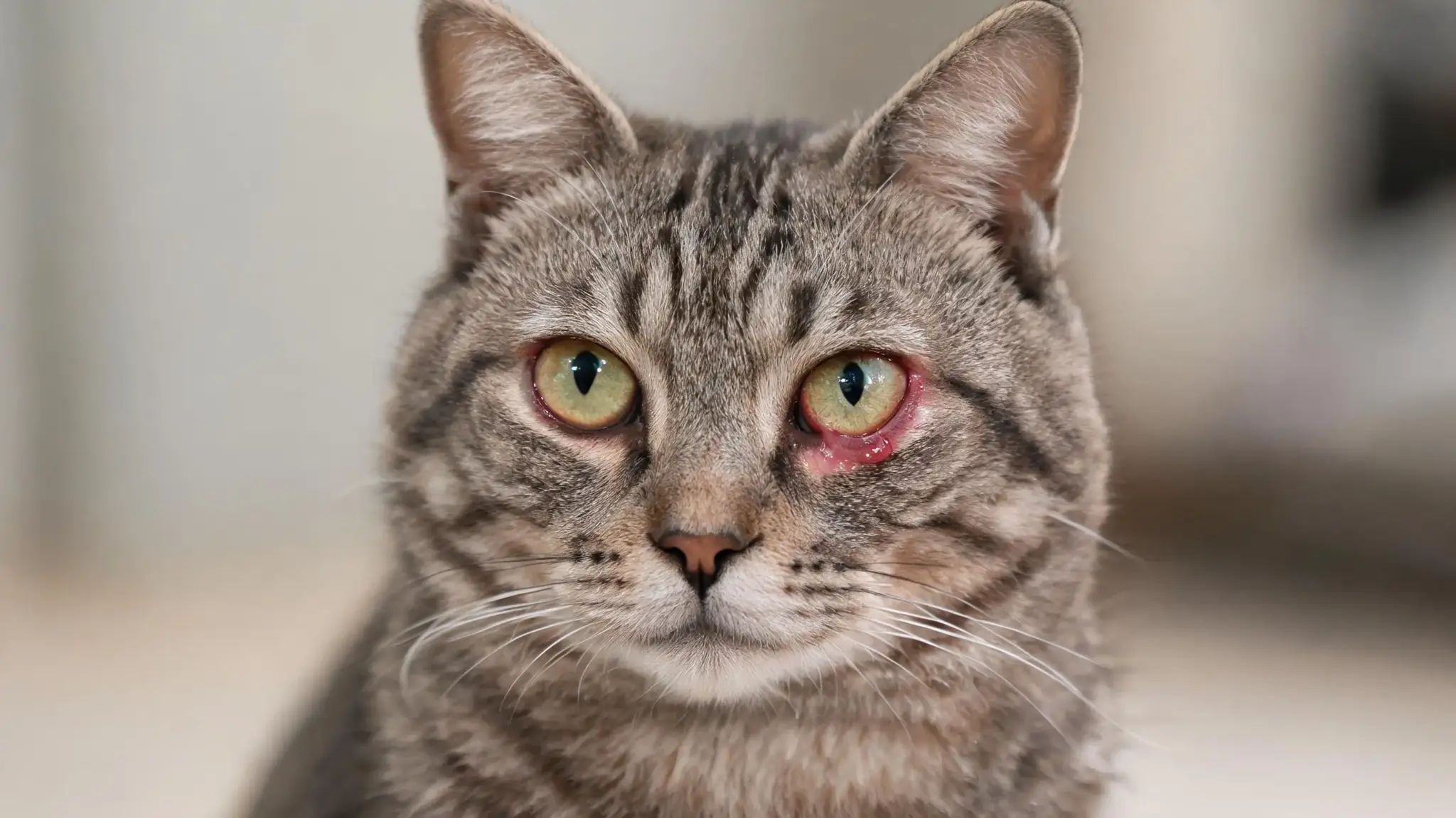
Cat whiskers are sensitive hairs that help cats sense space, movement, air changes, and nearby objects while moving and hunting.
They are sensory organs called vibrissae, rooted deeper in the skin than regular fur.
Each follicle is surrounded by nerves and blood vessels, with far more nerve fibers than ordinary hair.
The whisker shaft itself does not feel much; the follicle at the base detects pressure, movement, and vibration. When a whisker bends, those signals travel quickly to the brain.
This helps cats judge tight spaces, move in darkness, sense nearby objects, and react to prey movement.
Air current changes also tell cats about the size, shape, and speed of things around them.
Popular cat breeds matter here too, because long-whiskered cats such as Maine Coons or Persians may feel bowl contact more often. These whiskers work like sensitive face sensors.
What is Whisker Fatigue?
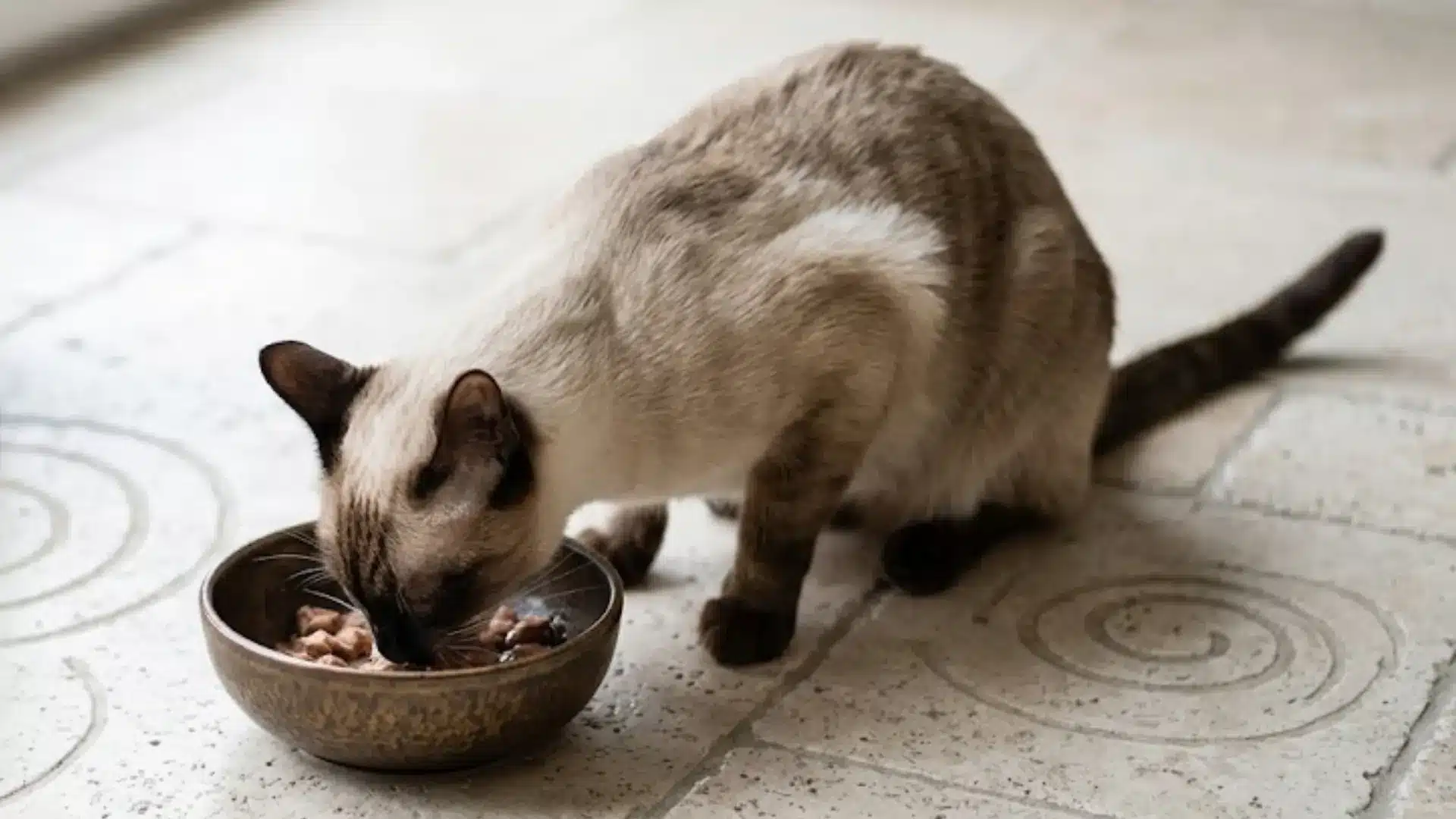
Whisker fatigue is the idea that a cat’s whiskers can become overstimulated when they keep pressing against a deep, narrow bowl.
Each touch activates sensitive nerve endings at the follicle base. Occasional contact is normal, but repeated pressure at every meal may turn useful sensory input into irritation.
A cat cannot move her whiskers out of the way, so she may avoid the bowl, paw food onto the floor, or eat only from the center. The term whisker stress means the same thing.
Research on feline behavior shows that pain, illness, and sensory distress often manifest as behavioral changes, making this issue difficult to confirm.
Those same signs can also stem from dental pain, stress, dislike of food, nausea, or an unsafe feeding spot, so whisker fatigue should be considered only after medical causes are ruled out.
Signs Your Cat Might Have Whisker Fatigue
Your cat’s body language around the bowl is the clearest clue. Whisker fatigue may be at play when your cat seems hungry but treats the bowl as the problem.
- Pawing food out: Your cat pulls kibble or wet food onto the floor, then eats there instead, as if the bowl feels uncomfortable or too narrow for her.
- Pacing near a full bowl: Your cat walks up to a full bowl, backs away, returns again, and eats only a small amount before leaving the feeding area without settling.
- Eating only from the center: Your cat eats food from the middle of the dish but avoids the edges where her whiskers may touch the sides during each bite.
- Leaving meals unfinished: Your cat takes a few bites, walks away, then comes back later, repeating the pattern without finishing the food in one normal sitting.
- Knocking the bowl around: Your cat pushes, tilts, or shifts the bowl before eating, possibly trying to move food into a more comfortable position.
These signs can also point to dental pain, nausea, stress, or food aversion. If the behavior starts suddenly, call a vet before blaming the bowl alone first.
Is Whisker Fatigue Real or Just Marketing?
The debate around whisker fatigue is mixed. The phrase entered public conversation after a 2017 New York Times article described whisker stress as something close to a veterinary diagnosis.
The veterinary community largely disputed. The article included quotes from manufacturers of wide, shallow “whisker-friendly” bowls, and the term spread quickly after that.
That raised fair skepticism because product makers were treated as the primary experts, while veterinary voices were largely absent.
Veterinary trade writers also questioned whether bowl companies had turned normal picky eating into a marketable problem.
Still, dismissing it completely goes too far. Cat whiskers are real sensory organs with nerve-rich follicles that respond to pressure, movement, and vibration.
Repeated contact with the bowl could bother some cats, especially if the bowl is deep or narrow. The problem is proof.
Pawing food out, pacing, or avoiding a bowl can also signal dental pain, nausea, stress, or dislike of the food. So whisker fatigue is possible, but it should not be assumed.
What Does the Latest Research Say About Whisker Fatigue?
The best evidence so far is small but useful. Research approved by Washington State University mentioned that the researchers tested 38 pet cats using each cat’s normal bowl and a commercially available whisker-friendly dish.
They measured time spent at the dish, food eaten, and kibble dropped or pushed out. The wider bowl did not make cats eat more, eat faster, or drop less food.
On those measures, whisker stress was not confirmed. The interesting part came when the cats could choose between the two bowls.
More cats approached the whisker-friendly dish first, suggesting a real preference, even if the reason is unclear. The study adds evidence, but it does not settle the question.
Larger, longer studies are still needed to track stress, avoidance, and behavior over time. For now, whisker fatigue remains plausible, but unproven.
What Causes Whisker Fatigue?
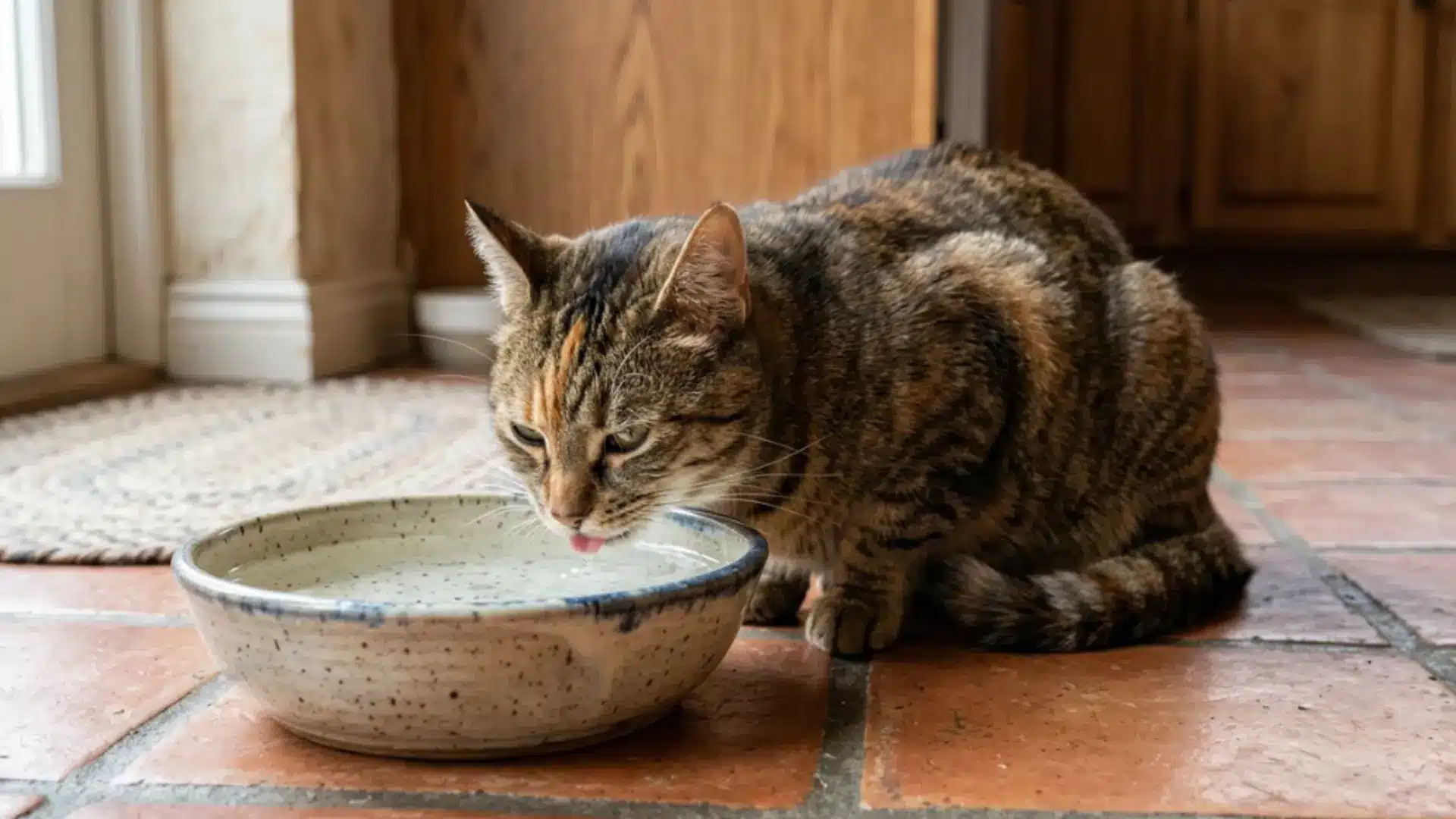
If whisker fatigue affects some cats, it usually starts with pressure around the face during meals.
The bowl, placement, and feeding environment all matter because whiskers can brush surfaces repeatedly while the cat is trying to eat.
- Deep, narrow bowls: Tall sides and small openings can press against whiskers during each bite, making meals feel uncomfortable for sensitive cats during daily feeding.
- Dog bowls: Dog bowls often sit deeper or wider than cats need, forcing awkward face angles and extra whisker contact during feeding at every meal.
- Cramped corners: A bowl pushed against a wall can make cats tilt their head, pressing whiskers against nearby surfaces while trying to eat comfortably daily.
- Shared bowls: When cats share one dish, competition may make them rush, eat tensely, and hold their face in uncomfortable positions while eating food.
- Stressful feeding spots: Loud noise, heavy foot traffic, or nearby pets can increase feeding stress and make minor bowl discomfort feel even worse.
How to Help a Cat That May Have Whisker Fatigue?
Start with the feeding setup before buying special products. Most fixes are simple and low-cost, with the goal of reducing whisker contact, stress, and hesitation during meals.
- Use a wide, shallow dish: A flat plate or ceramic saucer lets your cat eat comfortably without rubbing her whiskers against the bowl walls daily.
- Pick a calm feeding spot: Keep food away from loud appliances, litter boxes, busy doorways, and foot traffic so meals feel safe, quiet, and comfortable.
- Separate cats at meals: Give each cat her own bowl with enough space to prevent rushing, guarding, stealing, or tense eating during daily feeding routines.
- Build positive associations: Clicker training can help cats feel safer near the feeding area when anxiety, noise, or past stress affects mealtime behavior.
- Never trim whiskers: Cutting whiskers can affect balance, movement, spatial awareness, and confidence, so leave them untouched and adjust the bowl instead.
When to Consult a Veterinarian?
Before you assume whisker fatigue, rule out medical causes first. Dental disease is one of the most common reasons cats avoid bowls, chew oddly, paw food out, or stop during meals.
Gum inflammation, a broken tooth, or an abscess can look exactly like bowel discomfort.
Nausea from kidney disease, stomach problems, food aversion, or household stress can also change eating behavior.
Call your vet if the change is sudden, your cat is eating less, losing weight, drooling, hiding, vomiting, or acting painful. Ask about a full oral exam, especially for cats over seven years old.
Include clear details: recent weight changes, appetite changes, food preferences, home stress, and whether the behavior occurs with every bowl.
If the medical check is normal, then try a wider, shallower dish.
Whisker Fatigue Myths vs Facts
A lot of what circulates online about whisker fatigue gets stretched well past what the evidence supports. Here’s where the common claims land:
| Myth | Fact |
|---|---|
| Every cat needs a whisker-friendly bowl. | If a cat eats normally, finishes meals, and shows no hesitation, the current dish is likely fine. |
| Whisker fatigue is completely made up. | The term grew through marketing, but cat whiskers are real sensory tools with sensitive follicles. |
| Only long-whiskered cats are affected. | Bowl width, bowl depth, face shape, and repeated whisker contact may matter more than breed alone. |
| Pawing food out always means whisker fatigue. | Dental pain, nausea, stress, food dislike, or bowl placement can also cause this behavior. |
| Whisker-friendly bowls always make cats eat more. | Not always. Low appetite, sudden food refusal, or weight loss needs a vet check first. |
| A special bowl is always worth buying. | A simple wide plate or shallow ceramic dish can work just as well for many cats. |
| Whisker fatigue is easy to diagnose at home. | Similar signs can come from health issues, so the bowl should be treated as one possible clue only. |
Conclusion
Your cat’s bowl is easy to ignore until mealtime starts looking like a negotiation. She wants food, but something about the dish makes her pause, paw, or walk away.
Whisker fatigue is still debated, but the practical answer is simple: take the behavior seriously without turning it into a diagnosis.
First, rule out dental pain, nausea, stress, or food dislikes. Then try the lowest-risk fix, a wide, shallow plate in a quiet spot. No expensive bowl required.
Just watch what changes. Sometimes the smallest adjustment tells you more than the loudest theory.
Has your cat ever dragged food out of the bowl or avoided a full dish? Share what happened after you changed the setup.
Frequently Asked Questions
Can Whisker Fatigue Affect a Cat’s Water Bowl Too?
Yes. The same issue can happen with water bowls. A narrow, deep dish may press against your cat’s whiskers every time she drinks. If she avoids the bowl, drinks less, or prefers the faucet, try a wider, shallow water dish or a pet fountain with a low basin.
Do Kittens Experience Whisker Fatigue Differently?
Possibly. Kittens often have large whiskers compared with their small faces, so an adult-sized bowl may cause more contact than expected. There is not much research on kittens specifically, but a wide, shallow kitten dish is a safe and practical choice.
Is It Okay to Use a Flat Dinner Plate as a Cat Food Bowl?
Yes. A ceramic dinner plate offers ample whisker clearance and works well for many cats. The only downside is that wet food or small kibble may slide around. A plate with a slight lip or a wide, shallow bowl is usually the easiest option.
Should I Buy a Whisker-Friendly Bowl or Just Use a Plate?
Start with a plate. A flat ceramic plate from your kitchen costs nothing and tests the same variable as a purpose-built whisker-friendly bowl. If your cat responds well, you can decide later whether a dedicated bowl is worth adding.