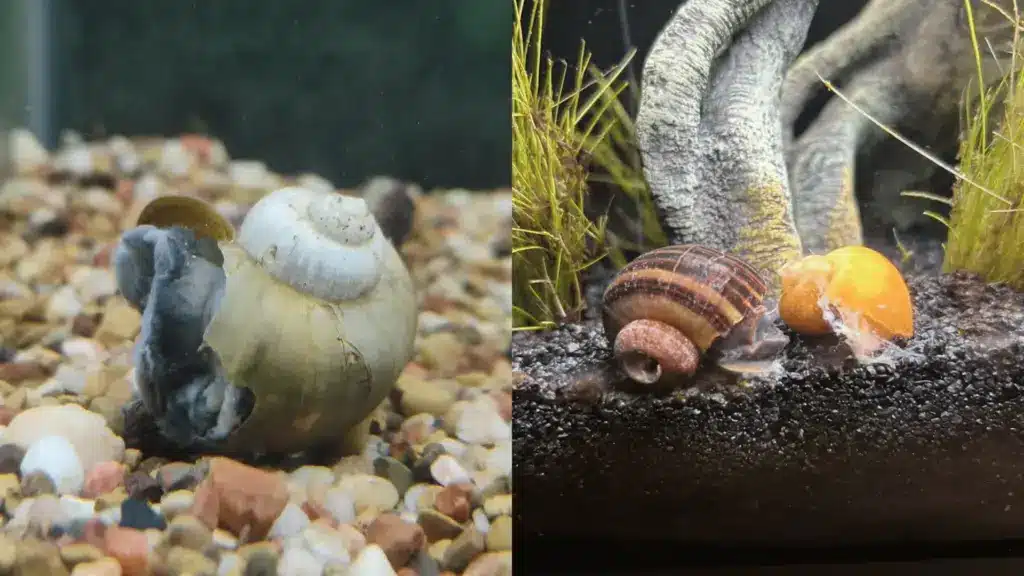
Your aquarium snail was fine yesterday. Today, it is floating lifelessly, and you have no idea why. If you have been asking yourself what kills aquarium snails fast, you are not alone.
Snails are far more fragile than they look, and even small shifts in tank conditions can turn fatal within hours.
Most hobbyists discover the culprit only after it is too late. The truth is, snail deaths are rarely random. They almost always point to something off in your tank that you can find and fix.
In this blog post, you will learn the exact causes behind rapid snail death, what to watch for, and how to protect the ones you have left.
Why Aquarium Snails Die So Quickly?
Aquarium snails have thin, permeable bodies that absorb whatever is in the surrounding water, good or bad.
This makes them highly reactive to changes in water quality, chemistry, and even what medications you add to the tank.
Unlike fish, snails give very little warning before they die. By the time you notice the shell is empty or the body is hanging out, the damage is usually already done.
Understanding the common triggers is the fastest way to stop losing snails for reasons that are completely preventable.
Copper: The Number One Killer of Aquarium Snails
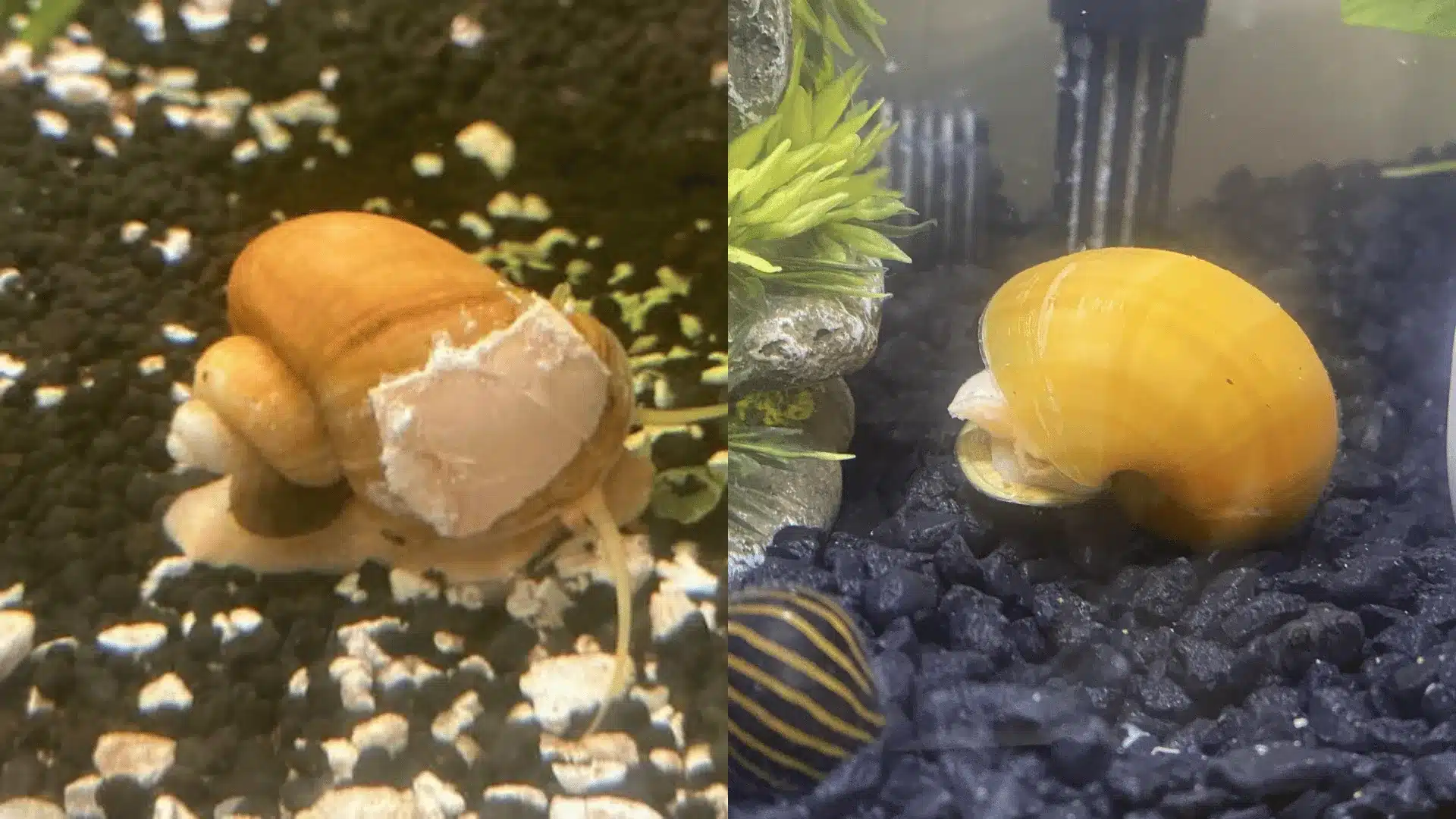
Copper is, without a doubt, the most common cause of snails dying quickly in home aquariums. Many fish medications, ich treatments, algae control products, and even some plant fertilizers contain copper sulfate.
When introduced to the tank, copper disrupts the normal function of snail skin cells and enzymes, causing rapid deterioration.
The problem is that copper also binds to substrate, silicone, and decor, meaning it can linger in a tank long after treatment ends.
Even trace amounts that would not harm fish can be lethal to invertebrates over time.
How to Tell if Copper Is Killing Your Snails?
Check your fish medications, algae wafers, and fertilizers for “copper sulfate” or “cupric ion” in the ingredient list.
Signs of copper poisoning include lethargy, reduced movement, shell softening, and snails refusing to feed.
A copper test kit, available at most pet stores, is the most reliable way to confirm exposure. Safe copper levels for snails should remain well below 0.15 mg/L.
If your tank has ever been treated with copper, consider it potentially unsafe for invertebrates going forward without a full substrate replacement.
In my clinic, I often compare snail health monitoring to preventive care in small animals. You would not wait for symptoms to worsen before checking bloodwork, and the same logic applies here.
Test your water and read your product labels before adding anything to a tank housing invertebrates.
If you are keeping snails as part of a broader aquatic setup, start with the basics covered in this mystery snail care overview before troubleshooting deaths.
What Causes Aquarium Snails to Die?
Snail deaths in a home aquarium rarely happen without reason. These are the most common causes hobbyists overlook, and each one can turn fatal faster than you might expect.
1. High Ammonia and Nitrite Levels in Aquarium Water
Ammonia and nitrite levels should always read 0 ppm in a healthy tank. When these rise, snails suffer first because their respiratory systems are especially vulnerable to toxins.
High ammonia disrupts their ability to breathe, causing weakness that can accelerate to death within 24 to 48 hours. A dead snail left in the tank compounds the problem immediately.
2. Low pH and Calcium Deficiency: The Shell Erosion Problem
When pH drops below 7.0 or water hardness is too low, calcium becomes unavailable, and shells begin to erode. You will notice pitting, white patches, or thin spots on the surface.
A weakened shell exposes soft tissue to infection. Water softeners are a common hidden cause, stripping calcium from tap water without affecting fish noticeably.
3. Aggressive Tank Mates That Stress or Eat Snails
Clown loaches, pea puffers, betta fish, and large cichlids actively target snails. Even without direct predation, constant harassment suppresses the snail’s immune response and leads to death over time.
If your snails are retreating into their shells for days or showing erratic movement, tank mate aggression is likely the cause.
For a practical breakdown, this snail handling guide covers compatibility in detail.
4. Rapid Temperature Changes and Osmotic Shock
If water temperature drops or rises by more than 2 to 3 degrees quickly, snails go into osmotic shock. Their bodies cannot regulate fluid balance fast enough, and tissue damage follows.
This commonly happens during water changes when replacement water is not temperature-matched to the tank. Always verify the temperature before adding water.
Quick Tips to Stop Aquarium Snail Deaths
These simple habits protect your snails from the most common and preventable causes of death in a home aquarium.
- Test water before adding anything new: Always run ammonia, nitrite, pH, and hardness checks before introducing new tank mates, plants, or medications. Many snail deaths occur after treatments that were never tested for invertebrate tolerance.
- Match water temperature during changes: Use a thermometer and pre-heat replacement water to within one degree of your tank. Rapid temperature swings, from cool tap water hitting a warm tank, cause osmotic shock that kills snails faster than most water-quality issues.
- Read every medication label for copper content: Check active ingredients before dosing anything into a tank with snails. Copper sulfate, cupric sulfate, and cupric chloride are all toxic to snails even at low concentrations.
- Add a cuttlebone or crushed coral for calcium: Drop a boiledcuttlebone into the tank to raise calcium levels naturally. This prevents shell erosion and supports long-term snail health without significantly altering other parameters.
- Remove dead snails within the hour: A decomposing snail body releases ammonia rapidly. If you find a dead snail, remove it right away and test the water. One dead snail can spike ammonia enough to kill the rest of the tank’s snail population.
- Quarantine new plants before adding them: New aquatic plants often carry snail eggs, parasites, or residual pesticide traces. Quarantine them for two to three weeks in a separate container before adding to the main tank.
Conclusion
Snail deaths feel sudden, but the causes almost always build quietly over days.
Copper contamination, ammonia spikes, low pH, calcium deficiency, and tank mate stress are the most consistent killers, and every single one of them is fixable once you identify the source.
The key takeaway from this guide is that what kills aquarium snails fast is rarely one dramatic event. It is usually a tank condition that has been off for longer than you realized.
Test your water weekly, read your product labels carefully, and remove dead snails the moment you find them.
Are your snails showing early warning signs? Share what you are seeing in the comments below and let the community help you troubleshoot.
Frequently Asked Questions
Can Aquarium Salt Kill Snails?
Yes, aquarium salt can kill freshwater snails. Even small concentrations disrupt their osmotic balance, causing stress, retraction, and death within hours, depending on exposure level.
How Do I Know if My Snail is Dead or Sleeping?
A sleeping snail stays attached and reacts when touched. A dead snail hangs out, smells foul, and shows no movement or response at all.
Do Aquarium Snails Die After Laying Eggs?
No, most aquarium snails do not die after laying eggs. Death afterward usually indicates poor water quality, stress, or underlying health issues.