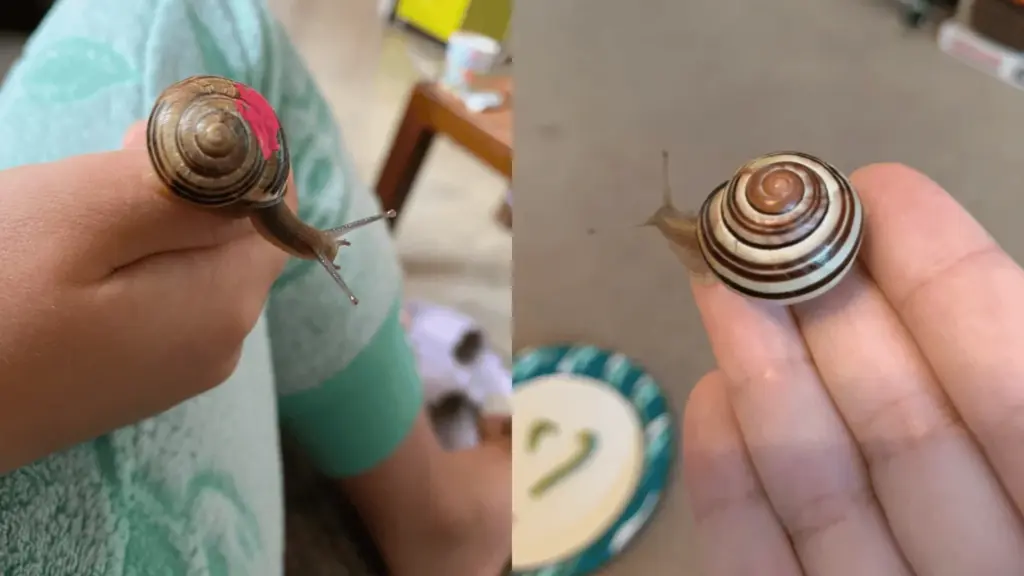
You picked up your snail for the first time, and it immediately retreated into its shell. Now you are wondering if you did something wrong or if snails actually like being touched at all.
If you have ever stood there second-guessing every move, you are not alone. Snail handling is something most new pet snail owners figure out the hard way.
The good news is that handling a snail safely is not complicated once you know the right techniques.
In this guide, I will walk you through how to pet, tap, and hold your snail without causing stress or harm, and what hygiene steps to follow every single time you interact with them.
Do Snails Actually Enjoy Being Touched?
This is the first question I get from most snail owners in my experience, and the answer is nuanced. Snails do not bond with humans the way dogs or cats do.
However, many snail owners report that their pets become noticeably more active and relaxed over time during regular, gentle handling sessions. Some snails will willingly crawl onto an outstretched hand when offered patiently.
The response you get depends heavily on the species, the snail’s age, and how accustomed it is to human contact.
Larger species like Giant African Land Snails tend to be calmer during handling. Smaller snails are more sensitive and generally more reactive.
If your snail bubbles up or retracts immediately, that is a stress signal, not a personality flaw. Give it time and keep sessions short at first.
The Tapping Technique: Why it Matters Before You Pick Up a Snail
One of the most important things I want every snail owner to understand is this: never grab a snail that is actively stuck to a surface without tapping first.
A snail attaches to surfaces using a muscular foot and a powerful slime adhesion.
If you yank the shell upward while the foot is fully suctioned, you risk overstretching the mantle, which is the delicate muscle that connects the snail’s body to its shell. In severe cases, this can cause internal injury.
The tapping technique is simple and effective. Gently tap the shell two or three times with a fingertip.
The snail will naturally withdraw its body in response, releasing its grip on the surface. Once it has retracted, you can safely scoop it up without resistance or strain.
This small step takes only a few seconds and prevents unnecessary stress and physical harm to your snail. Think of it as asking permission before picking them up.
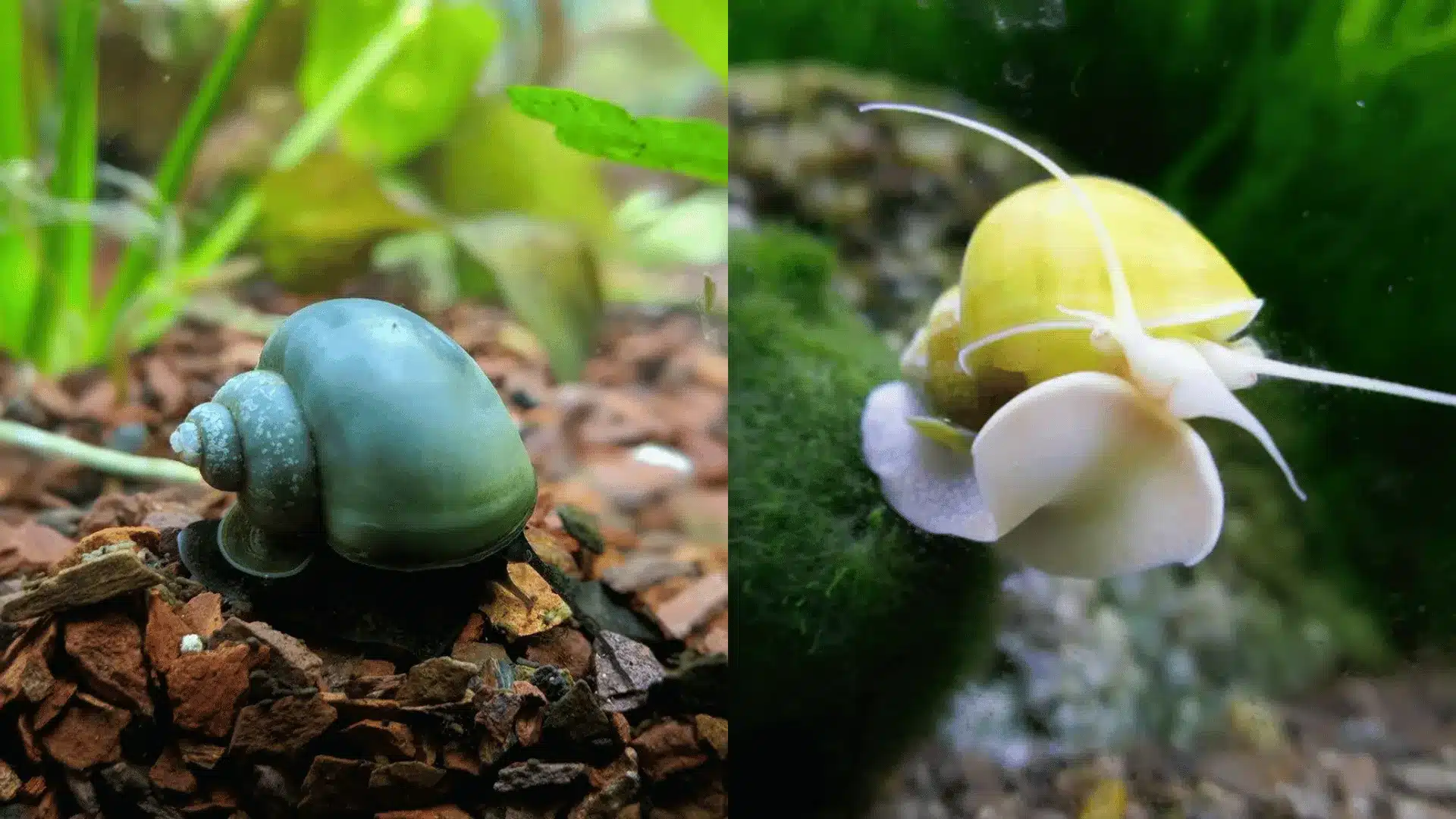
For a full picture of how to support your mystery snail’s overall health and wellbeing beyond handling, the complete mystery snail care guide is a helpful resource that covers feeding, habitat setup, and long-term care.
How to Properly Pet and Hold Your Snail
Snails do not experience petting the way mammals do, but gentle contact on the shell and occasionally the foot is generally well-tolerated once a snail is comfortable. Here is what the correct process looks like from start to finish.
1. Prepare Your Hands the Right Way Before Every Hold
Damp, clean hands are the single most important prep step before touching your snail.
Snails absorb chemicals directly through their skin, much like frogs do, so any lotion, soap residue, or perfume left on your hands can cause immediate harm.
Always wash thoroughly and rinse well, then leave your hands slightly damp rather than towel-drying them completely. Keep a small spray bottle nearby to mist your palm during the session if needed.
2. Lift and Position Your Snail Safely
Never grip the shell from above. Instead, cup your hand and slide your fingers gently under the snail’s foot to support its full body weight from beneath.
If the snail is on the tank wall, spray both the snail and the glass with water first, then ease a finger slowly under the head.
Let the snail crawl onto your palm at its own pace whenever possible. This approach builds trust over time and makes every future handling session much easier.
3. Body Areas to Avoid During Petting
Keep your fingers away from the antennae at all times. Snails retract immediately when their antennae are touched, and research suggests this contact is an unpleasant stimulus for them.
Beyond that, keep your movements slow, steady, and predictable throughout the session.
Sudden shifts in position or unexpected motion are the fastest way to send a snail retreating into its shell.
4. Safe Handling for Children
For children handling snails, I always recommend seated sessions close to a table surface so that an accidental drop does not result in a fall injury to the snail.
Placing the snail inside a small carry container that a child can hold is an even safer option for younger kids.
Signs Your Snail is Stressed During Handling
Recognizing stress signals early allows you to put your snail down before the experience becomes negative for them.
- Shell Retreat: Your snail pulls fully inside its shell and refuses to emerge, signaling it feels unsafe or overwhelmed during the session.
- Excessive Mucus or Foam: Unusual bubbling or foamy slime around the shell opening is a clear sign your snail is distressed and needs to be set down.
- Hissing or Squeaking Sound: Air escaping the shell opening produces a faint hiss or squeak, meaning your snail is actively retracting its body in discomfort.
- Prolonged Inactivity After Handling: A snail that stays withdrawn long after being returned to its enclosure likely found the interaction too stressful and needs more time. It also helps to ensure your snail’s enclosure has the right light conditions, and find out whether mystery snails prefer light or dark environments to make sure their habitat supports natural activity.
Safety Tips for Snail Handling You Should Never Skip
Snail safety is a two-way concern. It is about protecting your snail from injury and protecting yourself from the small but real hygiene risks that come with handling any animal.
- Wash your hands before handling: Lotions, soaps, perfumes, and chemical residues on your skin can harm a snail through direct absorption.
- Wash your hands after every session: Snails can carry bacteria and, in some cases, parasites. Basic handwashing after contact removes nearly all practical risk.
- Never handle near your face: Snail slime should never come into contact with your eyes, nose, or mouth. This is especially important to reinforce with children.
- Avoid wild-caught snails: Wild snails have a higher likelihood of carrying parasites, including rat lungworm (Angiostrongylus cantonensis).
- Use gloves for wild snails: If you must handle a garden or wild snail, wear gloves and wash your hands thoroughly afterward to reduce any transmission risk.
- Keep snail utensils separate: Any tools, spray bottles, or containers used for snails should not be shared with food preparation areas or other pets.
Conclusion
Handling a snail well comes down to patience, preparation, and consistent hygiene.
Always tap the shell before lifting, use damp hands, support the snail’s body from underneath, and keep sessions calm and brief, especially in the beginning.
As a veterinarian, I have seen how small mistakes in handling can cause stress or even physical harm to these delicate animals.
But when done right, snail handling becomes second nature quickly. The most important thing is to stay consistent and respect your snail’s pace.
Over time, many snails do settle into a routine of regular, low-stress handling.
Wash your hands before and after every session without exception, and you will be keeping both yourself and your snail safe and healthy for the long term.
Frequently Asked Questions
Can a Snail Bite or Injure You While Being Handled?
Snails cannot bite in the traditional sense. They have a rasping structure called a radula that may feel like a gentle scrape on skin, but will never break it or cause harm.
How Long Should a Snail Handling Session Last?
Most experts recommend keeping handling sessions to five to ten minutes, especially for new snails. Longer sessions increase stress and moisture loss from the snail’s body.
Is it Safe for Immunocompromised People to Handle Snails?
Captive-bred pet snails are generally low risk with proper hygiene. Those with compromised immunity should consult a healthcare provider before regular contact.