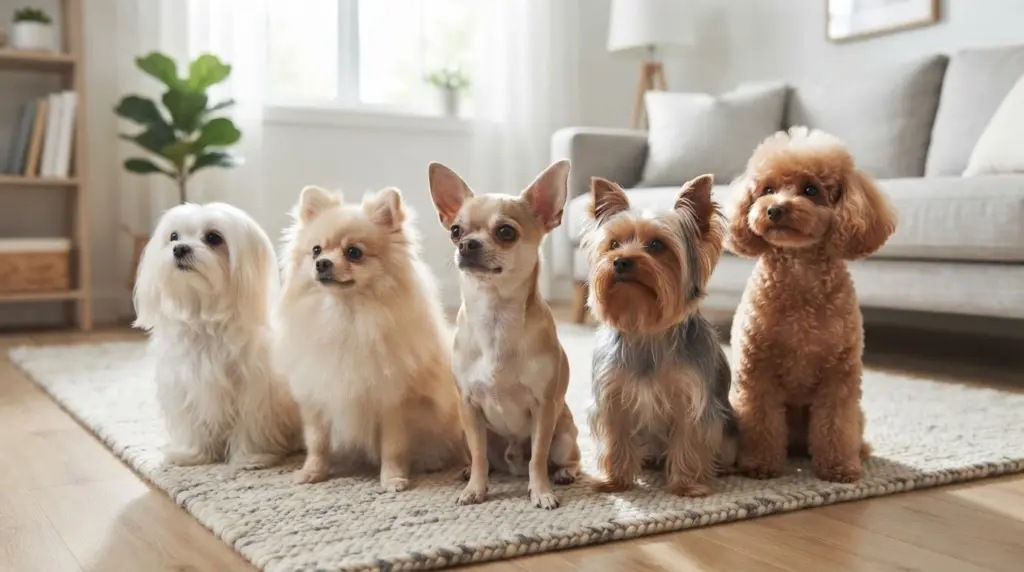
A Chihuahua curled up in a blanket. A Pomeranian holding court on the sofa like it owns the place. Both are tiny, both are adorable, and both will absolutely convince you they’re the size of a Great Dane when someone knocks on the door.
Here’s the thing though, “small” doesn’t mean “simple.” Some dogs look tiny because of a fluffy coat or a certain body shape, while others are just naturally petite from nose to tail. If you’re chasing that pocket-sized companion, it helps to know what you’re actually comparing.
So let’s settle it: which breed really takes the crown for smallest dog in the world, and which little ones come closest?
We’ve pulled together the full lineup, plus what each breed is like to actually live with, because a smaller body doesn’t always mean an easier pet.
What is the Smallest Dog Breed in the World?
That title belongs to the Chihuahua, a tiny companion breed recognized as the smallest dog breed by most major kennel organizations.
We’re talking about a dog that typically stands just 5 to 8 inches tall and weighs up to 6 pounds, making it small enough to carry comfortably but big enough to have a bold personality.
Small in size, but not in character. Chihuahuas are alert, confident, and often act as if they were much larger dogs. Their compact frame, expressive eyes, and long lifespan have made them one of the most popular toy breeds worldwide.
The closest competitors for the smallest dog crown include the Russian Toy, Yorkshire Terrier, Pomeranian, and Toy Poodle. These breeds come remarkably close, but the Chihuahua remains the standard answer when people ask which dog is the tiniest.
Quick tip: When comparing the smallest dog breeds, look at average adult height and weight rather than the smallest individual dog ever recorded.
Dog Breeds that Stay Tiny as Adults
These breeds are ranked from the smallest overall size upward based on typical adult weight and height ranges. Individual dogs may vary depending on genetics, health, and breeding lines.
1. Chihuahua
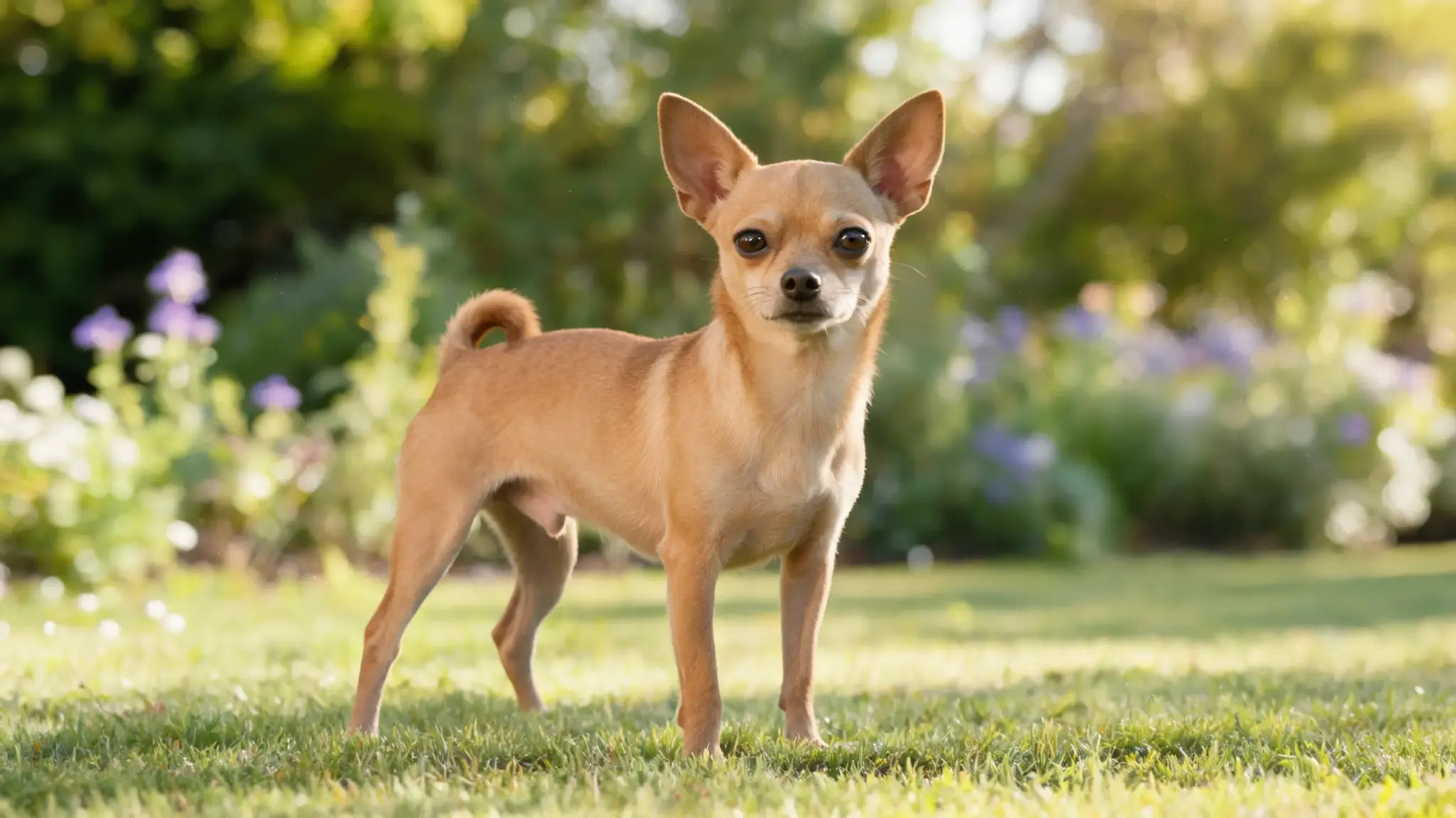
The Chihuahua holds the title as the smallest recognized dog breed in the world. Despite its tiny frame, this breed has a confident personality and often behaves like a much larger dog.
Chihuahuas come in smooth- and long-coat varieties, with many color patterns available. Their compact size makes them popular among apartment residents and families looking for a portable companion.
They are intelligent, alert, and strongly bonded with their owners. Early socialization is important because their bold nature can sometimes turn into excessive guarding or nervous behavior.
- Average height: 5–8 inches
- Average weight: Up to 6 pounds
2. Russian Toy
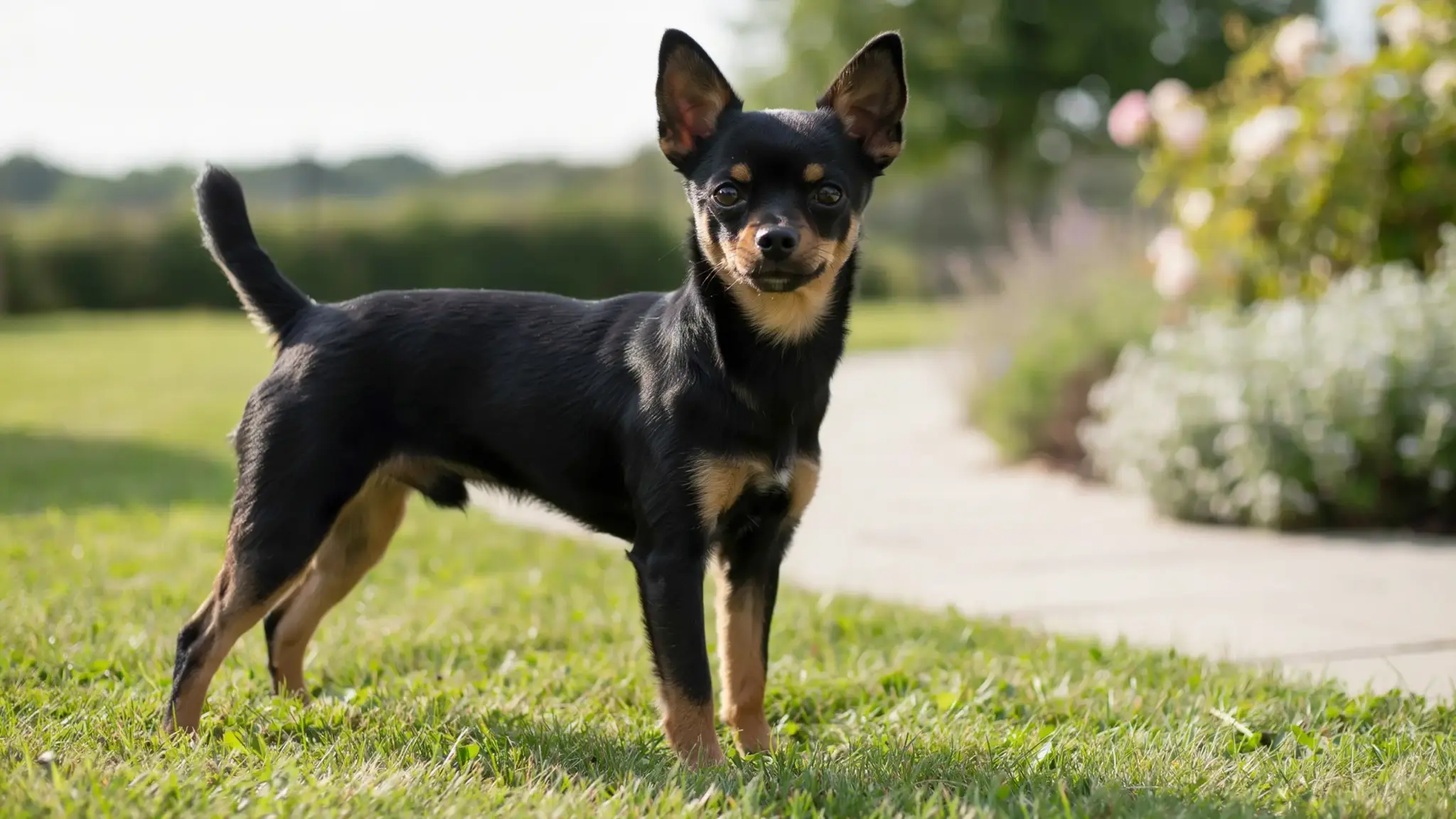
The Russian Toy is one of the lightest companion breeds, originally developed in Russia as a small aristocratic lap dog.
This breed has a delicate body, large ears, and a lively personality. It comes in smooth and long-haired varieties, with both types remaining very small as adults.
Russian Toys are affectionate and energetic. Although tiny, they enjoy playtime and mental stimulation rather than simply sitting quietly. Their small size makes them suitable for homes with limited space.
- Average height: 8–11 inches
- Average weight: 3–6 pounds
3. Yorkshire Terrier
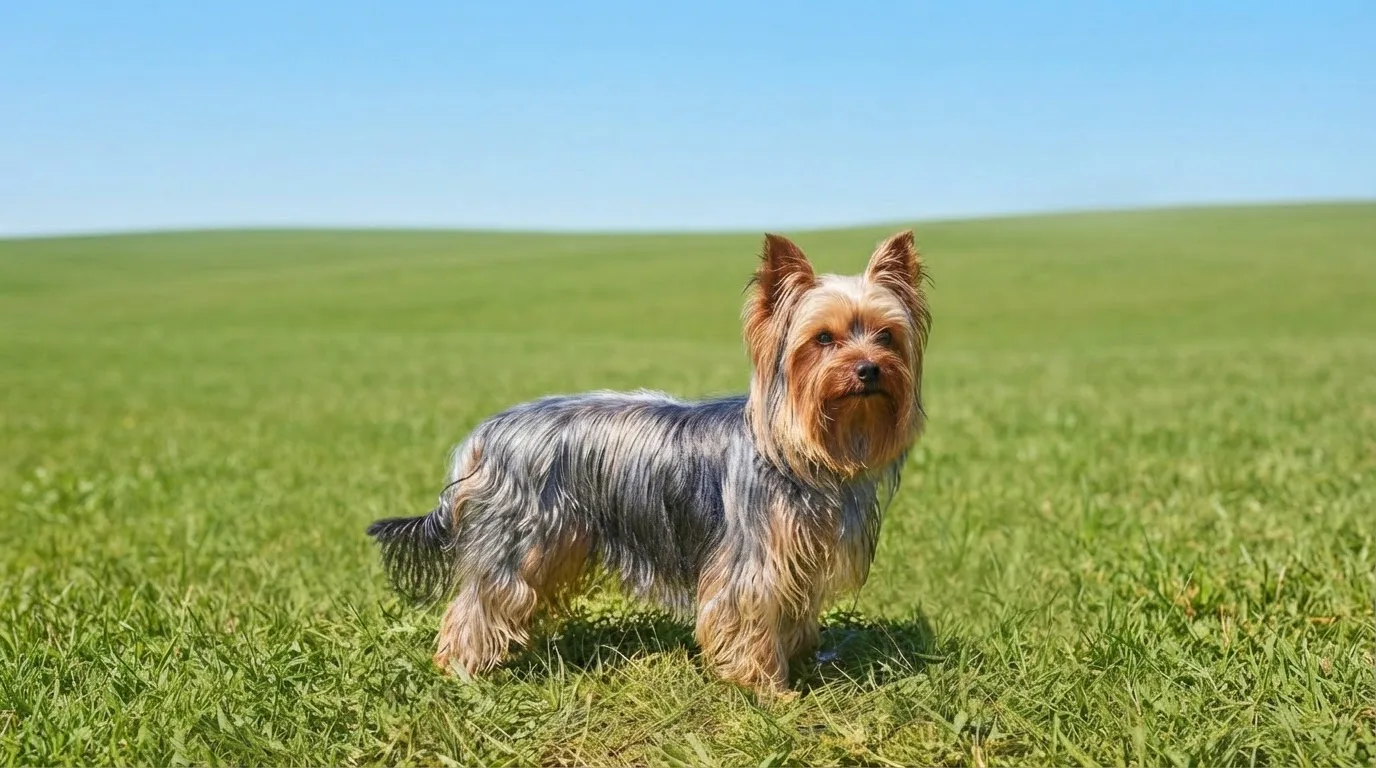
The Yorkshire Terrier, often called a Yorkie, is a tiny dog with a surprisingly confident personality. Its silky coat and elegant appearance make it one of the most recognizable toy breeds.
Yorkies usually remain under 7 pounds but carry plenty of energy. They are curious, alert, and often form strong attachments to their families.
Their small size is well-suited to indoor living, but their long coat requires regular grooming. Owners should also provide early training because their bold personalities can make them stubborn.
- Average height: 7–8 inches
- Average weight: Around 7 pounds
4. Pomeranian
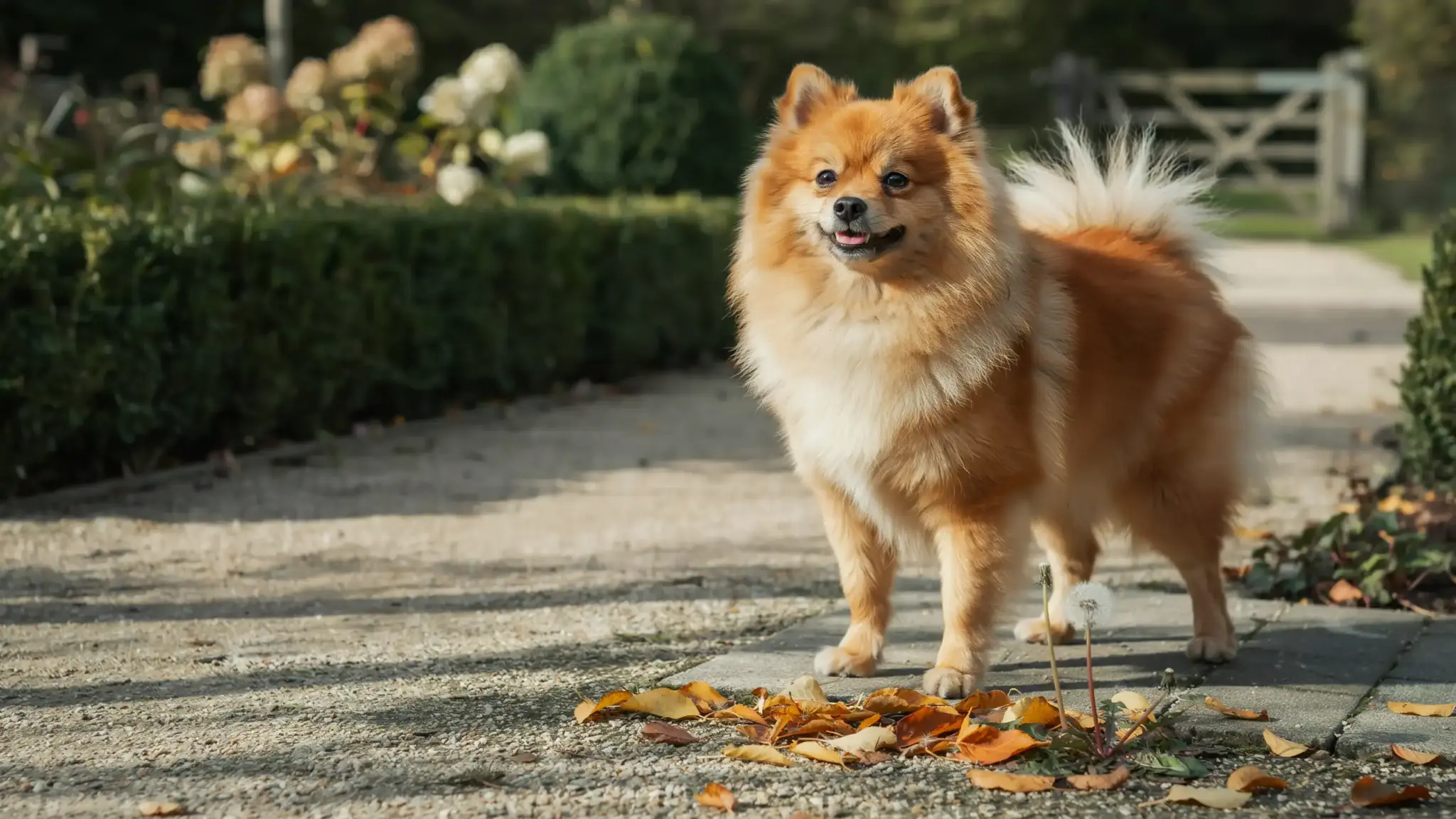
The Pomeranian is a fluffy toy breed known for its thick double coat and fox-like expression. Although their fur makes them appear larger, their actual body size remains very small.
Pomeranians are playful, intelligent, and highly social. They often enjoy learning tricks and participating in family activities despite their small stature.
Regular brushing is necessary to maintain their coat, and their energetic nature means they benefit from daily walks and play sessions.
- Average height: 6–7 inches
- Average weight: 3–7 pounds
5. Toy Poodle
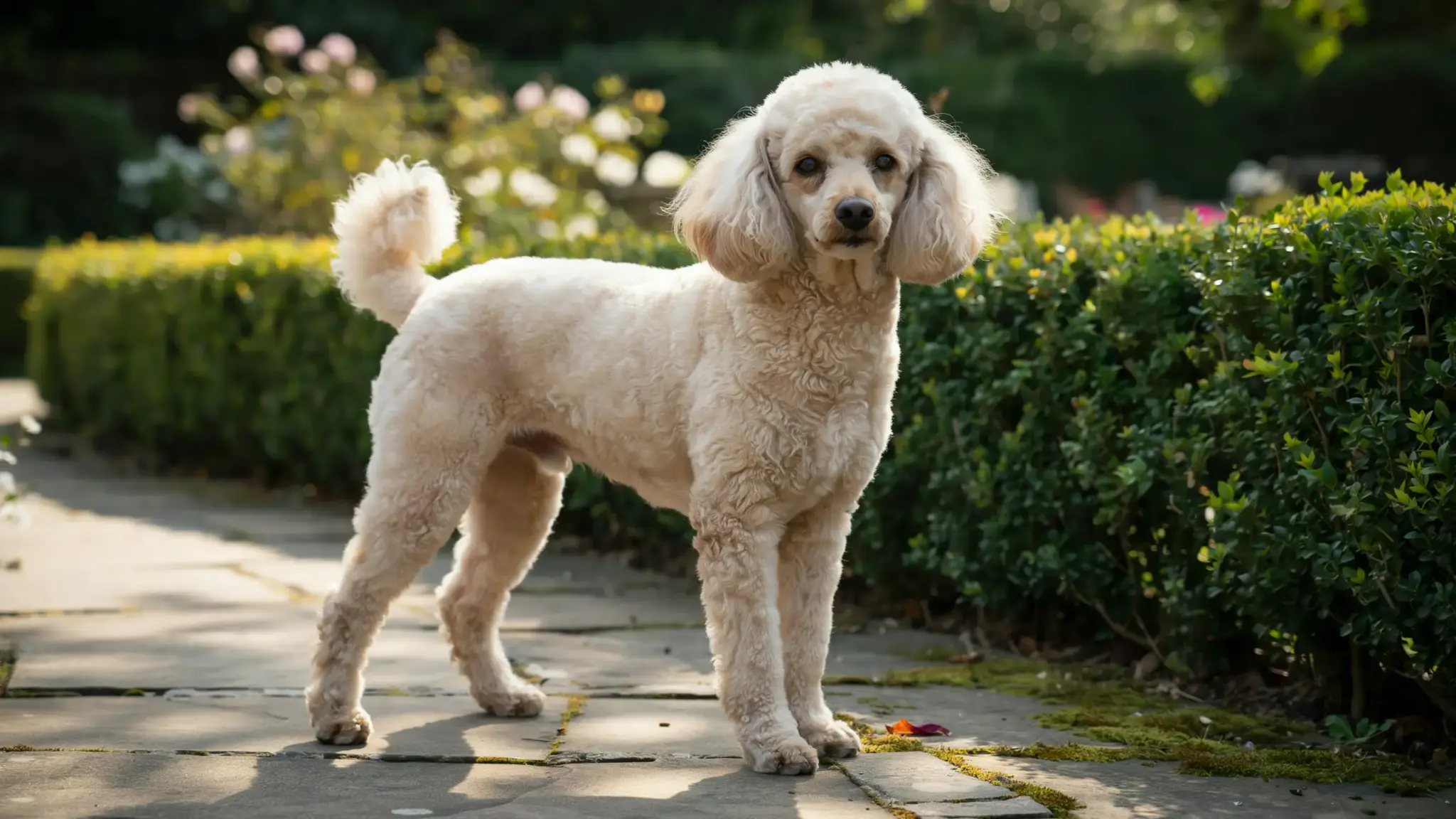
The Toy Poodle combines a small body with impressive intelligence. It is the smallest variety of the Poodle family and is known for its curly coat and quick learning ability.
Toy Poodles are often chosen by families looking for a tiny companion that is also highly trainable. Their low-shedding coat can appeal to some allergy-sensitive households, though no dog is completely hypoallergenic.
Despite their size, they need regular mental stimulation to stay happy and prevent boredom.
- Average height: Up to 10 inches
- Average weight: 4–6 pounds
6. Maltese
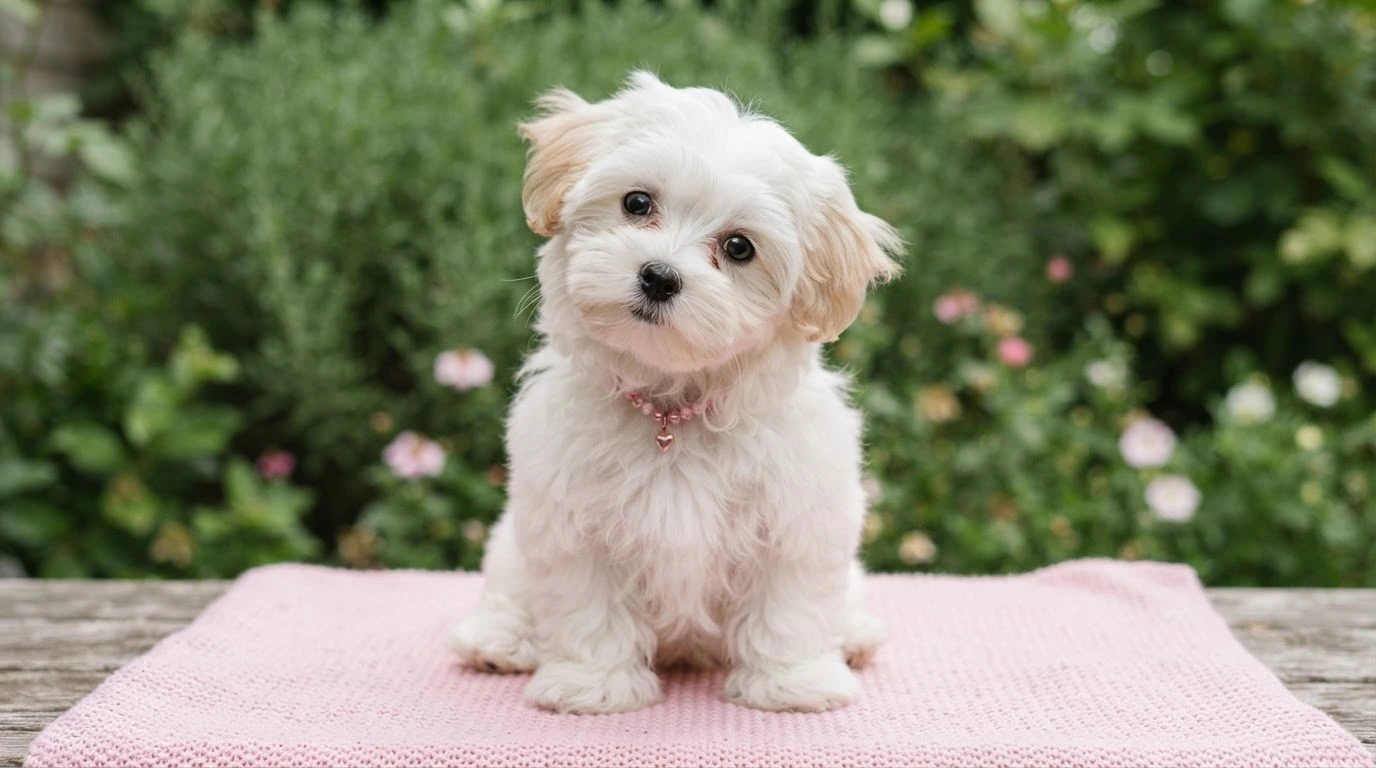
The Maltese is an ancient companion breed recognized for its long white coat and affectionate nature. These dogs have remained small for centuries, making them popular lap companions.
Maltese dogs are gentle, people-focused, and often enjoy being close to their owners. Their small size does not stop them from being playful and active.
Their coat requires consistent grooming, especially if kept long. Regular care helps prevent tangles and keeps them comfortable.
- Average height: 7–9 inches
- Average weight: Under 7 pounds
7. Japanese Chin
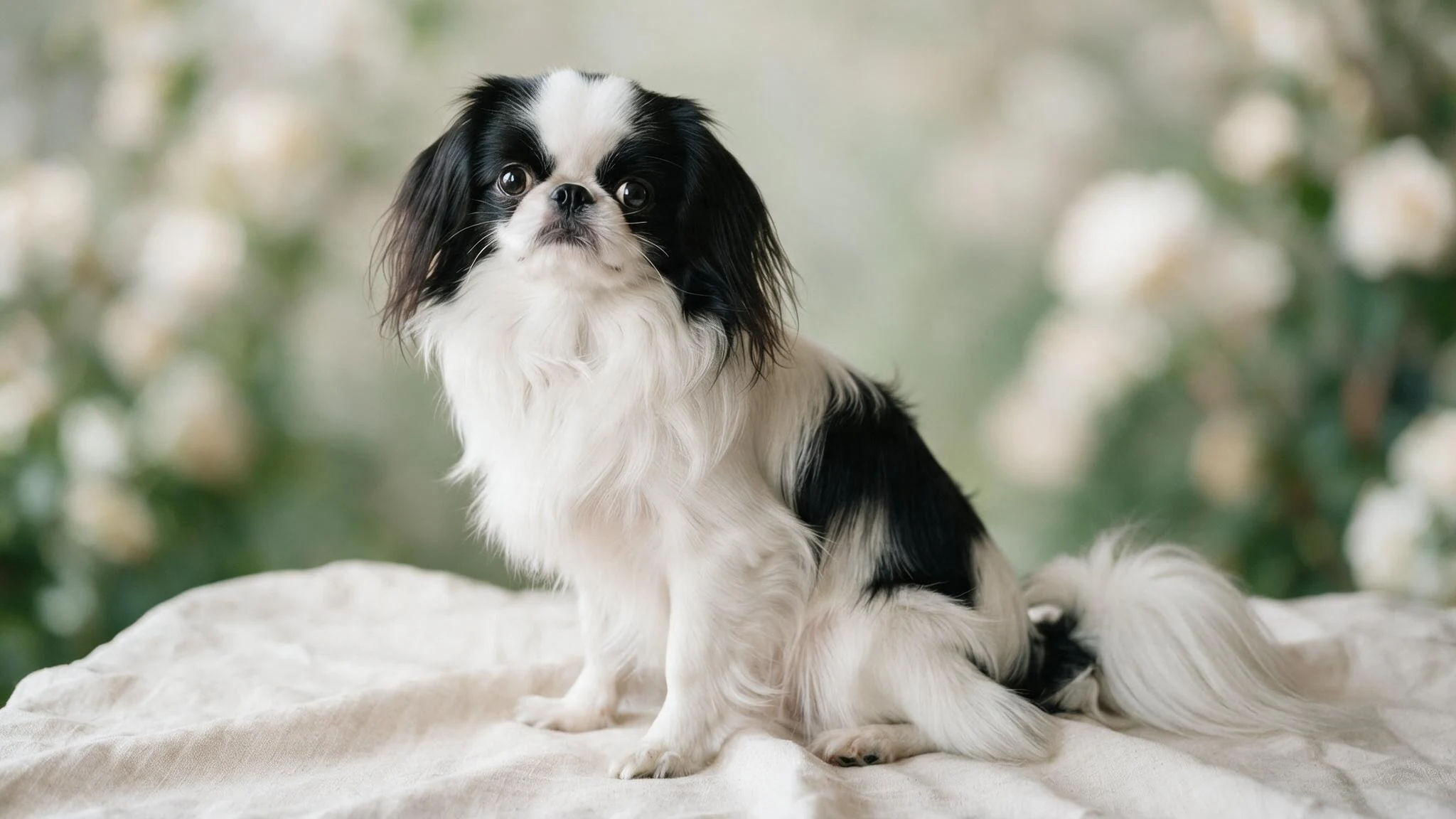
The Japanese Chin is a small companion breed with a distinctive flat face, large eyes, and feathered coat.
Unlike some energetic toy breeds, Japanese Chins often have a calmer personality. They are affectionate without always demanding constant attention, making them suitable for quieter households.
Their compact size and adaptable nature allow them to live comfortably in apartments, provided they receive regular interaction.
- Average height: 8–11 inches
- Average weight: 4–9 pounds
8. Papillon
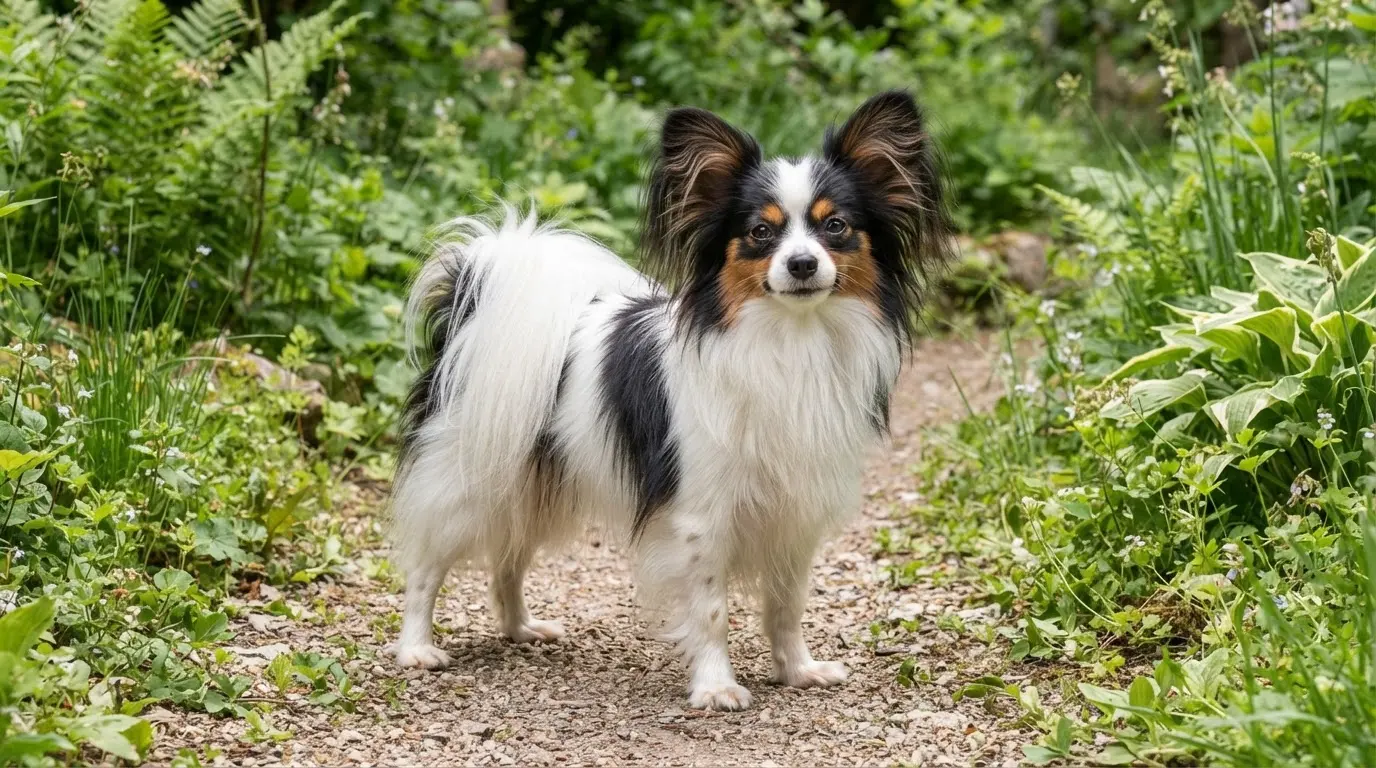
The Papillon is a small toy breed famous for its butterfly-shaped ears and elegant appearance. Despite its delicate look, this breed is energetic, athletic, and highly intelligent.
Papillons are often considered one of the easiest small dogs to train because they learn commands quickly. They enjoy games, activities, and spending time with their owners.
Their lightweight body makes them easy to handle, but they still need daily exercise and mental stimulation to stay content.
- Average height: 8–11 inches
- Average weight: 5–10 pounds
9. Brussels Griffon
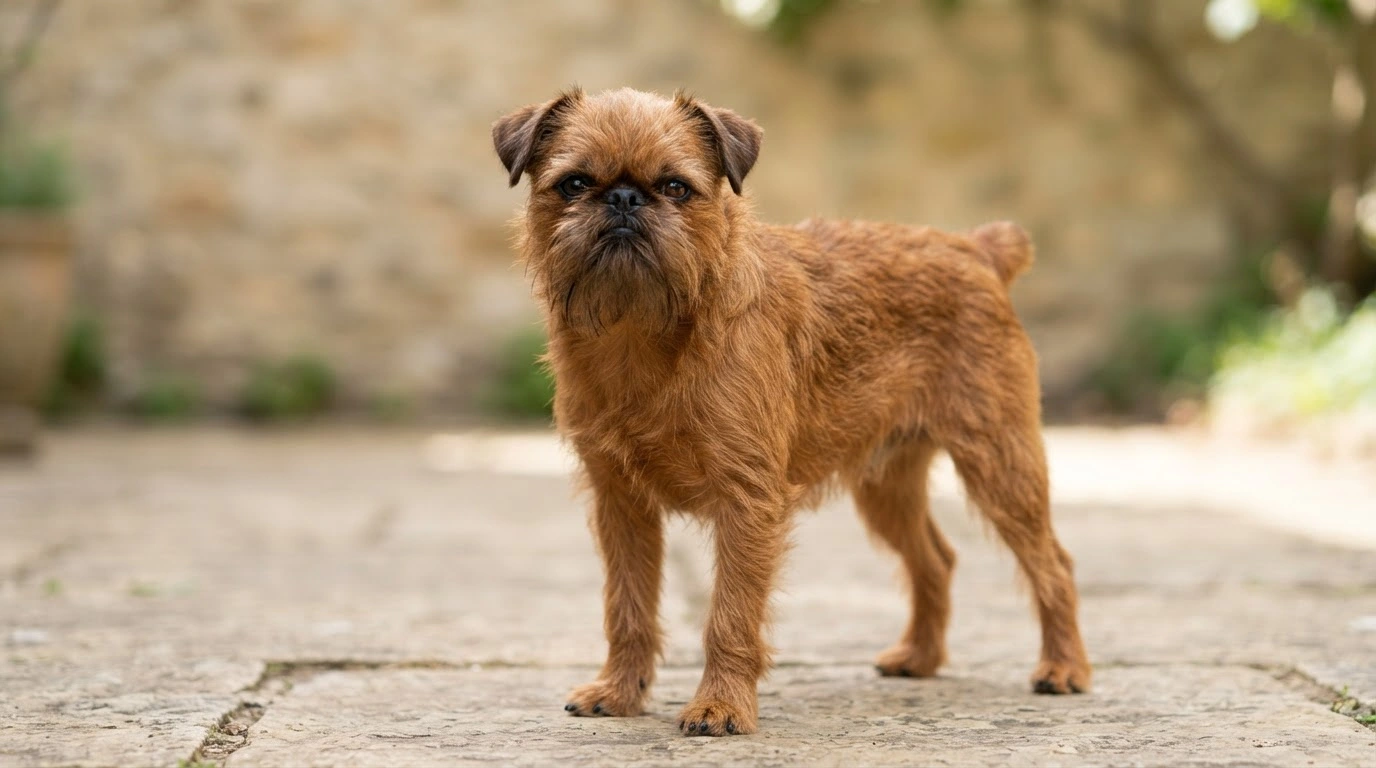
The Brussels Griffon is a tiny companion breed with a distinctive expressive face and human-like personality. These dogs are known for forming strong emotional connections with their families.
They come in smooth- and rough-coated varieties, both maintaining a compact size throughout adulthood.
Brussels Griffons are playful, affectionate, and often prefer staying close to their owners. Their small size makes them suitable for indoor living, but they thrive with regular attention.
- Average height: 7–10 inches
- Average weight: 8–10 pounds
10. Affenpinscher
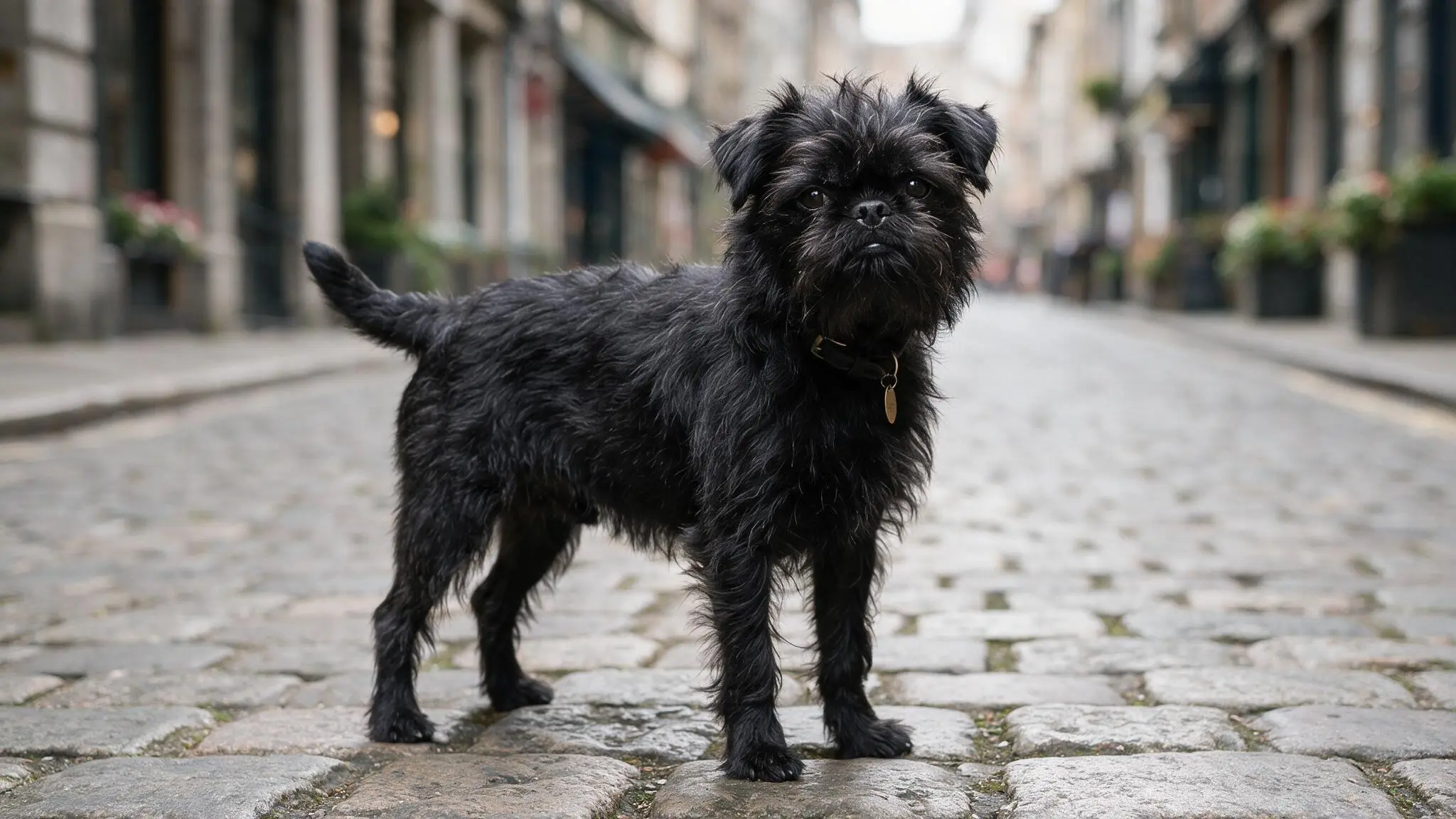
The Affenpinscher is a small breed with a confident personality and a unique monkey-like facial expression. Despite weighing only a few pounds, it has a fearless and adventurous nature.
This breed was originally developed as a working companion for pest control, which explains its alert and curious behavior.
Affenpinschers are loyal, entertaining, and independent. Their wiry coat needs regular grooming, but their small size keeps daily care manageable.
- Average height: 9–12 inches
- Average weight: 6–13 pounds
11. Chinese Crested
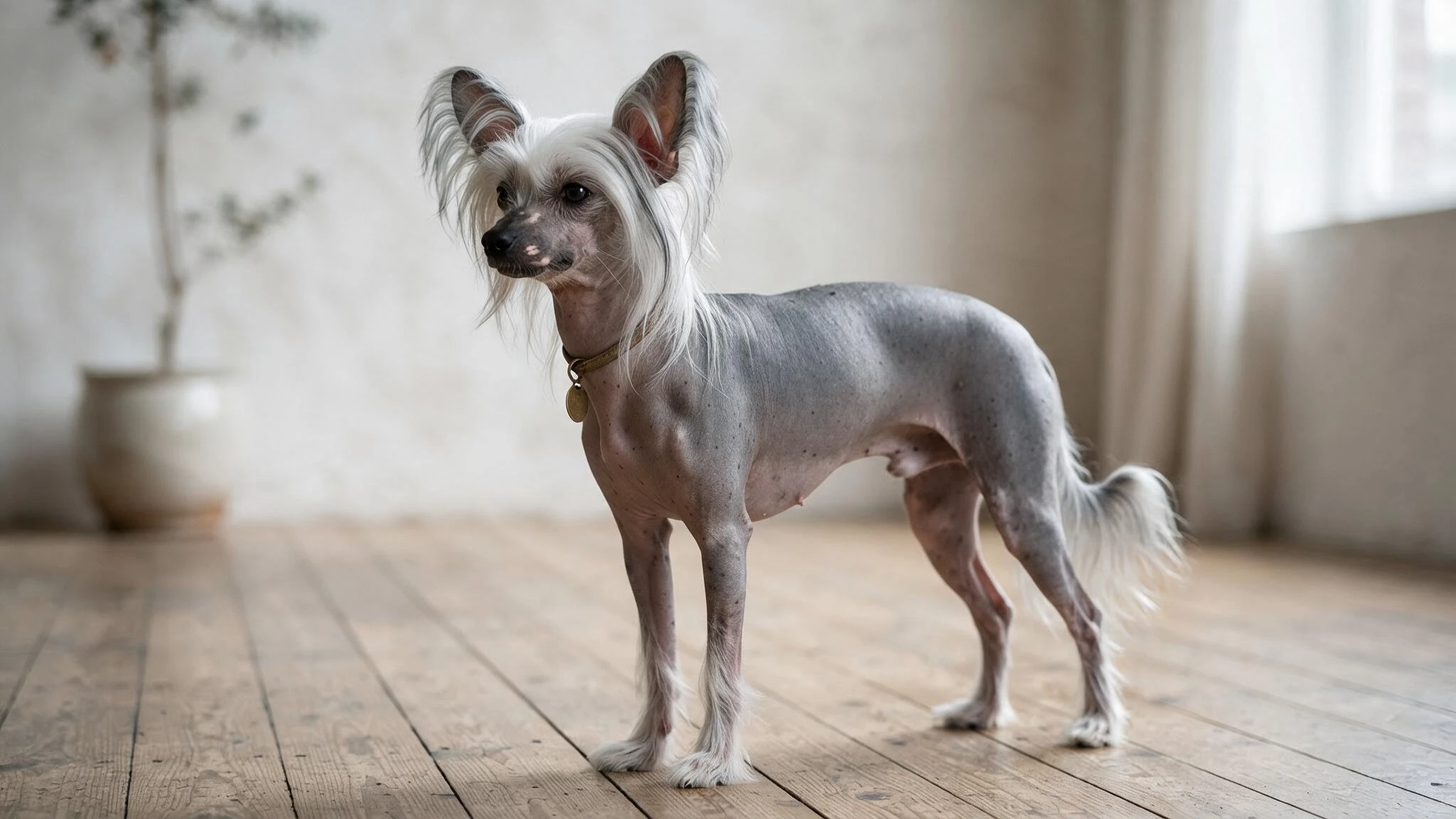
The Chinese Crested is one of the most unusual small breeds, available in hairless and powderpuff varieties.
This breed has a delicate frame and a gentle temperament. Chinese Cresteds are affectionate, playful, and often become deeply attached to their families.
Their small body makes them suitable for apartments, but hairless varieties require extra skin care and protection from extreme temperatures.
- Average height: 11–13 inches
- Average weight: 8–12 pounds
12. Biewer Terrier
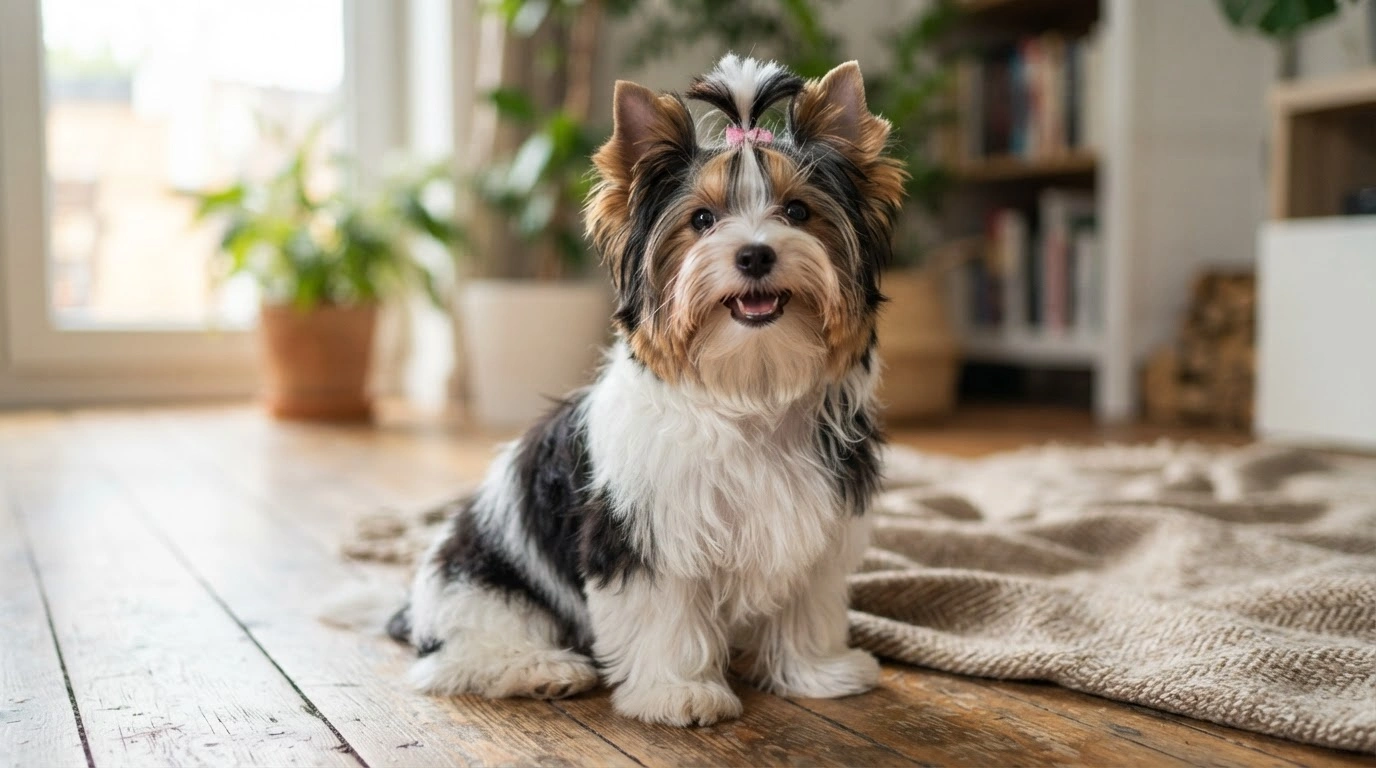
The Biewer Terrier is a relatively new toy breed recognized for its colorful coat pattern and tiny frame.
Similar in appearance to the Yorkshire Terrier, this breed has a friendly and cheerful personality. Biewer Terriers enjoy companionship and are generally eager to please.
Their long coat requires regular maintenance, but their small size makes them easy to manage in most homes.
- Average height: 7–11 inches
- Average weight: 4–8 pounds
13. Havanese
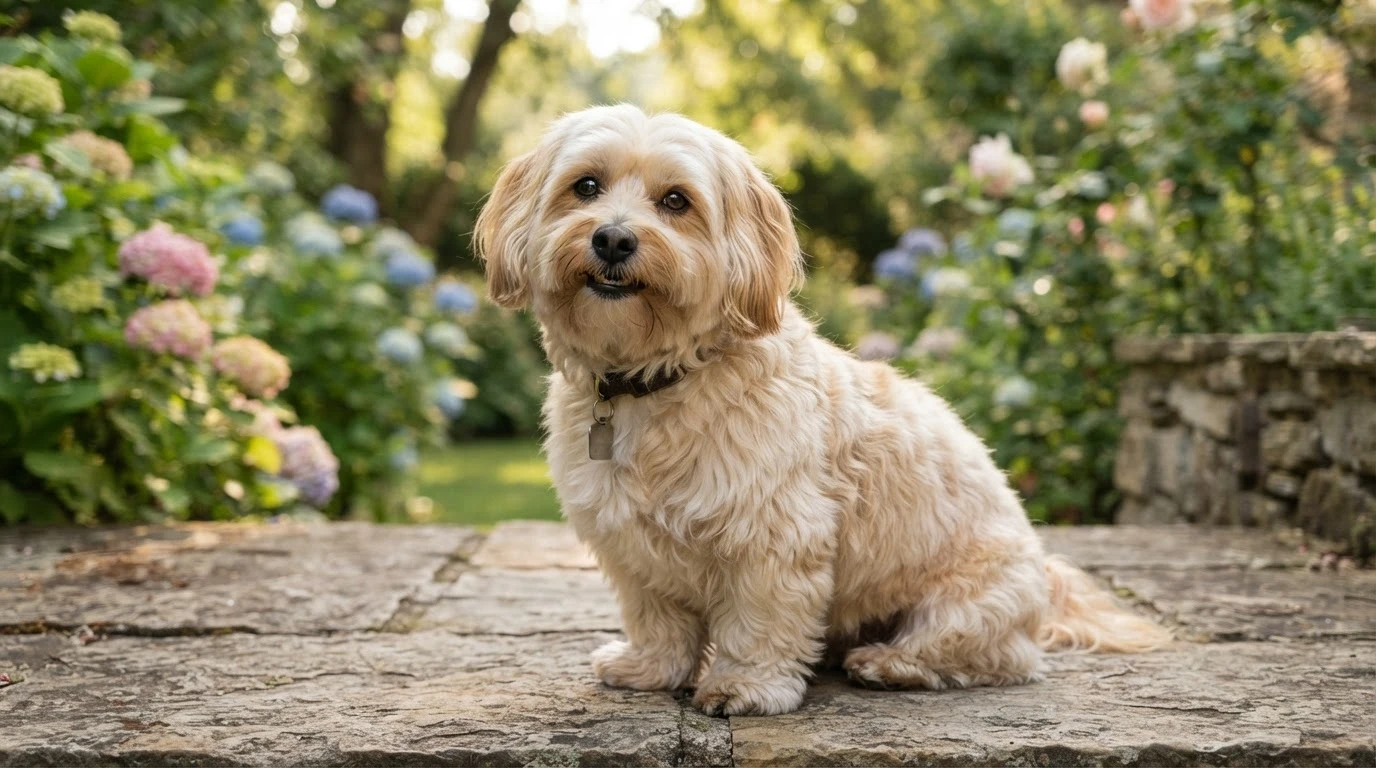
The Havanese is a small Cuban companion breed known for its silky coat and outgoing personality.
Although slightly larger than some toy breeds, Havanese dogs remain compact and are popular among families wanting a small but playful pet.
They are social, adaptable, and usually enjoy children and other pets when properly introduced. Their coat requires routine grooming to prevent matting.
- Average height: 8.5–11.5 inches
- Average weight: 7–13 pounds
14. Cavalier King Charles Spaniel
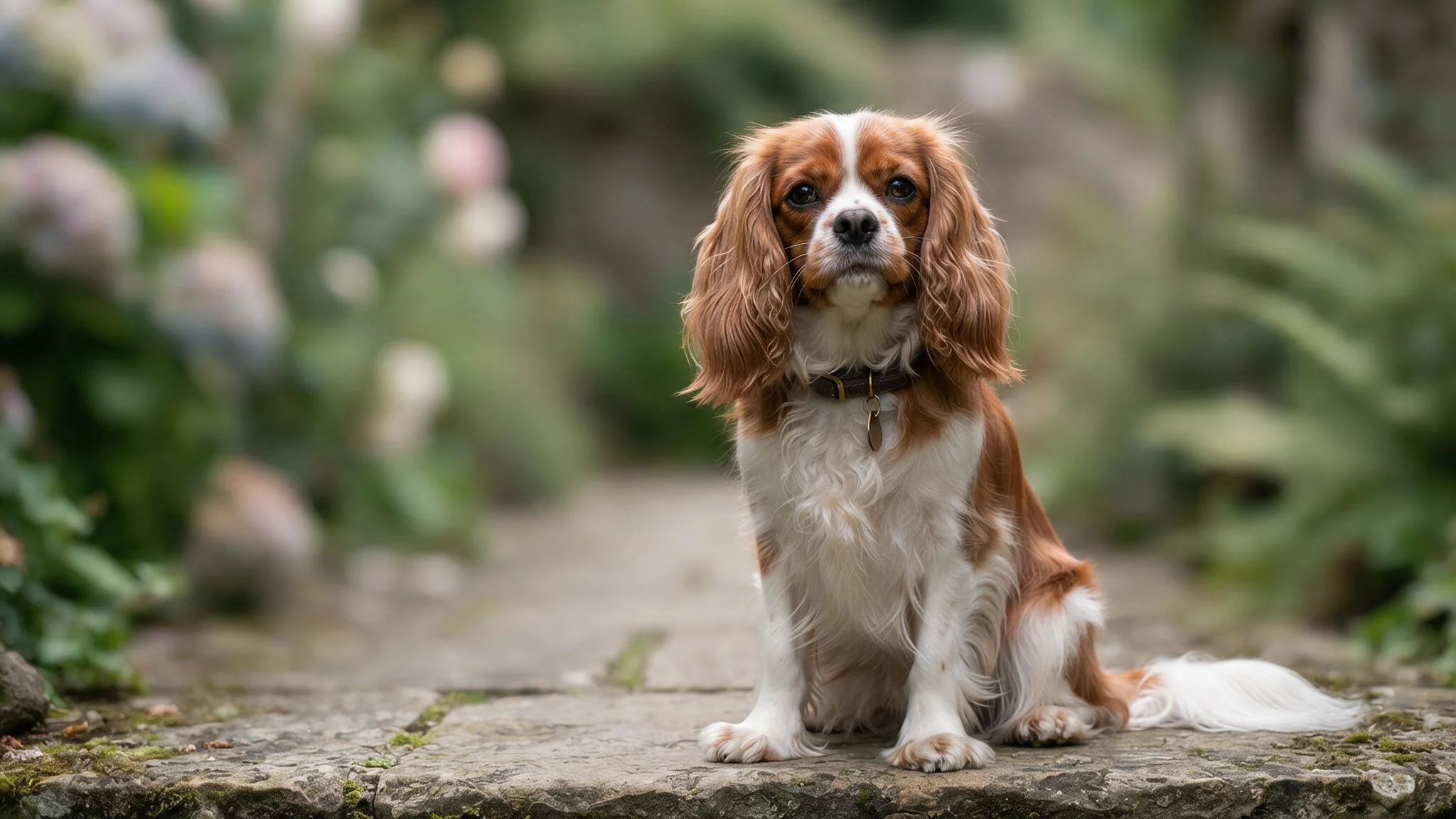
The Cavalier King Charles Spaniel is one of the larger dogs on this list of small breeds but remains a favorite companion breed.
Known for its gentle expression and affectionate nature, the Cavalier is often described as a loving family dog.
They adapt well to different living situations and enjoy both relaxing indoors and taking walks outdoors.
- Average height: 12–13 inches
- Average weight: 13–18 pounds
15. Dachshund
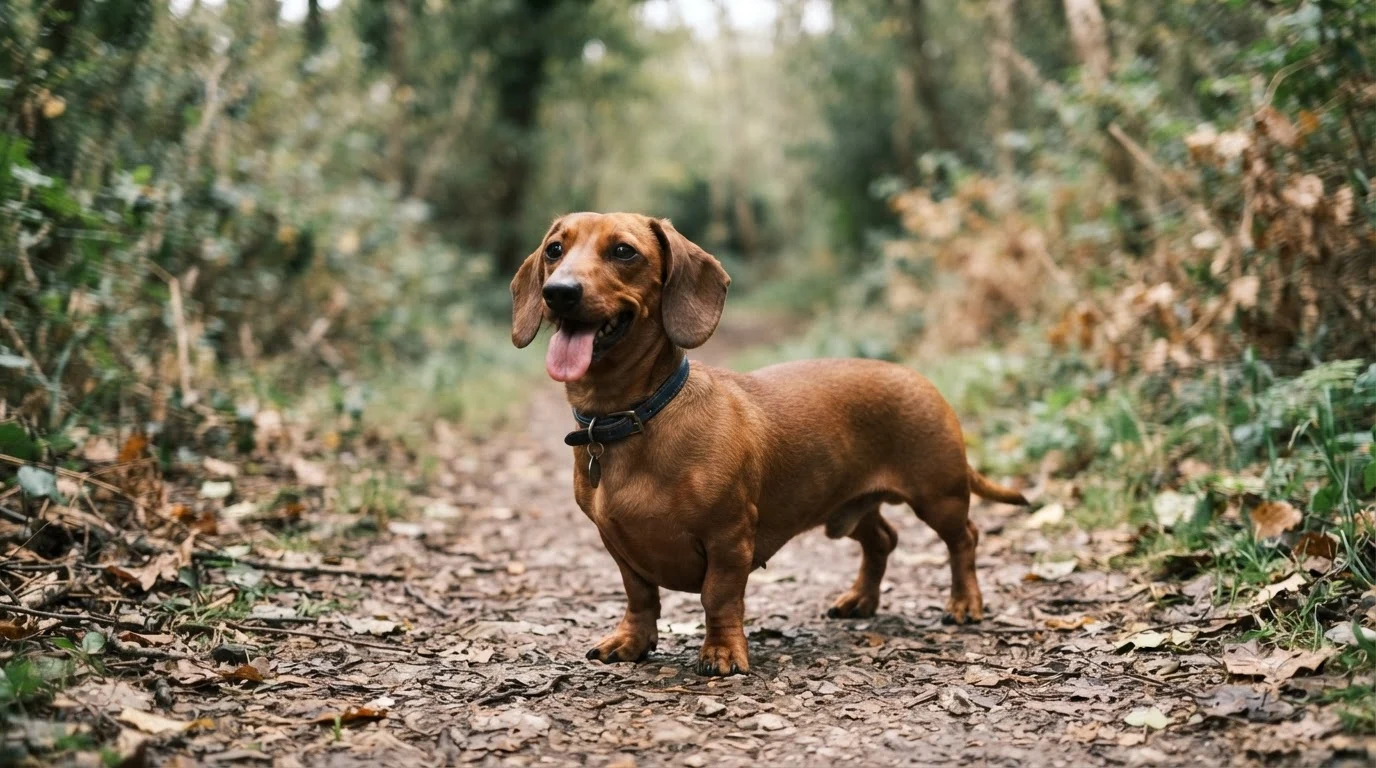
The Miniature Dachshund is a small dog with a long body, short legs, and a bold personality.
Originally bred for hunting, Dachshunds are brave, curious, and surprisingly energetic for their size. Their compact build allows them to fit comfortably in smaller homes.
Owners should pay attention to their own back health because their long spines require careful handling and weight management.
- Average height: 5–9 inches
- Average weight: 11 pounds or less for miniature varieties
16. Miniature Pinscher
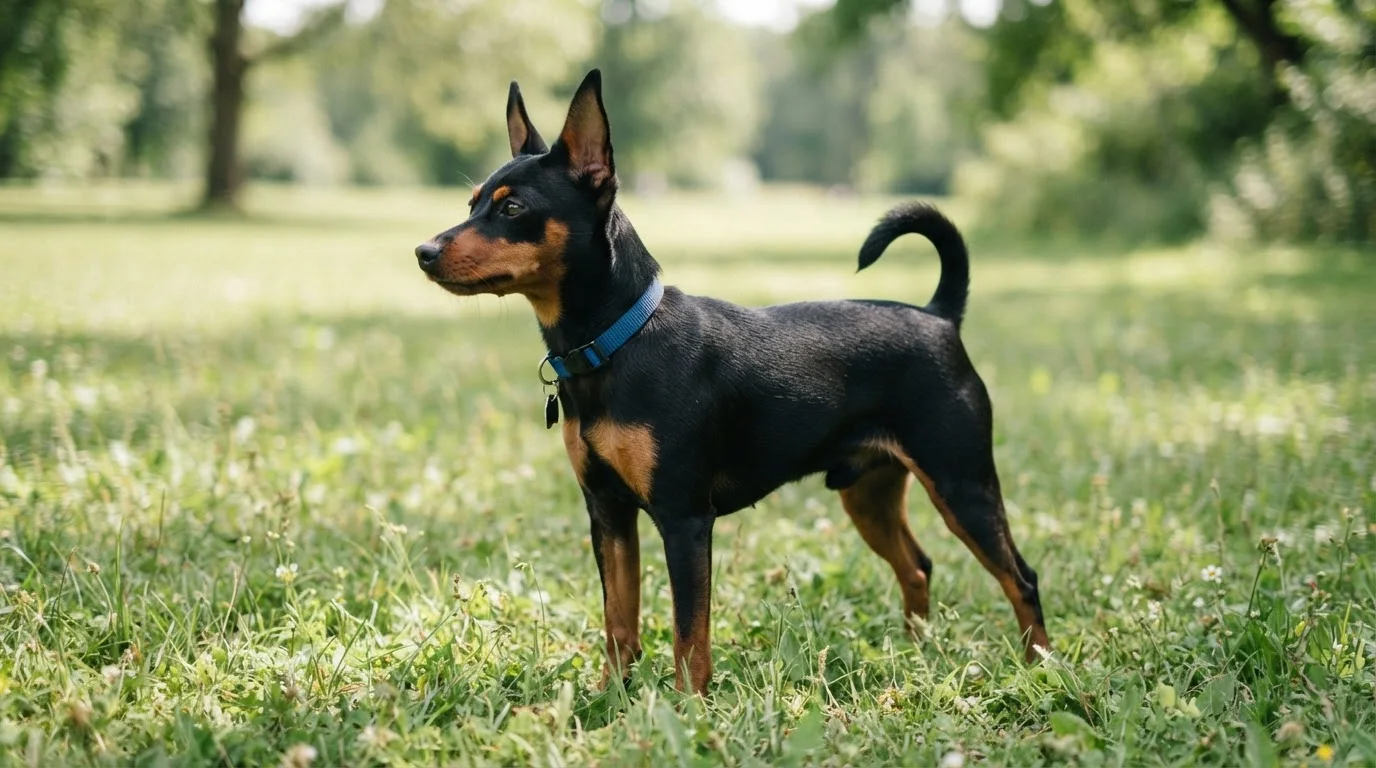
The Miniature Pinscher, often called the Min Pin, is a small but energetic breed with a confident attitude.
These dogs are active, alert, and naturally curious. Their short coat requires minimal grooming, making them easier to maintain than many long-haired toy breeds.
Although small, they benefit from training and regular activity to manage their high energy levels.
- Average height: 10–12.5 inches
- Average weight: 8–10 pounds
17. Italian Greyhound
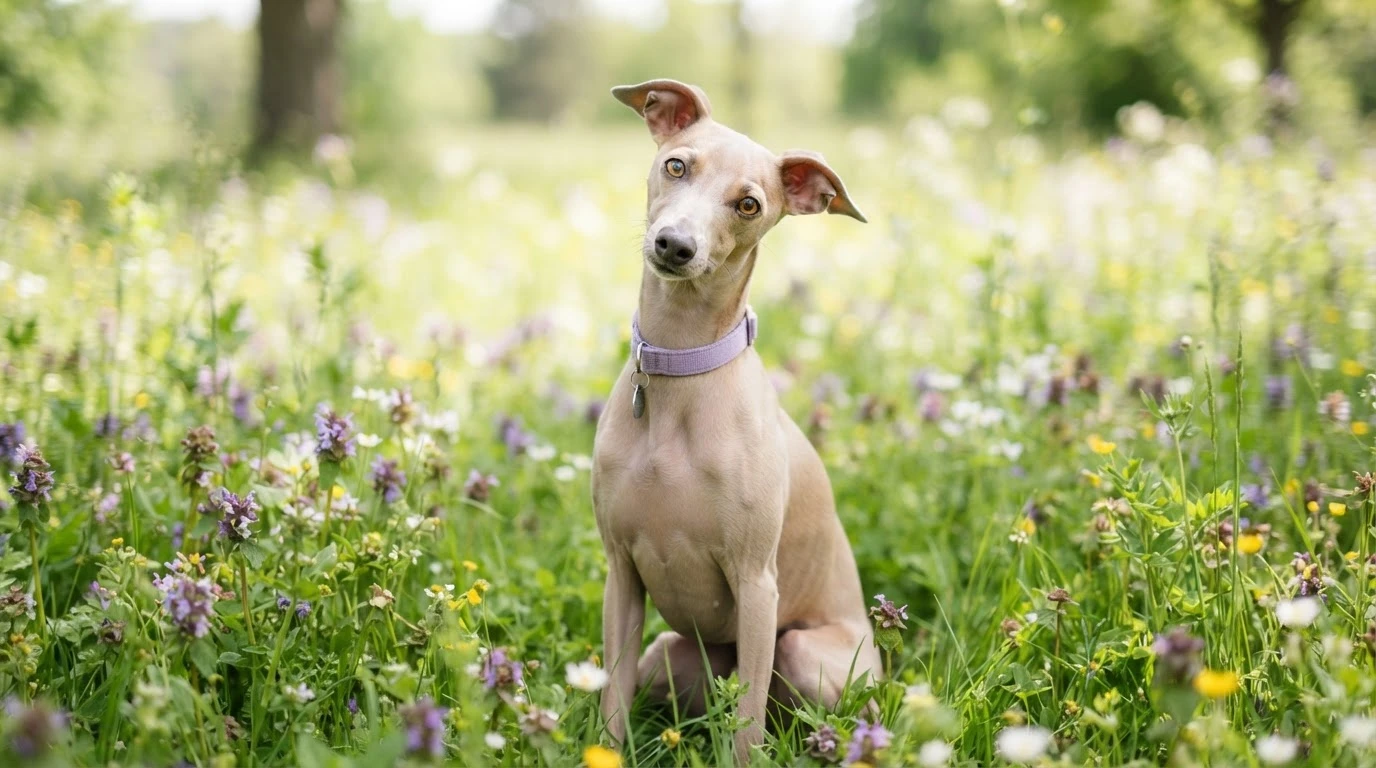
The Italian Greyhound is the smallest member of the Greyhound family. It has a slender body, graceful movement, and a gentle temperament.
This breed enjoys comfort and companionship, often becoming closely attached to its owner.
Their thin coat means they may need extra warmth during colder months. They are best suited to homes where they can receive plenty of affection and attention.
- Average height: 13–15 inches
- Average weight: 7–14 pounds
18. Shih Tzu
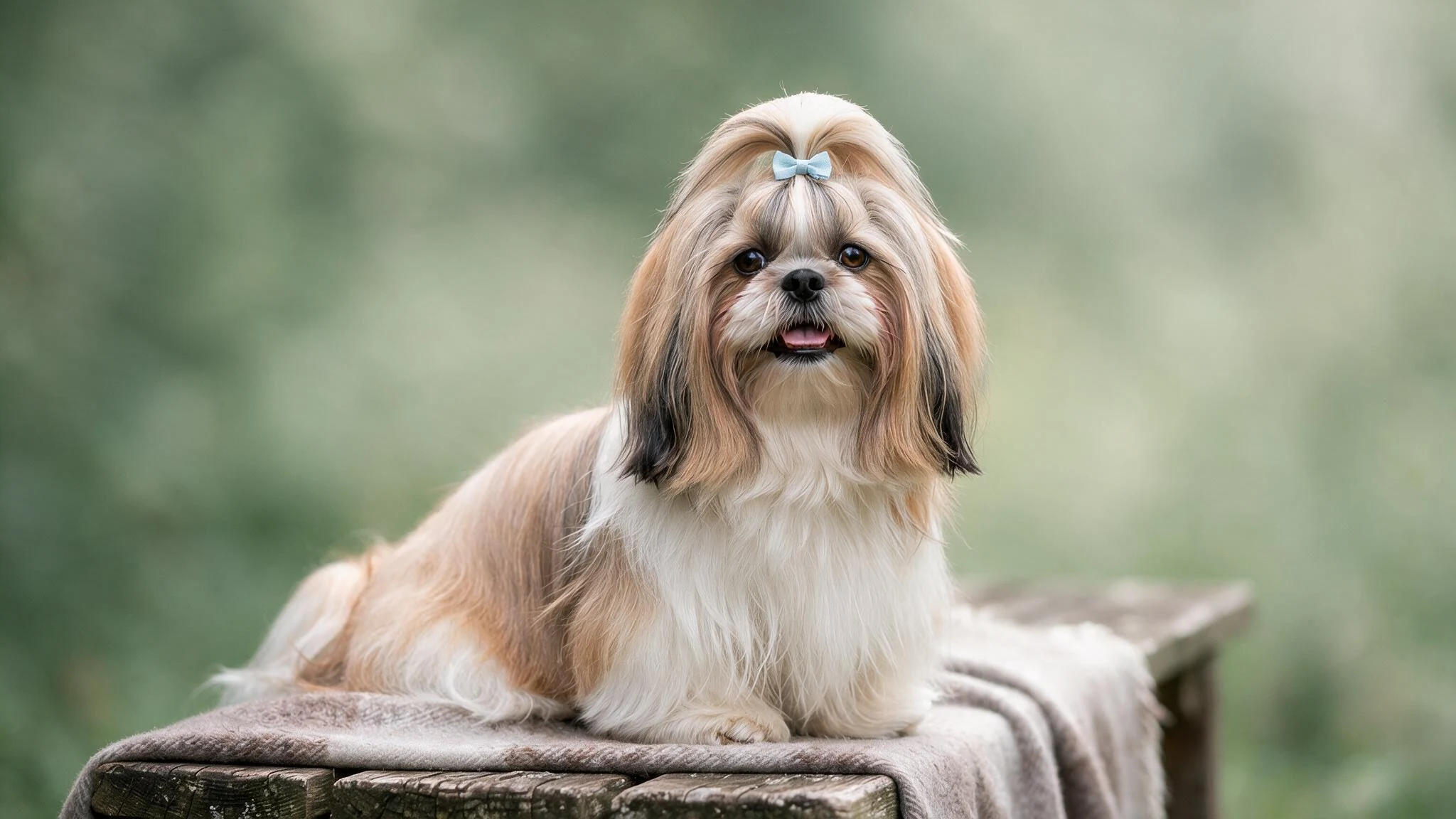
The Shih Tzu is a small companion breed known for its flowing coat and friendly personality.
Originally bred as royal companions, Shih Tzus are affectionate, adaptable, and comfortable in many household settings.
While they do not require intense exercise, they need regular grooming and daily interaction to stay healthy and happy.
- Average height: 9–10.5 inches
- Average weight: 9–16 pounds
19. French Bulldog
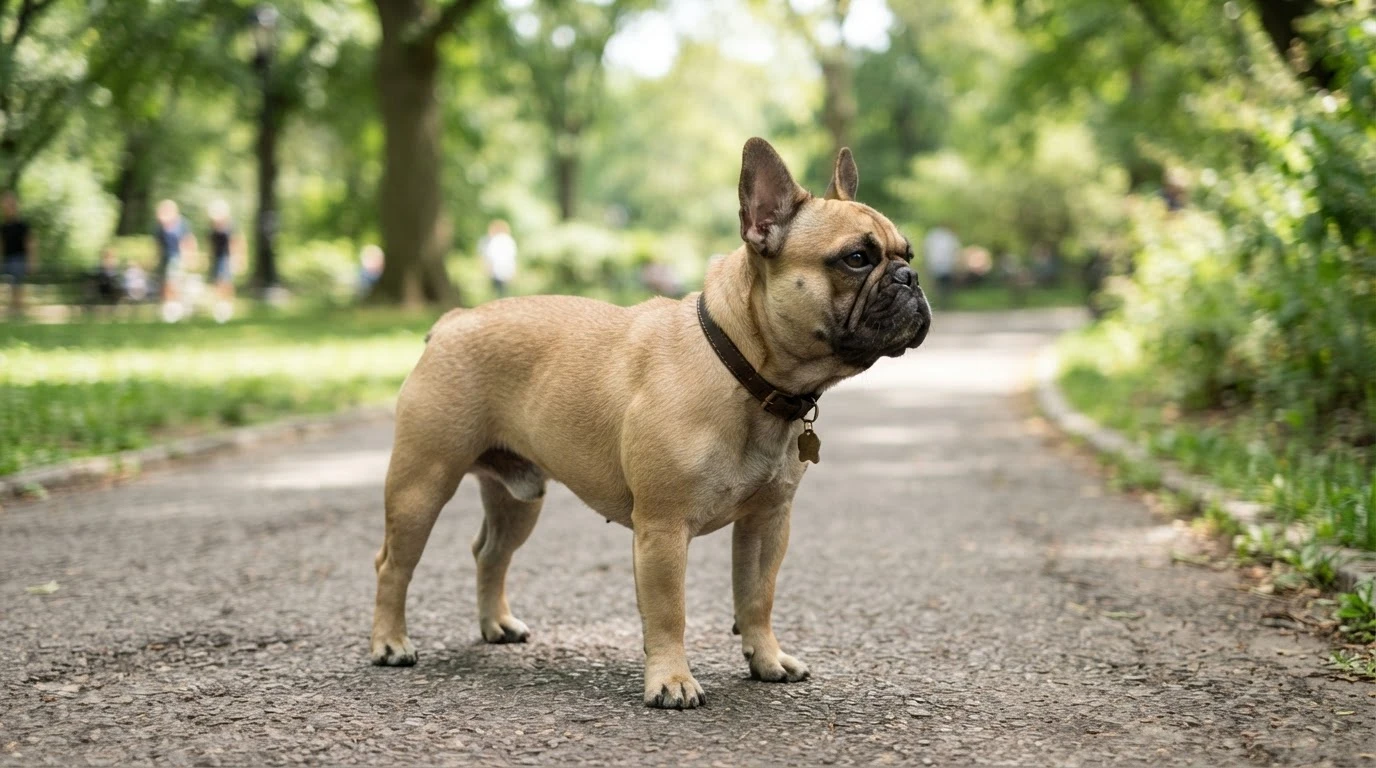
The French Bulldog is larger than many toy breeds but remains one of the most popular small companion dogs.
Their compact body, playful personality, and adaptable nature make them a common choice for city living.
French Bulldogs are affectionate and entertaining, though owners should understand their special care needs, including attention to breathing and heat sensitivity.
- Average height: 11–13 inches
- Average weight: Under 28 pounds
Chihuahua vs Other Tiny Dog Breeds
Several toy breeds are known for their tiny size, but the Chihuahua stands apart as the smallest recognized dog breed. Other small companions may come close, but differences in build, personality, and care needs can make one breed a better fit than another.
| Feature | Chihuahua | Other Tiny Dog Breeds |
|---|---|---|
| Size | The smallest recognized dog breed, usually weighing up to 6 lbs and standing 5–8 inches tall | Toy breeds like Pomeranians, Yorkies, Toy Poodles, and Papillons are also tiny but often slightly larger |
| Build | Compact body with a lightweight, delicate frame | Body types vary from fluffy-coated breeds to small athletic companions |
| Personality | Bold, alert, loyal, and known for a confident nature | Temperaments range from playful and social to intelligent and energetic |
| Care Needs | Needs careful handling, warmth, and proper socialization due to its small size | Grooming, exercise, and training needs depend on the specific breed |
| Best For | Owners looking for the smallest possible companion with a big personality | Owners who want a tiny dog with specific traits, coat types, or activity levels |
The Chihuahua leads the size comparison, but the best tiny dog depends on more than weight alone. Consider temperament, grooming needs, and your daily routine before choosing the right small companion for your home.
How Do You Choose the Right Small Dog Breed?
Choosing the smallest dog breed is not only about finding the lowest number on a scale. A dog’s personality, energy level, grooming needs, and health considerations matter just as much as size.
Before bringing home a tiny companion, consider:
- Activity level: Some small dogs are energetic and need daily play, while others prefer a calmer routine.
- Grooming needs: Long-coated breeds often require frequent brushing and professional care.
- Training needs: Intelligent breeds benefit from early training and mental stimulation.
- Living space: Small dogs usually adapt well to apartments but still need exercise and attention.
- Health considerations: Some tiny breeds can have dental, joint, or breathing concerns.
A smaller body does not always mean an easier pet. Matching the breed’s personality with your lifestyle creates a better long-term relationship.
Final Thoughts
The Chihuahua remains the smallest recognized dog breed, with its tiny frame, compact size, and confident personality making it a favorite among small dog lovers.
Pomeranians, Toy Poodles, Maltese, and other toy breeds also stay remarkably small, but each comes with different grooming needs, energy levels, and temperaments.
Adult size is only one part of choosing a tiny companion. Genetics, health, activity needs, training, and lifestyle compatibility all influence whether a breed is the right fit for your home.
A small dog is not always low-maintenance, so compare care requirements and personality traits before making a decision.
Which tiny dog breed surprised you the most? Share your thoughts and pass this list along to other dog lovers looking for a small companion.
Frequently Asked Questions
What is the Easiest Small Dog Breed to Train?
Toy Poodles, Papillons, and Havanese are often considered easier to train because they are intelligent and respond well to positive reinforcement.
Which Small Dog Breeds Shed the Least?
Maltese, Toy Poodles, and Biewer Terriers are known for lower-shedding coats, though grooming requirements remain important.
Can Small Dogs Live Comfortably in Apartments?
Yes, many small breeds adapt well to apartments when they receive proper exercise, training, and daily interaction.
Do Tiny Dog Breeds Have Longer Lifespans?
Many small breeds enjoy long lifespans, often living 12–16 years with proper nutrition, veterinary care, and healthy lifestyle habits.